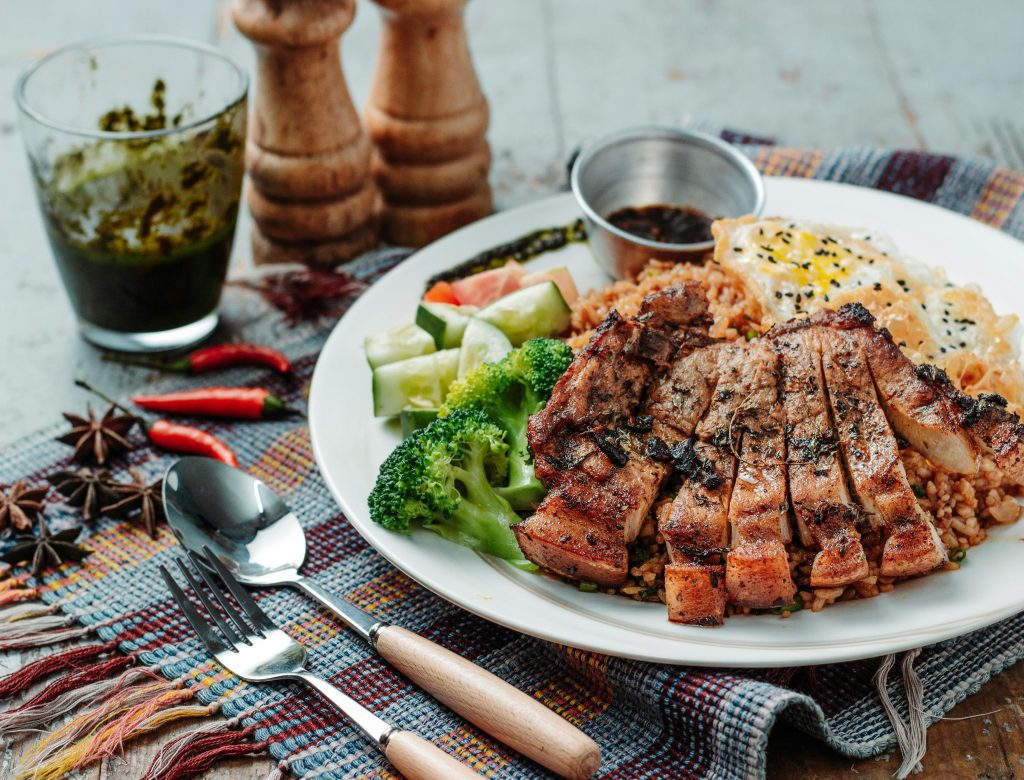
Picture this: You’re rushing through your morning, realizing you’ve got maybe two windows in your day to actually sit down and eat properly. Sound familiar? For many people, eating 1600 calories in 2 meals isn’t just a preference, it’s the reality of a busy schedule. Whether you’re following an intermittent fasting protocol or simply don’t have time for multiple meals, condensing your daily intake into two substantial eating windows can actually work brilliantly when you do it right.
Related reading: Why Your Body Reacts When Friends Share Big Life News.
The challenge isn’t just hitting that calorie target. It’s doing it in a way that keeps you satisfied, energized, and properly nourished. Most people get this wrong from the start, either under-eating and feeling ravenous later or loading up on empty calories that leave them sluggish within an hour. Neither approach is sustainable, and both miss the point entirely.
Here’s the thing: eating 1600 calories in 2 meals requires more strategic thinking than spreading the same amount across five smaller portions. You’re essentially creating two complete nutritional experiences that need to carry you through extended periods. That means balancing macronutrients properly, choosing foods with staying power, and timing your meals to match your energy demands. Done well, it simplifies your day. Done poorly, it becomes a daily struggle against hunger and fatigue.
Common Myths About Eating 1600 Calories in 2 Meals
Related reading: Healthy Meals to Eat Daily: The 3 Most Balanced Plans for Repetitive Eating.
Myth: Your metabolism will slow down without frequent meals
Reality: Research from the University of Cambridge shows meal frequency has minimal impact on metabolic rate when total calorie intake remains consistent. Your body adapts remarkably well to different eating patterns. What matters most is the quality and quantity of food consumed over 24 hours, not how many times you eat it. NHS guidance on calories confirms that total daily intake trumps meal timing for most people.
Myth: You’ll lose muscle without eating every few hours
Reality: Muscle protein synthesis responds to adequate protein intake throughout the day, not constant feeding. Studies published in the British Journal of Nutrition demonstrate that spacing protein across fewer, larger meals maintains muscle mass just as effectively as grazing, provided you meet your daily protein requirements. Your muscles won’t vanish because you skipped breakfast.
Myth: Large meals will make you tired and sluggish
Reality: Composition matters far more than size. A massive plate of refined carbs and sugar will absolutely crash your energy. But an 800-calorie meal built around lean protein, healthy fats, complex carbs, and vegetables can sustain steady energy for hours. The post-meal slump comes from poor food choices, not portion size.
Building Your 800-Calorie Meals: The Foundation
You might also enjoy: Best Post Workout Meals for Muscle Recovery and Growth.
When you’re eating 1600 calories in 2 meals, each meal becomes roughly 800 calories. That’s substantial enough to be satisfying but manageable when structured properly. The key is balancing macronutrients to create meals that tick three boxes: they fill you up, provide sustained energy, and deliver complete nutrition.
Start with protein as your anchor. Aim for 30-40 grams per meal, which translates to roughly 120-160 calories from protein sources. This might look like 150g of chicken breast, 200g of white fish, three whole eggs plus two egg whites, or 180g of extra-firm tofu. Protein slows digestion, increases satiety, and preserves muscle mass when you’re in a calorie deficit.
Next, add complex carbohydrates for energy. You want 70-100 grams of carbs per meal, contributing 280-400 calories. Think sweet potatoes, brown rice, quinoa, wholegrain bread, or oats. These provide sustained glucose release rather than the spike-and-crash cycle of refined options. According to NHS recommendations on starchy foods, wholegrain varieties offer additional fibre and nutrients that support digestive health.
Healthy fats round out your macros, adding flavour and supporting hormone production. Target 25-35 grams per meal, which equals 225-315 calories. Avocado, nuts, seeds, olive oil, and fatty fish all work brilliantly. These fats slow stomach emptying, which extends the time you feel satisfied between meals.
Finally, load up on vegetables. They add volume, micronutrients, and fibre without significantly impacting your calorie count. A massive portion of roasted vegetables might only contribute 50-100 calories but makes your plate look abundant and satisfying.
Your 1600 Calories in 2 Meals: Sample Meal Structures
Theory only gets you so far. Practical examples make this approach actually usable. Here are three different meal patterns that hit 1600 calories in 2 meals while keeping nutrition balanced and satisfaction high.
Pattern One: Traditional Lunch and Dinner
Meal 1 (1pm, 800 calories): Grilled salmon fillet (180g) with quinoa (100g cooked weight), roasted Mediterranean vegetables drizzled with olive oil, and a small mixed green salad. This breaks down to roughly 40g protein, 75g carbs, and 30g fat.
Meal 2 (7pm, 800 calories): Lean beef stir-fry with brown rice. Use 150g lean beef strips, 100g cooked brown rice, loads of vegetables (peppers, broccoli, snap peas), and cook in a tablespoon of sesame oil. Top with cashews for crunch. Similar macro split with excellent variety.
Pattern Two: Hearty Breakfast and Early Dinner
Meal 1 (9am, 800 calories): Three-egg omelette loaded with spinach, mushrooms, and cheese, served with two slices of wholegrain toast with almond butter, plus a side of mixed berries and Greek yogurt. Satisfying enough to power you through until evening.
Meal 2 (5pm, 800 calories): Chicken and sweet potato bowl. Roasted chicken thigh (150g), large baked sweet potato, steamed green beans, and tahini dressing. Add chickpeas for extra protein and fibre.
Pattern Three: Vegetarian Approach
Meal 1 (12pm, 800 calories): Buddha bowl with spiced chickpeas (120g cooked), quinoa (100g cooked), roasted vegetables, avocado (half), tahini dressing, and pumpkin seeds. Plant-based but hitting all your nutritional requirements.
Meal 2 (6pm, 800 calories): Lentil curry with brown rice. Use red lentils (100g dried weight), coconut milk, loads of vegetables, and serve over brown rice (80g dried weight). Substantial, warming, and surprisingly filling.
Notice how each pattern spaces meals 5-7 hours apart. This timing allows full digestion and absorption while preventing excessive hunger between eating windows.
Getting 1600 Calories in 2 Meals: Timing That Works
The when matters almost as much as the what. Eating 1600 calories in 2 meals demands strategic timing that aligns with your natural hunger patterns, energy demands, and daily schedule.
Most people find success with one of two windows: either noon-to-8pm or 10am-to-6pm. The first option works brilliantly for early risers who power through mornings on black coffee or tea, then break their fast around midday. You eat lunch around noon and dinner by 8pm, leaving a comfortable 16-hour overnight fast that many find reduces bloating and improves sleep quality.
The second window suits those who need breakfast to function. A substantial 10am meal (more brunch than breakfast) followed by an early 5-6pm dinner creates a similar fasting period while accommodating morning hunger.
What really matters is consistency. Your body adapts to predictable eating patterns, regulating hunger hormones accordingly. Ghrelin (your hunger hormone) learns when to expect food. After two weeks of consistent timing, most people report significantly reduced hunger outside their eating windows.
One practical tip that makes a genuine difference: schedule your larger meal before your most demanding part of the day. If you train in the evening, make dinner your bigger portion. If afternoons are mentally taxing, load up at lunch. This strategic approach to eating 1600 calories in 2 meals ensures you’re properly fueled when you need it most.
Meal Prep Strategies for Two Daily Meals
Preparation determines success. When you’re condensing your eating into two substantial meals, winging it simply doesn’t work. You’ll either fall short on calories and nutrition or resort to convenient junk that leaves you unsatisfied.
Batch cooking becomes your best friend. Dedicate two hours on Sunday to preparing components that mix and match throughout the week. Cook a large batch of protein (roasted chicken breasts, grilled tofu, or lean mince), prepare complex carbs (brown rice, quinoa, sweet potatoes), and roast trays of vegetables.
Something like good quality storage containers makes this infinitely easier. Look for compartmentalized options that keep components separate until you’re ready to eat. Glass varieties work well because they go from fridge to microwave without issue, and they don’t retain smells or stains like plastic alternatives.
Create a simple rotation of five meal templates. This prevents decision fatigue while maintaining variety. Your templates might include: grain bowl, stir-fry, curry with rice, loaded salad, and protein with roasted vegetables. Each template adapts to different proteins and vegetables while maintaining the macro balance you need.
Pre-portion your meals immediately after cooking. This eliminates guesswork and ensures you’re genuinely hitting 800 calories per meal rather than eyeballing portions that might fall short. A basic kitchen scale takes the guesswork out of portion control and typically costs less than a tenner from any supermarket.
Prepare grab-and-go elements for rushed days. Mason jar salads (dressing on bottom, hearty ingredients in middle, greens on top) stay fresh for days. Pre-marinated proteins go straight from fridge to pan. Overnight oats assemble in minutes. These strategies ensure you stick with eating 1600 calories in 2 meals even when life gets chaotic.
Mistakes to Avoid When Eating Two Large Meals
Mistake 1: Drinking your calories between meals
Why it’s a problem: Lattes, fruit juice, and smoothies can easily add 300-500 calories to your day without triggering satiety mechanisms. Liquid calories bypass many of the fullness signals that solid food triggers, leaving you hungry despite consuming significant energy.
What to do instead: Stick to water, black coffee, or unsweetened tea between meals. Save any caloric drinks for within your eating windows where they count toward your structured intake. If you genuinely enjoy a morning coffee with milk, include it in your first meal’s calorie budget rather than treating it as separate.
Mistake 2: Loading up on refined carbs and sugar
Why it’s a problem: An 800-calorie meal of pasta, white bread, and dessert will spike blood sugar dramatically, crash your energy within two hours, and leave you ravenous long before your next meal. You’ll spend hours fighting cravings and low energy.
What to do instead: Build each meal around the formula mentioned earlier: substantial protein, complex carbs, healthy fats, and loads of vegetables. This combination provides stable blood glucose and genuine satiety that lasts 5-7 hours comfortably.
Mistake 3: Skipping vegetables to fit in more calorie-dense foods
Why it’s a problem: Vegetables provide essential micronutrients, fibre for digestive health, and the physical volume that makes meals feel substantial. Without them, even 800 calories can feel disappointingly small on your plate, and you miss crucial nutrients.
What to do instead: Make vegetables at least half your plate volume at each meal. They add minimal calories but maximum satisfaction and nutrition. Roast them with a small amount of oil for flavour without excessive calories. According to NHS 5-a-day guidelines, aiming for variety in vegetable types ensures broad nutrient coverage.
Mistake 4: Eating too quickly
Why it’s a problem: Your stomach takes roughly 20 minutes to signal fullness to your brain. Rush through an 800-calorie meal in ten minutes and you’ll likely still feel hungry immediately after, potentially leading to overeating or dissatisfaction.
What to do instead: Set aside 30 minutes minimum for each meal. Put your fork down between bites. Chew thoroughly. Engage in conversation if eating with others. This mindful approach allows satiety signals to develop properly, making each meal feel more satisfying.
Mistake 5: Not adjusting for activity levels
Why it’s a problem: 1600 calories works for some people but not everyone. A highly active individual or someone with significant muscle mass may need considerably more. Conversely, very sedentary people might find this excessive.
What to do instead: Monitor your energy, performance, and weight over 2-3 weeks. If you’re constantly exhausted, losing weight too rapidly, or struggling to complete workouts, you likely need more calories. Adjust each meal by 100 calories (to 900 each) and reassess. Individual needs vary significantly based on age, sex, body composition, and activity.
Getting 1600 Calories in 2 Meals: Your 14-Day Starter Plan
Knowledge without implementation achieves nothing. This practical roadmap takes you from concept to consistent practice over two weeks.
- Days 1-3: Calculate your current eating pattern honestly. Track what you’re already eating using a simple food diary or app. This baseline shows where you’re starting and highlights adjustments needed.
- Days 4-5: Design your meal templates using the macro framework outlined earlier. Create five different options that hit roughly 800 calories each. Write them down with specific portion sizes.
- Day 6: Complete your first meal prep session. Cook proteins, carbs, and vegetables in batches. Portion everything immediately. This hands-on experience shows you what 800 calories actually looks like on a plate.
- Days 7-10: Implement your two-meal pattern consistently. Choose your eating window and stick to it rigidly. These first few days will feel challenging as your body adjusts, which is completely normal.
- Days 11-12: Assess and adjust. Are you genuinely satisfied between meals? Is energy stable? Do portions feel manageable? Make small tweaks to timing or meal composition based on your experience.
- Days 13-14: Lock in your sustainable pattern. By now, hunger should align with your eating windows. Meals should feel routine rather than stressful. You’ve established the foundation for long-term success with eating 1600 calories in 2 meals.
Throughout this period, keep notes about what works and what doesn’t. Some people discover they prefer equal-sized meals. Others find success with a smaller first meal (600 calories) and larger dinner (1000 calories). Experimentation within the overall framework helps you personalize the approach.
Navigating Social Situations and Special Occasions
Real life rarely follows perfect plans. Birthday dinners, work lunches, and weekend brunches happen. The beauty of eating 1600 calories in 2 meals is its inherent flexibility.
If you know a special dinner is coming, simply shift your eating window. Make that restaurant meal your second meal of the day, perhaps slightly larger (900 calories), and reduce your first meal slightly (700 calories) to compensate. The total remains roughly 1600 calories, and you haven’t derailed anything.
For genuine celebrations where tracking feels inappropriate, take the day off entirely. One untracked meal or day won’t undo consistent habits built over weeks. Return to your normal pattern the next day without guilt or compensatory restriction.
Weekend brunch invitations work perfectly with this eating pattern. A substantial 10am brunch can easily serve as your first meal, followed by a normal dinner. The timing shifts slightly, but the structure remains intact.
The key is flexibility without chaos. You’re working within a framework, not following rigid rules that crumble at the first deviation. This adaptability makes eating 1600 calories in 2 meals sustainable long-term rather than a temporary diet that fails when life happens.
Hydration and Supplements Between Meals
What happens between your two eating windows matters significantly. Proper hydration supports every bodily function, aids digestion, and often reduces false hunger signals.
Aim for 2-3 litres of water daily, spread throughout your waking hours. Many people find that drinking a large glass of water when hunger pangs strike between meals reveals those feelings as thirst rather than genuine hunger. Keep a refillable water bottle visible on your desk or in your bag as a constant reminder.
Black coffee and unsweetened tea are perfectly acceptable between meals. Both are essentially calorie-free and can help suppress appetite during adjustment periods. Just avoid adding milk, sugar, or sweeteners that break your fasting window.
Regarding supplements, timing matters. Fat-soluble vitamins (A, D, E, K) absorb best when taken with meals containing dietary fat. Water-soluble vitamins (B-complex, C) are more flexible but may cause stomach upset on empty stomachs. Consider taking a multivitamin with one of your two meals if you’re using supplementation.
Electrolytes become important if you’re active or live in a warm climate. Something like sugar-free electrolyte tablets dissolved in water can prevent the headaches and fatigue that sometimes accompany extended fasting periods, particularly during the adjustment phase.
When This Eating Pattern Might Not Suit You
Honesty matters. Eating 1600 calories in 2 meals works brilliantly for many people but isn’t universal. Several situations call for different approaches.
Pregnant or breastfeeding women typically need more frequent meals and higher total calories. Extended fasting periods aren’t recommended during these life stages. Similarly, anyone with a history of disordered eating should approach any structured eating pattern with caution and professional guidance.
People managing diabetes or blood sugar issues need medical supervision before implementing this approach. Large, infrequent meals can create challenging blood glucose fluctuations that smaller, more frequent meals help stabilize. Always consult your GP before making significant dietary changes if you have medical conditions.
Highly active individuals, particularly those training twice daily or engaging in intense exercise, often perform better with three or more meals. Recovery demands and energy requirements may exceed what two meals can comfortably provide.
If after genuinely trying this pattern for 2-3 weeks you’re constantly exhausted, irritable, unable to concentrate, or losing excessive weight, it’s not working for you. That’s valuable information, not personal failure. Different bodies thrive on different eating patterns.
Your 1600 Calories in 2 Meals Quick Reference
- Target roughly 800 calories per meal with balanced macronutrients
- Include 30-40g protein, 70-100g complex carbs, and 25-35g healthy fats in each meal
- Fill half your plate with vegetables for volume and nutrition
- Space meals 5-7 hours apart for optimal digestion and hunger management
- Batch cook on weekends to eliminate daily meal decisions
- Drink 2-3 litres of water throughout the day between meals
- Allow 30 minutes minimum to eat each meal mindfully
- Adjust total calories based on individual energy levels and goals
Frequently Asked Questions
Will eating just two meals daily slow down my metabolism?
No, this is a persistent myth without scientific backing. Your metabolic rate responds to total calorie intake, activity level, and body composition, not meal frequency. Research published in the British Journal of Nutrition demonstrates that eating 1600 calories in 2 meals versus 4-5 smaller portions produces equivalent metabolic effects when total intake remains constant. What matters is consuming adequate calories and protein overall, not how many times you eat.
How long does it take to adjust to eating 1600 calories in 2 meals?
Most people adapt within 7-14 days of consistent practice. The first week typically feels challenging as hunger hormones recalibrate to new eating windows. You might experience headaches, irritability, or strong hunger between meals initially. These symptoms usually resolve during week two as ghrelin (your hunger hormone) learns your new eating schedule. Staying well-hydrated and ensuring meals are genuinely balanced speeds this adaptation considerably.
Can I build muscle while eating only two meals daily?
Absolutely, provided you’re consuming adequate protein (roughly 1.6-2.2g per kilogram of body weight) and total calories support your training demands. Muscle protein synthesis responds to sufficient protein intake throughout the day rather than constant feeding. Aim for 40g+ protein per meal when eating 1600 calories in 2 meals, and consider timing one meal post-workout for optimal recovery. Many people successfully build strength and muscle on this pattern.
What if I’m hungry between my two meals?
Hunger between meals during the first two weeks is normal as your body adjusts. Drink water first, as thirst often masquerades as hunger. If genuine hunger persists after 2-3 weeks of consistent practice, your meals likely need adjustment. Check you’re including adequate protein and healthy fats, which provide satiety. Alternatively, your total calorie target might be too low for your activity level. Consider increasing each meal to 850-900 calories and reassessing.
Is this eating pattern safe for long-term use?
For healthy adults without medical conditions, eating 1600 calories in 2 meals can be perfectly safe long-term if nutritional needs are met. The key is ensuring those two meals provide complete nutrition: adequate protein, essential fats, complex carbohydrates, fibre, vitamins, and minerals. Regular blood work can confirm you’re maintaining good health markers. However, anyone with medical conditions, pregnant or breastfeeding women, or those with eating disorder history should consult healthcare providers before implementing this pattern.
Making This Work for Your Life
Eating 1600 calories in 2 meals simplifies daily nutrition when structured thoughtfully. You eliminate constant meal planning, reduce decision fatigue, and create clear eating boundaries that many people find liberating rather than restrictive.
The approach demands initial planning and adjustment. Your first week will feel strange. Your body will protest the change. That’s completely normal and temporary. By week three, most people report that this pattern feels natural, hunger aligns perfectly with eating windows, and energy remains stable throughout the day.
Start with meal prep this weekend. Choose five meal templates that genuinely appeal to you. Cook your proteins, carbs, and vegetables in batches. Portion everything into 800-calorie meals. That practical preparation transforms this from theory into action.
Truth is, consistency matters more than perfection. Some days you’ll nail it completely. Other days you’ll eat slightly outside your window or miss your calorie target. Both scenarios are fine. Progress comes from what you do most of the time, not occasional deviations.
Six months from now, you’ll either wish you’d started today or you’ll be glad you did. Your choice is actually quite simple: continue struggling with constant snacking and meal planning, or implement a straightforward two-meal structure that works with your schedule rather than against it.
You’ve got everything you need to start. Choose your eating window. Plan your first two meals. Prep your food this weekend. That’s it. Simple doesn’t mean easy, but it absolutely works when you stick with it.


