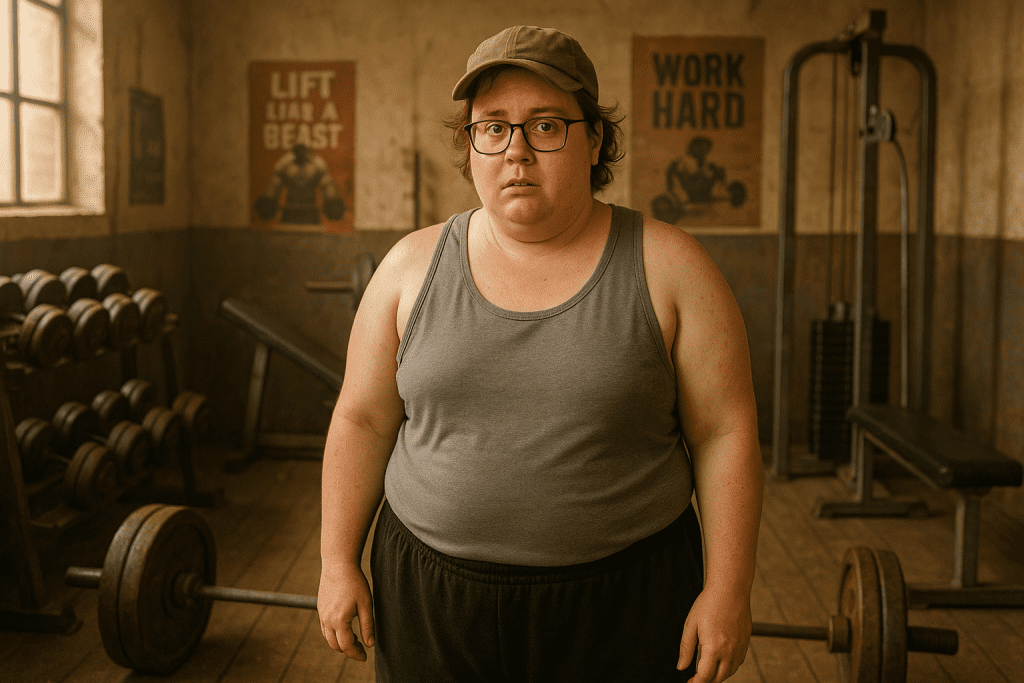
Starting your physical fitness journey can feel overwhelming, especially when conflicting advice bombards you from every corner of the internet. However, understanding the fundamentals of physical fitness 101 doesn’t have to be complicated. Whether you’re a complete beginner or someone looking to get back into shape after years of inactivity, this comprehensive guide will transform how you approach your health and wellness goals.
Physical fitness isn’t just about looking good in a mirror – it’s about creating a foundation for a longer, healthier, and more energetic life. In fact, according to research published in The Lancet Global Health, insufficient physical activity increases the risk of non-communicable diseases, poor physical and cognitive function, weight gain, and mental ill-health. The NHS emphasises that regular physical activity can reduce the risk of heart disease by up to 35% and type 2 diabetes by up to 50%. These aren’t just numbers; they represent real lives transformed through consistent movement and dedication.
Today, we’re diving deep into everything you need to know about physical fitness 101, from understanding what it really means to discovering the incredible variety it offers. By the end of this article, you’ll possess a clear roadmap to begin your transformation journey with confidence and clarity.
What is Physical Fitness Really?
Physical fitness extends far beyond the ability to run a marathon or lift heavy weights. At its core, physical fitness represents your body’s capacity to perform daily activities efficiently while maintaining enough energy reserves for unexpected challenges or recreational pursuits.
The Royal College of Physicians defines physical fitness as “the ability to carry out daily tasks with vigour and alertness, without undue fatigue, and with ample energy to enjoy leisure-time pursuits and respond to emergencies.” This definition highlights that physical fitness 101 encompasses multiple components that work together harmoniously.
These components include cardiovascular endurance, muscular strength, muscular endurance, flexibility, and body composition. Cardiovascular endurance allows your heart and lungs to supply oxygen efficiently during sustained activity. Muscular strength provides the power to lift, push, and pull objects, while muscular endurance enables you to perform repeated movements without fatigue. Flexibility maintains your joints’ range of motion, and body composition refers to the ratio of fat to lean tissue in your body.
Understanding these elements helps you realize that physical fitness doesn’t focus on perfection in one area but rather about developing balanced capabilities across all components. This holistic approach ensures your body functions optimally in various situations and activities.
Why Physical Fitness is Absolutely Crucial for Your Life
The importance of physical fitness 101 extends into every aspect of your daily existence, creating ripple effects that touch your professional performance, relationships, and overall life satisfaction. Research consistently demonstrates that physically active individuals experience enhanced cognitive function, improved mood regulation, and increased productivity in their work and personal lives.
From a health perspective, regular physical activity serves as one of the most powerful preventive medicines available. Research published in The Lancet shows that consistent exercise can reduce the risk of chronic diseases including cardiovascular disease, stroke, certain cancers, and osteoporosis. Additionally, physical activity strengthens your immune system, helping your body fight off infections and recover more quickly from illness.
Mental health benefits are equally compelling. Exercise triggers the release of endorphins, often called “feel-good” hormones, which naturally combat stress, anxiety, and depression. Regular physical activity also improves sleep quality, enhances self-esteem, and provides a healthy outlet for managing life’s inevitable stressors.
Furthermore, physical fitness 101 principles emphasize that staying active becomes increasingly important as we age. Regular exercise helps maintain bone density, preserves muscle mass, improves balance and coordination, and supports cognitive function throughout the aging process. These benefits translate into greater independence and quality of life in later years.
The Amazing Variety Physical Fitness Offers
One of the most exciting aspects of physical fitness 101 is the incredible diversity of activities available to suit every personality, preference, and physical ability level. This variety ensures that everyone can find activities they genuinely enjoy, making long-term adherence much more achievable.
Cardiovascular activities range from traditional options like running, cycling, and swimming to more creative choices such as dancing, hiking, or playing recreational sports. High-intensity interval training (HIIT) offers time-efficient workouts that can be completed in as little as 15-20 minutes, while longer, moderate-intensity activities provide excellent opportunities for stress relief and mental clarity.
Strength training has evolved far beyond traditional weightlifting to include bodyweight exercises, resistance bands, kettlebells, and functional movement patterns. You can build strength in your living room, at a local park, or in a fully equipped gym – the choice is entirely yours.
Flexibility and mobility work encompasses yoga, Pilates, tai chi, and simple stretching routines. These activities not only improve physical function but also provide mental relaxation and stress reduction benefits.
Group fitness classes offer social interaction and motivation, while solo activities provide personal time for reflection and goal-setting. Outdoor activities connect you with nature, while indoor options ensure consistency regardless of weather conditions.
Frequently Asked Questions About Physical Fitness 101
How often should beginners exercise? The NHS recommends that beginners should aim for at least 150 minutes of moderate-intensity aerobic activity per week. This can be broken down into 30-minute sessions five days per week or shorter, more frequent sessions based on your schedule and preferences.
What’s the best type of exercise for weight loss? Physical fitness 101 teaches us that the best exercise for weight loss is the one you’ll do consistently. However, combining cardiovascular exercise with strength training provides optimal results, as muscle tissue burns more calories at rest than fat tissue.
Do I need expensive equipment or a gym membership? Absolutely not! Many effective exercises require only your body weight and can be performed anywhere. Resistance bands, skipping ropes, and basic equipment can enhance your workouts without breaking the bank.
How long before I see results? While individual results vary, most people notice increased energy levels within the first week, improved strength and endurance within 2-4 weeks, and visible physical changes within 6-8 weeks of consistent activity.
What if I have physical limitations or injuries? Physical fitness 101 emphasises that almost everyone can benefit from some form of physical activity. Consult with your GP or healthcare professionals to develop a safe, appropriate programme that works within your limitations while promoting improvement.
How do I stay motivated when starting out? Setting realistic, specific goals, tracking your progress, finding activities you enjoy, and building a support system are crucial strategies for maintaining motivation throughout your fitness journey.
Conclusion
Physical fitness 101 represents more than just a set of exercises or health recommendations – it’s a blueprint for transforming your entire life experience. By understanding what physical fitness truly encompasses, recognizing its profound importance, and embracing the incredible variety it offers, you’re equipped to begin a journey that will pay dividends for decades to come.
Remember that your fitness journey is uniquely yours. Start where you are, use what you have, and do what you can. Consistency trumps perfection every time, and small, sustainable changes compound into remarkable transformations over time.
The path to improved physical fitness begins with a single step, a single rep, or a single decision to prioritize your health. Take that step today, and discover how physical fitness 101 principles can unlock your potential for a stronger, healthier, and more vibrant life.
Your future self is counting on the decisions you make today. Make them count, and let your physical fitness 101 journey begin right now.


