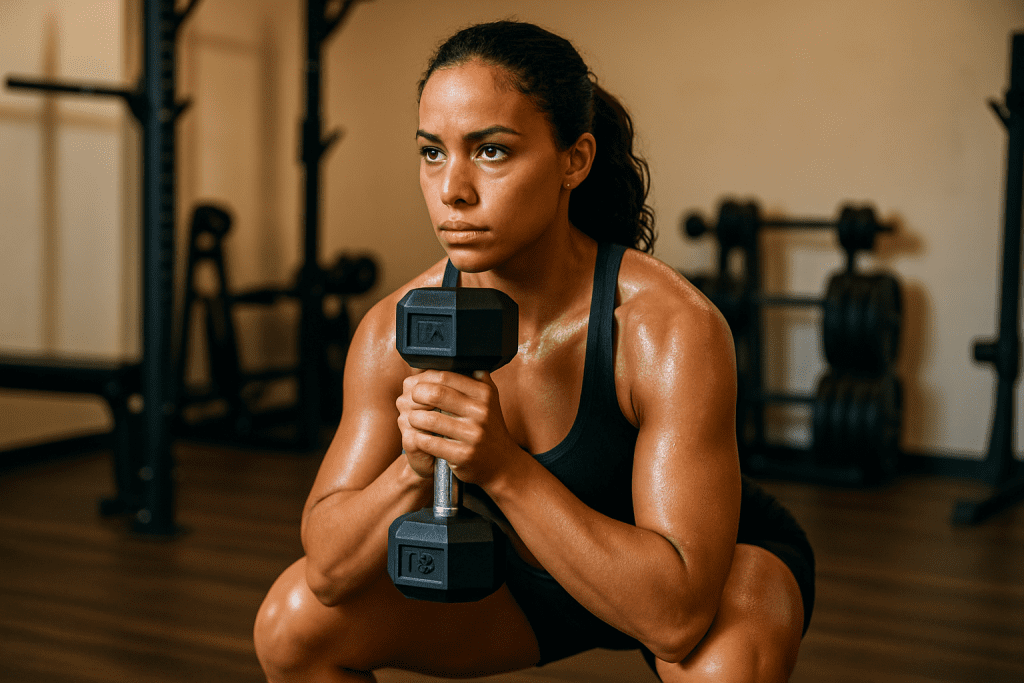
Starting your weight lifting journey can feel intimidating, especially when you’re surrounded by complex equipment and conflicting advice. However, women’s weight lifting has exploded in popularity for good reason – it’s one of the most effective ways to build strength, boost confidence, and transform your health. This comprehensive women’s weight lifting guide will walk you through safe and effective beginner routines that actually work.
Related reading: elliptical machine beginner workout.
Recent studies show that only 17% of women engage in regular strength training, despite research proving that weight lifting can increase bone density by up to 13% and boost metabolism by 15%. Whether you’re looking to tone up, build lean muscle, or simply feel stronger in your daily life, this guide provides everything you need to start lifting weights safely and effectively.
Understanding Women’s Weight Lifting Basics
Why Women Should Lift Weights
Contrary to outdated myths, women’s weight lifting won’t make you “bulky.” Instead, it creates lean, defined muscles while burning calories long after your workout ends. The afterburn effect from strength training can boost your metabolism for up to 24 hours post-exercise.
Weight lifting offers unique benefits for women, including:
- Increased bone density (crucial for preventing osteoporosis)
- Improved posture and reduced back pain
- Enhanced functional strength for daily activities
- Better body composition and muscle definition
- Increased confidence and mental resilience
Common Myths Debunked
Many women avoid weight lifting due to persistent myths. Let’s address the most common misconceptions:
Myth 1:
“Lifting weights will make me look masculine” Reality: Women produce significantly less testosterone than men, making it nearly impossible to develop bulky muscles without extreme training and supplementation.
Myth 2:
“Cardio is better for weight loss” Reality: While cardio burns calories during exercise, weight lifting builds muscle that burns calories 24/7, making it more effective for long-term weight management.
Myth 3:
“I need to lift heavy to see results” Reality: Beginners can achieve excellent results with lighter weights and proper form. Progressive overload is more important than initial weight selection.
Safe and Effective Beginner Routines
Essential Equipment for Home Workouts
You don’t need a fully equipped gym to start your women’s weight lifting journey. Here’s what you’ll need:
Basic Equipment:
- Set of adjustable dumbbells (5-25 pounds)
- Resistance bands with varying tensions
- Exercise mat for floor exercises
- Stability ball for core work
- Adjustable bench (optional but helpful)
Safety Equipment:
- Proper athletic shoes with good support
- Comfortable, breathable workout clothes
- Water bottle for hydration
- Towel for equipment cleaning
Beginner-Friendly Workout Structure
For women new to weight lifting, starting with a full-body routine performed 2-3 times per week is ideal. This approach allows adequate recovery while building foundational strength across all major muscle groups.
Week 1-2: Foundation Building
- Focus on bodyweight exercises and light weights
- Emphasise proper form over weight amount
- 2 sets of 8-12 repetitions per exercise
- Rest 60-90 seconds between sets
Week 3-4: Progressive Loading
- Gradually increase weight by 2.5-5 pounds
- Maintain focus on form and control
- 3 sets of 8-12 repetitions
- Rest 90-120 seconds between sets
The 7 Essential Exercises for Beginners
1. Bodyweight Squats to Goblet Squats
Start with bodyweight squats to master the movement pattern, then progress to goblet squats holding a dumbbell at chest level. This compound movement targets your glutes, quadriceps, and core while improving functional strength.
Proper Form:
- Starting Position: Stand with feet shoulder-width apart, toes slightly pointed outward
- The Descent: Initiate movement by pushing hips back and bending knees simultaneously
- Depth: Lower until thighs are parallel to floor or as low as mobility allows
- Alignment: Keep chest up, core engaged, and knees tracking over toes
- The Ascent: Drive through heels and squeeze glutes to return to standing
- Breathing: Inhale on the way down, exhale while driving up
Common Mistakes to Avoid:
- Knees caving inward
- Leaning too far forward
- Rising onto toes
- Rushing the movement
2. Modified Push-ups to Standard Push-ups
Begin with wall push-ups or knee push-ups before progressing to full push-ups. This upper body exercise strengthens your chest, shoulders, and triceps while engaging your core.
Proper Form:
- Hand Placement: Position hands slightly wider than shoulder-width apart
- Body Alignment: Maintain straight line from head to heels (or knees for modifications)
- Core Engagement: Keep abs tight and hips in neutral position
- The Descent: Lower chest toward floor with controlled movement
- The Push: Press up by extending arms, maintaining body alignment
- Breathing: Inhale while lowering, exhale while pushing up
Progression Path:
- Wall push-ups: 3 sets of 10-15 reps
- Incline push-ups: 3 sets of 8-12 reps
- Knee push-ups: 3 sets of 6-10 reps
- Full push-ups: 3 sets of 5-8 reps
Common Mistakes to Avoid:
- Sagging hips
- Flaring elbows too wide
- Incomplete range of motion
- Holding breath during movement
3. Assisted Pull-ups or Lat Pulldowns
Building upper body pulling strength is crucial for balanced muscle development. Use resistance bands or an assisted pull-up machine to work your latissimus dorsi, rhomboids, and biceps.
Proper Form:
- Grip: Use overhand grip slightly wider than shoulder-width
- Starting Position: Hang with arms fully extended, shoulders active (not relaxed)
- The Pull: Initiate movement by pulling shoulder blades down and back
- Ascent: Pull chest toward bar while keeping core engaged
- Top Position: Pause briefly when chin clears bar
- Descent: Lower with control, maintaining tension throughout
- Breathing: Exhale while pulling up, inhale while lowering
Common Mistakes to Avoid:
- Using momentum or swinging
- Partial range of motion
- Shoulders shrugging up toward ears
- Neglecting the lowering phase
4. Dumbbell Rows
This exercise targets your back muscles while improving posture. Start with light weights and focus on squeezing your shoulder blades together at the top of the movement.
Proper Form:
- Setup: Stand with feet hip-width apart, slight bend in knees
- Hip Hinge: Hinge forward at hips, keeping back straight and chest up
- Arm Position: Let arms hang naturally with dumbbells at arm’s length
- The Pull: Pull dumbbells toward lower ribs, leading with elbows
- Squeeze: Pinch shoulder blades together at top of movement
- Return: Lower weights with control to starting position
- Breathing: Exhale while pulling up, inhale while lowering
Common Mistakes to Avoid:
- Rounding the back
- Using too much momentum
- Pulling weights too high toward chest
- Neglecting the squeeze at the top
5. Overhead Press
Develop shoulder strength and stability with this fundamental pressing movement. Begin seated for added stability before progressing to standing variations.
Proper Form:
- Starting Position: Hold dumbbells at shoulder height, palms facing forward
- Core Engagement: Keep core tight and maintain neutral spine
- The Press: Press weights directly overhead without arching back
- Top Position: Fully extend arms with weights directly over shoulders
- Descent: Lower weights with control to starting position
- Foot Position: Keep feet firmly planted (standing version)
- Breathing: Exhale while pressing up, inhale while lowering
Common Mistakes to Avoid:
- Excessive back arch
- Pressing weights forward instead of up
- Rushing the movement
- Neglecting core stability
6. Deadlifts (Romanian Style)
Start with Romanian deadlifts using light dumbbells to learn proper hip hinge mechanics. This movement strengthens your posterior chain, including glutes and hamstrings.
Proper Form:
- Starting Position: Stand tall with feet hip-width apart, holding dumbbells
- Hip Hinge: Push hips back while keeping knees slightly bent
- Back Position: Maintain neutral spine throughout movement
- Descent: Lower weights while feeling stretch in hamstrings
- Depth: Go as low as flexibility allows while maintaining form
- Return: Drive hips forward and squeeze glutes to return to standing
- Breathing: Inhale while lowering, exhale while driving up
Common Mistakes to Avoid:
- Rounding the lower back
- Bending knees too much (turning it into a squat)
- Looking up instead of maintaining neutral neck
- Not engaging glutes at the top
7. Planks and Core Work
Build core stability with planks, side planks, and dead bugs. A strong core supports all other lifting movements and improves overall performance.
Proper Form (Standard Plank):
- Position: Start in push-up position with forearms on ground
- Alignment: Maintain straight line from head to heels
- Core Engagement: Keep abs tight and avoid sagging hips
- Breathing: Breathe normally while holding position
- Duration: Hold for 20-60 seconds initially, progressing as able
- Progression: Add leg lifts or arm reaches for increased difficulty
Proper Form (Side Plank):
- Position: Lie on side with forearm supporting upper body
- Alignment: Stack hips and shoulders, lift hips off ground
- Hold: Maintain straight line from head to feet
- Duration: Hold 15-45 seconds each side
Common Mistakes to Avoid:
- Sagging or piking hips
- Holding breath
- Placing too much weight on supporting arm
- Neglecting proper alignment
Frequently Asked Questions
How Often Should Beginners Lift Weights?
For optimal results in women’s weight lifting, beginners should aim for 2-3 strength training sessions per week. This frequency allows adequate recovery while providing enough stimulus for muscle growth and strength gains. Always allow at least 48 hours between training the same muscle groups.
What Weight Should I Start With?
Begin with weights that allow you to complete 12-15 repetitions with good form while feeling challenged in the last 2-3 reps. For most women, this means starting with:
- Dumbbells: 5-15 pounds
- Barbells: 45-pound Olympic bar or 15-20 pound fixed weight bar
- Kettlebells: 10-20 pounds
How Do I Know If I’m Progressing?
Track your progress through multiple metrics:
- Increased weight lifted
- More repetitions completed
- Better form and control
- Improved recovery between sets
- Enhanced daily functional strength
Should I Do Cardio and Weight Lifting?
Absolutely! Combining cardiovascular exercise with women’s weight lifting creates a well-rounded fitness routine. Aim for 150 minutes of moderate cardio weekly alongside your strength training sessions. You can perform cardio on non-lifting days or after your weight training sessions.
Safety Guidelines and Injury Prevention
Warm-up and Cool-down Protocols
Never skip your warm-up when following any women’s weight lifting guide. A proper warm-up increases blood flow, improves mobility, and reduces injury risk.
Effective Warm-up Sequence:
- 5-10 minutes light cardio (walking, cycling)
- Dynamic stretches focusing on major muscle groups
- Movement-specific warm-ups with light weights
- Gradual progression to working weight
Cool-down Essentials:
- 5-10 minutes of light walking
- Static stretches for worked muscles
- Foam rolling for muscle recovery
- Hydration and proper nutrition
Recognising and Avoiding Common Injuries
The most common weight lifting injuries among women include:
- Lower back strain from improper lifting form
- Shoulder impingement from overhead movements
- Knee pain from poor squat mechanics
- Wrist strain from poor grip positioning
Prevention Strategies:
- Prioritise form over weight
- Progress gradually (10% rule)
- Listen to your body’s signals
- Seek guidance from qualified trainers
- Incorporate mobility work into your routine
Creating Your Personal Routine
Sample Weekly Schedule
Monday: Full Body Strength
- Goblet squats: 3 sets of 10-12
- Push-ups: 3 sets of 8-10
- Dumbbell rows: 3 sets of 10-12
- Overhead press: 3 sets of 8-10
- Plank: 3 sets of 30-45 seconds
Tuesday: Active Recovery
- 20-30 minutes walking or light yoga
- Foam rolling and stretching
Wednesday: Full Body Strength
- Romanian deadlifts: 3 sets of 10-12
- Assisted pull-ups: 3 sets of 5-8
- Dumbbell squats: 3 sets of 10-12
- Chest press: 3 sets of 8-10
- Side planks: 3 sets of 20-30 seconds each side
Thursday: Cardio
- 30-45 minutes moderate intensity cardio
- Core strengthening routine
Friday: Full Body Strength
- Repeat Monday’s routine with slight variations
- Focus on progressive overload
Weekend: Active Recovery
- Light activities like hiking, swimming, or recreational sports
Nutrition and Recovery
Proper nutrition supports your women’s weight lifting goals by providing energy for workouts and nutrients for recovery. Focus on:
- Adequate protein intake (0.8-1g per pound body weight)
- Complex carbohydrates for energy
- Healthy fats for hormone production
- Proper hydration throughout the day
Sleep is equally important, with 7-9 hours nightly supporting muscle recovery and growth hormone production.
Building Long-term Success
Tracking Progress and Staying Motivated
Keep a detailed workout log recording:
- Exercises performed
- Sets and repetitions completed
- Weight used
- How you felt during the workout
- Any modifications made
Regular progress photos and measurements provide additional motivation beyond the scale. Remember, muscle weighs more than fat, so the scale might not reflect your true progress.
When to Progress Your Routine
After 4-6 weeks of consistent training, consider advancing your women’s weight lifting routine by:
- Increasing weight by 2.5-5 pounds
- Adding an extra set to exercises
- Incorporating new movement patterns
- Reducing rest periods between sets
Finding Support and Community
Connect with other women on similar journeys through:
- Local gym classes or lifting groups
- Online communities and forums
- Social media fitness accounts
- Personal trainers specialising in women’s strength training
Embarking on your women’s weight lifting journey is one of the most empowering decisions you can make for your health and confidence. This comprehensive guide provides the foundation for safe, effective strength training that will transform not just your body, but your entire relationship with fitness.
Remember, consistency trumps perfection every time. Start with the basics, focus on proper form, and gradually progress as your strength and confidence grow. The seven essential exercises outlined in this guide will serve as your foundation, but don’t be afraid to explore new movements as you advance.
Your strength training journey is uniquely yours. Listen to your body, celebrate small victories, and trust the process. With dedication and the right approach, you’ll soon discover the incredible physical and mental benefits that come from embracing the barbell.
The path to strength begins with a single rep. Take that first step today, and watch as your confidence, strength, and overall well-being transform in ways you never imagined possible.


