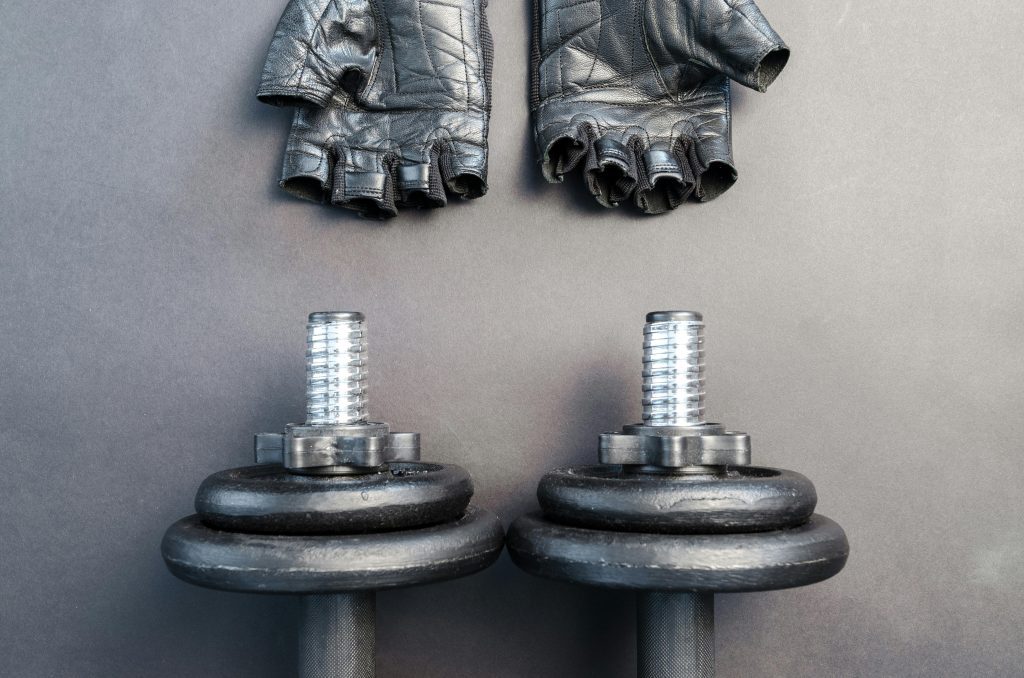
If you’re looking to build stronger, more defined legs without needing a gym full of fancy equipment, a lower body dumbbell workout might be exactly what you need. Whether you’re training at home or in a local gym, dumbbells offer incredible versatility for targeting your glutes, quads, hamstrings, and calves. The beauty of dumbbell training lies in its simplicity—you don’t need much space or expensive kit to see real results. In this guide, we’ll walk through everything you need to know about creating an effective lower body routine using just dumbbells, from beginner-friendly exercises to proper form tips that’ll keep you injury-free and progressing steadily.
Related reading: 7 Home Office Gadgets That Actually Make Working From Home Easier (According to Remote Workers).
Related reading: Why Jump Rope Workouts Are the Secret Weapon Busy Brits Are Using to Get Fit in Less Time.
Why Choose a Lower Body Dumbbell Workout?
Dumbbells are brilliant for lower body training, and here’s why. First, they’re accessible—most people can pick up a decent set for home use without breaking the bank. Second, they allow for unilateral training, meaning you can work each leg independently to address any muscle imbalances. According to NHS guidelines on physical activity, adults should aim for muscle-strengthening activities on at least two days per week, and a lower body dumbbell workout fits perfectly into this recommendation.
Unlike barbells, dumbbells require greater stabilisation, which engages your core and smaller supporting muscles throughout each movement. This means you’re not just building bigger legs—you’re developing functional strength that translates to everyday activities like climbing stairs, carrying shopping bags, or playing with your kids. Plus, the range of motion you can achieve with dumbbells often exceeds what’s possible with machines, leading to better muscle activation and growth.
Essential Exercises for Your Lower Body Dumbbell Workout
Dumbbell Goblet Squats
The goblet squat is an absolute cornerstone of any lower body dumbbell workout. Hold a single dumbbell vertically at chest height, with both hands cupping the top weight plate. Stand with feet slightly wider than shoulder-width, toes pointed slightly outward. As you squat down, keep your chest up and elbows inside your knees. This exercise hammers your quads, glutes, and core whilst teaching proper squat mechanics. Start with a lighter weight to nail your form before progressing.
Dumbbell Romanian Deadlifts
Romanian deadlifts (RDLs) are phenomenal for targeting your hamstrings and glutes. Hold a dumbbell in each hand in front of your thighs, palms facing your body. With a slight bend in your knees, hinge at the hips and lower the weights down your legs, keeping them close to your body. You should feel a stretch in your hamstrings. Drive through your heels to return to standing, squeezing your glutes at the top. This movement pattern is essential for posterior chain development.
Dumbbell Lunges
Lunges are incredibly versatile and can be performed in multiple variations—forward, reverse, or walking. For your lower body dumbbell workout, start with reverse lunges as they’re gentler on the knees. Hold a dumbbell in each hand at your sides, step one foot backward, and lower your back knee towards the floor. Your front knee should stay roughly above your ankle. Push through your front heel to return to standing. Lunges challenge your balance whilst building strength in your quads, glutes, and hamstrings.
Dumbbell Bulgarian Split Squats
This single-leg exercise is challenging but incredibly effective. Place your rear foot on a bench or sturdy chair behind you, holding dumbbells at your sides. Lower yourself down by bending your front leg until your rear knee nearly touches the floor. The Bulgarian split squat creates significant muscle tension and helps correct any strength imbalances between legs. Don’t rush into heavy weights here—form matters more than ego.
Dumbbell Calf Raises
Your calves need attention too. Stand with dumbbells in each hand, rise onto your toes, pause briefly at the top, then lower slowly. You can perform these flat on the floor or with your toes on a raised surface for increased range of motion. Calves respond well to higher repetitions, so don’t be afraid to aim for 15-20 reps per set.
Structuring Your Lower Body Dumbbell Workout Routine
A well-designed lower body dumbbell workout should balance compound movements with adequate rest and progressive overload. Here’s a practical structure you can follow twice per week with at least two days of rest between sessions:
- Warm-up: 5-10 minutes of light cardio and dynamic stretches (leg swings, bodyweight squats)
- Goblet Squats: 3 sets of 8-12 reps
- Romanian Deadlifts: 3 sets of 10-12 reps
- Bulgarian Split Squats: 3 sets of 8-10 reps per leg
- Dumbbell Lunges: 3 sets of 10 reps per leg
- Calf Raises: 3 sets of 15-20 reps
- Cool-down: 5-10 minutes of static stretching
Rest for 60-90 seconds between sets, and focus on controlled movements rather than rushing through repetitions. As you become stronger, gradually increase the weight rather than dramatically jumping up—small, consistent progress wins the race. Research published in the Journal of Sports Science & Medicine shows that progressive overload is crucial for continued muscle development and strength gains.
Form Tips to Maximise Results and Prevent Injury
Proper form isn’t just about preventing injury—it’s about making your lower body dumbbell workout as effective as possible. Here are some crucial pointers that’ll keep you training safely and seeing results:
Keep your core engaged: Throughout every exercise, maintain tension in your abdominal muscles. This protects your lower back and creates a stable foundation for movement. Think about pulling your belly button toward your spine without holding your breath.
Control the eccentric phase: The lowering portion of each exercise (eccentric phase) is where significant muscle damage and growth occur. Don’t just drop down quickly—take 2-3 seconds to lower yourself in squats and lunges. This time under tension makes a massive difference to your results.
Mind your knees: Your knees should track in the same direction as your toes throughout all movements. If your knees cave inward, reduce the weight and focus on pushing them outward. This prevents unnecessary stress on your knee joints and ensures your glutes are doing their job properly.
Start lighter than you think: There’s no shame in beginning with lighter dumbbells whilst you master the movement patterns. According to guidance from NHS strength training recommendations, proper technique trumps heavy weights every time, especially when you’re establishing new habits.
Progression and Recovery Strategies
Building impressive legs through a lower body dumbbell workout isn’t just about what happens in the gym—it’s equally about what you do afterward. Your muscles grow during rest periods, not during the workout itself. Aim for at least 48 hours between lower body sessions to allow for adequate recovery.
When it comes to progression, you have several options beyond simply adding more weight. You can increase repetitions, add an extra set, slow down the tempo, or reduce rest periods between sets. Sometimes, improving your form with the same weight creates a more challenging workout than jumping to heavier dumbbells prematurely.
Don’t neglect your nutrition either. Protein is essential for muscle repair and growth—aim for roughly 1.6-2.2 grams per kilogram of body weight daily if you’re training consistently. Stay hydrated, prioritise sleep, and listen to your body. Persistent pain (not to be confused with normal muscle soreness) is a signal to rest or seek professional advice.
Consider filming yourself performing exercises occasionally. It’s eye-opening to see what you’re actually doing versus what you think you’re doing. Many form issues become immediately obvious when you watch yourself back, allowing you to make corrections before they become ingrained habits.
Conclusion
A lower body dumbbell workout offers an accessible, effective way to build stronger, more functional legs without needing a fully equipped gym. By focusing on fundamental movements like squats, deadlifts, and lunges, you’ll develop muscle, improve your balance, and build strength that carries over into everyday life. Remember that consistency beats intensity—showing up twice a week with solid form and progressive effort will yield far better results than sporadic, haphazard training. Start with weights you can control, prioritise proper technique, and be patient with your progress. Your legs will thank you, and you’ll be amazed at how much stronger you feel in just a few months. Now grab those dumbbells and get to work!
Frequently Asked Questions
How heavy should my dumbbells be for a lower body workout?
Begin with dumbbells that allow you to complete 8-12 repetitions with good form whilst feeling challenged by the last few reps. For most beginners, this might be 5-10kg dumbbells, though stronger individuals may start heavier. Your legs are large muscle groups and can typically handle more weight than your upper body, so don’t be surprised if you progress to heavier dumbbells relatively quickly. The key is that the last 2-3 reps of each set should feel difficult but achievable with proper technique.
Can I do a lower body dumbbell workout every day?
No, you shouldn’t train your lower body with resistance every day. Your muscles need time to recover and rebuild stronger between sessions. Aim for 2-3 lower body dumbbell workout sessions per week with at least one full rest day between them. On non-leg days, you can focus on upper body training, light cardio, or active recovery activities like walking or yoga. Overtraining can lead to fatigue, increased injury risk, and diminished results, so rest is genuinely productive time.
Will dumbbell leg exercises make my legs bulky?
Building significantly bulky legs requires consistent training, a caloric surplus, and often years of dedicated effort—it doesn’t happen accidentally. For most people, a lower body dumbbell workout will create toned, defined legs rather than excessive bulk. Women, in particular, needn’t worry about becoming “too muscular” as they have significantly lower testosterone levels than men. You’ll develop strength, improve your physique, and boost your metabolism without transforming into a bodybuilder unless that’s specifically your goal with tailored nutrition and training.
Key Takeaway
A lower body dumbbell workout provides an efficient, accessible way to build leg strength from anywhere. Focus on mastering fundamental movements like goblet squats, Romanian deadlifts, lunges, and split squats with proper form before chasing heavier weights. Train your legs 2-3 times weekly, allow adequate recovery between sessions, and progressively increase the challenge over time. Consistency, patience, and attention to technique will deliver the strong, functional legs you’re after—no fancy equipment required.


