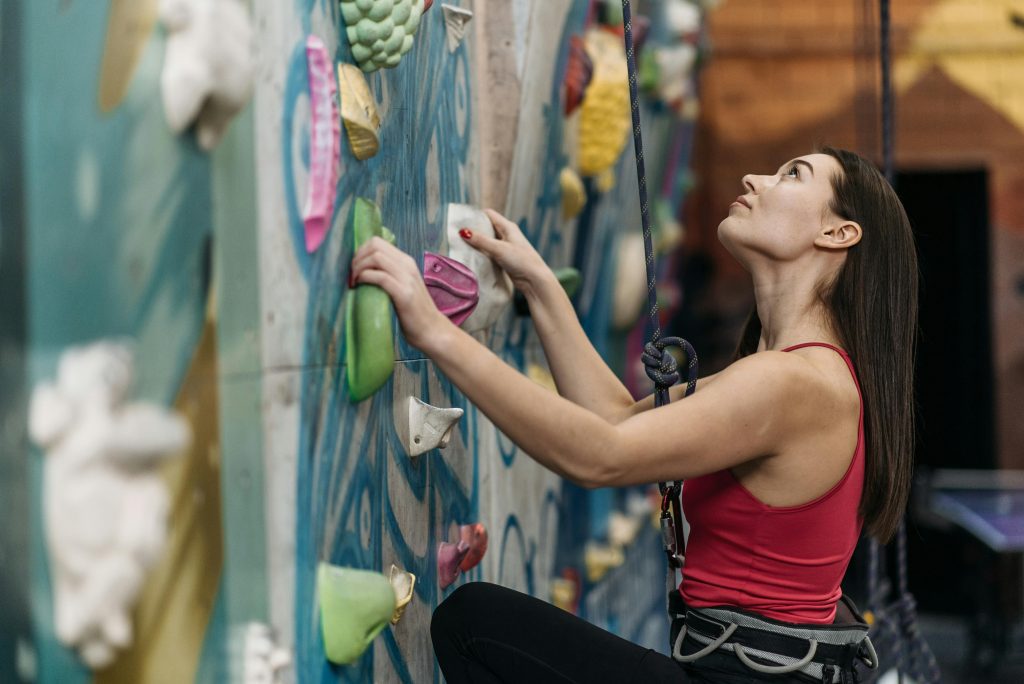
Forget everything you thought you knew about climbing. You don’t need to summit mountains or dangle from cliff faces to experience the rush. Indoor climbing gyms have transformed this once-intimidating sport into one of the most accessible, full-body workouts available – and they’re popping up across UK cities faster than you can chalk your hands.
Related reading: Practical Minimalism for Busy Families: Real Solutions That Actually Fit Your Life.
Related reading: How to Stay Energised When Travelling Long Haul: Science-Backed Strategies That Actually Work.
📖 Reading time: 18 minutes
Picture this: You’ve been stuck at your desk all week, shoulders tense, mind racing with work deadlines. You’ve tried the gym, but treadmills bore you senseless. You’ve downloaded meditation apps, but sitting still makes your thoughts louder. What if there was a workout that demanded such complete focus that your brain simply couldn’t worry about anything else? That’s exactly what happens when you’re three metres up a wall, figuring out your next move. Indoor climbing gyms offer something revolutionary – a workout that engages your body and quiets your mind simultaneously, all whilst building a genuinely supportive community around you.
Related reading you might enjoy: Powerful Team Sports Benefits That Transform Your Active Lifestyle and Social Wellness Forever
Common Myths About Indoor Climbing Gyms
Myth: You Need Upper Body Strength to Start Climbing
Reality: This is perhaps the biggest misconception keeping people away from climbing gyms. Climbing is fundamentally about technique, balance, and leg strength – not brute arm power. Your legs are far stronger than your arms, and good climbing technique emphasises pushing with your legs rather than pulling with your arms. Beginners often tire quickly precisely because they rely too heavily on their arms. At any indoor climbing gym, you’ll see climbers of all shapes and sizes succeeding because they’ve learned to use their whole body efficiently. The strength develops naturally as you climb, making it the perfect activity for building fitness from wherever you’re starting.
Myth: Indoor Climbing Is Dangerous
Reality: Indoor climbing gyms are meticulously designed with safety as the absolute priority. Modern facilities use thick crash mats (called bouldering mats) that cushion any falls from lower walls, whilst roped climbing involves redundant safety systems, trained staff, and partner checks. According to research on climbing injuries, indoor climbing actually has a lower injury rate than many traditional sports like football or rugby. The controlled environment, regular equipment inspections, and mandatory safety inductions mean you’re in expert hands. Most injuries that do occur are minor scrapes or the occasional twisted ankle – nothing compared to the impact sports many of us played at school.
Myth: It’s Just for Young, Sporty Types
Reality: Walk into any thriving indoor climbing gym in the UK and you’ll find a genuinely diverse crowd – parents climbing with kids, people in their sixties tackling challenging routes, complete beginners alongside experienced climbers, and people of every body type imaginable. The beauty of climbing is that routes are graded by difficulty, so there’s always something perfectly matched to your current ability. You’re never competing against anyone except yourself and the wall. Many climbers specifically cite the non-judgemental, encouraging atmosphere as what keeps them coming back. Unlike traditional gyms where everyone seems to know what they’re doing, climbing gyms normalise being a beginner – everyone started on the easiest routes, and the community genuinely celebrates progression at every level.
The Hidden Mental Health Benefits That Surprised Everyone
When most people consider indoor climbing gyms, they think about the physical benefits – and yes, you’ll absolutely develop impressive functional strength, flexibility, and cardiovascular fitness. But the mental health benefits often catch people completely off guard.
Climbing demands what psychologists call “active meditation.” When you’re on the wall, your mind cannot wander to your inbox, your relationship worries, or that awkward conversation from last Tuesday. You’re entirely present, reading the wall, calculating your next move, feeling the texture of each hold. This state of complete focus triggers the same mental reset that people chase through meditation apps, except it happens naturally and effortlessly.
Research from sports psychology studies shows that climbing significantly reduces symptoms of anxiety and depression. A Mental Health Foundation report on exercise and wellbeing highlights how activities requiring problem-solving and physical challenge create particularly powerful mood improvements. Each climbing route is essentially a vertical puzzle, engaging your problem-solving brain whilst your body works hard – a combination that leaves you mentally refreshed rather than drained.
What’s more, climbing provides immediate, tangible feedback on your progress. That route you couldn’t complete last week? This week you reach two holds higher. Next week, you top it. These small victories create a dopamine response that builds genuine confidence, not just in climbing but in your broader ability to overcome challenges.
What Actually Happens at an Indoor Climbing Gym
If you’ve never set foot in an indoor climbing gym, the prospect might feel intimidating. Let’s demystify exactly what you’ll find and what happens on your first visit.
Most UK climbing gyms offer two main types of climbing. Bouldering involves climbing shorter walls (typically 3-4.5 metres high) without ropes, with thick mats below to cushion any falls. Routes (called “problems” in bouldering) are marked with coloured tape or holds, with each colour representing a different difficulty level. You simply climb up, and when you’re done or need a rest, you climb down or drop onto the mat.
Roped climbing (also called top-rope climbing) involves taller walls, a harness, and a partner who manages your rope from the ground. As you climb, the rope runs through an anchor at the top, so if you slip, you simply hang in your harness – no dramatic falls. This type allows you to climb much higher and often feels less intimidating for absolute beginners because you’re constantly secured.
Your first session always starts with an induction. Staff will explain the gym layout, demonstrate basic safety protocols, and show you how to fall safely (yes, there’s a technique that prevents injuries). Most gyms offer taster sessions or beginner courses where an instructor stays with you, showing you fundamental techniques and cheering you on. Expect to spend £8-15 for casual entry, with equipment hire (climbing shoes and chalk bag) usually adding another £3-5.
The atmosphere genuinely surprises most newcomers. Rather than the intimidating vibe some traditional gyms radiate, climbing facilities tend to buzz with encouragement. Strangers offer tips, celebrate when you complete a tricky section, and share beta (the sequence of moves) for routes. There’s an unwritten code of mutual support that makes the space feel welcoming even when you’re struggling on the easiest grade.
The Full-Body Workout That Doesn’t Feel Like Work
Here’s what makes indoor climbing gyms so effective for fitness: you’re having too much fun to notice you’re exercising. That mental engagement we discussed earlier means you’re not clock-watching or counting down minutes until you can leave.
Physically, climbing recruits muscles you didn’t know existed. Forearms and grip strength develop rapidly, but so do your core muscles, which stabilise you on the wall. Your legs power you upward, working your quads, calves, and glutes through functional movements that translate to everyday life. Your back and shoulders strengthen through pulling movements, whilst your flexibility improves as you stretch for distant holds.
According to NHS physical activity guidelines, adults should aim for 150 minutes of moderate-intensity activity weekly. A single two-hour climbing session can easily contribute a third of that target, combining strength training, cardiovascular work, and flexibility all at once. Unlike isolated gym exercises, climbing builds functional fitness – the kind that helps you move furniture, carry shopping, or keep up with energetic children.
The calorie burn surprises most people too. Depending on your weight and climbing intensity, you’ll burn roughly 500-900 calories in a two-hour session. But unlike running or cycling, those hours fly past because your brain is engaged in problem-solving, not suffering through repetitive movements.
For those concerned about building bulk, climbing creates lean, functional strength rather than gym-mirror muscles. Climbers typically develop a balanced physique because the activity recruits so many muscle groups evenly. Your body naturally adapts to what climbing demands – efficient strength-to-weight ratio, rather than maximum size.
How Indoor Climbing Gyms Build Genuine Community
In an era of isolation and superficial social media connections, indoor climbing gyms offer something increasingly rare: genuine, face-to-face community built around shared challenge and mutual encouragement.
Unlike most solo gym workouts where everyone wears headphones and avoids eye contact, climbing is inherently social. You need a partner for roped climbing. You naturally chat between attempts at bouldering problems. When someone’s projecting (repeatedly attempting) a challenging route, other climbers pause to watch and cheer them on. Strangers become friends through shared struggles on the same problem.
Many climbers report that the gym became their primary social outlet. Climbing partners often grab coffee or dinner after sessions. Gyms organise social events, competitions, and outdoor trips. The shared experience of pushing your limits creates bonds faster than months of small talk in other settings.
For people who’ve moved to new cities, changed careers, or simply found their social circles shrinking as adult responsibilities pile up, climbing gyms offer a ready-made community. You don’t need to be extroverted or particularly social – the activity itself creates natural conversation starters and shared experiences.
Parents particularly appreciate that many UK climbing gyms welcome families, with kids’ sessions, family climbing times, and dedicated areas for younger climbers. It’s one of the few activities where parents and children can genuinely participate together at their respective levels, then celebrate each other’s achievements.
Your First Month Action Plan
Ready to give indoor climbing gyms a try? Here’s your step-by-step progression plan for the first four weeks:
- Week 1 – The Taster: Book an introductory session or beginner course at your nearest climbing gym. Most UK facilities offer these for £15-25, including equipment hire. Go with an open mind and expect to feel clumsy – everyone does initially. Focus entirely on the easiest grade routes (usually marked V0 or VB in bouldering, or grade 4 in roped climbing). Aim for 60-90 minutes, no more – you’ll use muscles you didn’t know existed, and overdoing it leads to discouraging soreness.
- Week 2 – Building Foundation: Visit twice this week, with at least one full rest day between sessions. Your forearms will probably feel tired quickly – this is completely normal and improves rapidly. Practice the same easy routes multiple times, focusing on smooth movement rather than muscling your way up. Watch how other climbers move their hips close to the wall and push with their legs. Rest adequately between attempts – climbing when pumped (muscle fatigue) teaches poor technique.
- Week 3 – Finding Your Rhythm: Increase to three sessions this week if your body feels recovered. Start attempting the next grade up, but don’t abandon easier routes – they’re perfect for warming up and practicing technique. Consider bringing a friend or making plans to meet other beginners you’ve encountered. If you’re enjoying it, this might be the time to invest in your own climbing shoes (£50-80 for beginner-friendly pairs). Rental shoes work fine, but your own pair fits better and eliminates the weekly hire cost.
- Week 4 – Establishing Habit: By now, climbing should feel less alien. Set a sustainable weekly schedule – most climbers find 2-3 sessions per week ideal for progression without burnout. Track which routes you’ve completed (most gyms have apps or logbooks). Try a different climbing style – if you’ve been bouldering, attempt some roped climbing, or vice versa. Sign up for any technique workshops your gym offers – these accelerate learning far faster than trial and error.
Throughout this month, listen to your body carefully. Finger and elbow tendon injuries can occur if you progress too aggressively, so if anything feels sharp or painful (not just tired), rest properly. The climbers still going strong after decades are the ones who learned patience early.
Mistakes to Avoid (And How to Fix Them)
Mistake 1: Climbing Until Your Arms Give Out Every Session
Why it’s a problem: When your forearms are completely pumped (that tight, swollen feeling), you can only practice bad technique. You’ll grip holds too tightly, pull with your arms instead of pushing with your legs, and potentially strain tendons. Quality practice beats exhausting yourself every time.
What to do instead: Follow the “leave something in the tank” principle. Stop your session whilst you could still do a few more routes. This approach lets you maintain good technique throughout, reduces injury risk, and leaves you energised rather than destroyed. You’ll progress faster by climbing well three times weekly than climbing poorly until exhaustion twice weekly.
Mistake 2: Only Attempting Routes You Can Already Climb
Why it’s a problem: Staying in your comfort zone feels good but doesn’t build skill. Many beginners stick exclusively to grades they can complete, never challenging themselves with harder problems. Progress stalls, and the activity becomes less engaging.
What to do instead: Follow the 70/20/10 rule. Spend 70% of your time on routes you can complete reasonably well (building technique and confidence), 20% on routes at your absolute limit (building strength and skill), and 10% on routes above your current level (showing you what’s possible and identifying skills to develop). This balance maintains motivation whilst driving improvement.
Mistake 3: Comparing Yourself to Other Climbers
Why it’s a problem: You’ll always find someone stronger, more flexible, or more technically skilled. That teenager making difficult routes look effortless? They’ve likely been climbing since they were eight. Comparison kills enjoyment and overlooks your personal progress.
What to do instead: Track your own journey. Take videos of yourself climbing the same route over several weeks – you’ll spot improvements invisible day-to-day. Celebrate sending (completing) routes that were impossible for you a month ago. Remember that every expert climber was once exactly where you are now, feeling clumsy and weak. The only person you’re competing against is yesterday’s version of yourself.
Mistake 4: Skipping Warm-Up and Stretching
Why it’s a problem: Walking into a climbing gym and immediately jumping on challenging routes is a recipe for pulled muscles, tweaked fingers, or worse. Cold tendons and muscles are far more injury-prone, and those injuries can sideline you for weeks or months.
What to do instead: Spend 10-15 minutes warming up properly. Start with light cardio – a few minutes on a stationary bike or dynamic stretches. Then climb several very easy routes, gradually increasing difficulty. Do finger stretches and wrist rotations. Yes, it feels boring compared to diving straight in, but this ritual dramatically reduces injury risk and actually improves performance by priming your nervous system.
Mistake 5: Gripping Holds Too Tightly
Why it’s a problem: Beginners instinctively death-grip every hold, exhausting their forearms within minutes. This “over-gripping” is perhaps the single biggest technical mistake newcomers make, yet it feels counterintuitively like the safe approach.
What to do instead: Practice “minimum effective grip.” On easier routes, consciously relax your grip to the minimum pressure needed to hold on. Let your skeleton do the work – hang with straight arms when possible rather than bent arms. Experiment with different hand positions on holds. This technique, called “grip efficiency,” is what allows experienced climbers to last hours on the wall whilst beginners tire in twenty minutes, despite similar strength levels.
Quick Reference Checklist
- Book an introductory session at your local indoor climbing gym rather than wandering in unprepared
- Wear comfortable, flexible clothing that allows full range of movement (yoga clothes work perfectly)
- Keep fingernails trimmed short to avoid painful pressure when gripping holds
- Bring a refillable water bottle – climbing is surprisingly thirsty work
- Start on the easiest grade routes and master smooth technique before progressing
- Rest at least one full day between sessions, especially in your first month
- Watch experienced climbers and ask questions – the community genuinely wants to help
- Focus on using your legs to push upward rather than arms to pull yourself up
Frequently Asked Questions
How much does it cost to climb regularly at indoor climbing gyms?
Most UK climbing gyms charge £8-15 for casual entry, with shoe and equipment hire adding £3-5. However, monthly memberships (typically £40-60) quickly become more economical if you’re climbing weekly. Many facilities offer off-peak memberships at reduced rates, student discounts, and intro offers for newcomers. Factor in about £50-80 if you decide to buy your own climbing shoes after a few sessions, though this isn’t necessary initially. Compared to many fitness activities, climbing offers excellent value – a single membership covers unlimited visits, no class booking fees, and all facilities.
I’m terrified of heights. Can I still try indoor climbing?
Absolutely, and you’re far from alone – many regular climbers started with a fear of heights. Bouldering only takes you 3-4 metres off the ground with thick mats below, which many height-phobic people find perfectly manageable. Start there and you might never need to go higher. If you do try roped climbing, the harness and constant security often feels less scary than expected because you’re focused on the immediate moves rather than looking down. Many people find that controlled, gradual exposure through climbing actually reduces their height anxiety over time because they’re building confidence in a safe environment. There’s absolutely no pressure to climb high – plenty of people stick exclusively to bouldering and get a complete workout.
Will climbing give me huge, muscular arms?
Not unless that’s specifically what you’re training for with additional weightlifting. Climbing builds lean, functional strength with excellent muscle definition, but it won’t bulk you up. Climbers typically develop a balanced, athletic physique because the activity engages your entire body. You’ll notice increased muscle tone in your arms, shoulders, back, and core, but climbing emphasises strength-to-weight ratio rather than maximum size. If anything, serious climbers often consciously avoid excess muscle mass because it’s additional weight to carry up the wall. The fitness you develop is practical and aesthetic without the bodybuilder look.
How do I find a climbing partner if I go alone?
Most indoor climbing gyms actively facilitate partner matching. Many have Facebook groups, WhatsApp communities, or physical noticeboards where you can find climbing partners at your level. Staff can often introduce beginners to each other during quieter times. Bouldering requires no partner at all, making it perfect for solo visitors – you’ll naturally chat with people attempting the same problems. Many facilities run social climbing sessions specifically designed for solo visitors to meet others. The climbing community is genuinely welcoming to lone newcomers, so don’t let lack of a ready-made partner stop you. Within a few visits, you’ll likely have several people you recognise and climb with regularly.
When will I actually see improvement and be able to climb harder routes?
You’ll notice significant improvements surprisingly quickly. Most complete beginners progress one or two grades within their first month of regular climbing (2-3 sessions weekly). The initial gains come rapidly because you’re developing technique and neural pathways, not just strength. Expect to complete routes in week three that seemed absolutely impossible in week one. By three months of consistent climbing, most people have progressed several grades and feel genuinely competent on the wall. That said, climbing is a lifelong journey – even climbers with decades of experience continue finding challenges and improving. The beauty is that progression never stops; routes always exist that will push your current limits. Focus on enjoying the process rather than rushing grades, and you’ll find the improvements come naturally whilst you’re having fun.
Your New Favourite Way to Move
Indoor climbing gyms offer something increasingly rare: a physical activity that’s genuinely fun, mentally absorbing, socially connecting, and transformative for both body and mind. You’re not just building muscle or burning calories – you’re solving puzzles, conquering fears, and joining a community that celebrates effort over outcome.
The barrier to entry is lower than you imagine. You don’t need special fitness, flexibility, or courage – just curiosity and willingness to try something outside your comfort zone. That first session might feel awkward and exposing, but push through. The second visit will feel easier. By the fifth, you’ll understand why climbers become so passionate about this sport.
Most importantly, climbing changes how you relate to challenge itself. Routes that seemed impossible become projects you chip away at, move by move, session by session. That mindset shift extends beyond the wall into every area of life where persistence and problem-solving matter. You stop seeing obstacles as walls that block you and start seeing them as puzzles waiting to be solved.


