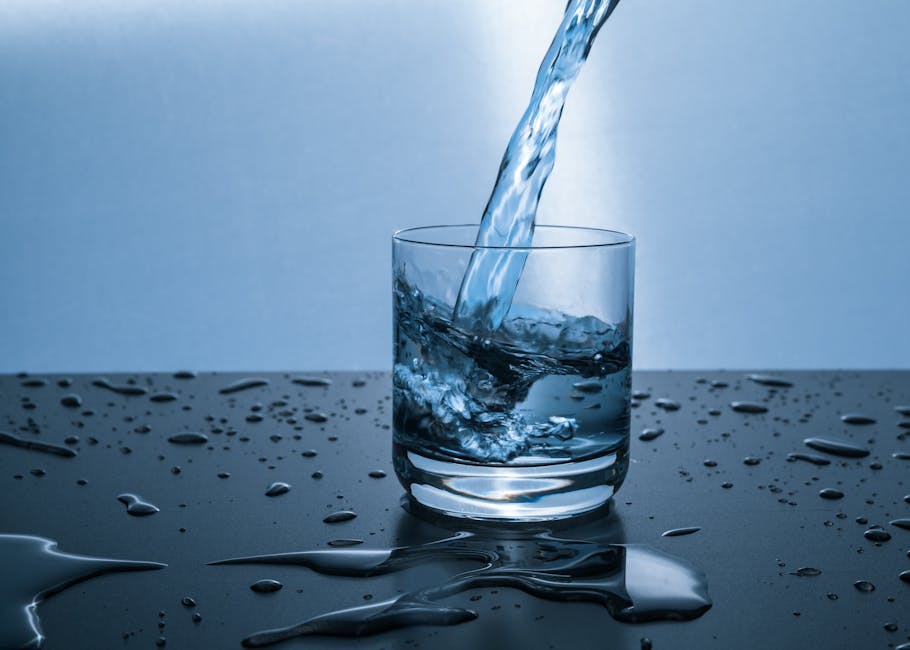
You’ve probably heard it a thousand times: drink eight glasses of water a day. But have you ever wondered where that advice actually came from? Here’s a surprise—there’s virtually no scientific evidence supporting that specific number. In fact, your individual water needs might be drastically different from your colleague’s, your partner’s, or that fitness influencer’s you follow on social media.
📖 Reading time: 16 minutes
Picture this: You’re sitting at your desk mid-afternoon, struggling to concentrate. Your head feels foggy, your eyes are tired, and you can’t quite focus on the task in front of you. You reach for another coffee, assuming you need more caffeine. But what if the real problem is something far simpler? Research shows that even mild dehydration—losing just 1-2% of your body’s water content—can significantly impair cognitive performance, mood, and energy levels. Yet most of us have no idea whether we’re drinking enough water, drinking too much, or getting it just right.
Common Myths About Water Intake
Myth: Everyone Needs to Drink Eight Glasses of Water Daily
Reality: This one-size-fits-all recommendation has no scientific basis. The “8×8 rule” (eight 8-ounce glasses) likely originated from a 1945 US Food and Nutrition Board recommendation that stated adults need about 2.5 litres of water daily—but this included water from all sources, including food. A person weighing 50kg who works in an office has vastly different hydration needs than an 85kg construction worker or someone training for a marathon. Your individual requirements depend on your body size, activity level, climate, diet, and overall health.
Myth: If You’re Thirsty, You’re Already Dehydrated
Reality: Thirst is actually a highly sophisticated mechanism that kicks in well before dehydration becomes problematic. According to research published in the NHS guidance on water and drinks, feeling thirsty means your body is doing exactly what it should—signalling that you need fluids. You don’t need to stay ahead of thirst by constantly sipping water throughout the day. That said, older adults may experience diminished thirst signals, so they do need to be more mindful about regular fluid intake.
Myth: Clear Urine Means You’re Perfectly Hydrated
Reality: While pale straw-coloured urine generally indicates good hydration, completely clear urine might actually mean you’re overhydrated. Yes, you can drink too much water, and doing so can dilute important electrolytes in your blood, particularly sodium. This condition, called hyponatraemia, can be dangerous. Your urine should be a pale yellow colour—think lemonade rather than apple juice or pure water. Dark amber urine suggests you need more fluids, but crystal clear isn’t necessarily the goal.
Understanding Your Body’s Actual Water Needs
The NHS Eatwell Guide recommends that adults drink 6-8 glasses (roughly 1.2 litres) of fluid daily, but this is just a baseline. The European Food Safety Authority suggests 2 litres for women and 2.5 litres for men, including fluids from food sources. But here’s what really matters: these are averages, not prescriptions.
Your actual water intake depends on multiple factors working together. Body weight plays a significant role—larger bodies require more fluid to maintain cellular function. A general rule of thumb that many nutritionists use is approximately 30-35ml of water per kilogram of body weight. For someone weighing 70kg, that works out to about 2.1-2.5 litres daily.
Activity level dramatically changes your needs. If you’re sitting at a desk all day in a temperature-controlled office, you’ll need far less water than if you’re doing physically demanding work or exercising. During moderate exercise, you can lose 500ml to 1 litre of fluid per hour through sweat. Intense workouts or hot weather can push this even higher—up to 1.5-2 litres per hour for some people.
Climate and Environment Matter More Than You Think
Living in the UK, you might assume you don’t need to worry much about climate-related dehydration. But heated homes and offices in winter can be incredibly dehydrating. That constant blast of central heating creates a dry environment that increases fluid loss through your skin and breathing. Air conditioning in summer has a similar effect.
If you travel to warmer climates or experience a rare British heatwave, your water needs can double. Your body works harder to regulate temperature through sweating, and you’ll lose fluids faster than usual. Even on a mild day, spending hours outdoors will increase your requirements.
What About Water From Food?
Here’s something that often gets overlooked: roughly 20% of your daily water intake typically comes from food. Fruits and vegetables are particularly water-rich. A cucumber is about 95% water, tomatoes 94%, watermelon 92%, and strawberries 91%. Even foods you wouldn’t necessarily think of as “watery” contribute—chicken breast is about 65% water, and cooked rice around 70%.
If you eat a diet rich in fruits, vegetables, soups, and stews, you’re getting significant hydration from your meals. Someone eating mostly fresh, whole foods needs less drinking water than someone consuming primarily dry, processed foods like crackers, crisps, and baked goods.
The Signs You’re Actually Not Drinking Enough
Rather than obsessing over hitting a specific number of glasses, learn to recognise your body’s signals. Thirst is the most obvious indicator, but it’s not the only one. Dark yellow or amber-coloured urine is a clear sign you need more fluids. If you’re urinating fewer than four times a day, that’s another red flag.
Watch for these subtler symptoms of mild dehydration: difficulty concentrating, headaches (especially in the afternoon), dry lips and mouth, feeling unusually tired, dizziness when standing up quickly, and constipation. Many people struggle through these symptoms daily without realising that simply drinking more water could help.
Your skin can also tell you a lot. Try the pinch test: gently pinch the skin on the back of your hand and let go. If it snaps back immediately, your hydration is likely fine. If it takes a moment to return to normal, you may need more fluids. However, this test becomes less reliable as we age, since skin naturally loses elasticity.
When You Might Need More Water
Certain situations and conditions increase your fluid requirements significantly. If you’re unwell with a fever, vomiting, or diarrhoea, you’re losing fluids faster than normal and need to replace them. Pregnant women need an extra 300ml daily, while breastfeeding mothers require an additional 700-1000ml to support milk production.
Some medications, including diuretics for blood pressure, certain antihistamines, and laxatives, increase fluid loss. If you take any regular medications, it’s worth checking whether they affect your hydration needs. Regular alcohol consumption also requires extra water—alcohol is a diuretic that increases urine production and contributes to dehydration.
People with certain health conditions need to be more mindful. Those with kidney stones should drink more to help prevent recurrence. Urinary tract infections also improve with increased fluid intake. Conversely, some people with heart failure or kidney disease need to restrict fluids—always follow your healthcare provider’s specific advice if you have a chronic condition.
Making Water Intake Actually Manageable
Knowing you should drink more water and actually doing it are two different things. The key is making hydration convenient and appealing rather than viewing it as another chore on your to-do list.
Start by keeping water visible and accessible. A reusable water bottle on your desk serves as both a supply and a reminder. Many people find that having a bottle with volume markings helps them track intake throughout the day without obsessing over it. Look for one that’s easy to clean, comfortable to drink from, and the right size for your needs—around 750ml to 1 litre works well for most people.
Create hydration habits by linking water intake to existing routines. Drink a glass when you wake up, before each meal, and before bed. If you struggle to remember, try the “hourly sip” method: set a gentle reminder on your phone to take a few sips each hour during your working day. By the end of an eight-hour workday, you’ve consumed a substantial amount without thinking about it.
When Plain Water Feels Boring
Not everyone enjoys drinking plain water, and that’s perfectly fine. You have options. Herbal teas count fully towards your fluid intake and add variety. Slice fresh fruit like lemon, lime, cucumber, or berries into your water for natural flavour without added sugar. Fresh mint leaves create a refreshing taste that many people prefer to plain water.
Contrary to popular belief, tea and coffee do count towards your daily fluid intake. Yes, caffeine has a mild diuretic effect, but research shows it doesn’t cancel out the hydration from the drink itself. A BBC analysis of hydration research found that moderate coffee consumption contributes to daily fluid needs nearly as much as water does. Just avoid loading your drinks with sugar, which can have other health implications.
What about flavoured water and squash? They’re fine in moderation, but check the sugar content. No-added-sugar versions work well if they help you drink more fluids overall. Just be aware that artificial sweeteners may have their own considerations, though current evidence suggests they’re safe in moderate amounts.
Your Practical 7-Day Hydration Action Plan
Stop worrying about hitting an arbitrary number and start paying attention to what your body actually needs. Here’s how to develop better hydration habits over the next week:
- Day 1-2: Establish Your Baseline. Check your urine colour throughout the day without changing your habits. Note when it’s darker (typically morning and late afternoon). Count how many times you urinate—fewer than four times suggests you need more fluids. Pay attention to energy levels and concentration, particularly mid-afternoon.
- Day 3-4: Create Morning and Mealtime Habits. Start each day with a glass of water before your morning tea or coffee. Your body loses water overnight through breathing, so rehydrating first thing is beneficial. Drink a glass of water 15-20 minutes before each meal. This helps with hydration and may support digestion. Notice whether your afternoon energy dip improves.
- Day 5-6: Add Hourly Reminders. Set gentle phone reminders for every hour during your working day. When the reminder sounds, take 3-5 sips of water. You’re not chugging entire glasses; you’re sipping consistently. By the end of the day, you’ll have consumed significantly more fluid without any single overwhelming effort.
- Day 7: Assess and Adjust. Check your urine colour again. Is it lighter than it was on Day 1? Do you have more energy? Better concentration? Fewer headaches? If you’re urinating every 45 minutes, you’ve probably overdone it—scale back slightly. If you’re still showing signs of mild dehydration, gradually increase your intake over the next week.
After this first week, adjust based on your circumstances. Add an extra 500ml on days you exercise. Increase intake during hot weather or when you’re in heated indoor spaces. Pay attention to your body’s signals rather than rigidly following rules.
Mistakes to Avoid (And How to Fix Them)
Mistake 1: Forcing Down Water When You’re Not Thirsty
Why it’s a problem: Overhydration can dilute electrolytes in your blood, leading to headaches, nausea, and in severe cases, hyponatraemia. Constantly running to the bathroom also disrupts your day and disturbs sleep if you’re drinking too much before bed.
What to do instead: Trust your thirst mechanism unless you have a medical reason not to. Drink when you’re thirsty, with meals, and around physical activity. If you’re urinating more than once per hour during the day or multiple times at night, you’re likely drinking more than you need.
Mistake 2: Only Drinking When You Remember
Why it’s a problem: By the time you feel desperately thirsty, you may already be mildly dehydrated. Going hours without fluids means your body is working less efficiently, affecting concentration, mood, and physical performance before you even notice.
What to do instead: Build hydration into your routine through habit stacking. Link drinking water to things you already do regularly—waking up, starting work, eating meals, finishing a meeting. Keep water visible on your desk or in your bag. The easier you make it to drink water, the more likely you’ll do it consistently.
Mistake 3: Thinking All Fluids Are Equal
Why it’s a problem: While most drinks contribute to hydration, some come with significant drawbacks. Sugary drinks add empty calories and spike blood sugar. Energy drinks often contain excessive caffeine. Alcohol actively dehydrates you by increasing urine production.
What to do instead: Make water, herbal tea, and moderate amounts of regular tea or coffee your primary fluid sources. Save sugary drinks for occasional treats rather than hydration tools. If you drink alcohol, follow each alcoholic drink with a glass of water to offset some of the dehydrating effects.
Mistake 4: Ignoring Individual Circumstances
Why it’s a problem: Following generic advice without considering your specific situation means you might be consistently under or over-hydrated. A 55kg office worker and an 85kg builder need vastly different amounts of fluid, yet both often hear the same “eight glasses” advice.
What to do instead: Calculate your baseline needs using the 30-35ml per kilogram body weight formula, then adjust based on activity, climate, diet, and health status. Track how you feel over several days at different intake levels and find what works for your body and lifestyle.
Mistake 5: Guzzling Large Amounts at Once
Why it’s a problem: Drinking three glasses of water in quick succession doesn’t hydrate you better than spreading it throughout the day. Your body can only absorb so much at once—the excess just passes through to your bladder. You’ll urinate more without getting additional hydration benefits.
What to do instead: Sip consistently throughout the day rather than chugging large amounts infrequently. Your body absorbs and uses water more effectively when it arrives in steady, moderate amounts. Aim to drink roughly 150-250ml at a time rather than downing 500ml in one go.
Quick Reference Hydration Checklist
- Check your urine colour twice daily—aim for pale straw yellow, not clear or dark amber
- Drink a glass of water first thing in the morning before your tea or coffee
- Keep a reusable water bottle visible at your desk or in your bag as a constant reminder
- Add an extra 500ml-1 litre of water for every hour of moderate to intense exercise
- Increase fluid intake during hot weather, in heated indoor spaces, or when you’re unwell
- Eat water-rich foods like cucumber, tomatoes, watermelon, and soups to boost overall hydration
- Set hourly reminders during your working day to take several sips of water
- Stop drinking large amounts 2-3 hours before bedtime to avoid nighttime bathroom trips
Frequently Asked Questions
Does drinking water actually help with weight loss?
Water itself doesn’t burn fat, but it can support weight loss in several ways. Drinking water before meals can help you feel fuller, potentially leading you to eat less. Sometimes thirst masquerades as hunger, so staying hydrated may reduce unnecessary snacking. Water also has zero calories, so choosing it over sugary drinks cuts your calorie intake significantly. Research shows that drinking 500ml of water can temporarily boost metabolism by about 24-30% for up to an hour afterwards, though this effect is modest. The bottom line: water supports weight loss efforts but isn’t a magic solution on its own.
Should I drink water even when I’m not thirsty during exercise?
For moderate exercise lasting under an hour, drinking when thirsty is generally sufficient. However, during longer or more intense workouts, you should drink at regular intervals even if you don’t feel particularly thirsty. A good approach is to drink 150-250ml every 15-20 minutes during extended exercise sessions. Weigh yourself before and after long workouts—you should aim to replace most of the weight you’ve lost (which is primarily water). For every kilogram lost, drink about a litre of fluid. If you’re exercising intensely for over 90 minutes, consider drinks containing electrolytes to replace sodium lost through sweat.
Can you drink too much water, and what happens if you do?
Yes, overhydration is real though less common than dehydration. Drinking excessive amounts of water can dilute sodium levels in your blood, causing a condition called hyponatraemia. Symptoms include headache, nausea, confusion, and in severe cases, seizures. This typically only occurs when someone drinks several litres in a short period or consistently drinks far more than their body needs. Athletes doing endurance events are at higher risk, especially if they drink plain water without replacing electrolytes. For most people doing normal activities, it’s difficult to accidentally overhydrate if you’re listening to your body’s signals rather than forcing down water.
Is it true that by the time you feel thirsty, you’re already dehydrated?
This persistent myth has been thoroughly debunked by research. Thirst typically kicks in when you’ve lost about 1-2% of your body’s water content, which is the very early stage of dehydration—well before it causes any problems. Your body has sophisticated mechanisms for regulating fluid balance, and thirst is one of the earliest warning signals. For most healthy adults, drinking when you feel thirsty is perfectly adequate to maintain proper hydration. The exception is older adults, whose thirst signals may not work as reliably, and athletes during intense exercise who may not feel thirsty enough quickly enough to replace rapid fluid losses.
Do tea and coffee dehydrate you, or do they count towards daily water intake?
Despite popular belief, tea and coffee do count towards your daily fluid intake. While caffeine has a mild diuretic effect, it doesn’t come close to cancelling out the hydration provided by the drink itself. Studies show that people who regularly consume caffeine develop a tolerance to its diuretic effect, making it even less of a concern. A cup of tea or coffee contributes nearly as much to hydration as a glass of water would. The NHS includes tea and coffee in its recommendations for daily fluid intake. Just keep your consumption moderate—excessive caffeine can cause other issues like sleep disruption and jitteriness, even if dehydration isn’t one of them.
The Bottom Line on Hydration
Forget the rigid eight-glasses-a-day rule. Your body is far more sophisticated than that, and your needs are unique. The most important takeaways are surprisingly simple: pay attention to your urine colour, drink when you’re thirsty, and adjust your intake based on activity, weather, and how you feel.
Most people in the UK need somewhere between 1.5 and 2.5 litres of total fluid daily, including what comes from food. That’s roughly 6-10 glasses, but it’s not a fixed prescription. An office worker on a cool autumn day needs less than a cyclist training in July. A person eating soup and salad needs less than someone eating dry sandwiches and crisps.
Start with the seven-day action plan to establish better hydration habits, then adjust based on your results. Check your urine colour as your primary indicator. Notice whether your energy, concentration, and overall wellbeing improve with slightly more or slightly less fluid. Make it convenient by keeping water visible and accessible. Link drinking to existing habits so it becomes automatic rather than another thing to remember.
Your body knows what it needs. The goal isn’t to override those signals by forcing down water you don’t want—it’s to make proper hydration easy and natural so you actually respond to those signals throughout your day. Start paying attention today, and within a week, you’ll have a much clearer sense of what proper hydration feels like for you specifically.


