Relaxing hobbies at home have become essential lifelines for millions of UK adults drowning in endless to-do lists and digital notifications. Recent research from the Mental Health Foundation reveals that 74% of British adults felt so stressed in the past year they’ve been overwhelmed or unable to cope, yet most believe they don’t have time for activities that could genuinely help them unwind.
Related reading: Ergonomic Home Office Setup: The 5 Essential Changes That Prevent Pain and Injury.
📖 Reading time: 21 minutes
Picture this: You’ve just finished another draining day juggling work deadlines, family responsibilities, and household tasks. Your mind is racing, your shoulders are tense, and you desperately need to decompress—but you also need to be realistic. You don’t have three hours to spare, you can’t afford expensive equipment, and you certainly can’t add another complicated commitment to your already overflowing schedule. What you need are relaxing hobbies at home that actually fit into real life, not some idealized Instagram version of self-care that requires a complete lifestyle overhaul.
Common Myths About Relaxing Hobbies at Home
For more on this topic, you might enjoy: 7 Therapeutic Hobbies That Quietly Transform Your Mental Health.
Before we explore the most effective relaxing hobbies at home for genuinely busy people, let’s clear up some persistent misconceptions that prevent many from even trying.
Myth: Relaxing Hobbies Require Large Time Commitments
Reality: The most effective relaxing hobbies at home can be deeply satisfying in just 15-20 minutes. Research from the University of Sussex found that reading for merely six minutes can reduce stress levels by up to 68%. The key isn’t duration—it’s engagement and mental absorption. Whether you’re sketching for ten minutes or tending to houseplants during your morning tea, brief moments of focused calm can significantly impact your wellbeing throughout the day.
Myth: You Need Special Talent or Skills to Enjoy Relaxing Hobbies
Reality: The therapeutic benefits of relaxing hobbies at home come from the process, not the outcome. A study published in the British Journal of Occupational Therapy found that participants experienced reduced anxiety and improved mood from creative activities regardless of skill level or artistic ability. Colouring, knitting, or playing simple melodies on a keyboard all provide the same meditative benefits whether you’re a beginner or experienced practitioner.
Myth: Relaxing Activities Mean Doing Nothing Productive
Reality: This fundamentally misunderstands how human productivity works. The NHS explicitly recommends incorporating hobbies and leisure activities into your routine as essential for mental health maintenance. When you engage in relaxing hobbies at home, you’re actively reducing cortisol levels, improving focus, and restoring the mental energy needed for everything else you need to accomplish. It’s not time wasted—it’s essential maintenance that makes you more effective in all other areas of life.
Why Relaxing Hobbies at Home Work Better Than Other Stress-Relief Methods
Related: 7 Home Office Gadgets That Actually Make Working From Home Easier (According to Remote Workers).
There’s something uniquely powerful about cultivating relaxing hobbies at home rather than relying solely on external stress-relief methods. When you develop a home-based practice, you eliminate common barriers: travel time, weather concerns, expense, social anxiety, and scheduling conflicts.
Your home environment, when associated with calming activities, becomes a sanctuary rather than just another place where responsibilities pile up. Neuroscience research shows that our brains create strong associations between environments and activities. When you consistently practice relaxing hobbies at home in a specific space—even just a comfortable chair in the corner—that spot begins to trigger relaxation responses automatically.
What’s more, relaxing hobbies at home allow you to respond immediately when stress strikes. Had a difficult phone call? You can step away for ten minutes of sketching. Feeling overwhelmed after dinner? Your watercolours are right there. This immediacy is crucial because stress management works best when applied consistently in small doses rather than waiting for a weekly escape.
According to research from King’s College London, people who engage in home-based creative and leisure activities report 32% lower stress levels than those who rely exclusively on social activities or entertainment for relaxation. The difference? Control, accessibility, and the absence of performance pressure.
The Most Effective Relaxing Hobbies at Home for Genuinely Busy Lives
You may also find this helpful: Your Essential Beginner Home Workout Routine: No Gym, No Problem.
Indoor Gardening and Plant Care
Indoor gardening has exploded in popularity across the UK, and the science backs up why it’s become one of the most beloved relaxing hobbies at home. A landmark study from the Royal Horticultural Society found that just 30 minutes of gardening activity can reduce cortisol levels more effectively than reading indoors.
The beauty of indoor plant care is its flexibility. You might spend five minutes checking soil moisture and removing dead leaves, or dedicate a Sunday afternoon to repotting and propagating. The rhythmic, tactile nature of working with soil, water, and living things creates what psychologists call “soft fascination”—gentle engagement that rests the parts of your brain exhausted by daily demands.
Start with forgiving plants like pothos, snake plants, or spider plants if you’re concerned about keeping things alive. Many people find that a simple collection of herbs on a kitchen windowsill provides both the meditative benefits of plant care and the practical bonus of fresh ingredients. Look for pots with drainage holes and saucers to catch excess water—this simple feature prevents the most common newcomer mistake of overwatering.
The sensory elements matter too. The earthy smell of compost, the cool dampness of watered soil, the vibrant green of new growth—these sensory experiences ground you in the present moment, which is precisely what stressed minds desperately need.
Drawing, Colouring, and Simple Art Projects
Visual arts rank among the most accessible relaxing hobbies at home because they require minimal setup and can be enjoyed at any skill level. The therapeutic mechanism is straightforward: focused hand-eye coordination combined with creative decision-making occupies your conscious mind, giving the anxious, ruminating parts of your brain a much-needed rest.
Adult colouring books have gained tremendous popularity for good reason. Research from the University of West England demonstrated that just 20 minutes of colouring geometric patterns significantly reduced anxiety levels in participants. The combination of structured boundaries (the printed lines) and creative freedom (colour choices) hits a sweet spot for many stressed minds.
For those wanting something less structured, simple sketching or doodling can be equally therapeutic. You don’t need to create anything beautiful or meaningful—the act itself provides the benefit. Keep a sketchbook and pencils somewhere visible, perhaps on your coffee table or bedside. When you need a mental break, spend ten minutes drawing whatever catches your eye: your coffee mug, the view from your window, patterns from your imagination.
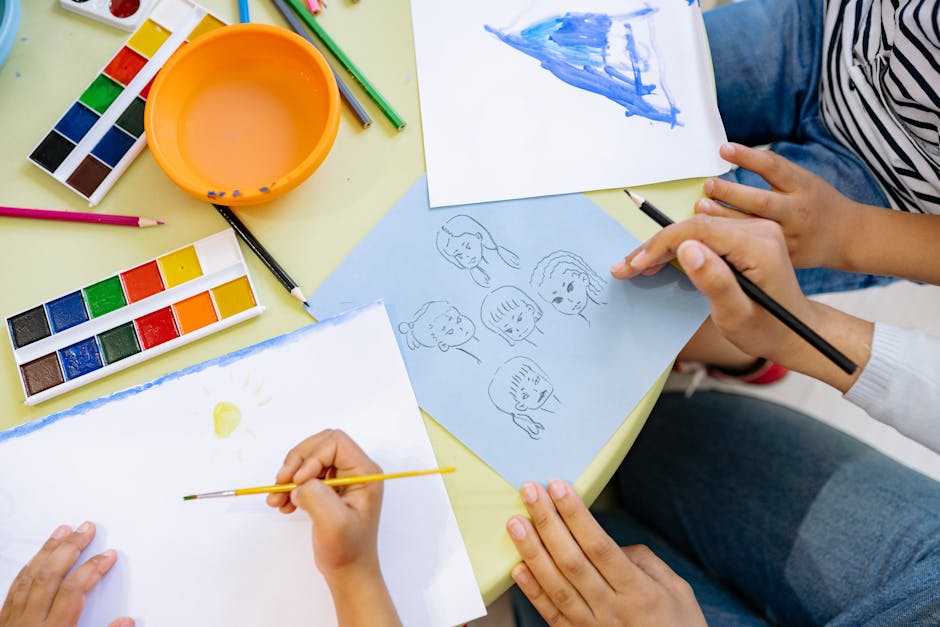
Watercolour painting offers another wonderful option among relaxing hobbies at home. The unpredictable, fluid nature of watercolours forces you to relinquish control and embrace imperfection—a valuable practice for perfectionists and chronic worriers. A basic watercolour set with a pad of watercolour paper gives you everything needed to start.
Reading for Pure Pleasure
Reading might seem too obvious to mention, but it’s worth examining why it remains one of the most effective relaxing hobbies at home. The University of Sussex research mentioned earlier found reading reduced stress more quickly than listening to music, drinking tea, or taking a walk—yet many busy people have abandoned pleasure reading entirely.
The key phrase is “pleasure reading.” This means fiction, poetry, graphic novels, or whatever genuinely absorbs you—not professional development books, news articles, or self-improvement titles that feel like homework. The therapeutic benefit comes from transportation into another world, a mental shift away from your daily concerns.
Create a reading ritual that signals to your brain it’s time to unwind. Perhaps it’s a specific chair with good lighting, a particular cup of tea, or simply the act of putting your phone in another room. Many people find that setting a timer for just 20 minutes makes reading feel manageable rather than indulgent—and often they continue beyond the timer because they’re engaged.
Join your local library if you haven’t already. Most UK libraries now offer excellent apps for borrowing ebooks and audiobooks, eliminating even the small barrier of leaving home. Audiobooks count too—they provide the same escapist benefits while allowing you to close your eyes or do something gentle with your hands like stretching or knitting.
Hands-On Crafts: Knitting, Crochet, and Needlework
Textile crafts have experienced a remarkable renaissance, with knitting clubs reporting membership increases across all age groups. These rhythmic, repetitive activities are now recognized as genuinely therapeutic relaxing hobbies at home, with research published in the British Journal of Occupational Therapy finding that 81% of knitters with depression reported feeling happy after knitting.
The mechanism combines several stress-reducing elements: repetitive motion that induces a meditative state, tangible progress that provides satisfaction, and the creation of something functional or beautiful. Neurologically, activities like knitting engage multiple brain regions simultaneously—planning, fine motor control, counting, pattern recognition—which effectively interrupts rumination and anxiety loops.
Contrary to popular belief, knitting and crochet aren’t difficult to learn. Countless free YouTube tutorials break down basic techniques into manageable steps. Start with something simple like a scarf or dishcloth using chunky yarn—you’ll see progress quickly, which encourages continuation. Something like bamboo needles or crochet hooks feels comfortable in your hands during extended crafting sessions.
Cross-stitch and embroidery offer similar benefits with different aesthetic results. These crafts also have the advantage of being completely portable—you can easily pick up fifteen minutes here and there throughout your day.
Baking and Mindful Cooking
When approached as one of your relaxing hobbies at home rather than a chore, cooking and baking transform into deeply meditative practices. The key is choosing when and what you make—this isn’t about weeknight dinner stress, but rather the intentional, pleasure-focused creation of food.
Baking, in particular, offers wonderful therapeutic qualities. The precise measurements and chemical reactions require focus and attention, anchoring you in the present moment. The sensory experience—kneading dough, smelling vanilla and cinnamon, watching ingredients transform—engages you completely. Research from the University of Otago found that people who engaged in creative activities like baking reported higher levels of positive emotions and feelings of flourishing in their daily lives.
Choose recipes that match your current need. Bread-making provides extended, tactile engagement with long rising times that teach patience. Cookie baking offers quicker satisfaction with delicious results. Decorating cakes or biscuits combines artistic expression with the craft of baking.
The same mindful approach applies to cooking. Try making something that requires technique and attention—homemade pasta, perfectly caramelized onions, a complex curry with layers of spice. When cooking becomes a hobby rather than a task, it shifts from draining to restorative.
Puzzle Solving and Brain Games
Jigsaw puzzles have experienced a massive resurgence, with UK retailers reporting unprecedented sales. As relaxing hobbies at home go, puzzles offer unique benefits: they’re inherently absorbing, provide clear goals and progress, and deliver satisfying completion—all while being genuinely relaxing rather than stimulating.
The psychology is fascinating. Puzzles engage your brain’s problem-solving circuits without triggering stress responses because the stakes are nonexistent. You’re working toward something but nothing bad happens if you don’t solve it immediately. This combination of engagement and safety makes puzzles particularly effective for anxious minds that struggle with true relaxation.
A puzzle set up on a dedicated table or board (something like a puzzle board with a cover works brilliantly) means you can work for five minutes or an hour without setup or cleanup. Many people find that spending 15 minutes on a puzzle before bed helps transition from the day’s stress into sleep readiness.
Crosswords, sudoku, and other paper puzzles offer similar benefits in more portable formats. Keep a puzzle book by your favourite chair or in your bag for unexpected waiting times that could use a calming activity.
Gentle Yoga and Stretching Practices
Movement-based relaxing hobbies at home don’t need to be intense to be effective. Gentle yoga, restorative stretching, and simple flexibility work provide both physical tension release and mental calm. The NHS recommends regular stretching and flexibility exercises for both physical and mental health maintenance.
The barrier for many is feeling like they need to commit to a full hour-long practice. The truth? Ten minutes of mindful stretching provides genuine benefits. A simple yoga mat or even a towel on carpet gives you enough cushioning to be comfortable.
YouTube offers thousands of free guided sessions ranging from five-minute morning stretches to longer restorative practices. The key is finding instructors whose voice and pacing you find genuinely calming—this is personal and might take sampling a few different channels.
Focus on practices explicitly labelled as restorative, gentle, or yin yoga rather than power or vinyasa styles. The goal isn’t fitness or flexibility gains (though those may come)—it’s the meditative quality of slow, intentional movement combined with focused breathing.
Your First Two Weeks Action Plan
Starting new relaxing hobbies at home works best with a structured but flexible approach. This plan helps you experiment and discover what genuinely works for your life.
- Days 1-2: Audit your current routine. Notice when you feel most stressed and when you have potential pockets of time, even just 10-15 minutes. Common opportunities include early morning before others wake, lunch breaks, right after work, or before bed. Write these down.
- Days 3-4: Choose your first hobby. Based on what appeals to you most from this article, select one activity to try. Gather the minimal supplies needed—borrow from friends, use what you have, or make one small purchase. Don’t overthink this step.
- Days 5-7: Three trial sessions. Commit to trying your chosen hobby for just 15 minutes on three different occasions over these three days. Notice how you feel before, during, and after. Does your mind quiet? Do your shoulders relax? Does time disappear or drag?
- Days 8-9: Assess and adjust. If you genuinely enjoyed your chosen activity, continue. If it felt forced or unpleasant, that’s valuable information—try a different hobby from the list. There’s no virtue in persisting with something that doesn’t resonate with you.
- Days 10-12: Build a mini routine. Once you’ve found an activity you enjoy, practice it at roughly the same time for three consecutive days. This begins building the habit and environmental associations that make relaxing hobbies at home increasingly automatic.
- Days 13-14: Experiment with duration. Try your hobby once for just 10 minutes and once for 30-40 minutes. Notice the difference. Many people discover their ideal session length through this experimentation. Some hobbies work brilliantly in short bursts; others truly shine with longer immersion.
Mistakes to Avoid (And How to Fix Them)
Mistake 1: Treating Your Hobby Like Another Task to Complete
Why it’s a problem: When relaxing hobbies at home become items on your to-do list, complete with goals and expectations, they lose their restorative quality. You’re adding stress rather than relieving it. The minute you start thinking “I should have finished more of this puzzle by now” or “I need to be better at watercolours,” you’ve transformed relaxation into pressure.
What to do instead: Approach your hobby with explicit permission to be mediocre, to leave things unfinished, and to simply enjoy the process. Set a timer if it helps you feel “allowed” to stop after 20 minutes even if you’re mid-project. Your hobby’s purpose is the experience itself, not the outcome.
Mistake 2: Waiting for the “Perfect” Time or Supplies
Why it’s a problem: Many people delay starting relaxing hobbies at home because they’re waiting to buy the “right” supplies, set up a dedicated space, or find a substantial block of free time. These conditions rarely materialize, and meanwhile, you’re missing out on stress relief you need right now.
What to do instead: Start with what you have today. Draw with a basic pencil and printer paper. Plant herbs in repurposed yogurt containers with drainage holes poked in the bottom. Read books from the library app on your phone. Once you know you’ll actually do the activity, you can gradually upgrade supplies if desired.
Mistake 3: Forcing Yourself to Continue Something That Doesn’t Click
Why it’s a problem: Just because watercolour painting is deeply relaxing for your colleague doesn’t mean it will work for you. We’re all wired differently, and what creates a meditative state varies dramatically between individuals. Forcing yourself through an activity that feels boring or frustrating wastes time and creates resistance to trying other options.
What to do instead: Give each hobby a genuine try—at least three separate sessions—but then be honest about whether it’s actually helping you relax. If not, move on without guilt. The right relaxing hobbies at home should feel like relief, not obligation.
Mistake 4: Only Doing Your Hobby When You’re Already Calm
Why it’s a problem: Many people avoid their relaxing hobbies at home precisely when they’d be most beneficial—when they’re stressed, anxious, or overwhelmed. The tendency is to think “I’m too wound up for that right now” and instead scroll social media or stress-eat, which provide no actual relief.
What to do instead: Recognize that your hobby is medicine, not a reward for already feeling good. When stress hits, that’s your cue to spend even just ten minutes with your chosen activity. You might need to start with deep breaths to settle enough to begin, but pushing through that initial resistance is where the real benefits live.
Mistake 5: Trying to Multitask or Stay “Productive”
Why it’s a problem: Listening to a work podcast while knitting, planning your week while doing yoga, or mentally solving work problems while gardening defeats the entire purpose of relaxing hobbies at home. The therapeutic benefit comes from giving your problem-solving mind a rest—something impossible when you’re using hobby time to “catch up” on other things.
What to do instead: Treat your hobby time as single-focus time. If your mind wanders to work or responsibilities (it will), gently redirect attention back to your hands, your breath, or the specific sensory details of what you’re doing. This redirection itself is the practice that builds your capacity for calm.
Creating Your Ideal Home Relaxation Space
While you don’t need a dedicated room for relaxing hobbies at home, having a designated spot significantly increases the likelihood you’ll actually use it. This doesn’t require major renovations or expense—just thoughtful arrangement of what you already have.
Identify a space that receives natural light if possible. Research consistently shows that natural light improves mood and makes activities more enjoyable. This might be a chair near a window, a corner of your dining table, or even a breakfast bar with a view outdoors.
Keep your supplies visible and accessible. A basket of yarn and needles sitting beside your favorite chair means you’ll knit more often than if supplies are stored in a cupboard three rooms away. A small bookshelf or trolley dedicated to your hobby supplies transforms “I should do that sometime” into “I’ll just work on this for a few minutes right now.”
Consider the sensory environment. Many people find their relaxing hobbies at home become even more restorative when paired with pleasant environmental elements: a scented candle, soft instrumental music, a comfortable cushion, or a warm blanket nearby. These elements cue your brain that it’s time to unwind.
Importantly, establish a “no phones” boundary if possible. Place your phone on silent and out of sight during hobby time. The constant possibility of interruption prevents the deep engagement that makes these activities genuinely restorative.
Quick Reference Checklist
- Choose one relaxing hobby at home to try this week—start with whichever appeals most strongly to you right now
- Gather minimal supplies using what you have or making one simple purchase rather than waiting for perfect conditions
- Schedule three 15-minute sessions in the next seven days and treat these appointments as seriously as any other commitment
- Create a small dedicated space with supplies visible and easily accessible
- Put your phone away during hobby time to allow genuine mental disengagement from daily stressors
- Give yourself explicit permission to be mediocre—the process matters, not the product
- Notice how you feel before and after each session to identify what genuinely helps you unwind
- Switch hobbies if something isn’t clicking after three genuine attempts—the right activity should feel relieving, not obligatory
Frequently Asked Questions
How do I find time for relaxing hobbies at home when I’m already overwhelmed with responsibilities?
The question itself reveals the problem—you’re viewing relaxation as optional rather than essential. The truth is that 15-20 minutes spent on relaxing hobbies at home makes you significantly more effective during the remaining hours of your day by reducing stress hormones and restoring mental energy. Start by identifying existing time you’re currently spending on things that don’t actually restore you—social media scrolling, mindless television, or simply sitting and worrying. Replace just one of these periods with a genuine hobby, and you’ll likely find you accomplish more overall because your mind works better when you give it proper rest.
What if I try a hobby and feel even more stressed because I’m “bad” at it?
This is incredibly common and signals that you need to reframe your approach completely. Relaxing hobbies at home aren’t about skill development or creating impressive results—they’re about the meditative quality of the activity itself. If you catch yourself judging your output or comparing yourself to others, pause and remind yourself that a “successful” session simply means you spent time doing something absorbing. Consider choosing activities that are inherently process-focused rather than product-focused, like colouring in printed patterns, tending plants, or solving puzzles where there’s no “good” or “bad” way to work. The goal is engagement and absorption, nothing more.
Do I need to spend money on expensive supplies to get started?
Absolutely not. Many of the most effective relaxing hobbies at home require either nothing or minimal, inexpensive supplies. You can start reading with free library apps, begin stretching with just a towel on your floor, draw with any pencil and paper you have around, or grow herbs in repurposed food containers. When you do decide to purchase supplies, start with basic, budget-friendly options. A simple set of coloured pencils costs just a few pounds and provides months of use. Once you know you genuinely enjoy an activity and will continue it, you can gradually upgrade supplies if desired—but expensive equipment has no correlation with stress-relief benefits.
How long before I start feeling the stress-relief benefits of these hobbies?
Most people notice immediate effects—reduced muscle tension, quieter thoughts, or improved mood—during or immediately after even their first 15-minute session. However, the cumulative benefits build substantially over time. Research shows that people who regularly engage in relaxing hobbies at home for just a few weeks report lower baseline stress levels, better sleep quality, and improved ability to handle daily challenges. Think of it like physical exercise: a single session feels good and provides immediate benefits, but consistent practice over weeks and months creates lasting changes in how your mind and body respond to stress. Give any new hobby at least two weeks of regular practice before assessing its full impact.
Can relaxing hobbies at home really make a difference if I have clinical anxiety or depression?
While hobbies aren’t a replacement for professional treatment, research strongly supports their role as part of a comprehensive mental health approach. The NHS explicitly recommends incorporating creative and leisure activities alongside other treatments for anxiety and depression. Studies show that regular engagement in activities like gardening, crafts, or art can reduce symptoms and improve quality of life. That said, if you’re struggling with mental health challenges, use relaxing hobbies at home as one tool among others—including professional support from your GP or a therapist, appropriate medication if recommended, and other evidence-based treatments. Think of hobbies as valuable self-care that supports and enhances professional treatment rather than replacing it.
Taking Your First Step Today
The most important thing to understand about relaxing hobbies at home is that they’re not luxuries or indulgences—they’re essential maintenance for your mental wellbeing, especially in our perpetually busy, digitally connected world. You wouldn’t expect your phone to function indefinitely without charging, yet somehow we expect our minds to operate without similar restoration.
The scientific evidence is clear: regular engagement in absorbing, enjoyable activities reduces stress hormones, improves mood, enhances sleep quality, and builds resilience against daily challenges. These aren’t marginal benefits—for many people, finding the right relaxing hobbies at home genuinely transforms their quality of life.
Start small and start today. Don’t wait for the perfect moment, the ideal supplies, or a substantial block of free time. Choose one activity from this article that genuinely appeals to you, gather whatever minimal supplies you need, and commit to three 15-minute sessions over the next week. Notice how you feel. Adjust based on what you discover. Be patient with yourself as you build this new practice.
Remember that finding the right hobby is personal—what works beautifully for someone else might not resonate with you, and that’s completely normal. Give each option a fair try, but don’t force yourself to continue something that feels like obligation rather than relief. The right relaxing hobbies at home should feel like sanctuary, not another task.
You deserve time to unwind, to engage in something purely for pleasure, and to give your stressed mind the rest it desperately needs. Everything else in your life will benefit when you finally give yourself permission to truly relax. Start today—future you will be grateful you did.


