You’re sitting at your desk at 3pm, stomach growling, energy plummeting, desperately eyeing the biscuit tin in the break room. Sound familiar? High protein snacks for work can transform those afternoon slumps into productive power hours, yet most people reach for sugary quick fixes that leave them hungrier an hour later. The difference between struggling through the workday and cruising through it often comes down to what you’re eating between meals.
Related reading: Dopamine Detox Benefits: Reset Your Focus and Motivation in 7 Days.
📖 Reading time: 19 minutes
Picture this: You’ve got back-to-back meetings, a deadline looming, and your last proper meal was a rushed breakfast seven hours ago. Your concentration is shot, you’re irritable with colleagues, and all you can think about is food. Meanwhile, your coworker seems energized and focused, munching on something between calls. What’s the secret? They’ve cracked the code on high protein snacks for work that provide sustained energy without the crash. The British Dietetic Association notes that protein helps regulate blood sugar levels and promotes satiety far more effectively than carbohydrate-heavy snacks alone.
Common Myths About High Protein Snacks for Work
For more on this topic, you might enjoy: Whey vs Plant Based Protein Powder: Which One Actually Works for You?.
Before we dive into the best options, let’s clear up some persistent misconceptions that might be holding you back from snacking smarter.
Myth: All Protein Snacks Need Refrigeration
Reality: Whilst some high protein snacks for work do benefit from chilling, plenty of shelf-stable options exist that are perfect for desk drawers, handbags, and gym bags. Roasted chickpeas, beef jerky, protein bars, and mixed nuts can sit at room temperature for weeks without spoiling. This makes planning ahead remarkably simple, even if you don’t have access to a fridge at work.
Myth: Protein Snacks Are Expensive and Complicated
Reality: Whilst some specialty protein products carry premium price tags, basic high protein snacks like hard-boiled eggs, tinned tuna, or homemade chickpea roasts cost mere pence per serving. A bag of almonds from your local supermarket provides dozens of snack portions at a fraction of what you’d spend on meal deals or coffee shop pastries. The initial investment pays dividends in sustained energy and fewer impulse purchases.
Myth: You Need Protein Powder for Convenient High-Protein Snacking
Reality: Protein powders and shakes have their place, but whole food sources often provide better satiety, additional nutrients, and more satisfying textures. A chunk of cheddar cheese, a handful of edamame, or Greek yoghurt delivers complete nutrition alongside the protein, plus they actually feel like eating rather than drinking a supplement. Save the powders for post-workout recovery if you use them at all.
Why Protein Matters for Work Performance
Related: 15 High-Protein Lunch Ideas That Actually Keep You Full Until Dinner.
Understanding why high protein snacks for work outperform traditional options helps you make better choices when hunger strikes. Protein uniquely affects your body’s hunger hormones, signalling fullness to your brain far more effectively than carbohydrates or fats alone.
Research from the NHS guidance on balanced eating recommends adults consume approximately 0.75g of protein per kilogram of body weight daily. For someone weighing 70kg, that’s roughly 52g spread throughout the day. Breaking this into meals plus snacks prevents the energy crashes that derail productivity.
What’s more, protein requires more energy to digest than other macronutrients—a phenomenon called the thermic effect of food. Your body burns approximately 20-30% of protein’s calories just processing it, compared to 5-10% for carbohydrates and 0-3% for fats. This means high protein snacks for work contribute to sustained energy expenditure, keeping your metabolism active during long sedentary periods at your desk.
The cognitive benefits extend beyond just feeling full. Amino acids from protein serve as building blocks for neurotransmitters including dopamine and serotonin, which regulate mood, focus, and motivation. That afternoon brain fog? Often it’s not just fatigue—it’s inadequate protein intake affecting your brain chemistry.
The Best Shelf-Stable High Protein Snacks for Work
These options require zero refrigeration, making them perfect for keeping in your desk drawer, handbag, or car. Stock up once and you’re sorted for weeks of smart snacking.
Roasted Chickpeas
At roughly 6g of protein per 30g serving, roasted chickpeas deliver satisfying crunch with added fibre to keep you full even longer. You can buy them pre-seasoned from most supermarkets or roast your own batch on Sunday evening with spices like paprika, cumin, or garlic powder. They’re one of the most budget-friendly high protein snacks for work, costing pennies per portion.
Beef or Turkey Jerky
Premium jerky provides an impressive 9-12g of protein per 25g serving with virtually no carbohydrates. Look for brands with minimal added sugar and recognizable ingredients. Whilst it’s pricier than some options, the protein density means a small amount genuinely satisfies hunger. Just watch the sodium content if you’re monitoring salt intake.
Mixed Nuts and Seeds
Almonds lead the pack at 6g of protein per small handful (28g), but cashews, pistachios, and pumpkin seeds all contribute solid amounts whilst providing healthy fats that extend satiety. Pre-portion them into small containers or snack bags to avoid mindlessly eating an entire bag. The combination of protein, fat, and fibre makes nuts one of nature’s most perfectly designed high protein snacks for work and travel.
Protein Bars
The quality varies wildly here, so read labels carefully. Aim for bars with at least 10g of protein, less than 10g of sugar, and a short ingredient list featuring whole foods rather than chemical-sounding additives. Many supermarket own-brands now offer excellent options at reasonable prices. Keep several flavours on hand to prevent boredom.
Peanut or Almond Butter Packets
Single-serve nut butter pouches contain about 7-8g of protein and pair beautifully with apple slices, celery sticks, or eaten straight from the packet when you’re truly pressed for time. They’re mess-free and incredibly convenient for eating between meetings or during commutes. Look for varieties with just nuts and perhaps a pinch of salt—no added oils or sugars needed.
High Protein Snacks for Work That Need Refrigeration
If you’ve got access to a workplace fridge, these options offer even more variety and often better value for money. Prep them on Sunday and grab one each morning as you head out the door.
Hard-Boiled Eggs
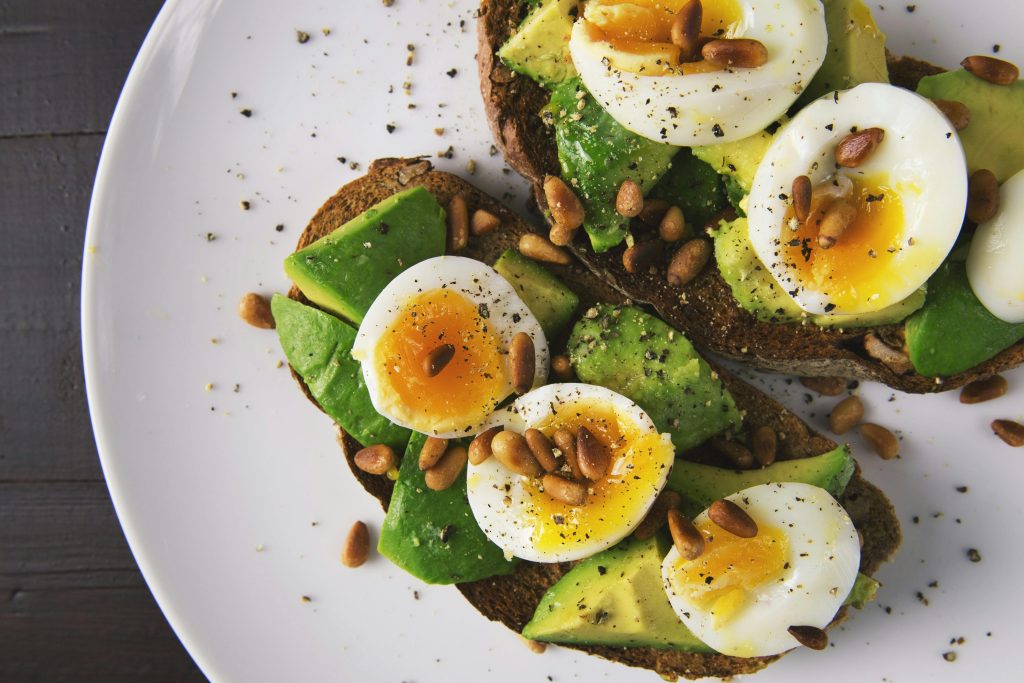
Six grams of complete protein in a neat, portable package, plus essential nutrients like choline and B vitamins. Boil a dozen at the start of the week and keep them in their shells until you’re ready to eat—they’ll last 5-7 days refrigerated. Sprinkle with a bit of salt, pepper, or everything bagel seasoning for added flavour without additional calories.
Greek Yoghurt
Full-fat Greek yoghurt delivers approximately 10g of protein per 100g serving, along with gut-friendly probiotics and bone-building calcium. The thick, creamy texture feels indulgent whilst the protein content keeps hunger at bay for hours. Add a handful of berries or a drizzle of honey if you prefer it slightly sweet, though the plain version works brilliantly with savoury toppings like cucumber and dill.
Cottage Cheese
Often overlooked, cottage cheese packs a serious protein punch at roughly 12g per 100g serving—one of the highest concentrations of any convenient snack. The mild flavour adapts to both sweet additions like pineapple chunks or savoury pairings like cherry tomatoes and black pepper. Small individual pots make portioning effortless.
Cheese Portions
Pre-cut cheese sticks, cubes, or mini Babybels provide 6-7g of protein per serving with satisfying richness. Cheddar, mozzarella, and Edam all work beautifully as high protein snacks for work. Pair with a few whole-grain crackers or vegetable sticks for a more substantial mini-meal that’ll power you through late afternoon meetings.
Edamame
These young soybeans offer 11g of protein per 100g serving, plus they’re surprisingly fun to eat. Buy them frozen, microwave for three minutes with a sprinkle of sea salt, and pack them in a container. They’re delicious warm or cold and provide a nice textural variety from other common snack options.
Sliced Turkey or Chicken
Deli meat isn’t just for sandwiches. Roll up a few slices with a bit of mustard or wrap them around cucumber sticks for a quick protein hit of about 10g per serving. Choose lower-sodium options when possible and look for meat from British farms if that matters to you. These high protein snacks for work take seconds to prepare and travel well in a small container.
Quick Homemade High Protein Snacks for Work
Spending thirty minutes on Sunday evening preparing snacks for the week saves money, ensures quality ingredients, and gives you complete control over flavours and nutrition. These recipes require minimal cooking skills and basic ingredients from any supermarket.
Protein Energy Balls
Blend together 100g of oats, 3 tablespoons of peanut butter, 2 tablespoons of honey, and 2 scoops of protein powder if you have it (or substitute with 30g of ground almonds). Roll into 12 balls and refrigerate. Each ball provides roughly 5g of protein and satisfies sweet cravings without refined sugar crashes. They keep for up to two weeks in the fridge or freeze beautifully for longer storage.
Egg Muffins
Whisk 8 eggs with 100ml of milk, pour into greased muffin tins, and add fillings like diced peppers, spinach, ham, or cheese. Bake at 180°C for 20 minutes. Each muffin contains approximately 8g of protein and reheats perfectly in the microwave. Make a batch of 12 and you’ve got high protein snacks for work sorted for nearly a fortnight.
Homemade Protein Bars
Combine 200g of oats, 100g of nut butter, 3 tablespoons of honey, 50g of protein powder, and 50g of dark chocolate chips. Press firmly into a lined baking tin and refrigerate until firm, then cut into 12 bars. Each provides about 8g of protein and costs a fraction of shop-bought versions. Wrap individually in cling film for grab-and-go convenience.
Having decent food storage containers makes meal prep considerably easier—look for ones that are microwave-safe and have secure lids to prevent leaks in your bag. Nothing worse than discovering yoghurt has exploded all over your paperwork.
Timing Your High Protein Snacks for Work
When you eat matters nearly as much as what you eat. Strategic snacking prevents energy crashes and maintains steady blood sugar throughout your workday.
The sweet spot for snacking sits roughly halfway between meals—typically 2-3 hours after breakfast or lunch, well before hunger becomes desperate. If you eat breakfast at 7am and lunch at 1pm, that’s a six-hour gap where a mid-morning snack around 10am makes perfect sense. Similarly, if lunch finishes at 1pm and dinner won’t happen until 7pm, a 4pm snack prevents the ravenous evening overeating that derails many people’s nutrition.
According to research on metabolic patterns, your body processes nutrients most efficiently earlier in the day. Front-loading protein intake—including through high protein snacks for work—supports better appetite regulation and may aid weight management compared to consuming the same calories later in the evening.
Pay attention to your personal hunger patterns. Some people need substantial mid-morning fuel, whilst others cruise easily to lunch but desperately need an afternoon boost. There’s no universal schedule—observe when your energy reliably dips and plan your snacks accordingly.
Portion Control for High Protein Snacks
Even nutritious foods contribute to weight gain when eaten in unlimited quantities. Protein-rich options tend to be calorie-dense, so mindful portions matter.
A proper snack should contain roughly 150-200 calories and at least 10g of protein. This combination provides genuine satiety without interfering with your next meal’s appetite. Pre-portioning your high protein snacks for work into individual containers or bags removes the guesswork and prevents the “handful after handful” scenario that happens when you eat directly from large packages.
Here’s what appropriate portions look like in practice: a small handful of nuts (about 30g), one or two hard-boiled eggs, 150g of Greek yoghurt, 30g of cheese, or one protein bar. These amounts deliver the protein punch you need whilst keeping calories reasonable.
The beauty of protein’s satiating effect means you’ll naturally feel satisfied with smaller portions compared to carbohydrate-heavy snacks. That said, eat slowly and pay attention. Even the best high protein snacks for work won’t prevent overeating if you’re inhaling them whilst staring at a screen, barely registering what you’re consuming.
Your First Week Action Plan
Transitioning to smarter snacking doesn’t require a complete overhaul overnight. This graduated approach helps you build sustainable habits without feeling overwhelmed.
- Sunday (Preparation Day): Spend 30 minutes preparing your week’s snacks. Boil a dozen eggs, portion nuts into small bags, and pick up Greek yoghurt or cottage cheese at the shops. Stock your desk drawer with shelf-stable options like roasted chickpeas or a few protein bars. This single investment sets you up for success all week.
- Monday-Tuesday: Focus just on replacing your usual mid-morning snack with a high protein option. Don’t change anything else yet. Notice how long you stay full compared to your typical choice. Track your energy levels and hunger patterns in your phone’s notes app or a small notebook.
- Wednesday-Thursday: Add an afternoon high protein snack around 3-4pm. Experiment with different options to discover what you genuinely enjoy—there’s no point forcing yourself to eat cottage cheese if you find it revolting. These high protein snacks for work should feel like treats, not punishment.
- Friday: Assess the week. Which snacks did you actually eat and enjoy? Which sat untouched because they weren’t appealing in the moment? Adjust your shopping list accordingly for next week. This isn’t about perfection—it’s about finding sustainable options that work with your preferences and schedule.
- Weekend: Prepare next week’s snacks, incorporating lessons learned. Perhaps you discovered you prefer savoury over sweet, or that you need more variety to prevent boredom. Refine your approach based on real experience rather than what theoretically should work.
Mistakes to Avoid (And How to Fix Them)
Even with the best intentions, certain pitfalls trip up well-meaning snackers. Recognising these common errors helps you sidestep frustration.
Mistake 1: Choosing Protein Bars That Are Basically Candy Bars
Why it’s a problem: Many protein bars contain 20g+ of sugar, artificial ingredients, and barely more protein than a standard chocolate bar. They spike blood sugar just like the treats you’re trying to replace, defeating the entire purpose of choosing high protein snacks for work.
What to do instead: Read nutrition labels ruthlessly. Aim for bars with at least 10g of protein, less than 10g of sugar, and ingredients you recognize. If chocolate and sugar appear before protein in the ingredient list, put it back on the shelf. Better yet, make your own protein bars at home where you control exactly what goes in them.
Mistake 2: Waiting Until You’re Starving to Eat
Why it’s a problem: By the time hunger becomes urgent, your blood sugar has already crashed, your decision-making suffers, and you’re far more likely to grab whatever’s quickest—usually the biscuits in the break room. Protein takes time to digest and provide sustained energy, so eating it when you’re desperately hungry feels frustratingly slow-acting.
What to do instead: Eat your high protein snack at the first whisper of hunger, well before it becomes a roar. Set phone reminders for your typical slump times if you struggle to notice hunger signals whilst absorbed in work. Prevention beats rescue every time.
Mistake 3: Neglecting Hydration
Why it’s a problem: Thirst often masquerades as hunger, and protein metabolism requires adequate fluid intake. Without sufficient water, high protein snacks can leave you feeling sluggish and uncomfortable rather than energized. Plus, dehydration independently causes fatigue and poor concentration.
What to do instead: Drink a full glass of water with every snack. Keep a reusable water bottle at your desk and aim to refill it at least twice during your workday. The NHS recommends 6-8 glasses of fluid daily, more if you’re active or it’s warm weather.
Mistake 4: Buying Everything at Once
Why it’s a problem: Enthusiasm leads many people to purchase ten different high protein snacks, then discover they dislike half of them. Food waste and money waste both feel demoralising and make it easier to abandon the whole effort.
What to do instead: Buy small quantities of 3-4 different options first. Test them properly over a week or two. Once you identify genuine favourites, stock up on those specifically. Your snacking routine should reflect your actual preferences, not what health magazines claim everyone should eat.
Mistake 5: Forgetting About Food Safety
Why it’s a problem: Leaving dairy products or cooked meat at room temperature breeds bacteria that can make you genuinely ill. Even the most convenient high protein snacks for work aren’t worth food poisoning.
What to do instead: If your workplace lacks a fridge, invest in a small insulated bag with an ice pack for perishable snacks. Alternatively, stick exclusively to shelf-stable options like nuts, seeds, jerky, and protein bars. When in doubt, throw it out—spoiled food isn’t worth the risk.
High Protein Snacks for Different Dietary Requirements
Everyone’s nutritional needs and restrictions differ. Here’s how to adapt high protein snacking to various dietary patterns common across the UK.
Vegetarian Options
Plant-based protein sources work brilliantly for vegetarians seeking convenient work snacks. Greek yoghurt, cottage cheese, eggs, nuts, seeds, roasted chickpeas, edamame, and nut butters all fit perfectly within vegetarian diets. Protein bars using pea or brown rice protein offer another solid option. With a bit of planning, vegetarians can easily match the protein content of omnivorous snacks.
Vegan Choices
Vegan high protein snacks for work require slightly more creativity but absolutely deliver on nutrition. Roasted chickpeas, mixed nuts and seeds, peanut or almond butter, hummus with vegetable sticks, and edamame all provide excellent plant-based protein. Many supermarkets now stock vegan protein bars and meat alternatives like plant-based jerky. Combining incomplete proteins—like nuts with whole grains—ensures you’re getting all essential amino acids throughout the day.
Dairy-Free Requirements
Avoiding dairy eliminates yoghurt, cottage cheese, and traditional cheese options, but plenty of alternatives remain. Nuts, seeds, hard-boiled eggs, meat-based options like turkey slices or jerky, roasted chickpeas, and nut butters all naturally skip dairy. Additionally, many brands now produce coconut or almond-based yoghurts fortified with protein that rival dairy versions.
Gluten-Free Needs
Most high protein snacks are naturally gluten-free—eggs, dairy, meat, nuts, seeds, and legumes contain no gluten whatsoever. The main concern comes with protein bars and roasted chickpeas, which sometimes include wheat-based ingredients or cross-contamination. Simply check labels carefully or make your own versions at home using certified gluten-free oats and ingredients.
Quick Reference Checklist
Print this list and stick it on your fridge or save it to your phone for easy reference when shopping or meal prepping.
- Stock your desk drawer with at least three shelf-stable high protein snacks for work like nuts, protein bars, or roasted chickpeas
- Prep perishable snacks on Sunday evening: boil eggs, portion Greek yoghurt, slice cheese, or cook egg muffins
- Pre-portion everything into individual containers or bags to prevent overeating and improve convenience
- Aim for snacks containing 150-200 calories and at least 10g of protein for optimal satiety
- Time your snacks 2-3 hours after meals, before hunger becomes desperate
- Keep an insulated bag with ice pack if your workplace lacks refrigeration for perishable items
- Drink a full glass of water with each snack to support protein metabolism and prevent mistaking thirst for hunger
- Read protein bar labels carefully: aim for 10g+ protein and less than 10g sugar with recognizable ingredients
Frequently Asked Questions
How much protein should each snack contain to actually keep me full?
Aim for at least 10g of protein per snack, ideally paired with some healthy fats or fibre for maximum satiety. This combination triggers the release of fullness hormones and provides genuinely sustained energy between meals. Snacks with less than 7g of protein won’t deliver the same appetite-suppressing benefits, leaving you hungry again within an hour or two despite eating calories.
Can I eat high protein snacks if I’m trying to lose weight?
Absolutely—in fact, strategic protein snacking often supports weight loss by preventing the extreme hunger that leads to overeating at meals. The key is keeping portions appropriate (150-200 calories per snack) and choosing high protein snacks for work that are nutrient-dense rather than calorie-dense. Protein’s high satiety factor means you’ll naturally eat less overall whilst feeling more satisfied throughout the day.
Do I need to refrigerate all the best high protein snacks?
Not at all. Whilst some excellent options like Greek yoghurt and hard-boiled eggs require chilling, plenty of shelf-stable choices work brilliantly. Mixed nuts, roasted chickpeas, beef jerky, protein bars, and nut butter packets all sit happily at room temperature for weeks. This makes them perfect for keeping in desk drawers, handbags, or cars for emergency hunger situations when proper meals aren’t possible.
What if I get bored eating the same protein snacks repeatedly?
Variety prevents snack fatigue, so rotate between at least 5-7 different options throughout the week. Mix textures (crunchy nuts one day, creamy yoghurt the next), temperatures (cold cheese versus room-temperature protein bars), and flavour profiles (savoury jerky versus subtly sweet energy balls). You can also jazz up basic snacks with different seasonings, dips, or pairings—cottage cheese tastes completely different with cherry tomatoes versus pineapple chunks.
How quickly will I notice a difference switching to high protein snacks?
Most people report noticeably improved energy and reduced cravings within 3-5 days of consistently choosing high protein snacks for work instead of carbohydrate-heavy alternatives. Your blood sugar stabilises quickly once you stop the refined-carb roller coaster. Within two weeks, you’ll likely find yourself naturally eating less at meals because you’re genuinely satisfied rather than ravenous. Long-term benefits like easier weight management and better concentration build over weeks and months of consistency.
Taking Control of Your Workday Energy
The afternoon energy crash, the desperate raid on the vending machine, the inability to concentrate during late meetings—these aren’t inevitable parts of working life. They’re symptoms of inadequate nutrition between meals, and they’re entirely fixable with smart snacking strategies.
High protein snacks for work transform your daily experience by stabilising blood sugar, supporting cognitive function, and preventing the hunger-driven poor decisions that derail health goals. The options we’ve covered—from simple hard-boiled eggs to homemade protein balls—work because they’re genuinely convenient, affordable, and satisfying. This isn’t about perfection or complicated meal prep routines. It’s about having the right foods available when hunger strikes.
Start with the First Week Action Plan outlined above. Choose just three high protein snacks you actually want to eat, prepare them this Sunday, and notice the difference in how you feel throughout your workdays. The hardest part is always beginning. You’ve got all the information you need—now it’s simply about taking that first step. Your focused, energised, productive future self is already thanking you for it.


