Living with chronic inflammation feels like your body’s constantly at war with itself. An anti inflammatory diet plan might be the peace treaty you’ve been searching for, and the science backing it is more compelling than you might expect.
Picture this: You wake up with stiff joints, drag yourself through the day battling unexplained fatigue, and notice your waistline expanding despite your best efforts. Meanwhile, your skin looks dull, your mood swings wildly, and every minor ailment seems to take forever to heal. Sound familiar? That’s chronic inflammation working against you, quietly damaging tissues and setting the stage for serious health problems down the line.
Common Myths About Anti Inflammatory Diet Plans
Before we dive into what actually works, let’s clear up some widespread misconceptions that might be holding you back.
Myth: You need to eliminate entire food groups permanently
Reality: An effective anti inflammatory diet plan focuses on adding more beneficial foods rather than creating endless restriction lists. Yes, certain foods trigger inflammation, but most people can still enjoy occasional treats without derailing their progress. The 80/20 approach works brilliantly here – if 80% of your diet fights inflammation, the occasional biscuit won’t undo your hard work.
Myth: Anti inflammatory eating is expensive and complicated
Reality: Some of the most powerful anti inflammatory foods are remarkably affordable. Oats, tinned sardines, frozen berries, and dried lentils cost pennies per serving. According to NHS dietary guidelines, a balanced diet rich in plants and whole foods doesn’t require fancy superfoods or expensive supplements.
Myth: Results take months or years to appear
Reality: Many people notice reduced bloating, better energy, and improved digestion within 2-3 weeks of starting an anti inflammatory diet plan. Joint pain and skin issues typically improve within 4-6 weeks. Long-term benefits like reduced disease risk accumulate over time, but you’ll feel the difference surprisingly quickly.
Understanding Chronic Inflammation: What’s Actually Happening
Inflammation isn’t inherently bad. When you cut your finger or catch a cold, acute inflammation helps your body heal. The problem starts when inflammation becomes chronic – a low-grade, persistent fire that never quite gets extinguished.
Chronic inflammation contributes to virtually every major health condition. Heart disease, type 2 diabetes, arthritis, Alzheimer’s disease, and even depression all have inflammatory components. Research from Cambridge University shows that dietary choices influence inflammatory markers more significantly than most people realise.
Your body produces inflammatory compounds called cytokines in response to certain triggers. When those triggers become constant – processed foods, chronic stress, poor sleep, environmental toxins – your immune system never stands down. It’s like having security alarms blaring 24/7.
Here’s what’s interesting: your gut microbiome plays a massive role in regulating inflammation. The bacteria living in your digestive system either promote or suppress inflammatory responses. An anti inflammatory diet plan essentially feeds the beneficial bacteria while starving the problematic ones.
The Core Principles of an Effective Anti Inflammatory Diet Plan
Forget complicated rules and impossible restrictions. Building an anti inflammatory diet plan comes down to five fundamental principles that work synergistically.
Prioritise omega-3 fatty acids
Omega-3s are nature’s fire extinguishers for inflammation. These essential fats, particularly EPA and DHA, actively reduce inflammatory compounds in your body. Aim for at least two servings of oily fish weekly – salmon, mackerel, sardines, or anchovies.
For those following plant-based diets, walnuts, chia seeds, and ground flaxseeds provide ALA, which your body converts to EPA and DHA (though less efficiently). A small handful of walnuts daily makes a noticeable difference.
Load up on colourful vegetables and fruits
The pigments that make blueberries blue and tomatoes red are powerful anti-inflammatory compounds called polyphenols. Each colour represents different beneficial compounds, which is why variety matters tremendously.
Research shows that people consuming 7-9 portions of varied fruits and vegetables daily have significantly lower inflammatory markers than those eating the standard British diet. Dark leafy greens like kale and spinach contain quercetin, a particularly potent anti-inflammatory compound. Berries deliver anthocyanins that cross the blood-brain barrier, potentially protecting against cognitive decline.
Choose whole grains over refined carbohydrates
Refined carbs – white bread, pastries, most breakfast cereals – spike blood sugar rapidly, triggering inflammatory responses. Whole grains like oats, brown rice, and quinoa release energy gradually while providing fibre that feeds beneficial gut bacteria.
This doesn’t mean carbs are evil. An anti inflammatory diet plan includes plenty of carbohydrates, just from better sources. Swap white rice for bulgur wheat, choose sourdough over white bread, and opt for porridge instead of sugary cereals.
Include herbs and spices generously
Turmeric, ginger, cinnamon, and garlic aren’t just flavour enhancers. They’re concentrated sources of anti-inflammatory compounds. Curcumin in turmeric rivals some anti-inflammatory medications in potency, particularly when combined with black pepper (which increases absorption by 2000%).
Don’t be shy with quantities. Use a teaspoon of turmeric in curries, grate fresh ginger into smoothies, sprinkle cinnamon on porridge, and add crushed garlic to virtually any savoury dish.
Eliminate or drastically reduce inflammatory triggers
Certain foods actively promote inflammation. Trans fats (found in some processed foods), excessive sugar, and refined vegetable oils high in omega-6 fatty acids all fan inflammatory flames. Processed meats like bacon and sausages contain compounds that increase inflammatory markers.
Alcohol deserves special mention. While moderate red wine consumption might offer some benefits, excessive drinking significantly increases inflammation. The NHS recommends no more than 14 units weekly, spread across at least three days.
Building Your Anti Inflammatory Diet Plan: A 28-Day Blueprint
Theory only gets you so far. Let’s create a practical roadmap you can follow starting today.
Week 1: Foundation building
Focus on additions rather than restrictions this week. Your goal is establishing three core habits without overwhelming yourself.
- Add one serving of oily fish. Tinned mackerel on wholegrain toast makes a brilliant lunch.
- Include berries daily. Frozen berries cost less than fresh and retain their anti-inflammatory properties.
- Drink green tea instead of your afternoon coffee. Green tea contains EGCG, a powerful anti-inflammatory compound.
- Prepare a large batch of turmeric-spiced lentils or chickpeas for the week. Legumes provide fibre and plant protein whilst being incredibly affordable.
Week 2: Crowding out inflammatory foods
Now that beneficial foods occupy more space in your diet, start reducing inflammatory triggers.
- Replace refined grains with whole alternatives. Swap white pasta for wholewheat or lentil pasta.
- Eliminate processed snacks from your cupboards. Replace crisps with nuts and seeds.
- Cut sugary drinks completely. Inflammation spikes significantly after consuming sugar-sweetened beverages.
- Experiment with olive oil as your primary cooking fat. Extra virgin olive oil contains oleocanthal, which works similarly to ibuprofen.
Week 3: Optimising meal patterns
How you eat matters almost as much as what you eat when following an anti inflammatory diet plan.
- Establish consistent meal times. Erratic eating patterns increase inflammatory markers.
- Incorporate intermittent fasting if suitable for you. A 12-14 hour overnight fast allows your digestive system to complete its cleaning processes.
- Prepare golden milk before bed – warm plant milk with turmeric, cinnamon, ginger, and black pepper.
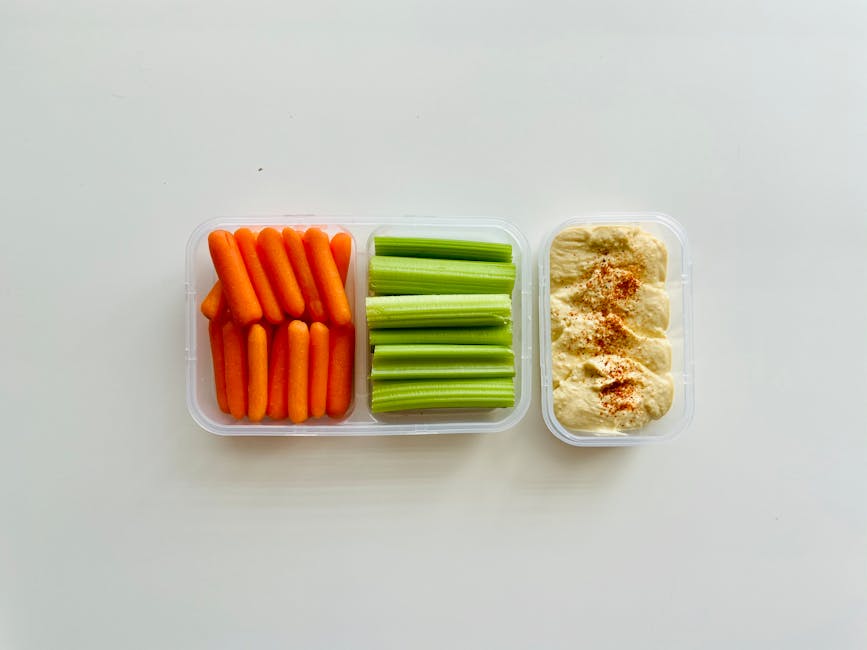
- Keep anti-inflammatory snacks accessible. Chopped vegetables with hummus, apple slices with almond butter, or a small handful of mixed nuts prevent desperate raids on biscuit tins.
Week 4: Fine-tuning and personalisation
Different bodies respond differently. Notice what works specifically for you.
- Track how you feel 2-3 hours after meals. Persistent fatigue or bloating suggests something doesn’t suit you.
- Consider a food sensitivity test or elimination trial if symptoms persist. Dairy and gluten commonly trigger inflammation in sensitive individuals.
- Experiment with new anti-inflammatory recipes weekly. Variety ensures you’re getting diverse nutrients and prevents boredom.
- Reflect on improvements. Better energy? Less joint pain? Clearer skin? Acknowledging progress maintains motivation.
Essential Foods for Your Anti Inflammatory Diet Plan
Stock your kitchen with these inflammation-fighting powerhouses and meal planning becomes infinitely easier.
Protein sources
Oily fish tops the list – salmon, mackerel, sardines, and herring deliver omega-3s alongside protein. Tinned fish offers convenience and affordability whilst being just as nutritious as fresh.
Legumes provide plant protein plus prebiotic fibre. Lentils, chickpeas, black beans, and kidney beans should feature regularly. BBC Good Food offers brilliant recipes showcasing pulses.
Organic, free-range poultry and eggs work well in moderation. Choose quality over quantity with animal proteins.
Vegetables and fruits
Dark leafy greens – kale, spinach, rocket, chard – deserve daily inclusion. They’re loaded with vitamins K, A, and C, plus anti-inflammatory compounds.
Cruciferous vegetables like broccoli, cauliflower, Brussels sprouts, and cabbage contain sulforaphane, which reduces inflammatory markers. Roasting brings out their natural sweetness.
Berries offer exceptional anti-inflammatory properties per calorie. Blueberries, blackberries, strawberries, and raspberries all work brilliantly.
Tomatoes provide lycopene, particularly concentrated when cooked. Tomato sauce, tinned tomatoes, and tomato paste are kitchen staples for your anti inflammatory diet plan.
Healthy fats
Extra virgin olive oil should be your primary fat source. Use it generously for cooking and dressings.
Nuts and seeds provide omega-3s, vitamin E, and minerals. Walnuts, almonds, chia seeds, and ground flaxseeds are particularly beneficial. A simple option for incorporating these daily is keeping a mixed nut and seed blend in an airtight container – just grab a small handful when you need it.
Avocados deliver monounsaturated fats and vitamin E. Half an avocado daily fits perfectly into an anti inflammatory diet plan.
Herbs, spices, and flavour enhancers
Turmeric combined with black pepper creates a powerful anti-inflammatory combination. Add to curries, soups, smoothies, and rice dishes.
Fresh ginger reduces inflammatory compounds whilst aiding digestion. Grate it into stir-fries, steep for tea, or blend into smoothies.
Garlic contains sulphur compounds with anti-inflammatory properties. Crushing or chopping garlic and letting it sit for 10 minutes before cooking activates these beneficial compounds.
Cinnamon helps regulate blood sugar, preventing inflammatory spikes. Sprinkle on porridge, add to coffee, or use in sweet and savoury dishes.
Foods to Limit or Eliminate on Your Anti Inflammatory Diet Plan
Knowing what to avoid matters as much as knowing what to embrace.
Refined sugars and sweeteners
Sugar triggers inflammatory pathways directly. Biscuits, cakes, sweets, and sugar-sweetened drinks should become occasional treats rather than daily habits. Even fruit juices lack the fibre that moderates sugar absorption, so stick with whole fruits instead.
Processed and refined carbohydrates
White bread, pastries, most breakfast cereals, and white rice spike blood sugar rapidly. These quick spikes trigger inflammatory responses. Gradually replace them with wholegrain alternatives.
Industrial seed oils
Vegetable oils high in omega-6 fatty acids – sunflower, corn, soybean – promote inflammation when consumed in excess. Modern diets contain far too much omega-6 relative to omega-3. Use olive oil, rapeseed oil, or coconut oil instead.
Processed meats
Bacon, sausages, ham, and other processed meats contain preservatives and compounds that increase inflammatory markers. Fresh, unprocessed meat in moderation poses less concern.
Excessive alcohol
Alcohol increases gut permeability, allowing inflammatory compounds to enter your bloodstream. If you drink, stick within NHS guidelines and consider alcohol-free days.
Trans fats
Thankfully rare in the UK since regulations changed, but still present in some processed foods. Check labels for “partially hydrogenated oils” and avoid them completely.
Mistakes to Avoid (And How to Fix Them)
Even well-intentioned efforts can backfire. Here’s how to sidestep common pitfalls.
Mistake 1: Changing everything overnight
Why it’s a problem: Radical changes overwhelm your willpower and your digestive system. Dramatically increasing fibre intake causes uncomfortable bloating and gas, whilst completely eliminating familiar foods triggers intense cravings.
What to do instead: Implement changes gradually over 4-6 weeks. Your taste buds need time to adjust, and your gut microbiome requires weeks to adapt to new foods. Start with additions before subtractions.
Mistake 2: Focusing exclusively on food whilst ignoring lifestyle factors
Why it’s a problem: Chronic stress, poor sleep, and sedentary behaviour all promote inflammation independently of diet. You can’t out-eat a stressful lifestyle.
What to do instead: Complement your anti inflammatory diet plan with stress management techniques, prioritise 7-9 hours of quality sleep, and move your body regularly. Even a 20-minute daily walk reduces inflammatory markers significantly.
Mistake 3: Buying expensive superfoods whilst neglecting affordable basics
Why it’s a problem: Goji berries and açai powder aren’t necessary for reducing inflammation. Marketing hype convinces people they need expensive supplements when affordable whole foods work brilliantly.
What to do instead: Build your anti inflammatory diet plan around budget-friendly staples – oats, tinned fish, frozen vegetables, dried legumes, and seasonal produce. These provide exceptional value and proven benefits.
Mistake 4: Not preparing for challenging situations
Why it’s a problem: Work lunches, family gatherings, and travel disrupt routines. Without strategies for these situations, you’ll default to inflammatory convenience foods.
What to do instead: Batch-cook anti-inflammatory meals for busy days. Keep emergency snacks in your bag – nuts, dark chocolate, fruit. When eating out, scan menus beforehand and choose restaurants offering whole food options.
Mistake 5: Expecting perfection and abandoning ship after one slip-up
Why it’s a problem: All-or-nothing thinking sabotages long-term success. One inflammatory meal doesn’t erase weeks of good choices, but using it as an excuse to quit certainly does.
What to do instead: Embrace the 80/20 approach. If most meals fight inflammation, occasional treats won’t derail progress. One slice of birthday cake at a celebration fits within a sustainable anti inflammatory diet plan.
Sample Day on Your Anti Inflammatory Diet Plan
Practical examples help more than abstract principles. Here’s what a typical day might look like.
Breakfast: Golden turmeric porridge
Cook 50g rolled oats with 250ml unsweetened almond milk. Stir in ½ teaspoon turmeric, ¼ teaspoon cinnamon, and a pinch of black pepper. Top with blueberries, crushed walnuts, and a drizzle of honey.
Why it works: Oats provide soluble fibre, berries deliver polyphenols, walnuts offer omega-3s, and the spices actively reduce inflammation.
Mid-morning snack: Green tea and apple slices with almond butter
Simple, satisfying, and packed with anti-inflammatory compounds. The healthy fat from almond butter prevents blood sugar spikes.
Lunch: Mediterranean sardine salad
Tinned sardines (in olive oil) on a bed of mixed leaves, cherry tomatoes, cucumber, red onion, and olives. Dress with lemon juice, extra virgin olive oil, and crushed garlic. Serve with a slice of sourdough bread.
Why it works: Sardines deliver omega-3s and calcium, vegetables provide fibre and polyphenols, whilst olive oil and garlic actively fight inflammation.
Afternoon snack: Hummus with vegetable sticks
Carrot, celery, and pepper strips with a generous dollop of hummus. Chickpeas in hummus provide protein and prebiotic fibre.
Dinner: Turmeric chicken with roasted vegetables
Chicken breast marinated in turmeric, garlic, ginger, and lemon, then grilled. Serve with roasted broccoli, cauliflower, and sweet potato chunks tossed in olive oil.
Why it works: Lean protein satisfies hunger, cruciferous vegetables contain sulforaphane, sweet potato provides complex carbs, and the spice combination powerfully reduces inflammation.
Evening: Golden milk
Warm unsweetened almond milk with turmeric, cinnamon, ginger, and black pepper. Sweeten lightly with honey if desired.
This sample day provides approximately 1,800 calories with an excellent omega-3 to omega-6 ratio and abundant anti-inflammatory compounds. Adjust portions based on your individual needs.
Your Anti Inflammatory Diet Plan Cheat Sheet
Save this quick reference for daily guidance.
- Include oily fish at least twice weekly for omega-3 fatty acids
- Fill half your plate with colourful vegetables at main meals
- Choose whole grains over refined carbohydrates consistently
- Add turmeric and black pepper to one meal daily
- Snack on nuts, seeds, or fruit rather than processed foods
- Use extra virgin olive oil as your primary cooking fat
- Drink green tea instead of sugary beverages
- Eliminate processed foods, refined sugar, and trans fats gradually
Supplements Worth Considering for Your Anti Inflammatory Diet Plan
Whole foods should form the foundation, but strategic supplementation can enhance results when diet alone falls short.
Omega-3 fish oil
If you don’t eat oily fish twice weekly, a quality fish oil supplement bridges the gap. Look for products providing at least 1000mg combined EPA and DHA daily. Omega-3 supplements with high concentrations mean you can take fewer capsules whilst getting adequate amounts.
Vitamin D
Deficiency is widespread in the UK due to limited sunlight, particularly during autumn and winter. Low vitamin D levels correlate with increased inflammation. The NHS recommends 10 micrograms daily from October through March, though many people benefit from year-round supplementation.
Curcumin
Concentrated turmeric extract with added piperine (black pepper extract) delivers higher doses than you’d get from food alone. Particularly useful for joint inflammation. Something like a curcumin supplement with added black pepper can provide therapeutic doses whilst being easy to incorporate.
Probiotic
Supporting gut health indirectly reduces systemic inflammation. Multi-strain probiotics with at least 10 billion CFUs work well for most people. Alternatively, increase fermented foods – sauerkraut, kimchi, kefir, and natural yoghurt.
Before starting supplements, consult your GP, particularly if you take medications. Some supplements interact with prescription drugs.
Frequently Asked Questions
How long before I notice results from an anti inflammatory diet plan?
Most people experience initial improvements within 2-3 weeks. Digestive symptoms, bloating, and energy levels typically improve first. Joint pain, skin conditions, and weight changes take 4-6 weeks. Reductions in inflammatory blood markers like C-reactive protein become evident at 8-12 weeks. Long-term benefits for chronic disease prevention accumulate over months and years of consistent eating patterns.
Can I follow an anti inflammatory diet plan if I’m vegetarian or vegan?
Absolutely. Plant-based diets naturally contain many anti-inflammatory foods. Focus on variety to ensure adequate protein and omega-3s from sources like walnuts, chia seeds, flaxseeds, and hemp seeds. Consider an algae-based omega-3 supplement since plant sources provide ALA rather than EPA and DHA. Ensure you’re getting vitamin B12, iron, and zinc through fortified foods or supplements. Legumes, whole grains, nuts, seeds, and abundant vegetables form an excellent anti inflammatory diet plan foundation.
Will an anti inflammatory diet plan help me lose weight?
Many people lose weight naturally when following an anti inflammatory diet plan, though that’s not its primary purpose. You’re eliminating calorie-dense processed foods whilst increasing fibre-rich whole foods that promote satiety. Reduced inflammation also improves insulin sensitivity, making weight management easier. That said, portion control still matters – you can overeat healthy foods. Focus on reducing inflammation first, and weight management often follows naturally.
Is this diet expensive to maintain?
Not necessarily. Whilst some anti-inflammatory foods like wild salmon are pricey, many affordable options work brilliantly. Tinned sardines and mackerel cost less than £1 per tin. Dried lentils and chickpeas are incredibly cheap. Frozen berries offer better value than fresh. Seasonal vegetables cost far less than processed convenience foods. Strategic shopping – buying in bulk, choosing frozen produce, and cooking from scratch – makes an anti inflammatory diet plan quite affordable.
Can I eat out at restaurants whilst following this diet?
Definitely. Most restaurants offer suitable options once you know what to look for. Choose grilled fish or chicken over fried options. Request olive oil and vinegar rather than creamy dressings. Opt for vegetable sides instead of chips. Mediterranean, Japanese, and Middle Eastern cuisines naturally align with anti inflammatory principles. Don’t stress about occasional meals out – the overall pattern matters more than individual meals. Enjoy social occasions without guilt whilst making the best choices available.
What if I have specific health conditions or take medications?
Consult your GP or a registered dietitian before making significant dietary changes, especially if you have diabetes, kidney disease, or take blood thinners. An anti inflammatory diet plan generally complements medical treatment rather than replacing it. Some foods interact with medications – grapefruit affects numerous drugs, whilst high vitamin K intake from leafy greens can interfere with warfarin. Professional guidance ensures your diet supports rather than conflicts with your treatment plan.
Taking Your First Steps
An anti inflammatory diet plan isn’t a temporary fix or restrictive punishment. It’s a sustainable approach to eating that reduces disease risk whilst making you feel considerably better in the process.
Start smaller than feels necessary. Add one anti-inflammatory food daily this week. Swap one refined carb for a whole grain alternative. Replace one sugary snack with nuts or fruit. These tiny changes accumulate into profound transformations.
Your body possesses remarkable healing capacity when you provide the right building blocks. Chronic inflammation took time to develop, and it takes time to resolve. Trust the process, even when progress feels slow.
Six months from now, you’ll either wish you’d started today or you’ll be grateful you did. Choose wisely.


