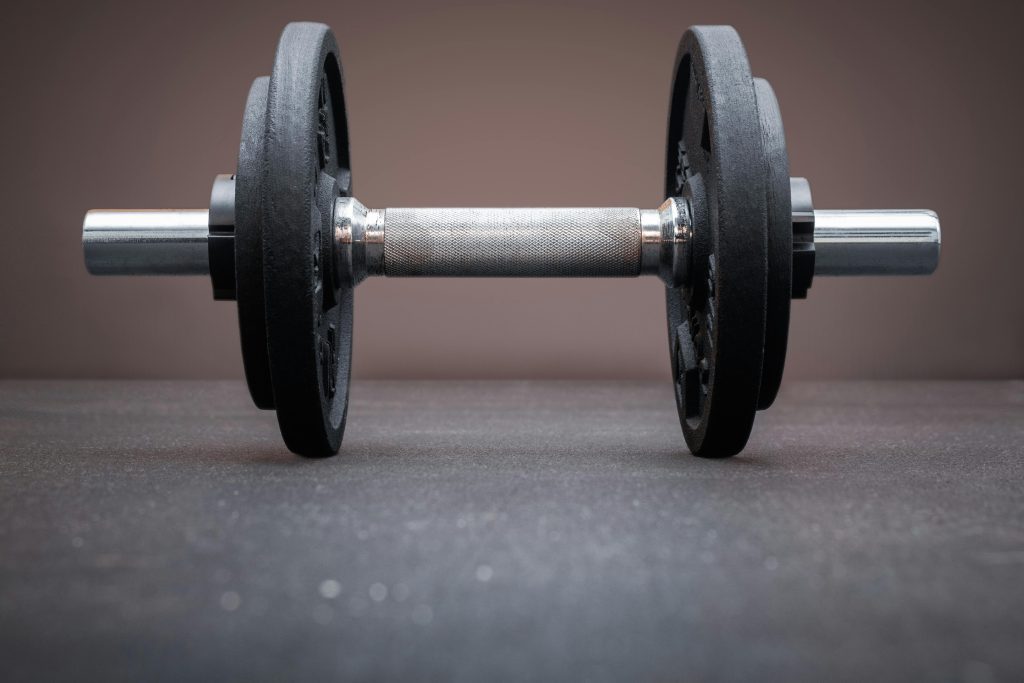
You’ve tried before. Multiple times. The gym membership sits unused because it’s 20 minutes away, the queues for squat racks are ridiculous, and honestly, you’re tired of paying £40 monthly for something you barely use. But here’s what makes building leg muscle at home completely achievable: you only need a set of dumbbells and about 45 minutes, three times weekly.
Related reading: Tempo Training: Build Muscle 40% Faster With This Simple Method.
Picture this: It’s Monday evening. Work ran late again, the weather’s grim, and the thought of driving to a crowded gym feels exhausting. Meanwhile, your dumbbells are sitting right there in the spare room. Building leg muscle at home removes every excuse and transforms those small pockets of time into genuine strength gains.
Common Myths About Training Leg Muscle at Home
Related reading: Romanian Deadlift Form: Master the Movement for Stronger Hamstrings
Myth: You need a barbell and heavy weights to build leg muscle
Reality: Muscle growth responds to progressive overload, not specific equipment. Research from NHS guidelines on strength training confirms that resistance is resistance, whether it comes from barbells, dumbbells, or bodyweight. Your legs don’t know the difference between a barbell squat and a goblet squat with a 20kg dumbbell. What matters is tension, volume, and progression.
Myth: Home workouts can’t match gym results
Reality: Multiple studies show that muscle hypertrophy occurs when you challenge muscles to fatigue within a given rep range. Building leg muscle at home with dumbbells achieves this brilliantly because you can control tempo, increase weight gradually, and hit every major muscle group. The consistency you gain from training at home often outweighs any theoretical advantage of gym equipment.
Myth: Dumbbells aren’t heavy enough for leg training
Reality: Your legs are strong, but adjustable dumbbells ranging from 5-25kg each provide plenty of challenge when used correctly. Techniques like unilateral training, tempo manipulation, and paused reps create intensity that rivals heavier barbell work. Plus, single-leg exercises with one dumbbell can feel brutally effective.
Why Dumbbells Are Perfect for Building Leg Muscle at Home
You might also enjoy: Building a Home Gym: Create Your Perfect Training Space
Dumbbells offer something barbells can’t match: versatility in tight spaces. You don’t need a power rack, safety bars, or a spotter. Drop a dumbbell safely if a set gets too challenging. Move freely without worrying about hitting walls or furniture.
What really matters is how dumbbells force better muscle activation. When holding dumbbells, your stabilizing muscles work harder to maintain balance. Single-leg movements become accessible and incredibly effective. Romanian deadlifts feel more natural with dumbbells hanging at your sides rather than balancing a bar across your back.
The reality is that building leg muscle at home becomes sustainable when the barrier to starting is this low. No commute. No waiting. No intimidation. Just you, your weights, and 45 focused minutes.
The 6 Essential Exercises to Build Leg Muscle at Home
These six movements target every major muscle group in your legs. Perform them consistently, progressively overload the weight, and your legs will respond.
1. Goblet Squats
Hold one dumbbell vertically at chest height, gripping the top weight plate. Stand with feet slightly wider than hip-width. Descend slowly, keeping your chest upright and elbows inside your knees. Push through your entire foot to stand.
This movement hammers your quadriceps while building core stability. The front-loaded weight position keeps your torso more upright than back squats, reducing lower back strain. Start with 3 sets of 10-12 reps, adding weight once you can complete all sets with good form.
2. Bulgarian Split Squats
Position your rear foot on a chair or sofa about two feet behind you. Hold dumbbells at your sides. Lower down until your front thigh is parallel to the floor, then drive back up. Complete all reps on one leg before switching.
According to research on unilateral training, single-leg exercises activate muscle fibers differently than bilateral movements. Bulgarian split squats absolutely torch your quads and glutes while exposing any strength imbalances between legs. Expect to feel these the next day. Aim for 3 sets of 8-10 reps per leg.
3. Romanian Deadlifts
Hold dumbbells in front of your thighs with a neutral grip. Maintain a slight knee bend throughout. Hinge at your hips, pushing them back while lowering the weights down your legs. Feel the stretch in your hamstrings, then drive your hips forward to return to standing.
Romanian deadlifts are non-negotiable for building leg muscle at home because they target the posterior chain: hamstrings, glutes, and lower back. The dumbbell version allows a more natural movement path than barbells. Complete 3 sets of 10-12 reps, focusing on the eccentric (lowering) portion.
4. Walking Lunges
Hold dumbbells at your sides. Step forward with your right foot, lowering until both knees form 90-degree angles. Push off your back foot and bring it forward into the next lunge. Continue alternating legs across your available space.
Walking lunges build functional leg strength while improving balance and coordination. Your quads, hamstrings, and glutes all work intensely. If space is limited, perform reverse lunges instead, stepping backwards rather than forwards. Target 3 sets of 16-20 total steps.
5. Single-Leg Romanian Deadlifts
Hold one dumbbell in your right hand. Stand on your left leg. Hinge forward at the hips while extending your right leg behind you for balance. Lower the dumbbell toward the floor, then return to standing. Switch sides.
This movement demands serious balance while isolating each hamstring and glute. Building leg muscle at home with single-leg work prevents the stronger leg from compensating for the weaker one. Start with bodyweight to learn the pattern, then add a dumbbell. Perform 3 sets of 8-10 reps per leg.
6. Dumbbell Sumo Squats
Stand with feet wider than shoulder-width, toes pointed outward at 45 degrees. Hold one dumbbell vertically with both hands, arms extended downward. Squat down, keeping knees tracking over toes, then stand back up.
Sumo squats shift emphasis to your inner thighs (adductors) and glutes. The wide stance reduces stress on your knees and lower back compared to traditional squats. Complete 3 sets of 12-15 reps, pausing briefly at the bottom of each rep.
Your 8-Week Progression Plan to Build Leg Muscle at Home
Consistency matters more than perfection. This plan progressively increases volume and intensity while allowing adequate recovery.
Weeks 1-2: Foundation Phase
Train legs twice weekly with at least two days between sessions. Perform each exercise for 3 sets of 10-12 reps using moderate weight. Focus on mastering movement patterns rather than maximum weight. Rest 90 seconds between sets.
Choose weights that feel challenging by the final 2-3 reps of each set. If you could easily do 5 more reps, increase the weight next session. Track every workout in your phone or a simple notebook.
Weeks 3-4: Volume Increase
Add one extra set to each exercise (4 sets total). Maintain the same rep range and rest periods. Your muscles have adapted to the initial stimulus and can handle more volume. Building leg muscle at home requires gradually increasing the workload your muscles handle.
Notice how exercises that felt awkward during week one now feel more natural. Your balance improves, coordination sharpens, and you can focus on pushing harder rather than thinking about technique.
Weeks 5-6: Intensity Phase
Reduce to 3 sets but increase the weight by 2-4kg per dumbbell. Lower your rep range to 8-10 reps per set. The heavier loads create greater mechanical tension, a primary driver of muscle growth. Extend rest periods to 2 minutes between sets.
Something like adjustable dumbbells becomes particularly useful during this phase, allowing precise weight increases without cluttering your space with multiple fixed-weight pairs.
Weeks 7-8: Strength and Size
Return to 4 sets per exercise. Alternate between two different rep schemes: one workout uses 6-8 heavy reps, the next uses 12-15 lighter reps with slower tempo. This variation stimulates both strength gains and muscular endurance.
By week eight, building leg muscle at home should feel completely normal. The weights that felt heavy during week one now serve as your warm-up sets. This measurable progress confirms the effectiveness of consistent training.
Mistakes to Avoid When Building Leg Muscle at Home
Mistake 1: Training too frequently without adequate recovery
Why it’s a problem: Muscle growth occurs during recovery, not during workouts. Training legs intensely every day prevents the repair process that makes you stronger. Overtraining leads to stalled progress, increased injury risk, and burnout.
What to do instead: Limit dedicated leg training to 2-3 sessions weekly with at least 48 hours between sessions. On non-leg days, focus on upper body, core, or active recovery like walking. Listen to persistent soreness that doesn’t improve with warm-up.
Mistake 2: Using momentum instead of controlled movement
Why it’s a problem: Bouncing out of the bottom of squats or swinging weights during lunges shifts tension away from your muscles onto your joints and connective tissue. You’re training momentum, not muscle.
What to do instead: Count “two seconds down, pause, two seconds up” for each rep. Eliminate any bouncing or jerking motions. Film yourself occasionally to check form. Controlled reps with lighter weight build more muscle than sloppy reps with heavier weight.
Mistake 3: Neglecting single-leg exercises
Why it’s a problem: Bilateral movements like goblet squats allow your dominant leg to compensate for your weaker leg. This creates imbalances that limit overall progress and increase injury risk. Most people have one leg significantly stronger than the other.
What to do instead: Include at least two unilateral exercises in every leg session. Bulgarian split squats and single-leg Romanian deadlifts should be non-negotiable. Use the same weight for both legs, even if one side feels harder. The weaker side will catch up.
Mistake 4: Ignoring progressive overload
Why it’s a problem: Your muscles adapt to the stimulus you provide. Using the same weights for months gives your body no reason to build new muscle tissue. Adaptation is the enemy of progress.
What to do instead: Increase weight by 1-2kg every 2-3 weeks once you can complete all prescribed sets and reps. Alternatively, add one extra rep per set or decrease rest periods. Building leg muscle at home requires systematically challenging your muscles more than last time.
Mistake 5: Skipping warm-ups
Why it’s a problem: Jumping straight into heavy goblet squats with cold muscles increases injury risk and reduces performance. Stiff joints and tight muscles limit range of motion and force production.
What to do instead: Spend 5-10 minutes on dynamic warm-ups before each session. Bodyweight squats, leg swings, hip circles, and walking lunges prepare your muscles and nervous system. Perform one lighter warm-up set before your working sets on each exercise.
Nutrition Essentials for Building Leg Muscle at Home
Training provides the stimulus, but nutrition provides the building blocks. Your muscles need adequate protein and calories to grow.
Aim for 1.6-2.2 grams of protein per kilogram of bodyweight daily, according to British Dietetic Association guidelines on protein intake. For a 75kg person, that’s 120-165 grams daily. Distribute this across 3-4 meals to optimize muscle protein synthesis throughout the day.
Carbohydrates fuel your training sessions. Don’t fear them. Your muscles store carbohydrates as glycogen, the primary energy source for intense resistance training. Include potatoes, rice, oats, or bread around your workout times.
Maintain a slight caloric surplus if building muscle is your primary goal. Track your weight weekly. Aim for 0.25-0.5kg gain per month. Faster weight gain likely includes excess fat storage. Slower gains suggest inadequate calories.
Hydration matters more than most people realize. Dehydrated muscles perform poorly and recover slowly. Drink water consistently throughout the day, aiming for pale yellow urine as a simple hydration indicator.
How to Track Progress Beyond the Scale
Scale weight tells an incomplete story. Building leg muscle at home requires multiple progress indicators.
Measure your thighs at the widest point every four weeks. Write down the circumference in centimeters. Growing measurements confirm muscle development, especially if your weight remains stable.
Take photos from the same angles, in the same lighting, wearing the same clothes every two weeks. Visual changes often appear before measurements shift significantly. Compare photos from month one to month three for motivation.
Track performance metrics meticulously. Record the weight, sets, reps, and rest periods for every exercise each session. Progressive overload means these numbers consistently increase over time. Performance improvements guarantee muscle growth.
Notice everyday improvements. Do stairs feel easier? Can you play with your kids longer without fatigue? Does your favorite pair of jeans fit differently through the thighs? These functional gains matter more than any number.
Equipment Considerations for Long-Term Success
Starting with basic fixed-weight dumbbells works perfectly. As you progress, adjustable dumbbells become increasingly valuable for building leg muscle at home efficiently.
Look for adjustable sets ranging from 5kg to 25kg per dumbbell. The ability to increase weight in small increments supports progressive overload without purchasing multiple sets. Quality adjustable dumbbells include secure locking mechanisms that won’t shift mid-rep.
A sturdy chair or bench enables Bulgarian split squats and single-leg exercises. Standard dining chairs work fine if they’re stable. Height should allow your rear knee to nearly touch the floor during split squats.
Consider a simple exercise mat for floor-based movements or stretching after sessions. Nothing fancy required, just enough cushioning to protect your knees during warm-ups.
Everything else is optional. Resistance bands can add variety later. A mirror helps check form. But dumbbells alone provide everything necessary for substantial muscle growth.
Recovery Strategies That Accelerate Results
What you do between training sessions determines how effectively you build leg muscle at home. Recovery isn’t passive; it’s active.
Sleep ranks as the most powerful recovery tool available. Aim for 7-9 hours nightly. Growth hormone peaks during deep sleep, facilitating muscle repair and growth. Consistent sleep schedules optimize this hormonal environment.
Active recovery on rest days promotes blood flow without creating additional muscle damage. Twenty-minute walks, gentle cycling, or swimming help clear metabolic waste products while keeping you moving.
Foam rolling or self-massage reduces muscle tightness and improves mobility. Spend 5-10 minutes after each leg session rolling your quads, hamstrings, glutes, and calves. It’s uncomfortable but effective.
Manage stress intelligently. Chronic psychological stress elevates cortisol, which interferes with recovery and muscle growth. Meditation, proper breathing, and adequate downtime aren’t luxuries; they’re necessities for optimal results.
Your Leg Muscle at Home Quick Reference Checklist
- Train legs 2-3 times weekly with 48+ hours between sessions
- Include both bilateral exercises (goblet squats) and unilateral movements (split squats)
- Perform 3-4 sets of 8-12 reps per exercise with controlled tempo
- Progressively increase weight by 1-2kg every 2-3 weeks
- Consume 1.6-2.2g protein per kilogram bodyweight daily
- Warm up for 5-10 minutes before every session
- Track workouts meticulously in a notebook or phone app
- Prioritize 7-9 hours of sleep nightly for optimal recovery
Frequently Asked Questions
How long until I see visible results building leg muscle at home?
Most people notice improved muscle tone and strength within 4-6 weeks of consistent training. Visible size increases typically appear around weeks 8-12. However, initial strength gains come from neurological adaptations before actual muscle growth. Progress photos every two weeks help document changes that feel gradual day-to-day. Consistency matters infinitely more than perfection during those first months.
Can I build leg muscle at home if I’m a complete beginner?
Absolutely. Beginners actually gain muscle faster than experienced lifters because everything represents a novel stimulus. Start with lighter dumbbells, focus on learning proper form, and trust the process. Bodyweight variations of each exercise teach movement patterns before adding external load. Beginning with manageable weights prevents injury while building confidence. The beauty of home training is zero intimidation factor.
What weight dumbbells do I need to build leg muscle at home effectively?
Most people benefit from adjustable dumbbells ranging 5-25kg per hand. Beginners might start with 8-12kg dumbbells for most exercises, while intermediate lifters need 15-25kg or higher. Single-leg exercises require less weight than bilateral movements. Rather than buying fixed weights, adjustable sets provide flexibility as you strengthen. Your legs grow stronger quickly, so scalable equipment prevents outgrowing your dumbbells within months.
How do I prevent knee pain during leg exercises at home?
Knee discomfort usually stems from poor tracking, excessive forward knee travel, or inadequate warm-up. Keep your knees aligned over your toes during all movements, never caving inward. Gradually build volume rather than jumping into high-intensity training immediately. Strengthen the muscles around your knees through full range-of-motion exercises. If pain persists beyond normal muscle soreness, consult a physiotherapist. Prevention beats treatment.
Should I train legs on consecutive days when building muscle at home?
No. Legs require 48-72 hours recovery between intense sessions because they’re large muscle groups that create substantial metabolic stress. Training them on consecutive days prevents adequate recovery, limiting growth and increasing injury risk. Schedule leg sessions on Monday and Thursday, or Tuesday and Friday, for example. Use the days between for upper body, core work, or active recovery like walking.
Do I need to take supplements to build leg muscle at home?
Supplements aren’t necessary if your diet provides adequate protein, calories, and micronutrients. Whole foods should form your foundation. That said, whey protein powder offers convenient protein when whole food sources aren’t practical. Creatine monohydrate supports strength and muscle gain with substantial research backing its safety and effectiveness. Everything else is optional. Focus on training consistency and solid nutrition before considering supplements.
Building Leg Muscle at Home Works When You Trust the Process
Six months from now, you’ll either wish you’d started today or you’ll be celebrating legs that look and feel completely different. The equipment barrier doesn’t exist. The location excuse holds no weight. Building leg muscle at home with dumbbells works because the fundamentals of muscle growth remain unchanged regardless of setting.
Progressive overload. Adequate protein. Consistent effort. Recovery. These principles built every impressive physique, whether achieved in commercial gyms or spare bedrooms.
Start with the first workout this week. Grab your dumbbells, clear some floor space, and complete those six exercises. Track the weights you used. Show up again in two days and push slightly harder. Repeat this pattern for two months and watch what happens.
Will it be perfect? No. Will it work if you stick with it? Absolutely. That’s the deal. You’ve got everything you need. Now use it.


