It’s 6:45pm on a Wednesday. You’ve just walked through the door after work, the kids are hangry, and your partner’s asking “what’s for tea?” Here’s the thing: healthy 15 minute dinner recipes aren’t just possible, they’re absolutely essential when you’re juggling work, family, and trying not to live on fish fingers and oven chips.
Picture this scenario: You’re staring into the fridge with zero energy, contemplating whether calling for a takeaway makes you a terrible parent. The guilt starts creeping in because you know another Deliveroo order isn’t doing anyone’s health or bank balance any favours. But who has time to chop vegetables and create elaborate meals after a full day at the office?
The truth is, thousands of British parents face this exact dilemma every single evening. Between commutes, school runs, homework battles, and bedtime routines, finding time to cook feels impossible. But what if you could prepare genuinely nutritious meals in the same time it takes to scroll through takeaway apps and wait for delivery?
Let’s Bust Some Healthy Dinner Myths
Related reading: Should I Eat Protein Before or After Workout for Muscle Growth.
Myth: Healthy meals require hours of preparation
Reality: Most nutrients actually survive quick cooking methods brilliantly. Stir-frying vegetables for five minutes preserves more vitamins than boiling them for twenty. Research from the British Nutrition Foundation shows that shorter cooking times often mean better nutrient retention, not worse. Healthy 15 minute dinner recipes can be just as nutritious as slow-cooked meals when you use the right techniques.
Myth: Quick dinners mean processed convenience foods
Reality: Fresh ingredients cook faster than processed ones in many cases. A chicken breast takes twelve minutes to pan-fry. Fresh pasta cooks in three. Cherry tomatoes burst in under five minutes. The convenience food industry wants you to believe quick equals processed, but your local supermarket’s fresh section disagrees.
Myth: You need expensive equipment for fast cooking
Reality: A decent frying pan, sharp knife, and working hob are genuinely all you need. While gadgets like pressure cookers or air fryers can help, they’re not essential for creating healthy 15 minute dinner recipes that your family will actually eat.
Why Speed Cooking Works Better for Busy Families
You might also enjoy: High Protein Breakfast Ideas Ready in 5 Minutes
Something worth noting: longer cooking times don’t automatically mean better meals. When you’re working with quality ingredients, quick cooking preserves flavour, texture, and nutrients. NHS guidelines on balanced eating emphasise the importance of getting vegetables and protein on the table consistently, regardless of how fancy the preparation is.
Speed cooking forces simplicity. You can’t faff about with complicated techniques when you’ve got fifteen minutes. This constraint actually helps because it eliminates decision paralysis. Three ingredients. One pan. Fifteen minutes. Done.
What many people miss is that children often prefer simpler flavours anyway. That elaborate recipe you saw on Instagram with seventeen ingredients? Your seven-year-old won’t appreciate it more than well-seasoned chicken and vegetables. Save your energy for meals that actually get eaten.
Your Five Essential Quick-Cook Ingredients
Stock your kitchen with these staples, and you’ll always be fifteen minutes from a proper meal. Keep these on rotation, and healthy 15 minute dinner recipes become second nature rather than stressful experiments.
Quick-Cooking Proteins
Chicken breast slices (not whole breasts, they take too long), prawns, eggs, tinned chickpeas, and pre-cooked sausages all cook in under ten minutes. Buy the pre-sliced chicken from the fresh section. Yes, it costs slightly more. The time saving pays for itself when you’re not ordering takeaway because you couldn’t face chopping.
Fast Vegetables
Cherry tomatoes, baby spinach, frozen peas, pre-cut stir-fry vegetables, and courgettes all cook rapidly. Frozen vegetables are nutritionally identical to fresh according to BBC Good Food research, and they’re already chopped. No shame in using them.
Instant Carbohydrates
Fresh pasta (three minutes), couscous (five minutes with boiling water), microwave rice pouches (two minutes), or simply good bread all work brilliantly. The dried pasta that takes twelve minutes? Save it for weekends.
Flavour Shortcuts
Pre-made pesto, curry paste, soy sauce, balsamic vinegar, and garlic purée deliver big flavour without twenty minutes of prep. Some purists might judge you for using garlic from a tube instead of fresh cloves. Those purists aren’t standing in your kitchen at 7pm with hungry children.
Smart Pantry Items
Tinned tomatoes, tinned chickpeas, stock cubes, and dried herbs mean you can create sauces and flavour bases in minutes. A well-stocked cupboard transforms “there’s nothing to eat” into multiple meal options.
Seven Healthy 15 Minute Dinner Recipes Your Family Will Actually Eat
These aren’t aspirational Instagram recipes that require ingredients you’ll use once. These are proper, tested meals that busy parents across Britain make on weeknight evenings when energy is low but standards haven’t completely disappeared.
Recipe 1: Mediterranean Chicken and Couscous
Slice two chicken breasts into strips. Season with salt, pepper, and dried oregano. Pan-fry in olive oil for seven minutes until golden. Meanwhile, pour boiling water over couscous in a bowl (follow packet ratios), cover, and leave for five minutes. Throw cherry tomatoes into the chicken pan for the last three minutes until they burst. Stir in a handful of baby spinach until wilted. Fluff the couscous, mix everything together, add a squeeze of lemon. Feeds four humans who’ll actually ask for seconds.
Recipe 2: Quick Prawn Stir-Fry
Heat sesame oil in your largest pan. Chuck in a bag of pre-cut stir-fry vegetables and cook for four minutes on high heat. Add frozen prawns and continue cooking for three minutes. Pour in two tablespoons of soy sauce and one tablespoon of honey. Stir through. Serve over microwave rice pouches you’ve heated according to packet instructions. The entire family fed in under fifteen minutes, and it’s one of the healthiest 15 minute dinner recipes for getting vegetables into reluctant eaters.
Recipe 3: Sausage and Bean One-Pan Wonder
Slice pre-cooked sausages (the good ones from the butcher counter, not the economy ones). Fry in a large pan with sliced onion for five minutes. Add a tin of chopped tomatoes and a tin of drained chickpeas or cannellini beans. Season with Italian herbs, salt, and pepper. Simmer for eight minutes while you butter some decent bread. This thick, warming meal costs about £6 for four people and delivers protein, fibre, and satisfaction.
Recipe 4: Egg Fried Rice with Vegetables
Scramble four eggs in a large frying pan, breaking them up as they cook. Remove and set aside. Add frozen peas, sweetcorn, and a bag of pre-cooked rice to the same pan with a splash of oil. Stir-fry for four minutes. Return the eggs, add two tablespoons of soy sauce and a teaspoon of sesame oil. Mix thoroughly. Optional: scatter with spring onions if you have them. This humble meal delivers complete protein, vegetables, and carbohydrates in one pan.
Recipe 5: Pesto Pasta with Cherry Tomatoes
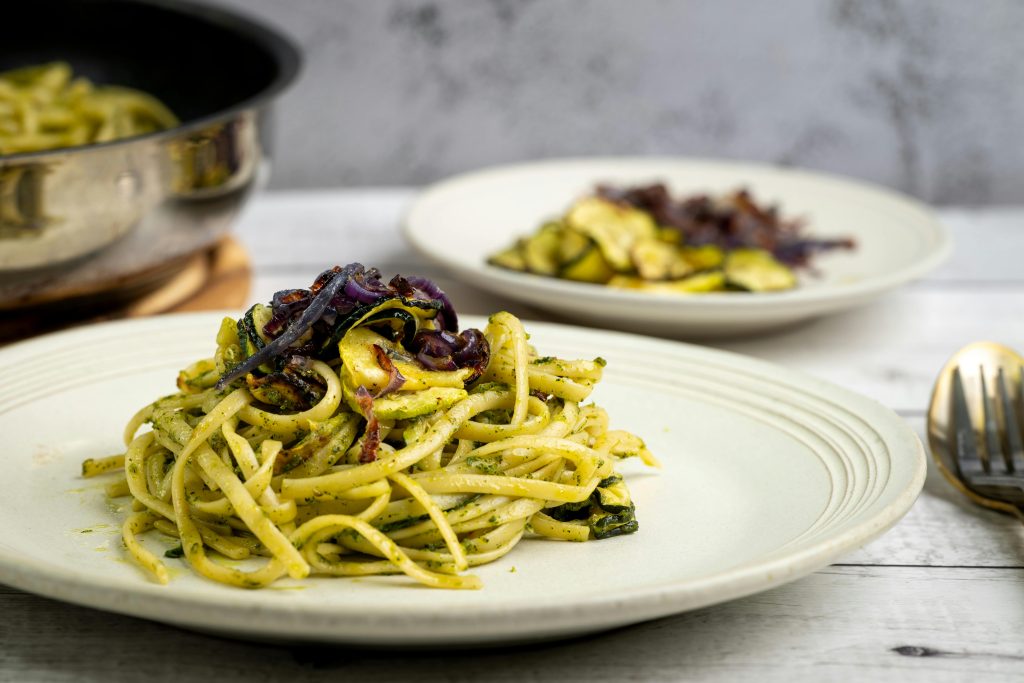
Boil fresh pasta according to packet instructions (usually three minutes). While it cooks, halve cherry tomatoes and pan-fry in olive oil for four minutes until softened. Drain the pasta, return to the pan, and stir through three tablespoons of pesto and the cooked tomatoes. Add torn mozzarella if feeling fancy. This is one of those healthy 15 minute dinner recipes that children will eat without complaint because pasta.
Recipe 6: Speedy Chicken Curry
Dice two chicken breasts into chunks. Fry in a large pan with curry paste (start with two tablespoons, adjust to taste) for six minutes. Add a tin of coconut milk and a handful of frozen peas. Simmer for seven minutes while you heat microwave rice. Something like mango chutney on the side adds sweetness that kids enjoy. Proper curry in the time it takes to argue about whether to order one.
Recipe 7: Tuna and Sweetcorn Pasta Bake (Sort Of)
Cook fresh pasta. Drain and return to the pan with a tin of drained tuna, a tin of drained sweetcorn, a handful of grated cheese, and three tablespoons of crème fraîche. Stir over low heat until the cheese melts. Season well. It’s not a traditional bake because you’re skipping the oven, but it delivers the same comfort in a fraction of the time.
Your Strategic Shopping System for Week-Night Success
Healthy 15 minute dinner recipes start in the supermarket, not the kitchen. Without the right ingredients stocked, you’re setting yourself up for another expensive takeaway order.
Shop differently. Instead of buying for specific meals, stock categories: quick proteins, fast vegetables, instant carbs, and flavour boosters. This approach means you can improvise rather than following rigid meal plans that fall apart when Tuesday’s dinner gets eaten on Monday instead.
The Sunday Stock-Up
Dedicate thirty minutes on Sunday to preparing for the week ahead. Not batch cooking (unless you enjoy that), but strategic shopping and basic prep. Buy fresh ingredients that’ll last the week: chicken breasts in the fridge, frozen prawns in the freezer, fresh pasta with a decent use-by date, bags of pre-cut vegetables.
Chop any veg that won’t suffer from advance preparation. Onions, peppers, and carrots can be diced Sunday evening and stored in containers. Come Wednesday night, you’ll thank yourself for those ten minutes of knife work.
The Freezer Is Your Friend
Frozen vegetables, frozen prawns, frozen herbs in oil cubes, and emergency garlic bread all extend your quick-dinner capabilities. The freezer section at your supermarket contains more solutions than the fresh section when you’re prioritising speed without sacrificing nutrition.
Microwave rice pouches might feel like cheating. They’re not. They’re accepting that a perfectly decent carbohydrate source that takes two minutes is better than ordering chips because rice takes twenty.
Time-Saving Kitchen Techniques That Actually Matter
The reality is that technique makes the difference between fifteen-minute success and thirty-minute frustration. Master these approaches, and healthy 15 minute dinner recipes become genuinely achievable rather than theoretical.
Mise en Place (But Make It Realistic)
Before you turn on the hob, get everything out. Ingredients, pan, utensils, serving plates. Professional chefs do this for good reason. When you’re racing against bedtime, stopping to hunt for the wooden spoon adds minutes you don’t have.
High Heat Is Your Friend
Stop cooking on medium heat out of caution. High heat sears meat, caramelises vegetables, and reduces cooking time significantly. Obviously watch for burning, but confidence with temperature control transforms cooking speed.
Everything Smaller Cooks Faster
This sounds obvious, but how many times have you thrown whole chicken breasts in a pan and wondered why they’re taking forever? Slice them. Dice them. Cut vegetables into smaller pieces than feels natural. Surface area determines cooking speed.
Parallel Processing
While the protein cooks, prepare the carbohydrate. While water boils, chop vegetables. Never stand watching a pan with empty hands. Timeline your tasks, and fifteen-minute meals become twelve-minute meals with three minutes to set the table.
Common Mistakes That Sabotage Your Quick Cooking
Mistake 1: Following complicated recipes when you’re exhausted
Why it’s a problem: That beautiful recipe with twelve ingredients and multiple cooking methods might work on Saturday afternoon. Wednesday evening after work? You’ll give up halfway through and order pizza instead.
What to do instead: Keep a list of your three easiest healthy 15 minute dinner recipes on your phone. When you’re tired, choose from that list. Ambition is for weekends.
Mistake 2: Not seasoning properly because you’re rushing
Why it’s a problem: Underseasoned food is why children claim they don’t like vegetables. Salt, pepper, and herbs transform bland ingredients into something people want to eat. Quick doesn’t mean tasteless.
What to do instead: Season at multiple stages. Salt the protein before cooking. Taste the sauce and adjust. Add fresh pepper at the end. These seconds matter for flavour.
Mistake 3: Trying to make everything from scratch
Why it’s a problem: Making your own curry paste or pesto is lovely when you have time. When you don’t, it’s the reason you’re eating cereal for dinner instead of a proper meal.
What to do instead: Buy the prepared versions of time-intensive ingredients. Save your energy for consistent home cooking rather than occasional perfection.
Mistake 4: Overcomplicating portion sizes
Why it’s a problem: Standing there calculating exact portions while children orbit the kitchen demanding food adds stress and time. Speed cooking requires practical shortcuts.
What to do instead: Use visual shortcuts. A palm-sized portion of protein per person. Vegetables filling half the plate. Enough carbs to satisfy without overwhelming. Done.
Mistake 5: Not adapting recipes to your family’s preferences
Why it’s a problem: Cooking something “healthy” that nobody eats creates food waste, family tension, and the inevitable second dinner preparation. That’s not time-saving, it’s time-doubling.
What to do instead: Start with vegetables your family tolerates and proteins they’ll eat. Gradually introduce new ingredients one at a time. These healthy 15 minute dinner recipes should feed your actual family, not an imaginary one that loves everything.
Your Quick-Reference Weeknight Cooking Guide
Save this list somewhere accessible. When decision fatigue hits at 6:30pm, these reminders prevent the takeaway temptation.
- Stock your freezer with prawns, peas, and pre-cooked rice for emergency quick meals
- Buy pre-sliced proteins and pre-cut vegetables without guilt because time matters
- Keep three jars of different sauces (pesto, curry paste, pasta sauce) for instant flavour
- Cook on higher heat than feels comfortable to reduce timing by minutes
- Prepare ingredients before turning on the hob to avoid mid-cooking scrambles
- Accept that frozen vegetables are nutritionally equivalent to fresh ones
- Season properly at each stage rather than attempting to fix bland food at the end
- Serve meals with good bread on the side to fill gaps without extra cooking
Making Quick Cooking Sustainable Beyond Week One
The first week of healthy 15 minute dinner recipes feels brilliant. You’ve cracked it. Then life happens: late meetings, school events, general chaos. Sustainability requires system-building, not motivation.
Create a rotation of five meals your family tolerates. Not loves, just tolerates. Monday through Friday sorted. These become your default settings, requiring zero decision-making energy. Once this rotation feels automatic, introduce new recipes one at a time.
Batch-buy your staples monthly. Tinned tomatoes, pasta, rice, frozen vegetables, and stock cubes don’t go off quickly. Buying these items in bulk during one focused shop means fewer panicked “we’ve got nothing” moments that lead to expensive alternatives.
Lower your standards strategically. Some nights warrant proper napkins and vegetables chopped into aesthetically pleasing pieces. Other nights warrant paper towels and whatever vegetable configuration gets food on plates fastest. Both count as successful dinners.
Scaling Recipes Up and Down for Different Family Sizes
Most healthy 15 minute dinner recipes scale easily, but the timing changes slightly with quantity.
For two people: Reduce ingredients by half, but cooking times stay similar. A chicken breast still takes seven minutes whether you’re cooking one or four. Your portion control just improves.
For six or more: You’ll need a larger pan or two pans running simultaneously. Cooking time might extend by two to three minutes simply because you’re moving more food around. Still faster than takeaway, still healthier than processed convenience meals.
The one-pan approach works brilliantly for larger families. Everything cooked together in one large pan means less washing up and more efficient use of your fifteen-minute window. Something like a wide sauté pan or wok becomes invaluable when feeding multiple people quickly.
Dealing With Picky Eaters in Speed-Cooking Mode
Accommodating fussy eaters while maintaining speed requires strategic compromise, not surrender.
Build deconstructed meals. Cook all components of your healthy 15 minute dinner recipes separately, then let each person assemble their plate. The child who won’t eat “mixed-up food” can have plain pasta with sauce on the side. The one who hates tomatoes can have their portion without. Everyone eats something nutritious in the same timeframe.
Hide vegetables less, negotiate more. Finely chopping vegetables into sauces works sometimes, but it adds prep time you don’t have. Better approach: consistent exposure. Serve the rejected vegetable alongside accepted ones repeatedly. Government guidance on children’s nutrition notes that repeated exposure increases acceptance more effectively than hiding foods.
Create a “always available” backup that requires zero cooking. In our house, it’s peanut butter sandwiches. If someone genuinely won’t eat dinner, they can have the backup. No negotiation, no special cooking, no stress. They won’t starve, and you won’t spend thirty minutes making alternatives.
Frequently Asked Questions
Do I really need to spend money on pre-cut vegetables if I’m trying to eat healthily on a budget?
The financial calculation isn’t just about price per kilogram. If buying pre-cut vegetables means you actually cook dinner instead of ordering takeaway three times weekly, you’re saving £30-40 per week overall. The convenience premium of £2 extra for prepared veg pays for itself immediately when compared to restaurant prices. That said, if chopping vegetables doesn’t stress you out or add significant time, buying whole saves money. Be honest about which scenario matches your reality.
Can these healthy 15 minute dinner recipes work if I’m trying to lose weight?
Absolutely. These meals focus on lean proteins, vegetables, and controlled portions of carbohydrates – exactly what most weight management approaches recommend. The advantage of cooking quickly at home is portion control without deprivation. You’re eating proper meals, just in appropriate amounts. Swap regular pasta for wholegrain versions, use spray oil instead of pouring it, and load half your plate with vegetables. Same recipes, slightly adjusted approach.
What if my children refuse to eat anything except chicken nuggets and chips?
This requires patience rather than magic solutions. Start by involving them in choosing one new recipe weekly from your healthy 15 minute dinner recipes collection. Children who participate in food decisions often cooperate more. Serve minuscule portions of the new food alongside something they’ll eat. No pressure to finish, just exposure. Research shows it can take 10-15 exposures before acceptance develops. Also, check they’re not filling up on snacks and juice between meals, which kills appetite for proper food.
Are microwave rice pouches actually as healthy as cooking rice properly?
Yes. They’re pre-cooked rice that’s been cooled and packaged, sometimes with a tiny amount of oil or salt added for preservation. Nutritionally, they’re nearly identical to rice you’d cook yourself. Some brands contain slightly more sodium, so check labels if that’s a concern. The trade-off between spending fifteen minutes cooking rice versus two minutes heating a pouch makes them worthwhile for busy weeknight cooking. Save your energy for the components that genuinely benefit from fresh preparation.
How can I make these recipes work with dietary restrictions like gluten-free or dairy-free?
Most healthy 15 minute dinner recipes adapt easily. Swap regular pasta for gluten-free versions (though check cooking times, some take longer). Use tamari instead of soy sauce for gluten-free stir-fries. Replace dairy milk products with oat or coconut alternatives in curry recipes. The Mediterranean chicken works perfectly without modification for most restrictions. Focus on naturally compliant meals like protein-and-vegetable combinations rather than trying to substitute every ingredient in complex recipes.
What’s the absolute minimum equipment I need to make quick dinners work?
One large frying pan or wok, one medium saucepan, a sharp knife, a cutting board, and a wooden spoon get you through 90% of quick recipes. Better yet: a large, deep sauté pan with a lid handles almost everything. If your knife is dull, invest £15 in a decent one or get your current knife professionally sharpened. Struggling with a blunt knife adds minutes to every meal and increases frustration significantly. Beyond basics, a box grater and kitchen scissors prove surprisingly useful, but you can genuinely create healthy 15 minute dinner recipes with minimal equipment.
Start Tonight, Not Monday
You’ve got a kitchen, a cooker, and access to a supermarket. That’s enough. Pick one healthy 15 minute dinner recipe from this list, buy the ingredients tomorrow, and make it tomorrow evening. Not “next week when things calm down” or “after I’ve organized my kitchen properly.”
Start with the easiest option that your family won’t completely reject. Mediterranean chicken and couscous works for most households. Make it badly the first time. Burn something. Forget to season properly. Then make it again two days later, slightly better. That’s how this works.
Consistency beats perfection every single time. Three mediocre home-cooked meals weekly beats zero perfect ones. Your family needs fed, you need less stress, and nobody needs another lecture about meal planning when you’re already exhausted.
These healthy 15 minute dinner recipes aren’t about becoming a domestic goddess or masterchef winner. They’re about getting nutritious food on the table efficiently so you can spend your limited evening energy on things that actually matter, like sitting down together or helping with homework or simply collapsing on the sofa. Start tonight.


