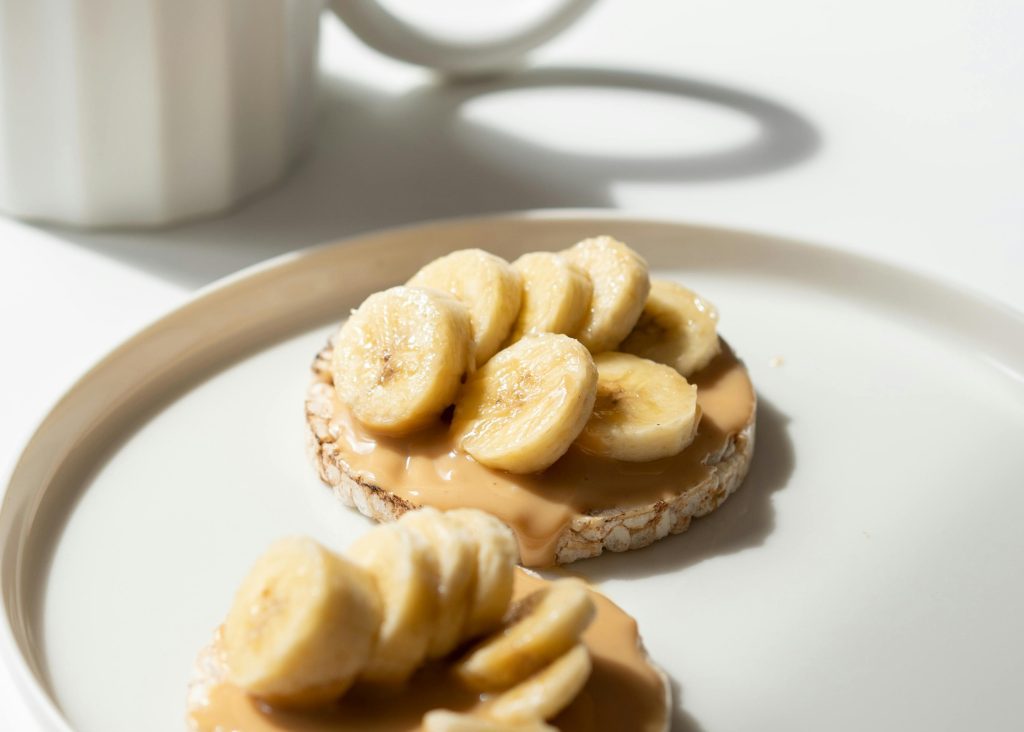
Think about the last time you dragged yourself through a workout feeling absolutely knackered. No energy, weak lifts, counting down the minutes until you could stop. Chances are, the problem wasn’t your motivation or training plan. It was when you ate your carbs before or after workout. Getting this timing right transforms everything from your performance to how quickly you recover.
Related reading: Feeling Like a Total Loser? Here’s Why That’s Actually a Sign You’re Doing Better Than You Think.
Picture this: You’re at the gym at 6am, having skipped breakfast because someone on Instagram said fasted cardio burns more fat. Twenty minutes in, you’re lightheaded, your legs feel like lead, and you’re seriously questioning your life choices. Meanwhile, the person next to you is powering through their sets looking fresh. What’s the difference? They understand that carbs before or after workout isn’t a one-size-fits-all decision.
Common Myths About Workout Carb Timing
Related reading: Should I Eat Protein Before or After Workout for Muscle Growth.
Myth: Carbs Before Exercise Make You Gain Weight
Reality: Carbohydrates consumed before training get used as immediate fuel for your muscles. Your body prioritizes burning these carbs for energy during exercise rather than storing them as fat. Research from the NHS on carbohydrate metabolism shows that active individuals need carbs to perform optimally. Weight gain comes from consistently eating more calories than you burn, not from strategic carb timing around workouts.
Myth: You Must Eat Carbs Immediately After Training or You’ll Lose Your Gains
Reality: The famous “anabolic window” has been massively overhyped. While eating carbs after your workout does help recovery, you’ve got several hours, not just 30 minutes. Your muscles remain receptive to nutrients for much longer than fitness magazines would have you believe. Unless you’re training twice a day or competing at elite level, stressing about drinking your shake in the changing room isn’t necessary.
Myth: Low-Carb Diets Are Better for Fat Loss During Exercise
Reality: Training on very low carbs might help you burn more fat during the actual workout, but it comes at a cost. Your intensity drops, you recover more slowly, and you often end up burning fewer total calories. For most people trying to lose fat while maintaining muscle, having adequate carbs before or after workout produces better long-term results than going keto.
Why Carb Timing Actually Matters for Your Performance
You might also enjoy: Should I Eat Before or After Morning Workouts for Fat Loss?.
Your muscles store carbohydrates as glycogen, which serves as your body’s preferred fuel during moderate to intense exercise. When these glycogen stores run low, your performance tanks. Simple as that.
The question of carbs before or after workout depends entirely on what you’re trying to achieve. Different goals require different strategies, and understanding this prevents you from following generic advice that doesn’t match your situation.
Energy levels, recovery speed, muscle building, and fat loss all respond differently to carb timing. Getting this right means you’ll actually enjoy your workouts rather than suffering through them. You’ll also see better results for your effort.
What Happens When You Eat Carbs Before Training
Consuming carbohydrates 30 minutes to 3 hours before exercise tops up your glycogen stores. Blood sugar rises, insulin helps shuttle glucose into your muscles, and you’ve got readily available energy when you start moving.
Benefits include improved endurance, higher training intensity, better focus, and the ability to push harder during your last few reps. According to BBC research on sports nutrition, athletes who consume carbs before training consistently outperform those who don’t.
The downside? You might feel a bit sluggish if you eat too close to training or choose heavy, fiber-rich carbs that sit in your stomach. Timing and selection matter enormously.
What Happens When You Eat Carbs After Training
Post-workout carbs serve a completely different purpose. They replenish depleted glycogen stores, reduce muscle breakdown, and when combined with protein, support muscle repair and growth.
Your muscles become insulin-sensitive after training, meaning they absorb nutrients more efficiently. This is when carbs before or after workout shifts to “after” being more beneficial for recovery rather than immediate performance.
Studies show that combining carbs with protein after training in a roughly 3:1 or 4:1 ratio optimizes recovery. Something like a jacket potato with tuna, or rice with chicken, hits this sweet spot perfectly.
The Best Carb Timing Strategy for Your Specific Goals
Not everyone should follow the same approach. Your ideal strategy for carbs before or after workout depends on when you train, how intensely, and what you’re working towards.
If You’re Training for Strength and Muscle Building
Eat carbs both before and after. Seriously, don’t skimp on either.
Before your session, aim for 30-50g of carbs about 60-90 minutes pre-workout. Porridge with honey, a couple of crumpets, or rice cakes with jam all work brilliantly. You need this fuel to lift heavy and maintain intensity throughout your session.
After training, consume 40-60g of carbs with 20-30g of protein within a couple of hours. This doesn’t need to be a fancy supplement. A tuna sandwich on wholemeal bread or chicken with sweet potato does the job perfectly well.
The research is clear: resistance training demands glycogen, and building muscle requires both the energy to train hard and the nutrients to recover. Carbs before or after workout becomes carbs before AND after workout for strength athletes.
If Your Goal Is Fat Loss
Focus carbs around your workout window and reduce them at other times. This approach lets you train with intensity while keeping overall carb intake moderate.
Have 20-30g of easily digestible carbs about 45 minutes before training. A banana or a slice of toast with honey provides quick energy without excess calories. You’ll maintain workout performance whilst creating a calorie deficit throughout the day.
After training, include carbs with your next meal but keep portions reasonable. Vegetables count towards your carb intake and provide volume without excessive calories. Something like grilled chicken with plenty of veg and a moderate portion of rice balances recovery with your fat loss goal.
The mistake many people make is cutting carbs entirely when trying to lose weight, then wondering why their training suffers. Strategic timing of carbs before or after workout protects your performance and muscle mass whilst still supporting fat loss.
If You’re Training First Thing in the Morning
Morning workouts present unique challenges. You’ve been fasting overnight, glycogen stores are lower, and you probably don’t fancy a full meal at 5:30am.
For sessions under 45 minutes, you can probably train fasted if you’re adapted to it and not doing anything too intense. But for longer or harder workouts, even a small amount of carbs makes a massive difference.
Try 15-25g of quick-digesting carbs 20-30 minutes before you start. A rice cake with jam, half a banana, or a small glass of fruit juice provides enough fuel without causing digestive discomfort. You’re not going for fullness here, just topping off the tank.
Post-workout becomes crucial when training fasted. Make breakfast carb-focused to replenish what you’ve burned and kick-start recovery. Porridge, toast, or a breakfast wrap with egg and beans all work well.
If You’re Doing Endurance Training
Distance runners, cyclists, and anyone doing cardio sessions over an hour absolutely need carbs both before and during longer efforts, as well as after.
Before endurance sessions, eat 50-75g of carbs 2-3 hours prior. Porridge, toast, or a bagel give you sustained energy. Closer to your start time, top up with another 20-30g from something easily digestible.
During sessions longer than 90 minutes, consume 30-60g of carbs per hour. Sports drinks, energy gels, or even jelly babies work when you’re on the move. This isn’t about being fancy; it’s about preventing your performance from falling off a cliff.
After long sessions, prioritize carbs within the first hour. Your glycogen stores are seriously depleted, and the sooner you refuel, the better you’ll feel tomorrow. The debate about carbs before or after workout becomes “both, and also during” for endurance athletes.
Your 7-Day Carb Timing Protocol
Ready to put this into practice? Follow this weekly framework to dial in your timing and see what works for your body.
- Day 1-2: Establish your baseline. Eat 30-40g of carbs 60 minutes before training and note your energy levels, performance, and any digestive issues.
- Day 3-4: Experiment with timing. Move your pre-workout carbs to 90 minutes before and compare how you feel. Some people do better with more digestion time.
- Day 5: Test post-workout only. Train without pre-workout carbs but eat 40-50g immediately after. Notice the difference in your training intensity.
- Day 6: Combine both. Have carbs 60-90 minutes before and again after training. Track your recovery speed and next-day energy.
- Day 7: Review your notes. Which approach gave you the best performance? Best recovery? Best overall feeling? That’s your starting template.
This trial period reveals your personal sweet spot for carbs before or after workout. Everyone’s digestive system and metabolism respond slightly differently, so what works for your gym mate might not suit you.
The Best Carb Sources for Workout Nutrition
Not all carbohydrates are created equal when it comes to exercise fuel. Choosing the right type matters as much as timing.
Before Training: Quick Energy Carbs
Select easily digestible options that won’t leave you feeling heavy:
- White rice or rice cakes provide quick glucose without fiber that slows digestion
- Bananas offer easily absorbed sugars plus potassium for muscle function
- Toast with honey or jam gives you simple carbs that enter your bloodstream rapidly
- Porridge made with water (not milk) sits lighter whilst providing sustained energy
- Crumpets or English muffins offer carbs without much fat to slow absorption
- Sports drinks work when you need pure fuel with zero digestion time
Avoid high-fiber, high-fat carb sources before training. That wholesome bowl of bran cereal might be nutritious, but it’ll sit in your stomach like a brick during burpees.
After Training: Recovery-Focused Carbs
Post-workout, you can include more nutrient-dense, fiber-containing options:
- Sweet potatoes provide carbs plus vitamins and minerals for recovery
- Wholegrain rice offers sustained energy and additional nutrients
- Quinoa combines carbs with complete protein for muscle repair
- Jacket potatoes with the skin on provide filling, nutritious carbs
- Wholemeal bread or pasta add fiber whilst refueling glycogen
- Fruit smoothies blend carbs with protein powder for convenient post-workout nutrition
When deciding on carbs before or after workout, remember that pre-workout carbs should be quick and light, whilst post-workout carbs can be more substantial and nutritious.
Portion Sizes That Actually Make Sense
Forget weighing everything obsessively. Use these simple visual guides:
Before training, a fist-sized portion of carbs works for most people. That’s roughly one medium banana, two rice cakes, or one slice of toast.
After training, two fist-sized portions of carbs alongside one palm-sized portion of protein creates the optimal recovery meal. Think two medium potatoes with a chicken breast, or a large bowl of rice with salmon.
These portions assume moderate-intensity training lasting 45-75 minutes. Very intense sessions or longer durations require more fuel. Listen to your body and adjust accordingly.
Mistakes That Sabotage Your Carb Timing Strategy
Mistake 1: Eating Too Close to Training
Why it’s a problem: Consuming carbs 15-20 minutes before exercise leaves food sitting in your stomach. Blood flow diverts to your working muscles rather than your digestive system, causing discomfort, nausea, or that horrible sloshing feeling during movement.
What to do instead: Allow 45-90 minutes between eating and training for most foods. If you must eat closer to your session, stick to liquid carbs like sports drinks or very small amounts of easily digestible options like a few jelly babies.
Mistake 2: Ignoring Your Training Intensity
Why it’s a problem: A gentle 30-minute walk doesn’t require the same fueling strategy as a heavy squat session. Yet many people either under-fuel hard workouts or over-fuel easy ones, wondering why their approach to carbs before or after workout isn’t producing results.
What to do instead: Match your carb intake to your actual training demands. Low-intensity sessions under 45 minutes might not need specific carb timing at all. High-intensity or long sessions absolutely do. Be honest about your actual effort level.
Mistake 3: Copying Elite Athletes’ Strategies
Why it’s a problem: Professional athletes train multiple times daily at extreme intensities. Their carb needs and timing protocols don’t translate to someone hitting the gym three times weekly. Following their strategies leads to unnecessary carb consumption without the training volume to justify it.
What to do instead: Base your approach on your actual training schedule and intensity. Most recreational exercisers need far less precision and volume than professional protocols suggest. Start conservative and add carbs only if performance genuinely suffers.
Mistake 4: Neglecting Protein After Training
Why it’s a problem: Getting obsessed with carbs before or after workout makes people forget that post-workout protein is equally important. Carbs replenish glycogen, but protein repairs and builds muscle tissue. You need both for optimal recovery.
What to do instead: Always combine post-workout carbs with quality protein. Aim for that 3:1 or 4:1 carb-to-protein ratio. Real food works perfectly well. You don’t need expensive supplements when chicken and rice or a tuna sandwich does the job brilliantly.
Mistake 5: Changing Your Strategy Too Frequently
Why it’s a problem: Switching your carb timing approach every few days prevents you from actually assessing what works. Your body needs time to adapt to any fueling strategy. Constant changes make it impossible to identify what’s helping or hindering your progress.
What to do instead: Choose one approach and stick with it for at least two weeks. Track your energy, performance, and recovery consistently. Only then can you make informed adjustments based on actual results rather than impatience or confusion.
Sample Meal Plans for Different Training Times
Practical examples make everything clearer. Here’s how to structure your carbs before or after workout based on when you actually train.
Early Morning Training (6am workout)
5:15am – Pre-workout: One rice cake with honey or half a banana
6:00am – 7:00am: Training session
7:30am – Breakfast: Porridge with berries and honey, or scrambled eggs on toast
10:00am – Mid-morning: Greek yogurt with granola
1:00pm – Lunch: Chicken salad wrap with a piece of fruit
Morning sessions demand post-workout carbs at breakfast since you’ve trained in a relatively fasted state. The small pre-workout snack prevents energy crashes without causing digestive issues.
Lunchtime Training (12pm workout)
10:00am – Mid-morning: Banana with a handful of nuts
12:00pm – 1:00pm: Training session
1:30pm – Lunch: Jacket potato with tuna and salad, or chicken and rice bowl
4:00pm – Afternoon: Apple with peanut butter on oatcakes
7:00pm – Dinner: Salmon with sweet potato and vegetables
Mid-day training allows proper pre-workout fueling at your mid-morning snack. Post-workout lunch becomes your main carb-focused meal of the day, with moderate carbs at dinner.
Evening Training (6pm workout)
3:00pm – Afternoon: Crumpets with jam or a cereal bar
6:00pm – 7:00pm: Training session
7:30pm – Dinner: Pasta with chicken and tomato sauce, or stir-fry with rice
9:00pm – Evening (optional): Greek yogurt with berries if hungry
Evening sessions let you have your afternoon snack serve as pre-workout fuel. Dinner becomes your recovery meal, combining carbs with protein. Some people find a small evening snack helps sleep quality after late training.
How to Know If Your Carb Timing Is Working
Track these signs to evaluate whether your current approach to carbs before or after workout is actually benefiting you:
Energy during training: Can you maintain intensity throughout your session, or do you fade significantly in the last 15-20 minutes? Consistent energy suggests adequate pre-workout fueling.
Recovery between sessions: Do you bounce back quickly, or does soreness linger for days? Proper post-workout nutrition, including carbs, speeds recovery noticeably.
Performance progression: Are your lifts increasing, running times improving, or fitness progressing? Adequate carb timing supports adaptation and growth. Stalled progress despite consistent training might indicate fueling issues.
Sleep quality: Training hard without proper post-workout carbs can disrupt sleep due to elevated stress hormones. Waking frequently or struggling to fall asleep after evening sessions suggests insufficient recovery nutrition.
Mood and mental clarity: Feeling irritable, foggy, or unmotivated despite adequate sleep often indicates insufficient carb intake around training. Your brain runs primarily on glucose, and training depletes it.
If two or more of these markers are consistently poor, revisit your carb timing strategy. Something isn’t matching your needs.
Your Carb Timing Quick Reference Guide
Save this practical checklist for easy reference:
- Allow 60-90 minutes between eating carbs and training for optimal digestion and energy availability
- Choose easily digestible carbs before training and more nutrient-dense options afterward
- Consume 30-50g pre-workout carbs for moderate sessions, more for intense or long efforts
- Combine 40-60g post-workout carbs with 20-30g protein within two hours of finishing
- Match your total carb intake to your actual training volume and intensity, not generic recommendations
- Experiment systematically for two weeks before judging whether an approach works for you
- Track energy, performance, and recovery rather than obsessing over perfect timing precision
- Adjust your strategy based on goals: more carbs for muscle building, strategic timing for fat loss
Frequently Asked Questions
Should I eat carbs before or after workout if I’m trying to lose weight?
Focus a moderate amount of carbs (20-30g) before training to maintain workout intensity and energy. Include carbs in your post-workout meal but keep overall daily carb intake aligned with your calorie deficit. The timing helps preserve muscle and performance whilst still supporting fat loss. Completely cutting carbs around workouts often backfires by reducing training quality, which ultimately slows your progress. Strategic carb timing beats total carb avoidance for sustainable fat loss.
How long before a workout should I eat carbs?
Aim for 60-90 minutes before training for substantial carb-containing meals. This allows proper digestion whilst ensuring the glucose reaches your bloodstream when needed. If you must eat closer to training (within 30-45 minutes), stick to small amounts of very easily digestible carbs like a banana, rice cakes, or sports drinks. Individual digestion speeds vary, so experiment to find your personal sweet spot where you feel energized without digestive discomfort.
What happens if I don’t eat carbs before or after workout?
Training without pre-workout carbs reduces your intensity and endurance capacity, particularly for moderate to high-intensity sessions. You’ll likely fatigue earlier and struggle to maintain performance. Skipping post-workout carbs delays glycogen replenishment, slows recovery, and makes your next training session harder. Occasionally missing optimal timing won’t ruin your progress, but consistently under-fueling compromises both performance and results over time.
Are carbs before or after workout more important for building muscle?
Both matter, but they serve different purposes. Pre-workout carbs provide the energy to train with sufficient intensity and volume to stimulate muscle growth. Without adequate fuel, you can’t push hard enough to trigger adaptation. Post-workout carbs replenish glycogen and, when combined with protein, create an optimal recovery environment for muscle repair and growth. For muscle building specifically, don’t choose between them—prioritize both for maximum results.
Can I just have protein shakes instead of worrying about carb timing?
Protein shakes alone don’t provide the carbohydrates needed to fuel training or replenish glycogen stores effectively. Protein is essential for muscle repair, but carbs serve a completely different purpose in workout nutrition. For optimal results, combine both: carbs before training for energy, and carbs plus protein after training for recovery. Something like a protein shake with a banana post-workout covers both bases conveniently.
Taking Action With Your Carb Timing Strategy
Understanding whether carbs before or after workout work better for your situation gives you control over your energy, performance, and results. Most people benefit from strategic carbs at both times, adjusted for their specific goals and training schedule.
Start with the 7-day protocol outlined earlier. Test different timing approaches systematically rather than randomly changing things daily. Your body needs consistency to show you what actually works versus what you simply hope will work.
Track your energy levels, workout performance, and how quickly you recover. These markers tell you far more than any generic nutrition advice ever could. What works brilliantly for someone training twice daily at elite level might be completely unnecessary for your three weekly gym sessions.
Adjust based on honest assessment of your actual training demands, not what sounds impressive or what some influencer promotes. Carbs before or after workout becomes a personalized decision based on your schedule, goals, and how your body responds. That’s where real, sustainable results come from.


