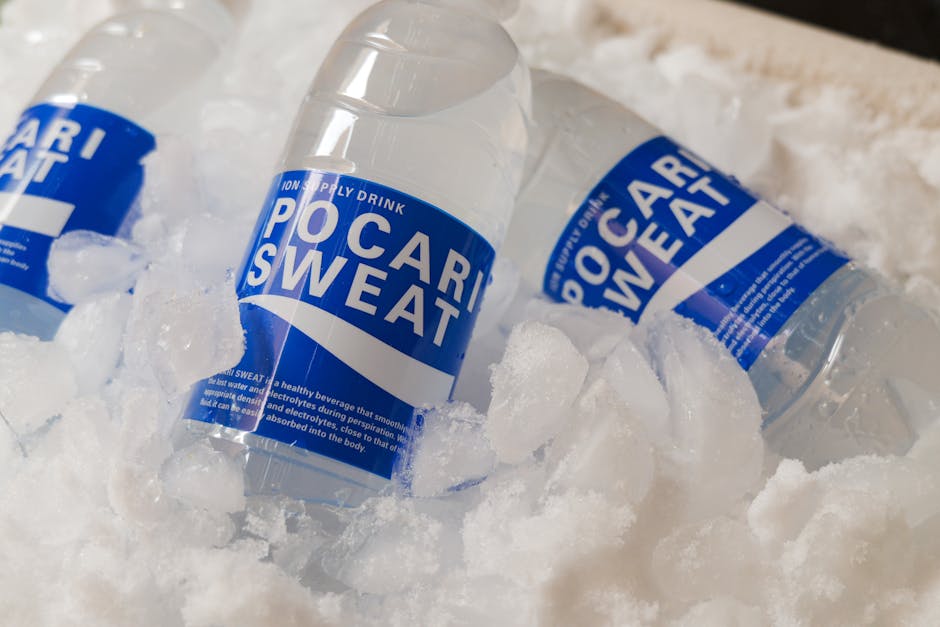
Picture this: You’re halfway through a spin class, drenched in sweat, reaching for your water bottle. Feels responsible, right? But what if plain water isn’t actually what your body needs right now? The truth is, knowing when should you drink electrolytes instead of plain water during exercise can make the difference between powering through your workout and hitting an unexpected wall.
Most people treat all hydration the same. You’re thirsty, you drink water. Simple. But your body during exercise isn’t that straightforward. Sweat doesn’t just carry water away from your system – it takes vital minerals with it. Those minerals, called electrolytes, keep your muscles firing, your heart pumping steadily, and your nervous system communicating properly. Lose too many without replacing them, and your performance suffers. Sometimes dramatically.
Common Myths About Exercise Hydration
Related reading: Should You Face the Mirror When Squatting? The Truth About Mirror-Less Training.
Myth: Water is always the best choice for hydration
Reality: Plain water works brilliantly for short, low-intensity sessions, but it can actually dilute your blood sodium levels during prolonged exercise. When you sweat heavily for more than an hour, drinking only water without replacing electrolytes can lead to hyponatremia – a dangerous condition where sodium levels drop too low. Your body needs those minerals replaced along with fluids.
Myth: Electrolyte drinks are just for elite athletes
Reality: Elite athletes certainly need them, but so does anyone exercising intensely for over 60 minutes or working out in hot conditions. A 45-year-old doing a vigorous hour-long bootcamp in summer heat loses electrolytes just as readily as a marathon runner. What matters isn’t your fitness level – it’s duration, intensity, and environmental conditions.
Myth: If you’re not thirsty, you’re properly hydrated
Reality: Thirst lags behind your actual hydration needs during exercise. By the time you feel parched, you’ve already lost about 2% of your body weight in fluids. That’s enough to reduce performance by 10-20%. Even more concerning, electrolyte depletion can occur before you feel thirsty, causing muscle cramps and fatigue that seem to come from nowhere.
Understanding What Electrolytes Actually Do During Exercise
You might also enjoy: The Only Gym Machine You Should Skip (And What to Do Instead).
Electrolytes aren’t magic. They’re essential minerals that carry electrical charges in your body. The main players – sodium, potassium, magnesium, and calcium – control everything from muscle contractions to nerve signals.
When you exercise, these minerals orchestrate a complex dance. Sodium maintains fluid balance and helps your body absorb water efficiently. Potassium regulates heart rhythm and muscle function. Magnesium supports energy production and prevents cramping. Calcium triggers muscle contractions and bone health.
Lose these through sweat, and problems cascade quickly. Your muscles stop contracting properly. That’s when cramps hit. Your heart rhythm can become irregular. Energy production slows down. Your brain struggles to send signals efficiently, leading to confusion or headaches.
According to NHS guidance on exercise nutrition, the rate you lose electrolytes depends on several factors: how hard you’re working, temperature, humidity, and individual sweat rate. Some people are “salty sweaters” who lose sodium rapidly, leaving white residue on their workout clothes.
Understanding when should you drink electrolytes instead of plain water during exercise starts with recognizing how much you’re actually sweating and for how long.
The 60-Minute Rule: Your Hydration Turning Point
Here’s the practical threshold most people can use: exercises lasting under an hour generally don’t require electrolyte replacement. Plain water handles the job. Push beyond 60 minutes of moderate to intense activity, and you’ll want to consider electrolytes.
Why 60 minutes? Research from sports science laboratories shows that’s roughly when glycogen stores start depleting and electrolyte losses become significant enough to impact performance. Your body can buffer mild losses for about an hour, but after that, replacement becomes increasingly important.
Think about common scenarios:
- A 45-minute strength training session at the gym? Water works perfectly.
- A 90-minute football match on a Saturday afternoon? Definitely time for electrolytes.
- A leisurely 30-minute walk? Plain water is ideal.
- A two-hour cycle through the countryside? Bring those minerals.
- A 20-minute HIIT session? Water suffices unless conditions are exceptionally hot.
- A half-marathon training run lasting two hours? Electrolytes are essential.
The 60-minute mark isn’t absolute. Intensity and environment shift it. A brutal 45-minute outdoor bootcamp in July heat might demand electrolytes, whilst a gentle 75-minute yoga class probably won’t.
When Temperature and Intensity Override the Time Rule
Sometimes knowing when should you drink electrolytes instead of plain water during exercise has nothing to do with the clock. Hot weather accelerates everything.
When temperatures climb above 25°C, your sweat rate can double or triple. High humidity makes it worse because sweat doesn’t evaporate efficiently, so your body produces even more trying to cool down. Those minerals pour out faster than your hour-long buffer can handle.
Exercise intensity matters equally. A heart-pounding HIIT class or sprint intervals make you sweat profusely even in cool conditions. That intense sweating means rapid electrolyte loss regardless of duration.
Consider these high-intensity, high-sweat scenarios where electrolytes become crucial earlier:
Hot yoga or Bikram sessions: Rooms heated to 35-40°C cause extreme fluid and mineral loss within 30-40 minutes. Electrolyte drinks become necessary despite shorter timeframes.
Outdoor summer running: A July afternoon run loses you far more electrolytes than the same distance in February. Temperature matters tremendously.
High-intensity interval training: Those burpees and mountain climbers jack your heart rate skyward, triggering heavy sweating that strips minerals quickly.
Multiple sessions in one day: Training twice daily depletes reserves faster than your body can replenish them naturally through food. The second session definitely needs electrolyte support.
According to BBC Sport’s analysis of hydration in athletics, elite runners can lose up to 2-3 litres of sweat per hour in hot conditions, carrying away 3-4 grams of sodium. That’s substantial mineral loss demanding immediate replacement.
Warning Signs Your Body Needs Electrolytes Right Now
Your body sends clear signals when electrolyte levels drop too low. Learning to recognize them helps you understand when should you drink electrolytes instead of plain water during exercise.
Muscle cramps that strike suddenly
That sharp, vice-like grip in your calf or hamstring? Classic sign of electrolyte depletion, particularly low sodium or potassium. Regular water won’t fix this – you need minerals.
Unusual fatigue despite adequate rest
Feeling inexplicably wiped out during a workout that shouldn’t challenge you? Low electrolytes impair energy production at a cellular level. Your muscles simply can’t generate power efficiently without proper mineral balance.
Dizziness or lightheadedness during exercise
When sodium levels drop, blood pressure regulation suffers. That dizzy feeling when standing up quickly or pushing hard signals your body struggling to maintain proper fluid balance and blood flow.
Headaches developing during or immediately after exercise
Dehydration headaches combined with electrolyte imbalance create a perfect storm. If plain water doesn’t relieve the headache within 20-30 minutes, mineral depletion is likely the culprit.
Nausea or upset stomach
Low sodium particularly affects digestive function. Feeling queasy during longer workouts often indicates electrolyte imbalance rather than simple dehydration.
Confusion or difficulty concentrating
Electrolytes enable nerve function, including brain signals. Mental fog during exercise suggests your nervous system isn’t getting the minerals it needs to operate properly.
Something worth noting: these symptoms can appear even when you’re drinking plenty of water. That’s because overhydration with plain water actually worsens electrolyte dilution, making symptoms worse rather than better.
Your Sport-Specific Electrolyte Strategy
Different activities create different hydration needs. Here’s when should you drink electrolytes instead of plain water during exercise based on specific sports.
Running and trail running
Distances beyond 10km typically warrant electrolyte support. Trail running in varied terrain increases sweat rate due to constant effort changes. A simple guideline: anything taking you beyond 60 minutes on your feet benefits from mineral replacement. Many runners find carrying electrolyte tablets convenient – something like dissolvable tablets that fit easily in a running belt gives you flexibility without bulk.
Cycling
Rides exceeding 90 minutes need electrolyte consideration. Cycling generates substantial sweat despite the cooling breeze making you feel less hot. Long weekend rides demand consistent mineral intake throughout. Cyclists often prefer electrolyte powder mixed into water bottles for easy sipping.
Team sports (football, rugby, netball)
Matches lasting 60-90 minutes with high-intensity bursts create significant electrolyte demands. Half-time offers an ideal opportunity to consume electrolyte drinks rather than plain water. The stop-start nature means heavy sweating during active periods.
Swimming
Surprise: swimmers sweat substantially despite being in water. Pool sessions beyond an hour, particularly in warmer pools, require electrolyte replacement. Open water swimming in cold conditions reduces this need slightly, but duration still matters.
Gym-based strength training
Standard hour-long sessions with rest between sets rarely require electrolytes. However, circuit training or CrossFit-style workouts pushing 75-90 minutes with minimal rest definitely benefit from mineral support.
Racquet sports (tennis, squash, badminton)
Competitive matches extending beyond an hour involve explosive movements and heavy sweating. The intensity bursts deplete electrolytes faster than steady-state cardio despite similar timeframes.
How to Choose the Right Electrolyte Option
Once you’ve determined when should you drink electrolytes instead of plain water during exercise, selecting the right product matters. Not all electrolyte drinks deliver equal benefits.
Look for these key features:
Sodium content between 300-700mg per serving: Sodium is the primary electrolyte lost through sweat. Products with lower amounts won’t adequately replace what you’re losing during intense or prolonged exercise.
Balanced potassium and magnesium: Aim for 100-200mg potassium and 50-100mg magnesium per serving. These support sodium’s effects and prevent cramping.
Minimal added sugar: Some carbohydrate helps absorption, but many sports drinks contain excessive sugar that causes energy crashes. For workouts under two hours, 3-6g sugar per 100ml suffices. Longer endurance events benefit from slightly more.
Avoid artificial additives when possible: Many effective electrolyte options skip artificial colours and excessive sweeteners. Your body doesn’t need them for performance.
Common formats include:
Powder sachets or tubs work well for gym-goers and home use. Mix with water before exercising. Cost-effective and customizable strength.
Ready-to-drink bottles offer convenience for outdoor activities. Pricier but require no preparation.
Effervescent tablets dissolve quickly in water bottles. Compact for carrying on runs or cycles. Watch sodium content as some brands skimp on minerals.
Electrolyte gels provide concentrated minerals alongside carbohydrates. Best for endurance events where you’re also fuelling with calories.
According to guidance from the British Nutrition Foundation, timing matters as much as product choice. Sipping consistently throughout exercise works better than gulping large amounts infrequently.
Your Step-by-Step Hydration Strategy
Implementing an effective approach to when should you drink electrolytes instead of plain water during exercise requires a practical system.
- Before exercise: Hydrate with plain water in the 2-3 hours beforehand. Aim for roughly 500ml during this window. Adding electrolytes pre-workout isn’t necessary unless you’re already depleted from previous training.
- During short sessions (under 60 minutes): Stick with plain water. Sip 150-200ml every 15-20 minutes to maintain hydration without overdoing it. Your natural electrolyte reserves handle the load.
- During medium sessions (60-90 minutes): Switch to electrolyte drinks if intensity is moderate to high or conditions are warm. Begin sipping after 30-40 minutes rather than waiting until fatigue hits.
- During long sessions (90+ minutes): Start with electrolyte drinks from the beginning. Consume 500-750ml per hour depending on sweat rate and conditions. Split this into smaller, frequent sips.
- Hot weather adjustments: Reduce the threshold by 15-20 minutes. What normally requires plain water might need electrolytes when temperatures exceed 25°C.
- Post-exercise recovery: Continue electrolyte drinks for 30-60 minutes after finishing if the session was intense or lengthy. This accelerates recovery and prevents delayed dehydration symptoms.
- Monitor urine colour: Pale yellow indicates proper hydration. Dark yellow suggests you need more fluids. Clear urine might mean overhydration, potentially diluting electrolytes.
Track your response over several weeks. Bodies vary tremendously in sweat rate and mineral loss. What works for your training partner might differ from your needs.
Mistakes to Avoid (And How to Fix Them)
Mistake 1: Waiting until thirst strikes before drinking
Why it’s a problem: Thirst is a lagging indicator. By the time it appears, you’ve already lost 1-2% body weight in fluids, enough to reduce performance noticeably.
What to do instead: Establish a drinking schedule. Set a phone timer for every 15-20 minutes during exercise, prompting small sips regardless of thirst. Preventive hydration beats reactive attempts.
Mistake 2: Assuming all sweating looks the same
Why it’s a problem: Individual sweat rates vary dramatically. Some people drench their shirts in 20 minutes, others barely glisten after an hour. Generic advice fails both extremes.
What to do instead: Conduct a sweat test. Weigh yourself naked before exercise, work out for exactly one hour at typical intensity, towel off sweat, then weigh again. Each kilogram lost equals roughly one litre of fluid you should replace. This reveals your personal hydration needs.
Mistake 3: Drinking only water during ultra-endurance events
Why it’s a problem: Prolonged exercise beyond two hours with only water intake can cause hyponatremia – dangerously low sodium levels. Symptoms include nausea, confusion, and potentially life-threatening complications.
What to do instead: Always use electrolyte drinks for activities exceeding 90 minutes. Better yet, combine them with salty snacks during ultra-endurance events to maintain sodium balance.
Mistake 4: Choosing electrolyte drinks based solely on taste
Why it’s a problem: Many pleasant-tasting sports drinks contain minimal actual electrolytes, relying on sugar and flavouring instead. They hydrate but don’t replace lost minerals.
What to do instead: Check the nutrition label before buying. Sodium content tells the real story. Anything below 200mg per serving won’t adequately replace sweat losses during intense exercise.
Natural Food Sources That Support Electrolyte Balance
Understanding when should you drink electrolytes instead of plain water during exercise extends beyond sports drinks. Whole foods contribute significantly to maintaining mineral balance.
After training, these foods help restore electrolytes naturally:
Bananas: Excellent potassium source (around 400mg per medium banana). Convenient for post-workout snacking and help prevent cramping.
Yoghurt: Provides calcium, potassium, and sodium. Greek yoghurt particularly offers concentrated minerals alongside protein for recovery.
Leafy greens like spinach: Rich in magnesium and calcium. A large salad after exercise replenishes multiple minerals simultaneously.
Sweet potatoes: Loaded with potassium and carbohydrates. Perfect recovery meal combining mineral replacement with glycogen restoration.
Nuts and seeds: Particularly almonds and pumpkin seeds deliver magnesium. A small handful post-exercise supports muscle recovery.
Coconut water: Natural source of potassium and sodium, though concentrations are lower than purpose-made electrolyte drinks. Works well for moderate exercise recovery.
Salty foods: Don’t fear salt after hard training. A piece of toast with peanut butter and a pinch of sea salt replaces sodium effectively.
The reality is food-based electrolyte replacement works brilliantly for recovery but isn’t practical during exercise. You need quick-absorbing liquids whilst moving. Save whole foods for the 30-60 minutes post-workout when your body can digest them properly.
Special Considerations for Different Populations
Certain groups need adjusted strategies for when should you drink electrolytes instead of plain water during exercise.
Older adults (60+)
Kidney function naturally declines with age, affecting electrolyte regulation. Older exercisers often need electrolyte support sooner than younger counterparts, sometimes at the 45-minute mark rather than 60. Thirst sensation also diminishes with age, making scheduled drinking even more critical.
Heavy sweaters
If your workout gear shows white salt residue or you consistently drench clothing quickly, you’re losing sodium rapidly. Consider electrolytes for any session exceeding 45 minutes, regardless of intensity. Some people naturally secrete more concentrated sweat.
Those on low-sodium diets
Medical conditions requiring sodium restriction need careful balance. Consult your GP about exercise hydration strategies. You might need modified electrolyte drinks with lower sodium or specific timing around medication.
High-altitude exercisers
Mountain hiking or altitude training increases fluid loss through respiration alongside sweating. Electrolyte needs increase even during moderate activities at elevation above 2,000 metres.
Pregnant women exercising
Pregnancy increases blood volume by 30-50%, raising hydration demands. Electrolyte balance becomes more critical, particularly during second and third trimesters. Discuss exercise hydration with your midwife.
Save This: Electrolyte Hydration Checklist
- Switch from water to electrolytes when exercising beyond 60 minutes at moderate to high intensity
- Consider electrolytes earlier (around 45 minutes) when temperatures exceed 25°C or humidity is high
- Choose products with 300-700mg sodium per serving for adequate replacement
- Sip consistently every 15-20 minutes rather than gulping large amounts infrequently
- Monitor for warning signs: sudden cramps, unusual fatigue, dizziness, or confusion during workouts
- Conduct a personal sweat test to understand your individual fluid loss rate
- Adjust your threshold earlier if you’re a heavy sweater or notice white salt residue on clothing
- Avoid plain water only during ultra-endurance events lasting beyond 90 minutes
Frequently Asked Questions
Can drinking too many electrolytes cause problems?
Yes, though it’s less common than electrolyte depletion. Excessive sodium intake can cause bloating, increased blood pressure, and kidney stress. Stick to recommended serving sizes based on your exercise duration and intensity. Most healthy individuals process excess electrolytes efficiently through urine, but chronically overdoing it stresses your system. For standard workouts under two hours, one serving of electrolyte drink suffices.
Do electrolyte drinks help prevent hangover symptoms?
Alcohol causes dehydration and electrolyte imbalance, so replenishing both does help recovery. However, this isn’t exercise-related – hangovers stem from multiple factors including inflammation and toxin buildup that electrolytes alone can’t fix. For post-exercise recovery specifically, electrolyte drinks work because you’ve actually depleted those minerals through sweat, making replacement directly beneficial.
Should children drink electrolyte drinks during sports?
Children exercising for less than 90 minutes typically manage fine with water. Their smaller body size means lower absolute fluid losses. However, kids involved in tournament play or multi-hour activities in warm weather benefit from diluted electrolyte drinks – about half-strength compared to adult formulations. Watch for added sugars in children’s sports drinks, as many contain excessive amounts that cause more harm than good.
Are homemade electrolyte drinks as effective as commercial products?
Absolutely, when made correctly. A basic recipe combines 500ml water, ¼ teaspoon salt (provides sodium), 100ml orange juice (provides potassium and carbohydrates), and a squeeze of lemon for flavour. This delivers similar electrolyte content to commercial drinks at a fraction of the cost. The advantage of commercial products is convenience and precise mineral ratios, but homemade versions work brilliantly for most exercise needs.
What about electrolyte drinks if I’m trying to lose weight?
Many commercial electrolyte drinks contain 50-100 calories per serving from added sugars. For weight loss, choose zero-calorie or low-calorie electrolyte options that use natural sweeteners. These provide necessary minerals without the extra energy intake. Plain water works perfectly for moderate exercise under an hour, eliminating unnecessary calories entirely. Save electrolyte drinks for truly demanding sessions where performance matters more than calorie restriction.
The Bottom Line on Exercise Hydration
Knowing when should you drink electrolytes instead of plain water during exercise isn’t complicated once you understand the key variables: duration, intensity, temperature, and your individual sweat rate. The 60-minute threshold serves as a helpful starting point for most people, with adjustments for heat and exercise intensity.
Plain water handles shorter, moderate sessions beautifully. Push beyond that hour mark or crank up the intensity in warm conditions, and your body needs those minerals replaced. The warning signs are clear when you know what to watch for – sudden cramps, unusual fatigue, dizziness, and confusion all signal electrolyte depletion demanding immediate attention.
Your hydration strategy should evolve with your training. Track how your body responds over several weeks. Some people are salty sweaters needing earlier intervention. Others manage longer with plain water. Neither is wrong – bodies simply vary.
Start paying attention during your next workout. How long are you exercising? How hard? What’s the temperature? Answer those questions honestly, and you’ll know exactly when to make the switch from water to electrolytes. Your performance and recovery will thank you.


