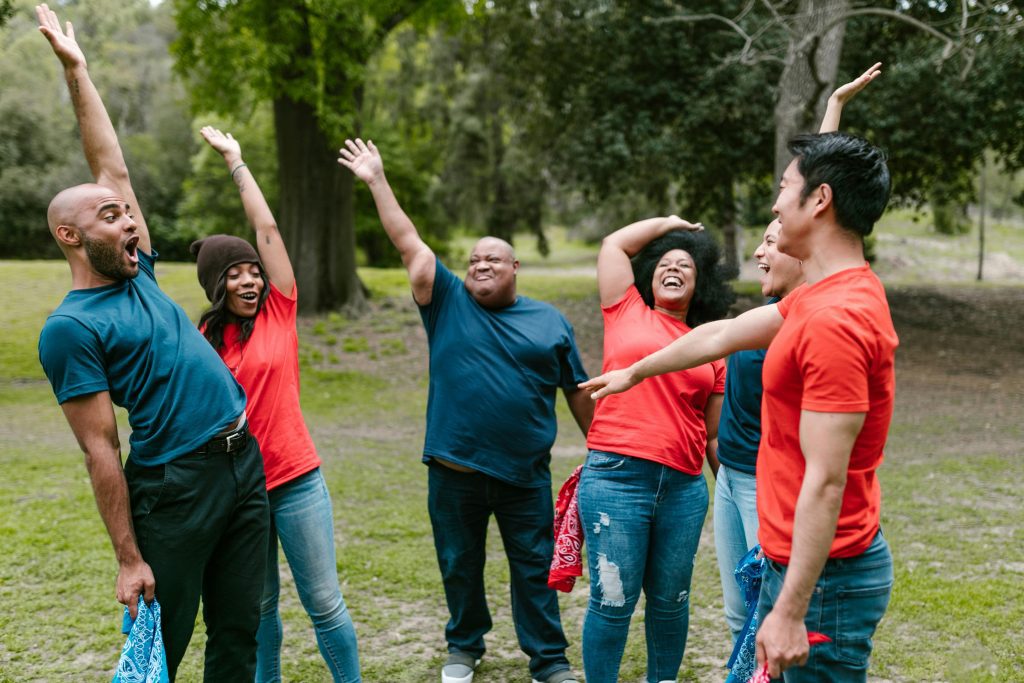
Your phone’s screen time report just came in: seven hours yesterday, mostly scrolling. Meanwhile, that vague restlessness you’ve been feeling? It’s your body begging for something more than the commute-work-sofa routine. The good news is that the antidote isn’t a two-week expedition to Nepal—it’s probably within 30 minutes of where you’re sitting right now.
📖 Reading time: 21 minutes
Picture this: It’s Saturday morning, and you’re weighing up another Netflix binge against doing something outside. The sofa usually wins, doesn’t it? But research from the University of Essex found that just five minutes of outdoor activity significantly improves mood and self-esteem. The problem isn’t that you don’t want adventure—it’s that “adventure” sounds exhausting, expensive, or like something for other people. Here’s the thing: adventure activities near your home aren’t about becoming Bear Grylls overnight. They’re about reclaiming the thrill of being alive, testing yourself gently, and remembering that your body was designed to move through space, not just sit in it.
Common Myths About Local Adventure Activities
For more on this topic, you might enjoy: Why Escape Rooms Near You Are the Secret Weapon for Better Mental Health (And How to Choose the Right One).
Myth: Adventure activities are dangerous and require expert skills
Reality: Most beginner-friendly adventure activities near you have lower injury rates than many popular sports. Organisations like the Adventure Activities Licensing Authority ensure UK providers meet strict safety standards. Activities like kayaking, climbing walls, and forest trails are designed with multiple difficulty levels. You’ll receive proper instruction, safety equipment, and supervision. The Royal Society for the Prevention of Accidents reports that you’re statistically safer rock climbing with proper instruction than playing football in the park.
Myth: You need to be incredibly fit to start adventure activities
Reality: Adventure activities exist at every fitness level, and many are specifically designed for complete beginners. Gentle paddleboarding, nature walks with mild scrambling, or indoor climbing sessions welcome all abilities. What’s more, these activities naturally build fitness over time without feeling like punishment. A study published in the Journal of Adventure Education found that participants in beginner adventure programmes improved their fitness by 34% whilst reporting they were “having fun” rather than “exercising”.
Myth: Adventure activities are prohibitively expensive
Reality: While some adventures carry costs, many are free or remarkably affordable. Wild swimming requires only a swimsuit and towel. Geocaching costs nothing beyond your smartphone. Council-run outdoor centres often charge £10-25 for introductory sessions including all equipment. National Trust properties offer free access to trails with just a membership (which pays for itself after three visits). Compare this to a monthly gym membership you rarely use, and adventure activities often work out cheaper whilst delivering significantly more mental health benefits.
Why Your Brain Craves Adventure (And What Happens When You Ignore It)
Your nervous system evolved for variety, challenge, and novelty. When life becomes predictable—same route to work, same lunch spots, same weekend patterns—your brain essentially goes on standby mode. The NHS reports a 27% increase in anxiety and depression diagnoses over the past decade, and environmental psychologists point to our increasingly sanitised, controlled lives as a contributing factor.
Adventure activities trigger what neuroscientists call “eustress”—the good kind of stress that sharpens focus, releases endorphins, and creates lasting positive memories. When you’re navigating a canoe through reeds or searching for your next climbing hold, your mind can’t simultaneously worry about that email you forgot to send. You’re forced into the present moment, which is essentially what meditation aims for, except you’re achieving it whilst actually doing something exhilarating.
Research from the University of Derby’s Nature Connection Research Group found that regular engagement with outdoor adventure activities improved participants’ sense of meaning and purpose by 41% over six months. These weren’t extreme athletes—they were ordinary people who simply committed to one adventure activity per fortnight.
15 Adventure Activities Hiding in Plain Sight Near You
You may also find this helpful: Your Complete Trail Running Plan: From Beginner to Adventure Ready.
Water-Based Adventures
Wild Swimming: Britain has over 400 designated wild swimming locations, from quarry pools in the Midlands to river beaches in Yorkshire. The Outdoor Swimming Society maintains a comprehensive map of safe swimming spots. Water temperature shock triggers your body’s parasympathetic nervous system, creating that extraordinary post-swim euphoria. Start in summer, go with others, and never underestimate the cold—even in July. A decent changing robe makes the experience significantly more comfortable and helps you warm up quickly afterwards.
Stand-Up Paddleboarding: Nearly every UK canal, lake, and calm coastal area now has paddleboard hire within reach. It’s remarkably easy to learn—most people are standing within 15 minutes. Your core muscles engage constantly to maintain balance, burning around 300 calories per hour without feeling like a workout. Expect to pay £20-35 for a two-hour session including equipment and basic instruction.
Kayaking and Canoeing: With over 2,000 miles of navigable waterways, you’re likely within 30 minutes of a kayaking centre. Beginners typically start on calm canals or lakes, learning basic strokes before progressing to gentle rivers. The repetitive paddling motion creates a meditative rhythm, whilst the scenery changes constantly. Many centres offer “taster sessions” for around £25, including all equipment and instruction.
Height and Climbing Adventures
Indoor Climbing Walls: Climbing centres have exploded across the UK, with most cities now hosting multiple venues. Modern bouldering walls don’t require ropes or partners—just climbing shoes (rentable for £3-5) and a willingness to problem-solve. Routes are colour-coded by difficulty, so you’ll find appropriate challenges whether you’re beginning or experienced. The mental engagement is extraordinary: your mind focuses entirely on the next hold, creating what psychologists call “flow state”.
Tree-Top Adventure Courses: Go Ape and similar operators have created high-rope courses in forests nationwide. You’re clipped into safety systems throughout, so while your brain perceives risk (that’s the thrill), actual danger is minimal. Zip-lining through canopy at 30mph produces pure joy in even the most jaded adults. Sessions typically last 2-3 hours and cost £30-40.
Outdoor Rock Climbing: Once you’ve tried indoor climbing, outdoor climbing takes the experience deeper. Climbing instructors offer beginner sessions at crags across the UK, from the gritstone edges of the Peak District to the limestone cliffs of Portland. You’ll learn on top-rope systems where falls are completely controlled. The texture of real rock, the breeze on your face, and the expanding view as you ascend create an experience that simply cannot be replicated indoors.
Land-Based Adventures
Mountain Biking Trails: Forestry England maintains hundreds of waymarked mountain bike trails, from gentle “green” routes suitable for families to technical “black” runs. You don’t need an expensive bike to start—many centres offer rentals from £25-40 per day. The combination of speed, technical challenge, and forest scenery creates immediate mental refreshment. Just two hours on the trails dramatically improves mood for up to 48 hours afterwards, according to research from the University of Essex.
Geocaching: This worldwide treasure hunt has over 100,000 hidden caches across the UK. Download the free app, and suddenly your local park transforms into an adventure zone. Caches range from obvious (for beginners) to fiendishly concealed (requiring genuine detective work). It’s particularly brilliant for making mundane areas interesting—geocaching turns the scrubby woods near the retail park into an actual quest.
Parkour and Freerunning: Purpose-built parkour parks are appearing in cities nationwide, offering safe environments to learn vaults, jumps, and movement skills. Many centres run beginner classes specifically for adults who watched parkour videos and thought “I could never do that.” Turns out, you probably can. It’s progressive, playful, and remarkably good for building practical strength and spatial awareness.
Underground and Unique Adventures
Caving and Potholing: The UK’s limestone regions—Yorkshire Dales, Mendips, and Peak District—contain thousands of accessible cave systems. Beginner caving trips explore spacious passages with minimal squeezing, revealing underground rivers, rock formations, and cathedral-sized chambers. It’s genuinely otherworldly. Expect to get muddy—that’s part of the appeal. Sessions with qualified instructors cost £40-60 and include all specialist equipment like helmets, lights, and oversuits.
Coasteering: This uniquely British adventure involves traversing rocky coastlines by swimming, scrambling, and jumping into deep water. It’s like being ten years old again, except with wetsuits and safety briefings. The Pembrokeshire coast pioneered coasteering, but it’s now available around much of the UK’s coastline. Sessions last 2-3 hours and cost £35-50 including wetsuits and buoyancy aids.
Segway Tours: While not traditionally “adventurous,” Segway experiences offer surprising thrills and exploration. Many historic estates and country parks now offer guided Segway tours covering terrain you’d never walk. The learning curve is gentle (about ten minutes to feel confident), and suddenly you’re gliding through landscapes at speeds that make walking feel tedious.
Seasonal and Emerging Adventures
Open Water Paddle Boarding at Night: Some operators now offer illuminated paddleboard sessions after dark, with LED lights under your board. Gliding across still water under stars creates an almost spiritual experience. It’s peaceful, slightly surreal, and utterly memorable.
Orienteering Events: British Orienteering runs hundreds of events yearly, from casual park orienteering to forest courses. You’re given a map showing checkpoints to visit in sequence, then released to navigate and run/walk your own route. It combines physical activity with genuine mental challenge. Most events welcome complete beginners, with short, easy courses available. Entry costs just £5-8.
Mountain Boarding: All-terrain boarding (essentially skateboarding on mountain bike trails) is gaining popularity. Several centres now offer lessons on gentle slopes where you can learn the basics safely. It delivers that skateboard feeling without requiring smooth pavement or years of practice.
How to Choose Your First Adventure Activity
Start by honestly assessing your current fitness and any physical limitations. Most adventures accommodate various abilities, but some suit certain starting points better than others. If you’ve been sedentary, paddleboarding or gentle geocaching provides adventure without overwhelming cardiovascular demands. If you’re reasonably active but bored with routine exercise, climbing or mountain biking offers the challenge you’re craving.
Consider your personal fears and interests. Uncomfortable with heights? Start with water-based or ground-level adventures. Nervous about water? Choose land-based activities initially. The goal is manageable challenge, not overwhelming terror. That said, gently pushing beyond comfort zones is where growth happens—there’s value in doing something that makes you slightly nervous.
Check reviews and accreditations carefully. Look for Adventure Activities Licensing Authority approval, British Canoeing qualifications, Mountain Training awards, or similar recognised credentials. Insurance coverage, safety briefings, and equipment quality should never be afterthoughts.
Time and accessibility matter. That amazing-sounding gorge walking might require a three-hour drive, making it a rare treat rather than a regular practice. Adventures within 30-45 minutes of home are far more likely to become habits. Sustainable wellbeing comes from regular engagement, not occasional heroics.
Your First Month Action Plan
Transforming from adventure-curious to adventure-active requires structured progression. Here’s a realistic monthly roadmap that builds confidence whilst managing the inevitable obstacles:
- Week 1: Research and book your first activity. Choose something with minimal barrier to entry—perhaps a paddleboard taster session or beginner climbing wall visit. Book it for a specific date within the next fortnight. Tell a friend your plan (accountability matters). Spend 15 minutes reading about what to expect so you arrive informed, not anxious. If needed, pick up any basic items like a water bottle or comfortable athletic clothing.
- Week 2: Complete your first adventure activity. Arrive 10 minutes early, ask questions, and remember that everyone was a beginner once. Afterwards, journal briefly about the experience—what surprised you, what felt good, what challenged you. This reflection cements learning and motivation. Within 24 hours, identify your second adventure. Make it different from the first (water if you tried climbing, or land-based if you tried paddling).
- Week 3: Complete your second adventure activity. By now, you’re noticing patterns—which aspects you enjoy most, what time of day works best, whether you prefer solo or group activities. Book two more adventures for the coming month. Start following social media accounts related to your favourite activities. This builds knowledge and keeps motivation visible in your daily scroll.
- Week 4: Evaluate and expand. Which activities sparked genuine excitement? Book another session of your favourite. Consider purchasing any basic equipment if you’re confident you’ll continue (though wait until you’re certain—many people have unused climbing shoes gathering dust). Connect with others who share your new interest through local clubs or online communities. Schedule two activities for the following month to maintain momentum.
The key is consistency over intensity. One adventure activity per week delivers more lasting wellbeing benefits than an adrenaline-packed weekend followed by three months of inactivity. Build the habit before worrying about progression or mastery.
Mistakes to Avoid (And How to Fix Them)
Mistake 1: Starting with something too challenging
Why it’s a problem: Jumping straight into advanced activities creates negative experiences that sabotage future motivation. If your first climbing attempt involves terrifying overhangs and failure, you’ll associate climbing with inadequacy rather than achievement. Similarly, choosing a strenuous multi-hour trek when you’re currently unfit almost guarantees misery.
What to do instead: Explicitly choose “beginner” or “taster” sessions for your first attempts. These are specifically designed for newcomers and focus on building confidence. Ask providers directly: “Is this genuinely suitable for someone who’s never done this before?” Ignore your ego and start easier than you think necessary. You can always progress quickly if it’s too simple, but recovering from a demoralising first experience takes much longer.
Mistake 2: Going alone when you need company
Why it’s a problem: Some people thrive on solo adventures, but many others find that anxiety or self-consciousness prevents them from even starting. Showing up alone to a climbing wall or paddleboard lesson when you’re already nervous amplifies discomfort. Moreover, shared experiences create bonding and accountability that solo adventures lack.
What to do instead: Recruit a friend for your first attempts. Phrase it as an invitation to something fun, not as “I need moral support because I’m terrified.” Many people secretly want adventure but won’t initiate it—you’re doing them a favour. Alternatively, look for “absolute beginner” group sessions where everyone’s in the same boat. The shared inexperience creates camaraderie rather than competition.
Mistake 3: Letting weather be an excuse
Why it’s a problem: Britain’s weather is famously unpredictable. If you only do outdoor adventures on perfect sunny days, you’ll average about four adventures annually. Waiting for ideal conditions becomes a convenient justification for never starting. Moreover, some activities—like wild swimming or forest mountain biking—are actually more atmospheric in moody weather.
What to do instead: Invest in one good waterproof jacket (something breathable, not a flimsy plastic cagoule). This single item makes the majority of British weather manageable. Embrace the “no such thing as bad weather, only inappropriate clothing” mindset. Rain on your face during a coastal walk or paddleboard session becomes invigorating rather than miserable when you’ve dressed appropriately. That said, respect genuine safety concerns—wind warnings, flooding, or ice do require rescheduling.
Mistake 4: Comparing your beginning to others’ middle
Why it’s a problem: At climbing walls, you’ll see people flowing up routes that look impossible to you. On mountain bike trails, experienced riders will overtake you with ease. This comparison can trigger feelings of inadequacy that undermine enjoyment. Social media exacerbates this, showing only highlight reels of others’ adventures whilst you’re struggling with basics.
What to do instead: Actively remind yourself that every expert was once exactly where you are now. Those smooth climbers spent months learning. Focus exclusively on your own progression—are you better than last week? That’s the only comparison that matters. Consider keeping a simple log of your adventures with brief notes on achievements. Reviewing this shows progress that daily comparison obscures.
Mistake 5: Giving up after one mediocre experience
Why it’s a problem: First attempts at anything rarely showcase the activity’s best qualities. You’re focused on mechanics, feeling self-conscious, and probably uncomfortable with unfamiliar equipment. Many people try kayaking once, find it awkward and tiring, and conclude it’s not for them—never experiencing the flow state that emerges after three or four sessions.
What to do instead: Commit to trying each activity at least three times before judging it. The first session is survival. The second is slightly less awkward. The third is when you actually start enjoying yourself. If after three genuine attempts something still feels wrong, fine—not every activity suits every person. But one disappointing session proves nothing except that learning curves exist.
Making Adventure Activities Sustainable (Without Burning Out or Going Broke)
The initial enthusiasm for adventure activities often leads to overcommitment—booking five different activities in two weeks, spending hundreds of pounds on equipment, then burning out and reverting to the sofa. Sustainable adventure practice requires pacing, budgeting, and integration with normal life.
Financially, prioritise experiences over equipment initially. Rental gear works perfectly for your first dozen sessions. Only purchase equipment once you’re certain you’ll use it regularly. Many activities require surprisingly little—wild swimming needs just swimwear, a towel, and perhaps a changing robe. Geocaching costs nothing. Even climbing can remain inexpensive if you stick with indoor bouldering using rental shoes.
Look for money-saving opportunities like off-peak pricing, multi-session passes, or club memberships. British Canoeing membership costs £49 annually but provides discounts that pay for themselves after three sessions. Many outdoor centres offer “loyalty cards” where your sixth session is free or heavily discounted.
Time management matters equally. Block out specific “adventure time” in your calendar—Sunday morning, Wednesday evening, or whenever suits your schedule. Treat these blocks as seriously as work meetings. Without protected time, adventure gets perpetually postponed for more urgent (but less important) tasks.
Consider seasonal rotation rather than trying to maintain five different activities simultaneously. Perhaps water-based adventures in summer, climbing through autumn and winter, then hiking and mountain biking in spring. This prevents overwhelm whilst keeping variety across the year.
What Happens to Your Brain and Body After Regular Adventure
The benefits of regular adventure activities extend far beyond the obvious physical fitness improvements. Research from the University of Exeter found that participants engaging in weekly outdoor adventure activities showed a 32% reduction in rumination—that repetitive negative thinking that characterises anxiety and depression.
Your sleep quality improves markedly. Physical exertion combined with outdoor light exposure helps regulate circadian rhythms. Many people report falling asleep faster and waking more refreshed after establishing regular adventure habits. The NHS Couch to 5K programme demonstrates similar effects, but adventure activities deliver the benefits without feeling like “exercise” in the dutiful sense.
Problem-solving abilities sharpen. Whether you’re navigating an orienteering course, planning your next climbing sequence, or reading water conditions for kayaking, you’re constantly making tactical decisions. This cognitive engagement transfers to daily life—people report feeling more decisive and confident in unrelated areas after developing adventure practices.
Social connections deepen differently than through typical socialising. Shared adventure creates bonding that rivals years of casual friendship. There’s something about being slightly scared together, achieving challenges, or simply being in beautiful places that fosters authentic connection. Adventure activity clubs and groups provide community for people who find traditional social settings draining or superficial.
Perhaps most significantly, regular adventure reframes your self-concept. You shift from someone who “doesn’t do that sort of thing” to someone who tackles challenges and seeks novel experiences. This identity shift ripples outward, making you more likely to take appropriate risks in career, relationships, and personal growth.
Quick Reference Checklist
- Research three local adventure activities and book the most appealing one within the next two weeks
- Check provider credentials including insurance, qualifications, and safety records before booking
- Lay out appropriate clothing the night before to eliminate morning resistance
- Arrive ten minutes early to your first session to ask questions and settle nerves
- Take one photo during or after the activity to document your progress (but focus on experiencing, not posting)
- Schedule your next adventure within 24 hours of completing one—momentum matters more than perfection
- Join one online community or local club related to your favourite activity to build knowledge and connection
- Review your adventure log monthly, celebrating progression and adjusting activities based on what brings genuine joy
Frequently Asked Questions
What if I have a genuine fear of heights, water, or enclosed spaces—can I still do adventure activities?
Absolutely, and strategically chosen adventures might even help reduce those fears through gradual exposure. Start with activities unrelated to your specific fear—if heights terrify you, focus on water-based or ground-level adventures like geocaching or kayaking. If you want to gently challenge the fear itself, work with qualified instructors who understand anxiety management and can provide appropriate progression. Many people report that conquering a 3-metre climbing wall or completing a short cave section provides surprising confidence that transfers to daily life situations.
How do I find reputable adventure activity providers near me?
Start with the Activity Centres (Young Persons’ Safety) Act 1995 database, which lists licensed providers of adventure activities. National governing bodies like British Canoeing, British Mountaineering Council, and British Cycling maintain directories of qualified instructors and centres. Read recent Google and TripAdvisor reviews specifically looking for comments on safety briefings and equipment quality, not just whether people had fun. Contact providers directly and ask about instructor qualifications, insurance coverage, and safety protocols—reputable operators welcome these questions whilst dodgy ones become evasive.
I’m significantly overweight and worried I’ll be too unfit or embarrassed to participate—what activities work for beginners in my situation?
Many adventure activities are remarkably accommodating of different body types and fitness levels, often more so than conventional exercise classes. Kayaking and canoeing distribute your weight across the boat and don’t require supporting your body weight. Gentle geocaching lets you control the pace and distance entirely. Wild swimming’s buoyancy makes movement easier than land-based exercise whilst being genuinely refreshing. Paddleboarding on calm water suits various fitness levels because you can sit, kneel, or stand based on comfort. Call providers beforehand explaining your situation—ethical operators will honestly tell you whether activities suit you and may offer adapted sessions or quieter times when you’ll feel more comfortable.
How do I transition from occasional adventures to making this a regular lifestyle practice without it feeling like another obligation?
The key is linking adventures to existing routines rather than treating them as separate “events” requiring motivation. Consider Sunday morning paddleboarding as your new weekend start, replacing the traditional lie-in (you’ll feel better, honestly). Join a Wednesday evening climbing club so it becomes a social commitment, not a solo decision. Use adventure activities as your default “meeting friends” option—suggest a forest walk and picnic instead of the pub. Track how you feel after adventures compared to sedentary weekends, noting energy, mood, and sleep quality. This data makes the benefits undeniable, transforming adventures from “something I should do” into “something I actively want because it makes life better.”
When will I actually start feeling competent and confident rather than clumsy and anxious during these activities?
Most people report a noticeable confidence shift around their fourth or fifth session of any particular activity—this is when mechanics become automatic enough that you can actually enjoy the experience rather than just survive it. Physical competence builds more slowly and varies by activity and individual fitness, but expect genuine capability (not just participation) after 8-12 sessions across three months. The anxiety component often diminishes faster than physical skill improves, particularly once you’ve completed an activity safely several times and your brain recalibrates its threat assessment. Remember that “competent” doesn’t mean expert—it means comfortable enough to find flow and enjoyment, which happens far sooner than you’d expect.
Your Next Step Starts Right Now
Here’s what matters: adventure activities near you aren’t about becoming an extreme athlete or collecting Instagram content. They’re about reclaiming aliveness, testing yourself gently, and building evidence that you’re more capable than your comfort zone suggests. The research is clear—regular engagement with challenging outdoor activities delivers wellbeing benefits that no app, supplement, or therapy session can fully replicate.
Start with one activity. Not five, not a complete transformation of your lifestyle—just one adventure within the next fortnight. Book it now, before your brain generates reasons to postpone. The version of yourself three months from now, having established a regular adventure practice, will be noticeably different: sleeping better, thinking clearer, feeling more confident, and genuinely excited about weekends rather than just relieved work is over.
The adventure activities are already there, hiding in plain sight within 30 minutes of wherever you’re reading this. The only question is whether you’ll actually show up for them. So….. What’s stopping you?


