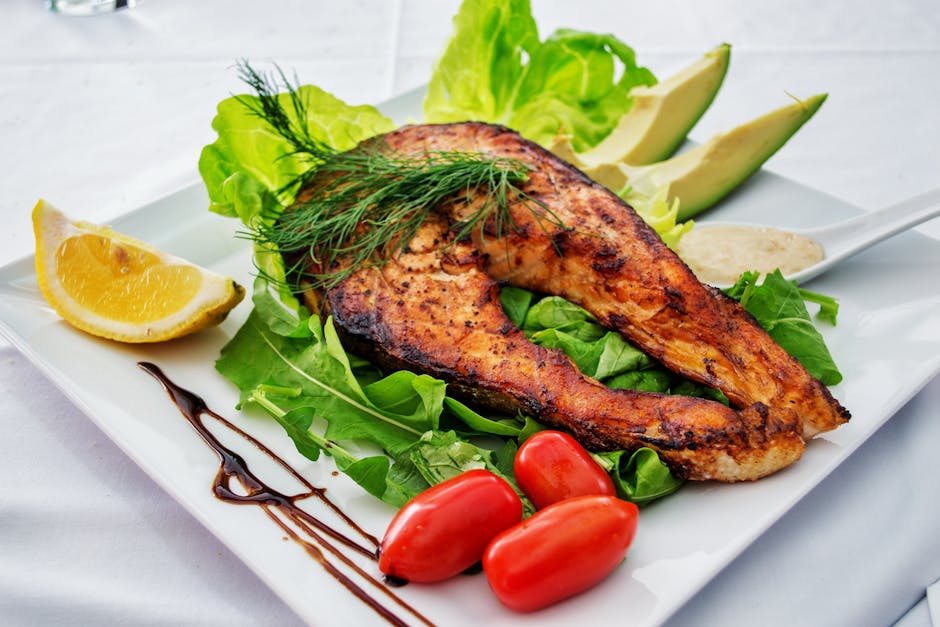
Your joints ache more than they used to. That persistent brain fog won’t shift. Perhaps you’re dealing with digestive issues, stubborn weight gain, or skin problems that refuse to clear up. These seemingly unrelated symptoms share a common culprit: chronic inflammation. The good news? Anti inflammatory foods can dramatically reduce chronic inflammation, and incorporating them into your daily meals is simpler than you might think.
📖 Reading time: 20 minutes
Picture this: You’re standing in the Tesco aisle, scanning food labels, desperately trying to work out which choices will genuinely help your inflamed body feel better. Meanwhile, your basket contains a confusing mix of “superfoods” you’ve heard about but don’t really understand. Sound familiar? You’re not alone. Thousands of British residents face chronic inflammation every single day, yet remain confused about which dietary changes actually make a measurable difference. Unlike short-term inflammation that helps your body heal from injuries, chronic inflammation quietly damages your cells, increases disease risk, and leaves you feeling perpetually under par.
Common Myths About Anti Inflammatory Foods
For more on this topic, you might enjoy: Foods to Improve Gut Health Naturally: Transform Your Digestion in Just 14 Days.
Before we explore which foods genuinely help, let’s clear up some widespread misconceptions that might be holding you back.
Myth: You Need Expensive Exotic Ingredients to Fight Inflammation
Reality: Whilst açai berries and spirulina make headlines, the most effective anti inflammatory foods are often sitting on your local supermarket shelves. Research from King’s College London demonstrates that everyday items like tinned sardines, frozen berries, and basic olive oil deliver powerful anti-inflammatory compounds without the premium price tag. You don’t need a Whole Foods budget to reduce chronic inflammation effectively.
Myth: Anti Inflammatory Diets Mean Giving Up Everything You Enjoy
Reality: An anti inflammatory approach isn’t about deprivation—it’s about addition. Studies show that increasing your intake of beneficial foods naturally crowds out inflammatory ones, without requiring you to survive on celery sticks alone. You can still enjoy satisfying meals, including moderate amounts of foods you love, whilst dramatically reducing inflammation markers in your blood.
Myth: If You’re Not Vegetarian or Vegan, You Can’t Reduce Inflammation
Reality: Some of the most potent anti inflammatory foods include fatty fish like salmon and mackerel, which contain omega-3 fatty acids that vegetarian sources can’t fully replicate. The Mediterranean diet—consistently ranked amongst the most anti-inflammatory eating patterns—includes moderate amounts of fish, poultry, and dairy alongside abundant plant foods. What matters most is the overall pattern, not rigid dietary rules.
Understanding Why Anti Inflammatory Foods Actually Work
Related: 15 Antioxidant Rich Fruits That Fight Ageing (And How to Eat More of Them).
Your body’s inflammatory response operates like a sophisticated alarm system. When working properly, it dispatches immune cells to deal with threats, then stands down once the job’s complete. Chronic inflammation occurs when this system never switches off, leaving your body in a constant state of high alert. According to NHS research, this persistent inflammation contributes to conditions ranging from arthritis and heart disease to type 2 diabetes and depression.
Anti inflammatory foods work through several powerful mechanisms. They provide antioxidants that neutralize harmful free radicals, supply compounds that directly block inflammatory pathways, support beneficial gut bacteria that regulate immune function, and help maintain stable blood sugar levels that prevent inflammatory spikes. Think of them as your body’s internal fire brigade, constantly working to dampen inflammatory flames before they cause lasting damage.
The compound curcumin in turmeric, for instance, inhibits multiple molecules known to play key roles in inflammation. Omega-3 fatty acids from oily fish are converted into specialized compounds called resolvins that actively resolve inflammatory processes. Polyphenols in berries modulate gene expression, literally switching off inflammatory signals at the cellular level. This isn’t pseudoscience—it’s well-established nutritional biochemistry supported by thousands of peer-reviewed studies.
The Essential Anti Inflammatory Foods to Stock in Your Kitchen
You may also find this helpful: 12 Powerhouse Foods That Fire Up Your Metabolism After 35 (Start Today!).
Building an anti-inflammatory kitchen doesn’t require a complete overhaul. Focus on incorporating these evidence-backed categories, and you’ll notice improvements in how you feel within weeks.
Fatty Fish: Your Most Powerful Inflammation Fighter
Salmon, mackerel, sardines, and anchovies contain EPA and DHA—omega-3 fatty acids that research consistently links with reduced inflammatory markers. A study published in the British Journal of Nutrition found that consuming just two portions weekly decreased C-reactive protein (a key inflammation marker) by up to 30% in participants. Fresh fish is brilliant, but tinned varieties work equally well and fit more modest budgets. Look for wild-caught salmon or line-caught mackerel when possible, though even farmed options provide substantial anti inflammatory benefits that far outweigh concerns about farming practices.
Berries: Affordable Antioxidant Powerhouses
Strawberries, blueberries, raspberries, and blackberries burst with anthocyanins—pigments that give them their vibrant colours and potent anti inflammatory properties. British-grown berries in season offer peak nutrition, but frozen varieties retain nearly identical benefits and stay available year-round. Research from the University of East Anglia showed that consuming just 150g of berries daily significantly reduced inflammation in adults with metabolic syndrome. Add them to porridge, blend into smoothies, or simply snack on them throughout the day.
Extra Virgin Olive Oil: Liquid Gold for Joint Health
Not all oils are created equal. Extra virgin olive oil contains oleocanthal, a natural compound that functions similarly to ibuprofen in the body, reducing inflammatory enzyme activity. Mediterranean populations who consume several tablespoons daily show remarkably lower rates of inflammatory diseases. Drizzle it over vegetables, use it in salad dressings, or finish cooked dishes with a generous glug. Store it in a dark cupboard away from heat to preserve its anti inflammatory compounds.
Leafy Greens: Everyday Vegetables with Extraordinary Benefits
Spinach, kale, Swiss chard, and rocket contain vitamins, minerals, and compounds that combat oxidative stress—a major driver of chronic inflammation. Just two servings daily provide meaningful anti inflammatory effects according to research from Imperial College London. These anti inflammatory foods work even better when consumed with a fat source like olive oil or nuts, which enhances absorption of their fat-soluble nutrients. Don’t overlook frozen spinach for soups and curries—it’s nutritionally comparable to fresh and far more convenient.
Nuts and Seeds: Portable Anti Inflammatory Snacks
Walnuts, almonds, flaxseeds, and chia seeds deliver healthy fats, fibre, and plant compounds that collectively reduce chronic inflammation. Walnuts particularly shine with their high alpha-linolenic acid content—a plant-based omega-3. A handful daily (roughly 30g) provides optimal benefits without excessive calories. Many people find keeping a small container in their desk drawer or car makes it easier to choose these anti inflammatory foods over inflammatory snacks like crisps when hunger strikes.
Tomatoes: Humble Vegetables with Hidden Power
Lycopene, the compound giving tomatoes their red hue, demonstrates remarkable anti inflammatory properties in human studies. Interestingly, cooked tomatoes—in sauces, soups, or roasted—provide more bioavailable lycopene than raw ones. A tin of chopped tomatoes costs under a pound and forms the foundation for countless anti inflammatory meals. Cherry tomatoes make convenient snacks, whilst passata becomes the base for quick weeknight dinners that actively reduce chronic inflammation.
Building Your Anti Inflammatory Meal Framework
Understanding which anti inflammatory foods to eat matters little if you can’t translate that knowledge into actual meals. Here’s how to structure your eating throughout the day for maximum anti-inflammatory impact.
Start Your Day with Inflammation-Fighting Breakfasts
Swap your usual toast and jam for porridge topped with berries, ground flaxseed, and a handful of walnuts. This combination provides anti inflammatory compounds plus steady energy that prevents blood sugar spikes—themselves inflammatory. Greek yoghurt with berries and a drizzle of honey offers another excellent option, delivering protein alongside antioxidants. If you prefer something savoury, scrambled eggs with spinach and tomatoes on wholegrain toast ticks all the right boxes.
Pack Anti Inflammatory Lunches That Travel Well
Salads built on leafy greens, tinned salmon or mackerel, cherry tomatoes, cucumber, and an olive oil dressing create satisfying anti inflammatory lunches. Leftovers from dinner work brilliantly—many anti inflammatory foods like soups and stews actually taste better the next day. If you’re buying lunch, look for options featuring grilled fish, abundant vegetables, and olive oil rather than creamy sauces or fried components. Simple meal prep containers make it easier to bring anti inflammatory foods from home rather than relying on high-street options that often contain hidden inflammatory ingredients.
Design Dinners Around Anti Inflammatory Principles
Build your evening meals with a palm-sized portion of fatty fish or other protein, at least half your plate covered in colourful vegetables, and a serving of wholegrains or starchy vegetables. A piece of salmon roasted with cherry tomatoes and served alongside quinoa and steamed broccoli exemplifies this approach perfectly. Alternatively, try a vegetable curry made with turmeric, ginger, and chickpeas, served over brown rice. These anti inflammatory foods combine into meals your entire family will actually enjoy, not special “diet food” that isolates you from normal eating.
According to NHS guidance on balanced eating, filling half your plate with vegetables at main meals naturally increases your intake of anti inflammatory foods whilst managing portion sizes of other components.
Strategic Additions: Spices and Beverages That Reduce Chronic Inflammation
Beyond whole foods, certain additions to your daily routine amplify your anti inflammatory efforts with minimal extra effort.
Turmeric: The Golden Spice with Proven Benefits
Curcumin, turmeric’s active compound, ranks amongst the most thoroughly researched anti inflammatory substances in nutrition science. However, your body absorbs it poorly unless combined with black pepper, which increases bioavailability by up to 2000%. Add both to curries, soups, or even scrambled eggs. Golden milk—warm milk with turmeric, black pepper, ginger, and a touch of honey—makes a soothing evening drink that delivers concentrated anti inflammatory compounds.
Green Tea: Ancient Beverage, Modern Benefits
The polyphenol EGCG in green tea demonstrates powerful effects against chronic inflammation in numerous studies. Drinking 3-4 cups daily appears optimal for reducing inflammatory markers according to research from the University of Oxford. If you’re sensitive to caffeine, choose decaffeinated versions which retain most anti inflammatory compounds. Many people find green tea becomes more palatable when they switch from viewing it as a coffee substitute to appreciating it as its own distinct beverage.
Ginger: Fresh or Ground, Both Work
Gingerol compounds in this common root vegetable inhibit inflammatory molecules whilst adding warming, spicy notes to countless dishes. Fresh ginger grated into stir-fries, smoothies, or hot water with lemon provides therapeutic doses. Ground ginger in baking, curries, or sprinkled over roasted vegetables works equally well. This versatile ingredient transforms ordinary meals into anti inflammatory foods without requiring special preparation skills.
Foods That Sabotage Your Anti Inflammatory Efforts
Understanding what to avoid matters as much as knowing what to embrace when you’re trying to reduce chronic inflammation through diet.
Refined carbohydrates—white bread, pastries, sugary cereals—spike blood sugar rapidly, triggering inflammatory responses throughout your body. Processed meats like sausages and bacon contain compounds formed during processing that promote inflammation. Trans fats, still present in some margarine and commercially baked goods despite restrictions, actively damage cell membranes and provoke inflammatory reactions. Excessive alcohol, particularly more than 14 units weekly, generates inflammation in your liver and gut. Refined vegetable oils high in omega-6 fatty acids—common in takeaways and processed foods—can tip your fatty acid balance toward inflammation when consumed in large amounts.
The strategy isn’t perfection but proportion. Focus 80-90% of your eating on anti inflammatory foods, and occasional treats won’t derail your progress. Research from Cambridge University found that overall dietary patterns matter far more than individual “slip-ups” when measuring inflammatory markers over time.
Your 14-Day Anti Inflammatory Action Plan
Starting new dietary habits feels overwhelming without a clear roadmap. Follow this progressive plan to incorporate anti inflammatory foods naturally into your routine.
- Days 1-3: Add one serving of berries daily—whether fresh in your morning porridge, frozen in a smoothie, or as an afternoon snack. Simultaneously, swap your usual cooking oil for extra virgin olive oil. These two simple changes require minimal effort yet immediately increase your anti inflammatory food intake.
- Days 4-6: Introduce fatty fish twice this period. Tinned mackerel on toast makes a quick lunch, or try salmon fillets for dinner. If you’re meal prepping, cook extra fish to use in salads later in the week. Notice how satisfying these anti inflammatory foods feel—most people report feeling fuller longer compared to their usual proteins.
- Days 7-9: Focus on vegetables, specifically leafy greens. Challenge yourself to include spinach, kale, or rocket with at least one meal daily. Wilt spinach into pasta sauces, add rocket to sandwiches, or simply steam greens as a side dish. Prepare them with that olive oil you’re now using—it enhances both flavour and nutrient absorption of these anti inflammatory foods.
- Days 10-12: Upgrade your snacks. Replace crisps, biscuits, or sweets with nuts, seeds, or vegetable sticks with hummus. Keep portions sensible—a small handful rather than the entire bag. Many people find pre-portioning nuts into small containers prevents mindless overeating whilst ensuring these anti inflammatory foods stay accessible.
- Days 13-14: Experiment with anti inflammatory spices. Try a turmeric-based curry, add fresh ginger to a stir-fry, or prepare golden milk before bed. Swap one of your usual cuppas for green tea. By now, you’ve incorporated multiple categories of anti inflammatory foods without following a rigid meal plan or eliminating food groups entirely.
Track how you feel throughout these two weeks. Many people report noticeable improvements in joint pain, energy levels, or digestive comfort even within this short timeframe. These subjective improvements often appear before measurable changes in inflammatory markers, providing motivation to continue prioritising anti inflammatory foods long-term.
Mistakes to Avoid (And How to Fix Them)
Even with the best intentions, common pitfalls can undermine your efforts to reduce chronic inflammation through diet. Recognising them helps you course-correct quickly.
Mistake 1: Focusing Exclusively on Adding “Superfoods” Whilst Ignoring Overall Diet Quality
Why it’s a problem: Sprinkling chia seeds on your morning pastry doesn’t counteract the inflammatory effects of refined flour and sugar. Research consistently shows that dietary patterns matter more than individual ingredients. You can’t supplement or superfood your way out of a fundamentally inflammatory diet.
What to do instead: Think addition rather than supplementation. As you increase anti inflammatory foods like vegetables, berries, and fatty fish, you’ll naturally have less room and desire for inflammatory options. This crowding-out effect works far better than willpower-based restriction. Build meals around anti inflammatory foods as the foundation, not afterthought additions.
Mistake 2: Expecting Immediate, Dramatic Results
Why it’s a problem: Chronic inflammation developed over months or years. Reversing it requires patience and consistency. Many people abandon anti inflammatory eating after a week because they don’t see instant transformation, missing the gradual improvements that accumulate over time.
What to do instead: Commit to at least 4-6 weeks before evaluating results. Keep a simple journal noting energy levels, pain, sleep quality, and digestive function. These subjective markers often improve before you see changes in weight or blood tests. Celebrate small wins—perhaps you’re sleeping better or your afternoon energy slump has disappeared. These indicate your anti inflammatory foods are working even if the scales haven’t shifted yet.
Mistake 3: Making Everything Complicated and Unsustainable
Why it’s a problem: Elaborate recipes requiring obscure ingredients and hours of preparation inevitably fail when life gets busy. The best anti inflammatory diet is the one you’ll actually follow long-term, not the most perfectly optimised theoretical approach you’ll abandon after a fortnight.
What to do instead: Master 5-7 simple anti inflammatory meals you can prepare almost on autopilot. Repeat them regularly—dietary variety matters over weeks and months, not necessarily within each day. Batch cooking transforms effort—make a large pot of anti inflammatory soup, chilli, or curry on Sunday that provides several meals throughout the week. Frozen vegetables, tinned fish, and pre-washed salad leaves cost slightly more but dramatically reduce barriers to choosing anti inflammatory foods when you’re tired or rushed.
Mistake 4: Ignoring Hidden Inflammatory Ingredients in “Healthy” Products
Why it’s a problem: Marketing terms like “natural,” “organic,” or “gluten-free” don’t automatically mean anti inflammatory. Many products in health food aisles contain substantial sugar, refined oils, or other inflammatory ingredients despite their wholesome packaging. That organic granola might contain more sugar than a chocolate bar.
What to do instead: Read actual ingredient lists rather than front-of-pack claims. Choose anti inflammatory foods in their whole, minimally processed forms whenever possible. If you can’t pronounce most ingredients or the list exceeds ten items, question whether it belongs in your anti inflammatory eating pattern. The fewer ingredients, the less likely hidden inflammatory substances are lurking within.
Mistake 5: Neglecting the Importance of Food Preparation Methods
Why it’s a problem: Deep-frying salmon doesn’t make it an anti inflammatory food. Cooking methods significantly impact the inflammatory potential of even beneficial ingredients. High-temperature cooking, particularly with certain oils, generates inflammatory compounds that counteract the benefits of otherwise healthy foods.
What to do instead: Favour gentler cooking methods—steaming, poaching, gentle roasting, or light sautéing in olive oil. When you do use higher heat, choose oils with higher smoke points like avocado oil rather than olive oil, which degrades and potentially becomes inflammatory when overheated. Marinating meat and fish in herbs, citrus, or yoghurt before cooking reduces formation of inflammatory compounds. These simple adjustments allow your anti inflammatory foods to deliver their full benefits.
Adapting Anti Inflammatory Foods for Different Dietary Needs
Everyone’s circumstances differ, yet virtually anyone can build an eating pattern that reduces chronic inflammation within their specific requirements.
On a Tight Budget
Tinned fish costs a fraction of fresh yet delivers identical omega-3 benefits. Frozen berries and vegetables often cost less than fresh whilst retaining comparable nutrients. Dried lentils, chickpeas, and beans provide affordable anti inflammatory protein and fibre. Buy olive oil in larger bottles—the per-millilitre cost drops significantly. Own-brand options for these anti inflammatory foods generally match premium versions nutritionally despite the price difference.
Following a Vegetarian or Vegan Diet
Whilst you’ll miss the potent omega-3s from fatty fish, focus on walnuts, flaxseeds, and chia seeds for plant-based alternatives. Consider an algae-based omega-3 supplement if blood tests reveal deficiency. Beans, lentils, and tofu replace fish as protein sources, whilst maintaining abundant intake of vegetables, berries, nuts, seeds, and olive oil—all powerful anti inflammatory foods suitable for plant-based diets. Turmeric, ginger, and green tea become even more important when animal-based anti inflammatory foods aren’t options.
Managing Multiple Food Intolerances
Even with restrictions, numerous anti inflammatory foods remain available. Can’t eat fish? Focus on plant-based omega-3 sources and consider supplements. Avoiding nuts? Seeds provide similar benefits. Most vegetables, fruits, quality proteins, and olive oil suit even complex dietary requirements. Work with a registered dietitian if you’re eliminating multiple food groups—they’ll ensure you’re meeting nutritional needs whilst maximising anti inflammatory food intake within your constraints.
Measuring Your Progress Beyond the Bathroom Scales
Weight changes provide limited insight into whether your anti inflammatory foods are working. Monitor these more relevant markers instead.
Joint pain and stiffness often improve within 2-4 weeks of emphasising anti inflammatory foods. Energy levels typically stabilise as blood sugar spikes diminish. Sleep quality frequently enhances when chronic inflammation reduces. Digestive symptoms like bloating often lessen as gut inflammation calms. Skin conditions including acne, eczema, or psoriasis may improve gradually over several months. Mood and mental clarity commonly enhance as neuroinflammation decreases.
Your GP can order blood tests measuring inflammatory markers like C-reactive protein (CRP) or erythrocyte sedimentation rate (ESR) if you want objective data. According to NHS information about blood tests, these simple tests provide concrete evidence whether your dietary changes are reducing chronic inflammation at the cellular level. Request baseline tests before changing your diet, then retest after 8-12 weeks of consistently emphasising anti inflammatory foods.
Quick Reference Checklist
Print or save this list for easy reference when planning meals or shopping:
- Include fatty fish (salmon, mackerel, sardines) at least twice weekly for omega-3 anti inflammatory benefits
- Add berries to breakfast or snacks daily—fresh or frozen both provide powerful antioxidants
- Use extra virgin olive oil as your primary cooking and dressing fat
- Fill half your plate with colourful vegetables at lunch and dinner, emphasising leafy greens
- Keep nuts and seeds available for convenient anti inflammatory snacks between meals
- Include turmeric with black pepper in at least one meal daily to leverage curcumin’s effects
- Swap refined grains for wholegrain alternatives that don’t spike inflammatory blood sugar responses
- Limit processed foods, refined sugar, and excessive alcohol that promote chronic inflammation
Frequently Asked Questions
How quickly will I notice improvements from eating anti inflammatory foods?
Most people report subjective improvements—better energy, reduced joint pain, improved sleep—within 2-4 weeks of consistently prioritising anti inflammatory foods. Measurable changes in blood markers of inflammation typically appear after 6-8 weeks. However, chronic inflammation developed over years requires patience to fully reverse. Think of this as a long-term lifestyle adjustment rather than a quick fix, though many early improvements provide encouragement that your anti inflammatory foods are working whilst deeper healing continues.
Can I still eat meat if I’m trying to reduce chronic inflammation?
Absolutely. Unprocessed poultry and moderate amounts of red meat fit within an anti inflammatory eating pattern, particularly when balanced with abundant vegetables, fruits, and other anti inflammatory foods. The Mediterranean diet—one of the most thoroughly researched anti inflammatory approaches—includes modest meat consumption. The key is emphasising fatty fish and plant foods whilst viewing meat as a component of meals rather than the centrepiece. Avoid or minimise processed meats like sausages and bacon, which contain compounds that promote inflammation regardless of how many anti inflammatory foods you eat alongside them.
Do I need to buy organic produce to get anti inflammatory benefits?
Not at all. Research shows that conventional fruits and vegetables deliver the same anti inflammatory compounds as organic versions. Whilst organic farming has environmental benefits, the anti inflammatory effects come from the plant compounds themselves, which don’t differ significantly between farming methods. Budget constraints shouldn’t prevent anyone from accessing anti inflammatory foods—a conventional punnet of strawberries provides identical anthocyanins to an organic one at half the cost. The priority is simply eating more of these beneficial foods, regardless of whether they’re organic, frozen, or tinned.
What if I don’t like fish—are there alternatives that reduce chronic inflammation?
Whilst fatty fish provides uniquely potent omega-3s, several alternatives exist. Walnuts, flaxseeds, and chia seeds offer plant-based omega-3s, though your body converts them less efficiently to the active forms found in fish. An algae-based omega-3 supplement provides EPA and DHA without consuming fish—this works brilliantly for vegetarians, vegans, or anyone who simply dislikes seafood. Focus extra attention on other anti inflammatory foods including berries, leafy greens, olive oil, nuts, and anti inflammatory spices. You’ll still achieve substantial inflammation reduction even without fish in your diet.
Should I take supplements or focus entirely on anti inflammatory foods?
Food should always form your foundation. Anti inflammatory foods provide thousands of beneficial compounds working synergistically—effects you can’t replicate with isolated supplements. That said, certain supplements reasonably complement an anti inflammatory diet: omega-3s if you don’t eat fatty fish, vitamin D during British winters when sun exposure plummets, and perhaps turmeric extract if you struggle to consume adequate amounts through food. Always discuss supplements with your GP, particularly if you take medications that might interact. The best approach combines a diet rich in anti inflammatory foods with strategic supplementation where genuine gaps exist.
Your Path Forward: Small Steps, Significant Impact
Reducing chronic inflammation doesn’t require perfection or complete dietary overhaul. The most successful approach focuses on progressive improvement—gradually increasing your intake of anti inflammatory foods whilst naturally decreasing inflammatory ones. Start with the changes that feel most manageable: perhaps adding berries to breakfast, swapping to olive oil, or including fatty fish twice weekly. These seemingly small adjustments accumulate into profound effects on your inflammatory status over weeks and months.
Remember that anti inflammatory eating isn’t a temporary diet but a sustainable approach that becomes your new normal. You’re not depriving yourself—you’re nourishing your body with foods that genuinely make you feel better. The improvements in energy, comfort, and wellbeing that come from emphasising anti inflammatory foods create their own motivation to continue.
You’ve got everything you need to start today. Choose one action from this article, implement it this week, and build from there. Your future self—with clearer thinking, better energy, and less pain—will thank you for taking these first steps toward reducing chronic inflammation through the powerful medicine of food.


