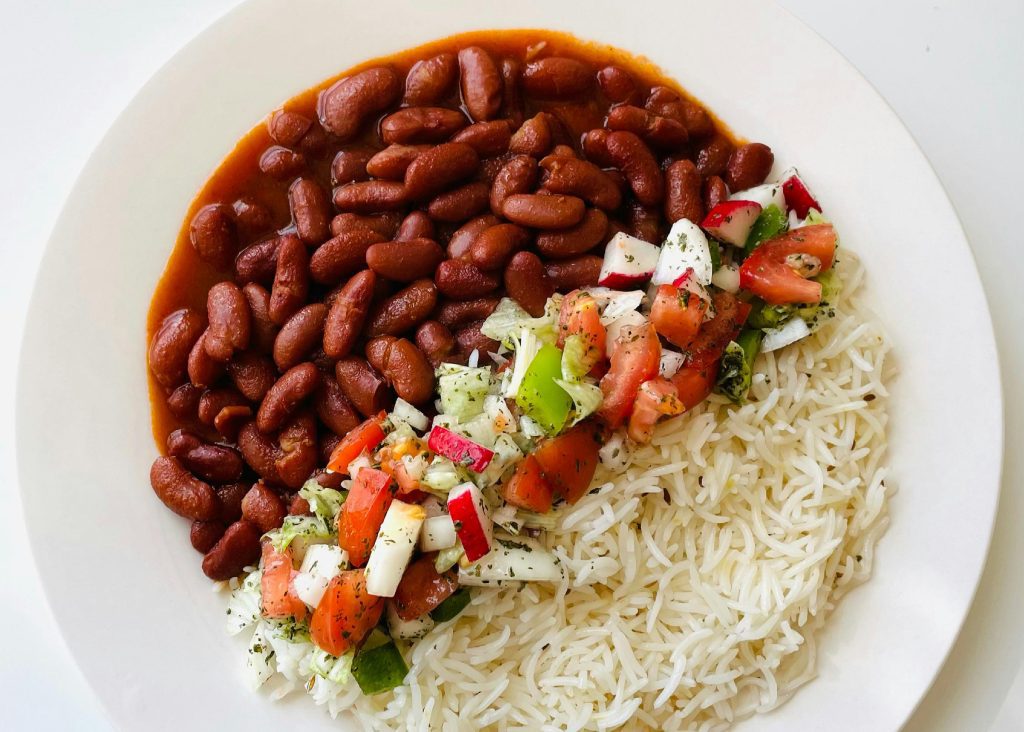
You’ve probably heard it before: combine beans with rice and suddenly you’ve got high quality protein that rivals a steak. But is this nutrition folklore or actual science? The answer might surprise you, because what happens when you pair these humble pantry staples together is genuinely fascinating from a biochemical perspective.
Picture this scenario: You’re trying to increase your protein intake, maybe for fitness goals or just better overall health. Everyone keeps banging on about chicken breast and protein shakes, but your wallet is looking thin and you’re not entirely keen on eating meat at every meal. Someone mentions that beans and rice together provide high quality protein, but you’re skeptical. Sounds too simple, doesn’t it?
Truth is, plant-based protein combinations have sustained entire civilizations for thousands of years. From Mexican beans and tortillas to Indian dal and rice, cultures worldwide stumbled upon this nutritional goldmine long before scientists could explain why it worked. The reason has everything to do with amino acids, the building blocks your body needs to repair muscles, make enzymes, and keep basically everything running smoothly.
Let’s Bust Some Protein Myths
Related reading: How to Stay Consistent with Exercise When Motivation is Low.
Myth: Plant Proteins Are Always Inferior to Animal Proteins
Reality: When properly combined, plant proteins can match the amino acid profile of animal sources. The key word here is “combined.” Individual plant proteins often lack certain essential amino acids, but pairing complementary sources creates a complete profile. Beans and lentils with rice do exactly this, providing all nine essential amino acids your body cannot produce on its own.
Myth: You Must Eat Complementary Proteins in the Same Meal
Reality: This outdated advice from the 1970s has been thoroughly debunked. Your body maintains an amino acid pool throughout the day, so eating beans at lunch and rice at dinner still allows your body to utilize them together. That said, eating them in the same meal does make nutritional sense for convenience and satisfaction, not to mention the fact that they taste brilliant together.
Myth: You Need Massive Portions of Plant Proteins to Match Meat
Reality: A cup of cooked lentils provides about 18 grams of protein, whilst a cup of brown rice adds another 5 grams. That’s 23 grams in a reasonably sized meal, comparable to a small chicken breast. The difference isn’t as dramatic as people think, especially when you factor in the fibre, vitamins, and minerals that come along for the ride with plant sources.
Understanding What Makes Protein “High Quality”
You might also enjoy: Cheapest High Protein Foods for Muscle Building on Budget.
When nutrition scientists talk about high quality protein, they’re referring to two main factors: the amino acid profile and digestibility. Your body needs 20 different amino acids to function, but nine of these are essential, meaning you must get them from food because your body cannot manufacture them.
Animal proteins contain all nine essential amino acids in amounts that match human needs fairly well. Scientists call these “complete proteins.” Plant proteins, with few exceptions like quinoa and soy, are typically “incomplete” because they’re low in one or more essential amino acids.
Here’s where beans and lentils get interesting. Legumes are high in lysine but lower in methionine and cysteine. Rice and other grains have the opposite profile: plenty of methionine and cysteine but less lysine. When you eat them together, the strengths of one cover the weaknesses of the other, creating a high quality protein source that delivers all essential amino acids.
According to NHS guidance on plant-based eating, combining pulses with grains is an effective strategy for meeting protein needs without animal products. The digestibility is slightly lower than animal protein, but the difference is minimal when you’re eating properly cooked legumes.
The Science Behind Complementary Proteins
Research published by universities and nutritional organizations has consistently shown that protein complementation works brilliantly. The concept is straightforward: different plant foods contain different amounts of essential amino acids, and pairing foods with complementary amino acid profiles creates a complete package.
Beans and lentils excel at providing high quality protein when paired with grains because of their specific amino acid makeup. Lentils contain approximately 25-30% protein by dry weight, making them one of the most protein-dense plant foods available. Kidney beans, black beans, chickpeas, and pinto beans all follow similar patterns, rich in lysine but limited in sulfur-containing amino acids.
Rice fills the gaps perfectly. Brown rice offers more nutrients than white, but both varieties provide the methionine and cysteine that legumes lack. The ratio doesn’t need to be exact, either. Traditional combinations often use roughly one part beans to two or three parts rice by cooked volume, though your body will make use of whatever ratio you prefer eating.
The biological value of this combination, which measures how efficiently your body uses the protein, rivals that of eggs and dairy when the foods are consumed within several hours of each other. Your liver maintains a free amino acid pool for about 4-6 hours after eating, meaning your body can mix and match amino acids from different foods throughout the day to build the proteins it needs.
Practical Protein Content: What You’re Actually Getting
Let’s talk numbers, because knowing you’re getting high quality protein is one thing, but understanding the quantities matters when you’re planning meals.
One cup of cooked lentils (about 198 grams) provides approximately 18 grams of protein. Red lentils, green lentils, and brown lentils are all similar in protein content. One cup of cooked kidney beans offers roughly 15 grams, whilst black beans provide about 15 grams per cup as well. Chickpeas come in around 14-15 grams per cooked cup.
On the grain side, one cup of cooked brown rice provides about 5 grams of protein, whilst white rice offers approximately 4 grams. This might seem modest, but remember that rice serves two purposes: providing its own protein contribution and completing the amino acid profile of the beans or lentils.
A typical meal might include one cup of beans or lentils with one and a half cups of rice. That combination delivers roughly 23-26 grams of high quality protein, similar to what you’d get from a 100-gram serving of chicken or fish. Add some vegetables to that plate and you’ve got a nutritionally complete meal with plenty of fibre, B vitamins, iron, and other minerals.
Comparing this to animal sources shows that beans and lentils with rice hold their own remarkably well. A large egg provides about 6 grams of protein, a glass of milk offers 8 grams, and a serving of Greek yogurt typically contains 15-20 grams. The plant-based combination sits comfortably within this range whilst costing significantly less and providing additional nutritional benefits.
Your 7-Day Bean and Rice Action Plan
Getting started with beans and lentils as your high quality protein source is simpler than you might think. This weekly plan helps you incorporate these combinations naturally without overhauling your entire diet overnight.
- Day 1-2: Start with red lentil dahl and basmati rice for dinner. Red lentils cook quickly (about 15-20 minutes) and have a mild, slightly sweet flavor that most people find appealing. Use basic curry spices or a simple curry paste from your local supermarket.
- Day 3: Prepare a large batch of black beans in your slow cooker or pressure cooker. Season with cumin, garlic, and bay leaves. Cook a pot of brown rice. These form your meal prep foundation for the next few days.
- Day 4-5: Build lunches using your prepped beans and rice. Try them in a Buddha bowl with roasted vegetables, add them to a wrap with salsa and lettuce, or serve them as a simple side dish to whatever else you’re eating. Notice how satisfying they are—high quality protein keeps you full longer than refined carbs alone.
- Day 6: Experiment with chickpeas and rice. Make a chickpea curry, roast seasoned chickpeas in the oven, or mash them into a quick hummus. Pair with rice pilaf cooked with onions and vegetable stock for extra flavor.
- Day 7: Reflect on which combinations you enjoyed most. Calculate roughly how much money you saved compared to buying meat. Most people find they’ve cut their protein costs by 60-70% whilst eating meals that taste excellent and keep them satisfied for hours.
Something worth noting: if you’re new to eating beans and lentils regularly, your digestive system might need time to adjust. Start with smaller portions and gradually increase. Soaking dried beans overnight and rinsing tinned beans thoroughly can reduce the compounds that cause digestive discomfort. Your gut bacteria will adapt within a couple of weeks, making these foods easier to digest over time.
Maximizing Digestibility and Absorption
Getting high quality protein from beans and lentils isn’t just about combining them with rice. How you prepare these foods significantly impacts how much nutrition your body actually absorbs.
Cooking methods matter enormously. Properly cooked legumes are far more digestible than undercooked ones. Lentils should be tender but not mushy, whilst beans need to be completely soft throughout. Using a pressure cooker or slow cooker ensures thorough cooking and breaks down complex sugars that can cause gas and bloating.
Soaking dried beans for 8-12 hours before cooking reduces phytic acid, a compound that can interfere with mineral absorption. Discard the soaking water and cook beans in fresh water. This simple step improves not only digestibility but also the bioavailability of iron, zinc, and calcium present in the beans.
Adding certain ingredients during cooking can enhance nutrient absorption as well. A squeeze of lemon juice or splash of vinegar near the end of cooking provides vitamin C, which dramatically increases iron absorption from plant sources. Tomatoes work brilliantly for this reason—a tomato-based bean chili or curry helps your body access more of the iron that beans and lentils provide.
Research from the British Nutrition Foundation confirms that well-planned plant-based diets provide adequate high quality protein when meals include complementary protein sources. The key is variety and proper preparation, not complicated meal planning or expensive supplements.
Chewing thoroughly sounds obvious but makes a real difference. Protein digestion begins with mechanical breakdown in your mouth, and properly chewed food gives digestive enzymes better access to nutrients. Take your time with meals rather than rushing through them.
Common Mistakes to Avoid (And How to Fix Them)
Mistake 1: Relying on Only One Type of Bean or Lentil
Why it’s a problem: Different legumes offer slightly different nutrient profiles. Red lentils are lower in fiber than green, whilst black beans provide more antioxidants than pinto beans. Eating the same type constantly means you miss out on nutritional variety.
What to do instead: Rotate through at least 4-5 different legumes each month. Keep tins of various beans and bags of different lentils in your cupboard. This ensures you’re getting a broader range of vitamins, minerals, and beneficial plant compounds whilst preventing boredom.
Mistake 2: Forgetting to Pair Legumes with Grains Throughout the Day
Why it’s a problem: Whilst you don’t need to eat beans and rice in the exact same meal, completely separating them by many hours or eating beans without any grain source reduces the protein quality. Your amino acid pool needs regular replenishment.
What to do instead: If you have lentil soup for lunch, include bread or crackers. Had beans for dinner? Make sure breakfast or lunch included some rice, oats, or whole grain toast. Think in terms of the full day’s eating rather than obsessing over individual meals.
Mistake 3: Undercooking Beans and Lentils
Why it’s a problem: Undercooked legumes are genuinely hard to digest and can cause significant digestive discomfort. They also taste unpleasant and have an undesirable grainy texture that puts people off eating them again. This completely sabotages your high quality protein goals.
What to do instead: Always cook beans and lentils until completely tender. Dried kidney beans and chickpeas typically need 60-90 minutes of simmering after soaking, whilst lentils require 15-30 minutes depending on variety. When in doubt, cook longer. A pressure cooker or Instant Pot makes this foolproof.
Mistake 4: Buying Only Dried Legumes When Tinned Would Work Better
Why it’s a problem: Dried beans are economical but require planning ahead. If you forget to soak them overnight, you won’t use them, and they’ll sit in your cupboard whilst you resort to less nutritious convenience foods.
What to do instead: Stock both dried and tinned options. Use dried beans when you have time for batch cooking. Keep tinned beans for quick weeknight meals when you need high quality protein fast. Rinse tinned beans thoroughly to remove excess sodium and improve digestibility.
Mistake 5: Assuming All Rice Types Are Nutritionally Equal
Why it’s a problem: Whilst all rice provides the complementary amino acids needed for high quality protein, brown rice offers significantly more fiber, B vitamins, and minerals than white rice. If you’re relying heavily on beans and rice for nutrition, these extras matter.
What to do instead: Gradually transition to brown rice, or use a mix of half brown and half white if you prefer the taste and texture of white rice. Alternative grains like quinoa (which is actually a complete protein on its own), bulgur wheat, or barley also pair beautifully with beans and lentils.
Budget Benefits: The Cost of High Quality Protein
One of the most compelling reasons to embrace beans and lentils with rice as your high quality protein source is the dramatic cost difference compared to animal proteins.
A 500-gram bag of dried red lentils costs roughly £1.50-£2.00 at most UK supermarkets and provides about 10-12 servings. That’s approximately 15-20 pence per serving for 18 grams of protein. Compare this to chicken breast at £6-£8 per kilogram, where a 100-gram serving (providing similar protein) costs 60-80 pence. The savings multiply quickly when you’re feeding a family or meal prepping for the week.
Rice remains one of the most affordable staples available. A 2-kilogram bag of brown rice costs around £2-£3 and provides roughly 20-25 servings. Combined with beans or lentils, you’re looking at complete, high quality protein meals for under 40 pence per person, leaving plenty of budget for vegetables, seasonings, and occasional treats.
Tinned beans cost slightly more but still offer exceptional value. A standard 400-gram tin typically costs 35-60 pence depending on the variety and brand. Each tin provides about 2-3 servings of high quality protein when paired with rice, working out to roughly 20-30 pence per serving.
These savings add up remarkably fast. A family of four eating beans and rice combinations 3-4 times per week instead of meat-based meals can easily save £30-£50 per month on groceries whilst maintaining excellent nutrition. Over a year, that’s £360-£600 that could go toward other financial goals, all whilst eating delicious, satisfying meals.
Beyond Basic: Flavor Combinations That Work
The beauty of beans and lentils with rice as your high quality protein foundation is how well they adapt to different cuisines and flavor profiles. These aren’t boring diet foods—they’re the base of some of the world’s most beloved dishes.
Mexican-inspired combinations work brilliantly: black beans or pinto beans with lime-cilantro rice, topped with salsa, avocado, and a sprinkle of cheese. Add some roasted peppers and onions, and you’ve got a meal that satisfies completely whilst delivering excellent nutrition.
Indian cuisine has perfected these combinations over centuries. Dal (spiced lentil stew) with basmati rice or chapati provides high quality protein alongside warming spices like turmeric, cumin, and coriander. These spices aren’t just flavorful—many offer anti-inflammatory benefits as well.
Middle Eastern approaches pair chickpeas with rice pilaf, often adding warming spices like cinnamon and cardamom. Mujadara, a traditional dish of lentils and rice topped with caramelized onions, shows how simple ingredients become something special with the right technique.
Caribbean and Latin American cooking frequently combines kidney beans or black beans with rice cooked in coconut milk or tomato sauce. The richness from coconut or umami from tomatoes transforms these humble ingredients into genuinely crave-worthy meals.
Even Mediterranean flavors work beautifully. White beans with rice, olive oil, lemon, and fresh herbs create a light, refreshing meal perfect for warmer weather. Add some roasted vegetables and crumbled feta, and you’ve elevated these simple proteins into something restaurant-worthy.
Athletic Performance and Recovery
Athletes and active individuals often question whether plant-based proteins can support training demands. The answer is definitively yes, when you choose high quality protein sources like beans and lentils paired with rice.
Protein timing matters for recovery after intense exercise. Your muscles need amino acids to repair micro-damage from training and build new muscle tissue. The complete amino acid profile from beans and rice provides exactly what’s needed, comparable to the protein from animal sources that athletes traditionally rely upon.
The additional carbohydrates from rice actually benefit athletic recovery. After depleting glycogen stores during training, your muscles need carbohydrates to refuel. A meal of beans and rice provides both the protein for muscle repair and the carbs for energy replenishment in one convenient package.
Research shows that plant proteins support muscle protein synthesis effectively when consumed in adequate amounts with all essential amino acids present. Beans and lentils with rice tick both boxes, making them suitable for everyone from casual gym-goers to serious athletes.
According to NHS nutrition information on pulses, beans and lentils count toward your five-a-day fruit and vegetable target whilst providing excellent protein. This dual benefit makes them especially valuable for active people who need both macronutrients and micronutrients to support training.
The fiber content, whilst beneficial for overall health, does mean you might want to time your bean-heavy meals carefully around intense training sessions. Many athletes prefer eating their beans and rice meals 2-3 hours before training or immediately after, rather than right before a hard workout.
Environmental Impact Worth Considering
Beyond personal nutrition and budget, choosing beans and lentils as your high quality protein source carries environmental implications worth acknowledging.
Legumes require significantly less water, land, and energy to produce compared to animal proteins. Growing a kilogram of lentils uses roughly 50 liters of water, whilst producing a kilogram of beef requires approximately 15,000 liters. The difference is staggering when you consider these numbers multiplied across global food production.
Beans and lentils actually improve soil health through nitrogen fixation, where their root systems convert atmospheric nitrogen into a form plants can use. This means they require less synthetic fertilizer and can even enhance the fertility of fields for subsequent crops. Rice cultivation has environmental challenges related to water use and methane emissions, but these impacts remain considerably lower than those associated with livestock farming.
Reducing meat consumption even moderately by replacing a few meals weekly with plant-based high quality protein options like beans and rice contributes meaningfully to lowering your dietary carbon footprint. You don’t need to become fully vegetarian or vegan to make a difference—simply incorporating more plant proteins helps.
Quick Reference Checklist
- Stock at least 4-5 different types of dried or tinned beans and lentils in your cupboard for variety
- Pair beans or lentils with rice or other grains at least once daily for complete amino acid coverage
- Cook dried beans thoroughly until completely tender to maximize digestibility and protein absorption
- Add acidic ingredients like tomatoes, lemon juice, or vinegar to bean dishes to enhance iron absorption
- Rinse tinned beans under cold water before using to reduce sodium and improve digestibility
- Aim for roughly 1 part beans to 2-3 parts rice by cooked volume for satisfying meals
- Gradually increase portion sizes over 2-3 weeks to allow your digestive system time to adapt
- Calculate your weekly grocery savings and redirect those funds toward other goals or quality vegetables
Your Bean and Lentil Questions Answered
How long does it take to see fitness results from switching to plant-based high quality protein?
Your body responds to adequate protein intake regardless of source, so you shouldn’t notice any performance decline when switching from animal to plant proteins. Within 2-3 weeks, you’ll likely feel more energetic due to increased fiber intake and better digestive health. Muscle building and recovery happen at the same rate as with animal proteins when you’re consuming enough total protein and all essential amino acids through proper food combining. Some people actually report feeling better during workouts after making the switch because plant-based meals digest more comfortably.
Can children and teenagers get enough high quality protein from beans and rice?
Absolutely, and many cultures worldwide raise healthy children on predominantly plant-based diets centered around legumes and grains. Children need adequate calories and protein for growth, typically around 0.95 grams of protein per kilogram of body weight for younger children and about 0.85 grams per kilogram for teenagers. A varied diet including beans and lentils with rice easily meets these needs. Make meals appealing by offering familiar flavors—bean quesadillas, lentil bolognese, or chickpea curry typically go down well. Pair with fruits, vegetables, and healthy fats from nuts or avocados for complete nutrition.
What if beans and rice make me uncomfortably bloated?
Digestive discomfort usually indicates either undercooked legumes, eating too much too quickly, or not chewing thoroughly. Start with smaller portions—perhaps half a cup of beans rather than a full cup—and gradually increase over 3-4 weeks as your gut bacteria adapt. Red lentils and mung beans tend to be gentler than larger beans when you’re starting out. Always cook legumes until completely soft, soak dried beans overnight, and rinse tinned beans well. Adding digestive spices like ginger, cumin, or fennel seeds during cooking can also help. If problems persist after a month of gradual introduction, consult your GP to rule out underlying digestive issues.
Do I need to eat beans and rice together in every single meal?
Not at all. Your body maintains an amino acid pool for several hours, so eating lentils at lunch and rice at dinner allows your body to combine those amino acids effectively. Traditional food pairings often put them together simply because they taste excellent and create satisfying, complete meals. Focus on getting both legumes and grains somewhere in your daily eating rather than obsessing over timing. Some days you might have them together, other days separately—both approaches provide high quality protein as long as you’re eating variety throughout the day.
Are beans and lentils with rice suitable if I’m trying to lose weight?
They’re actually excellent for weight management because high quality protein increases satiety and keeps you feeling full longer than refined carbohydrates alone. The fiber content further extends that satisfied feeling, reducing the likelihood of snacking between meals. A cup of beans with rice contains roughly 300-400 calories depending on preparation method, providing substantial nutrition and fullness for relatively moderate calories. Compare this to many processed convenience foods that pack similar calories but leave you hungry again within an hour. Watch your portion sizes and added fats (oils, butter, cheese), but beans and rice form an excellent foundation for weight loss when combined with vegetables and reasonable portions.
Making It Work Long-Term
Embracing beans and lentils with rice as a regular source of high quality protein isn’t about perfection or completely eliminating other protein sources. It’s about adding nutritious, affordable, sustainable options to your regular rotation.
Start with one or two meals per week and see how you feel. Notice the cost savings. Pay attention to how satisfied you feel after eating. Most people find that these meals keep them full for 4-5 hours, matching or exceeding the satiety from meat-based meals.
Experiment with different combinations until you find what you genuinely enjoy eating. Food should be pleasurable, not just functional. The intersection of nutrition, taste, budget, and convenience looks different for everyone. Some people love elaborate curries whilst others prefer simple seasoned beans over rice. Both approaches provide high quality protein.
Keep both tinned and dried options stocked. Batch cook when you have time. Accept that some weeks you’ll eat these combinations more than others. Flexibility prevents the all-or-nothing thinking that derails many nutrition changes.
You’ve got solid science backing this approach, thousands of years of culinary tradition showing it’s delicious, and your wallet thanking you for the savings. That’s a combination worth trying. Pick one recipe. Buy the ingredients this week. Make it happen.


