
You’ve been training consistently for months, yet your performance has plateaued. You watch competitors surge past you despite similar training volumes, leaving you wondering what’s missing. Perhaps you’re a weekend warrior frustrated by slow 5K times, a gym-goer unable to break through strength barriers, or a recreational footballer who fades in the second half. The truth is that improving athletic performance requires more than just showing up; it demands a strategic, evidence-based approach that addresses all aspects of human performance.
Athletic performance isn’t just about working harder. It’s about training smarter, recovering properly, fuelling strategically, and understanding the intricate systems that govern how your body responds to physical demands. Whether you’re aiming to run faster, lift heavier, jump higher, or simply maintain energy throughout your chosen sport, the principles remain consistent across disciplines.
This comprehensive guide will teach you everything you need to optimise your athletic performance. You’ll discover the science-backed training methods that separate average athletes from exceptional ones, learn how to structure your training for maximum gains, and receive practical strategies you can implement immediately to elevate your game, regardless of your current level or chosen sport.
Who This Guide Is For
This guide is designed for UK adults aged 25-45 who want to improve their athletic performance in any sport or physical pursuit. You’ll benefit from this resource if you’re experiencing training plateaus, want to compete at a higher level, need structured programming for consistent progress, or simply wish to maximise your physical potential. No elite athlete background required.
Understanding Athletic Performance: The Foundation of Excellence

Before diving into specific training methods, you need to understand what athletic performance actually encompasses. Many people mistakenly believe that performance is purely about physical ability, but this oversimplification prevents them from reaching their true potential.
Athletic performance is the measurable expression of your body’s capacity to execute sport-specific movements efficiently and effectively. It’s determined by multiple interconnected systems: your cardiovascular efficiency, muscular strength and power, movement quality, metabolic conditioning, and recovery capacity. Elite athletes don’t excel because they’re naturally gifted in all these areas; they excel because they’ve systematically developed each component through intelligent training.
The Five Pillars of Athletic Performance
Research from Loughborough University identifies five fundamental pillars that determine athletic performance across all sports. Understanding these pillars allows you to identify your specific limitations and target them effectively.
Strength and Power form the foundation of nearly all athletic movements. Your ability to generate force rapidly determines sprinting speed, jumping height, throwing distance, and resistance to injury. Even endurance athletes benefit from improved strength, as it enhances running economy and delays fatigue.
Cardiovascular Capacity governs how efficiently your body delivers oxygen to working muscles. Your VO2 max (maximum oxygen uptake) and lactate threshold determine your sustainable pace during prolonged efforts. Sports requiring repeated high-intensity efforts particularly demand well-developed aerobic systems.
Movement Quality and Mobility influence how effectively you translate strength into sport-specific actions. Poor movement patterns waste energy, increase injury risk, and limit force transfer. An athlete with exceptional mobility and technique often outperforms stronger competitors with movement restrictions.
Metabolic Conditioning determines your body’s ability to produce and clear metabolic byproducts during exercise. Your phosphocreatine system powers maximal efforts under 10 seconds, glycolytic pathways fuel efforts lasting 30 seconds to 2 minutes, and oxidative metabolism supports longer durations. Training these energy systems specifically improves performance in corresponding effort ranges.
Recovery and Adaptation represent the often-overlooked component where actual performance gains occur. Training provides the stimulus, but recovery allows adaptation. Athletes who optimise sleep, nutrition, and stress management consistently outperform those who focus solely on training volume.
Common Misconceptions About Athletic Performance
Many well-intentioned athletes hold beliefs that actively hinder their progress. The most pervasive myth is that more training always equals better results. Research from the University of Bath demonstrates that beyond a certain threshold, additional volume without adequate recovery produces diminishing returns or actual performance decline.
Another dangerous misconception is that you can “out-train” poor nutrition or inadequate sleep. Your body adapts during recovery periods, not during training sessions. Without proper fuel and rest, you’re merely accumulating fatigue rather than building capacity.
The belief that sport-specific training should dominate your programme also limits progress. Whilst specificity matters for advanced athletes, foundational qualities like strength, power, and aerobic capacity transfer across all sports. A footballer benefits from Olympic lifting; a runner improves from resistance training; a tennis player gains from interval cycling.
The Science of Training Adaptation: How Your Body Improves
Understanding how your body responds to training stress transforms your approach from random effort to strategic development. This knowledge allows you to programme training that produces consistent, measurable gains.
Progressive Overload: The Fundamental Principle
Your body adapts specifically to imposed demands, a principle called “specific adaptation to imposed demand” (SAID). When you stress a biological system beyond its current capacity, it responds by becoming stronger, faster, or more efficient. However, this adaptation only occurs when three conditions are met: sufficient stimulus, adequate recovery, and progressive challenge.
Progressive overload means systematically increasing training stress over time. This doesn’t always mean adding weight or distance. You can progress by increasing volume (more sets or repetitions), improving density (less rest between efforts), enhancing quality (better technique or faster speeds), or adding complexity (unstable surfaces or combined movements).
Studies from Manchester Metropolitan University show that athletes who follow structured progression plans achieve 23-35% greater improvements compared to those training without periodised programmes. The key is applying stress that’s challenging but manageable, allowing adaptation before adding more demand.
Periodisation: The Structure Behind Success
Periodisation involves strategically varying training stress across time to maximise adaptation while managing fatigue. Rather than training at maximum intensity constantly, you cycle through phases emphasising different qualities and intensities.
Linear periodisation starts with high volume and low intensity, gradually shifting toward low volume and high intensity. This approach suits beginners and those preparing for specific competitions. Undulating periodisation varies intensity and volume within shorter timeframes (weekly or even daily), maintaining multiple qualities simultaneously. Research suggests undulating approaches suit intermediate and advanced athletes better.
Block periodisation concentrates on developing one quality intensely for 2-4 weeks before transitioning to another quality. This creates deep adaptation in targeted systems. Elite endurance athletes often use block periodisation to develop aerobic capacity, lactate threshold, and anaerobic power sequentially.
Recovery: Where Adaptation Actually Occurs
Training breaks down tissue, depletes energy stores, and taxes your nervous system. The actual improvements happen during recovery when your body rebuilds stronger than before. This principle, called “supercompensation,” requires understanding optimal recovery timing.
Immediate recovery (within 30 minutes post-exercise) demands proper nutrition to replenish glycogen and initiate protein synthesis. Short-term recovery (24-72 hours) requires adequate sleep, hydration, and active recovery strategies. Long-term recovery involves strategic deload weeks every 3-4 weeks, reducing volume by 40-50% whilst maintaining intensity.
Research from King’s College London tracking 200 recreational athletes found that those implementing structured recovery protocols improved performance markers by 18% more than those who trained continuously without planned recovery periods. Sleep quality emerged as the single strongest predictor of adaptation rates.
Building Strength and Power for Athletic Performance
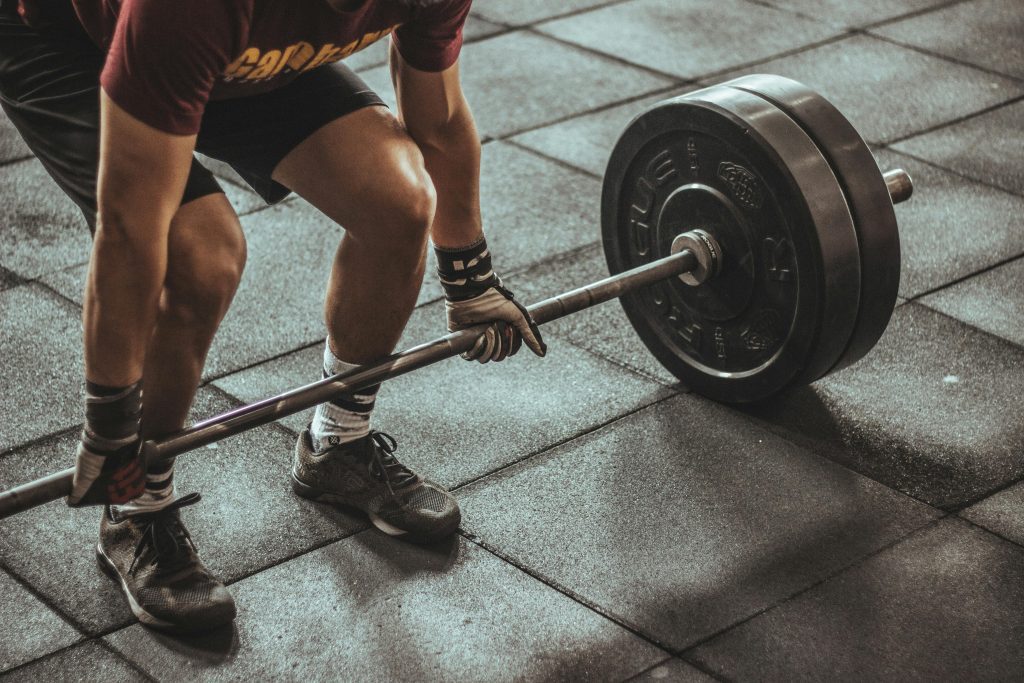
Strength training forms the foundation of athletic development across all sports. Your ability to generate force determines sprinting speed, change-of-direction ability, jumping power, and injury resilience. Even endurance athletes benefit significantly from strength work.
Essential Strength Training Principles
Maximum strength represents the greatest force you can produce, regardless of time. Developing maximum strength requires lifting heavy loads (85-95% of your one-rep max) for low repetitions (1-5 reps) with complete recovery between sets. This training primarily develops neural efficiency and muscle fibre recruitment.
Power combines strength with speed, representing your ability to generate force rapidly. Athletic movements rarely involve slow, heavy lifts; they require explosive force production. Training power involves lifting moderate loads (30-60% of max) with maximal acceleration, or performing plyometric exercises like box jumps and medicine ball throws.
Strength endurance allows you to maintain force production during prolonged or repeated efforts. This quality matters for sports involving repeated sprints, sustained resistance, or long-duration efforts. Training strength endurance requires moderate loads (60-75% max) for higher repetitions (8-15) with shorter rest periods.
Key Exercises for Athletic Performance
Certain exercises provide exceptional transfer to athletic performance due to their movement patterns and loading characteristics. These foundational movements should form the core of your strength programme.
Olympic Lifting Variations (cleans, snatches, jerks) develop explosive hip extension, the fundamental movement pattern in sprinting, jumping, and throwing. These lifts uniquely combine maximal power output with technical precision. Begin with simplified variations like hang cleans or power cleans before progressing to full lifts.
Bilateral Lower Body Exercises (squats, deadlifts, hip thrusts) build absolute strength in primary movers. Back squats develop overall leg strength and core stability. Deadlifts strengthen the posterior chain essential for acceleration and injury prevention. Hip thrusts maximally activate glutes, crucial for sprint speed and hip power.
Unilateral Lower Body Exercises (split squats, step-ups, single-leg deadlifts) address asymmetries and develop sport-specific stability. Most athletic movements occur on one leg; training this pattern improves transfer to actual performance. Single-leg work also prevents compensation patterns that develop when stronger limbs dominate bilateral exercises.
Upper Body Pressing and Pulling maintains balance and supports sport-specific arm actions. Rows, pull-ups, and deadlifts develop pulling strength for throwing, swimming, and contact sports. Pressing movements (bench press, overhead press) build pushing power and shoulder stability.
Sample Strength Training Programmes
Your training experience and sport demands determine optimal programming. These evidence-based templates provide starting points for different athlete levels.
Beginner Programme (0-1 years training):
- Frequency: 2-3 sessions weekly
- Sets/Reps: 3-4 sets of 6-8 repetitions
- Intensity: 70-80% of maximum
- Exercises: Focus on learning proper technique in foundational movements
- Progression: Add weight when you can complete all sets with proper form
Intermediate Programme (1-3 years training):
- Frequency: 3-4 sessions weekly
- Sets/Reps: Vary between strength (3-5 sets of 3-5 reps at 85-90%) and power (4-6 sets of 2-3 reps at 30-60% with maximal speed)
- Include dedicated power work: Olympic lift variations, loaded jumps, medicine ball throws
- Progression: Follow periodised plan alternating strength and power emphasis every 3-4 weeks
Advanced Programme (3+ years training):
- Frequency: 4-5 sessions weekly
- Sets/Reps: Use block periodisation, focusing on maximum strength (5×3 at 87-92%), explosive strength (5×5 at 75-85% with compensatory acceleration), or power (6×2 at 40-70% Olympic lifts)
- Periodisation: 3-week loading blocks followed by deload weeks
- Include contrast training pairing heavy strength with explosive power movements
Developing Cardiovascular Capacity and Metabolic Conditioning

Your aerobic engine determines sustainable pace and recovery between high-intensity efforts. Even power athletes benefit from improved cardiovascular capacity, as it accelerates recovery between sprints and training sessions.
Building Your Aerobic Base
Aerobic base training develops your body’s ability to utilise oxygen efficiently. This training occurs at conversational pace (you can hold a conversation whilst exercising), typically 60-75% of maximum heart rate. Despite feeling “easy,” this training produces crucial adaptations: increased mitochondrial density, enhanced capillary networks, improved fat oxidation, and elevated cardiac output.
Research from the University of Edinburgh found that athletes who dedicated 80% of training volume to aerobic base work whilst maintaining 20% at high intensity achieved superior performance compared to those using different ratios. This “80/20” principle applies across endurance sports.
Dedicate 8-12 weeks to base building before adding significant high-intensity work. Aim for 3-5 aerobic sessions weekly, lasting 30-90 minutes depending on your sport. Running, cycling, swimming, or rowing all develop aerobic capacity effectively. Choose activities that don’t interfere with recovery from your primary sport.
Threshold Training: Raising Your Ceiling
Your lactate threshold represents the intensity at which lactate production exceeds clearance, causing rapid fatigue accumulation. Improving this threshold allows you to sustain higher paces for longer durations. Threshold training feels “comfortably hard,” an effort you could maintain for 30-60 minutes.
Perform threshold intervals as sustained efforts (2-4 intervals of 6-15 minutes at threshold pace) with 2-3 minutes recovery, or as tempo runs (20-40 minutes continuous at threshold pace). Include 1-2 threshold sessions weekly during competitive phases.
Studies from Bath University demonstrate that threshold training produces the greatest improvement in time-trial performance for distances lasting 20-60 minutes. Athletes improved sustainable pace by 8-12% over 12 weeks of consistent threshold work.
High-Intensity Interval Training for Peak Performance
High-intensity interval training (HIIT) develops your capacity to produce and tolerate high lactate levels, improving performance in efforts lasting 30 seconds to 8 minutes. These sessions feel extremely challenging, requiring maximal or near-maximal effort.
VO2 Max Intervals (3-6 minutes at 95-100% max heart rate, with equal rest) improve maximum oxygen uptake. Perform 4-8 intervals once weekly.
Anaerobic Capacity Intervals (30-90 seconds all-out, with 3-5 times work-to-rest ratio) develop lactate tolerance. Examples include 8x400m with 2-minute recovery or 12×60-second bike sprints with 3-minute recovery.
Repeated Sprint Training (multiple short sprints with incomplete recovery) mimics team sport demands. Try 6-10 sets of 3-6 sprints lasting 5-15 seconds, with 30 seconds between sprints and 4 minutes between sets.
Limit HIIT to 2-3 sessions weekly, never on consecutive days. The high neural and metabolic demand requires substantial recovery.
| Training Type | Intensity | Duration | Recovery | Key Benefit |
|---|---|---|---|---|
| Aerobic Base | 60-75% max HR | 30-90 min | Short | Fat oxidation, mitochondrial density |
| Threshold | 80-90% max HR | 6-40 min | Moderate | Lactate clearance, sustainable pace |
| VO2 Max | 95-100% max HR | 3-6 min | Equal to work | Maximum oxygen uptake |
| Anaerobic | Maximal | 30-90 sec | 3-5x work | Lactate tolerance |
Optimising Nutrition for Athletic Performance
Proper nutrition provides the fuel for training, supports recovery, and enables adaptation. Even perfectly designed training fails without adequate nutritional support.
Macronutrient Requirements for Athletes
Carbohydrates fuel high-intensity training and replenish glycogen stores. Athletes training intensely need 5-8g per kilogram bodyweight daily. Time carbohydrates around training: consume 1-2g per kg 2-3 hours pre-training, and 1-1.2g per kg within 30 minutes post-training for optimal recovery.
Protein supports muscle repair and adaptation. Aim for 1.6-2.2g per kilogram bodyweight daily, distributed across 4-5 meals. Consuming 20-40g protein every 3-4 hours optimises muscle protein synthesis. Post-training protein intake within 2 hours accelerates recovery.
Fats support hormone production and provide sustained energy. Include 1-1.5g per kilogram bodyweight, emphasising omega-3 fatty acids from oily fish, nuts, and seeds. Avoid excessive fat immediately pre- or post-training, as it slows digestion.
Hydration and Performance
Dehydration exceeding 2% of bodyweight significantly impairs performance. Monitor hydration through urine colour (pale yellow indicates adequate hydration) and pre/post-training weight (every kg lost represents approximately 1 litre fluid deficit).
Drink 5-7ml per kilogram bodyweight 2-3 hours before training. During exercise exceeding 60 minutes, consume 600-1200ml per hour, including 30-60g carbohydrates if duration exceeds 90 minutes. Post-exercise, replace 150% of fluid lost (drink 1.5 litres for every kg bodyweight lost).
Preventing Injuries and Maintaining Athletic Performance
Injuries derail progress more effectively than any training mistake. Implementing systematic injury prevention strategies keeps you training consistently, which matters more than any single workout.
Common Athletic Injuries and Prevention Strategies
Overuse Injuries (tendinopathy, stress fractures, muscle strains) result from accumulated load exceeding tissue capacity. Prevent these by following the “10% rule”: increase weekly training volume by no more than 10%. Include regular deload weeks reducing volume by 40-50%.
Movement-Related Injuries (knee pain, lower back pain, shoulder impingement) stem from poor mechanics or mobility restrictions. Address these through regular mobility work, proper warm-ups, and technical coaching. Film yourself performing key movements to identify compensations.
Acute Injuries (sprains, tears) often occur during fatigue or when changing direction rapidly. Reduce risk through proper warm-ups, strength training emphasising eccentric control, and avoiding training when excessively fatigued.
Essential Warm-Up Protocol
Effective warm-ups prepare your nervous system, increase muscle temperature, and rehearse movement patterns. Allocate 15-20 minutes before training or competition.
Begin with 5 minutes of general aerobic activity raising heart rate to 60-70% maximum. Progress to dynamic mobility exercises addressing major joints: leg swings, arm circles, spinal rotations, and walking lunges. Include activation exercises targeting commonly underactive muscles: glute bridges, band pull-aparts, and core bracing.
Finish with sport-specific movement preparation, gradually progressing from 50% to 90% intensity. Sprinters perform progressive build-ups; weightlifters complete empty bar movements; footballers practice agility patterns.
Sample Training Programmes for Athletic Performance
These comprehensive programmes provide structured frameworks for different athletic goals. Adjust exercises, intensities, and volumes based on your specific sport and experience level.
12-Week Performance Development Programme
1-4: Base Building Phase
- Strength: 3 sessions weekly, 4×8 at 70-75% max
- Cardiovascular: 4 sessions weekly, 80% aerobic base, 20% threshold work
- Recovery: Focus on sleep quality and nutrition habits
- Goal: Establish foundation without accumulating fatigue
5-8: Intensification Phase
- Strength: 3 sessions weekly, 4×5 at 82-87% max, add 1 power session with Olympic lift variations
- Cardiovascular: 4 sessions weekly, include 2 threshold and 1 HIIT session alongside aerobic base
- Recovery: Implement recovery modalities (massage, foam rolling, stretching)
- Goal: Build specific qualities while managing increased training stress
9-11: Peaking Phase
- Strength: 2-3 sessions weekly, lower volume with maintained intensity (3×3-5 at 85-90%)
- Cardiovascular: 3-4 sessions weekly, 2 quality sessions (threshold or VO2 max) with aerobic recovery sessions
- Recovery: Prioritise sleep, reduce non-training stress
- Goal: Express developed qualities through reduced volume
12: Deload and Testing
- Reduce all training volume by 50%
- Perform performance tests to measure improvements
- Plan next training cycle based on results
Tracking Progress and Measuring Athletic Performance
Systematic tracking allows you to identify what’s working, adjust what isn’t, and maintain motivation through visible progress.
Key Performance Indicators to Monitor
Strength Metrics: Test maximum lifts quarterly (squat, deadlift, bench press). Track weekly training loads to ensure progressive overload. Monitor bar velocity using apps or simple video analysis to ensure explosive intent.
Cardiovascular Fitness: Perform regular time trials in your primary sport (5K run time, 2000m row time, cycling FTP test). Track resting heart rate weekly; decreasing values indicate improving fitness. Monitor heart rate variability (HRV) daily to assess recovery status.
Body Composition: Measure monthly rather than weekly, as meaningful changes occur slowly. Track circumferences (chest, waist, thigh, arm) alongside weight, as muscle gain may offset fat loss. Progress photos provide motivating visual evidence.
Subjective Measures: Rate daily readiness (1-10 scale) assessing sleep quality, muscle soreness, motivation, and stress. Declining readiness scores indicate accumulated fatigue requiring additional recovery.
When to Adjust Your Programme
Progress isn’t linear, but sustained plateaus indicate needed adjustments. If performance stagnates for 3-4 weeks despite consistent training and recovery, modify your approach.
Add training stimulus if you’re recovering well but not progressing. Options include increasing volume (more sets), raising intensity (heavier weights or faster paces), or adding frequency (more sessions weekly).
Reduce training stress if you’re accumulating fatigue without adaptation. Signs include elevated resting heart rate, decreased HRV, persistent muscle soreness, declining motivation, or increased illness frequency. Implement a deload week immediately.
Frequently Asked Questions About Athletic Performance
How long does it take to see performance improvements?
Neural adaptations produce strength gains within 2-4 weeks of consistent training. Cardiovascular improvements become noticeable in 4-6 weeks. Structural adaptations (muscle growth, increased mitochondrial density) require 8-12 weeks. Meaningful competitive improvements typically manifest after 12-16 weeks of structured training.
Can I improve athletic performance whilst losing body fat?
Yes, but with limitations. Beginners and overweight individuals can simultaneously lose fat and improve performance. Advanced athletes typically require separate phases focusing on either performance or body composition. Moderate calorie deficits (300-500 below maintenance) allow performance maintenance whilst promoting fat loss. Larger deficits compromise adaptation and recovery.
How much strength training do athletes need?
Minimum effective dose is 2 sessions weekly focusing on major compound movements. Intermediate athletes benefit from 3-4 weekly sessions. Advanced athletes may train 4-5 times weekly using upper/lower splits or push/pull/legs routines. Strength sessions should complement, not compromise, sport-specific training.
Should I train when feeling tired or sore?
Distinguish between normal training fatigue and overtraining symptoms. Mild soreness and moderate fatigue respond well to active recovery or reduced-intensity training. Severe soreness, elevated resting heart rate, decreased motivation, or poor sleep quality indicate need for complete rest. When in doubt, take an extra recovery day.
What supplements actually improve athletic performance?
Caffeine (3-6mg per kg bodyweight) enhances endurance and power output. Creatine monohydrate (5g daily) improves high-intensity efforts and supports muscle growth. Beta-alanine (3-6g daily) buffers lactate during intense efforts. Protein supplements conveniently meet daily requirements. Most other supplements lack robust evidence; prioritise whole foods and sleep quality.
How important is sleep for athletic performance?
Sleep is critically important. Athletes require 8-10 hours nightly for optimal recovery. Studies show that one night of poor sleep (less than 6 hours) decreases performance by 10-20%. Chronic sleep restriction impairs adaptation, increases injury risk, and compromises immune function. Prioritise consistent sleep schedules over extra training.
Can older athletes still improve performance?
Absolutely. Whilst maximum performance typically peaks in the 20s-30s, proper training produces significant improvements at any age. Masters athletes (35+) require longer recovery periods and more emphasis on mobility and injury prevention. Studies show 40-60 year-olds achieve similar percentage improvements as younger athletes when training appropriately.
How do I prevent overtraining?
Follow structured periodisation including regular deload weeks. Monitor subjective readiness daily and adjust training based on recovery status. Ensure adequate sleep (8+ hours), nutrition (meeting calorie and protein needs), and stress management. Include at least one complete rest day weekly. Warning signs include persistent fatigue, declining performance, mood changes, and increased illness.
What role does genetics play in athletic performance?
Genetics influence potential ceiling but not training response. Everyone improves with proper training regardless of genetic advantages. Genetic factors affecting performance include muscle fibre type distribution, VO2 max potential, and injury susceptibility. Focus on maximising your genetic potential through consistent, intelligent training rather than comparing yourself to others.
Related Guides: Dive Deeper Into Specific Topics
- Complete Guide to Strength Training: Master compound movements and progressive overload principles
- HIIT Training Protocols: Detailed interval programmes for different sports and fitness levels
- Sports Nutrition Essentials: Comprehensive meal planning and supplementation strategies for athletes
- Injury Prevention for Runners: Specific protocols to stay healthy whilst increasing mileage
- Recovery Strategies for Athletes: Evidence-based techniques to accelerate adaptation
- Building Explosive Power: Olympic lifting and plyometric progressions for all levels
- Endurance Training Plans: Structured programmes for 5K through marathon distances
- Mobility Work for Athletes: Essential stretching and movement quality practices
Conclusion: Your Path to Peak Athletic Performance
Improving your athletic performance requires systematic attention to training, recovery, and nutrition. Unlike casual fitness, performance development demands structured progression, intelligent periodisation, and consistent execution over months and years. The principles outlined in this guide apply whether you’re training for competitive sport, recreational athletics, or simply want to express your physical potential.
Key Takeaways:
- Athletic performance depends on five interconnected pillars: strength and power, cardiovascular capacity, movement quality, metabolic conditioning, and recovery
- Progressive overload through periodised training produces superior results compared to random high-intensity effort
- Strength training benefits all athletes, regardless of sport, through improved force production, injury resilience, and movement efficiency
- Cardiovascular development requires balancing 80% aerobic base work with 20% high-intensity training for optimal adaptation
- Proper nutrition and recovery enable training adaptations; neglecting these elements prevents progress regardless of training quality
Your First Three Actions:
- Assess your current baseline: Test key metrics (maximum lifts, time trial performance, movement quality) to identify specific limitations requiring attention.
- Implement a periodised training plan: Structure the next 12 weeks with distinct phases emphasising progressive development rather than constant maximum intensity.
- Prioritise recovery protocols: Establish consistent sleep schedules (8+ hours nightly), meet nutritional requirements, and include regular deload weeks in your training plan.
Remember that athletic performance develops through consistent, intelligent training over extended periods. There are no shortcuts to sustained improvement. However, athletes who apply evidence-based principles systematically achieve remarkable progress regardless of starting point. The difference between stagnation and breakthrough often lies not in training harder, but in training smarter with proper structure, adequate recovery, and strategic progression.
Your athletic potential awaits systematic development. Start implementing these principles today, trust the process, and watch your performance reach levels you previously thought impossible.


