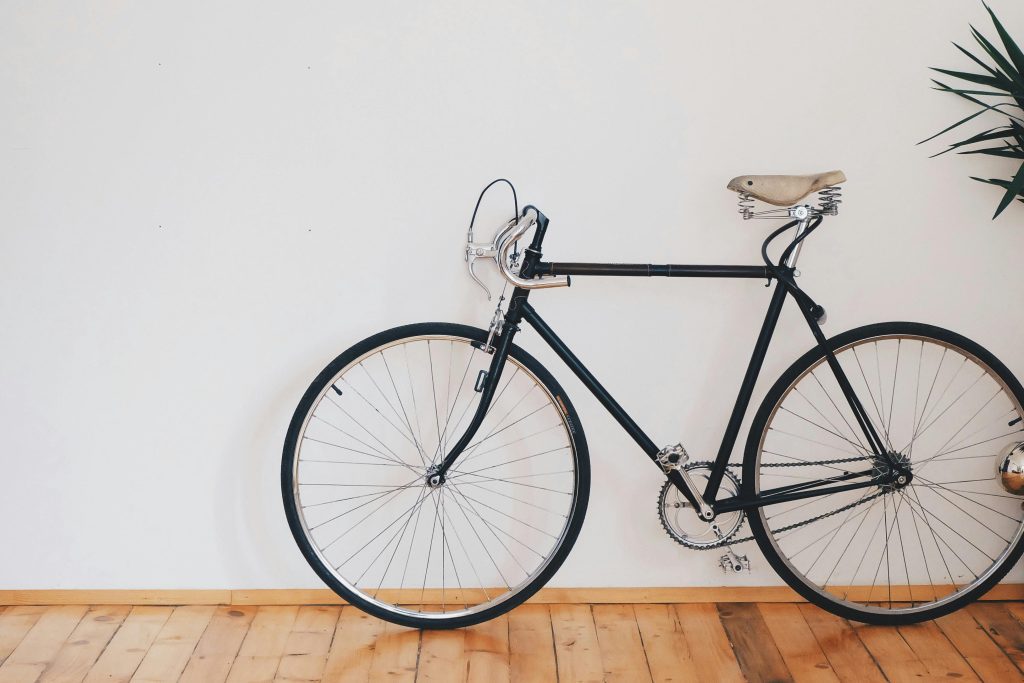
Thinking about hopping on a bike but not sure where to begin? You’re in the right place. A well-structured beginner cycling plan can transform cycling from an intimidating challenge into an enjoyable part of your weekly routine. Whether you’re dusting off an old bike from the shed or investing in a new set of wheels, this guide will help you build confidence, stamina, and a genuine love for pedalling. No spandex required—just a willingness to give it a go.
Why Start a Beginner Cycling Plan?
For more on this topic, you might enjoy: Your First Steps: A Beginner Running Plan to Build Real Fitness.
Cycling offers something for everyone. It’s low-impact, meaning it’s gentler on your joints than running, whilst still delivering brilliant cardiovascular benefits. According to NHS guidelines, adults should aim for at least 150 minutes of moderate activity each week, and cycling fits perfectly into that recommendation.
Beyond the physical perks, cycling gets you outdoors, helps clear your head, and can even save you money on commuting. A beginner cycling plan gives structure to your efforts, preventing burnout and reducing the risk of injury. Rather than going all-out on day one and feeling dreadful by day three, you’ll build gradually and sustainably.
Getting Set Up: What You Need Before You Start
Related: 7 Essential Weight Lifting Moves Every Woman Should Master (Complete Beginner’s Safety Guide).
Before launching into your beginner cycling plan, let’s cover the essentials. You don’t need to break the bank—just a few key items will do.
The Bike Itself
Any roadworthy bike will work for beginners. Whether it’s a hybrid, mountain bike, or road bike, choose something comfortable that suits your intended routes. Pop into a local bike shop for a quick safety check and saddle adjustment. A properly fitted bike makes all the difference to your comfort and enjoyment.
Safety Gear
A helmet is non-negotiable. Look for one that meets safety standards and fits snugly. Bright or reflective clothing helps other road users spot you, especially during those darker autumn and winter months. Consider adding lights to your bike if you’re cycling at dawn or dusk.
Basic Accessories
Invest in a small repair kit with a spare inner tube, tyre levers, and a pump. You’ll also want a water bottle—staying hydrated matters, even on shorter rides. Padded cycling shorts can make longer journeys more comfortable, but they’re not essential when you’re starting out.
Your Four-Week Beginner Cycling Plan
You may also find this helpful: 12 Thrilling Adventure Sports That’ll Transform Your Weekend: A Beginner’s Guide to Extreme Fun in the UK.
This beginner cycling plan assumes you’re starting from minimal cycling experience. It’s designed to be flexible, so adjust it to suit your schedule and fitness level. Aim for three rides per week, with rest days in between.
Week One: Finding Your Rhythm
Start gently. Your first rides should be about building confidence and getting used to being on the bike again.
- Ride 1: 15-20 minutes at an easy pace on flat terrain
- Ride 2: 20 minutes, maintaining a comfortable conversational pace
- Ride 3: 25 minutes, exploring a new local route
Focus on enjoying the experience rather than speed. Notice how your body feels, practice changing gears smoothly, and get comfortable with starting and stopping.
Week Two: Building Duration
Now that you’ve found your footing, gradually increase your time in the saddle.
- Ride 1: 25-30 minutes at a steady pace
- Ride 2: 30 minutes with one or two gentle hills
- Ride 3: 35 minutes on varied terrain
You might feel slight muscle soreness—that’s normal. Listen to your body and take extra rest if needed. This stage of your beginner cycling plan is about consistency, not heroics.
Week Three: Adding Variety
By week three, you’re ready to introduce some variety and challenge.
- Ride 1: 35 minutes with intervals—alternate between comfortable pace and slightly faster efforts for 1-2 minutes
- Ride 2: 40 minutes on a route with moderate hills
- Ride 3: 45 minutes exploring a longer distance
Intervals help build fitness without requiring long durations. You’ll notice improvements in your stamina and confidence tackling different terrains.
Week Four: Consolidating Progress
The final week of your beginner cycling plan is about cementing your new habits.
- Ride 1: 40 minutes with 2-3 intervals of increased effort
- Ride 2: 45 minutes on a challenging route
- Ride 3: 50-60 minutes at a comfortable, sustainable pace
By now, cycling should feel less daunting and more enjoyable. You’ve built a foundation to continue progressing or simply maintain this level for ongoing fitness benefits.
Essential Tips for Beginner Cyclists
Following a structured beginner cycling plan is brilliant, but a few practical tips will enhance your experience even further.
Master Basic Bike Handling
Practice looking over your shoulder whilst maintaining a straight line. Work on smooth braking—use both brakes together rather than grabbing just the front brake. These skills boost confidence, especially when navigating traffic or busy cycle paths.
Fuel Your Rides Properly
For rides under an hour, water is usually sufficient. For anything longer, consider bringing a snack like a banana or energy bar. Proper nutrition supports your performance and recovery.
Join a Community
Look for local cycling groups or beginner-friendly clubs. Riding with others provides motivation, helps you discover new routes, and makes the experience more social. Many groups offer no-drop rides that cater specifically to beginners.
Track Your Progress
Whether you use a cycling app, fitness tracker, or simple notebook, recording your rides helps you see improvements over time. Watching your distances and durations increase is incredibly motivating.
Common Mistakes to Avoid
When following any beginner cycling plan, certain pitfalls can derail your progress. Here’s what to watch out for.
Doing too much, too soon: Enthusiasm is wonderful, but overdoing it leads to exhaustion or injury. Stick to the plan and resist the urge to add extra rides until your body adapts.
Ignoring pain: Some muscle soreness is normal, but sharp or persistent pain isn’t. If something hurts, take a break and consult a professional if it continues.
Neglecting bike maintenance: A poorly maintained bike is frustrating and potentially dangerous. Check tyre pressure before each ride and have your bike serviced regularly.
Comparing yourself to others: Everyone’s fitness journey is unique. Focus on your own progress rather than matching what others are doing.
After the First Month: What’s Next?
Congratulations—you’ve completed your beginner cycling plan! So what comes next? You have several options depending on your goals and interests.
You might continue building distance gradually, aiming for longer weekend rides. Or perhaps you’d like to focus on speed, incorporating more interval training. Commuting by bike is another excellent way to maintain consistency whilst adding practical benefits to your routine.
Consider setting a goal, such as a local charity ride or sportive event. Having something to work towards keeps motivation high. Many events offer beginner-friendly distances, typically starting around 25-50 kilometres.
Most importantly, keep it enjoyable. Cycling shouldn’t feel like a chore. Explore new routes, ride with friends, and remember why you started. The British Cycling website offers resources for continued progression, including training plans and local clubs.
Your fitness will continue improving as long as you stay consistent. Even maintaining three rides per week will deliver significant health benefits and keep your cycling skills sharp.
Conclusion
Starting a beginner cycling plan is one of the best decisions you can make for your physical and mental wellbeing. With the right approach—gradual progression, proper equipment, and a focus on enjoyment—cycling can become a lifelong habit that brings countless rewards. You don’t need to be fast, fancy, or fearless. You just need to start. So grab that helmet, hop on your bike, and discover where two wheels can take you. The open road is waiting, and you’re more than ready for it.
Frequently Asked Questions
How often should a beginner cycle each week?
Three times per week is ideal for beginners. This frequency allows your body to adapt whilst providing adequate rest between sessions. As you progress, you can increase to four or five rides if you wish, but three rides will deliver excellent fitness improvements when you’re starting out.
What distance should a beginner cyclist aim for?
Begin with 15-20 minutes per ride, which typically translates to 3-5 kilometres depending on your pace. Gradually increase duration by 5-10 minutes each week. By the end of your first month following a beginner cycling plan, aiming for 50-60 minute rides (roughly 15-20 kilometres) is realistic for most people.
Do I need special cycling clothes as a beginner?
Not necessarily. Comfortable athletic clothing works perfectly fine when starting. Avoid loose trousers that might catch in the chain. Once you’re cycling regularly, padded shorts can improve comfort, and moisture-wicking fabrics help with temperature regulation, but these are nice-to-haves rather than essentials for your first rides.
Key Takeaway
A beginner cycling plan transforms cycling from overwhelming to achievable by breaking the process into manageable weekly goals. Start with 15-20 minute rides three times per week, gradually building to 50-60 minutes over four weeks. Focus on consistency over intensity, invest in basic safety equipment, and remember that every cyclist started exactly where you are now. With patience and persistence, you’ll build both fitness and confidence, discovering that cycling isn’t just exercise—it’s freedom, adventure, and a brilliant way to explore your surroundings whilst improving your health.


