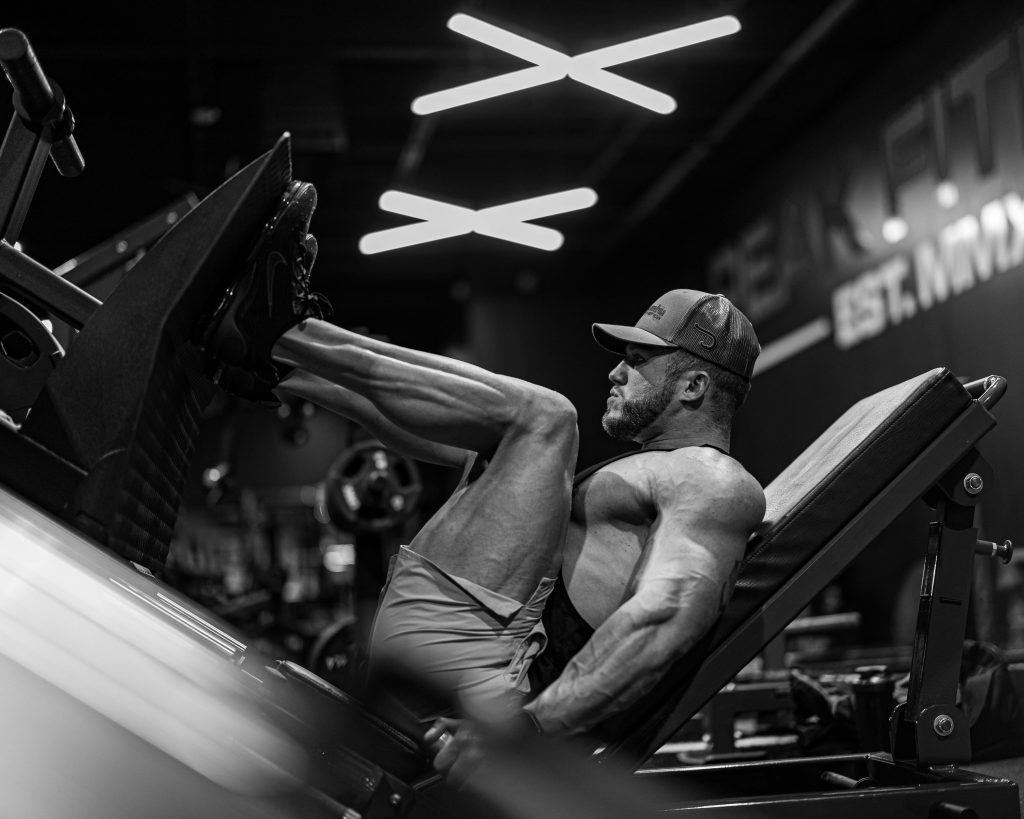
A beginner push pull legs workout plan is the secret weapon thousands of gym-goers wish they’d discovered sooner. This training structure transforms the overwhelming chaos of fitness into a simple, repeatable system that builds real strength without confusion or burnout. If you’ve ever walked into a gym feeling completely lost about what exercises to do or how to structure your week, you’re about to discover the solution that’s helped countless beginners transform their bodies and confidence.
📖 Reading time: 22 minutes
Picture this: You’ve finally signed up for that gym membership you’ve been considering for months. You walk through the doors, surrounded by equipment you don’t recognize, watching experienced lifters move confidently between machines whilst you haven’t got the faintest idea where to start. You awkwardly attempt a few exercises you’ve seen on Instagram, then leave feeling frustrated and defeated. Sound familiar? This exact scenario plays out in gyms across the UK every single day, but it doesn’t have to be your story. The beginner push pull legs workout plan eliminates this paralysis by giving you a clear roadmap to follow.
What Is a Push Pull Legs Workout Plan?
For more on this topic, you might enjoy: From Couch to 10K: The 8-Week Training Plan That Actually Works for Complete Beginners.
The push pull legs workout plan divides your training into three distinct categories based on movement patterns. On push days, you work muscles that push weight away from your body—your chest, shoulders, and triceps. Pull days target muscles that pull weight towards you—your back, biceps, and rear shoulders. Legs days focus entirely on your lower body—quadriceps, hamstrings, glutes, and calves.
This simple categorization is brilliant because it prevents you from overtraining specific muscle groups whilst ensuring balanced development. When you perform a chest exercise on Monday, those muscles need 48-72 hours to recover properly. With a push pull legs workout plan, your chest doesn’t get worked again until Thursday or Friday, giving it adequate recovery time. Meanwhile, you’re training other muscle groups productively.
According to NHS exercise guidelines for adults, strength training should target all major muscle groups at least twice per week. The push pull legs structure achieves this perfectly when repeated twice weekly, making it evidence-based as well as practical.
What makes this approach particularly effective for beginners is its simplicity. You don’t need to memorize dozens of exercises or create complicated spreadsheets. Once you understand the three categories, you can confidently walk into any gym knowing exactly what you’re training that day.
Common Myths About Beginner Push Pull Legs Workout Plans
Related: Your First Steps: A Beginner Running Plan That Actually Works.
Myth: You Need Advanced Experience to Follow This Split
Reality: The beginner push pull legs workout plan is actually one of the most suitable structures for newcomers. The confusion stems from seeing advanced bodybuilders using this split, but the framework adapts perfectly to any experience level. Beginners simply use fewer exercises per session (4-5 instead of 8-10) and lighter weights whilst focusing on proper form. The structure itself—organizing exercises by movement pattern—is actually easier to understand than random full-body routines with no clear logic.
Myth: You Must Train Six Days Per Week
Reality: Whilst some experienced lifters run the push pull legs split six days weekly, beginners achieve excellent results training just three days per week—one push, one pull, one legs session. This three-day approach provides sufficient stimulus for muscle growth and strength gains without risking burnout or overtraining. You can always increase frequency later as your recovery capacity improves. Starting with three days also makes the routine sustainable for people juggling work, family, and other commitments.
Myth: You Need Expensive Equipment or a Fancy Gym
Reality: The fundamental movements in a push pull legs workout plan can be performed with minimal equipment. A basic set of dumbbells, a pull-up bar, and a sturdy surface for exercises like Bulgarian split squats covers most requirements. Whilst a fully-equipped gym provides more variety, thousands of people successfully follow this workout structure at home or in basic council leisure centres. The movement patterns matter more than the specific equipment used.
Why the Push Pull Legs Structure Works for Beginners
You may also find this helpful: Lower Body Dumbbell Workout: Your Complete Guide to Stronger Legs at Home
Research from BBC Health reporting on exercise science consistently shows that structured resistance training produces superior results compared to random workout selections. The push pull legs approach provides this structure whilst remaining flexible enough to accommodate different schedules and goals.
The genius of this beginner push pull legs workout plan lies in its recovery optimization. When you train chest on Monday, those muscle fibers experience microscopic damage that requires time to repair stronger. If you trained chest again Tuesday, you’d interrupt this recovery process. Instead, Tuesday’s pull session works completely different muscle groups, allowing your chest to recover whilst you’re still training productively.
This split also prevents the “Monday is chest day” syndrome you’ll notice in most commercial gyms. Traditional body-part splits often leave people with underdeveloped backs and legs because they prioritize “show muscles” like chest and arms. The push pull legs framework ensures equal attention to your entire physique. Your back gets the same training frequency as your chest. Your legs receive a dedicated session rather than being squeezed in as an afterthought.
Another advantage for beginners is movement pattern learning. When you perform multiple pushing exercises in one session, your nervous system becomes increasingly efficient at that movement pattern. Your first exercise might feel awkward, but by your third pushing movement, your body understands the pattern better. This concentrated practice accelerates skill development more effectively than spreading different movement patterns randomly throughout the week.
The psychological benefits matter too. Having a clear plan eliminates decision fatigue. You wake up knowing it’s push day, and you already know which muscles you’re training. This certainty builds consistency, and consistency is the single most important factor in achieving fitness results.
Setting Up Your Beginner Push Pull Legs Workout Plan
Starting your push pull legs workout plan requires minimal preparation but maximum clarity. First, determine your weekly training frequency. Three days per week suits most beginners perfectly—perhaps Monday (push), Wednesday (pull), and Friday (legs). This schedule provides two rest days between each session, allowing complete recovery.
Each session should last 45-60 minutes initially. Beginners don’t need marathon workouts. Your body responds to training stimulus, not training volume, especially in the early months. Four to five exercises per session, performed with proper form and appropriate intensity, deliver excellent results.
For equipment, you’ll need access to basic resistance. If training at home, a pair of adjustable dumbbells provides remarkable versatility for a beginner push pull legs workout plan. Look for options that adjust between 5-20kg per hand, giving you room to progress as you strengthen. A sturdy chair or bench expands your exercise options considerably. Pull-up assistance bands help bridge the gap if you can’t yet perform full pull-ups.
The warm-up deserves attention. Spend 5-10 minutes preparing your body before lifting. Light cardio like brisk walking or cycling increases blood flow, followed by dynamic stretching targeting the muscles you’ll train that session. On push day, perform arm circles, wall slides, and light pressing movements with no weight. This preparation reduces injury risk and improves performance.
Tracking progress is non-negotiable for beginners. Use a simple notebook or phone app to record every session—exercises performed, weights used, repetitions completed, and how you felt. This data becomes invaluable for ensuring progressive overload, the fundamental principle of strength building. You can’t improve what you don’t measure.
Your Complete Beginner Push Pull Legs Workout Plan
Push Day Structure
Your push day targets chest, shoulders, and triceps through pressing movements. Begin with a compound exercise that recruits multiple muscle groups simultaneously, then progress to more isolated movements.
Exercise 1: Dumbbell Chest Press – Lie on a bench or the floor with dumbbells at chest level. Press the weights upward until your arms fully extend, then lower controlled back to starting position. Perform 3 sets of 8-12 repetitions. This foundational movement builds pressing strength and chest development.
Exercise 2: Standing Dumbbell Shoulder Press – Hold dumbbells at shoulder height, palms facing forward. Press weights overhead until arms extend fully, then lower controlled. Complete 3 sets of 8-12 repetitions. This develops shoulder strength crucial for countless daily activities.
Exercise 3: Incline Dumbbell Press – Set a bench to 30-45 degrees. Press dumbbells from chest level to full extension, emphasizing the upper chest. Perform 3 sets of 10-12 repetitions. This variation ensures complete chest development.
Exercise 4: Lateral Raises – Hold light dumbbells at your sides. Raise them laterally until parallel with the floor, then lower controlled. Complete 3 sets of 12-15 repetitions. This isolates the shoulder muscles responsible for width.
Exercise 5: Tricep Dips or Overhead Extensions – Either perform dips on a sturdy surface or hold a dumbbell overhead and lower it behind your head, extending back to starting position. Finish with 3 sets of 10-12 repetitions, completing the push day pattern.
Pull Day Structure
Pull day develops your back, biceps, and rear shoulders—muscles often neglected but critical for posture, injury prevention, and balanced physique development.
Exercise 1: Dumbbell Rows – Place one knee and hand on a bench, holding a dumbbell in the opposite hand. Pull the weight to your hip, squeezing your shoulder blade back, then lower controlled. Complete 3 sets of 8-12 repetitions per side. This fundamental pulling movement builds back thickness.
Exercise 2: Pull-ups or Assisted Pull-ups – Hang from a bar with hands slightly wider than shoulder-width. Pull yourself upward until your chin clears the bar, then lower controlled. If unable to perform full pull-ups, use an assistance band or perform negative repetitions (jumping up, lowering slowly). Aim for 3 sets of as many quality repetitions as possible.
Exercise 3: Dumbbell Pullovers – Lie perpendicular across a bench, holding a dumbbell above your chest with both hands. Lower the weight behind your head in an arc, then pull back to starting position. Perform 3 sets of 10-12 repetitions. This unique movement targets back width.
Exercise 4: Bicep Curls – Stand holding dumbbells at your sides, palms forward. Curl weights toward shoulders, squeezing biceps, then lower controlled. Complete 3 sets of 10-12 repetitions. This classic exercise directly targets the biceps.
Exercise 5: Face Pulls or Reverse Flyes – Bend forward slightly, holding light dumbbells. Raise them laterally, squeezing shoulder blades together, targeting rear shoulders and upper back. Finish with 3 sets of 12-15 repetitions, balancing all the pressing work from push day.
Legs Day Structure
Legs day strengthens your entire lower body—the foundation supporting every physical activity in daily life and the largest muscle group driving metabolic benefits.
Exercise 1: Goblet Squats – Hold a dumbbell at chest level. Squat down until thighs reach parallel with the floor, then stand. The front-loaded weight helps maintain upright posture. Complete 3 sets of 10-12 repetitions. This movement pattern is fundamental to human function.
Exercise 2: Romanian Deadlifts – Hold dumbbells in front of thighs. Hinge at hips, lowering weights along legs until you feel hamstring tension, then return to standing. Perform 3 sets of 10-12 repetitions. This posterior chain exercise develops hamstrings and glutes.
Exercise 3: Walking Lunges or Split Squats – Step forward into a lunge, lowering back knee toward the floor, then push back to standing. Alternate legs. Complete 3 sets of 10-12 repetitions per leg. This unilateral work addresses muscle imbalances.
Exercise 4: Leg Curls (Dumbbell or Resistance Band) – Lie face down, securing a dumbbell between your feet or using a resistance band. Curl your heels toward your glutes, then lower controlled. Perform 3 sets of 12-15 repetitions, isolating the hamstrings.
Exercise 5: Calf Raises – Stand with the balls of your feet on an elevated surface, holding dumbbells for resistance. Rise onto your toes, squeezing calves, then lower below the starting position for a full stretch. Finish with 3 sets of 15-20 repetitions, developing often-neglected calves.
Your First Four Weeks Action Plan
Implementing your beginner push pull legs workout plan requires patience and progressive challenge. This structured timeline sets realistic expectations whilst building sustainable habits.
- Week 1: Learning Phase – Focus exclusively on exercise technique rather than weight lifted. Use lighter dumbbells that allow perfect form for all prescribed repetitions. Record how each exercise feels and which movements feel awkward. Rest 90-120 seconds between sets. Your muscles might not feel exhausted, but your nervous system is learning complex movement patterns.
- Week 2: Establishing Baseline – Increase weights slightly on exercises where form remained perfect throughout Week 1. Aim to reach near-failure (where you could perform 1-2 more repetitions if needed) on final sets. Continue prioritizing form over weight. Begin noticing which exercises feel natural and which need more practice.
- Week 3: Building Consistency – By now, the push pull legs structure feels familiar. Your warm-ups become more efficient. You know which weights to grab without experimentation. This week, attempt to add one repetition or increase weight by 1-2kg on at least two exercises. Small progressions compound over time.
- Week 4: First Assessment – Compare your Week 4 performance to Week 1 records. Most beginners discover they’re lifting 20-40% more weight with better form. This tangible progress motivates continued consistency. After this week, consider taking a deload week (reducing volume by 50%) if feeling fatigued, or continue progressing if feeling strong.
After completing this initial four-week phase, continue the same beginner push pull legs workout plan for another 4-8 weeks. Consistency with basic exercises produces better results than constantly changing routines. Only when you can comfortably perform the upper repetition ranges with good form should you consider exercise variations.
Mistakes to Avoid (And How to Fix Them)
Mistake 1: Training Too Heavy Too Soon
Why it’s a problem: Ego lifting with weights too heavy compromises form, increasing injury risk whilst reducing the actual muscle stimulation. Your muscles don’t know how much weight you’re lifting—they only know the tension experienced. Poor form with heavy weight often creates less muscle tension than perfect form with moderate weight.
What to do instead: Select weights allowing you to complete all prescribed repetitions with controlled, deliberate movement. The final two repetitions should feel challenging but achievable without form breakdown. If you’re swinging weights, arching excessively, or using momentum, reduce the load. Progressive overload works over months, not days.
Mistake 2: Neglecting Rest Days
Why it’s a problem: Beginners often believe more training produces faster results. The opposite is true. Muscle growth occurs during recovery, not during workouts. Training too frequently without adequate rest leads to stalled progress, persistent fatigue, and increased injury susceptibility. The push pull legs structure already optimizes training frequency—adding extra sessions undermines the system.
What to do instead: Treat rest days as seriously as training days. They’re part of your program, not lost opportunities. On rest days, focus on sleep quality, proper nutrition, and light activity like walking. If you feel compelled to move, perform gentle stretching or a 20-minute walk rather than another lifting session.
Mistake 3: Ignoring Progression Tracking
Why it’s a problem: Without records, you can’t verify if you’re actually progressing. Many beginners repeat the same weights session after session, wondering why they’re not seeing results. Progressive overload—gradually increasing training stimulus—drives adaptation. You can’t apply progressive overload if you don’t know what you lifted last session.
What to do instead: Record every workout detail. Note exercises, sets, repetitions, and weights used. Before each session, review previous performance for those exercises. Aim to slightly exceed it—one more repetition, 1kg heavier, or better form. These small improvements compound dramatically over months.
Mistake 4: Skipping Warm-ups
Why it’s a problem: Cold muscles and joints lifting heavy weights is a recipe for injury. Warm-ups increase blood flow, improve joint lubrication, activate stabilizer muscles, and mentally prepare you for challenging work. The 5-10 minutes “saved” by skipping warm-ups might cost weeks or months recovering from preventable injuries.
What to do instead: Never skip your warm-up. Spend 5 minutes on light cardio, then perform dynamic stretches targeting the muscles you’ll train. Finally, complete 1-2 warm-up sets of your first exercise with just the bar or light dumbbells before working sets. This investment pays dividends in performance and injury prevention.
Mistake 5: Comparing Your Beginning to Someone Else’s Middle
Why it’s a problem: Social media showcases experienced lifters performing impressive feats, creating unrealistic expectations for beginners. Comparing your Week 2 performance to someone’s Year 2 progress breeds discouragement and impatience. Everyone started as a beginner, including those advanced lifters you admire.
What to do instead: Compete only against your previous self. Focus on your personal progression rather than others’ achievements. Take progress photos and measurements monthly. Celebrate your improvements—they’re significant even if they don’t match someone else’s journey. According to research on exercise adherence, self-comparison rather than social comparison predicts long-term success.
Nutrition Essentials for Your Push Pull Legs Program
The most perfectly designed beginner push pull legs workout plan fails without proper nutrition support. Your training creates the stimulus for growth; nutrition provides the building blocks and energy making that growth possible.
Protein intake takes priority. The British Dietetic Association recommends approximately 1.4-2.0g of protein per kilogram of body weight for people engaged in regular strength training. For someone weighing 75kg, this means 105-150g daily. Distribute this across 3-4 meals rather than consuming most in one sitting—research shows distributed protein intake optimizes muscle protein synthesis.
Carbohydrates fuel your training sessions. Contrary to popular misconceptions, carbs don’t make you fat—excess calories do. When following a demanding workout structure like push pull legs, adequate carbohydrate intake ensures you can train intensely without depleting energy stores. Prioritize complex carbohydrates like oats, brown rice, potatoes, and wholegrain bread around training times.
Hydration dramatically affects performance. Even mild dehydration reduces strength and endurance. Aim for at least 2-3 liters of water daily, increasing on training days. A simple hydration check: your urine should be pale yellow. Dark yellow indicates insufficient hydration. Having a good quality water bottle makes tracking intake simpler—look for one with measurement markings and an easy-carry design.
Timing matters less than total daily intake, but strategic nutrition optimizes performance. Consume a meal containing protein and carbohydrates 2-3 hours before training, or a lighter snack 45-60 minutes beforehand if you train early morning. Post-workout, prioritize protein within a few hours, though the often-cited “30-minute anabolic window” is largely mythical for beginners.
Adapting the Push Pull Legs Plan to Your Schedule
Life’s demands don’t always accommodate ideal training schedules. The beauty of the push pull legs structure is its flexibility despite being structured.
The standard three-day beginner approach works Monday-Wednesday-Friday, but you can equally train Tuesday-Thursday-Saturday, or any three non-consecutive days. The key principle: avoid training consecutive days initially. Your body needs recovery time between sessions.
What if you miss a session? Simply continue where you stopped. If you completed push and pull but missed legs, perform legs day next, then resume the cycle. The world doesn’t end from occasional missed sessions—consistency over months matters far more than perfect adherence in a single week.
Some beginners eventually progress to a six-day schedule, running the entire push pull legs cycle twice weekly. This advanced approach (push-pull-legs-push-pull-legs, one rest day) suits people with excellent recovery capacity and several months of training experience. Most beginners achieve outstanding results maintaining the three-day structure for their first 6-12 months.
Travelling or on holiday? Bodyweight variations maintain your routine without equipment. Perform press-ups and pike press-ups for push day, pull-ups or inverted rows (using a sturdy table) for pull day, and bodyweight squats with single-leg variations for legs day. Maintaining the movement patterns matters more than specific equipment used.
Measuring Progress Beyond the Scale
Many beginners fixate on bodyweight as their primary progress metric. This creates frustration when the scale doesn’t move as expected, despite significant improvements occurring simultaneously.
Strength progression provides the most reliable indicator for beginners following a push pull legs workout plan. If you’re lifting heavier weights for the same repetitions, or completing more repetitions with the same weights, you’re progressing. This objective data removes emotional interpretation.
Progress photographs reveal changes the mirror misses. Take front, side, and back photos in consistent lighting, clothing, and time of day every 4 weeks. Place photos side-by-side for comparison. The changes that seem invisible day-to-day become obvious across monthly comparisons.
Measurements provide numerical evidence. Record chest, waist, hips, arms, and thighs monthly. A basic fabric measuring tape suffices. Measure at the same time of day in the same locations. These numbers often show improvements when bodyweight remains static—indicating you’re building muscle whilst losing fat simultaneously, a common phenomenon for beginners.
Performance in daily activities matters tremendously. Do stairs feel easier? Can you carry shopping bags without strain? Does playing with children or grandchildren feel less exhausting? These practical improvements represent the real value of fitness beyond aesthetics.
Energy levels and sleep quality often improve dramatically within weeks of starting structured training. If you’re sleeping more soundly and waking more refreshed, your program is working regardless of what the scale shows.
Quick Reference Checklist
- Train three days weekly with at least one rest day between sessions for optimal recovery
- Complete 4-5 exercises per session, performing 3 sets of 8-12 repetitions for each movement
- Record every workout in a notebook or app to track progressive overload consistently
- Warm up for 5-10 minutes before training and cool down with light stretching afterwards
- Consume 1.4-2.0g of protein per kilogram of bodyweight daily to support muscle development
- Select weights that allow completing all repetitions with proper form—the last two reps should feel challenging
- Prioritize exercise technique over weight lifted, especially during your first month of training
- Take progress photos and measurements monthly rather than obsessing over daily scale weight
Frequently Asked Questions
How long should I follow a beginner push pull legs workout plan before changing routines?
Most beginners benefit from maintaining the same push pull legs structure for at least 6-12 months before considering changes. Consistency with basic exercises produces superior results compared to constantly switching programs. As long as you’re progressively increasing weights or repetitions, the program is working. Only change when progress genuinely stalls for 3-4 consecutive weeks despite proper nutrition and recovery.
Can I do cardio alongside my push pull legs training?
Absolutely. Moderate cardio complements strength training beautifully. Add 20-30 minutes of low-intensity cardio after lifting sessions, or perform separate cardio sessions on rest days. Walking, cycling, or swimming work well. Avoid excessive high-intensity cardio that might compromise recovery from your strength training. The NHS recommends 150 minutes of moderate cardio weekly alongside strength work, which fits perfectly around a three-day push pull legs schedule.
What if I can’t perform certain exercises like pull-ups?
Many beginners cannot initially perform pull-ups—this is completely normal. Use resistance bands looped around the pull-up bar to assist the movement, or perform inverted rows underneath a sturdy table instead. Negative pull-ups (jumping to the top position, lowering slowly) build strength quickly. Alternatively, lat pulldown machines provide similar benefits if you have gym access. As you strengthen throughout your push pull legs program, these assisted variations eventually become full pull-ups.
Do I need supplements to see results from this workout plan?
Not at all. Supplements are supplementary—they enhance an already solid foundation of training and nutrition, but cannot replace those fundamentals. Most beginners achieve excellent results from the beginner push pull legs workout plan with proper food intake alone. If your diet consistently lacks protein, a simple whey protein powder might help reach daily targets conveniently. Creatine monohydrate shows modest benefits in research, but focus on consistency with training and whole food nutrition before considering any supplements.
When will I start seeing visible results from my push pull legs training?
Strength improvements appear first—expect to lift noticeably heavier weights within 2-4 weeks as your nervous system adapts. Visible physical changes typically emerge around 6-8 weeks with consistent training and proper nutrition. Friends and family often notice changes around 8-12 weeks before you do. Significant transformation becomes obvious after 3-6 months of dedicated work. Remember that progress isn’t linear—some weeks show dramatic improvements, others feel static, but the overall trend climbs steadily upward with persistence.
Your Next Steps Start Today
The beginner push pull legs workout plan you’ve discovered provides everything needed to build genuine strength and transform your physique. You understand the structure—push, pull, legs—and why this organization optimizes recovery whilst building balanced development. You’ve got specific exercises for each session, a four-week implementation timeline, and solutions to common obstacles before they arise.
The difference between people who achieve their fitness goals and those who don’t rarely comes down to knowledge. You now possess the knowledge. The difference is action. Specifically, consistent action repeated over months, not sporadic intensity followed by weeks of nothing.
Your push pull legs workout plan doesn’t require perfect circumstances to begin. You don’t need to wait until Monday, or the start of next month, or when you’ve bought certain equipment. Start with what you have access to today. Three training sessions weekly, basic exercises, progressive challenge, adequate nutrition, and sufficient recovery. These fundamentals produce remarkable results regardless of starting fitness level.
Schedule your first three sessions right now. Put them in your phone calendar with alerts. Treat them as seriously as medical appointments—non-negotiable commitments to yourself. Prepare everything needed tonight: workout clothes, water bottle, training log. Remove every possible barrier between you and that first session.
Twelve weeks from now, you’ll either wish you’d started today or be incredibly grateful that you did. The choice is entirely yours, and it happens in the next few hours, not eventually. Pick up those weights. Begin the first session. Trust the process, stay consistent, and prepare to surprise yourself.


