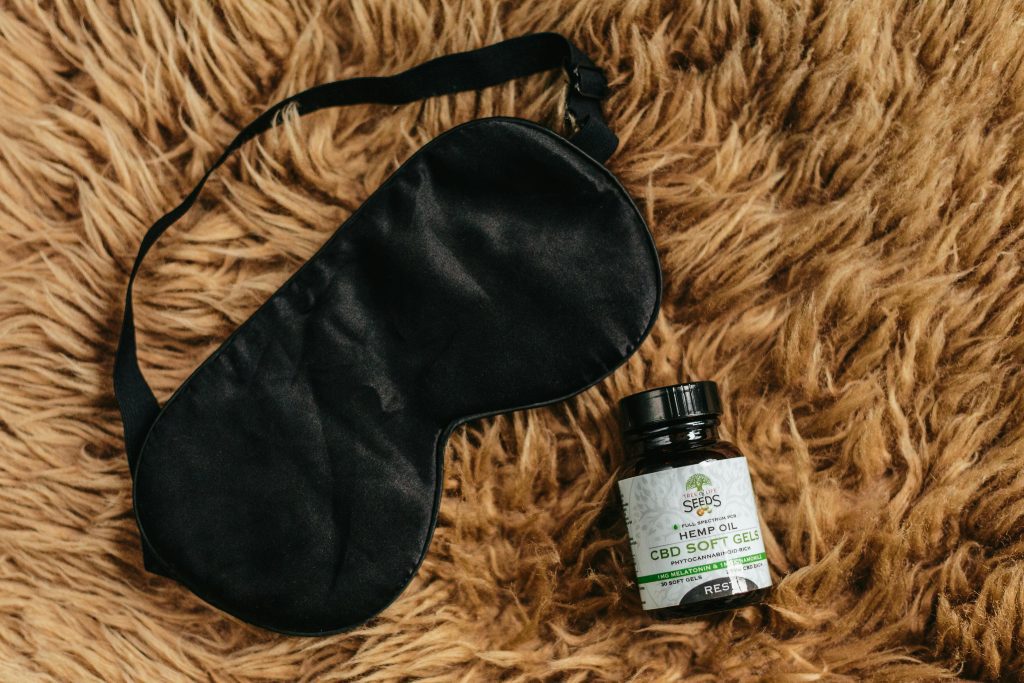
You’ve tried counting sheep, listening to sleep podcasts, and even that expensive lavender pillow spray. Yet here you are at 2am, staring at the ceiling, wondering if you’ll ever get a decent night’s rest again. Sound familiar? You’re not alone. According to NHS research, roughly one in three people in the UK struggle with insomnia at some point in their lives.
The thing is, most people reach for prescription medications or simply suffer through sleepless nights, not realising there’s a middle ground. Natural sleep supplements have come a long way from the questionable potions your grandmother swore by. Modern science has identified several compounds that genuinely support better sleep without leaving you groggy the next morning or potentially addictive. We’re talking about evidence-backed options that work with your body’s natural sleep processes, not against them.
Common Myths About Natural Sleep Supplements
Related reading: Stop Overthinking Before Bed: 5 Techniques That Actually Work.
Before we dive into what actually works, let’s clear up some persistent misconceptions about the best natural sleep supplements that actually work for insomnia.
Myth: Natural means they’re all safe and can’t cause side effects
Reality: Just because something comes from nature doesn’t automatically make it safe for everyone. Natural compounds are still biologically active substances that interact with your body’s systems. Some can interfere with medications, cause allergic reactions, or produce unwanted effects. The best natural sleep supplements that actually work for insomnia are those used correctly, at appropriate doses, and with awareness of potential interactions.
Myth: Sleep supplements work instantly like prescription medications
Reality: Natural sleep aids typically work more gradually than pharmaceutical options. Many need to be taken consistently for several days or weeks to build up in your system and show full effects. This isn’t a weakness. It’s actually part of why they tend to be gentler on your body and less likely to cause dependency.
Myth: More is always better when it comes to dosage
Reality: Higher doses don’t necessarily mean better sleep. In fact, taking too much of certain supplements can backfire completely, leaving you feeling worse. Research shows that optimal doses vary significantly between individuals, and sometimes less is genuinely more effective.
Understanding Why These Natural Sleep Supplements Work
You might also enjoy: Simple Vagus Nerve Exercises for Stress Relief That Actually Work.
Your sleep-wake cycle relies on a complex interplay of hormones, neurotransmitters, and environmental cues. When this system gets disrupted by stress, irregular schedules, screen time, or health issues, sleep suffers. The best natural sleep supplements that actually work for insomnia target specific parts of this system.
Think of your brain as having a dimmer switch rather than an on-off button. Throughout the day, various chemicals keep the lights bright and your mind alert. As evening approaches, different compounds should naturally increase to dim those lights and prepare you for rest. When insomnia strikes, it’s often because this dimmer switch isn’t functioning properly.
Natural supplements work by either boosting the “dimming” compounds, reducing the “alertness” signals, or helping synchronise your internal clock. The most effective ones do this without drastically forcing your body into an artificial state, which is why you typically wake up feeling more refreshed compared to pharmaceutical options.
Magnesium: The Mineral Most People Don’t Get Enough Of
Magnesium deserves its reputation as one of the best natural sleep supplements that actually work for insomnia, particularly if you’re among the estimated 70% of UK adults who don’t meet daily requirements through diet alone.
This mineral plays a crucial role in regulating neurotransmitters that calm your nervous system. Specifically, magnesium activates GABA receptors in your brain, the same ones that prescription sleep medications target. The difference? Magnesium does this gently and naturally, without the dependency risk.
What the research shows
A study published in the Journal of Research in Medical Sciences found that elderly participants taking 500mg of magnesium daily experienced significant improvements in sleep quality, duration, and reduced early morning waking. Their cortisol levels (your stress hormone) also decreased noticeably.
Magnesium doesn’t just help you fall asleep. It improves sleep architecture, meaning you spend more time in the deep, restorative stages that leave you feeling genuinely refreshed. According to NHS guidance on minerals, adults need 300mg daily for men and 270mg for women.
Which type to choose
Not all magnesium supplements are created equal. Magnesium glycinate stands out as particularly effective for sleep because it’s highly absorbable and the glycine component has its own calming properties. Magnesium citrate works well too, though it can have a mild laxative effect at higher doses.
Avoid magnesium oxide. While it’s the cheapest option on shop shelves, your body absorbs only about 4% of it, making it largely ineffective for sleep purposes.
Start with 200-400mg taken about an hour before bed. If you notice loose stools, reduce the dose. Something like magnesium glycinate powder can be mixed into herbal tea for a relaxing evening ritual.
L-Theanine: The Calm Without the Drowsiness
Found naturally in tea leaves, L-theanine is one of the best natural sleep supplements that actually work for insomnia by addressing the racing thoughts that keep many people awake.
Here’s what makes it interesting. L-theanine promotes relaxation without sedation. You won’t feel drugged or drowsy after taking it, which is why it’s also used during the day for stress management. What you will feel is a quieter mind, less anxiety, and an easier transition into sleep when you actually want it.
Research from the Journal of Clinical Psychiatry demonstrated that participants taking 200mg of L-theanine daily experienced reduced stress-related symptoms and improved sleep quality within just four weeks. Brain scans showed increased alpha wave activity, the brain pattern associated with wakeful relaxation.
How to use it effectively
Take 100-200mg about 30-60 minutes before bed. L-theanine works beautifully when combined with other supplements on this list, particularly magnesium. Many people find this combination among the best natural sleep supplements that actually work for insomnia when stress and anxiety are primary culprits.
Unlike some sleep aids that make you feel rough if you don’t get a full eight hours, L-theanine won’t leave you groggy if you’re woken early. This makes it particularly useful for parents of young children or anyone whose sleep might be interrupted.
Glycine: The Amino Acid That Lowers Your Core Temperature
You probably haven’t heard much about glycine, but it’s quietly become recognised as one of the best natural sleep supplements that actually work for insomnia through a fascinating mechanism involving body temperature.
Your core temperature naturally drops as you prepare for sleep. This isn’t just a side effect of sleeping but actually a trigger for it. Glycine promotes this temperature reduction by increasing blood flow to your extremities, essentially helping your body cool down from the inside out.
Japanese researchers found that 3g of glycine taken before bed significantly improved sleep quality and reduced daytime sleepiness. Participants reported feeling more refreshed upon waking and performed better on cognitive tests the following day. What’s more, polysomnography (sleep study) measurements confirmed they reached deeper sleep stages more quickly.
Why it works when other supplements don’t
If you’re someone who finds your mind is calm but your body still can’t settle into sleep, glycine might be the missing piece. It’s particularly effective for people who naturally run warm or struggle with night sweats.
Take 3g dissolved in water about 30 minutes before bed. Glycine has a mildly sweet taste and dissolves easily, so it’s simple to incorporate into an evening routine. Some people combine it with chamomile tea for enhanced effects, making this combination genuinely one of the best natural sleep supplements that actually work for insomnia.
Magnesium Threonate: When You Need Something Stronger
We’ve already discussed magnesium, but magnesium threonate deserves its own mention as one of the best natural sleep supplements that actually work for insomnia, particularly stubborn cases.
This specific form can cross the blood-brain barrier more effectively than other types, meaning higher concentrations reach the brain tissue where sleep regulation happens. Research from MIT found it enhanced both cognitive function and sleep quality in older adults, a group that typically responds poorly to conventional sleep aids.
Magnesium threonate costs more than standard forms. However, if you’ve tried other supplements without success, it may be worth the investment as genuinely one of the best natural sleep supplements that actually work for insomnia resistant to other approaches.
Valerian Root: The Traditional Option With Modern Evidence
Valerian root has been used for sleep troubles since ancient Greek and Roman times, and modern research confirms there’s substance behind the tradition. Multiple studies support valerian as one of the best natural sleep supplements that actually work for insomnia, though it requires patience.
A meta-analysis published in the American Journal of Medicine reviewed 16 studies involving over 1,000 participants. Results showed valerian improved sleep quality without significant side effects, though benefits typically emerged after consistent use for 2-4 weeks rather than immediately.
The distinctive smell situation
Let’s address the obvious issue. Valerian root smells rather unpleasant, something between sweaty socks and damp earth. Capsules solve this problem nicely, though you’ll still get a whiff when opening the bottle.
Take 300-600mg about an hour before bed. Start at the lower end and increase if needed after a week. Some people find valerian makes them feel slightly groggy the next morning initially, but this typically resolves with continued use as your body adjusts.
Valerian works well combined with other herbs like lemon balm or passionflower, creating a synergistic effect that makes the combination particularly effective as one of the best natural sleep supplements that actually work for insomnia.
Montmorency Tart Cherry: Nature’s Melatonin Source
Here’s something unexpected. Montmorency tart cherries naturally contain melatonin, the hormone that regulates your sleep-wake cycle. Research from Louisiana State University found that drinking tart cherry juice twice daily increased sleep time by an average of 84 minutes.
Tart cherry provides melatonin alongside other beneficial compounds like anthocyanins and tryptophan, which work together to support sleep. This makes it one of the best natural sleep supplements that actually work for insomnia while also providing anti-inflammatory benefits that might help if pain disrupts your sleep.
The study participants drank 240ml of Montmorency tart cherry juice in the morning and evening. If the sugar content concerns you, concentrated tart cherry supplements in capsule form provide the same benefits without the calories.
Apigenin: The Chamomile Component That Does the Heavy Lifting
Everyone knows chamomile tea for sleep, but most people don’t realise that apigenin, a specific compound within chamomile, deserves credit as one of the best natural sleep supplements that actually work for insomnia.
Apigenin binds to benzodiazepine receptors in your brain, producing calming effects similar to anti-anxiety medications but without addiction potential or severe side effects. A cup of chamomile tea contains roughly 3-5mg of apigenin. For therapeutic effects on sleep, you’ll want 50-100mg, which means supplement form becomes more practical.
Take 50mg about 30-60 minutes before bed. Apigenin combines particularly well with magnesium and L-theanine, creating a powerful stack that many consider among the best natural sleep supplements that actually work for insomnia when multiple supplements are used together.
Your 4-Week Natural Sleep Supplement Protocol
Rather than throwing every supplement at the problem simultaneously, follow this systematic approach to identify which of the best natural sleep supplements that actually work for insomnia suit your specific needs.
Weeks 1-2: Foundation phase
- Start with magnesium glycinate. Take 300-400mg about an hour before bed. Notice whether you fall asleep more easily and how you feel upon waking. Track your sleep quality in a simple journal or phone notes.
- Add L-theanine on day 5. Take 200mg alongside your magnesium if you notice your mind still races despite feeling physically relaxed. This combination addresses both physical tension and mental chatter.
- Assess your progress. By the end of week two, you should notice whether this foundation helps. Many people find these two supplements alone qualify as the best natural sleep supplements that actually work for insomnia.
Weeks 3-4: Enhancement phase
- Consider adding glycine. If you fall asleep but don’t stay asleep, or wake feeling unrefreshed, add 3g of glycine dissolved in water before bed. This supports deeper, more restorative sleep stages.
- Trial tart cherry if needed. For those still struggling, add concentrated tart cherry extract in the morning and evening. The melatonin boost from natural sources often helps regulate your overall sleep-wake rhythm.
- Fine-tune your doses. By week four, adjust amounts based on response. Some people need more magnesium, others less. Pay attention to morning grogginess as a sign you’re taking too much.
Beyond four weeks
Continue with the combination that works. Most people settle on 2-3 supplements rather than taking everything. This personalised approach helps you discover truly the best natural sleep supplements that actually work for insomnia for your unique biochemistry.
Mistakes That Sabotage Your Supplement Success
Even the best natural sleep supplements that actually work for insomnia fail if you make these common errors.
Mistake 1: Expecting immediate results
Why it’s a problem: Natural supplements typically work over days or weeks, not minutes. Giving up after two nights because you don’t feel dramatically different means you never give them a proper chance to work.
What to do instead: Commit to a minimum four-week trial for each supplement or combination. Track your sleep quality, morning energy, and daytime alertness throughout this period to notice subtle improvements you might otherwise miss.
Mistake 2: Taking supplements but ignoring sleep hygiene
Why it’s a problem: No supplement can overcome truly terrible sleep habits. If you’re scrolling through social media until midnight in a bright room, even the best natural sleep supplements that actually work for insomnia will struggle to help you.
What to do instead: Pair your supplement routine with basic sleep hygiene. Dark room, cool temperature (around 16-18°C), no screens for an hour before bed, consistent bedtime. Supplements enhance good habits, they don’t replace them.
Mistake 3: Mixing supplements with medications without checking
Why it’s a problem: Natural doesn’t mean consequence-free. Several sleep supplements can interact with antidepressants, blood pressure medications, and blood thinners. This can either reduce medication effectiveness or amplify side effects.
What to do instead: Discuss your supplement plan with your GP, particularly if you take prescription medications. The NHS provides guidance on supplement-medication interactions that’s worth reviewing before starting anything new.
Mistake 4: Buying the cheapest option available
Why it’s a problem: Supplement quality varies enormously. Cheap magnesium oxide won’t absorb properly. Low-grade valerian might contain minimal active compounds. You’ll waste money on products that genuinely can’t work, then conclude the best natural sleep supplements that actually work for insomnia don’t actually work.
What to do instead: Look for third-party tested supplements with clear labelling of active compound amounts. Companies that invest in quality testing typically produce more effective products. It costs a bit more, but actually works.
When Natural Supplements Aren’t Enough
Sometimes insomnia signals a deeper issue that requires medical attention rather than supplements alone.
See your GP if you experience persistent insomnia lasting more than three months despite trying the best natural sleep supplements that actually work for insomnia plus improved sleep hygiene. Chronic insomnia often indicates underlying conditions like sleep apnoea, thyroid problems, or mental health issues that need proper diagnosis and treatment.
Watch for warning signs like extremely loud snoring, gasping for air during sleep, or overwhelming daytime fatigue despite seemingly adequate sleep hours. These suggest sleep disorders that supplements cannot address.
Mental health conditions like depression and anxiety frequently disrupt sleep. While certain supplements help manage symptoms, professional support through therapy or appropriate medication often provides better long-term outcomes. Natural supplements can complement treatment but shouldn’t replace it when conditions are severe.
Combining Supplements Safely and Effectively
The best natural sleep supplements that actually work for insomnia often work even better together, but combination requires thought.
Start with one supplement, establish its effects, then add others gradually. This lets you identify which actually helps versus which might be unnecessary for your situation. Adding everything simultaneously makes it impossible to determine what’s working.
Particularly effective combinations include magnesium plus L-theanine for stress-related insomnia, glycine plus magnesium for sleep maintenance issues, and valerian plus lemon balm for difficulty falling asleep. These pairings work synergistically, meaning the combined effect exceeds either supplement alone.
Timing matters too. Some supplements like magnesium work best taken 60 minutes before bed, while L-theanine can be taken slightly later. Experiment within a one-hour window before your target bedtime to find your optimal timing.
Your Natural Sleep Supplement Quick Reference
- Magnesium glycinate (300-400mg) forms the foundation for most people, improving both sleep quality and duration
- L-theanine (100-200mg) calms racing thoughts without causing drowsiness during the day
- Glycine (3g) helps you reach deeper sleep stages by naturally lowering core body temperature
- Track your sleep quality and morning energy for at least four weeks before deciding if supplements work
- Start with one or two supplements rather than combining everything immediately
- Pair supplements with solid sleep hygiene practices for maximum effectiveness
- Consult your GP before starting supplements if you take prescription medications
- Persistent insomnia lasting beyond three months requires medical evaluation regardless of supplement use
Frequently Asked Questions About Natural Sleep Supplements
How long does it take for natural sleep supplements to start working?
This varies significantly by supplement type. Magnesium and L-theanine might show subtle effects within 3-5 days, though full benefits typically emerge after 2-3 weeks of consistent use. Valerian root usually requires 2-4 weeks before you notice meaningful improvements. Glycine can work more quickly, with some people experiencing better sleep within the first few nights. The key is consistent daily use rather than expecting immediate results after a single dose.
Can I take natural sleep supplements every night long-term?
Most of the best natural sleep supplements that actually work for insomnia can be taken long-term safely when used at appropriate doses. Magnesium, L-theanine, and glycine are particularly well-tolerated with minimal dependency risk. However, it’s worth periodically trying to reduce your dose or take occasional breaks to see if your sleep has improved enough to manage with less support. Always discuss long-term supplement use with your healthcare provider, especially if you have existing health conditions.
Will these supplements make me feel groggy the next morning?
Generally, the best natural sleep supplements that actually work for insomnia produce minimal morning grogginess compared to prescription sleep medications. Magnesium, L-theanine, and glycine typically leave you feeling refreshed rather than hungover. Valerian root occasionally causes mild morning grogginess initially, but this usually resolves after a week of consistent use as your body adjusts. If you experience persistent grogginess, you’re likely taking too much or taking it too late in the evening.
Are natural sleep supplements safe if I’m pregnant or breastfeeding?
Pregnancy and breastfeeding require extra caution with any supplements, even natural ones. Magnesium is generally considered safe during pregnancy and may even help with leg cramps, but doses should be discussed with your midwife. Many herbs like valerian root lack sufficient safety data for pregnancy. Always consult your GP or midwife before taking any sleep supplements when pregnant or breastfeeding. They can recommend evidence-based options appropriate for your situation.
Can I combine natural supplements with prescription sleep medication?
Some combinations are safe while others risk excessive sedation or dangerous interactions. Never combine supplements with prescription sleep medications without explicit approval from your GP. If you’re hoping to transition from prescription medication to natural alternatives, work with your doctor to create a careful tapering plan. They can help you introduce the best natural sleep supplements that actually work for insomnia while gradually reducing pharmaceutical doses under medical supervision.
Making Peace With Imperfect Sleep
Here’s something worth remembering as you explore the best natural sleep supplements that actually work for insomnia: you don’t need perfect sleep every single night.
One difficult night doesn’t undo all your progress. Two rough nights don’t mean your supplements have stopped working. Sleep naturally fluctuates based on stress, activity levels, what you ate, and dozens of other factors. Progress looks like more good nights than bad nights, not perfection.
The supplements covered here, magnesium, L-theanine, glycine, valerian, tart cherry, and apigenin, represent the most evidence-backed natural options available. They work with your body’s existing sleep mechanisms rather than forcing artificial sedation.
Start simple. Choose one or two supplements based on your specific sleep challenges. Give them a proper trial of four weeks minimum. Adjust doses based on response. Add others if needed. Track what works for you rather than expecting someone else’s perfect combination to match your needs.
Better sleep is possible. It might take some experimentation to find your ideal approach among the best natural sleep supplements that actually work for insomnia, but thousands of people have successfully improved their sleep naturally. You can be one of them.
Tonight, take your first step. Pick one supplement from this list, order it, and commit to consistent use for one month. That’s all. Not perfect implementation, not a complete overhaul of your entire life, just one consistent action.
Sleep well.


