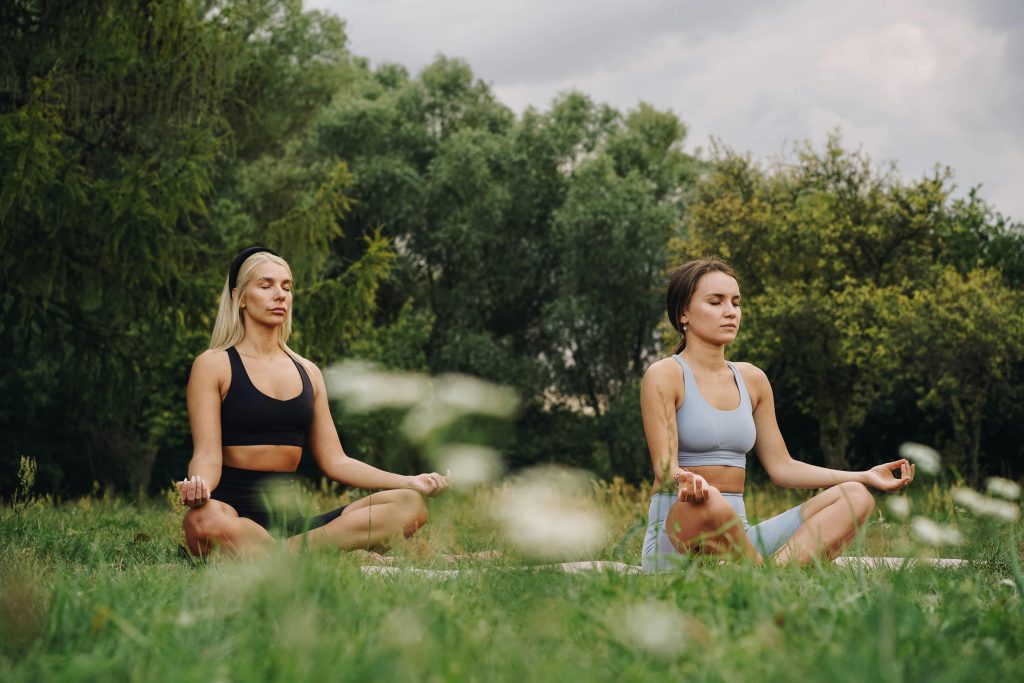
Why do most people go their entire lives without learning to breathe properly, despite taking roughly 20,000 breaths daily? The answer reveals something profound about modern health: we’ve become disconnected from the most fundamental physiological process keeping us alive.
Related reading: Evening Sleep Hygiene: The Bedtime Ritual That Actually Works.
Related reading: Morning Workout Motivation: The Science of Actually Showing Up.
Breathwork—the practice of consciously controlling your breathing patterns to influence your physical, mental, and emotional state—offers extraordinary benefits that most people never access. From reducing anxiety within minutes to enhancing athletic performance, improving sleep quality, and even influencing gene expression, strategic breathing represents one of the most powerful (and completely free) tools for optimising human performance and wellbeing.
This comprehensive guide provides everything you need to understand and implement breathwork effectively. You’ll discover the science explaining why certain breathing patterns produce specific effects, learn practical techniques you can use immediately, and develop a personalised breathwork practice aligned with your goals.
Who This Guide Is For
Whether you’re managing stress and anxiety, seeking peak athletic performance, dealing with chronic pain, or simply wanting to enhance your overall wellbeing, this guide meets you where you are. We’ll cover foundational techniques suitable for complete beginners alongside advanced practices for experienced practitioners.
What You Need to Know About Breathwork

Breathwork encompasses any practice involving conscious manipulation of breathing rate, depth, or pattern to achieve specific outcomes. Unlike automatic breathing (which your brainstem handles without conscious input), deliberate breathwork gives you direct access to your autonomic nervous system, allowing voluntary influence over processes typically considered involuntary.
The Science Behind Conscious Breathing
Your breathing directly affects your autonomic nervous system, which controls heart rate, digestion, respiratory rate, pupillary response, and numerous other functions. Specifically, breath influences the balance between your sympathetic nervous system (activating stress responses) and parasympathetic nervous system (promoting rest and recovery).
Slow, deep breathing activates the vagus nerve, your body’s primary parasympathetic pathway. Vagal activation triggers a cascade of calming effects: reduced heart rate, lowered blood pressure, decreased cortisol production, and enhanced digestive function. Research from King’s College London found that participants practising 10 minutes of slow breathing daily experienced 43% reduction in anxiety symptoms within four weeks.
Fast, shallow breathing or breath retention techniques activate sympathetic responses, increasing alertness, focus, and physical readiness. Athletes and military personnel use these methods to enhance performance and mental clarity during demanding situations.
Carbon dioxide levels in your blood also respond immediately to breathing changes. Contrary to popular belief, the urge to breathe comes primarily from rising CO2 rather than falling oxygen. When you breathe too quickly (hyperventilation), you expel excessive CO2, which paradoxically can make you feel breathless despite having adequate oxygen. Slower breathing maintains optimal CO2 levels, improving oxygen delivery to tissues.
How Breathwork Differs From Meditation
People often confuse breathwork with meditation, but they serve different purposes. Meditation typically involves observing thoughts, sensations, or breath without changing anything. Breathwork actively manipulates breathing patterns to create specific physiological and psychological effects.
That said, breathwork can serve as meditation practice. Many meditation traditions incorporate breath awareness as an anchor for attention. Some advanced breathwork techniques induce altered states of consciousness similar to deep meditation.
The practical distinction: meditation generally calms and centres, whilst breathwork can either calm or energise depending on the technique chosen. Both offer tremendous value, and many practitioners combine them effectively.
Essential Breathwork Principles
Before exploring specific techniques, understanding these core principles ensures safe, effective practice whilst maximising benefits.
Nasal vs Mouth Breathing
Your nose exists for breathing; your mouth exists for eating, drinking, and speaking. Nasal breathing filters, warms, and humidifies incoming air whilst producing nitric oxide, a molecule that dilates blood vessels and improves oxygen uptake.
Mouth breathing bypasses these benefits, delivering cold, unfiltered air directly to your lungs whilst failing to produce nitric oxide. Chronic mouth breathers often experience worse sleep quality, increased snoring, dental problems, and reduced athletic performance.
During most breathwork practices, breathe through your nose exclusively unless a specific technique requires mouth breathing. The only exception: high-intensity exercise where oxygen demands exceed what nasal breathing can supply comfortably.
If nasal breathing feels difficult initially, persevere. Your nasal passages adapt within days to weeks, making nasal breathing progressively easier. Consider using nasal dilator strips during the transition period if needed.
Breathing Mechanics: Diaphragmatic vs Chest
Most adults breathe incorrectly, using their chest and shoulders rather than their diaphragm. This shallow chest breathing activates stress responses, reduces oxygen efficiency, and creates unnecessary tension.
Proper diaphragmatic breathing (also called belly breathing) engages your diaphragm—the large dome-shaped muscle beneath your lungs. During inhalation, your diaphragm contracts and moves downward, creating space for your lungs to expand. Your belly should move outward as your diaphragm descends, not inward.
Place one hand on your chest and one on your belly. During correct breathing, your belly hand should move significantly whilst your chest hand remains relatively still. If your chest rises dramatically whilst your belly stays flat, you’re chest breathing.
Retraining diaphragmatic breathing takes conscious practice but becomes automatic within weeks. The efficiency gains are substantial—diaphragmatic breathing requires less effort whilst delivering more oxygen.
The Importance of Breath Rhythm
Different breathing rhythms produce dramatically different effects on your nervous system. Slow breathing (typically 5-6 breaths per minute) maximises heart rate variability and vagal tone, promoting deep relaxation and recovery.
Balanced breathing (equal duration inhalation and exhalation) creates mental equilibrium and focus. Extended exhalations (exhaling longer than inhaling) strongly activate parasympathetic responses, making them ideal for anxiety reduction and sleep preparation.
Extended inhalations (inhaling longer than exhaling) increase alertness and energy by mildly activating sympathetic responses. Breath retention (holding your breath) after inhalation or exhalation produces distinct effects we’ll explore in specific techniques.
Understanding these patterns lets you choose appropriate techniques for your current needs. Feeling anxious? Use extended exhalations. Need energy? Try extended inhalations or energising retention techniques.
Foundational Breathwork Techniques
These core techniques form the foundation of effective breathwork practice. Master these before progressing to advanced methods.
Box Breathing (Square Breathing)
Box breathing creates perfect balance between sympathetic and parasympathetic activation, making it brilliant for managing acute stress, improving focus, and regulating emotions.
How to practise:
Inhale through your nose for 4 counts. Hold your breath for 4 counts (lungs full). Exhale through your nose for 4 counts. Hold your breath for 4 counts (lungs empty). Repeat for 5-10 minutes.
All four phases maintain equal duration, creating the “box” shape. Navy SEALs use this technique before high-pressure situations because it rapidly centres attention whilst reducing physiological stress markers.
Start with 4-count intervals. As you develop capacity, increase to 5 or 6 counts per phase. Never strain—comfortable breathing always takes precedence over hitting specific counts.
When to use box breathing:
Before important meetings or presentations, during panic attacks or acute anxiety, when you need mental clarity for problem-solving, or as a transition between work and personal time. Many people practise box breathing during their commute to arrive home centred rather than stressed.
Diaphragmatic Breathing (Belly Breathing)
This fundamental technique retrains proper breathing mechanics whilst activating strong parasympathetic responses. Use it as your default breathing pattern throughout the day, not just during dedicated practice.
How to practise:
Lie on your back or sit comfortably with your spine straight. Place one hand on your chest, the other on your belly. Inhale slowly through your nose, directing breath into your belly (your belly hand should rise whilst your chest hand remains relatively still). Exhale slowly through your nose, feeling your belly fall naturally. Continue for 5-10 minutes, maintaining relaxed, effortless breathing.
Focus on smooth, continuous breath flow without jerky starts or stops. Your exhalation should be passive—simply release the breath and let your diaphragm relax upward naturally.
Initially practise lying down, which makes diaphragmatic movement easier to feel and execute. Once comfortable, transition to seated practice, then eventually incorporate diaphragmatic breathing into daily activities.
When to use diaphragmatic breathing:
Before sleep to promote relaxation, during anxiety or stress responses, after intense exercise to support recovery, or any time you notice shallow chest breathing. Making diaphragmatic breathing your automatic pattern provides continuous nervous system benefits.
4-7-8 Breathing
Developed by Dr. Andrew Weil, this technique strongly activates parasympathetic responses through its extended exhalation. Many people find it reliably induces drowsiness, making it particularly effective for insomnia.
How to practise:
Place the tip of your tongue against the ridge behind your upper front teeth (keep it there throughout). Exhale completely through your mouth, making a whooshing sound. Close your mouth and inhale quietly through your nose for 4 counts. Hold your breath for 7 counts. Exhale completely through your mouth for 8 counts, making a whooshing sound. Complete 4 cycles initially, gradually building to 8 cycles.
The ratio matters more than absolute timing. If 4-7-8 feels too long, use 2-3.5-4 or 3-5.25-6. Maintain the approximate 4:7:8 ratio whilst adjusting to your comfortable pace.
The extended exhalation (double the inhalation length) creates powerful relaxation effects. Scientists at the University of Cambridge found this breathing pattern decreased heart rate by an average of 6 beats per minute within just two minutes of practice.
When to use 4-7-8 breathing:
Before bed when struggling to fall asleep, during intense anxiety or panic attacks, after consuming caffeine if you want to counteract overstimulation, or when transitioning from sympathetic dominance (stress) to parasympathetic dominance (rest).
Coherent Breathing (Resonant Breathing)
This technique optimises heart rate variability by breathing at approximately 5-6 breaths per minute—the rate maximising synchronisation between your heart rate and breathing pattern.
How to practise:
Inhale through your nose for 5-6 counts. Exhale through your nose for 5-6 counts (equal to inhalation length). Maintain smooth, continuous breathing without pauses between phases. Continue for 10-20 minutes.
Five seconds per breath phase equals 6 breaths per minute. Six seconds per phase equals 5 breaths per minute. Experiment to find which feels most comfortable whilst maintaining the slow, balanced rhythm.
High heart rate variability indicates strong autonomic nervous system flexibility and correlates with better stress resilience, emotional regulation, and overall health. Regular coherent breathing practice measurably improves HRV within weeks.
When to use coherent breathing:
Daily as a baseline practice for nervous system health, before meditation to settle into deeper states, when feeling emotionally dysregulated or overwhelmed, or as part of your morning routine to establish a calm, focused state for the day ahead.
Energising Breathwork Techniques
Not all breathwork aims to relax. These techniques increase alertness, energy, and mental clarity through strategic sympathetic activation.
Bellows Breath (Bhastrika)
This rapid, forceful breathing technique increases oxygen delivery whilst activating your sympathetic nervous system, producing immediate alertness and energy.
How to practise:
Sit upright with a straight spine. Take a deep breath in. Begin forceful, equal-length inhalations and exhalations through your nose (1-2 breaths per second). Contract your abdominal muscles sharply on each exhalation whilst relaxing them completely on each inhalation. Continue for 30 seconds initially, gradually building to 1-3 minutes. After finishing, take several slow, normal breaths.
Each breath cycle should be vigorous but not strained. Your belly should pump in and out rhythmically. Maintain consistent tempo rather than progressively increasing speed.
Stop immediately if you experience dizziness, tingling, or lightheadedness. These symptoms indicate hyperventilation—slow your pace or take a break.
When to use bellows breath:
Upon waking to jumpstart alertness, before workouts to prime your nervous system, during afternoon energy slumps as an alternative to caffeine, or when you need rapid mental clarity for demanding tasks.
Contraindications: Avoid during pregnancy, with uncontrolled hypertension, or if you have heart conditions. Consult your GP if uncertain about safety.
Breath of Fire (Kapalabhati)
Similar to bellows breath but emphasising forceful exhalations with passive inhalations. This cleansing breath energises whilst clearing mental fog.
How to practise:
Sit comfortably with an upright spine. Inhale deeply through your nose. Begin rapid, forceful exhalations through your nose by sharply contracting your abdominal muscles (2-3 exhalations per second). Allow inhalations to happen passively as your abdomen relaxes. Continue for 30 seconds to 2 minutes. Conclude with a deep inhalation, brief retention, then slow exhalation.
Focus on the exhalation—make it sharp and complete. Inhalation should be effortless recoil, not active breathing in.
A 2023 study at University College London found that participants practising breath of fire for just 5 minutes showed improved cognitive performance on attention tasks for up to 2 hours afterward.
When to use breath of fire:
Before mentally demanding work requiring sustained focus, to clear nasal congestion or sluggish breathing, as part of morning routines to establish alertness, or before creative work when you want mental clarity without tension.
Contraindications: Same as bellows breath—avoid during pregnancy, with high blood pressure, or heart conditions.
Alternate Nostril Breathing (Nadi Shodhana)
This balancing technique harmonises left and right brain hemispheres whilst creating calm alertness. Despite its calming effects, many people find it increases mental clarity and focus.
How to practise:
Sit comfortably with your spine straight. Using your right hand, fold your index and middle fingers toward your palm (or rest them on your forehead between your eyebrows). Close your right nostril with your right thumb. Inhale slowly and completely through your left nostril. Close your left nostril with your ring finger, release your thumb, and exhale through your right nostril. Inhale through your right nostril. Close your right nostril with your thumb, release your ring finger, and exhale through your left nostril. This completes one cycle. Continue for 5-10 minutes.
Maintain smooth, controlled breathing throughout. Each breath should feel comfortable, never strained or forced. Breathe slowly enough that you don’t feel rushed but not so slowly that you strain.
Traditional yogic teaching suggests left nostril breathing calms whilst right nostril breathing energises. Modern research hasn’t definitively confirmed this, but many practitioners report these effects.
When to use alternate nostril breathing:
When feeling mentally scattered or unfocused, before meditation or contemplative work, after stressful events when you want to recalibrate, or when experiencing one-sided congestion (this technique often clears blocked nasal passages).
Advanced Breathwork Practices
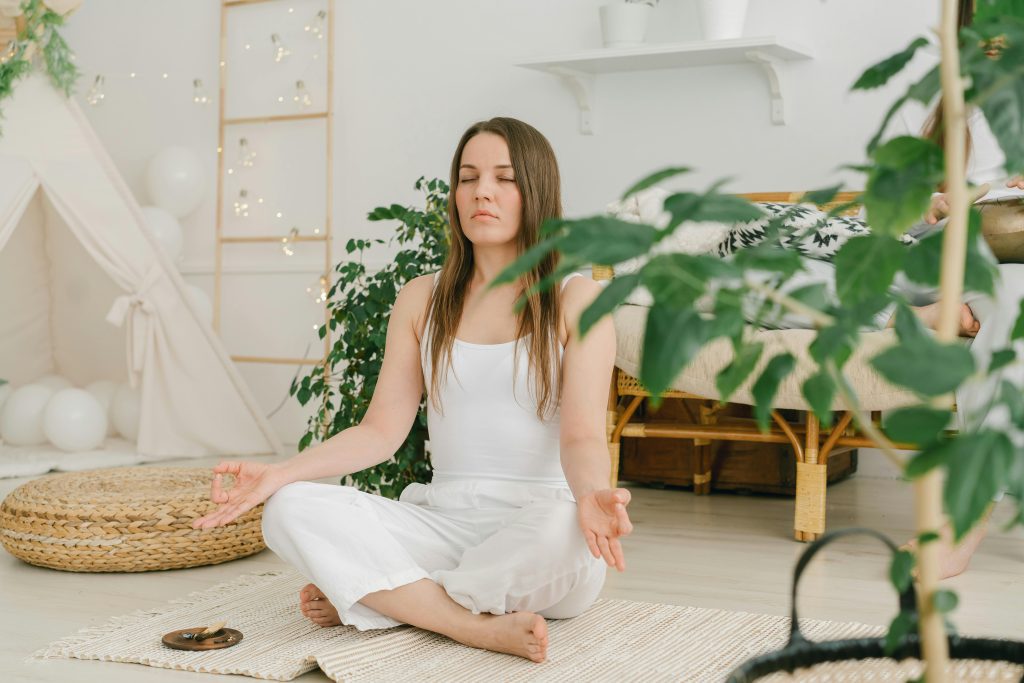
These sophisticated techniques produce profound effects but require solid foundation in basic methods before attempting.
Wim Hof Method
Developed by Wim Hof (known as “The Iceman”), this powerful technique combines controlled hyperventilation with breath retention to influence your autonomic nervous system, immune response, and stress resilience.
How to practise:
Sit or lie comfortably in a safe location. Take 30-40 deep, powerful breaths (full inhalations, relaxed exhalations). After the final exhalation, hold your breath with empty lungs for as long as comfortable. When you feel the urge to breathe, take a deep breath in and hold it for 10-15 seconds. This completes one round. Rest for 1-2 minutes breathing normally. Repeat for 2-4 rounds total.
During the breathing phase, you’ll likely feel tingling, lightheadedness, or energised sensations. These are normal responses to temporary alkalinity from CO2 reduction. The sensations pass quickly once you resume normal breathing.
Research tracking practitioners of the Wim Hof Method found they could voluntarily influence their immune system, producing higher adrenaline and lower inflammatory markers when exposed to endotoxin (scientists at Radboud University, 2014). This suggests profound autonomic control previously thought impossible.
When to use Wim Hof Method:
As part of morning routines for energy and stress resilience, before cold exposure practices, when seeking to enhance immune function during illness onset, or periodically for general autonomic nervous system training.
Critical safety notes: Never practise near water (pools, baths, whilst driving) due to potential unconsciousness during breath holds. Always practise in a safe, seated or lying position. If you experience any concerning symptoms, stop immediately.
Holotropic Breathwork
This intense practice uses prolonged, rapid breathing to induce altered states of consciousness, potentially accessing deep psychological material and emotional release.
How to practise:
Holotropic breathwork should be learned and initially practised with certified facilitators due to its intensity and potential for strong emotional releases. Sessions typically last 2-3 hours in group settings with facilitators and support staff present.
The technique involves continuous, deep, rapid breathing without pauses between inhalation and exhalation. Music supports the process, whilst facilitators provide guidance and safety monitoring.
Holotropic breathwork can produce profound experiences—some therapeutic, some challenging. Proper set, setting, and support are essential. This isn’t a casual practice to attempt from an online tutorial.
When to consider holotropic breathwork:
When seeking deep emotional processing or release, as part of therapeutic work with trauma or psychological challenges, for spiritual exploration and expanded consciousness experiences, or when traditional talk therapy feels insufficient for accessing certain material.
Contraindications: Extensive—includes cardiovascular disease, high blood pressure, glaucoma, epilepsy, psychosis, pregnancy, and recent surgery. Always consult qualified practitioners and your healthcare provider.
Tummo (Inner Fire) Breathing
Originating in Tibetan Buddhist practices, tummo combines visualisation, breathing, and muscular contractions to generate internal heat and achieve extraordinary cold tolerance.
How to practise:
Tummo requires extensive instruction from qualified teachers. The practice typically involves specific visualisations of inner fire whilst performing particular breathing patterns and physical locks (bandhas).
Whilst complete tummo instruction exceeds this guide’s scope, simplified versions can be practised safely. One approach: perform 3-4 rounds of Wim Hof breathing, then during breath retention with empty lungs, visualise warmth building in your core whilst maintaining awareness of your body temperature.
Tibetan monks demonstrating advanced tummo have increased their skin temperature by several degrees whilst meditating in sub-zero conditions, verified by temperature monitoring equipment.
When to explore tummo:
When developing cold tolerance for outdoor activities, as part of broader meditation practice, when seeking to develop greater physiological control, or if drawn to traditional yogic or Buddhist practices.
Breathwork for Specific Outcomes
Different goals require different breathing strategies. Here’s how to select techniques for common objectives.
Anxiety and Stress Reduction
Anxiety manifests physically through rapid, shallow breathing and sympathetic nervous system activation. Counteract this directly through extended exhalation techniques.
Recommended techniques:
4-7-8 breathing produces rapid anxiety reduction through its extended exhale phase. Practise 4-8 cycles when anxiety emerges. Coherent breathing at 5-6 breaths per minute shifts your autonomic nervous system toward parasympathetic dominance within minutes. Box breathing balances your nervous system during acute stress whilst maintaining mental clarity.
Combine these techniques with awareness of your natural breathing pattern. Anxiety often makes breathing shallow and chest-based. Simply noticing this and consciously shifting to slow, diaphragmatic breathing can interrupt anxiety spirals.
Research from University College London tracking individuals with generalised anxiety disorder found that participants practising slow breathing for 15 minutes twice daily experienced 62% reduction in anxiety symptoms after eight weeks, matching results from cognitive behavioural therapy.
Sleep Quality Enhancement
Poor breathing contributes significantly to sleep problems. Mouth breathing, rapid breathing, and chest breathing all activate alertness pathways incompatible with sleep.
Recommended techniques:
4-7-8 breathing before bed activates strong parasympathetic responses conducive to sleep onset. Practise 4-8 cycles whilst lying in bed. Diaphragmatic breathing throughout the day establishes better baseline nervous system regulation, improving night-time sleep as a secondary benefit.
If you wake during the night, avoid checking time or screens. Instead, practise coherent breathing or simple diaphragmatic breathing until drowsiness returns. The rhythmic, boring nature of breath counting often returns you to sleep within minutes.
Consider mouth taping to ensure nasal breathing throughout the night. Use specialised mouth tape designed for this purpose (£10-15 for a month’s supply). Many people experience dramatically improved sleep quality once they eliminate mouth breathing.
Athletic Performance
Strategic breathing enhances both training performance and recovery whilst increasing exercise efficiency.
Recommended techniques:
Nasal breathing during low-to-moderate intensity exercise improves oxygen efficiency and maintains optimal CO2 levels. This initially feels limiting but produces significant aerobic capacity improvements within weeks.
Data from the University of Cambridge suggests that athletes training with nasal-only breathing improved their anaerobic threshold and VO2 max more than control groups breathing normally, despite lower training intensities.
Bellows breath or breath of fire before workouts primes your nervous system for performance. Box breathing between high-intensity intervals supports recovery whilst maintaining readiness. Diaphragmatic breathing post-exercise activates parasympathetic recovery mechanisms.
Focus and Concentration
Certain breathing patterns directly enhance cognitive function through their effects on brain oxygenation and arousal.
Recommended techniques:
Alternate nostril breathing creates balanced, calm alertness ideal for sustained concentration. Box breathing maintains present-moment focus whilst preventing mind wandering. Coherent breathing optimises heart rate variability, which correlates with better executive function.
Breath of fire before mentally demanding work increases alertness without creating anxiety or tension. Students preparing for exams or professionals before important presentations often report enhanced mental clarity from 3-5 minutes of energising breathwork.
Pain Management
Breathwork influences pain perception through multiple mechanisms: altering pain signal processing, reducing muscle tension, and modulating emotional responses to pain.
Recommended techniques:
Slow, diaphragmatic breathing reduces pain intensity by activating descending pain inhibition pathways. Coherent breathing at 5-6 breaths per minute specifically enhances these effects. Extended exhalations activate endogenous opioid release, providing natural pain relief.
During acute pain episodes, focus attention on smooth, continuous breathing whilst consciously relaxing muscles around the painful area. Many people instinctively hold their breath or tense surrounding muscles during pain, which amplifies discomfort.
Scientists tracking individuals with chronic pain found that those practising daily breathwork for 20 minutes experienced 34% reduction in pain intensity ratings after six weeks (King’s College London, 2022).
Tools and Resources for Breathwork Practice
Strategic tools can enhance your practice, though none are essential. Your breath remains freely available regardless of equipment.
Essential Apps
Free Options:
Breathe+ (iOS) provides simple, customisable breathing patterns with visual and haptic guidance. Insight Timer offers thousands of free guided breathwork sessions. Prana Breath (Android) includes numerous preset breathing patterns with detailed tracking.
Paid Options (typically £3-8/month):
Breathwrk features expert-guided sessions for specific outcomes (sleep, stress, energy). iBreathe offers advanced biofeedback integration if you have heart rate variability monitors. Othership combines breathwork with music and meditation for comprehensive practices.
Biofeedback Devices
Heart rate variability monitors provide objective feedback on your autonomic nervous system state. Affordable options include:
Budget tier (£40-80): Chest strap monitors (Polar H10, Wahoo TICKR) pair with HRV apps for basic tracking.
Mid-range (£200-300): Oura Ring tracks HRV continuously whilst providing detailed sleep and recovery metrics.
Premium (£300+): WHOOP Strap offers comprehensive strain and recovery tracking with breathwork integration.
These devices aren’t necessary for effective practice but help some people stay motivated through visible progress markers.
Learning Resources
Books:
“Breath” by James Nestor provides accessible introduction to breathwork science and history. “The Oxygen Advantage” by Patrick McKeown focuses on breathing for athletic performance. “The Healing Power of the Breath” by Richard Brown and Patricia Gerbarg offers clinical perspectives on breathwork for mental health.
Online Courses:
Wim Hof Method offers structured online training (approximately £200) with video instruction and community support. Oxygen Advantage certification programmes (£300-500) teach breathwork for athletic performance.
YouTube Channels:
Breathwork with Jesse offers free guided sessions across various techniques. Wim Hof’s official channel includes tutorials and scientific discussions. Take a Deep Breath provides clear instruction on foundational techniques.
Common Breathwork Challenges
Even straightforward breathwork practices can present obstacles. Here’s how to address frequent issues.
Challenge 1: Feeling Dizzy or Lightheaded
Why it happens: Rapid breathing or extended breath holds alter blood CO2 and oxygen levels, causing temporary cerebral vasoconstriction (blood vessel narrowing in your brain).
Solutions: Slow your breathing pace immediately. Return to normal breathing until symptoms resolve. Reduce the duration or intensity of breath holds. Always practise seated or lying down until you know your individual response to different techniques.
Dizziness during energising techniques (bellows breath, breath of fire) indicates you’re breathing too rapidly. Reduce your pace by 25-30% and see if symptoms resolve.
Challenge 2: Difficulty Maintaining Nasal Breathing
Why it happens: Chronic mouth breathing causes nasal passages to narrow from disuse. Structural issues like deviated septum can also restrict nasal airflow.
Solutions: Start with short periods (5 minutes) of exclusive nasal breathing and gradually extend duration as your nasal passages adapt. Nasal dilator strips (£5-10 for a box) mechanically open nasal passages during the transition period.
Saline nasal rinses clear congestion and inflammation. Proper hydration improves mucus consistency, making nasal breathing easier. Most people find nasal breathing significantly easier within 1-2 weeks of consistent practice.
If difficulty persists beyond 3-4 weeks, consult your GP. Structural issues might require assessment from an ENT specialist.
Challenge 3: Mind Wandering During Practice
Why it happens: Your mind naturally drifts from present-moment focus, especially during repetitive activities like breathwork.
Solutions: Use counting to maintain attention (count each breath cycle 1-10, then restart). Incorporate visualisation (imagine breath as coloured light flowing in and out). Notice mind wandering without judgment—simply return attention to your breath when you realise you’ve drifted.
Shorter, more frequent sessions often work better than long sessions for maintaining focus. Three 5-minute sessions throughout the day might provide more benefit than one 15-minute session where you’re distracted for 10 minutes.
Challenge 4: Uncomfortable Breath Holding
Why it happens: Rising CO2 triggers the urge to breathe, creating discomfort during retention phases. This is purely sensation, not danger—you have substantial oxygen reserves even when the urge to breathe feels overwhelming.
Solutions: Build tolerance gradually rather than forcing long holds. Start with comfortable durations and add just 1-2 seconds weekly. Focus on relaxing during holds rather than tensing against discomfort.
The first urge to breathe represents your habitual breathing threshold, not your physiological limit. With practice, you can extend holds well beyond initial discomfort without harm. However, never push to the point of involuntary gasping or panic.
Challenge 5: Scheduling Consistency
Why it happens: Breathwork requires no equipment and minimal time, yet people struggle to maintain regular practice due to lack of external accountability.
Solutions: Attach breathwork to existing habits (practise box breathing during your morning coffee, coherent breathing before bed). Set phone reminders for specific times. Use apps that send practice notifications.
Start with just 5 minutes daily rather than aiming for 20-30 minutes. Building consistency with short sessions establishes the habit; you can extend duration once the practice becomes automatic.
Track your practice in a simple journal or app. Seeing consecutive practice days creates motivation to maintain your streak.
Challenge 6: Not Feeling Any Effects
Why it happens: Some people notice immediate breathwork effects whilst others require 2-4 weeks of consistent practice before experiencing obvious benefits. Individual nervous system sensitivity varies considerably.
Solutions: Continue practising for at least 4 weeks before concluding techniques don’t work for you. Track objective metrics (resting heart rate, sleep quality, anxiety levels) rather than relying solely on subjective feelings.
Ensure you’re practising techniques correctly—watch video demonstrations to verify your technique matches proper form. Try different techniques, as individual responses vary. Box breathing might do nothing for you whilst 4-7-8 breathing works brilliantly.
Consider whether medication or medical conditions might affect your response. Beta blockers, for instance, limit heart rate variability and could reduce noticeable breathwork effects.
Challenge 7: Physical Discomfort or Tension
Why it happens: Poor posture during practice creates muscle tension. Forcing breath beyond comfortable capacity causes strain.
Solutions: Check your seated position—spine should be upright but not rigid, shoulders relaxed, jaw slightly open. Avoid forceful breathing that requires muscular effort. Proper breathwork feels effortless even during energising techniques.
If you experience chest tightness, back pain, or muscle tension, reduce breathing intensity and duration. Breathwork should never hurt. Any sharp pain signals you’re pushing too hard or breathing incorrectly.
Challenge 8: Emotional Releases During Practice
Why it happens: Breathwork accesses your autonomic nervous system, which stores emotional experiences. Deep breathing can trigger release of held emotions, sometimes unexpectedly.
Solutions: Allow emotions to surface without judgment. Crying, laughing, anger, or other releases during breathwork are normal and often therapeutic. Continue breathing through the experience whilst staying present with the sensations.
If emotional releases feel overwhelming, slow your breathing and return to simple diaphragmatic breathing. Consider working with a therapist trained in somatic practices if you’re processing significant trauma.
Intense emotional releases more commonly occur with advanced techniques like holotropic breathwork. Foundational techniques rarely produce overwhelming experiences.
Sample Breathwork Programmes
Structured programmes help you progress systematically rather than randomly practising different techniques.
Beginner Programme: Foundation Building (Weeks 1-4)
Week 1: Establishing Diaphragmatic Breathing
Practise 5-10 minutes of diaphragmatic breathing twice daily (morning and evening). Focus solely on proper mechanics—belly expansion on inhale, natural contraction on exhale. Track which situations trigger chest breathing and consciously correct.
Week 2: Introducing Box Breathing
Continue diaphragmatic breathing once daily. Add 5 minutes of box breathing (4-4-4-4 pattern) once daily. Use box breathing during one stressful situation this week, noting the effects.
Week 3: Adding 4-7-8 Breathing
Morning: 5 minutes coherent breathing. Evening: 4 cycles of 4-7-8 breathing before bed. Track sleep quality compared to baseline. Maintain awareness of breathing throughout the day.
Week 4: Integration and Assessment
Practise all learned techniques throughout the week (different technique each day). Identify which techniques work best for your needs. Establish your preferred daily practice moving forward.
Expected outcomes: Automatic diaphragmatic breathing, reduced baseline anxiety, improved sleep onset, enhanced body awareness. Most people report noticeable stress reduction by week 2-3.
Intermediate Programme: Skill Development (Weeks 5-8)
Assumes competence with foundational techniques from the beginner programme.
Week 5: Energising Techniques
Morning: 2 minutes bellows breath followed by 5 minutes coherent breathing. Afternoon: 3 minutes breath of fire when energy dips. Evening: 4-7-8 breathing before bed. Note energy patterns throughout the day.
Week 6: Alternate Nostril Breathing
Morning: 10 minutes alternate nostril breathing. Midday: Box breathing for focus. Evening: Diaphragmatic breathing or 4-7-8. Track mental clarity and focus during work tasks.
Week 7: Breath Retention Introduction
Practise box breathing with extended holds (4-6-4-6 pattern, gradually extending hold phases). Experiment with breath holds after exhalation versus after inhalation, noting different effects. Continue evening relaxation practice.
Week 8: Technique Selection
Use specific techniques strategically based on your needs each day. Before important events: box breathing. For energy: bellows breath or breath of fire. When trying to sleep: 4-7-8. For focus: alternate nostril. Track which techniques serve which purposes best for you.
Expected outcomes: Established personal toolkit of techniques, ability to shift your state intentionally, reduced reliance on caffeine or other external stimulants, improved emotional regulation.
Advanced Programme: Mastery Development (Weeks 9-12)
For experienced practitioners ready to explore deeper practices.
Week 9: Wim Hof Method
Learn and practise Wim Hof technique 3-4 times this week. Start with 2 rounds, build to 3-4 rounds. Practise in safe environment (seated or lying). Note effects on energy, cold tolerance, mental clarity. Maintain evening relaxation practice.
Week 10: Extended Practices
Increase session duration: 20 minutes of coherent breathing daily. Experiment with very slow breathing rates (3-4 breaths per minute). Combine breathwork with meditation or mindfulness practice. Track HRV changes if you have monitoring device.
Week 11: Integration with Movement
Practise nasal breathing during exercise (start with walking, progress to light jogging). Use breathwork before and after training sessions. Experiment with breath holds during workouts (under professional guidance). Note performance and recovery changes.
Week 12: Personalised Protocol
Design your optimal daily practice based on 11 weeks of experience. Morning: energising practice (3-5 minutes). Midday: focus practice as needed (5-10 minutes). Evening: relaxation practice (10 minutes). Use specific techniques strategically for particular challenges.
Expected outcomes: Sophisticated breathwork skills, noticeable autonomic nervous system resilience, improved athletic performance, enhanced stress management, established sustainable daily practice.
Comprehensive FAQ
How long before I notice breathwork benefits?
Some effects appear immediately—4-7-8 breathing reduces heart rate within 2 minutes, box breathing calms anxiety within 5 minutes. Other benefits accumulate over weeks. Most people report noticeable improvements in baseline stress levels, sleep quality, and emotional regulation after 2-3 weeks of consistent practice. Structural changes (improved HRV, enhanced vagal tone) typically require 6-8 weeks of regular practice.
Can I practise breathwork whilst pregnant?
Gentle techniques (diaphragmatic breathing, coherent breathing, 4-7-8 breathing) are generally safe during pregnancy and may support labour preparation. However, avoid energising techniques involving rapid breathing (bellows breath, breath of fire) or extended breath retention. Always consult your midwife or GP before starting new practices during pregnancy.
How does breathwork compare to medication for anxiety?
Research suggests that regular breathwork produces anxiety reduction comparable to some medications, without side effects. A 2023 study found that 15 minutes of slow breathing twice daily matched benzodiazepine effectiveness for generalised anxiety disorder. However, severe anxiety disorders often require professional treatment. Use breathwork as complementary practice alongside appropriate medical care, not as replacement for prescribed treatment without consulting your psychiatrist or GP.
Should I practise breathwork on an empty or full stomach?
Practise on a relatively empty stomach when possible. Full stomach pressure against your diaphragm restricts movement and makes diaphragmatic breathing uncomfortable. Wait 1-2 hours after substantial meals before intensive breathwork. Light snacks 30 minutes before practice cause no problems for most people.
Can breathwork help with panic attacks?
Absolutely. Extended exhalation techniques (particularly 4-7-8 breathing) can abort panic attacks by directly activating parasympathetic responses. The key is recognising panic onset early and immediately implementing your chosen technique. Box breathing also works well because its structured counting provides mental anchor during overwhelming sensations. Practise your preferred technique regularly when calm so it becomes automatic during panic.
What’s the optimal time of day for breathwork practice?
Morning energising techniques (bellows breath, breath of fire) jumpstart your day. Evening calming techniques (4-7-8, coherent breathing) support sleep. For baseline nervous system training, practise coherent breathing mid-morning or early afternoon. Ultimately, consistency matters more than timing—practise whenever you’ll actually do it regularly.
Do I need to buy apps or devices for effective breathwork?
No. Your breath is freely available without any equipment. Apps and devices can enhance motivation or provide feedback, but they’re completely optional. Millions of people practise effective breathwork using nothing but their breath and perhaps a timer.
Can breathwork replace medication for depression or anxiety?
Breathwork provides powerful support for mental health but shouldn’t replace professional treatment for clinical depression or severe anxiety disorders. Use it as complementary practice alongside appropriate medical care. Some people eventually reduce or discontinue medication under their doctor’s supervision after establishing strong breathwork and therapy practices, but never adjust prescribed medication without professional guidance.
How do I know if I’m doing techniques correctly?
Key indicators: breathing feels relatively effortless (never painful or extremely strenuous), you experience expected effects (calming techniques make you calmer, energising techniques increase alertness), you can maintain the practice for recommended durations without excessive discomfort. When uncertain, watch video demonstrations from qualified instructors. Many people benefit from initial instruction from breathwork coaches or yoga teachers.
Can breathwork worsen anxiety?
Rarely, but it happens. Some people experience increased anxiety during breath retention or rapid breathing techniques. If any technique increases anxiety, stop immediately and return to normal breathing. Stick with gentle techniques (diaphragmatic breathing, coherent breathing, 4-7-8) until you feel comfortable. Never force practices that feel wrong for you.
Should I breathe through my nose or mouth during exercise?
Low-to-moderate intensity: breathe through your nose exclusively. This improves oxygen efficiency and builds aerobic capacity. High intensity where oxygen demands are extreme: breathe however feels comfortable, which might mean mouth breathing. Train yourself to delay mouth breathing as long as possible—your nasal breathing capacity will improve with consistent training.
Can children practise breathwork?
Yes. Children often take to breathwork naturally. Teach simple techniques like box breathing or diaphragmatic breathing. Make it playful—”balloon belly” breathing, where they imagine inflating and deflating a balloon in their belly. Avoid intense techniques like holotropic breathwork or aggressive retention practices until adulthood.
Does breathing technique matter for meditation?
Some meditation traditions emphasise specific breathing patterns, whilst others simply observe natural breath. For general meditation, coherent breathing or natural diaphragmatic breathing provides a stable foundation. The breath serves as an anchor for attention—its specific pattern matters less than its consistency and your awareness of it.
Can breathwork help with high blood pressure?
Yes. Research consistently shows that slow breathing (5-6 breaths per minute) practised 15 minutes daily reduces blood pressure in hypertensive individuals. Effects appear within weeks and continue improving with sustained practice. However, never discontinue prescribed medication without consulting your GP. Use breathwork as complementary practice alongside appropriate medical treatment.
Why do some techniques make me yawn?
Yawning during breathwork indicates successful activation of parasympathetic responses. Deep yawns stretch your jaw and face whilst increasing oxygen intake. Rather than suppressing yawns, allow them freely—they’re your body’s natural relaxation mechanism engaging.
Conclusion
Breathwork offers one of the most accessible yet profound tools for transforming your physical, mental, and emotional wellbeing. Unlike expensive interventions requiring special equipment or professional supervision, effective breathwork requires nothing but your willing attention and 5-10 minutes daily.
Key Takeaways:
- Your breath directly influences your autonomic nervous system, giving you voluntary control over typically involuntary processes
- Slow breathing with extended exhalations calms, whilst rapid breathing or breath retention energises
- Diaphragmatic nasal breathing should be your default pattern throughout the day
- Different techniques serve different purposes—match your technique to your current needs
- Consistency matters more than duration—daily 5-minute practice beats weekly 30-minute sessions
- Most benefits appear within 2-4 weeks of regular practice
- Breathwork complements but shouldn’t replace professional treatment for serious health conditions
Three Actions to Take Today:
- Practise 5 minutes of diaphragmatic breathing right now, establishing proper belly breathing mechanics
- Set a recurring daily reminder for breathwork practice at a consistent time (morning or evening)
- Choose one foundational technique (box breathing, 4-7-8, or coherent breathing) to practise daily for the next week
Breathwork transforms lives not through complexity but through consistency. Your commitment to regular practice matters far more than perfect technique or advanced methods. Start simple, practise daily, and trust the process.
Your transformation begins with your next breath.


