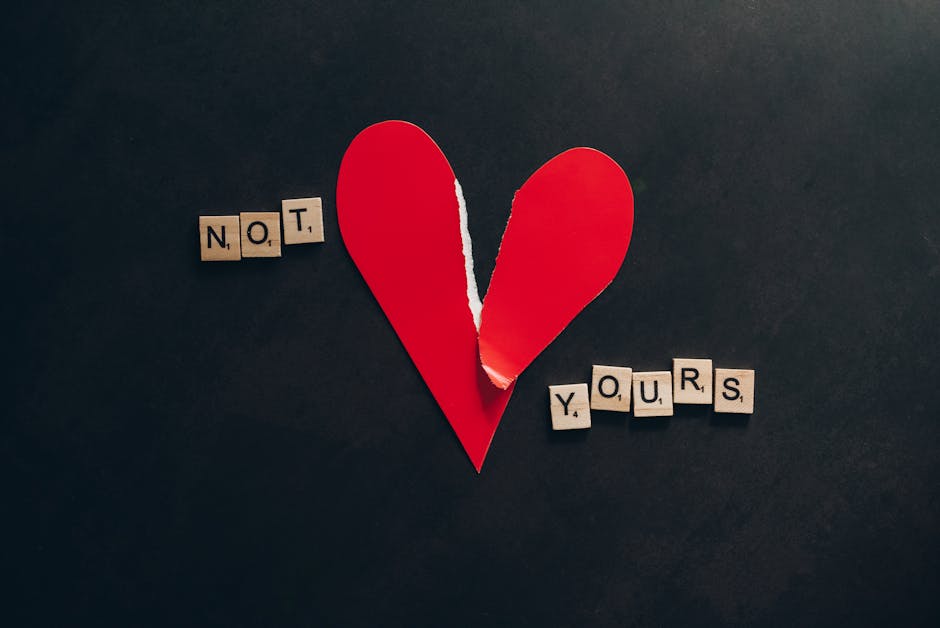
Can I die from a broken heart? It sounds dramatic, almost like something from a Victorian novel. But here’s the uncomfortable truth: yes, you actually can. Not in the poetic sense we usually mean, but through a very real medical condition that mimics a heart attack.
Picture this: You’ve just received devastating news. Maybe you’ve lost someone you love, endured a brutal breakup, or experienced a trauma that shakes you to your core. Within hours, you’re clutching your chest, struggling to breathe, feeling like your heart might literally stop. You rush to A&E convinced you’re having a heart attack. The doctors run tests. Your heart muscle is weakened. But there’s no blockage, no arterial damage. What you’re experiencing is takotsubo cardiomyopathy, better known as broken heart syndrome.
Sarah from Bristol knows this all too well. At 52, she collapsed at her husband’s funeral. Paramedics found her heart functioning at just 20% capacity. She’d always considered “dying from a broken heart” a metaphor. Until it nearly happened to her.
Common Myths About Broken Heart Syndrome
Related reading: Warning Signs You’re Burned Out from Work and Need Immediate Rest.
Myth: It’s just anxiety or a panic attack
Reality: Broken heart syndrome involves actual, measurable damage to your heart muscle. While panic attacks can feel terrifying and produce chest pain, they don’t cause the left ventricle of your heart to balloon and weaken. When doctors perform an echocardiogram on someone experiencing takotsubo cardiomyopathy, they see a distinct pattern where the heart takes on a pot-like shape (takotsubo means “octopus trap” in Japanese, describing the heart’s appearance). This is physical damage, not psychological distress masquerading as physical symptoms.
Myth: Only elderly people can die from a broken heart
Reality: While post-menopausal women face the highest risk (about 90% of cases), broken heart syndrome affects people of all ages. Research from the British Heart Foundation shows cases in people as young as their 20s. The condition doesn’t discriminate by age when severe emotional or physical stress triggers it.
Myth: If you survive the initial event, you’re completely fine
Reality: Most people do recover within weeks or months, but the mortality rate during the acute phase sits between 3-5%. Some patients experience complications like heart failure, blood clots, or irregular heart rhythms. Long-term studies suggest that people who’ve had broken heart syndrome remain at increased risk for recurrence and other cardiac issues.
Understanding How Emotional Trauma Affects Your Heart
You might also enjoy: How to Make Friends as an Adult When You Work From Home.
The connection between intense emotional distress and physical heart damage centres on stress hormones. When you experience profound shock, grief, or fear, your body floods with adrenaline and other catecholamines. In normal circumstances, these hormones prepare you for fight-or-flight. But in extreme situations, they can temporarily stun your heart muscle.
Think of it like this: your heart muscle cells become overwhelmed by the sudden surge of stress hormones, similar to how an electrical circuit might overload. The left ventricle, your heart’s main pumping chamber, balloons outward and weakens. Blood doesn’t flow properly. Symptoms mirror those of a heart attack so closely that even experienced doctors initially treat patients as if they’re having one.
What separates broken heart syndrome from an actual myocardial infarction? Your coronary arteries remain clear. There’s no blood clot blocking oxygen to your heart. Yet your heart behaves as if there is, struggling to pump effectively, causing chest pain, breathlessness, and sometimes even cardiac arrest.
Can I die from a broken heart during this acute phase? Absolutely. The weakened heart might develop life-threatening arrhythmias, experience cardiogenic shock (where the heart can’t pump enough blood to meet the body’s needs), or suffer from fluid build-up in the lungs. These complications require immediate medical intervention.
The Science Behind Stress Hormones and Cardiac Function
Research published by NHS England reveals that stress hormones in massive quantities can be directly toxic to heart cells. Adrenaline levels in broken heart syndrome patients measure up to 34 times higher than normal. These hormones bind to receptors in heart muscle cells, causing calcium overload that temporarily paralyses the muscle fibres.
Women past menopause face particular vulnerability because oestrogen, which normally protects heart tissue from the harmful effects of stress hormones, decreases significantly. This hormonal shift helps explain why 90% of takotsubo cardiomyopathy cases occur in post-menopausal women.
Physical Stress Can Trigger It Too
Emotional trauma isn’t the only trigger. Severe physical stress—a major operation, acute asthma attack, serious infection, or even intense exercise—can cause broken heart syndrome. About one-third of cases result from physical rather than emotional stressors. The mechanism remains the same: an overwhelming surge of stress hormones that temporarily damages heart function.
Warning Signs Your Grief Is Affecting Your Physical Health
Recognising when emotional pain crosses into dangerous physical territory can save your life. The symptoms of broken heart syndrome appear suddenly, usually within minutes to hours of the triggering event. They don’t build gradually like typical heart disease.
Watch for these critical warning signs:
- Sudden, severe chest pain that feels like pressure or squeezing, identical to heart attack pain
- Breathlessness or difficulty catching your breath even at rest
- Irregular heartbeat or palpitations that feel alarming rather than just noticeable
- Pain radiating to your jaw, neck, back, or arms (particularly the left arm)
- Overwhelming fatigue that appears within hours of emotional trauma
- Cold sweats, nausea, or vomiting accompanying chest discomfort
- Feeling faint, dizzy, or actually losing consciousness
Can I die from a broken heart if I ignore these symptoms? The risk increases significantly. Some people dismiss their symptoms, attributing them to grief or stress. They delay seeking help, thinking they’re “just upset” or experiencing anxiety. This delay can prove fatal.
The 48-Hour Critical Window
Most broken heart syndrome cases develop within 48 hours of the triggering event. This timeframe matters enormously. If you’ve just experienced devastating news and start feeling chest pain, don’t wait to see if it passes. Don’t convince yourself it’s “just stress.” Call 999 immediately.
James, a 43-year-old teacher from Manchester, nearly paid the ultimate price for waiting. After his sister died unexpectedly, he experienced chest pain but attributed it to grief. Six hours later, neighbours found him collapsed. His heart was functioning at 25% capacity. Doctors said another hour’s delay would likely have killed him.
What Happens When You Arrive at Hospital
Emergency departments treat suspected broken heart syndrome exactly like a heart attack initially because distinguishing between them requires specific tests. You’ll receive:
An electrocardiogram (ECG) first, which often shows abnormalities similar to heart attack patterns. Blood tests follow, measuring cardiac enzymes that indicate heart muscle damage. These markers elevate in both conditions, making initial diagnosis tricky.
The definitive test is a coronary angiogram, where doctors inject dye into your arteries and take X-ray images. In broken heart syndrome, your arteries look clear and healthy. No blockages. Yet your heart muscle isn’t contracting properly, particularly that distinctive balloon-like bulging of the left ventricle.
An echocardiogram (ultrasound of your heart) confirms the diagnosis by showing the characteristic shape and movement patterns of takotsubo cardiomyopathy. Doctors can literally see your heart struggling to pump, the left ventricle distended and weak.
Treatment and Hospital Stay
Most patients spend 3-7 days in hospital under cardiac monitoring. Treatment focuses on supporting your heart while it recovers, which usually happens naturally over weeks. You’ll typically receive:
- Beta-blockers to slow your heart rate and reduce the workload on your damaged heart muscle, giving it time to heal
- ACE inhibitors to lower blood pressure and ease the strain on your heart as it pumps
- Diuretics if fluid builds up in your lungs due to poor heart function
- Anti-anxiety medications to help manage the emotional trauma while your heart recovers
- Blood thinners if there’s risk of clot formation due to poor blood flow through the weakened heart
Can I die from a broken heart even with treatment? Complications remain possible during the acute phase. Some patients develop life-threatening arrhythmias requiring cardioversion (controlled electric shock to reset heart rhythm). Others experience cardiogenic shock needing intensive support, sometimes including mechanical devices to assist heart function temporarily.
Long-Term Recovery and Recurrence Risk
Something worth noting: most people recover fully within 1-3 months. Follow-up echocardiograms typically show heart function returning to normal. But the experience leaves both physical and psychological marks.
Recovery involves both cardiac rehabilitation and emotional support. Your heart needs time to heal completely, and pushing too hard too soon can hamper recovery. Physical activity should resume gradually under medical supervision. Many patients find cardiac rehab programmes invaluable, offering structured exercise plans and emotional support from others who’ve experienced similar cardiac events.
The Psychological Impact
Nearly dying from grief creates its own trauma. Many broken heart syndrome survivors develop anxiety about their hearts, hypervigilant to every flutter or ache. Some become terrified of experiencing strong emotions, fearing another episode. Others struggle with post-traumatic stress disorder from the entire ordeal.
Psychological support isn’t optional during recovery—it’s essential. Cognitive behavioural therapy helps many patients process both the original traumatic event and the near-death experience that followed. Some benefit from joining support groups where others understand the unique terror of your heart literally breaking.
Can Broken Heart Syndrome Happen Again?
Recurrence rates hover around 1-2% per year, which sounds low but remains significantly higher than the general population’s risk of experiencing it the first time. If you’ve had one episode, you’re more susceptible to another when faced with extreme stress.
This reality shapes how survivors approach life afterwards. Some continue taking low-dose beta-blockers indefinitely as a preventive measure. Others work intensively on stress management, knowing their hearts have proven vulnerable. Learning to recognise and manage intense emotional responses becomes not just self-care, but potentially life-saving.
Protecting Your Heart During Grief and Loss
You can’t always prevent devastating events, but you can reduce their impact on your cardiovascular system. These strategies offer real protection during intensely stressful periods:
Build Your Support Network Before You Need It
Social isolation amplifies stress hormones. Research consistently shows that people with strong social connections fare better during trauma. Cultivate relationships now—friends, family, support groups, community connections. When crisis strikes, you won’t face it alone, and that reduces the physiological stress response.
Grief counselling or therapy during high-stress periods isn’t weakness; it’s cardiac protection. Talking through intense emotions with a professional helps process them before they overwhelm your system. Many people wait until they’re in crisis. Earlier intervention provides better protection.
Physical Health Buffers Emotional Stress
Regular exercise, adequate sleep, and reasonable nutrition create resilience against stress hormone surges. Your baseline health matters when crisis hits. A heart that’s already well-conditioned handles stress better than one weakened by sedentary lifestyle, poor sleep, and inflammatory diet patterns.
Can I die from a broken heart if I’m physically healthy? Yes, but your odds improve. Physical fitness doesn’t make you immune, but it provides a buffer. Marathon runners have experienced broken heart syndrome, but their strong baseline cardiovascular function often means better outcomes.
Recognise Your Personal Risk Factors
Post-menopausal women should be especially vigilant during stressful periods. If you’ve experienced anxiety disorders or depression, your risk increases. Previous emotional trauma, particularly unresolved grief, heightens vulnerability. Knowing your risk profile helps you respond faster if symptoms appear.
Some situations warrant preemptive medical discussion. If you’re facing scheduled major surgery shortly after bereavement, mention your recent loss to your surgical team. They can take extra precautions and monitor you more closely. If you’re going through divorce or caring for a dying loved one, don’t hesitate to discuss your stress level with your GP. They might suggest supportive medications or closer monitoring.
Mistakes That Increase Your Risk
Mistake 1: Bottling Up Intense Emotions
Why it’s a problem: Suppressing grief and trauma doesn’t make them disappear. Emotions you refuse to process still flood your system with stress hormones, but without the relief that comes from expression and support. This prolonged internal stress keeps cortisol and adrenaline elevated, increasing cardiovascular strain.
What to do instead: Express emotions in whatever healthy way works for you—talking with trusted people, crying, writing, creating art, or working with a therapist. Permission to feel doesn’t make you weak; suppression increases physical danger.
Mistake 2: Continuing High-Stress Activities During Acute Grief
Why it’s a problem: Pushing through intense work demands, maintaining a punishing exercise schedule, or taking on new responsibilities while grieving stacks stress upon stress. Your system can only handle so much before it breaks—sometimes literally.
What to do instead: Scale back temporarily. Take bereavement leave. Ask for work accommodations. Reduce your exercise intensity. Give your nervous system time to stabilise before resuming normal demands. This isn’t permanent; it’s strategic protection during a vulnerable period.
Mistake 3: Dismissing Physical Symptoms as “Just Grief”
Why it’s a problem: Chest pain during emotional distress feels expected, making it easy to dismiss as anxiety or normal grief response. This assumption kills people. Can I die from a broken heart by waiting to see if symptoms improve? Absolutely. The window for intervention matters.
What to do instead: Treat chest pain as an emergency, always. Better to feel foolish in A&E discovering it’s anxiety than to die at home convincing yourself it’s nothing. Medical professionals would rather check you unnecessarily than retrieve you too late.
Mistake 4: Relying Solely on Sedatives or Alcohol to Cope
Why it’s a problem: Numbing grief with alcohol or taking sedatives without medical supervision provides temporary escape but often worsens outcomes. Alcohol is a cardiac depressant and interacts dangerously with stress hormones. Unsupervised benzodiazepine use creates dependency while preventing genuine emotional processing.
What to do instead: Seek proper medical support if you need help managing acute distress. Your GP can prescribe appropriate medications in safe doses while monitoring you. Combine pharmaceutical support with therapy and social support rather than substituting one for the other.
Your Broken Heart Syndrome Protection Checklist
- Recognise that intense emotional pain can cause genuine cardiac damage requiring emergency care
- Call 999 immediately for any chest pain, especially within 48 hours of traumatic events
- Build and maintain strong social connections before crisis hits
- Schedule regular GP check-ups during high-stress periods in your life
- Express emotions healthily rather than bottling them up indefinitely
- Accept that scaling back activities during acute grief protects your physical health
- Seek professional mental health support during bereavement or major life stress
- Inform medical professionals about recent emotional trauma before procedures or surgeries
Your Broken Heart Questions Answered
How quickly can broken heart syndrome develop after emotional trauma?
Most cases develop within minutes to hours of the triggering event, with 90% occurring within the first 48 hours. The onset is typically sudden rather than gradual. You might feel completely fine one moment, then experience severe chest pain the next. This rapid onset distinguishes it from the gradual development of typical heart disease. Some people notice symptoms immediately after hearing devastating news; others feel fine initially but develop symptoms several hours later as the full weight of the trauma sets in.
Is broken heart syndrome more dangerous than an actual heart attack?
Can I die from a broken heart more easily than from a heart attack? Interestingly, the immediate mortality rate is similar—about 3-5% during the acute phase. However, long-term outcomes often differ. Heart attacks cause permanent damage to heart muscle where cells die from lack of oxygen. Broken heart syndrome usually allows complete recovery since the heart muscle is stunned but not dead. That said, during the acute phase, both conditions carry serious risks of complications like arrhythmias, heart failure, or cardiac arrest that require identical emergency treatment.
Will I need to take heart medications for the rest of my life?
Most people take medications for 3-6 months while their heart recovers, then gradually wean off under medical supervision. Follow-up echocardiograms confirm whether heart function has returned to normal. Some doctors recommend continuing low-dose beta-blockers indefinitely if you’re at high risk for recurrence, but this isn’t universal. Your ongoing medication needs depend on how completely your heart recovers, whether you have other risk factors, and your personal circumstances. Regular cardiology follow-up helps determine the appropriate duration of treatment for your specific situation.
Can younger people die from broken heart syndrome?
Yes, though it’s significantly less common. While 90% of cases occur in post-menopausal women, cases have been documented in people as young as their 20s. Young men face lower risk than young women, but they’re not immune. Any person experiencing extreme emotional or physical stress can potentially develop takotsubo cardiomyopathy. The condition doesn’t check your birthdate before striking. Younger people often delay seeking help because they assume heart problems only affect older individuals, which can lead to dangerous delays in treatment.
How do I know if chest pain during grief is dangerous?
Assume all chest pain during emotional distress is dangerous until proven otherwise. You can’t reliably distinguish broken heart syndrome from a heart attack without medical tests—even doctors can’t without diagnostic imaging and blood work. If you experience pressure, tightness, or pain in your chest lasting more than a few minutes, particularly if accompanied by breathlessness, arm pain, jaw pain, nausea, or sweating, call 999 immediately. Don’t wait to see if it passes. Can I die from a broken heart by waiting? Yes, and people do. Err on the side of caution every single time.
Moving Forward After Heartbreak
Can I die from a broken heart? Now you know the answer isn’t just poetic metaphor but medical reality. Intense emotional trauma can damage your heart muscle, cause symptoms identical to a heart attack, and in rare cases, prove fatal. Takotsubo cardiomyopathy represents the intersection of psychological pain and physical vulnerability, a reminder that mind and body aren’t separate entities but intimately connected systems.
Understanding this connection empowers you to protect yourself during life’s most difficult moments. Recognise symptoms early. Seek help immediately. Build support systems before crisis strikes. Process emotions rather than suppressing them. These aren’t optional wellness activities—they’re potentially life-saving strategies.
Most people recover fully from broken heart syndrome. Three months after that terrifying episode, Sarah from Bristol was back at work, her heart function completely normal. But she’ll never dismiss the mind-body connection again. She takes stress seriously now, maintains close friendships, and sees a therapist regularly. She knows her heart’s vulnerability and protects it accordingly.
Your emotional health and cardiovascular health aren’t separate concerns. They’re two aspects of the same system. Grief, loss, and trauma deserve medical attention just like diabetes or hypertension. Don’t tough it out. Don’t suffer in silence. Your life might literally depend on seeking support.
Will everyone experiencing heartbreak develop takotsubo cardiomyopathy? No. It remains relatively rare. But knowing it exists, recognising the symptoms, and understanding when to seek emergency care transforms abstract medical knowledge into practical life-saving information. Share this with people you care about. The person you tell might one day recognise their own symptoms and seek help in time.
Heartbreak is painful enough without adding the terror of cardiac crisis. Protect your heart—both the emotional and the physical. They’re more connected than you ever imagined.


