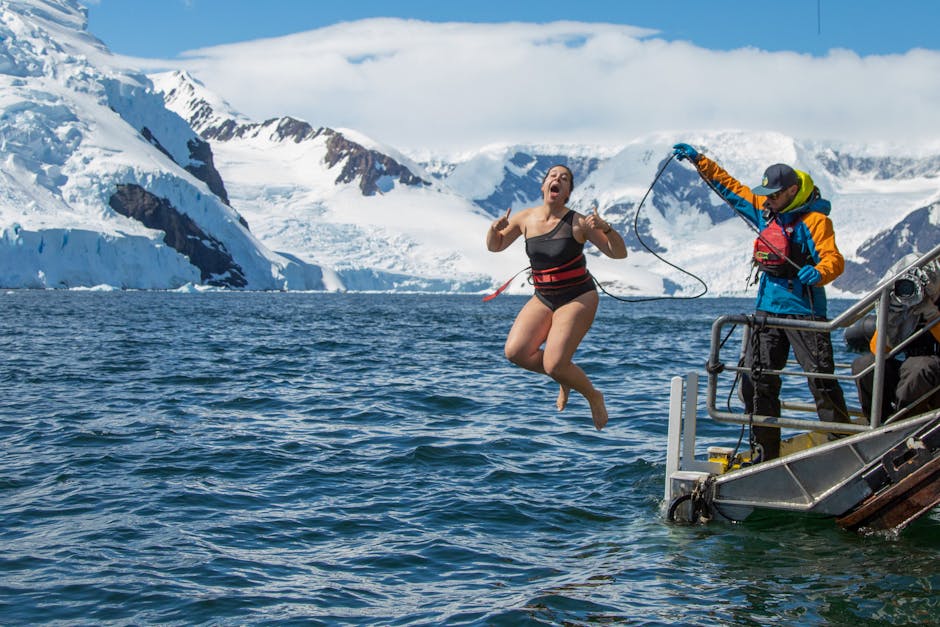
Cold showers and ice baths have exploded in popularity across the UK, with everyone from Premier League footballers to your neighbor claiming they’ve revolutionised their mornings. The practice of cold water immersion isn’t just another wellness trend—research shows it can genuinely improve your physical and mental health in measurable ways. But before you crank that shower dial to freezing, there’s a proper way to approach cold water therapy that maximizes benefits while keeping you safe.
📖 Reading time: 21 minutes
You might also enjoy reading: Why Indoor Climbing Gyms Are The Stress-Busting Workout You’ve Been Missing
Picture this: It’s 6:30am on a grey Manchester morning, and you’re standing in your bathroom, hand hovering over the shower dial. You’ve read about the benefits, watched the videos, and promised yourself today’s the day. Yet the thought of voluntarily stepping into freezing water feels utterly mad. You’re not alone—thousands of people across Britain face this exact moment daily, caught between curiosity about cold water therapy and the very sensible desire to stay warm and comfortable.
Common Myths About Cold Showers and Ice Baths
Let’s clear up some dangerous misconceptions before you dive in. The internet is awash with extreme claims and questionable advice about cold water therapy, and believing the wrong information could either put you off entirely or lead to genuine health risks.
Myth: You Need to Stay in Freezing Water for Ages to See Benefits
Reality: Research from the University of Portsmouth shows that even 30 seconds of cold water exposure triggers physiological responses. You don’t need to endure ten-minute ice baths to experience the benefits of cold showers and ice baths. Starting with just 15-30 seconds at the end of your regular shower activates your nervous system and begins the adaptation process. The “more is better” mentality can actually be counterproductive and increase injury risk, particularly for beginners.
Myth: Cold Water Therapy Is Dangerous for Everyone
Reality: While cold showers and ice baths aren’t suitable for certain people (particularly those with heart conditions, high blood pressure, or Raynaud’s disease), they’re generally safe for healthy adults when introduced gradually. The NHS acknowledges that cold water swimming has health benefits but recommends consulting your GP before starting if you have any medical concerns. The key word here is gradual—shocking your system with extreme cold without preparation is what causes problems.
Myth: Cold Water Immersion Burns Loads of Calories and Helps Weight Loss
Reality: You’ll find countless claims that ice baths torch calories by activating brown fat. Whilst there’s some truth to this mechanism, the actual caloric burn is disappointingly modest—typically around 100-200 extra calories per session according to metabolic studies. Don’t start cold showers and ice baths expecting dramatic weight loss. The real benefits lie elsewhere: improved circulation, enhanced recovery, mental resilience, and mood regulation.
The Science Behind Cold Showers and Ice Baths
Understanding what actually happens in your body when you expose it to cold water helps you approach the practice intelligently rather than treating it like some mysterious ritual. When cold water hits your skin, your body initiates a cascade of responses that affect everything from your circulatory system to your brain chemistry.
Your blood vessels constrict immediately—a process called vasoconstriction—which pushes blood toward your core organs to maintain vital functions. When you warm up afterwards, vasodilation occurs, flooding your tissues with oxygen-rich blood. This process, repeated regularly through cold showers and ice baths, essentially gives your circulatory system a workout, potentially improving cardiovascular function over time.
What’s more fascinating is the neurological response. Cold water triggers a surge of noradrenaline (also called norepinephrine), a hormone and neurotransmitter that increases alertness, focus, and mood. A study published in Medical Hypotheses found that cold showers could act as a mild form of stress that your body adapts to, potentially reducing the impact of other stressors in your life. This is called hormesis—beneficial adaptation to mild stress.
Research from the Netherlands involving over 3,000 participants found that people who took cold showers and ice baths regularly reported 29% fewer sick days from work compared to the warm-shower control group. The proposed mechanism involves the temporary boost in white blood cell count that occurs during cold exposure, though more research is needed to confirm this connection definitively.
Athletes have embraced cold water immersion for decades, and the science backs up their instincts. Cold exposure after intense exercise reduces inflammation and muscle soreness by decreasing metabolic activity and tissue breakdown. Professional rugby teams across the UK routinely use ice baths as part of their recovery protocols, though the optimal timing and temperature continue to be debated among sports scientists.
Mental Health Benefits of Cold Showers and Ice Baths
The psychological advantages of cold water therapy often surprise people more than the physical ones. Beyond the obvious “I’m now fully awake” sensation, regular exposure to cold water appears to build genuine mental resilience that transfers to other areas of life.
Cold showers and ice baths force you to confront discomfort voluntarily. That moment when you step into freezing water, your brain screaming at you to get out, and you choose to stay—that’s mental training. You’re teaching your nervous system that discomfort doesn’t equal danger, that you can remain calm when everything in you wants to panic. This practice has parallels with exposure therapy used in treating anxiety disorders.
Dr. Andrew Huberman, a neuroscientist at Stanford University, explains that deliberate cold exposure increases dopamine levels by up to 250% for several hours afterwards. Unlike the quick spike and crash you get from social media or caffeine, this dopamine increase is sustained and doesn’t lead to subsequent depletion. Many people report improved mood, motivation, and focus throughout the morning after starting their day with cold water.
There’s also compelling evidence around depression. The aforementioned Medical Hypotheses study proposed that cold showers could help alleviate depressive symptoms by activating the sympathetic nervous system and increasing beta-endorphins and noradrenaline in the brain. Whilst cold showers and ice baths shouldn’t replace professional treatment for clinical depression, they may serve as a complementary practice worth discussing with your healthcare provider.
The practice also creates a daily achievement—something you’ve done that’s genuinely difficult before most people have finished their first cup of tea. This small victory can set a positive tone for your entire day, building what psychologists call self-efficacy: the belief in your ability to accomplish challenging tasks.
How to Start Cold Showers and Ice Baths Safely
The biggest mistake people make with cold water therapy is going too extreme too quickly. Your neighbor might boast about jumping straight into ice baths, but that approach often leads to abandoning the practice within days or, worse, putting dangerous stress on your cardiovascular system.
Start with your normal warm shower. Wash, enjoy the warmth, and get yourself properly clean. Then, for the final 15-30 seconds, turn the temperature down to cool (not yet freezing). Breathe slowly and deliberately. Focus on relaxing your shoulders and jaw—these tense up automatically, but conscious relaxation helps immensely. That’s your first week done.
Week two, drop the temperature a bit lower and extend to 30-60 seconds. You’ll notice something interesting: the cold that felt intolerable last week now feels manageable. This is adaptation in real time. Your body is learning that this cold exposure isn’t a threat, and the initial panic response diminishes.
By week three or four, you can aim for properly cold water (around 15°C or below, depending on your water supply) for 1-2 minutes. Many people find this is their sweet spot—long enough to get the benefits of cold showers and ice baths without making their morning routine burdensome. Remember, consistency beats intensity. Better to do 90 seconds daily than attempt five minutes once a week.
If you’re interested in graduating to actual ice baths, the approach is similar but requires more equipment and caution. You’ll need something like a large plastic tub or purpose-built cold plunge barrel that can hold enough water to submerge your body up to your chest. Fill it with cold water and add ice gradually over several sessions until you reach 10-15°C. Never go alone for your first few attempts, and keep sessions to 2-10 minutes maximum.
The breathing matters enormously. When cold water hits your skin, your body’s gasp reflex kicks in—you’ll involuntarily inhale sharply and your breathing will quicken. This is normal but needs managing. Before entering cold water, practice slow nasal breathing. During exposure, focus on maintaining steady breaths: four-count inhale through your nose, six-count exhale through your mouth. This activates your parasympathetic nervous system (your “rest and digest” mode) and counteracts the panic response.
What to Expect: Timeline of Benefits
Understanding the timeline helps maintain motivation when you’re three days in and wondering why you’re voluntarily torturing yourself each morning. The benefits of cold showers and ice baths accumulate in stages, with some appearing immediately and others emerging over weeks.
Immediately to Day 3: The wake-up effect is instant—you’ll feel dramatically more alert than after a warm shower. You might also notice slightly elevated mood due to that endorphin and noradrenaline surge. Don’t expect miracles yet; mostly you’re just feeling cold and questioning your life choices.
Week 1-2: The practice becomes marginally less awful. Your body begins adapting to the temperature shock, and the initial gasping reflex softens. Some people report sleeping better, possibly because the mild stress of cold exposure helps regulate circadian rhythms. Your skin might look more vibrant—cold water constricts pores and can reduce puffiness.
Week 3-4: This is when mental benefits become noticeable. That sense of accomplishment before breakfast creates genuine momentum for the day. Many people report feeling more resilient generally—traffic jams and work stress feel more manageable when you’ve already done something difficult before 8am. If you exercise regularly, you might notice slightly faster recovery between sessions.
Month 2-3: The practice has become habit, no longer requiring significant willpower. Physical adaptations are more apparent: improved circulation means your hands and feet might feel warmer generally (counterintuitive but true). Some people notice their immune system seems more robust, though remember that’s partly correlational—people committed to cold showers and ice baths often maintain other healthy habits too.
Month 3+: Long-term practitioners report that voluntary discomfort in one area of life makes other challenges feel less daunting. It’s not magic—it’s training your nervous system to stay regulated under stress. The cardiovascular benefits of regular cold exposure may contribute to better overall heart health, though this should complement, not replace, traditional exercise and healthy eating.
Mistakes to Avoid (And How to Fix Them)
Mistake 1: Starting Too Intensely
Why it’s a problem: Jumping straight into freezing cold showers and ice baths shocks your system, triggers your panic response, and makes you likely to abandon the practice entirely. It can also be dangerous for people with underlying cardiovascular issues, as the sudden cold stress forces your heart to work dramatically harder.
What to do instead: Follow the gradual progression outlined above. Start with cool water for short bursts, then progressively decrease temperature and increase duration over weeks. Your body needs time to adapt its thermoregulation systems. Think of it like training for a marathon—you wouldn’t run 26 miles on day one.
Mistake 2: Holding Your Breath or Breathing Erratically
Why it’s a problem: When you hold your breath or breathe in short, panicked gasps, you activate your sympathetic nervous system even more intensely, making the experience unnecessarily stressful. This trains your body to associate cold water with genuine threat rather than manageable challenge.
What to do instead: Practice controlled breathing before you even turn on the cold water. Use the 4-6 breathing pattern (four counts in, six counts out) or box breathing (four counts for each of: inhale, hold, exhale, hold). Maintaining steady breathing tells your nervous system you’re safe, dramatically improving the experience.
Mistake 3: Doing It at the Wrong Time of Day
Why it’s a problem: Taking cold showers and ice baths right before bed can interfere with sleep for many people. The alertness boost and noradrenaline surge that make it brilliant in the morning work against you when you’re trying to wind down. Your core body temperature needs to drop slightly for optimal sleep, and whilst cold water cools your skin, the rebound heating response can raise core temperature.
What to do instead: Morning is ideal for most people. If you train in the evening and want cold water therapy for recovery, finish at least 2-3 hours before bedtime. Pay attention to your own response—some people find evening cold exposure doesn’t affect their sleep, but if you’re lying awake at 11pm feeling wired, timing is likely the culprit.
Mistake 4: Not Warming Up Properly Afterwards
Why it’s a problem: Staying cold too long after exposure, especially in a chilly British house, extends the stress on your system unnecessarily. Your body needs to return to normal temperature, and if you’re shivering for 30 minutes afterwards, you’re not recovering properly from the cold stress.
What to do instead: Have warm clothes ready immediately—a thick towel, dressing gown, warm socks. Don’t jump straight into a hot shower (this can cause dizziness as blood pressure adjusts), but do get yourself comfortably warm within 5-10 minutes. A warm cup of tea and some light movement like stretching helps your body regulate temperature naturally.
Mistake 5: Ignoring Your Body’s Warning Signs
Why it’s a problem: There’s a difference between discomfort (which is part of the practice) and genuine distress signals. Extreme shivering that doesn’t stop, numbness in extremities, chest pain, dizziness, or feeling faint are your body telling you something’s wrong. Pushing through these signals can lead to hypothermia or cardiovascular incidents.
What to do instead: Learn the difference between “this is uncomfortable” and “this is dangerous.” Mild discomfort, increased breathing, and cold sensation are normal. Uncontrollable shivering, confusion, slurred speech, or chest tightness are red flags—exit the cold water immediately, warm up, and consult a healthcare provider before continuing. Always err on the side of caution, especially when starting out with cold showers and ice baths.
Your 30-Day Cold Water Action Plan
This progressive plan takes you from complete beginner to confident cold water practitioner. Adjust timing based on your own adaptation—there’s no shame in repeating a week if you need more time.
- Days 1-3: End your regular warm shower with 15 seconds of cool (not cold) water. Focus entirely on maintaining steady breathing. Notice the sensations without judging them. Goal: Complete all three days without skipping.
- Days 4-7: Increase to 30 seconds of cool water. Start consciously relaxing your shoulders and jaw when the cool water hits. Practice your breathing technique before you switch the temperature. Goal: Notice whether Day 7 feels easier than Day 4.
- Days 8-10: Drop temperature slightly colder and maintain 30 seconds. Experiment with directing the water to different body parts—legs first, then torso, finally neck and head. Most people find legs easiest to acclimate. Goal: Identify which approach feels most manageable for you.
- Days 11-14: Increase to 45-60 seconds at the colder temperature. This is often when people hit their first resistance—the novelty has worn off but it’s not yet habit. Remind yourself why you started this practice. Goal: Don’t quit. Consistency matters more than perfection.
- Days 15-17: Move to properly cold water (as cold as your shower goes) for 30 seconds. This will feel like starting over—that’s normal. Your previous progression has prepared your nervous system even if it doesn’t feel like it. Goal: Prove to yourself you can handle genuinely cold water.
- Days 18-21: Increase to 60 seconds at cold temperature. By now, you might actually start to enjoy the feeling afterwards—that tingling aliveness and mental clarity. Many people start looking forward to this part of their morning around this point. Goal: Notice and acknowledge the mental benefits you’re experiencing.
- Days 22-25: Extend to 90 seconds. Consider ending with a brief burst of even colder water if available. This is your “comfortable cold” phase—still challenging but no longer overwhelming. Goal: Recognize how much your capacity has grown since Day 1.
- Days 26-30: Settle into your sustainable routine. For most people, this is 1-2 minutes of cold water at the end of their morning shower. You might occasionally push to 3 minutes on days you feel ambitious, or drop to 30 seconds on days you’re tired or unwell. Goal: Make this a permanent part of your morning routine, not a 30-day experiment.
If you’re interested in progressing to actual ice baths after completing this plan, repeat the same gradual approach: start with cold water, add small amounts of ice over several sessions, and build up duration slowly from 1-2 minutes toward 5-10 minutes maximum.
Quick Reference Checklist for Cold Showers and Ice Baths
- Consult your GP before starting if you have any cardiovascular conditions, high blood pressure, or Raynaud’s disease
- Begin with 15-30 seconds of cool (not freezing) water at the end of your regular shower
- Focus on controlled breathing: four-count inhale, six-count exhale throughout exposure
- Gradually decrease temperature and increase duration over 3-4 weeks rather than going extreme immediately
- Schedule cold exposure in the morning rather than evening to avoid sleep disruption
- Have warm clothes and towels ready immediately after finishing to help your body recover
- Never practice ice baths alone, especially in the first few months of cold water therapy
- Exit immediately if you experience chest pain, extreme dizziness, or uncontrollable shivering
Frequently Asked Questions
Do I need special equipment to start cold showers and ice baths?
Not for cold showers—your regular shower is perfectly adequate. Simply turn the temperature dial toward cold progressively over several weeks. For ice baths, you’ll eventually need a container large enough to submerge your torso, such as a wheeled bin, large plastic storage container, or purpose-built cold plunge barrel. Many people find that a simple outdoor tub works brilliantly for ice baths at home. Add a basic thermometer to monitor water temperature, especially when starting out, as this helps you track your progression and maintain safe temperatures between 10-15°C.
What if I absolutely hate the cold and can’t imagine ever getting used to it?
Your current relationship with cold doesn’t predict how you’ll adapt. Almost everyone hates it initially—that’s the point. The practice trains your nervous system to handle discomfort more effectively. Start with just 10 seconds of cool water, so brief it’s over before your brain fully registers protest. The adaptation happens gradually and often surprises people who consider themselves “cold-sensitive.” That said, cold showers and ice baths aren’t mandatory for good health—if you’ve genuinely tried the progressive approach for several weeks and still find it intolerable, there are plenty of other wellness practices worth your energy.
Can I do cold water therapy if I’m trying to build muscle or improve athletic performance?
Timing matters significantly here. Recent research suggests that cold water immediately after strength training may slightly blunt the inflammatory response that contributes to muscle growth. If your primary goal is building muscle, consider waiting 4-6 hours after resistance training before cold exposure, or do it first thing in the morning on non-training days. For endurance athletes or recovery from intense matches or competitions, the benefits of cold showers and ice baths for reducing inflammation and soreness generally outweigh any small interference with adaptation. Experiment with timing and monitor your recovery and performance over several weeks.
How long before I notice real benefits from cold showers and ice baths?
The alertness and mood boost happens immediately—within minutes of stepping out of cold water. Mental resilience and that sense of accomplishment develops within the first week or two of consistent practice. Physical benefits like improved circulation, potential immune system support, and enhanced recovery typically become noticeable around the 3-4 week mark, though individual variation is significant. The most profound benefits—genuine changes in stress resilience and your relationship with discomfort—emerge over 2-3 months of regular practice. Consistency is far more important than intensity for long-term results.
Is there anyone who absolutely shouldn’t practice cold water therapy?
Yes, several groups should avoid cold showers and ice baths or only proceed under medical supervision. People with cardiovascular disease, uncontrolled high blood pressure, or history of heart problems face genuine risks from the sudden stress cold water places on the circulatory system. Those with Raynaud’s disease or severe cold sensitivity can experience painful and potentially harmful vasoconstriction. Pregnant women should consult their midwife or doctor before starting. If you have any chronic health condition or take regular medication, a conversation with your GP is essential before beginning cold water therapy. For healthy adults with no underlying conditions, gradual cold exposure is generally safe, but listening to your body and starting slowly remains crucial.
Making Cold Water Therapy Work for Your Life
The real question isn’t whether cold showers and ice baths offer benefits—the research and anecdotal evidence are compelling. The question is whether you’ll actually stick with the practice long enough to experience those benefits. Sustainable habits require integration into your existing routine rather than complete lifestyle overhauls.
Link your cold shower to an existing morning habit. If you already shower after waking, you’ve got your anchor. If you’re not a morning showerer, consider whether evening sessions work with your schedule, keeping in mind the potential sleep interference. The specific time matters less than consistency—doing it at the same time daily helps cement the habit.
Track your practice simply. A basic calendar with checkmarks for completed days provides surprising motivation. Many people use a habit-tracking app or just mark an X on a wall calendar. Seeing a chain of consecutive days builds momentum—you won’t want to break the streak. Note how you feel afterwards too: energy levels, mood, any changes in focus or resilience throughout the day.
Find your minimum viable dose. You’re far more likely to maintain 60 seconds daily than to attempt 5-minute ice baths three times weekly and quit after a fortnight. Once the shorter practice is genuinely habitual—so automatic you do it without debating—you can experiment with longer or colder sessions. But protect the core habit first.
Connect with others practicing cold water therapy. The UK has a thriving outdoor swimming community, with groups meeting at beaches, lakes, and lidos year-round. The Outdoor Swimming Society lists locations and groups across Britain. Cold water immersion feels less daunting as a social activity, and the community support helps maintain commitment during difficult patches.
Remember that missing a day doesn’t erase your progress. Life happens—you’re ill, staying at a hotel with a terrible shower, or simply need a break. One skipped day won’t reset your physiological adaptations or destroy your habit. Just return to it the next day without drama or self-criticism. Perfection isn’t the goal; consistent imperfection beats inconsistent perfection every time.
The Bigger Picture: What Cold Water Teaches You
Beyond the physiological benefits, cold showers and ice baths teach a valuable life skill: doing difficult things voluntarily. Modern life offers unprecedented comfort—heated homes, warm transport, food delivery apps, entertainment on demand. This comfort is wonderful, but it can leave us unprepared for inevitable discomfort and challenges.
Cold water exposure is controllable difficulty. You choose to enter, you choose to stay, and you choose when to exit. This voluntary discomfort builds confidence in your capacity to handle hard things. That confidence transfers. The same mental muscles you develop standing under cold water—staying calm when your body screams at you to stop, breathing through discomfort, trusting you’ll be fine—apply to difficult conversations, challenging work projects, or emotional distress.
There’s also something profound about starting your day with a small victory over your comfort-seeking brain. You’ve done something genuinely difficult before most people have checked their phones. This isn’t about being superior to others; it’s about building evidence for yourself that you’re capable of more than you thought. That evidence accumulates, shifting your identity from someone who avoids discomfort to someone who embraces challenges.
The practice also cultivates present-moment awareness. It’s nearly impossible to worry about tomorrow’s meeting or replay yesterday’s conversation when freezing water is cascading over you. You’re forced into the now, focused entirely on managing your breath and sensations. This involuntary mindfulness practice has benefits that extend throughout your day.
Ready to Take the Plunge
You now have everything you need to start experiencing the benefits of cold showers and ice baths safely and sustainably. The science demonstrates genuine physiological and psychological benefits. The method is straightforward: start small, progress gradually, focus on consistency over intensity. The practice costs nothing, takes minimal time, and requires no special equipment to begin.
The hardest part is always the first step—that initial decision to turn the dial toward cold. Remember, you don’t need to be perfect. You just need to start. Tomorrow morning, after your regular warm shower, give yourself 15 seconds of cool water. Just 15 seconds. You can tolerate anything for 15 seconds.
Three weeks from now, when cold showers and ice baths have become part of your routine, you’ll struggle to remember why you were nervous. You’ll stand under that cold water, breathing steadily, feeling fully alive, and wonder why you didn’t start sooner. The version of you who’s built that habit, who’s proven to themselves they can do difficult things—that person is waiting. Go meet them.
Related reading: Recovery Sessions for Lifters Who Sleep Badly: Train Smart When Rest Falls Short


