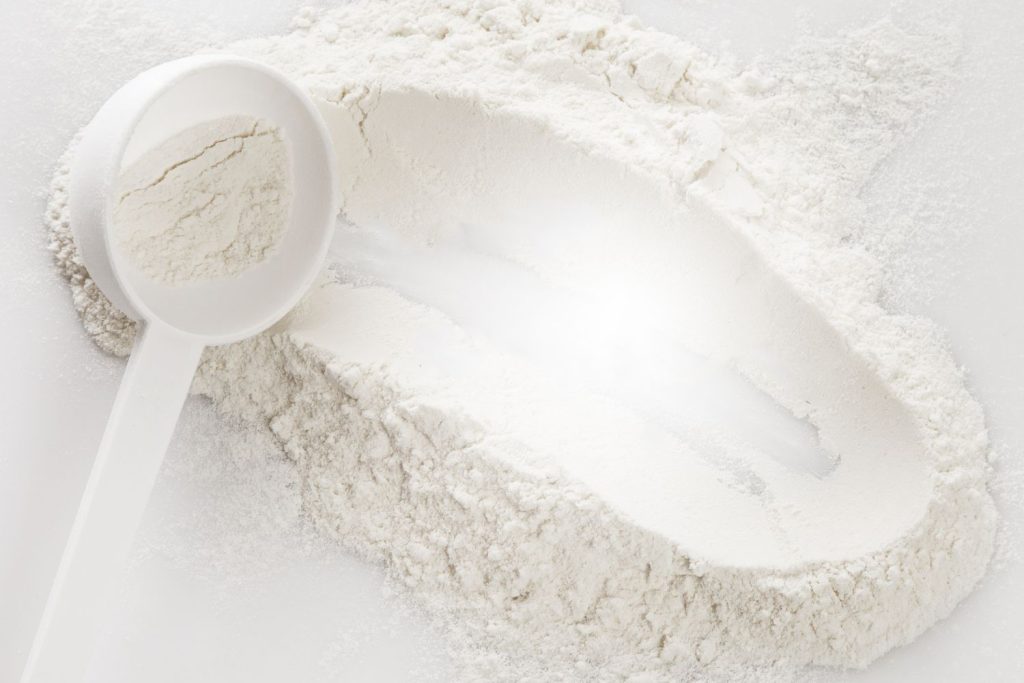
Walk into any gym in the UK and you’ll spot someone mixing a white powder into their water bottle post-workout. That powder is probably creatine monohydrate, and the creatine monohydrate benefits for strength and muscle mass are backed by more research than almost any other supplement on the market. Despite being around for decades, it remains one of the most misunderstood supplements in fitness.
Related reading: Tempo Training: Build Muscle 40% Faster With This Simple Method.
Picture this: You’re three months into a solid training programme, hitting the gym four times weekly, eating properly, sleeping well. Progress is steady but slow. Meanwhile, your mate who started the same time as you is adding weight to the bar every other week, recovering faster, and building visible muscle at what seems like twice your pace. The difference? Creatine monohydrate benefits are working in their favour.
Let’s Bust Some Creatine Myths
Related reading: Creatine Loading Protocol Guide: 7 Days to Maximum Strength and Power Gains
Myth: Creatine is a steroid or dangerous substance
Reality: Creatine is a naturally occurring compound found in red meat and fish. Your body produces it in small amounts through your liver, kidneys, and pancreas. It’s been studied extensively for over 30 years, with research from institutions like NHS-backed universities showing it’s one of the safest supplements available. Nothing about creatine is synthetic or remotely similar to anabolic steroids.
Myth: Creatine only benefits bodybuilders and elite athletes
Reality: Whether you’re a busy parent trying to maintain muscle mass, a weekend warrior playing five-a-side, or someone simply wanting to get stronger, creatine monohydrate benefits apply to you. Studies show it enhances performance in anyone engaging in resistance training or high-intensity exercise. Age and fitness level matter less than consistency with training and supplementation.
Myth: Creatine causes kidney damage and dehydration
Reality: Decades of research have found no evidence that creatine causes kidney damage in healthy individuals. The confusion stems from elevated creatinine levels in blood tests, which is simply a byproduct of creatine metabolism, not kidney dysfunction. As for dehydration, creatine actually helps muscles retain water, which can be protective during training. Just maintain normal hydration habits and you’re sorted.
How Creatine Monohydrate Benefits Your Muscles
You might also enjoy: Creatine Monohydrate Benefits: How Much to Take and When
Understanding creatine monohydrate benefits requires a quick look at cellular energy. Your muscles store energy as ATP (adenosine triphosphate). During intense exercise, ATP breaks down to produce energy, leaving behind ADP (adenosine diphosphate). This is where creatine earns its reputation.
Creatine phosphate donates a phosphate group to ADP, rapidly converting it back to ATP. More ATP means your muscles can maintain high-intensity effort for longer. That extra rep, that heavier weight, that final sprint in the last minute of the match becomes achievable.
Research published in peer-reviewed journals shows creatine supplementation increases muscle creatine stores by 10-40%, depending on your starting levels. People who eat less red meat typically see larger increases, which explains why vegetarians and vegans often experience particularly noticeable creatine monohydrate benefits.
The practical outcome? You can lift heavier weights, complete more repetitions, and recover faster between sets. Over weeks and months, this compounds into significantly greater strength and muscle gains compared to training without supplementation.
The Muscle Growth Connection
Beyond immediate performance enhancement, creatine monohydrate benefits extend to actual muscle growth through several mechanisms. First, that increased training capacity leads to greater mechanical tension on muscle fibres, which is the primary driver of hypertrophy.
Second, creatine causes muscle cells to draw in more water through a process called cell volumisation. This isn’t just bloating. The increased cell volume triggers signalling pathways that promote protein synthesis and reduce protein breakdown.
Studies consistently demonstrate 1-2kg of lean muscle gain in the first month of creatine supplementation, with continued benefits over longer periods when combined with proper training. A systematic review of creatine research found participants gained an average of 1.4kg more muscle mass than those using a placebo over 12 weeks of resistance training.
Strength Gains You Can Measure
Perhaps the most impressive creatine monohydrate benefits show up in strength metrics. We’re not talking about minor improvements. Research indicates creatine supplementation can increase maximum strength by 5-15% across various lifts.
For someone benching 80kg, that could mean adding 4-12kg to their one-rep max within several weeks. That’s not insignificant. Those are gains that would typically take months of dedicated training to achieve naturally.
Strength improvements appear most dramatic in exercises involving phosphocreatine energy systems. Think heavy compound lifts performed for low repetitions: squats, deadlifts, bench press, overhead press. The creatine monohydrate benefits are slightly less pronounced in endurance activities, though they still provide measurable advantages.
What’s particularly valuable for regular gym-goers is the effect on training volume. You’ll find yourself capable of performing more total work in each session. An extra set here, two more reps there. Over time, this accumulated volume drives significant adaptations in both strength and muscle size.
Power Output and Athletic Performance
Athletes involved in sports requiring repeated bursts of high-intensity effort see substantial creatine monohydrate benefits. Football players sprinting repeatedly, rugby players engaging in physical contact, tennis players during intense rallies, all benefit from enhanced phosphocreatine stores.
Studies on sprint performance show improvements of 1-5% in both single and repeated sprint times. That might sound modest, but in competitive sport, those fractions of a second separate winning from losing. For recreational athletes, it translates to maintaining intensity throughout an entire match or training session rather than fading in the final minutes.
Your 8-Week Creatine Protocol
Getting the full creatine monohydrate benefits requires consistent supplementation. The protocol is straightforward, but timing and dosage matter.
- Week 1: Consider a loading phase of 20g daily, split into four 5g doses throughout the day. This rapidly saturates your muscle stores. Mix each dose with water or add to your protein shake. Many people skip loading and go straight to maintenance, which works fine if you’re patient.
- Week 2 onwards: Drop to a maintenance dose of 3-5g daily. Timing is flexible. Post-workout works well since insulin from your meal helps with creatine uptake, but any consistent time works.
- Weeks 2-4: Track your training performance. Note improvements in repetitions, weight lifted, or recovery between sets. Keep a simple log in your phone.
- Weeks 5-8: Expect visible changes in muscle fullness and continued strength progression. Your muscles will look slightly fuller due to increased water content within the cells.
- Beyond Week 8: Continue with 3-5g daily indefinitely. There’s no need to cycle off creatine. Your body adjusts its natural production, and the supplement maintains elevated muscle stores.
Consistency beats perfection. Missing a day occasionally won’t undo the creatine monohydrate benefits you’ve built up, as muscle stores remain elevated for several weeks even without supplementation.
Choosing Your Creatine
Creatine monohydrate remains the gold standard. Various forms exist in the supplement market – creatine ethyl ester, buffered creatine, liquid creatine – but none show superior benefits to basic creatine monohydrate in research trials.
Look for micronised creatine monohydrate, which dissolves more easily in liquid. The texture should be fine powder, not gritty. Quality matters less than you’d think since creatine monohydrate is chemically identical across brands, but choosing products tested by third-party organisations ensures you’re getting what’s listed on the label.
A basic tub of creatine monohydrate costs £10-15 and lasts months. It’s genuinely one of the most cost-effective supplements for the results it delivers. No need for fancy formulations or premium pricing.
What You Might Notice (And What You Won’t)
Setting realistic expectations helps you recognise when creatine monohydrate benefits are working. Within the first week, particularly if you’ve done a loading phase, expect to gain 1-2kg of body weight. This is water retention inside muscle cells, not fat. Your muscles may look slightly fuller and more pumped.
By week two or three, training performance should noticeably improve. That weight that felt challenging for 8 reps might suddenly feel manageable for 10-12 reps. Recovery between sets shortens. You’ll feel capable of pushing harder without premature fatigue.
After 4-8 weeks of consistent training and supplementation, actual muscle growth becomes apparent. Shirts fit tighter around the arms and shoulders. Lifts that seemed stuck at a plateau start moving upward again.
What you won’t notice: creatine doesn’t provide acute energy like caffeine. You won’t feel a buzz or rush after taking it. The creatine monohydrate benefits work at the cellular level, supporting performance rather than stimulating your nervous system. Some people wonder if it’s working simply because they don’t “feel” anything immediately.
Potential Side Effects (The Honest Truth)
Most people tolerate creatine monohydrate brilliantly. The most common issue is minor stomach discomfort if you take too much at once, particularly during a loading phase. Splitting your dose throughout the day usually resolves this.
That initial water weight gain bothers some people, especially those focused on looking lean. Understanding that this represents intramuscular water (inside muscle cells, creating fullness) rather than subcutaneous water (under the skin, creating bloating) helps put it in perspective.
Rarely, people report muscle cramps. Evidence doesn’t support creatine as the cause, but maintaining proper hydration becomes especially important when training intensely. Aim for at least 2-3 litres of water daily, more if you’re training hard or it’s warm.
Mistakes to Avoid (And How to Fix Them)
Mistake 1: Inconsistent supplementation
Why it’s a problem: Creatine monohydrate benefits depend on maintaining elevated muscle stores. Taking it sporadically means stores never fully saturate, and you miss out on the performance advantages.
What to do instead: Set a daily reminder on your phone. Keep your creatine tub visible on your kitchen counter. Pair it with an existing habit like your morning coffee or post-workout shake.
Mistake 2: Taking creatine without proper training
Why it’s a problem: Creatine enhances training capacity, but it doesn’t replace training. Without consistent resistance exercise, you won’t see meaningful strength or muscle gains regardless of supplementation.
What to do instead: Ensure you’re following a structured training programme at least 3-4 times weekly. Progressive overload remains the foundation. Creatine simply allows you to progress faster.
Mistake 3: Expecting overnight transformation
Why it’s a problem: Disappointment leads to abandoning supplementation before the real creatine monohydrate benefits accumulate. Muscle growth and strength gains require weeks, not days.
What to do instead: Give it a proper 8-week trial while training consistently. Track your lifts weekly. Compare your 8-week numbers to your starting point, not your performance from three days ago.
Mistake 4: Overpaying for unnecessary formulations
Why it’s a problem: Supplement companies market fancy creatine blends at premium prices, claiming superior absorption or effectiveness. Research doesn’t support these claims for the vast majority of people.
What to do instead: Buy basic creatine monohydrate powder. Save your money for quality food and proper training equipment. The simplest form delivers the full creatine monohydrate benefits.
Mistake 5: Neglecting hydration
Why it’s a problem: Creatine draws water into muscle cells, which slightly increases your body’s water requirements. Inadequate hydration can lead to headaches or reduced performance.
What to do instead: Increase your water intake by 500ml-1L daily when starting creatine. Carry a reusable water bottle. Monitor your urine colour. Pale yellow indicates proper hydration.
Creatine for Specific Training Goals
The creatine monohydrate benefits adapt to different training objectives. For those focused purely on strength, creatine shines during heavy, low-rep compound movements. Powerlifters and strength athletes consider it essential for this reason.
Bodybuilders and those training for hypertrophy benefit from the increased training volume creatine enables. More sets, more reps, shorter rest periods all become more manageable, creating the stimulus needed for muscle growth.
People training for fat loss sometimes avoid creatine due to the initial water weight gain. This is short-sighted. The enhanced training performance helps preserve muscle mass during a calorie deficit, which maintains metabolic rate and improves final body composition. That temporary water weight is a small price for better results.
Older adults experience particularly valuable creatine monohydrate benefits. Research shows creatine supplementation combined with resistance training helps counteract age-related muscle loss more effectively than training alone. Maintaining muscle mass supports metabolic health, bone density, and functional independence as we age.
Women and Creatine
Women sometimes hesitate to use creatine, worried about looking bulky or retaining water. The science is clear: creatine monohydrate benefits women identically to men at the cellular level. Building substantial muscle mass requires years of dedicated training, adequate calories, and often genetic predisposition. Creatine won’t suddenly make you bulky.
The muscle fullness from intracellular water retention creates a firmer, more toned appearance rather than puffiness. Many women report looking more defined and athletic after adding creatine to their training regimen. Performance improvements in the gym lead to better body composition over time.
Combining Creatine with Other Supplements
Creatine monohydrate benefits aren’t diminished by other supplements, and certain combinations work synergistically. Protein powder and creatine pair naturally, as both support muscle growth through different mechanisms. Mix your creatine into your protein shake post-workout for convenience.
Caffeine and creatine work well together despite old research suggesting potential interference. More recent studies show no negative interaction. Your pre-workout coffee or energy drink won’t compromise creatine’s effectiveness.
Beta-alanine, another well-researched supplement, complements creatine by buffering lactic acid during higher-rep training. Together, they cover different aspects of performance enhancement. Creatine supports maximal strength and power, while beta-alanine helps with muscular endurance in the 60-90 second work period range.
Carbohydrates consumed with creatine may enhance uptake slightly by stimulating insulin release, which helps transport creatine into muscle cells. This is why many people take creatine post-workout with a meal containing carbs and protein. However, the effect is modest, and consistent daily supplementation matters more than precise timing.
Save This: Creatine Essentials Checklist
- Take 3-5g of creatine monohydrate daily at any consistent time
- Mix with water, juice, or protein shakes for easy consumption
- Expect 1-2kg initial water weight gain within the first week
- Increase daily water intake by 500ml-1L to support hydration needs
- Track training performance weekly to monitor strength improvements
- Give supplementation 8 weeks minimum before assessing results
- Choose basic creatine monohydrate over expensive specialty formulations
- Maintain consistent resistance training 3-4 times weekly for best results
Your Creatine Questions Answered
Do I need to cycle off creatine periodically?
No cycling is necessary. Early supplement marketing created this myth, but research shows no benefits to cycling and no downsides to continuous use. Your body adjusts its natural creatine production downward when supplementing but returns to normal within weeks of stopping. The creatine monohydrate benefits remain consistent with ongoing supplementation, so there’s no reason to take breaks unless you choose to.
How long does it take to see results from creatine?
Initial water retention happens within 3-7 days, particularly with a loading phase. Performance improvements typically become noticeable in weeks 2-3 as muscle stores saturate. Visible muscle growth requires 4-8 weeks of consistent supplementation combined with proper training. Strength gains follow a similar timeline, with measurable improvements emerging around week 3-4. Patience matters. The creatine monohydrate benefits accumulate progressively rather than appearing overnight.
Can I take creatine if I don’t eat meat?
Absolutely. Vegetarians and vegans often see more dramatic creatine monohydrate benefits because they start with lower baseline creatine stores. Since dietary creatine comes primarily from meat and fish, plant-based eaters have less creatine in their muscles naturally. Supplementation levels the playing field and may provide even greater performance improvements than meat-eaters experience. Creatine monohydrate supplements are synthesised and contain no animal products, making them suitable for any dietary preference.
Will creatine make me look bloated or puffy?
No. The water retention from creatine occurs inside muscle cells (intracellular), not under the skin (subcutaneous). This creates muscle fullness and a more pumped appearance rather than bloating. Your muscles will look slightly larger and more defined, not soft or puffy. Some people confuse this initial fullness with fat gain, but the scale increase represents beneficial water within muscle tissue that supports performance and growth.
Is creatine safe for long-term use?
Research spanning over 30 years consistently shows creatine monohydrate is safe for long-term use in healthy individuals. Studies following participants for 5+ years of continuous supplementation found no adverse health effects. Your liver and kidneys handle creatine metabolism easily, as they already process the creatine from your diet and natural production. Standard blood tests may show elevated creatinine levels, but this reflects creatine metabolism, not organ dysfunction. If you have pre-existing kidney conditions, consult your GP, but for healthy adults, creatine monohydrate benefits come without significant health risks.
Making Creatine Work for Your Life
The beauty of creatine monohydrate benefits lies in their accessibility. This isn’t a supplement requiring complex timing protocols, expensive formulations, or strict dietary restrictions. Three to five grams daily, whenever you remember to take it, combined with consistent training delivers measurable results.
Cost-effectiveness sets creatine apart from other supplements. For the price of two fancy coffees, you get a month’s supply. The performance improvements and muscle gains you’ll see represent incredible value compared to almost any other fitness investment.
Whether you’re a busy professional squeezing in lunchtime gym sessions, a parent training early before the house wakes, or someone simply wanting to see better results from their efforts, creatine monohydrate benefits enhance whatever training you’re already doing. It doesn’t require perfection, just consistency.
Thousands of people across the UK are exactly where you are right now, wondering if creatine is worth trying. The research is definitive. The safety profile is excellent. The cost is minimal. The creatine monohydrate benefits for strength and muscle mass are real, measurable, and accessible to anyone willing to supplement consistently and train regularly.
Start today. Mix 5g into your water bottle. Track your lifts for the next eight weeks. Watch the numbers climb. That’s all it takes. Your future self, adding another plate to the bar and seeing visible muscle growth, will be grateful you started when you did.


