
Scientists tracking 15,000 adults across two decades discovered something remarkable: people who regularly engage in creative hobbies report 38% lower stress levels, 43% higher life satisfaction, and significantly reduced risk of cognitive decline compared to those without creative outlets.
Pursuing creative hobbies—activities involving artistic expression, making, crafting, or imaginative engagement—offers far more than pleasant ways to pass time. They provide mental health benefits, stress relief, social connection, skill development, and genuine fulfilment in ways that passive entertainment simply cannot match. Whether you’ve never considered yourself “creative” or you’re seeking to reignite dormant artistic interests, developing creative pursuits transforms your wellbeing and daily experience.
This comprehensive guide explores the world of creative hobbies accessible to UK adults of all skill levels and budgets. Discover which activities align with your interests and constraints, learn how to start without feeling overwhelmed, and develop sustainable creative practices that genuinely enrich your life rather than becoming additional sources of stress.
Who This Guide Is For
Anyone seeking more fulfilling leisure time, wanting to develop new skills, looking for stress relief beyond passive entertainment, or simply curious about exploring their creative side will benefit from this resource. We’ll cover options for complete beginners, time-constrained professionals, budget-conscious households, and those seeking deeper engagement with creative practices they’ve already begun.
Why Creative Hobbies Matter More Than You Think
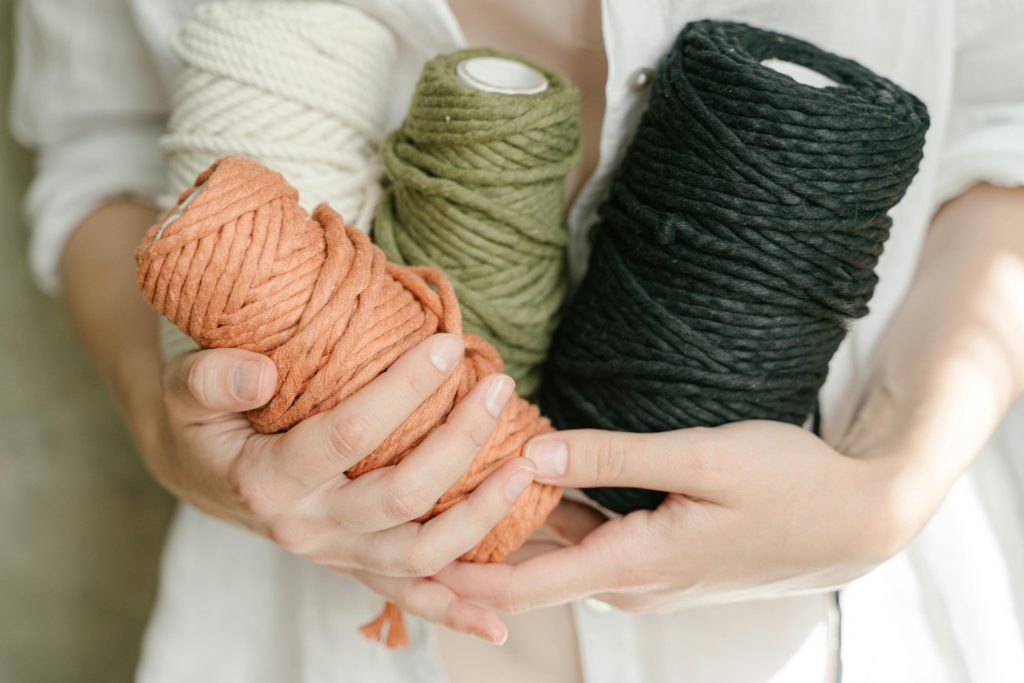
Creative hobbies represent more than just pleasant pastimes. They fundamentally affect your mental health, cognitive function, social connections, and overall life satisfaction in measurable ways.
The Mental Health Benefits of Creative Engagement
Engaging in creative activities activates multiple brain regions simultaneously, creating what neuroscientists call “flow states”—periods of complete absorption where time seems to disappear and self-consciousness fades. Flow states correlate strongly with happiness and life satisfaction.
Data from the University of Cambridge shows that adults spending 30+ minutes daily on creative hobbies experienced 23% reduction in anxiety symptoms and 31% improvement in mood over three months. Creative engagement provides active stress relief rather than distraction, processing difficult emotions whilst building genuine wellbeing.
Unlike passive entertainment, creative hobbies demand active participation. Making something with your hands, solving creative problems, or expressing yourself artistically engages your mind completely, preventing the rumination that fuels anxiety and depression.
Cognitive Benefits and Brain Health
Creative activities build cognitive reserve—your brain’s ability to maintain function despite age-related changes or injury. Learning new skills, solving creative problems, and coordinating complex movements all strengthen neural connections.
Research from King’s College London tracking older adults found that those maintaining creative hobbies showed 32% slower cognitive decline over five years compared to those without creative engagement. Playing musical instruments, learning languages, and visual arts all demonstrated particularly strong protective effects.
Creative hobbies force you outside habitual patterns, creating new neural pathways. When you learn watercolour techniques, master pottery throwing, or compose music, your brain literally rewires itself to accommodate these new capabilities.
Many creative hobbies naturally foster community. Local art classes, craft groups, writing circles, music ensembles, and maker spaces provide structured opportunities for connection around shared interests.
Social isolation represents a significant health risk comparable to smoking 15 cigarettes daily, according to public health research. Creative communities combat this isolation whilst providing purpose and belonging. Unlike forced social interaction, creativity-based connection feels natural because focus remains on the shared activity rather than awkward conversation.
Online communities extend these benefits globally. Photography forums, writing groups, craft circles, and countless other digital spaces connect people with niche interests impossible to find locally.
Understanding Different Types of Creative Hobbies
Creative pursuits span enormous range. Understanding broad categories helps identify activities matching your interests, resources, and constraints.
Visual Arts
Drawing, painting, photography, collage, digital art, and sculpture allow visual expression and observation skill development.
Accessibility: Ranges from very accessible (drawing requires only paper and pencil) to equipment-intensive (oil painting, pottery). Most visual arts start affordably then scale with skill and interest.
Time commitment: Highly flexible. Sketch for 15 minutes or paint for hours. Most visual arts accommodate irregular schedules better than hobbies requiring sustained practice.
Space requirements: Varies enormously. Drawing needs minimal space. Painting requires ventilation and storage. Photography often happens outside home. Consider your available space before investing heavily.
Learning curve: Gentle for most visual arts. Progress appears quickly, providing motivation to continue. Mastery takes years, but enjoyable creation begins immediately.
Crafts and Making
Knitting, crochet, sewing, woodworking, leathercraft, jewellery making, and countless other crafts transform materials into functional or decorative objects.
Accessibility: Most crafts start inexpensively. Knitting requires needles and yarn (£15-25 for starter project). Woodworking requires more investment in tools and workspace. Digital fabrication through maker spaces provides access to expensive equipment affordably.
Time commitment: Projects range from quick (simple knitted dishcloth takes 2-3 hours) to extensive (quilts require months). Most crafts work well with interrupted schedules since you pick up exactly where you stopped.
Space requirements: Varies by craft. Knitting and crochet travel easily. Woodworking needs dedicated workshop space. Sewing requires area for cutting and machine setup.
Learning curve: Most crafts offer clear progression. Complete beginners create usable items within first projects. Complexity scales infinitely as skills develop.
Performing Arts
Music, singing, dance, theatre, stand-up comedy, and public speaking develop performance skills and stage presence.
Accessibility: Singing requires no equipment. Most instruments need initial investment (£100-500 for decent beginner instruments). Dance needs safe practice space. Theatre and comedy require performance venues or groups.
Time commitment: Regular practice matters enormously for performing arts. Missing week of practice creates noticeable regression. Plan for 30-60 minutes most days rather than occasional intensive sessions.
Space requirements: Varies by activity. Singing and many instruments work in small spaces with consideration for neighbours. Dance needs room to move. Drums require soundproofing or electronic alternatives.
Learning curve: Steeper initially than visual arts or crafts. Several months of practice precede satisfying results for most instruments. Progress accelerates once fundamentals solidify.
Writing and Storytelling
Fiction, poetry, memoir, blogging, journaling, and scriptwriting develop written expression and storytelling abilities.
Accessibility: Extremely accessible. Requires only writing implement or computer. No special equipment or materials needed. Completely free hobby if desired.
Time commitment: Highly flexible. Write for 10 minutes or several hours. Daily writing builds skill faster but irregular schedules work fine for recreational writers.
Space requirements: Minimal. Any quiet space with surface for writing or typing suffices. Many writers work in cafes, libraries, or public spaces.
Learning curve: Gentle entry with deep mastery potential. Anyone literate can write immediately. Developing compelling narratives or polished prose requires years but improvement appears continuously.
Digital and Tech-Based Creativity
Digital art, photo editing, music production, coding creative projects, 3D modelling, and video editing leverage technology for creative expression.
Accessibility: Requires computer or tablet. Software ranges from free (GIMP, Audacity, Blender) to expensive professional tools (Adobe Creative Suite, £50/month). Initial learning curve steeper due to software complexity.
Time commitment: Flexible once skills develop. Learning software requires dedicated time upfront. After fundamentals solidify, digital work adapts to any schedule.
Space requirements: Minimal beyond space for computer setup. No materials storage needed. Particularly suited to small living spaces.
Learning curve: Moderate to steep depending on tool complexity. Abundant free tutorials available online. Progress often feels exponential—slow initially then accelerating rapidly.
Choosing the Right Creative Hobby

With countless options available, strategic selection prevents wasted time and money on pursuits that don’t fit your life.
Assess Your Interests and Inclinations
What captures your attention naturally? People who spend hours watching baking shows might enjoy actual baking or cake decorating. Those admiring handmade furniture might explore woodworking. Photographers already take countless phone photos.
Notice what you enjoy consuming. If you love reading, try writing. Music listeners might explore instrument learning. Art gallery visitors could experiment with painting. Your consumption patterns reveal genuine interests worth pursuing actively.
Consider your childhood creativity. What did you enjoy making or doing before adult responsibilities crowded out play? Many people rediscover genuine passion returning to childhood hobbies with adult resources and skills.
Match Hobbies to Your Constraints
Be realistic about time, space, and budget. Glassblowing looks amazing but requires substantial investment and dedicated workspace. Watercolour painting needs minimal supplies and works at kitchen tables.
Time-constrained professionals: Choose hobbies permitting brief sessions without extensive setup. Drawing, writing, digital art, knitting, and reading accommodate 15-30 minute blocks. Avoid hobbies requiring hours per session (oil painting with long drying times, complex woodworking projects).
Small living spaces: Focus on compact hobbies. Drawing, writing, knitting, ukulele, digital art, and origami need minimal space. Avoid pottery (requires wheel, kiln access, clay storage), large-scale painting, or woodworking requiring dedicated workshop.
Limited budgets: Start with low-cost options. Drawing (£10-20 for quality supplies), writing (free), singing (free), basic sewing (£50-100 for machine and supplies), or digital art with free software offer entry without financial stress.
Try Before Committing
Sample potential hobbies through workshops, taster sessions, or borrowing equipment before investing substantially. Most UK cities offer “try it” classes for various crafts, arts, and making activities through adult education centres (typical cost £20-40 for 2-3 hour intro session).
Borrow books from libraries covering technique fundamentals. Watch YouTube tutorials for free instruction. Join local groups offering equipment sharing (tool libraries, maker spaces, community centres).
Many expensive hobbies have affordable entry points. Want to try pottery? Single-session classes cost £30-50 and include materials. Photography begins with smartphones before investing in cameras. Woodworking introductions happen through community workshops with shared tools.
Getting Started With Creative Hobbies
Beginning new creative pursuits feels overwhelming without systematic approach. These strategies ease you into sustainable practice.
Start With Accessible Projects
Choose first projects ensuring success rather than attempting impressive complexity. Knitters should make simple scarves, not intricate sweaters. Beginning guitarists should learn basic chords, not complex fingerstyle pieces. Writers should start with short stories, not novels.
Early success builds confidence and momentum. Struggle and frustration in initial projects often leads to abandonment. After completing several simple projects, your skills and confidence support tackling more ambitious work.
Many hobbies have traditional beginner projects specifically designed for skill building. Follow these recommendations rather than jumping ahead. Knitters always start with garter stitch scarves. Woodworkers begin with cutting boards. Painters often start with simple landscapes or still life.
Embrace Deliberate Learning
Autodidactic learning works brilliantly for creative hobbies if approached systematically. Identify specific skills to develop rather than vague “getting better” goals.
Break complex skills into components. Guitar playing comprises chord changes, rhythm, picking technique, and music theory. Address each component deliberately. Painting divides into colour mixing, brush control, composition, and observational drawing. Structured practice targeting specific sub-skills accelerates overall improvement.
Use quality learning resources. Free YouTube tutorials vary wildly in quality. Invest £20-30 in well-reviewed books covering fundamentals for your chosen hobby. Consider 4-8 week beginner courses (typical cost £80-150) providing structured progression and feedback.
Build Consistent Practice
Consistency matters more than duration. Twenty minutes daily produces better results than three-hour weekend binges for most creative hobbies. Regular practice builds skills whilst maintaining connection to your creative outlet.
Schedule creative time like any important commitment. “When I have time” never happens. “Tuesday and Thursday evenings 8-9 PM” creates actual practice. Protect this time from erosion by other demands.
Lower your threshold for practice. Fifteen minutes counts. Creating even when uninspired builds discipline that supports long-term development. Waiting for inspiration leads to irregular practice and slow progress.
Join Communities
Find others pursuing similar interests. Local groups provide accountability, learning opportunities, and social connection. Search Meetup.com, local Facebook groups, community centres, and adult education programs for relevant communities.
Online communities offer connection when local options don’t exist. Reddit hosts active communities for virtually every creative hobby. Specialty forums provide deep expertise. Discord servers create real-time interaction.
Share your work despite imperfection. Creative communities understand everyone starts somewhere. Supportive feedback accelerates learning whilst connection prevents isolation that often leads to hobby abandonment.
Essential Resources for Creative Hobbies
Strategic resources accelerate learning and enjoyment without requiring enormous investment.
Budget-Friendly Supply Sources
Art supplies: Wilko, The Range, and Hobbycraft offer student-grade supplies suitable for beginners at reasonable prices. Avoid professional-grade materials initially—the quality difference won’t matter until your skills develop substantially.
Fabrics and craft supplies: Fabric remnants, charity shops, and Facebook Marketplace provide affordable materials. Join local craft swap groups where members exchange unused supplies.
Tools and equipment: Borrow before buying. Tool libraries exist in many UK cities. Ask within hobby communities about equipment sharing. Buy second-hand through eBay, Gumtree, or local Facebook sales groups.
Free materials: Scrap stores sell industrial offcuts and excess materials cheaply. Libraries stock books covering most creative hobbies. YouTube offers countless free tutorials rivalling paid courses.
Learning Platforms and Resources
Free learning: YouTube channels by skilled practitioners, library books, free online courses (FutureLearn, OpenLearn), and community workshops through local councils.
Paid learning: Skillshare (£8/month for unlimited classes), Udemy courses (£10-30 per course when on sale), Domestika (£8-15 per course), local adult education colleges (£80-200 for term-length courses).
Books: Invest £15-25 in comprehensive beginner guides for your chosen hobby. Physical books often teach better than screens for practical skills. Libraries stock extensive craft and hobby sections.
Local Resources and Spaces
Maker spaces: Offer access to expensive equipment (3D printers, laser cutters, woodworking tools, sewing machines) for monthly membership (typical £30-60/month). Google “maker space [your city]” to find local options.
Community centres: Host affordable classes, provide workspace, and connect you with local practitioners. Many subsidise courses for low-income residents.
Libraries: Beyond books, many libraries offer creative equipment lending, workshop spaces, and free classes.
Adult education colleges: Provide structured courses with qualified instructors at reasonable cost (£80-250 for 10-week courses). Excellent for hobbies benefiting from expert feedback like pottery, drawing, or woodworking.
Common Creative Hobby Challenges
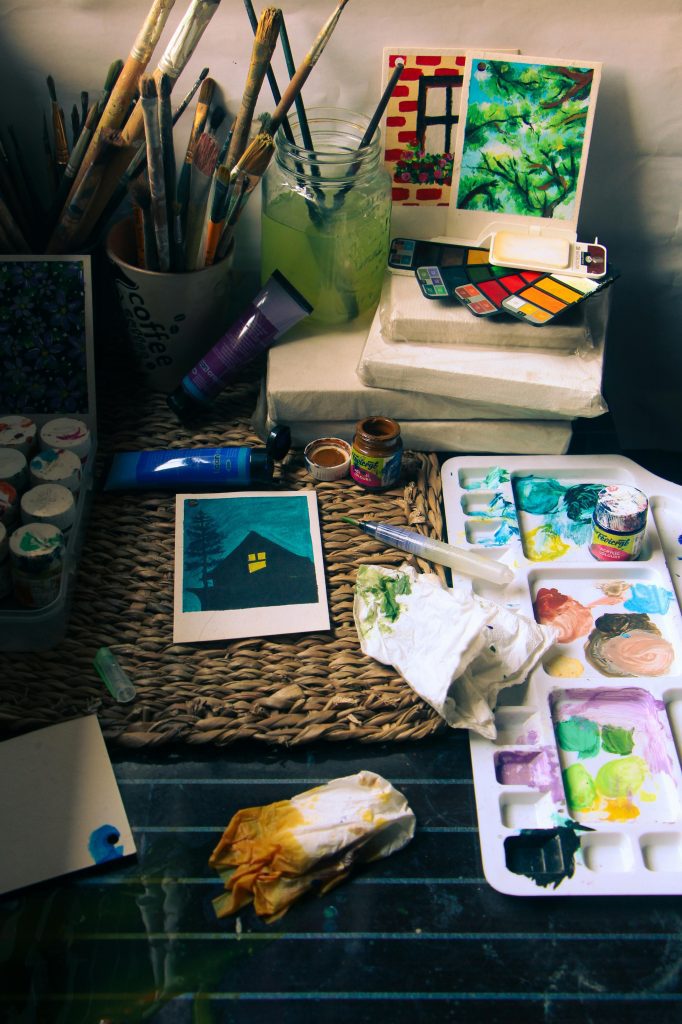
Even enthusiastic beginners encounter obstacles. Anticipating these challenges prepares you to navigate them rather than quit.
Challenge 1: Feeling You’re “Not Creative”
Why it happens: Cultural narratives suggest creativity is innate talent rather than developed skill. Early negative experiences (critical art teachers, childhood mockery) create lasting beliefs about creative inability.
Solutions: Creativity is skill, not talent. Everyone possesses creative capacity developed through practice. Studies comparing “naturally talented” artists with dedicated practitioners show practice matters vastly more than innate ability.
Start with structured exercises rather than original creation. Copy drawings, follow patterns, play existing songs. Remove pressure of originality whilst building technical skills. Creativity emerges naturally as competence develops.
Redefine what “counts” as creative. Arranging flowers, choosing outfit combinations, decorating cakes, or writing thank-you notes all involve creativity. Broaden your definition beyond stereotypical artistic activities.
Challenge 2: Perfectionism Preventing Enjoyment
Why it happens: Comparing beginner work against experts with decades of practice creates unrealistic expectations. Social media amplifies this problem by showcasing only polished final products.
Solutions: Embrace deliberate imperfection. Japanese wabi-sabi philosophy finds beauty in imperfection and impermanence. Kintsugi repairs broken pottery with gold, highlighting rather than hiding damage. Apply these principles to your creative work.
Remember that masters create terrible work regularly. They simply create so much that failures become invisible amongst successes. Quantity leads to quality through accumulated practice and learning.
Set process goals rather than outcome goals. “Practice guitar 30 minutes” succeeds or fails objectively. “Play guitar beautifully” sets vague standard inviting disappointment. Focus on consistent engagement rather than arbitrary quality thresholds.
Challenge 3: Limited Time for Creative Practice
Why it happens: Work, family, household responsibilities, and social obligations consume available time. Creative hobbies feel indulgent or selfish when other demands press.
Solutions: Integrate creativity into existing routines. Listen to music theory podcasts during commutes. Sketch during lunch breaks. Write morning pages before family wakes. Knit whilst watching television.
Lower your session threshold. Ten minutes counts. Five minutes counts. Brief regular practice beats waiting for mythical “proper time” that never materialises.
Communicate your creative practice as essential self-care rather than optional indulgence. Partners, family, and friends will respect protected creative time when they understand its importance to your wellbeing.
Consider whether time scarcity is real or perceived. Track how you actually spend time for one week. Many people discover hours of passive entertainment that could convert to creative engagement.
Challenge 4: Expensive Supply or Equipment Costs
Why it happens: Marketing and social pressure push premium tools and supplies. Hobby communities sometimes gatekeep with “you need X to do this properly” messaging.
Solutions: Start with absolute minimum viable supplies. Expensive gear doesn’t create skills. Professional artists achieve remarkable work with basic materials. Focus on developing technique with affordable supplies before upgrading.
Buy second-hand equipment. eBay, Facebook Marketplace, Gumtree, and local charity shops offer used hobby supplies at fraction of retail prices. Musical instruments, sewing machines, cameras, and craft supplies all sell used with substantial savings.
Borrow before buying. Local tool libraries, maker spaces, and hobby groups often share equipment. Test whether you’ll actually use expensive items before purchasing.
Accept that some hobbies genuinely require investment. If budget truly constrains, choose different creative pursuits. Drawing and writing cost almost nothing. Pottery and woodworking require substantial initial outlay.
Challenge 5: Lack of Space for Creative Work
Why it happens: Small flats, shared living situations, or homes filled with family needs leave minimal dedicated creative space.
Solutions: Choose space-efficient hobbies. Drawing, writing, knitting, ukulele, digital art, and origami need minimal space. Small folding tables create temporary workspace. Pack-away storage systems (rolling carts, stackable boxes) contain supplies compactly.
Use public spaces creatively. Parks for photography, plein air painting, or nature sketching. Libraries and cafes for writing. Community centres and maker spaces for activities requiring dedicated workspace and equipment.
Establish rotating hobby schedules if multiple household members need creative space. Kitchen table serves various purposes throughout the week. Coordinate rather than compete for limited space.
Accept constraints and adapt. Urban apartment dwellers might pursue photography (happens outside) rather than pottery (requires dedicated studio). Work with your reality rather than against it.
Challenge 6: Creative Blocks and Lost Motivation
Why it happens: All creative pursuits encounter periods where ideas dry up, progress stalls, or enthusiasm wanes. External stress, comparison with others, or natural creative rhythms all contribute.
Solutions: Engage in “creative cross-training.” When blocked in one medium, shift to another. Writers photograph. Painters sculpt. Musicians draw. Cross-pollination often reignites primary interest whilst developing new skills.
Return to basics during blocks. Practise fundamental techniques without pressure to create finished work. Scales and exercises for musicians. Gesture drawing for artists. Free writing for writers. Foundational practice often reconnects you with what you enjoy about the activity.
Take intentional breaks. Sometimes stepping away completely for days or weeks provides necessary rest. Creative exhaustion comes from sustained effort without recovery. Breaks aren’t failure—they’re necessary cycles.
Consume more than you create during dry periods. Visit galleries, attend concerts, read extensively, watch films. Input often needs replenishing before meaningful output resumes.
Challenge 7: Difficulty Finding Local Communities
Why it happens: Rural areas, small towns, or niche interests may lack local in-person communities. Work schedules might conflict with available group meeting times.
Solutions: Online communities provide connection regardless of geography. Reddit, Discord, Facebook groups, and specialty forums host active communities for virtually every creative hobby. Participate regularly to build genuine connections despite physical distance.
Start your own local group. Post on local Facebook groups, community noticeboards, or Meetup.com announcing new group formation. Often many people want connection but nobody initiates. Three committed members can sustain viable group.
Attend workshops and classes even without ongoing groups. Single-session or term-length courses provide temporary community and connection. Relationships formed during courses often continue informally afterwards.
Accept that some creative hobbies work well as solitary pursuits. Not all creativity requires social element. Writing, drawing, many crafts, and digital arts offer deep satisfaction independently.
Challenge 8: Feeling Progress is Too Slow
Why it happens: Social media and marketing showcase exceptional work, creating unrealistic progress expectations. Beginners compare their day one work to others’ year ten results.
Solutions: Document your journey through photos or dated work samples. Review past work quarterly to recognise genuine progress invisible day-to-day. Growth happens gradually but reviewing six months shows dramatic improvement.
Understand that skill development is non-linear. Extended plateaus where nothing seems to improve suddenly give way to rapid advancement. Plateaus often precede breakthroughs as your brain consolidates learning.
Compare yourself to yourself, not others. Track personal progress metrics: practice time, completed projects, new techniques attempted. Celebrate your advancement regardless of how it compares to others.
Remember that creative hobbies are leisure, not competition. The goal is enjoyment and growth, not outperforming others. Redirecting competitive energy into personal improvement creates sustainable motivation.
Sample Creative Hobby Development Plans
Structured approaches prevent overwhelm whilst building sustainable creative practice.
Plan 1: Visual Arts Exploration (Months 1-3)
1: Drawing Fundamentals
- Purchase basic supplies: sketchbook, pencils, eraser (£15-25 total)
- Complete 15-minute daily gesture drawings (poses, household objects, nature)
- Watch YouTube series on basic techniques (shading, perspective, proportion)
- Share progress in online drawing community for feedback
2: Colour Introduction
- Add coloured pencils or watercolours (£20-40)
- Practice colour mixing and basic colour theory
- Complete 3-4 simple subjects exploring colour
- Consider attending single-session local art class (£30-50)
3: Personal Style Development
- Experiment with subjects that genuinely interest you
- Try 2-3 different mediums to discover preferences
- Complete one more ambitious piece combining learned skills
- Assess whether to deepen specific medium or continue exploring
Expected outcomes: Functional drawing skills, understanding of favourite subjects and mediums, established daily creative practice, connected with supportive community.
Plan 2: Craft Skill Building (Months 1-3)
1: Fundamentals and First Projects
- Choose specific craft (knitting, sewing, jewellery making)
- Purchase or borrow starter kit (£25-75 depending on craft)
- Complete 3 simple beginner projects following patterns or tutorials
- Join relevant online community and introduce yourself
2: Skill Expansion
- Learn 2-3 new techniques expanding capabilities
- Complete projects incorporating new techniques
- Begin experimenting with pattern modifications
- Consider local classes or groups if available
3: Original Creation
- Design simple original project combining learned techniques
- Source materials intentionally (colours, textures, features)
- Complete original piece from planning through finishing
- Gift or use creation, experiencing satisfaction of functional creativity
Expected outcomes: Solid technique foundation, completed functional items, confidence to attempt original work, sustainable practice rhythm.
Plan 3: Musical Journey (Months 1-6)
1-2: Foundation Building
- Select instrument and acquire (borrow, rent, or buy second-hand £100-300)
- Work through beginner method book or online course
- Practice 20-30 minutes 5-6 days weekly focusing on fundamentals
- Learn 3-4 simple songs completely
3-4: Repertoire Development
- Continue technique practice (scales, exercises)
- Learn 6-8 songs you genuinely enjoy
- Begin playing along with recordings
- Explore music theory basics
5-6: Social Connection
- Join local music group or ensemble if available
- Share playing with supportive friends or family
- Record yourself playing learned pieces
- Attend live music performances with increased appreciation
Expected outcomes: Functional playing ability, repertoire of 10-15 songs, established practice habit, deeper music appreciation, possible social musical connections.
Measuring Your Creative Progress
Track development through specific indicators rather than vague feelings about improvement.
Skill-Based Metrics
Document completed projects chronologically. Review quarterly to observe improvement invisible day-to-day. Photograph craft projects, save early writing drafts, record music performances. Tangible comparisons reveal genuine progress.
Count practice hours or sessions. Consistency matters more than any other factor for skill development. Tracking builds accountability whilst celebrating accumulated effort.
Track new techniques learned and integrated into practice. Moving from 5 watercolour techniques to 15 represents measurable advancement regardless of quality comparisons.
Engagement Metrics
Monitor how you feel during and after creative sessions. Increasing flow state frequency, reduced self-consciousness, and greater absorption all indicate deepening engagement.
Assess whether creative practice has become habitual. Initially requires conscious effort and discipline. Eventually becomes something you actively want to do rather than force yourself to do.
Notice whether you think creatively outside practice sessions. Planning future projects, observing inspiration in daily life, and mentally rehearsing techniques all suggest genuine integration into your life.
Wellbeing Metrics
Rate stress levels, mood, and life satisfaction monthly. Creative hobbies should demonstrably improve wellbeing. If stress increases or satisfaction doesn’t improve after 3-6 months, reassess whether chosen hobby genuinely suits you.
Track sleep quality and mental clarity. Creative engagement often improves both through stress reduction and cognitive stimulation.
Observe social connections. Creative communities should expand your social circle and provide genuine connection.
Realistic Timelines: Months 1-12
1-3: Basic competence developing, initial projects completed, enthusiasm high, community connections forming.
4-6: Fundamental skills solid, beginning personal style exploration, practice becoming habitual, noticeable wellbeing improvements.
7-12: Intermediate skills emerging, original work developing, creative identity strengthening, hobby fully integrated into life.
Year 2+: Advanced techniques accessible, substantial body of work accumulated, possible teaching or community leadership, hobby central to identity and wellbeing.
Expect slower visible progress after initial rapid improvement. Skill development continues but becomes less dramatic as you advance.
Comprehensive FAQ
Do I need natural talent to enjoy creative hobbies?
Absolutely not. Talent accounts for minimal variance in creative achievement compared to deliberate practice. Research tracking thousands of artists, musicians, and writers shows practice hours predict skill far more accurately than any measure of innate ability. Everyone possesses sufficient creative capacity to enjoy hobbies and develop meaningful skills. Start where you are and practice consistently.
How much money do I need to start creative hobbies?
Many creative hobbies begin with £10-30 investment. Drawing requires sketchbook and pencils (£15). Writing costs nothing if you have computer access. Basic sewing supplies cost £50-100. Some hobbies require more (musical instruments £100-300, pottery requires studio access). Start with minimal investment, then expand as interest and skill justify. Second-hand supplies dramatically reduce costs.
How much time should I dedicate to creative hobbies?
Fifteen to thirty minutes daily produces better results than irregular longer sessions for most hobbies. Consistency matters more than duration. However, any regular practice works—three weekly hour-long sessions also build skills effectively. Match time investment to your genuine availability rather than aspirational schedules. Sustainable practice beats unsustainable intensity.
What if I start a creative hobby and don’t enjoy it?
Completely normal and fine. Try new activities for 4-8 weeks before deciding. Initial awkwardness and frustration don’t necessarily indicate poor fit—learning curves exist for everything. But if genuine dislike persists beyond adjustment period, move on without guilt. Finding the right creative outlet often requires experimenting with several options.
Can creative hobbies become income sources?
Possibly, but approach cautiously. Monetising hobbies changes their nature substantially. Pressure to earn often reduces enjoyment whilst creating new stress. Most hobby income starts modestly (£50-200 monthly) and rarely replaces employment. If financial goals motivate you, consider them separate ventures rather than hobby monetisation. Many people maintain hobbies purely for enjoyment whilst pursuing different income streams.
How do I make time for creative hobbies with demanding job and family?
Integrate creativity into existing routines rather than adding entirely new time blocks. Write during lunch breaks. Sketch whilst kids play at park. Knit whilst watching evening television. Wake 30 minutes earlier for quiet creative time. Communicate importance of creative practice to family, negotiating protected time. Often discovering you have more available time than believed when you track actual usage.
Should I take classes or teach myself?
Both work. Classes provide structure, expert feedback, accountability, and social connection. Self-teaching offers flexibility, lower cost, and personalised pacing. Many people combine approaches: classes for fundamentals, self-teaching for exploration. Choose based on your learning style, budget, and available quality instruction.
Start by sharing with supportive communities specifically for beginners. Online forums understand everyone starts somewhere. Share work-in-progress rather than demanding perfection. Remember that other people focus on their own concerns far more than judging your creative attempts. Vulnerability often creates connection rather than ridicule. Begin small—share with one trusted friend before posting publicly.
How do I choose between many creative hobbies that interest me?
Try several briefly (2-4 weeks each) before committing deeply to one. Many hobbies complement each other—photography and writing, drawing and digital art, music and dance. Pursuing 2-3 creative outlets provides variety preventing burnout. However, avoid spreading yourself too thin. Better to develop genuine skill in one or two areas than dabble superficially in many.
Can I pursue creative hobbies if I’m not young?
Age provides advantages for creative hobbies. Life experience informs creative expression. Financial stability enables better supplies and instruction. Reduced career pressure allows focusing on enjoyment rather than achievement. Research shows creative engagement particularly benefits older adults’ cognitive health and wellbeing. Many people begin creative journeys in their 40s, 50s, 60s, and beyond with great success and satisfaction.
What creative hobbies work well for introverts?
Writing, drawing, painting, digital art, photography, many crafts (knitting, woodworking, leathercraft), and music practice all work excellently as solitary pursuits. Online communities provide optional connection without demanding face-to-face interaction. Many introverts deeply enjoy creative hobbies specifically because they offer meaningful engagement without social pressure.
How do I handle criticism of my creative work?
Separate constructive feedback from destructive criticism. Constructive feedback identifies specific improvements helping you develop skills. Destructive criticism attacks you personally without offering useful information. Seek feedback from people invested in your growth. Ignore comments from those who gain nothing from being helpful. Remember that all criticism reflects the critic’s taste and perspective, not objective truth about your work.
What if my creative hobby feels like another obligation?
Re-examine your approach. Creative hobbies should provide relief and joy, not additional stress. Perhaps you’ve set unrealistic expectations, chosen poorly fitting activities, or applied excessive pressure. Scale back practice requirements, explore different creative outlets, or take intentional breaks. Hobbies exist for your benefit—adjust or abandon those failing to serve you.
Should I focus on one creative hobby or explore multiple interests?
Personal preference determines best approach. Focused depth in one area builds mastery and potentially stronger identity. Exploring multiple interests provides variety, prevents burnout, and may reveal unexpected passions. Many people maintain one primary creative hobby with occasional dabbling in others. Experiment to discover what sustains your engagement long-term.
How do I find inspiration when feeling creatively stuck?
Consume more creative work—visit galleries, attend concerts, read extensively, watch films. Inspiration often requires input before output resumes. Try constraint-based challenges (write using only five colours, compose using three notes, write story in exactly 100 words). Constraints paradoxically free creativity by limiting overwhelming possibilities. Alternatively, step away completely for brief period. Sometimes creative rest precedes productive periods.
Conclusion
Creative hobbies offer far more than pleasant ways to pass time. They fundamentally improve mental health, cognitive function, stress management, social connection, and overall life satisfaction through active engagement with making, expressing, and creating.
Beginning creative pursuits doesn’t require talent, extensive resources, or abundant time. It requires simply starting where you are with what you have, practising consistently, and allowing yourself to enjoy the process rather than fixating on products.
Key Takeaways:
- Creative hobbies provide measurable mental health and cognitive benefits beyond passive entertainment
- “Natural talent” matters far less than consistent practice and genuine interest
- Most creative hobbies start affordably (£10-50) with second-hand supplies reducing costs further
- Fifteen to thirty minutes daily builds skills more effectively than irregular intensive sessions
- Perfectionism prevents enjoyment—embrace process over product, progress over perfection
- Communities (online or local) provide connection, accountability, and accelerated learning
- Try multiple options before committing deeply to discover genuine interests and compatibility
Three Actions to Take Today:
- Identify one creative hobby genuinely interesting to you based on consumption patterns, childhood interests, or pure curiosity
- Research basic starter supplies or equipment needed, finding affordable or borrowing options before purchasing
- Commit to 15-30 minutes daily practice for the next week, scheduling specific times rather than hoping time materialises
Creative expression represents fundamental human need often neglected in modern busy lives. Making space for creativity enriches daily experience whilst building capabilities that compound throughout your lifetime.
Your creative journey begins with your first brave, imperfect attempt.


