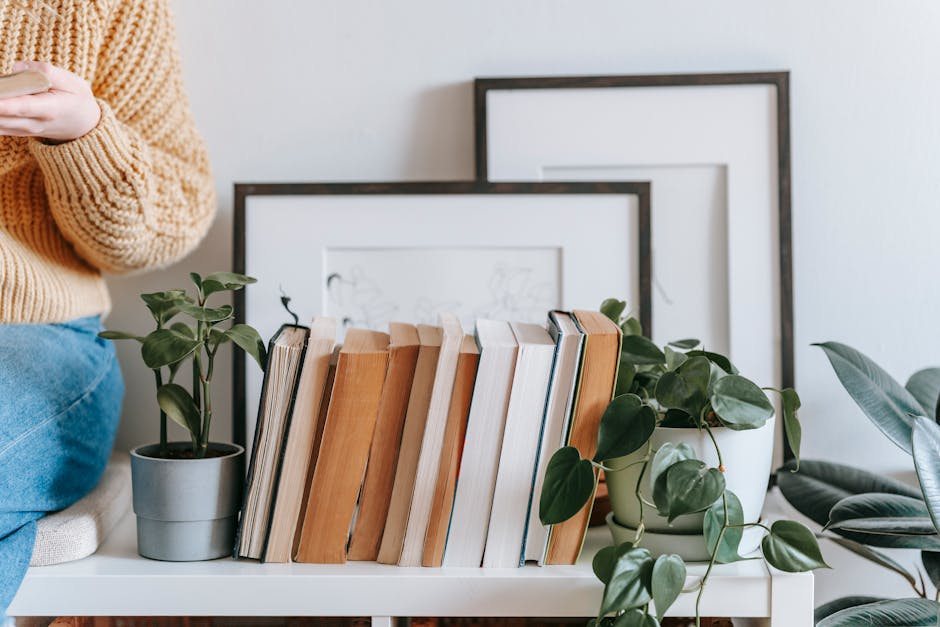
If you’ve ever killed a cactus or watched a supposedly “indestructible” plant wither away on your windowsill, you’re not alone. Easy indoor plants for beginners are meant to thrive with minimal fuss, yet many people struggle to keep even the simplest greenery alive. The truth is, plant care isn’t about having a mythical “green thumb” – it’s about choosing the right plants and understanding their basic needs.
Related reading: How to Change Careers in Your Thirties with No Experience.
📖 Reading time: 22 minutes
Picture this: You’re standing in the gardening section of your local garden centre, surrounded by dozens of plants with cryptic care labels. Some promise to survive “low light” while others claim to need “moderate watering.” You pick something that looks cheerful, bring it home with the best intentions, and three weeks later it’s drooping dramatically on your desk. Sound familiar? This exact scenario plays out in homes across the UK every single day, leaving people convinced they’re simply not cut out for plant parenthood.
Common Myths About Easy Indoor Plants for Beginners
You might enjoy: Easy Slow Cooker Recipes for Muscle Building Nutrition That Actually Work.
Before we dive into which plants will actually survive in your care, let’s clear up some persistent misconceptions that might be sabotaging your success.
Myth: All Indoor Plants Need Lots of Natural Light
Reality: Many easy indoor plants for beginners actually prefer indirect light or can tolerate low-light conditions brilliantly. In fact, some plants will develop scorched leaves if placed in direct sunlight. The key is matching the plant to your available light, not trying to force plants into sunny spots they can’t handle. North-facing rooms and offices with artificial lighting can still support thriving greenery.
Myth: Watering More Often Means Healthier Plants
Reality: Overwatering is the number one killer of houseplants in the UK. Most easy indoor plants for beginners prefer to dry out slightly between waterings. When you water too frequently, you suffocate the roots and create conditions for root rot. Many beginner-friendly plants have evolved to store water in their leaves or tolerate drought, making them far more forgiving of neglect than excessive attention.
Myth: You Need Special Equipment and Expensive Products
Reality: The easiest indoor plants thrive with nothing more than a decent pot with drainage holes and standard potting compost. While fancy misters, grow lights, and specialist fertilisers exist, they’re entirely unnecessary for beginners. Your tap water (left out overnight to dechlorinate) and basic care will keep most resilient plants perfectly happy.
The Best Easy Indoor Plants for Beginners That Actually Survive
You might be interested in: From Couch to 10K: The 8-Week Training Plan That Actually Works for Complete Beginners.
Now that we’ve dispelled those myths, let’s explore the plants that will forgive your mistakes, tolerate your lifestyle, and bring genuine joy to your space. These aren’t just “easy” in theory – they’re proven survivors in real UK homes.
Pothos (Devil’s Ivy): The Impossible-to-Kill Climber
The pothos deserves its reputation as one of the best easy indoor plants for beginners. With heart-shaped leaves in various shades of green and yellow, it grows rapidly and looks equally good trailing from a shelf or climbing up a support. It tolerates low light, irregular watering, and the inconsistent temperatures common in British homes.
Here’s what makes pothos exceptional: it actually tells you when it needs water. The leaves start to droop slightly when thirsty, then perk right back up within hours of watering. This visual feedback removes all the guesswork that trips up new plant owners. A study from NASA even found that pothos effectively removes indoor air pollutants, giving you cleaner air alongside greenery.
Place your pothos anywhere from a dim bathroom to a bright living room (avoiding direct sun). Water when the top two inches of soil feel dry to the touch. That’s it. Many people find that a simple pot with drainage holes works perfectly, though you can also grow pothos in water alone if you prefer an ultra-low-maintenance approach.
Snake Plant (Sansevieria): The Neglect-Loving Architectural Statement
If you travel frequently, work long hours, or simply forget about your plants for weeks at a time, the snake plant is your ideal match. These striking architectural plants feature tall, upright leaves with beautiful variegation patterns. They’re among the most forgiving easy indoor plants for beginners because they actively prefer being ignored.
Snake plants store water in their thick leaves, allowing them to survive a month or more without watering. They tolerate everything from dim corners to bright windowsills, handle dry air beautifully (perfect for centrally heated homes), and rarely suffer from pests. Research from the University of Georgia confirms that snake plants release oxygen at night, making them excellent bedroom companions.
Water your snake plant only when the soil is completely dry – typically every three to four weeks in winter, perhaps every two weeks in summer. Plant it in a well-draining potting mix and choose a pot that’s not too large, as snake plants actually thrive when slightly root-bound. The most common mistake people make is overwatering, which causes the leaves to turn mushy.
Spider Plant: The Fast-Growing Confidence Builder
Spider plants are brilliant easy indoor plants for beginners because they grow enthusiastically and produce baby plants (called spiderettes) that you can propagate and share. Those cascading stems with tiny plant babies dangling from them create an impressive display that makes you look like a proper plant expert, even if you’re not.
These cheerful plants with arching green-and-white striped leaves adapt to various light conditions, though they prefer bright, indirect light for the best variegation. They’re particularly forgiving of inconsistent watering schedules and will bounce back from occasional neglect. The brown tips that sometimes appear on spider plant leaves are usually caused by chemicals in tap water rather than poor care – simply use filtered or rainwater if this bothers you.
Spider plants occasionally produce small white flowers, followed by those charming baby plants. You can leave the spiderettes attached for a fuller look, or snip them off and pop them in water to root. Within weeks, you’ll have new plants to keep or gift to friends, spreading your plant success story around.
Peace Lily: The Drama Queen That Forgives
Peace lilies might seem too elegant for the “easy” category, but they’re actually quite accommodating easy indoor plants for beginners. They feature glossy dark green leaves and produce stunning white flowers (technically modified leaves called spathes) that emerge throughout the year. What makes them particularly beginner-friendly is their dramatic communication style.
When a peace lily needs water, it droops theatrically, looking utterly devastated. But give it a drink, and within hours it perks back up completely, appearing none the worse for wear. This clear signal means you’ll never have to guess about watering. Peace lilies thrive in low to medium light – they’re perfect for rooms without much natural light where other flowering plants would struggle.
According to NHS guidance on improving indoor air quality, peace lilies are among the most effective plants for removing common household toxins. They prefer consistent moisture but will forgive the occasional drought. Keep them away from cats and dogs, as they contain compounds that can cause irritation if chewed.
ZZ Plant (Zamioculcas zamiifolia): The Indestructible Modern Classic
The ZZ plant has surged in popularity over the past decade, and for good reason. With its glossy, deep green leaves arranged in graceful fronds, it looks sophisticated and expensive whilst being one of the most resilient easy indoor plants for beginners. The ZZ plant stores water in its thick rhizomes beneath the soil, allowing it to survive extended periods without attention.
This plant tolerates extremely low light conditions that would cause most plants to languish. It handles artificial office lighting perfectly, making it ideal for workspaces without windows. The ZZ plant grows slowly but steadily, and its waxy leaves naturally repel dust and pests. It’s particularly well-suited to the British climate because it doesn’t mind the cooler temperatures we experience in winter.
Water your ZZ plant sparingly – every three to four weeks is usually sufficient. The thick stems should feel firm; if they become soft, you’re overwatering. Plant it in a pot with drainage holes and use standard houseplant compost. Many people find that neglecting their ZZ plant produces better results than fussing over it, which perfectly suits busy lifestyles.
Essential Care Tips for Your Easy Indoor Plants
Now that you’ve chosen your plants, let’s cover the fundamental care principles that will keep all your easy indoor plants for beginners thriving. These aren’t complicated rules – they’re simple guidelines that work with your life, not against it.
The Finger Test: Your Most Reliable Watering Guide
Forget rigid watering schedules. Instead, stick your finger into the soil up to your second knuckle. If it feels dry, water thoroughly until water drains from the bottom of the pot. If it still feels damp, wait a few more days and check again. This simple technique accounts for seasonal changes, room temperature variations, and your plant’s individual needs.
When you do water, be thorough. Water until you see it draining from the bottom, ensuring the entire root system gets moisture. Then let the excess drain completely – never leave plants sitting in saucers of water. This mimics natural rainfall patterns and encourages healthy root growth.
Light Matters More Than You Think
Understanding light levels transforms your success with easy indoor plants for beginners. “Bright, indirect light” means near a window where the plant gets plenty of light but the sun’s rays don’t directly hit the leaves. “Low light” doesn’t mean dark – it means areas away from windows or north-facing rooms that still get ambient daylight. Truly dark corners won’t support any plant life long-term.
Watch your plants for signs they need adjusting. Pale, stretched stems mean your plant is reaching for more light – move it closer to a window. Brown, crispy leaf edges often indicate too much direct sun – shift it back slightly or filter the light with a sheer curtain.
Temperature and Humidity: Less Fussy Than You’d Think
Most easy indoor plants for beginners thrive in the same temperature range humans find comfortable – roughly 15-24°C. They’ll tolerate the cooler nights common in UK homes, though they dislike cold drafts from windows or hot blasts from radiators. Simply keep them away from extreme temperature sources.
While tropical plants appreciate humidity, the varieties recommended here tolerate typical British indoor conditions perfectly well. If you notice brown leaf tips, grouping plants together naturally increases humidity around them. Kitchens and bathrooms provide extra moisture that many plants appreciate, though it’s rarely essential for these resilient varieties.
Your First Month Action Plan
Starting with easy indoor plants for beginners becomes much simpler when you break it down into manageable steps. Here’s exactly what to do in your first month.
- Week 1: Choose one or two plants from the list above based on your home’s light conditions. Purchase them from a reputable garden centre where you can inspect them for pests or damage. Check that each pot has drainage holes – if not, repot into something suitable. Water thoroughly upon bringing them home, then place them in their chosen spots.
- Week 2: Observe your plants daily but resist the urge to fuss. Notice how they respond to their environment. Do the leaves tilt toward the light? Do they look perky or droopy? Take a photo on your phone – you’ll be amazed at the growth when you compare images later. Check soil moisture but don’t water unless it’s dry.
- Week 3: Perform your first maintenance check. Wipe dust off leaves with a damp cloth – this helps them photosynthesise more effectively. Check for any yellowing leaves and remove them at the base. Test the soil moisture and water if needed. Rotate pots a quarter-turn to encourage even growth.
- Week 4: Evaluate how your care routine is working. Are you remembering to check the plants? Do they look healthy? Adjust placement if you notice any issues. Consider adding one more plant now that you’ve gained confidence. Document what’s working and what isn’t – this builds your plant knowledge faster than any guidebook.
Mistakes to Avoid (And How to Fix Them)
Even with easy indoor plants for beginners, certain mistakes crop up repeatedly. Here’s how to recognise and correct them before they become serious problems.
Mistake 1: Watering on a Fixed Schedule
Why it’s a problem: Plants’ water needs change dramatically with seasons, temperature, and growth stages. A schedule that works in July will drown your plants in January when growth slows and evaporation decreases. This rigid approach causes more plant deaths than almost anything else.
What to do instead: Use the finger test every few days and water based on what the soil tells you. Your plants will be healthier, and you’ll develop an intuitive understanding of their rhythms. Keep a simple note on your phone if you tend to forget – just check and water when needed, not by calendar dates.
Mistake 2: Choosing Pots Without Drainage
Why it’s a problem: That gorgeous ceramic pot without holes might look stunning, but it’s a death trap for roots. Water accumulates at the bottom, creating soggy soil conditions that suffocate roots and promote rot. Even easy indoor plants for beginners can’t overcome sitting in waterlogged soil.
What to do instead: Always use pots with drainage holes. If you’ve fallen in love with a pot without drainage, use it as a decorative outer pot (called a cachepot) and place your plant in a smaller plastic pot with holes inside it. After watering, let it drain completely before returning it to the decorative pot.
Mistake 3: Repotting Too Soon or Too Large
Why it’s a problem: Many beginners assume plants need immediate repotting into larger containers. Actually, most plants prefer being slightly pot-bound and can stress when given too much space too quickly. Excess soil holds moisture that unused roots can’t access, increasing rot risk.
What to do instead: Leave new plants in their original pots for at least a few months while they adjust to your home. When roots start circling the drainage holes or growth slows despite good care, then repot – but only go up one pot size (about 2-5cm larger in diameter). Spring is the ideal repotting time for most plants.
Mistake 4: Panicking Over Every Yellow Leaf
Why it’s a problem: A single yellow leaf doesn’t signal disaster. Plants naturally shed older leaves as they grow, and occasional yellowing is completely normal. Overreacting leads to overcompensating with water, fertiliser, or drastic repositioning – which actually stresses plants more than the original problem.
What to do instead: Assess the whole plant. If 90% looks healthy and one lower leaf yellows, simply remove it and carry on. If multiple leaves yellow simultaneously or new growth looks pale, then investigate further. Look for patterns: yellow leaves with wet soil mean overwatering; yellow leaves with dry, crispy edges suggest underwatering or low humidity.
Mistake 5: Fertilising Too Early or Too Often
Why it’s a problem: New plant owners often assume more fertiliser equals faster growth. In reality, easy indoor plants for beginners need very little feeding, especially when newly purchased (they come from nurseries already well-fed). Over-fertilising causes brown, crispy leaf edges and salt buildup in soil.
What to do instead: Don’t fertilise at all for the first two to three months. After that, use a balanced liquid houseplant fertiliser at half the recommended strength, applied every six to eight weeks during spring and summer only. Stop feeding in autumn and winter when growth naturally slows. Less is genuinely more with fertiliser.
Understanding What Your Plants Are Telling You
Easy indoor plants for beginners communicate their needs through visible changes. Learning this language helps you respond appropriately rather than guessing or panicking.
Yellow Leaves: Context Is Everything
Lower leaves turning yellow one at a time, whilst the rest looks healthy? That’s natural ageing – just remove them. Multiple yellow leaves with soggy soil? You’re overwatering – let the soil dry out more between waterings. Yellow leaves with dry, crispy soil? You’re underwatering or the plant needs more humidity. Yellow leaves with pale new growth? The plant might need feeding or more light.
Brown Tips and Edges: Usually Harmless
Brown leaf tips commonly appear on spider plants, peace lilies, and other easy indoor plants for beginners. This typically indicates sensitivity to chemicals in tap water (particularly fluoride and chlorine) or dry air from central heating. It looks unsightly but doesn’t harm the plant. Fill your watering can the night before and let it sit uncovered – chlorine evaporates overnight. For persistent issues, collect rainwater or use filtered water.
Drooping Leaves: Your Plant’s Alarm System
Drooping with dry soil? Your plant needs water – give it a thorough drink and it’ll recover within hours. Drooping with wet soil? You’ve overwatered – let it dry out completely and reduce watering frequency going forward. Drooping after watering? The plant might be experiencing temperature shock if you used very cold water. Always use room-temperature water to avoid stressing your plants.
Dust and Dullness: An Easy Fix
Over time, household dust settles on leaves, making them look dull and reducing their ability to photosynthesise effectively. Simply wipe leaves with a damp cloth every few weeks. For plants with many small leaves, give them a gentle shower in the bath or outside during mild weather. This simple maintenance keeps easy indoor plants for beginners looking their glossy best and functioning properly.
Quick Reference Checklist
Print this list or save it on your phone for easy reference as you care for your easy indoor plants for beginners:
- Check soil moisture with the finger test before watering – don’t follow a rigid schedule
- Water thoroughly until it drains from the bottom, then empty any standing water from saucers
- Place plants in appropriate light conditions – match the plant to your available light, not the other way around
- Rotate pots a quarter-turn every week or two to encourage even growth on all sides
- Remove yellow or brown leaves at the base to keep plants tidy and direct energy to healthy growth
- Wipe dust from leaves monthly using a soft, damp cloth
- Keep plants away from cold drafts, heating vents, and radiators that create temperature extremes
- Observe your plants regularly – they’ll tell you what they need through visible changes
Expanding Your Indoor Garden Confidently
Once you’ve successfully kept a few easy indoor plants for beginners alive for several months, you’ll naturally want to expand your collection. This is where the real joy begins – you’ve moved beyond survival mode into actually enjoying plant parenthood.
Start by propagating your existing plants. That spider plant will produce babies you can root in water. Your pothos can be trimmed and the cuttings placed in water until roots develop. Snake plants can be divided when repotting. These free new plants give you experience with propagation whilst letting you share greenery with friends and family.
When adding new varieties, stick with the same principles: choose plants appropriate for your available light and lifestyle. Research from the Royal Horticultural Society on houseplants offers extensive guidance on expanding to slightly more challenging varieties once you’re ready. Consider Chinese evergreens, rubber plants, or philodendrons as your next step – all remain forgiving whilst offering different aesthetics.
Group plants with similar care requirements together. This makes maintenance more efficient and creates attractive displays. Plants also benefit from being grouped together as they create a slightly more humid microclimate around themselves. Just ensure each still has adequate space for air circulation to prevent fungal issues.
The Mental Health Benefits of Indoor Plants
Beyond their aesthetic appeal, easy indoor plants for beginners offer genuine wellbeing benefits that research increasingly supports. A study published by the University of Exeter found that plants in workspaces increased productivity by 15% whilst reducing stress and improving concentration.
The simple act of caring for plants creates a mindful routine that many people find calming. Checking soil moisture, removing dead leaves, and observing new growth provides a brief mental break from screens and stress. It’s gentle, productive activity that connects you with something living and growing.
According to Mind’s research on nature and mental health, even small amounts of interaction with nature – including houseplants – can reduce anxiety and improve mood. For people unable to garden outdoors due to space constraints, mobility issues, or urban living, indoor plants provide an accessible way to connect with nature daily.
The visual presence of greenery softens indoor spaces and creates a more restorative environment. Rather than staring at blank walls or screens all day, your eyes can rest on natural shapes and colours. Many people report feeling more relaxed in rooms containing plants, and research supports this subjective experience.
Seasonal Care Adjustments for Easy Indoor Plants
Even the easiest indoor plants for beginners experience seasonal changes in growth and needs. Understanding these natural rhythms helps you adjust care appropriately throughout the year.
Spring and Summer: Active Growth Period
As days lengthen and temperatures rise, your plants will grow more actively. You’ll notice new leaves emerging faster and water being absorbed more quickly. Increase watering frequency slightly – the soil will dry out faster in warmer conditions. This is also the time to introduce diluted fertiliser every six to eight weeks if you choose to feed your plants. Spring is ideal for repotting if needed, giving plants the entire growing season to establish in their new containers.
Autumn and Winter: Rest Period
Growth naturally slows as daylight decreases and temperatures drop. Your easy indoor plants for beginners will need water less frequently – potentially half as often as summer. Stop fertilising completely during this period. Don’t worry if growth seems stalled; plants are resting, not dying. Avoid repotting during winter months as plants struggle to establish roots when dormant. Keep plants away from cold windowsills on frosty nights and radiators blasting hot, dry air.
British Weather Considerations
UK homes present unique challenges for houseplants. Our lack of intense sunlight year-round means light levels stay relatively moderate – actually ideal for many easy indoor plants for beginners. However, our love of central heating creates dry air that some plants dislike. Grouping plants together, keeping them away from direct heat sources, and occasionally running a humidifier helps, though the recommended plants tolerate British conditions well without special measures.
Frequently Asked Questions
How often should I water my indoor plants?
There’s no universal schedule because watering needs depend on plant type, pot size, soil composition, temperature, and season. Instead of following a calendar, check soil moisture with your finger before watering – most easy indoor plants for beginners need water when the top 2-5cm of soil feels dry. Typically, this means watering every 7-14 days in summer and every 14-21 days in winter, but always let the soil guide you rather than following rigid timing.
Can indoor plants survive in rooms without much natural light?
Yes, several easy indoor plants for beginners thrive in low-light conditions, including pothos, snake plants, ZZ plants, and peace lilies. “Low light” doesn’t mean total darkness – these plants still need ambient daylight from windows or adequate artificial lighting. North-facing rooms or offices with fluorescent lights can successfully support these varieties. If a space feels dim to your eyes, it’s probably too dark for plants long-term.
Do I need to buy special equipment to care for houseplants?
Not at all for beginner plants. You need only pots with drainage holes, standard houseplant compost, and access to water. Items like moisture meters, grow lights, misters, and specialist fertilisers can be helpful for challenging plants but are entirely unnecessary for resilient varieties. Your finger is the best moisture meter, and tap water (left out overnight) works perfectly fine. Focus on mastering the basics before investing in any equipment.
Why do my plant’s leaves keep turning yellow and falling off?
Yellow leaves have multiple causes, so observe the pattern carefully. A single lower leaf yellowing occasionally is natural ageing – simply remove it. Multiple yellow leaves with soggy soil indicates overwatering, the most common problem with easy indoor plants for beginners. Yellow leaves with bone-dry soil suggests underwatering. Pale yellow leaves overall might mean insufficient light or nutrients. Check your watering habits first, as that’s usually the culprit, then assess light conditions.
How long before I see my plants actually growing and thriving?
Most easy indoor plants for beginners show visible new growth within 4-8 weeks during their active growing season (spring and summer). You might notice new leaves unfurling, stems extending, or baby plants appearing. During autumn and winter, growth naturally slows or stops completely – this is normal dormancy, not a problem. If you see no growth after three months during growing season, assess whether the plant has adequate light and whether you might need to repot or adjust care. Take photos monthly to track progress that’s too gradual to notice day-to-day.
Moving Forward With Your Plant Journey
You now have everything you need to successfully care for easy indoor plants for beginners. The key points to remember: match plants to your available light, use the finger test for watering, don’t fuss excessively, and let your plants communicate their needs through visible changes. These resilient varieties want to thrive – they’ve evolved to tolerate neglect far better than over-attention.
Start with just one or two plants from this list. Master their care rhythms, enjoy watching them grow, and build your confidence naturally. There’s no rush to fill your home with greenery overnight. Each plant teaches you something new about care requirements and observation skills.
The satisfaction of keeping plants alive and thriving extends beyond aesthetics. You’re creating cleaner air, supporting your mental wellbeing, and developing a rewarding skill that improves with practice. Every new leaf that unfurls represents your success.
Choose your first plant today. Give it a proper spot, check its soil moisture regularly, and trust that these forgiving varieties genuinely want to succeed in your care. You’ve got this – your plant journey starts now.


