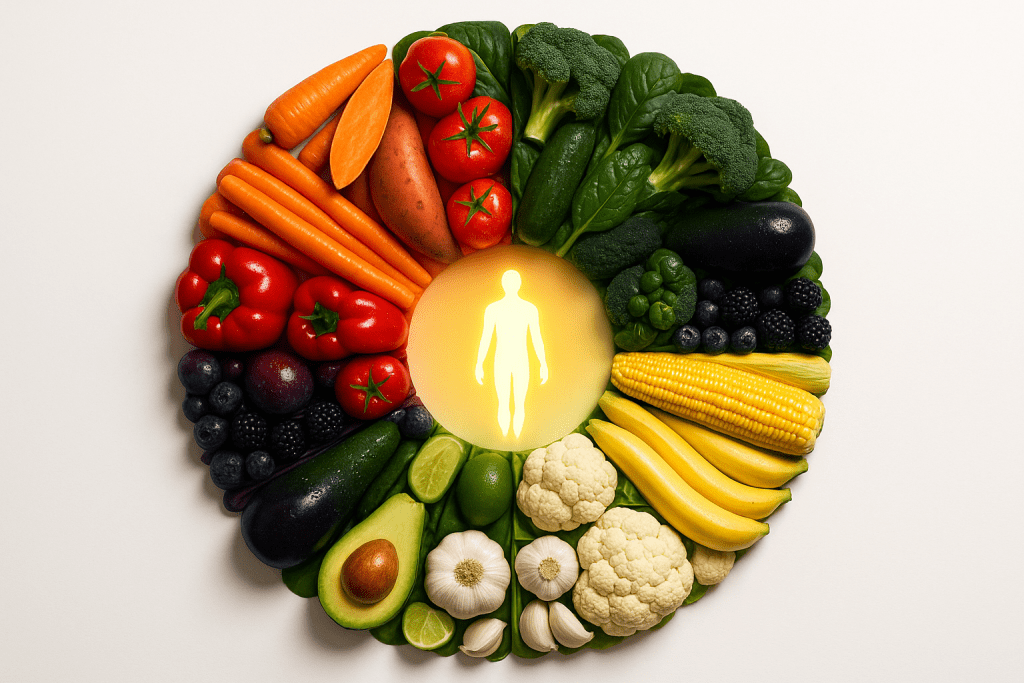
Your body is like a high-performance engine that needs the right fuel to run smoothly. Every single day, it’s silently crying out for 13 essential nutrients that keep you energised, healthy, and thriving. However, here’s the shocking truth: most people in the UK are unknowingly starving their bodies of these vital compounds.
Moreover, according to recent NHS data, over 70% of adults don’t consume adequate amounts of at least three essential nutrients daily. Surprisingly, this nutritional gap isn’t just numbers on a chart – rather, it’s the hidden reason behind your afternoon energy crashes, frequent colds, and that nagging feeling that something’s just not right.
What Makes These 13 Essential Nutrients So Critical?
Essential nutrients are compounds your body absolutely cannot produce on its own or can’t make in sufficient quantities. In other words, think of them as the building blocks of optimal health – without them, your body starts breaking down from the inside out.
Furthermore, the human body requires these nutrients in specific amounts daily. Consequently, miss out on even one, and you’ll notice the difference in your energy levels, immune function, and overall wellbeing. Additionally, these nutrients fall into two categories: fat-soluble vitamins (A, D, E, K) and water-soluble vitamins (the B-complex family and vitamin C), plus essential minerals.
The 13 Essential Nutrients Your Body Craves
11. Vitamin A (Retinol) Firstly, your eyes, skin, and immune system depend on this powerhouse nutrient. The recommended daily intake for UK adults is 700-900 micrograms. Importantly, you’ll find it in liver, dairy products, and orange vegetables like carrots and sweet potatoes.
2. Vitamin C (Ascorbic Acid) Next, this immune-boosting champion helps your body absorb iron and produces collagen. Adults need 40mg daily, easily found in citrus fruits, berries, and bell peppers. Interestingly, humans are one of the few mammals that can’t produce vitamin C naturally!
3. Vitamin D (The Sunshine Vitamin) Meanwhile, with limited sunlight in the UK, vitamin D deficiency affects nearly 40% of the population. Your body needs 10 micrograms daily for bone health and immune function. Therefore, consider supplements, especially during winter months.
4. Vitamin E (Tocopherol) Similarly, this antioxidant protects your cells from damage. Adults require 4mg daily, found in nuts, seeds, and vegetable oils. Notably, it works synergistically with vitamin C to boost your body’s defence systems.
5. Vitamin K In addition, vitamin K is essential for blood clotting and bone health, you need 1 microgram per kilogram of body weight daily. Fortunately, leafy greens like spinach and kale are excellent sources.
6-12. The B-Complex Family Moving forward, these eight B vitamins work together like a well-orchestrated symphony:
- B1 (Thiamine): Energy metabolism – 1mg daily
- B2 (Riboflavin): Cell growth and energy – 1.3mg daily
- B3 (Niacin): Brain function and skin health – 16mg daily
- B5 (Pantothenic Acid): Hormone production – 5mg daily
- B6 (Pyridoxine): Brain development – 1.4mg daily
- B7 (Biotin): Hair, skin, and nail health – 30 micrograms daily
- B9 (Folate): DNA synthesis – 400 micrograms daily
- B12 (Cobalamin): Nerve function and red blood cell formation – 2.4 micrograms daily
13. Vitamin B12 Deserves Special Attention Finally, this nutrient is found almost exclusively in animal products, making it crucial for vegetarians and vegans to supplement. As a result, B12 deficiency can lead to irreversible nerve damage, making it one of the most critical essential nutrients to monitor.
Why Most People Fall Short on Essential Nutrients
Despite living in a food-abundant society, nutrient deficiencies are surprisingly common. Processing strips foods of their natural essential nutrients, whilst busy lifestyles often lead to convenient but nutritionally poor food choices.
Research from the British Nutrition Foundation shows that the average UK adult consumes only 3.5 portions of fruits and vegetables daily – well below the recommended five-a-day. This gap directly translates to missing essential nutrients your body desperately needs.
The Hidden Costs of Nutrient Deficiency
When your body lacks these essential nutrients, it doesn’t just whisper – it screams through symptoms like:
- Persistent fatigue and low energy
- Frequent infections and slow healing
- Poor concentration and brain fog
- Brittle hair and nails
- Mood swings and irritability
Frequently Asked Questions About Essential Nutrients
Q: Can I get all essential nutrients from food alone? A: Theoretically yes, but practically challenging. Modern farming practices and food processing have reduced nutrient density in many foods. Strategic supplementation often helps bridge the gap.
Q: Do I need expensive supplements to meet my nutrient needs? A: Not necessarily. Focus on nutrient-dense whole foods first. When supplementing, choose quality over quantity – a good multivitamin covering the essential nutrients often provides better value than individual supplements.
Q: How do I know if I’m deficient in any nutrients? A: Blood tests can reveal specific deficiencies, but common symptoms include fatigue, frequent illness, and poor wound healing. Your GP can arrange testing if you’re concerned.
Q: Are there interactions between essential nutrients I should know about? A: Absolutely! For example, vitamin C enhances iron absorption, whilst calcium can interfere with iron uptake. This is why balanced nutrition focusing on all essential nutrients matters more than mega-dosing single vitamins.
Smart Strategies for Meeting Your Nutrient Needs
Getting adequate nutrition doesn’t require a complete lifestyle overhaul. Start with these practical approaches:
Create a Rainbow Plate: Different coloured foods provide different essential nutrients. Aim for at least three colours at each meal to naturally boost your nutrient intake.
Embrace Nutrient-Dense Foods: Liver, leafy greens, fatty fish, nuts, and seeds pack multiple essential nutrients into every bite. These foods give you more nutritional bang for your caloric buck.
Time Your Nutrients Wisely: Some essential nutrients work better together. Combine vitamin C-rich foods with iron sources, and take fat-soluble vitamins (A, D, E, K) with healthy fats for better absorption.
Consider Your Individual Needs: Age, gender, pregnancy, and health conditions all affect your essential nutrient requirements. Older adults often need more B12 and vitamin D, whilst women of childbearing age require extra folate and iron.
The Bottom Line on Essential Nutrients
Your body’s daily demand for these 13 essential nutrients isn’t negotiable – it’s a biological requirement for optimal function. Whilst the modern food system makes it challenging to get everything you need from diet alone, understanding which essential nutrients your body craves empowers you to make informed choices.
The investment in proper nutrition pays dividends in energy, health, and longevity. Start where you are, focus on progress over perfection, and remember that small, consistent changes in how you approach these essential nutrients can create remarkable improvements in how you feel every single day.
Your body has been patiently waiting for these essential nutrients – isn’t it time you listened to what it’s been trying to tell you?


