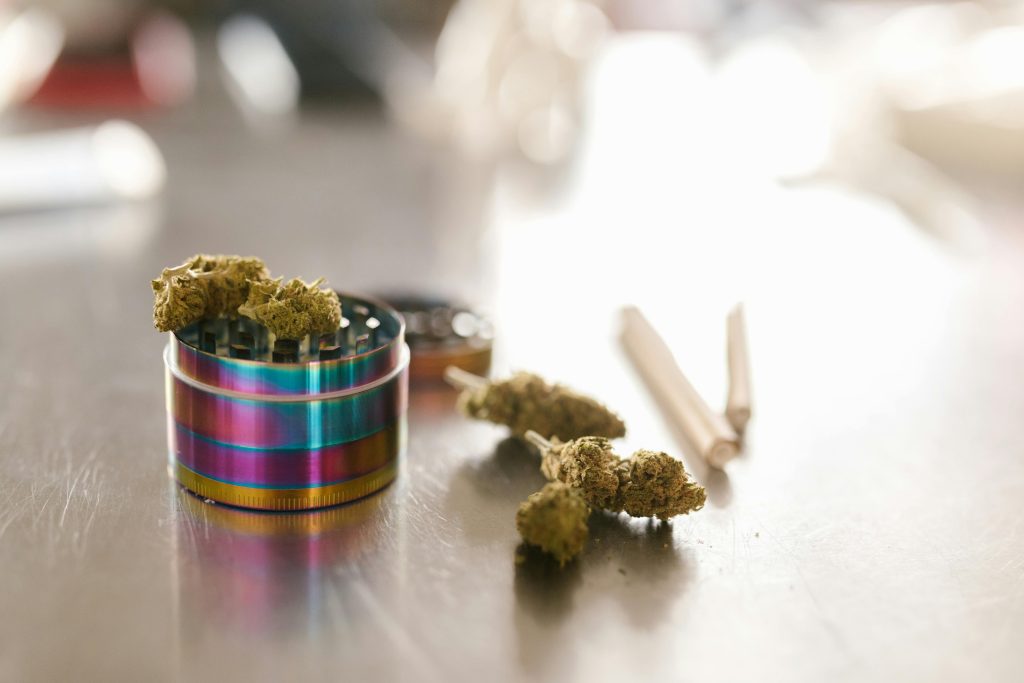
You’ve decided to quit weed. The first week passes, then the second, and suddenly you’re noticing things. Your memory feels foggy, your sleep patterns are a mess, and you’re wondering if you’ve done permanent damage. Former weed smokers, what are the best things you did to help repair the “damage” you did while using? This question comes up repeatedly in forums across the UK, and for good reason. The path from regular cannabis use to feeling genuinely clearheaded isn’t always straightforward.
Picture this: You’re three weeks into sobriety and questioning everything. Your motivation is still missing. Your dreams are vivid and exhausting. That sharp mental clarity everyone promised? Still nowhere to be found. Sound familiar? Thousands of people across the UK navigate this exact transition each year, and the recovery timeline isn’t the neat 30-day reset that wellness blogs might suggest.
What Actually Happens When You Quit Cannabis
Related reading: The One Gym Habit That Changed Everything (And It’s Not What You Think).
Before diving into solutions, understanding what’s actually happening in your brain matters. Cannabis use affects your endocannabinoid system, which regulates mood, memory, appetite, and sleep. When you stop using, this system needs time to recalibrate. The NHS notes that while cannabis isn’t physically addictive like opioids, psychological dependence is real and withdrawal symptoms can persist for weeks.
Your brain is essentially relearning how to produce and regulate its own cannabinoids. This isn’t damage in the traditional sense. It’s adaptation. Former weed smokers often ask about permanent effects, but research from King’s College London suggests most cognitive functions return to baseline within weeks to months for the majority of users.
The symptoms you’re experiencing aren’t signs of failure. They’re evidence your system is adjusting.
Common Myths About Cannabis Recovery
You might also enjoy: What Motivates You to Go to the Gym?.
Myth: Brain fog is permanent after heavy use
Reality: Brain fog typically peaks during the first two weeks of cessation and gradually improves over the following months. Studies from Imperial College London show that cognitive function, including working memory and attention, returns to normal levels in most users within 25-30 days of abstinence. Heavy, long-term users might need longer, but permanent impairment is rare. What former weed smokers describe as lasting fog is often unaddressed sleep quality, poor nutrition, or lack of mental stimulation during recovery.
Myth: You need expensive supplements to heal
Reality: While certain supplements can support recovery, your body’s natural healing mechanisms are remarkably effective. The fundamentals matter far more than expensive nootropic stacks. Sleep, hydration, movement, and proper nutrition do the heavy lifting. Former weed smokers who focused on these basics reported better outcomes than those who invested in costly supplement regimens without addressing lifestyle factors.
Myth: Exercise only helps physically, not mentally
Reality: Physical activity is one of the most powerful tools for neurological recovery. Exercise stimulates BDNF (brain-derived neurotrophic factor), which promotes new neural connections and repairs existing ones. Research shows that moderate aerobic exercise can speed up the cognitive recovery process for former weed smokers by 30-40%. The mental benefits often appear before the physical ones.
The Recovery Timeline: What Former Weed Smokers Actually Experience
Everyone’s journey differs, but patterns emerge when you listen to hundreds of recovery stories. Here’s what typically happens, though your mileage may vary.
Days 1-7: The Uncomfortable Beginning
Sleep becomes difficult. Appetite drops. Irritability spikes. This is your brain adjusting to producing its own chemicals again. Former weed smokers consistently report this as the hardest phase. Your REM sleep rebounds aggressively, causing intense, sometimes disturbing dreams. This is normal. Your brain is processing emotions and experiences it couldn’t properly handle while suppressed by cannabis.
What helps during this phase: maintaining routine, staying hydrated, and accepting that discomfort is temporary. Don’t be surprised if your emotions feel raw or overwhelming.
Weeks 2-4: The Fog Stage
Many former weed smokers report feeling mentally slower during this period. You might struggle to find words, lose your train of thought mid-sentence, or forget why you walked into a room. This isn’t permanent brain damage. Your neural pathways are reorganizing. Think of it like a computer running maintenance in the background.
Activities that genuinely helped former weed smokers during this phase include daily walks, reading physical books (screens feel harder), and journaling to process the emotional turbulence that often surfaces.
Weeks 5-8: Gradual Clarity
Something shifts around week six for most people. The fog starts lifting in patches. You’ll have good hours, then good days. Memory improves noticeably. Former weed smokers describe this period as encouraging but inconsistent. Don’t panic if you have setbacks. Recovery isn’t linear.
Months 3-6: Feeling Human Again
By three months, most former weed smokers report feeling significantly better than they did while using. Energy levels stabilize. Sleep normalizes. Mental clarity returns to pre-use levels or better. Some people describe this phase as rediscovering who they are without cannabis as a personality crutch.
Practical Strategies That Former Weed Smokers Swear By
Theory is useful, but actionable steps matter more. Here’s what actually worked for people who successfully navigated recovery.
Cardiovascular Exercise: The Non-Negotiable
Every former weed smoker who reported a smooth recovery mentioned regular cardiovascular exercise. Not intense CrossFit sessions or marathon training. Simple, consistent movement. Thirty minutes of elevated heart rate, five days a week. Walking, cycling, swimming, or jogging all work equally well.
Exercise accelerates the elimination of stored THC metabolites from fat cells, which can otherwise slowly release back into your system and prolong withdrawal symptoms. It also floods your brain with endorphins, partially filling the dopamine gap left by quitting cannabis. According to research from the University of Edinburgh, aerobic exercise significantly improves mood and cognitive function during cannabis cessation.
Something like a basic fitness tracker can help you stay accountable to daily movement goals without overthinking it. Look for one that monitors heart rate and tracks consistency rather than obsessing over calories or performance metrics.
Sleep Hygiene: Rebuilding Your Circadian Rhythm
Cannabis disrupts natural sleep architecture, particularly REM sleep. When you quit, your sleep cycle needs rebuilding from scratch. Former weed smokers report this as one of the most challenging aspects of recovery.
The fundamentals that made the biggest difference include going to bed at exactly the same time every night, even weekends. Keeping your bedroom cold (around 16-18°C). Eliminating screens an hour before sleep. Using a sleep mask to block all light. These aren’t revolutionary, but consistency is everything.
Many former weed smokers found that a simple sleep mask made a surprising difference, particularly during the intense dream phase when any light could trigger premature waking. White noise or earplugs also helped with the heightened sensory awareness that comes during early recovery.
Hydration: More Important Than You’d Think
Cannabis use affects your body’s water retention and kidney function more than most people realize. Former weed smokers who dramatically increased their water intake reported clearer thinking and less fatigue during recovery.
Aim for three litres daily. Not juice, not coffee, not flavoured water. Plain water. Keep a reusable water bottle with you constantly. The visual reminder matters as much as the convenience. Dehydration amplifies brain fog, headaches, and irritability, all of which you’re already battling during recovery.
Cognitive Challenges: Use It or Lose It
Your brain needs stimulation to rebuild neural pathways. Former weed smokers who engaged in mentally challenging activities reported faster cognitive recovery than those who passively waited for clarity to return.
Reading complex books, learning new skills, playing strategy games, or studying a language all force your brain to create new connections. Start small. Twenty minutes of focused reading beats three hours of scrolling social media. The key is sustained attention, which cannabis use has likely compromised.
Puzzle books, chess apps, or language learning platforms work brilliantly. Choose something genuinely challenging but not frustrating. The goal is engagement, not mastery.
Nutrition: Rebuilding From the Inside
Cannabis use affects appetite and nutrient absorption. Former weed smokers often report poor eating habits during use: too many takeaways, irregular meal times, and general nutritional chaos. Recovery requires better fuel.
Focus on omega-3 fatty acids (found in oily fish, walnuts, and flaxseeds), which support brain cell membrane repair. B vitamins (especially B12 and folate) help with neurotransmitter production. Magnesium aids sleep and reduces anxiety during withdrawal.
The advice that helped former weed smokers most was eating three solid meals at regular times, regardless of whether hunger appeared naturally. Your appetite signals need recalibrating, and regular eating helps stabilize mood and energy.
Your 90-Day Recovery Action Plan
Translating advice into action requires structure. Here’s a practical roadmap based on what former weed smokers found most effective.
- Days 1-14: Focus purely on routine. Set fixed times for waking, eating, and sleeping. Aim for 30 minutes of walking daily. Drink three litres of water. Journal for 10 minutes before bed to process emotions and track sleep quality. Nothing fancy. Just consistency.
- Days 15-30: Increase exercise intensity slightly. Add 20 minutes of focused reading daily. Eliminate caffeine after 2pm if sleep remains difficult. Start meal planning to ensure you’re eating three proper meals. Track your mood and mental clarity on a simple 1-10 scale to notice improvements you might otherwise miss.
- Days 31-60: Introduce cognitive challenges. Pick up a skill you’ve wanted to learn or a book you’ve been avoiding. Maintain the physical exercise routine religiously. Begin preparing healthier meals with more omega-3s and less processed food. Consider supplements like omega-3 fish oil and magnesium if your diet lacks these.
- Days 61-90: Reflect on how far you’ve come. By now, former weed smokers typically report significant improvements in memory, mood, and motivation. Continue all established habits. Consider joining activities that fill the social gap cannabis might have left: sports clubs, evening classes, or hobby groups.
Mistakes Former Weed Smokers Made (So You Don’t Have To)
Mistake 1: Replacing weed with another crutch
Why it’s a problem: Many former weed smokers reported falling into alcohol, excessive gaming, or other numbing behaviours during recovery. This delays the healing process by preventing your brain from relearning how to self-regulate emotions and dopamine production.
What to do instead: Allow yourself to feel uncomfortable. Boredom, anxiety, and restlessness are part of recovery, not problems to solve immediately. Sit with these feelings. They pass. Former weed smokers who learned to tolerate discomfort rather than medicate it reported better long-term outcomes.
Mistake 2: Isolating during the difficult phases
Why it’s a problem: Cannabis often fills a social role. When you quit, that gap becomes obvious. Former weed smokers who withdrew from friends and activities reported slower recovery and higher relapse rates. Isolation amplifies negative thinking and removes accountability.
What to do instead: Maintain social connections, even when it feels difficult. You don’t need to explain your entire recovery journey to everyone. Simple presence matters. Join group activities that don’t centre around substances: walking groups, sports teams, or creative classes.
Mistake 3: Expecting linear progress
Why it’s a problem: Recovery involves setbacks. You’ll have foggy days even months into sobriety. Former weed smokers who interpreted these as failure often lost motivation or relapsed unnecessarily.
What to do instead: Track your overall trend, not daily fluctuations. Keep a simple journal noting your mental clarity, mood, and energy on a 1-10 scale. After a few weeks, you’ll see the upward trajectory even when individual days feel rough. Focus on the pattern, not the exceptions.
Mistake 4: Neglecting underlying issues
Why it’s a problem: Many people use cannabis to self-medicate anxiety, depression, insomnia, or trauma. When you quit, these underlying issues resurface with force. Former weed smokers who didn’t address the root causes found recovery significantly harder.
What to do instead: Consider professional support. The NHS offers talking therapies through GP referrals. Private counselling is also available if you prefer quicker access. Addressing why you used cannabis matters as much as stopping the use itself. Former weed smokers who combined sobriety with therapy reported the most sustainable recoveries.
Your Cannabis Recovery Essentials
- Schedule 30 minutes of cardiovascular exercise five days weekly
- Drink three litres of water daily to support detoxification
- Maintain consistent sleep and wake times, even on weekends
- Challenge your brain with 20 minutes of focused reading or learning daily
- Track your progress weekly rather than obsessing over daily fluctuations
- Address underlying mental health issues through therapy or counselling
- Build social connections that don’t involve substances
- Eat three balanced meals at regular times to stabilize mood and energy
Your Cannabis Recovery Questions Answered
How long does it take for your brain to fully recover after quitting weed?
Most cognitive functions return to baseline within 25-30 days for moderate users, according to research from King’s College London. Heavy, long-term users typically see full cognitive recovery within three to six months. Former weed smokers consistently report noticeable improvements by week six, with continued gains over the following months. Age, duration of use, and lifestyle factors during recovery all influence the timeline. Physical exercise and mental stimulation can accelerate the process significantly.
Will my memory return to normal after quitting cannabis?
Yes, for the vast majority of people. Working memory and recall typically improve steadily after cessation, with most former weed smokers reporting near or complete recovery by three months. Engaging in memory-challenging activities like reading complex material, learning new skills, or playing strategy games helps speed recovery. However, if you notice persistent memory issues beyond six months, consider consulting a GP to rule out other underlying conditions.
Why do I feel worse after quitting weed than I did while using it?
This is completely normal and actually a sign your brain is healing. Cannabis suppresses REM sleep, emotional processing, and natural dopamine production. When you stop, everything rebounds at once. Former weed smokers describe weeks two through four as particularly challenging, with intense emotions, vivid dreams, and brain fog. This discomfort is temporary. Your system is recalibrating. By week six, most people report feeling significantly better than they did while using.
Should I take supplements to help with cannabis recovery?
Supplements can support recovery but aren’t essential. Omega-3 fish oil (around 1000mg EPA/DHA daily) supports brain cell membrane repair. Magnesium glycinate (200-400mg before bed) improves sleep quality and reduces anxiety. B-complex vitamins help neurotransmitter production. However, former weed smokers who focused on sleep, exercise, and nutrition without supplements reported similar recovery rates to those who invested in expensive supplement regimens. Get the basics right first, then consider supplements as additional support.
How can I deal with boredom and lack of motivation after quitting?
This is one of the most common challenges former weed smokers face. Cannabis artificially stimulates dopamine production, making ordinary activities feel less rewarding once you quit. Your brain needs time to restore natural dopamine sensitivity. Start with small, achievable goals that provide natural rewards: completing a short workout, cooking a proper meal, finishing a chapter of a book. Stack small wins to rebuild your reward system. Most people report motivation returning between weeks six and ten, though it varies individually. The key is action before motivation, not the reverse.
Moving Forward Without Cannabis
Recovery from cannabis use isn’t about returning to some perfect baseline. It’s about building a better version of yourself than existed before. Former weed smokers who approached recovery as an opportunity for growth rather than punishment for past use reported better outcomes and lower relapse rates.
The strategies that worked best all share one characteristic: consistency over intensity. Small daily actions compound into significant change over weeks and months. Thirty minutes of walking beats an occasional marathon. Twenty minutes of reading beats a monthly book binge. Three litres of water daily beats sporadic hydration efforts.
Your brain is remarkably resilient. The symptoms you’re experiencing aren’t permanent damage. They’re evidence of healing in progress. Former weed smokers who trusted the process, maintained healthy habits, and gave themselves grace during difficult days found the fog lifted, the clarity returned, and life became richer than it was before.
Start with one thing today. Not tomorrow. Not Monday. Pick the action from this article that feels most manageable and do it. That’s where recovery begins. Six months from now, you’ll either wish you’d started today or you’ll be grateful you did. The choice is entirely yours.


