
You’re short on time but desperate for results. The thought of spending 90 minutes on a treadmill makes you want to skip the gym altogether. Meanwhile, you’ve seen people achieving incredible transformations with workouts that last barely 20 minutes. How is this possible?
The answer is HIIT training (High-Intensity Interval Training), a scientifically proven method that delivers maximum results in minimum time. Research published in the Journal of Obesity shows that HIIT training burns 25-30% more calories than traditional steady-state cardio whilst taking half the time. Better still, HIIT continues burning calories for up to 24 hours after you finish training through a phenomenon called excess post-exercise oxygen consumption (EPOC).
HIIT training isn’t just efficient; it’s remarkably effective. Studies demonstrate that 15 minutes of HIIT produces similar cardiovascular improvements to 45 minutes of moderate-intensity exercise. This time efficiency makes HIIT perfect for busy professionals, parents juggling multiple responsibilities, or anyone seeking maximum impact from minimal gym time.
This comprehensive guide will teach you everything you need to know about HIIT training: what it is, how it works, why it’s so effective, and exactly how to implement it safely for your goals. Whether you’re a complete beginner or an experienced athlete looking to optimise performance, you’ll discover evidence-based strategies to transform your fitness efficiently.
Who This Guide Is For
This guide is perfect for you if:
- You want maximum fitness results in minimum time
- Traditional cardio feels boring and time-consuming
- You’re serious about fat loss without sacrificing muscle mass
- You need workout flexibility that fits unpredictable schedules
- You’re ready to push yourself harder than ever before
- You want science-backed training methods, not fitness fads
Understanding HIIT Training: The Foundation
Before diving into workouts and protocols, you need to understand what HIIT training actually is and the science that makes it so effective.
What Is HIIT Training?
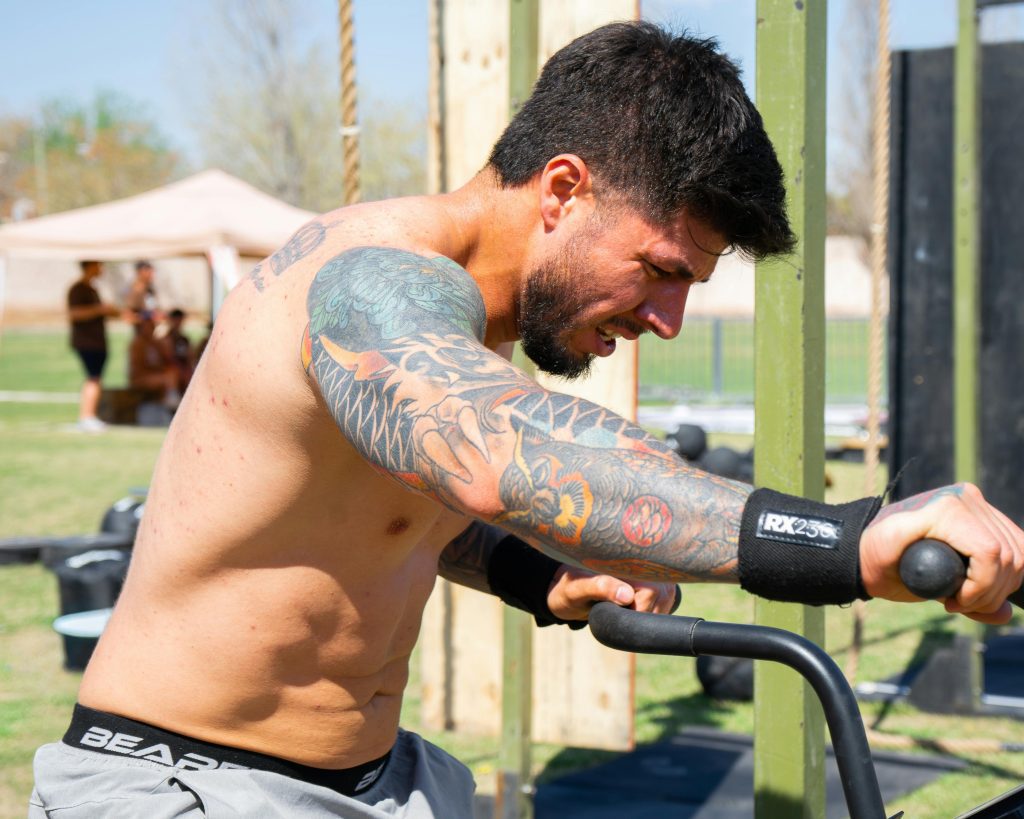
HIIT training (High-Intensity Interval Training) involves short bursts of maximum-effort exercise alternated with recovery periods. Unlike steady-state cardio where you maintain consistent intensity, HIIT deliberately alternates between working as hard as possible and recovering just enough to repeat.
A typical HIIT session might involve 30 seconds of all-out sprinting followed by 90 seconds of walking, repeated 8-10 times. The key principle is intensity. During work intervals, you should reach 80-95% of your maximum heart rate, working hard enough that maintaining conversation becomes impossible.
The defining characteristics of HIIT training include:
- Brief, intense work intervals (typically 10-60 seconds)
- Incomplete recovery periods between intervals
- Repeated cycles of work and rest
- Total workout duration of 10-30 minutes
- Intensity sufficient to reach near-maximum heart rate
- Can be applied to virtually any cardio modality
The magic of HIIT lies in this intensity. By pushing yourself during work intervals, you create metabolic stress that continues affecting your body long after training ends. This post-exercise effect explains why 20 minutes of HIIT can outperform 45 minutes of steady cardio for fat loss and fitness improvements.
The Science Behind HIIT
Understanding why HIIT works helps you commit to the challenging nature of these workouts.
Excess Post-Exercise Oxygen Consumption (EPOC):
HIIT training creates an “oxygen debt” during high-intensity intervals. Your body works anaerobically (without sufficient oxygen), creating metabolic byproducts that must be cleared and damage that needs repairing. This recovery process requires energy, keeping your metabolic rate elevated for up to 24 hours post-workout.
Research from the European Journal of Applied Physiology demonstrates that HIIT produces significantly greater EPOC than moderate-intensity exercise. One study found that subjects burned 15% more calories in the 24 hours following HIIT compared to steady-state cardio, despite the HIIT session being half the duration.
Mitochondrial Adaptations:
Mitochondria are the powerhouses of your cells, responsible for energy production. HIIT training triggers mitochondrial biogenesis (the creation of new mitochondria) more effectively than traditional cardio. More mitochondria means greater capacity to generate energy efficiently, improving both athletic performance and metabolic health.
Studies show that just 2 weeks of HIIT can produce mitochondrial adaptations similar to months of traditional endurance training. These adaptations enhance your body’s ability to use fat for fuel and improve insulin sensitivity.
Hormonal Responses:
HIIT stimulates beneficial hormonal responses including growth hormone and catecholamines (adrenaline and noradrenaline). These hormones mobilise fat from storage and promote its use as fuel. Research indicates that HIIT produces growth hormone increases up to 450% higher than steady-state cardio.
Additionally, HIIT improves insulin sensitivity more effectively than moderate exercise, helping your body manage blood sugar and store nutrients properly rather than as body fat.
HIIT vs Traditional Cardio
Comparing HIIT training to traditional steady-state cardio reveals distinct advantages and trade-offs.
Time efficiency strongly favours HIIT. Achieving similar cardiovascular benefits requires approximately three times longer with traditional cardio. A 15-minute HIIT session produces adaptations comparable to 45 minutes of moderate-intensity exercise, making HIIT ideal for time-constrained individuals.
Fat loss results typically favour HIIT. Research consistently shows greater fat loss from HIIT compared to steady-state cardio when matched for time commitment. The combination of calories burned during exercise plus extended EPOC creates superior fat loss outcomes.
Muscle preservation differs significantly. HIIT maintains or even builds muscle mass, whilst excessive steady-state cardio can promote muscle breakdown. This makes HIIT preferable for anyone wanting to lose fat without sacrificing hard-earned muscle.
Recovery demands are higher with HIIT. The intense nature creates greater neural and muscular fatigue than moderate cardio. You can perform steady-state cardio daily, but HIIT typically requires 48 hours between sessions for proper recovery.
Accessibility varies by individual. Traditional cardio suits beginners better initially, as HIIT’s intensity can be overwhelming for deconditioned individuals. However, once baseline fitness develops, HIIT becomes highly effective.
| Factor | HIIT Training | Traditional Cardio |
|---|---|---|
| Time Required | 10-30 minutes | 45-60 minutes |
| Calories During | Moderate-High | Moderate |
| Post-Workout Burn | Very High (24+ hours) | Low (1-2 hours) |
| Fat Loss | Superior | Good |
| Muscle Preservation | Excellent | Fair-Poor |
| Recovery Needed | 48 hours | 12-24 hours |
| Equipment Required | Minimal-None | Often requires machines |
| Difficulty Level | Very High | Moderate |
Why HIIT Training Works So Well
Understanding the specific benefits of HIIT training helps you appreciate why this method has become so popular among athletes, fitness enthusiasts, and busy professionals.
Time Efficiency Benefits
Modern life leaves little time for lengthy gym sessions. HIIT training solves this problem elegantly.
Complete HIIT sessions typically last 10-30 minutes including warm-up and cool-down. This brevity doesn’t compromise effectiveness; research shows 15 minutes of HIIT produces cardiovascular adaptations equivalent to 45 minutes of steady cardio. For busy professionals, parents, or students, this time savings represents the difference between consistent training and skipped workouts.
The workout density of HIIT is exceptional. Every minute counts because you’re alternating between maximum effort and brief recovery. There’s no wasted time on treadmills watching television or scrolling phones. You’re either working intensely or recovering to work intensely again.
Planning becomes simpler with HIIT. Finding 20 minutes three times weekly is far easier than carving out 60-90 minute blocks. This flexibility increases adherence; you’re more likely to complete short, scheduled sessions than cancel lengthy workouts when life gets hectic.
✅ Quick Win: Can’t find 30 consecutive minutes? Split HIIT into two 10-minute sessions (one morning, one evening). Research shows that split sessions produce similar benefits to continuous training whilst fitting unpredictable schedules perfectly.
Superior Fat Loss Results
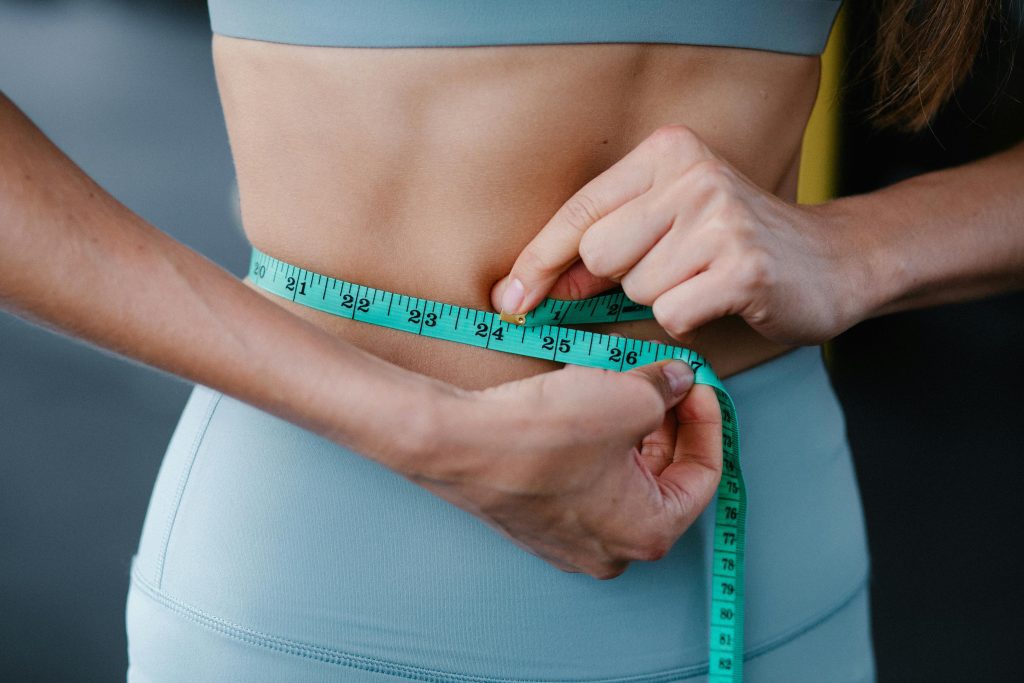
Fat loss represents the primary goal for many people pursuing fitness. HIIT training delivers exceptional results in this domain.
Research from the International Journal of Obesity compared HIIT to steady-state cardio over 12 weeks. The HIIT group lost 2kg more body fat despite exercising for 40% less time weekly. This superior fat loss occurs through multiple mechanisms working synergistically.
Calorie expenditure during HIIT is substantial despite short duration. Working at maximum intensity burns calories rapidly. More importantly, EPOC keeps metabolism elevated long after training, adding significant additional calorie burn. One study measured 15% increased calorie expenditure for 24 hours following HIIT.
Hormonal responses favour fat mobilisation. HIIT triggers catecholamine release (adrenaline and noradrenaline), hormones that signal fat cells to release stored energy. Growth hormone elevation further promotes fat oxidation whilst preserving muscle tissue. These hormonal changes create an optimal environment for losing fat without muscle.
Insulin sensitivity improvements help manage how your body stores nutrients. Better insulin sensitivity means nutrients preferentially go to muscle cells rather than fat storage. Studies show HIIT improves insulin sensitivity more effectively than traditional cardio, benefiting both fat loss and long-term metabolic health.
Importantly, HIIT preserves or builds muscle whilst burning fat. Traditional cardio often promotes muscle loss alongside fat loss, leaving people “skinny fat.” HIIT’s intensity signals your body to maintain muscle mass because it’s needed for the intense work intervals.
Cardiovascular Improvements
Heart health and cardiovascular fitness improve dramatically with HIIT training.
VO2 max (your body’s maximum oxygen uptake capacity) increases more rapidly with HIIT than steady-state exercise. Research shows that 8 weeks of HIIT improves VO2 max by 10-15%, compared to 5-8% improvements from traditional cardio over the same period. Higher VO2 max correlates with better cardiovascular health, athletic performance, and longevity.
Blood pressure reductions occur effectively through HIIT. Studies demonstrate that regular HIIT training lowers both systolic and diastolic blood pressure in hypertensive individuals, sometimes by 5-10 mmHg. These reductions significantly decrease cardiovascular disease risk.
Cardiac output and stroke volume improve through HIIT’s demands. Your heart becomes more efficient at pumping blood, delivering oxygen to working muscles more effectively. Resting heart rate typically decreases by 5-10 beats per minute after several weeks of consistent HIIT, indicating improved cardiac efficiency.
Vascular function enhances through repeated high-intensity bouts. Blood vessels become more elastic and responsive, improving circulation and nutrient delivery throughout your body. This vascular adaptation benefits overall health beyond just exercise performance.
Metabolic Adaptations
HIIT training creates profound metabolic changes that benefit health and body composition.
Mitochondrial density increases significantly with HIIT. More mitochondria means greater capacity to produce energy aerobically (using oxygen efficiently). This adaptation improves endurance, reduces fatigue during daily activities, and enhances fat oxidation capacity.
Fat oxidation capacity improves through enzymatic adaptations. Your body becomes better at using fat as fuel rather than relying primarily on carbohydrates. This metabolic flexibility benefits both athletic performance and body composition.
Metabolic rate elevation persists long-term with consistent HIIT. Beyond acute EPOC effects, regular HIIT training increases resting metabolic rate by building and maintaining muscle mass whilst improving metabolic efficiency. This elevation helps maintain fat loss and prevents regaining lost weight.
Glucose metabolism and insulin sensitivity improve through HIIT’s metabolic demands. Better glucose control reduces diabetes risk and helps manage existing metabolic conditions. Studies show HIIT can improve insulin sensitivity by 23-58% in just 2-6 weeks.
📊 Research Insight: A meta-analysis in Sports Medicine found that HIIT produced similar or superior cardiovascular and metabolic adaptations to moderate-intensity continuous training whilst requiring 40% less time commitment.
Different Types of HIIT Training
HIIT encompasses various protocols, each with specific work-to-rest ratios and applications. Understanding these variations helps you choose appropriate methods for your goals.
Tabata Protocol
The Tabata protocol represents one of the most famous and challenging HIIT formats, developed by Japanese scientist Dr. Izumi Tabata.
Structure: 20 seconds of all-out effort followed by 10 seconds of rest, repeated for 8 rounds (4 minutes total). Despite its brevity, Tabata is brutally effective when performed correctly.
How to perform: Choose an exercise you can perform at maximum intensity (bike sprints, burpees, kettlebell swings). During the 20-second work periods, work as hard as physically possible, reaching 170-180% of your VO2 max. Use the 10-second rest to breathe and prepare for the next interval.
Best for: Advanced exercisers with solid conditioning bases. The original research used elite speed skaters; this isn’t beginner-friendly. Tabata works excellently for improving anaerobic capacity and mental toughness.
Sample Tabata session:
- 5-minute warm-up
- Exercise: Assault bike sprints
- 20 seconds: Maximum effort
- 10 seconds: Rest
- Repeat 8 times
- 5-minute cool-down
Sprint Interval Training
Sprint interval training (SIT) uses longer, less frequent intervals at near-maximum intensity.
Structure: 30-60 second all-out efforts separated by 2-4 minutes of recovery. Typical sessions include 4-8 intervals depending on fitness level.
How to perform: After thorough warm-up, accelerate to maximum sustainable speed and maintain it throughout the work interval. Recovery periods should be active (light jogging or walking) rather than complete rest.
Best for: Improving speed, power, and anaerobic capacity. Works well for athletes requiring explosive efforts in their sports. Also excellent for fat loss when combined with proper nutrition.
Sample SIT session:
- 10-minute warm-up with dynamic stretches
- 6 × 45-second sprints at 90-95% maximum effort
- 3 minutes active recovery between sprints
- 10-minute cool-down
EMOM (Every Minute on the Minute)
EMOM structures work around the clock, starting a new set of exercises at the top of each minute.
Structure: Perform a prescribed number of reps at the start of each minute. Whatever time remains in that minute becomes your rest before the next round begins.
How to perform: Set a timer for 10-20 minutes. Choose an exercise and rep count that takes 20-40 seconds to complete. Perform those reps at the start of each minute, resting for the remainder. As you fatigue, rest periods naturally shorten, increasing difficulty.
Best for: Building work capacity, practicing movement under fatigue, and self-regulating intensity. Works well for strength-endurance development.
Sample EMOM workout (15 minutes):
- Minute 1: 10 kettlebell swings
- Minute 2: 8 push-ups
- Minute 3: 12 goblet squats
- Repeat this 3-exercise cycle 5 times
AMRAP (As Many Rounds As Possible)
AMRAP challenges you to complete as many rounds of a circuit as possible within a set time.
Structure: Choose 3-5 exercises with specific rep counts. Set a timer (typically 10-20 minutes) and complete as many full rounds as possible, maintaining proper form throughout.
How to perform: Move steadily through exercises with minimal rest. Track total rounds completed, which provides a metric for measuring progress in future sessions.
Best for: Building muscular endurance, improving work capacity, and creating competitive intensity. The format naturally encourages pushing yourself whilst being scalable to any fitness level.
Sample AMRAP (12 minutes):
- 10 burpees
- 15 kettlebell swings
- 20 mountain climbers
- Rest as needed, but keep moving
- Track total rounds completed
Getting Started with HIIT Training
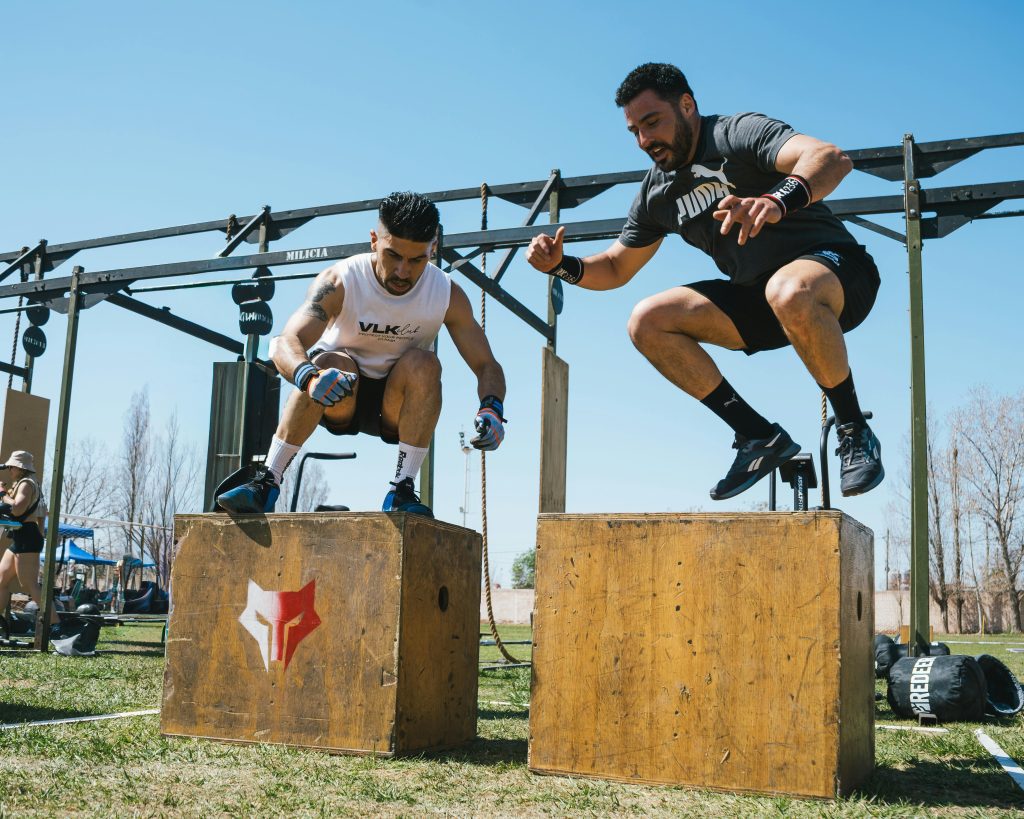
Jumping straight into advanced HIIT without preparation invites injury and burnout. Follow this systematic approach to start safely and effectively.
Assessing Your Readiness
Not everyone should immediately begin HIIT training. Honest assessment prevents problems.
Minimum fitness requirements: You should comfortably perform 30 minutes of moderate-intensity cardio (brisk walking, light jogging, cycling) before attempting HIIT. This base fitness ensures your cardiovascular system can handle intense demands.
Joint health matters significantly. HIIT often involves impact and rapid direction changes. If you have existing joint problems (especially knees, ankles, or lower back), consult a physiotherapist before starting. Many low-impact HIIT options exist (cycling, rowing, swimming) that deliver benefits without excessive joint stress.
Medical clearance is essential for certain populations. Anyone with cardiovascular disease, high blood pressure, diabetes, or other chronic conditions should obtain medical approval before starting HIIT. The intense nature can trigger adverse events in susceptible individuals.
Red flags requiring medical consultation:
- Chest pain or discomfort during exercise
- Unexplained shortness of breath
- Dizziness or fainting spells
- Joint swelling or persistent pain
- Any diagnosed heart condition
- Uncontrolled high blood pressure
Self-assessment test: Can you complete this beginner circuit without excessive fatigue? 3 rounds of: 30 seconds jogging in place, 10 bodyweight squats, 5 push-ups (modified if needed), 30 seconds rest. If yes, you’re likely ready for beginner HIIT protocols.
Equipment Needed
One of HIIT training’s advantages is minimal equipment requirements. You can create effective workouts with nothing or enhance them with simple tools.
No equipment necessary: Bodyweight exercises like burpees, mountain climbers, jump squats, and high knees create intense HIIT workouts anywhere. Parks, hotel rooms, or your living room work perfectly.
Minimal equipment enhances options:
Skipping rope (£5-15): Exceptional HIIT tool providing high-intensity cardio with minimal space requirements. Look for speed ropes rather than weighted ropes for optimal intensity.
Resistance bands (£10-25): Add resistance to bodyweight movements, creating additional loading without significant cost or space. Buy a set of varying resistances from UK retailers like Decathlon or Amazon.
Kettlebell (£20-60): Single piece of equipment enabling hundreds of HIIT variations. A 12-16kg kettlebell suits most people starting out. Kettlebell swings alone create brutally effective HIIT sessions.
Exercise mat (£15-40): Protects joints during floor exercises and prevents slipping. Essential for apartment dwellers doing HIIT at home.
Nice-to-have upgrades:
Assault bike or rowing machine (£400-1000): Premium options providing low-impact, high-intensity training. Excellent investments for serious home gym setups. Concept2 rowers and Assault Bikes represent gold-standard choices.
Timer/interval app (Free-£5): Essential for tracking work and rest periods. Many free options (Tabata Timer, Seconds Pro) work excellently. Your smartphone serves this purpose perfectly.
Heart rate monitor (£40-200): Provides objective intensity feedback. Chest strap monitors (Polar, Garmin) offer most accuracy. Helps ensure you’re reaching appropriate intensity zones.
Choosing Your HIIT Modality
Different HIIT modalities suit different preferences, goals, and physical limitations.
Running/sprinting HIIT: Most accessible option requiring no equipment. Sprint intervals followed by walking or jogging recovery. However, high impact stress on joints makes this unsuitable for heavier individuals or those with knee problems.
Cycling HIIT: Excellent low-impact option. Stationary bikes work perfectly, or use outdoor cycling if safe routes exist. Assault bikes provide full-body engagement with exceptional intensity.
Rowing HIIT: Outstanding full-body option working legs, core, and back simultaneously. Rowing machines provide low-impact training with high calorie burn. Technique matters; poor form causes back strain.
Bodyweight HIIT: Ultimate versatility with no equipment needed. Combine exercises like burpees, mountain climbers, jump squats, and push-ups. Scalable from beginner to advanced through exercise selection.
Swimming HIIT: Lowest-impact option, perfect for joint problems or rehabilitation. Sprint intervals in the pool provide intense cardiovascular training without impact stress.
Mixed-modality HIIT: Combine different exercises in circuits (rowing, kettlebell swings, bike sprints). Provides variety whilst distributing fatigue across different muscle groups.
Proper Warm-Up and Cool-Down
Skipping warm-up before HIIT substantially increases injury risk. The intense nature demands thorough preparation.
Effective HIIT warm-up structure (10 minutes):
General warm-up (5 minutes): Light cardio gradually increasing heart rate. Walking progressing to jogging, easy cycling, or jumping jacks. Aim to break a light sweat.
Dynamic stretching (3 minutes): Leg swings, arm circles, torso rotations, walking lunges. Focus on movements similar to your planned HIIT exercises.
Specific preparation (2 minutes): Perform HIIT exercises at 50-60% intensity. If planning sprint intervals, do several short accelerations. For kettlebell swings, perform light swings focusing on technique.
Cool-down importance (5-10 minutes):
Gradually reduce intensity rather than stopping abruptly. Walk or cycle easily for 5 minutes, allowing heart rate to descend gradually. Follow with static stretching targeting worked muscles. This aids recovery and reduces next-day soreness.
⚠️ Common Mistake: Attempting maximum intensity without adequate warm-up. Cold muscles and unprepared cardiovascular systems increase injury risk substantially. Always invest 10 minutes warming up properly before intense work.
Sample HIIT Training Workouts
Theory becomes useful only through practical application. These progressive workouts demonstrate how to implement HIIT safely and effectively.
Beginner HIIT Workouts
Start here if you’re new to HIIT or returning after extended breaks. Focus on learning proper form and building work capacity.
Beginner Workout 1: Walking/Jogging Intervals
Total time: 20 minutes
- 5-minute warm-up: Brisk walking
- Work interval: 30 seconds jogging (comfortable pace)
- Rest interval: 90 seconds walking
- Repeat 8 times
- 5-minute cool-down: Easy walking
Progression: Gradually increase jogging speed or extend work intervals to 45 seconds as fitness improves.
Beginner Workout 2: Bodyweight Circuit
Total time: 18 minutes
- 5-minute warm-up
- Circuit (repeat 3 rounds):
- 30 seconds: Modified push-ups (on knees if needed)
- 30 seconds: Rest
- 30 seconds: Bodyweight squats
- 30 seconds: Rest
- 30 seconds: Mountain climbers (slow, controlled)
- 30 seconds: Rest
- 60 seconds: Active recovery between rounds
- 3-minute cool-down
Beginner Workout 3: Cycling Intervals
Total time: 22 minutes
- 7-minute warm-up: Easy cycling
- Work interval: 40 seconds moderate-high intensity
- Rest interval: 80 seconds easy pace
- Repeat 6 times
- 5-minute cool-down
Intermediate HIIT Workouts
Progress to these workouts after 4-6 weeks of consistent beginner training. Intensity increases whilst rest periods shorten.
Intermediate Workout 1: Sprint Intervals
Total time: 25 minutes
- 8-minute warm-up: Dynamic stretches and build-ups
- Work interval: 45 seconds hard running (80-85% max effort)
- Rest interval: 90 seconds easy jogging
- Repeat 8 times
- 7-minute cool-down
Intermediate Workout 2: Kettlebell EMOM
Total time: 27 minutes
- 7-minute warm-up
- 15-minute EMOM:
- Minute 1: 15 kettlebell swings
- Minute 2: 12 goblet squats
- Minute 3: 10 push-ups
- Repeat 5 times
- 5-minute cool-down
Intermediate Workout 3: Mixed-Modality Circuit
Total time: 24 minutes
- 6-minute warm-up
- 12-minute AMRAP:
- 40 seconds: Assault bike maximum effort
- 20 seconds: Rest
- 12 burpees
- 15 kettlebell swings
- 20 mountain climbers
- Rest 60 seconds between complete rounds
- 6-minute cool-down
Advanced HIIT Workouts
These brutal sessions suit experienced athletes with excellent conditioning. Expect extreme fatigue and extended recovery requirements.
Advanced Workout 1: Tabata Hell
Total time: 22 minutes
- 8-minute comprehensive warm-up
- Tabata 1 (4 minutes): Burpees
- 2-minute active recovery
- Tabata 2 (4 minutes): Kettlebell swings
- 4-minute cool-down
Advanced Workout 2: Sprint Pyramid
Total time: 30 minutes
- 10-minute warm-up
- Intervals:
- 30 seconds sprint / 60 seconds recovery
- 45 seconds sprint / 90 seconds recovery
- 60 seconds sprint / 2 minutes recovery
- 45 seconds sprint / 90 seconds recovery
- 30 seconds sprint / 60 seconds recovery
- Repeat entire pyramid once more
- 5-minute cool-down
Advanced Workout 3: Death by HIIT
Total time: Variable (until failure)
- 10-minute warm-up
- Minute 1: 1 burpee
- Minute 2: 2 burpees
- Minute 3: 3 burpees
- Continue adding 1 burpee per minute until you cannot complete the required reps within the minute
- 5-minute cool-down
Programming HIIT Training Effectively
Random HIIT sessions produce results initially, but strategic programming optimises long-term progress whilst managing fatigue and injury risk.
Optimal Training Frequency
How often should you perform HIIT training? The answer depends on recovery capacity, training goals, and other activities.
General recommendations: 2-3 HIIT sessions weekly suit most people. This frequency provides sufficient stimulus for adaptation whilst allowing adequate recovery. More than 4 sessions weekly typically exceeds recovery capacity, leading to diminishing returns or overtraining.
Beginners (0-3 months HIIT experience): Start with 1-2 sessions weekly, separated by at least 48 hours. Your body needs time adapting to the intense demands. Rushing frequency invites injury and burnout.
Intermediate trainees (3-12 months experience): 2-3 sessions weekly work well. Consider alternating longer, moderate-intensity HIIT (20-25 minutes) with shorter, maximum-intensity sessions (10-15 minutes).
Advanced athletes (12+ months experience): 3-4 sessions weekly maximum. More becomes counterproductive unless you’re a professional athlete with optimised recovery protocols. Quality matters more than quantity.
Scheduling considerations: Separate HIIT sessions by at least 48 hours. Avoid back-to-back days; neural and muscular fatigue accumulate significantly. If training 3 times weekly, Monday/Wednesday/Friday or Tuesday/Thursday/Saturday work well.
Work-to-Rest Ratios
Work-to-rest ratios determine training intensity and primary adaptations. Different ratios suit different goals and fitness levels.
1:3 ratio (e.g., 30 seconds work, 90 seconds rest): Beginner-friendly ratio allowing near-complete recovery between intervals. Enables maintenance of high intensity across all work periods. Best for building HIIT tolerance.
1:2 ratio (e.g., 30 seconds work, 60 seconds rest): Intermediate ratio providing partial recovery. Intensity remains high but fatigue accumulates progressively. Excellent for fat loss and conditioning.
1:1 ratio (e.g., 30 seconds work, 30 seconds rest): Advanced ratio with incomplete recovery. Creates significant metabolic stress and mental challenge. Superior for anaerobic capacity development.
2:1 ratio (e.g., 40 seconds work, 20 seconds rest): Very advanced ratio demanding exceptional fitness. Work periods exceed rest, preventing full recovery. Tabata protocol uses this challenging ratio.
Progression approach: Begin with 1:3 ratios, maintaining high intensity during work periods. As fitness improves, gradually reduce rest whilst maintaining intensity. This ensures continued adaptation without premature burnout.
Progression Strategies
Progressive overload applies to HIIT just like strength training. Without systematic progression, adaptation plateaus.
Method 1: Increase work interval duration. Progress from 20 to 30 to 45-second intervals whilst maintaining intensity and rest periods. This increases total work performed.
Method 2: Decrease rest interval duration. Maintain work interval length but gradually shorten recovery periods. This increases training density and metabolic stress.
Method 3: Add intervals. If performing 6 intervals comfortably, progress to 8, then 10. Total training volume increases whilst individual interval intensity remains high.
Method 4: Increase intensity. Push harder during work intervals, reaching higher percentages of maximum heart rate. Use heart rate monitors or perceived exertion scales to quantify this.
Method 5: Reduce recovery activity. Progress from active recovery (easy movement) to passive recovery (complete rest). This seems counterintuitive but actually increases difficulty by providing less recovery stimulus.
Progression example (12-week plan):
Weeks 1-3: 8 intervals of 30 seconds work, 90 seconds rest (1:3 ratio) Weeks 4-6: 8 intervals of 40 seconds work, 80 seconds rest (1:2 ratio) Weeks 7-9: 10 intervals of 40 seconds work, 60 seconds rest Weeks 10-12: 10 intervals of 45 seconds work, 45 seconds rest (1:1 ratio)
Combining HIIT with Strength Training
Most people training HIIT also perform resistance training. Intelligent integration optimises both without creating excessive fatigue.
Scheduling options:
Separate days (preferred): Perform HIIT on non-strength days, ensuring 6-8 hours between sessions minimum. This separation allows full recovery for each training type.
Same day, strategic timing: If combining sessions, perform strength training first when you’re fresh. HIIT afterwards won’t significantly impair strength performance, whilst fatigued strength training compromises both safety and effectiveness.
Weekly schedule example:
- Monday: Lower body strength
- Tuesday: HIIT session 1
- Wednesday: Upper body strength
- Thursday: Rest or light activity
- Friday: Full body strength
- Saturday: HIIT session 2
- Sunday: Rest
Volume management: Reduce HIIT frequency when increasing strength training volume. High-volume strength programmes (5-6 days weekly) pair better with 1-2 HIIT sessions. Lower-volume strength training (3-4 days) tolerates 2-3 HIIT sessions.
🎯 Action Step: Map out your next 4 weeks of training, scheduling HIIT sessions strategically around strength work. Ensure no HIIT falls within 24 hours of leg training, as this combination creates excessive fatigue.
Common HIIT Training Mistakes
Even experienced exercisers make these errors that compromise results and increase injury risk.
Mistake 1: Insufficient intensity during work intervals
The defining feature of HIIT is intensity. Working at 70% effort defeats the purpose. During work intervals, you should reach 80-95% maximum heart rate, working hard enough that conversation becomes impossible.
Solution: Use objective measures like heart rate monitors. Target zones: 80-85% max HR for beginners, 85-90% for intermediates, 90-95% for advanced. If you can chat comfortably, you’re not working hard enough.
Mistake 2: Excessive frequency
More isn’t better with HIIT. Training daily or 5+ times weekly prevents adequate recovery, leading to decreased performance, hormonal disruption, and eventual burnout.
Solution: Limit HIIT to 2-4 sessions weekly maximum. Separate sessions by at least 48 hours. Trust that rest days are when adaptation occurs.
Mistake 3: Neglecting warm-up and cool-down
Jumping straight into maximum intensity without preparation invites muscle strains, joint problems, and poor performance.
Solution: Always perform 10-minute warm-ups including general cardio, dynamic stretching, and specific preparation. Follow sessions with 5-10 minute cool-downs.
Mistake 4: Poor exercise selection
Choosing technically complex exercises (like Olympic lifts) for HIIT creates form breakdown under fatigue, increasing injury risk substantially.
Solution: Select exercises you can perform perfectly even when exhausted. Simple movements (sprints, bike intervals, kettlebell swings, burpees) work best for HIIT.
Mistake 5: Ignoring recovery signals
Pushing through persistent fatigue, declining performance, or nagging injuries leads to serious problems requiring extended time away from training.
Solution: Track performance metrics (distances, times, reps completed). Declining numbers despite adequate effort signal insufficient recovery. Take extra rest days when needed.
Mistake 6: Inconsistent intensity across intervals
Starting too hard and fading dramatically means you’re not truly performing HIIT. Effective HIIT maintains similar intensity across all work intervals.
Solution: Pace yourself. The first interval shouldn’t be significantly easier than the last. Find sustainable maximum effort that you can repeat throughout the session.
Safety and Injury Prevention
HIIT’s intense nature demands attention to safety. Following these guidelines minimises injury risk whilst maximising effectiveness.
Medical screening importance:
Anyone over 40, with cardiovascular risk factors, or existing health conditions should obtain medical clearance before starting HIIT. The intense demands can trigger adverse events in susceptible individuals.
Progressive introduction:
Don’t jump immediately into advanced protocols. Spend 4-6 weeks building base fitness with moderate-intensity cardio before attempting HIIT. This preparation prevents overwhelming your cardiovascular system.
Technique preservation:
Form deterioration under fatigue is common but dangerous. Choose exercises you can perform correctly even when exhausted. Stop sets when form breaks down significantly, regardless of planned duration.
Surface selection matters:
Perform high-impact HIIT (running, jumping) on forgiving surfaces when possible. Grass, rubber tracks, or padded gym floors reduce impact stress compared to concrete or asphalt.
Footwear appropriateness:
Proper athletic shoes providing cushioning and support prevent many lower-body injuries. Replace worn shoes every 300-500 miles. Cross-training shoes work well for mixed-modality HIIT.
Hydration and fuelling:
Intense exercise increases fluid and electrolyte needs. Drink water throughout the day, consuming 500ml in the 2 hours before HIIT. Have water available during sessions, sipping between intervals.
Environmental considerations:
Heat and humidity substantially increase cardiovascular stress. Reduce intensity or move indoors during extreme conditions. Cold weather demands proper warm-up to prevent muscle strains.
Recovery monitoring:
Track resting heart rate each morning. Elevated RHR (5-10 beats above normal) indicates insufficient recovery. Take an extra rest day or reduce intensity when this occurs.
When to seek medical attention:
- Chest pain or pressure during or after exercise
- Unusual shortness of breath lasting beyond recovery
- Dizziness, lightheadedness, or fainting
- Excessive heart rate elevation that persists
- Joint pain, swelling, or instability
Nutrition for HIIT Training
Proper nutrition optimises HIIT performance and recovery. Different timing considerations apply compared to traditional cardio.
Pre-workout nutrition (1-2 hours before):
Consume easily digestible carbohydrates providing energy for high-intensity work. Examples: banana with nut butter, oats with berries, rice cakes with jam. Avoid heavy, high-fat meals that slow digestion.
Intra-workout hydration:
For sessions under 30 minutes, water suffices. Longer or multiple daily sessions benefit from electrolyte drinks replacing sodium and potassium lost through sweat.
Post-workout recovery (within 60 minutes):
Protein and carbohydrates support recovery and replenishment. Target 20-40g protein and 40-80g carbohydrates depending on body size and session intensity. Examples: protein shake with fruit, chicken and rice, Greek yoghurt with granola.
Daily macronutrient targets:
Protein: 1.6-2.2g per kilogram bodyweight daily. Adequate protein supports recovery and preserves muscle mass, especially important during fat loss phases.
Carbohydrates: 3-5g per kilogram bodyweight for recreational exercisers, 5-7g for serious athletes. HIIT relies heavily on glycogen, making carbohydrate intake crucial for performance and recovery.
Fats: 0.8-1.2g per kilogram bodyweight. Essential for hormonal function and overall health. Don’t excessively restrict fats even during fat loss.
Calorie considerations for different goals:
Fat loss: 300-500 calorie deficit below maintenance. Don’t create excessive deficits; HIIT demands significant energy and inadequate fuelling impairs performance and recovery.
Maintenance: Eat at maintenance calories, adjusting based on performance and body composition changes.
Muscle gain: 200-300 calorie surplus. HIIT supports muscle maintenance during bulking but isn’t primarily a muscle-building modality.
Supplementation worth considering:
Creatine monohydrate (5g daily): Supports high-intensity performance and recovery. Research shows benefits for interval training.
Caffeine (200-400mg pre-workout): Enhances performance and perceived exertion during HIIT. Time consumption 30-60 minutes before training.
Beta-alanine (3-6g daily): Buffers lactic acid accumulation, potentially improving performance during longer intervals.
Tracking Progress and Results
Measuring progress keeps you motivated and provides objective feedback about your programming effectiveness.
Performance metrics to track:
Heart rate recovery: How quickly your heart rate drops in the minute following work intervals. Faster recovery indicates improving fitness. Track average recovery rate weekly.
Interval completion: Can you complete more intervals at the same intensity? Progressing from 8 to 10 intervals demonstrates improved capacity.
Work interval performance: For measurable activities (bike calories, rowing metres, sprint distances), track output during work intervals. Maintaining or increasing output shows progress.
Perceived exertion: Rate each session’s difficulty (1-10 scale). If sessions feel easier whilst maintaining intensity metrics, you’re adapting successfully.
Body composition measurements:
Body weight: Weekly measurements (same day, time, conditions) track trends. Focus on monthly averages rather than daily fluctuations.
Body measurements: Take circumferences monthly (waist, hips, thighs, arms, chest). More accurate than scale weight for assessing fat loss and muscle changes.
Progress photos: Monthly photos (same lighting, angles, time of day) reveal changes invisible on scales. Most motivating progress tracking method.
Performance testing (monthly):
Maximum intervals completed: Using a standard protocol (e.g., 30 seconds work, 60 seconds rest), perform intervals until you cannot maintain intensity. Track total intervals completed.
Time trial: Complete a set distance (1km run, 2km row) as quickly as possible. Improving times demonstrate enhanced conditioning.
Resting heart rate: Check morning RHR before getting out of bed. Decreases of 5-10 beats indicate improved cardiovascular fitness.
Progress timeline expectations:
Weeks 1-4: Improved work capacity, easier session completion, better recovery between intervals Weeks 5-8: Measurable performance improvements, visible body composition changes beginning Weeks 9-12: Substantial conditioning gains, significant fat loss if in calorie deficit, improved daily energy Months 4-6: Advanced fitness levels, ability to complete previously impossible protocols
Tools and Resources
Optimising HIIT training benefits from strategic use of technology and educational resources.
Apps and Digital Tools
Tabata Timer (Free, iOS/Android): Simple, effective interval timer with preset protocols. Allows custom interval creation for any HIIT format.
Seconds Pro (£5, iOS/Android): Advanced interval timer with voice prompts, complex sequences, and workout sharing. Worth the investment for serious HIIT practitioners.
Strava (Free, iOS/Android): Tracks running and cycling HIIT sessions via GPS. Social features and segment tracking add motivational elements.
MyFitnessPal (Free, iOS/Android): Essential nutrition tracking ensuring adequate fuelling. HIIT demands proper nutrition; tracking holds you accountable.
Heart Rate Training Apps (Various): If using HR monitors, dedicated apps (Polar Beat, Garmin Connect) provide detailed zone tracking and recovery analysis.
Equipment Recommendations
Skipping rope: Perform Fitness Speed Rope (£12, Amazon UK) provides excellent value. Adjustable length suits various heights.
Resistance bands: Gritin Resistance Bands Set (£15, Amazon UK) includes five resistance levels with door anchor and handles.
Kettlebell: Mirafit Cast Iron Kettlebell (£25-60 depending on weight, Mirafit UK) offers quality construction at reasonable prices.
Interval timer device: GymBoss Interval Timer (£20, Amazon UK) provides simple, physical timing without phone distractions.
Heart rate monitor: Polar H10 Chest Strap (£80, Wiggle UK) offers exceptional accuracy and connects to most fitness apps.
Books and Further Learning
High-Intensity Interval Training by Sean Bartram (£15): Comprehensive HIIT programming guide with dozens of protocols and workouts.
The One-Minute Workout by Martin Gibala (£12): Accessible science-based guide from leading HIIT researcher explaining mechanisms and applications.
Body by Science by Doug McGuff (£18): Though focused on strength, explains high-intensity training principles applicable to HIIT.
YouTube Channels:
- Fitness Blender: Free HIIT workout videos with clear instruction
- The Body Coach (Joe Wicks): Popular UK trainer with HIIT focus
- Jeff Nippard: Science-based fitness content including HIIT explanations
Frequently Asked Questions
How quickly will I see results from HIIT training?
Initial results appear within 2-4 weeks of consistent HIIT training. You’ll notice improved work capacity, easier session completion, and better recovery between intervals. Visible body composition changes typically require 6-8 weeks when combined with proper nutrition. Cardiovascular improvements (lower resting heart rate, faster heart rate recovery) manifest within 4-6 weeks. Remember that “results” depend on multiple factors including training frequency, nutrition adherence, sleep quality, and starting fitness level. Track multiple metrics (performance, measurements, photos) rather than fixating solely on scale weight.
Can I do HIIT training every day?
No, daily HIIT is counterproductive for most people. HIIT creates significant neural, muscular, and metabolic fatigue requiring 48 hours minimum for adequate recovery. Training daily prevents full recovery, leading to decreased performance, hormonal disruption, increased injury risk, and eventual overtraining. Limit HIIT to 2-4 sessions weekly maximum, separated by at least one rest day. Recovery is when adaptation occurs; without adequate rest, you’re accumulating fatigue without corresponding fitness gains. Elite athletes might tolerate higher frequencies, but they also have optimised nutrition, sleep, and recovery protocols unavailable to most people.
Is HIIT training better than steady-state cardio for fat loss?
Research consistently shows HIIT produces superior fat loss compared to steady-state cardio when matched for time commitment. A meta-analysis in the British Journal of Sports Medicine found HIIT reduced body fat by 28.5% more than moderate-intensity continuous training. HIIT’s advantages include greater total calorie burn (during and after exercise via EPOC), better muscle preservation, superior metabolic adaptations, and time efficiency. However, “better” depends on individual factors. HIIT demands higher intensity, requires longer recovery, and doesn’t suit everyone’s preferences. Some people genuinely prefer steady cardio and will adhere better to it, making it “better” for them despite HIIT’s theoretical advantages.
Can beginners do HIIT training safely?
Yes, with appropriate modifications and progressive introduction. Beginners should start with longer rest periods (1:3 or 1:2 work-to-rest ratios), moderate work interval lengths (20-30 seconds), and lower overall intensity (70-80% maximum heart rate rather than 90-95%). Choose low-impact modalities (cycling, rowing, elliptical) rather than high-impact options (sprinting, jumping). Spend 4-6 weeks building base fitness with moderate cardio before attempting HIIT. Start with 1-2 sessions weekly, gradually increasing frequency as conditioning improves. Anyone with health concerns, over 40, or previously sedentary should obtain medical clearance before starting.
How long should HIIT training sessions last?
Effective HIIT sessions typically last 10-30 minutes excluding warm-up and cool-down. Including preparation and recovery, total time ranges 20-50 minutes. Session length depends on protocol intensity. Very high-intensity protocols (Tabata, sprint intervals) might only last 10-15 minutes due to extreme demands. Moderate-intensity HIIT (EMOM, AMRAP) can extend to 20-30 minutes whilst maintaining quality. Longer isn’t better with HIIT; intensity matters most. Sessions exceeding 30 minutes likely involve insufficient intensity to qualify as true HIIT. Focus on quality intervals at appropriate intensity rather than extending duration unnecessarily.
Should I do HIIT training on an empty stomach?
Fasted HIIT training isn’t necessary for fat loss and may impair performance quality. Whilst some research suggests fasted cardio increases fat oxidation during exercise, total 24-hour fat loss remains similar to fed training. HIIT demands high intensity, which typically requires carbohydrate availability for optimal performance. Training fasted often reduces work capacity, meaning lower quality intervals and reduced overall stimulus. Consume easily digestible carbohydrates 1-2 hours before HIIT for best performance. However, if you prefer training fasted and can maintain intensity, it won’t sabotage results. Individual preference matters more than theoretical advantages.
Can I build muscle with HIIT training?
HIIT primarily develops cardiovascular fitness and promotes fat loss rather than building substantial muscle mass. However, HIIT effectively maintains existing muscle during fat loss phases and may produce small muscle gains in untrained individuals. Resistance-based HIIT (kettlebell circuits, bodyweight movements) provides better muscle-building stimulus than pure cardio HIIT (sprints, cycling). For significant muscle growth, structured resistance training remains necessary. HIIT complements muscle-building programmes by improving conditioning without excessive muscle loss, but shouldn’t replace proper strength training if hypertrophy is your primary goal.
What’s the difference between HIIT and circuit training?
HIIT specifically emphasises intensity and work-to-rest ratios, pushing to 80-95% maximum heart rate during work intervals. Circuit training involves moving through exercises with minimal rest but doesn’t necessarily reach HIIT’s intensity levels. Many circuits maintain 60-75% max HR, qualifying as moderate-intensity training. True HIIT requires genuine maximum efforts during work intervals, making it significantly more demanding than typical circuit training. However, circuits can be structured as HIIT by ensuring sufficient intensity and appropriate rest periods. The distinction lies in intensity level rather than format.
How do I know if I’m working hard enough during HIIT?
Heart rate provides the most objective intensity measure. During work intervals, target 80-95% of your maximum heart rate (calculate max HR as 220 minus your age, though individual variation exists). Without a heart rate monitor, use perceived exertion. During work intervals, you should breathe heavily, feel uncomfortable, and find conversation impossible. If you can chat normally, intensity is insufficient. You should genuinely look forward to rest intervals and feel relief when they arrive. Recovery between work intervals shouldn’t feel complete; some fatigue should persist. If finishing sessions feeling fresh, increase intensity or reduce rest periods.
Can I combine HIIT with strength training in the same workout?
You can, but optimal scheduling places strength training first. Performing HIIT before strength training creates fatigue that impairs lifting performance, reducing strength gains and increasing injury risk. Strength training first allows maximum effort on heavy lifts, then HIIT afterwards as conditioning work. However, this combination can be very demanding; ensure adequate recovery capacity. Many people benefit more from separating HIIT and strength training by 6-8 hours or performing them on different days entirely. This separation allows full effort for each training type whilst managing total fatigue accumulation.
Is HIIT training safe during pregnancy?
Pregnancy and HIIT training can be compatible, but require careful consideration and medical guidance. Women who regularly performed HIIT before pregnancy can typically continue with modifications throughout early pregnancy. However, intensity, impact, and core loading should be adjusted as pregnancy progresses. Avoid supine exercises after the first trimester, reduce jumping and high-impact activities, and monitor for warning signs (dizziness, bleeding, contractions, reduced fetal movement). Always obtain clearance from your healthcare provider. Many pregnant women transition from HIIT to moderate-intensity exercise as pregnancy advances. Postpartum return to HIIT should be gradual, typically beginning 6-12 weeks after delivery depending on birth complications and recovery.
What should I do if I feel dizzy or nauseous during HIIT?
Stop immediately and rest. Dizziness or nausea during HIIT typically indicates insufficient warm-up, dehydration, inadequate fuelling, or excessive intensity for your current fitness level. Walk slowly and breathe deeply until symptoms resolve. Don’t attempt to continue the session. For future sessions, ensure thorough warm-up, proper hydration (consume 500ml water 2 hours before training), and adequate pre-workout nutrition (easily digestible carbohydrates 1-2 hours before). Reduce intensity if symptoms persist with proper preparation. Occasional mild nausea can occur with maximum-effort training, but frequent or severe symptoms warrant medical consultation, especially if accompanied by chest pain or unusual breathlessness.
How does age affect HIIT training?
HIIT training benefits all ages, though implementation requires adjustment for older adults. Research shows that adults 50-70+ years old achieve significant cardiovascular and metabolic improvements from HIIT. However, older adults typically need longer warm-ups, extended recovery between sessions, and more conservative progression rates. Joint health becomes increasingly important; lower-impact modalities (cycling, rowing, swimming) often suit older adults better than high-impact running. Recovery capacity generally decreases with age, suggesting 2-3 HIIT sessions weekly rather than 4. Medical clearance becomes more important, as cardiovascular risk increases with age. Benefits remain substantial across the lifespan when appropriately programmed.
Can I do HIIT if I have joint problems?
Yes, with appropriate modality selection. HIIT’s intensity matters more than specific exercises used. Low-impact options (cycling, rowing, swimming, elliptical) provide high-intensity training without excessive joint stress. These modalities suit people with knee, hip, or ankle problems who can’t tolerate running or jumping. Resistance-based HIIT using exercises that don’t aggravate your specific joint issues also works well. Start conservatively, gradually increasing intensity as joints tolerate training. Always warm up thoroughly, as cold joints have higher injury risk. If pain occurs during or after training, reduce intensity or switch modalities. Consult a physiotherapist for personalised exercise modifications addressing your specific joint concerns.
How do I maintain HIIT training results long-term?
Maintenance requires ongoing training but potentially reduced frequency. Research suggests that 1-2 HIIT sessions weekly maintains fitness gains achieved through higher-frequency training. Continue tracking performance metrics to ensure maintenance rather than regression. Periodically increase frequency (3-4 sessions for 4-6 weeks) to drive further adaptations, then return to maintenance frequency. Vary HIIT protocols to prevent staleness; alternate between different modalities and work-to-rest ratios. Combine HIIT with other training forms (strength training, recreational sports) for well-rounded fitness. Remember that stopping training entirely causes detraining within weeks; consistent maintenance sessions preserve hard-earned gains indefinitely.
Dive Deeper: Related Guides
These cluster articles will provide deeper dives into specific HIIT training topics:
- Tabata Training Explained: Complete guide to the 4-minute HIIT protocol
- HIIT Workouts for Fat Loss: Specialised programmes targeting maximum body composition changes
- Low-Impact HIIT Options: Joint-friendly protocols for injury-prone individuals
- HIIT for Beginners: Progressive 8-week programme starting from scratch
- Combining HIIT and Strength Training: Strategic integration for optimal results
- HIIT Nutrition Guide: Meal timing and macro targets for HIIT performance
- Sprint Interval Training: Detailed breakdown of running-based HIIT
- Bodyweight HIIT Circuits: No-equipment workouts for home training
- HIIT Heart Rate Training: Using HR zones for optimal intensity management
- Recovery from HIIT: Strategies for managing fatigue and maximising adaptation
Conclusion
HIIT training represents one of the most time-efficient, scientifically validated approaches to improving fitness, burning fat, and enhancing metabolic health. By alternating brief maximum-effort intervals with recovery periods, you achieve results that would require three times longer with traditional cardio.
The key takeaways from this guide:
- HIIT delivers maximum results in minimum time through intense work intervals and strategic recovery
- Multiple HIIT protocols exist to suit different fitness levels, preferences, and goals
- Proper programming is essential for continued progress without overtraining or burnout
- Recovery between sessions matters as much as the sessions themselves for adaptation
- Progressive overload applies to HIIT through multiple variables beyond just adding time
- Safety and injury prevention require attention due to HIIT’s demanding nature
- Nutrition and recovery strategies support performance and optimise results
Whether you’re a busy professional seeking efficient workouts or an athlete pursuing peak performance, HIIT training provides a proven path to achieving your goals. The versatility allows implementation anywhere with minimal equipment, whilst the intensity ensures continued challenges regardless of fitness level.
Three Actions to Take Today:
- Assess your current fitness level. Can you comfortably perform 30 minutes of moderate-intensity cardio? If yes, you’re ready to begin beginner HIIT protocols. If no, spend 2-4 weeks building base fitness before attempting HIIT.
- Choose your first HIIT modality. Select an activity you can perform safely at high intensity. Cycling, rowing, or bodyweight circuits work well for most beginners. Avoid high-impact running initially if you’re higher weight or have joint concerns.
- Schedule your first HIIT session. Plan exactly when you’ll perform your first workout this week. Choose one of the beginner workouts from this guide. Commit to starting rather than waiting for the “perfect” time or conditions.
Your transformation through HIIT training begins with a single 20-minute session. The compound effect of consistent, strategic training will astound you. Start today, track everything, push yourself during work intervals, and watch your fitness soar.
Ready to put HIIT training into action? Explore our related articles for specific protocols and programme templates, or join our newsletter for weekly training insights delivered straight to your inbox.


