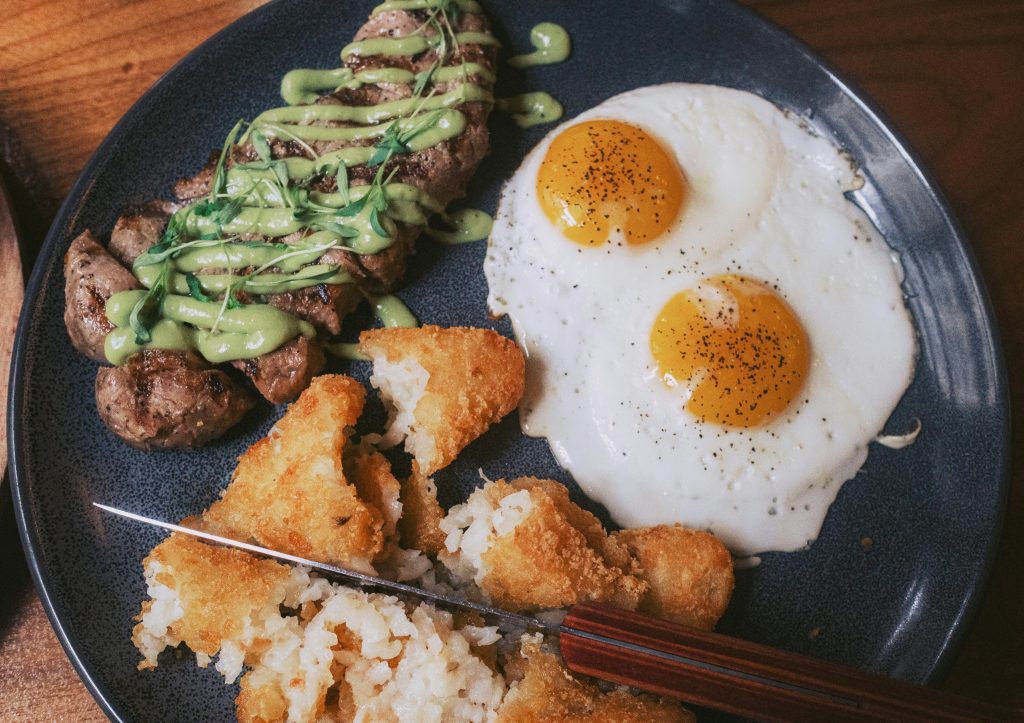
You see fitness enthusiasts casually mentioning they eat more protein than seems humanly possible, and it sounds utterly exhausting. How do people eat so much protein without feeling like they’re forcing down chicken breast at every meal? The truth might surprise you: they’re not actually eating that differently from you. They’ve just cracked a few strategic codes.
Picture this: You’ve decided to prioritise protein for muscle building, weight management, or simply feeling fuller throughout the day. You Google the recommendations. The numbers stare back at you. According to NHS guidelines, most active adults should aim for around 1.2-2g per kilogram of body weight. For someone weighing 75kg, that’s potentially 150g of protein daily. That’s the equivalent of five chicken breasts. Every. Single. Day.
Sounds mental, doesn’t it?
But here’s what’s interesting: people who successfully eat more protein aren’t sitting down to massive plates of grilled meat three times daily. They’re using a completely different approach that makes high protein intake feel natural rather than like a second job.
Let’s Bust Some Protein Myths First
Related reading: How Much Protein Daily to Build Muscle: The Numbers That Actually Matter.
Myth: You need to eat chicken and fish at every meal
Reality: Protein comes from dozens of sources, many of which you probably already eat. Greek yoghurt packs 10g per 100g. A tin of chickpeas contains 19g. Two eggs give you 13g. Variety actually makes it easier to eat more protein because you’re not experiencing food fatigue from the same textures and flavours repeatedly.
Myth: High protein means low carbs
Reality: These two things aren’t mutually exclusive. You can eat more protein whilst maintaining perfectly healthy carbohydrate intake. Lentils, quinoa, and wholegrain bread all contribute protein alongside carbs. The goal isn’t to replace carbohydrates but to ensure adequate protein rather than accidentally under-eating it.
Myth: Eating more protein is expensive
Reality: Whilst organic chicken breast from Waitrose isn’t cheap, tinned fish, eggs, dried beans, and own-brand cottage cheese are remarkably affordable. A 500g tub of cottage cheese from Aldi costs around £1.20 and contains approximately 50g of protein. That’s better value than most protein supplements.
Why Most People Struggle to Eat More Protein
You might also enjoy: How Much Protein Do I Need Daily to Build Muscle as a Woman.
The typical British diet is built around carbohydrates. Toast for breakfast. Sandwich for lunch. Pasta for dinner. None of these are problems in themselves, but they naturally prioritise carbs whilst protein becomes an afterthought rather than a foundation.
When you suddenly try to eat more protein, you’re fighting against years of established eating patterns. Your brain expects certain foods at certain times. Your stomach is accustomed to particular volumes and textures. Dramatically increasing protein feels foreign because, well, it is foreign to your current system.
Plus, protein is more satiating than carbs or fats. That’s brilliant for appetite control but challenging when you’re trying to eat more protein than you’re used to. You feel full faster, which seems counterproductive when you’re aiming for higher intake.
The solution isn’t force-feeding yourself. It’s distribution and strategic choices.
The Distribution Strategy: Small Amounts Throughout the Day
People who successfully eat more protein don’t consume it all in one massive meal. Research from the University of Birmingham shows that protein synthesis responds better to regular doses throughout the day rather than one enormous serving.
Breaking your protein target into 4-5 smaller servings makes the goal feel achievable rather than overwhelming. Instead of facing a 50g protein dinner that requires a restaurant-sized steak, you’re looking at 25-30g per main meal plus two smaller protein hits during the day.
What does this look like practically?
- Breakfast: 25-30g (three-egg omelette with cheese, or Greek yoghurt with nuts)
- Mid-morning snack: 10-15g (small handful of almonds or a protein bar)
- Lunch: 25-30g (chicken salad, tuna sandwich, or lentil soup)
- Afternoon snack: 10-15g (cottage cheese with cucumber, or edamame beans)
- Dinner: 30-40g (salmon fillet, beef stir-fry, or chickpea curry)
Total: 100-130g without any single meal feeling excessive.
The protein-first eating sequence
When you sit down to eat, start with the protein component first. Sounds simple, but it works brilliantly. Your hunger is highest at the beginning of a meal, making it easier to consume adequate protein before filling up on other foods.
This doesn’t mean you can’t enjoy your roast potatoes or pasta. It just means you eat the chicken or fish first, then build around it. Many people who eat more protein successfully use this sequence without even thinking about it anymore.
Strategic Protein Sources That Don’t Feel Heavy
Certain proteins are easier to consume in larger quantities because of their texture, preparation methods, and how they sit in your stomach.
Liquid and semi-liquid proteins
These digest more comfortably than solid proteins when you’re trying to eat more protein overall. Protein shakes get a bad reputation as being unnatural or supplement-dependent, but they’re genuinely useful tools. A simple shake with milk, banana, and protein powder can deliver 25-30g without feeling like you’ve eaten a full meal.
Similarly, soup-based proteins work brilliantly. A chunky lentil soup provides substantial protein whilst feeling lighter than solid food. Greek yoghurt falls into this category too. A 500g tub contains about 50g of protein but feels more manageable than eating 50g worth of chicken.
Protein-dense but small-volume foods
Nuts, seeds, and nut butters pack significant protein into small portions. Two tablespoons of peanut butter gives you 8g of protein. A 30g serving of pumpkin seeds provides 9g. These additions throughout the day add up without requiring you to eat larger meal volumes.
Cheese often gets vilified in diet culture, but it’s remarkably protein-dense. A 30g chunk of cheddar contains 7-8g of protein. Grated over lunch or sliced as an afternoon snack, it contributes meaningfully to your total.
For those who find dairy helpful, having something like a good quality cottage cheese in the fridge provides a quick protein source that requires zero preparation. Look for varieties with at least 10g protein per 100g. Some brands available at most UK supermarkets hit 12-13g per 100g, making them particularly efficient choices.
Convenient protein that travels
Hardboiled eggs are brilliant for people who eat more protein successfully. Prepare six on Sunday evening, keep them in the fridge, and you’ve got portable 6g protein hits ready to grab. They don’t need reheating, they don’t make a mess, and they’re dirt cheap.
Tinned fish deserves more appreciation. A tin of mackerel contains about 20g of protein and costs roughly a quid. Keep a few tins in your desk drawer at work. Pair with crackers for a substantial snack that delivers proper nutrition rather than just killing hunger.
The Meal Architecture That Makes High Protein Effortless
People who eat more protein consistently have restructured their default meals around protein rather than treating it as an optional add-on.
Breakfast transformation
Switching from cereal or toast to eggs, Greek yoghurt, or protein-focused porridge immediately boosts your daily total by 15-20g. That’s a substantial chunk of your target achieved before 9am.
A typical bowl of cereal with milk provides maybe 8g of protein. Three scrambled eggs with cheese delivers 22g. Both take about five minutes to prepare. The difference compounds over days and weeks.
If you genuinely prefer carb-heavy breakfasts, that’s fine. Add protein rather than replacing. Put peanut butter on your toast (adds 8g per two tablespoons). Add Greek yoghurt to your cereal (adds 10g per 100g). Stir protein powder into your porridge (adds 20-25g depending on the scoop size).
Lunch rebuilding
The standard meal deal sandwich from Tesco or Boots typically contains 12-18g of protein. Decent, but not substantial. Doubling the protein filling or adding a side protein source pushes that to 25-30g without dramatically changing your routine.
Many people who eat more protein successfully keep a backup protein source at work. A jar of peanut butter, a stash of nuts, or those single-serve tuna packets transform an average lunch into a protein-substantial meal.
Dinner optimisation
Rather than building dinner around a carbohydrate (pasta with some protein added, rice with a bit of chicken), reverse the hierarchy. Start with the protein requirement for that meal (30-40g typically), then add carbs and vegetables around it.
A 150g chicken breast provides about 45g of protein. A 180g salmon fillet delivers 40g. A tin of chickpeas contains 19g but pair it with 100g of paneer in a curry and you’re at 38g total. Once you hit your protein target for that meal, everything else is flexible.
Your 14-Day Protein Reset Plan
Jumping straight to eating more protein at high levels often backfires because it’s too different from your current habits. A gradual increase lets your appetite adjust whilst building sustainable patterns.
- Days 1-3: Track your current protein intake without changing anything. Write down everything you eat and calculate the protein content using an app like MyFitnessPal. Most people discover they’re eating 40-60g daily when they think they’re eating much more.
- Days 4-7: Add one high-protein breakfast option. Switch from toast to eggs, or add Greek yoghurt to your morning routine. Target 20-25g of protein before 9am. Keep lunch and dinner as normal for now.
- Days 8-10: Introduce one protein-focused snack between meals. A handful of nuts, some cottage cheese, or a protein shake. Aim for an additional 10-15g from this addition alone.
- Days 11-14: Adjust your main meals to prioritise protein without dramatically changing total volume. Increase the chicken in your stir-fry by 50g. Add an extra egg to your lunch salad. Include beans or lentils in your dinner more frequently.
By day 14, most people find they’ve increased protein intake by 30-50g daily without feeling like they’re force-feeding themselves. The gradual approach allows your appetite mechanisms to recalibrate rather than fighting against sudden dramatic changes.
Common Mistakes That Sabotage Protein Goals
Mistake 1: Relying too heavily on one protein source
Why it’s a problem: Eating chicken twice daily gets boring fast. Food fatigue kills consistency faster than anything else. When you’re sick of seeing chicken breast, you’ll naturally eat less of it, tanking your protein intake without consciously deciding to.
What to do instead: Rotate between at least 6-8 different protein sources weekly. Eggs, fish, chicken, beef, pork, beans, lentils, Greek yoghurt, cottage cheese, and tofu all provide different textures, flavours, and nutritional profiles whilst helping you eat more protein without monotony.
Mistake 2: Saving all your protein for dinner
Why it’s a problem: A single 60g protein dinner is harder to eat and digest than spreading that same amount across multiple meals. Plus, research shows protein synthesis benefits from regular stimulation rather than one massive dose. You’re also more likely to feel uncomfortably full when front-loading protein into one meal.
What to do instead: Distribute protein across 4-5 eating occasions daily. Even if dinner remains your largest protein serving, ensuring adequate protein at breakfast and lunch makes the overall goal dramatically more achievable.
Mistake 3: Choosing protein sources you actively dislike
Why it’s a problem: If you hate cottage cheese, forcing yourself to eat it because it’s “good for protein” is a recipe for giving up. Sustainable eating patterns must include foods you genuinely enjoy, not just foods you tolerate for their macronutrient profile.
What to do instead: Identify 5-7 protein sources you actually like eating. Build your strategy around those rather than forcing down foods that make you miserable. There’s enough variety in protein sources that you never need to eat something you find unpleasant.
Mistake 4: Ignoring preparation convenience
Why it’s a problem: If every high-protein meal requires 20 minutes of cooking, you’ll default to lower-protein convenience options when time is tight. People who successfully eat more protein have streamlined preparation methods that don’t feel like a production every single time.
What to do instead: Keep genuinely convenient protein sources available. Pre-cooked chicken pieces, tinned fish, hard-boiled eggs prepared in advance, Greek yoghurt, protein shakes, and good quality deli meats require minimal to zero preparation whilst delivering substantial protein.
Mistake 5: Setting unrealistic targets immediately
Why it’s a problem: Jumping from 60g daily to 150g daily overnight rarely works. The volume difference is enormous, and your digestive system needs time to adjust. Trying to eat more protein too aggressively often leads to feeling uncomfortably full, bloated, or simply giving up because it feels impossible.
What to do instead: Increase gradually by 10-20g weekly. If you’re currently at 60g daily, aim for 80g next week, then 100g the following week. This progressive approach lets your appetite and digestion adapt whilst building sustainable habits rather than attempting dramatic overnight transformation.
Making High Protein Affordable on a UK Budget
The perception that eating more protein requires spending a fortune often stops people before they start. Whilst organic grass-fed beef and wild-caught salmon aren’t cheap, dozens of protein sources cost less per gram than most carbohydrate staples.
Eggs remain one of the most economical proteins available. Even free-range eggs from most UK supermarkets cost roughly £2.50 for a dozen. That’s about 78g of protein for £2.50, or about 3p per gram. Compare that to protein bars at 5-8p per gram.
Tinned fish deserves special mention. Mackerel, sardines, and tuna consistently cost £1-2 per tin and provide 18-23g of protein. They last for months in the cupboard, require no preparation beyond opening the tin, and deliver complete protein with beneficial omega-3 fats.
Own-brand Greek yoghurt and cottage cheese from Aldi, Lidl, or supermarket own-labels typically cost £1-1.50 for 500g and contain 40-50g of protein. That’s exceptional value whilst being versatile enough to work at breakfast, lunch, or as a snack.
Dried beans, lentils, and chickpeas cost pennies per serving whilst providing substantial protein alongside fibre and micronutrients. A 500g bag of red lentils costs about 70p and contains roughly 120g of protein. That’s absurdly economical.
Frozen chicken thighs often cost half the price of fresh chicken breast but provide similar protein content with more flavour and forgiving cooking properties. A 1kg frozen bag costs around £3-4 and delivers approximately 180g of protein.
When Protein Supplements Actually Make Sense
Protein powders and bars get positioned as either essential or complete scams depending on who’s talking. The reality sits somewhere between.
Supplements are tools, not magic bullets. They’re genuinely useful for specific situations where eating more protein from whole foods becomes impractical, but they’re not superior to food-based protein sources.
Protein shakes work brilliantly as a breakfast option when you’re genuinely rushed. Mixing protein powder with milk or water takes 60 seconds and provides 20-30g of protein that travels well if needed. That’s more practical than cooking eggs when you’ve overslept.
They’re also helpful immediately after training when appetite is suppressed but protein intake benefits recovery. Drinking 25g of protein feels easier than eating a full meal when you’re not particularly hungry.
For people who struggle to eat more protein due to small appetites, supplements can bridge the gap without requiring enormous food volumes. A shake adds 20-25g without the fullness of solid food.
What supplements shouldn’t do is replace whole food protein entirely. They lack the micronutrients, fibre, and satiety benefits of actual food. Use them strategically for convenience or specific timing needs, but build your foundation around real food sources.
If you do use protein powder, something like whey concentrate or whey isolate tends to work well for most people. Look for options with at least 20g protein per serving and minimal added ingredients. Own-brand versions from sports nutrition retailers often provide identical quality to premium brands at significantly lower cost.
Your High-Protein Habit Checklist
- Calculate your actual protein target based on body weight and activity level (1.6-2.2g per kg for active individuals)
- Track current intake for three days to establish your baseline before making changes
- Prepare high-protein breakfast options the night before to eliminate morning decision fatigue
- Keep three convenient protein sources at work, in your car, or in your bag for emergency situations
- Rotate between at least six different protein sources weekly to prevent food boredom
- Front-load protein at each meal by eating it before other components
- Schedule one weekly meal prep session to prepare proteins in bulk (boiled eggs, cooked chicken, portioned Greek yoghurt)
- Review your progress monthly rather than daily to avoid obsessive tracking whilst maintaining accountability
Your Protein Questions Answered
How long does it take to adjust to eating more protein?
Most people notice the fullness effect of increased protein intake diminishes after 10-14 days as their digestive system adapts. The first week often feels challenging because protein’s satiating effect is pronounced when you’re unaccustomed to higher amounts. Gradually increasing intake rather than jumping immediately to your target significantly reduces this adjustment discomfort. By week three, eating more protein should feel relatively normal rather than forcing food down.
Does eating more protein damage your kidneys?
For healthy individuals with normal kidney function, higher protein intake doesn’t cause kidney damage according to research published in the Journal of Nutrition and Metabolism. The myth stems from guidelines for people with existing kidney disease who do need to monitor protein carefully. If you have diagnosed kidney issues, speak with your GP before significantly increasing protein, but otherwise this concern is unfounded for the vast majority of people.
Can vegetarians and vegans eat more protein effectively?
Absolutely, though it requires more planning than omnivorous approaches. Combining different plant protein sources throughout the day ensures complete amino acid profiles. Lentils, chickpeas, black beans, tofu, tempeh, edamame, quinoa, nuts, seeds, and plant-based protein powders all contribute substantially. Many successful vegetarian athletes eat more protein than average meat-eaters by strategically combining these sources across meals and snacks.
Will eating more protein automatically help me lose weight?
Protein supports weight loss through several mechanisms but isn’t magic. It increases satiety, meaning you naturally feel fuller on fewer calories. It has a higher thermic effect than carbs or fats, meaning your body burns more calories digesting it. It helps preserve muscle mass during calorie deficits. However, you can absolutely gain weight eating excessive protein if total calories exceed your expenditure. Think of protein as a powerful tool within an overall calorie-appropriate eating pattern rather than a magic bullet that overrides energy balance.
What’s the maximum protein your body can use in one meal?
The old claim that you can only absorb 30g per meal has been thoroughly debunked. Your body will digest and utilise whatever protein you consume, though there may be an optimal range for maximising muscle protein synthesis at around 25-40g per meal for most people. Eating 60g in one sitting won’t waste 30g, but spreading intake across multiple meals likely optimises the anabolic response if muscle building is your primary goal. For general health and satiety, total daily intake matters more than precise per-meal amounts.
This Works If You Actually Stick With It
Learning to eat more protein isn’t about willpower or forcing down chicken breast you don’t enjoy. It’s about strategic choices, distribution throughout the day, and building habits around protein-dense foods you actually like eating.
The people who successfully maintain high protein intake aren’t superhuman. They’ve simply normalised protein-first thinking at each eating occasion. Their default breakfast includes 20-25g of protein. Their snacks naturally gravitate toward nuts, yoghurt, or other protein sources. Their main meals get built around a protein foundation rather than treating it as an afterthought.
Start with your breakfast. Get that sorted for two weeks until it feels automatic. Then optimise one other meal or snack. Build gradually rather than attempting total transformation overnight.
Will every day be perfect? Absolutely not. Some days you’ll fall short. Some meals won’t hit your targets. That’s completely normal and doesn’t derail your progress if the overall pattern trends upward.
Track your intake for a week each month. Not obsessively daily, just periodically to ensure you’re genuinely hitting reasonable targets rather than guessing. Most people significantly overestimate their protein consumption until they actually measure it.
Six months from now, eating more protein will feel as natural as your current eating pattern does today. The adjustment period is temporary. The benefits compound over time. Start smaller than feels necessary, stay consistent longer than feels exciting, and let the habits build themselves.


