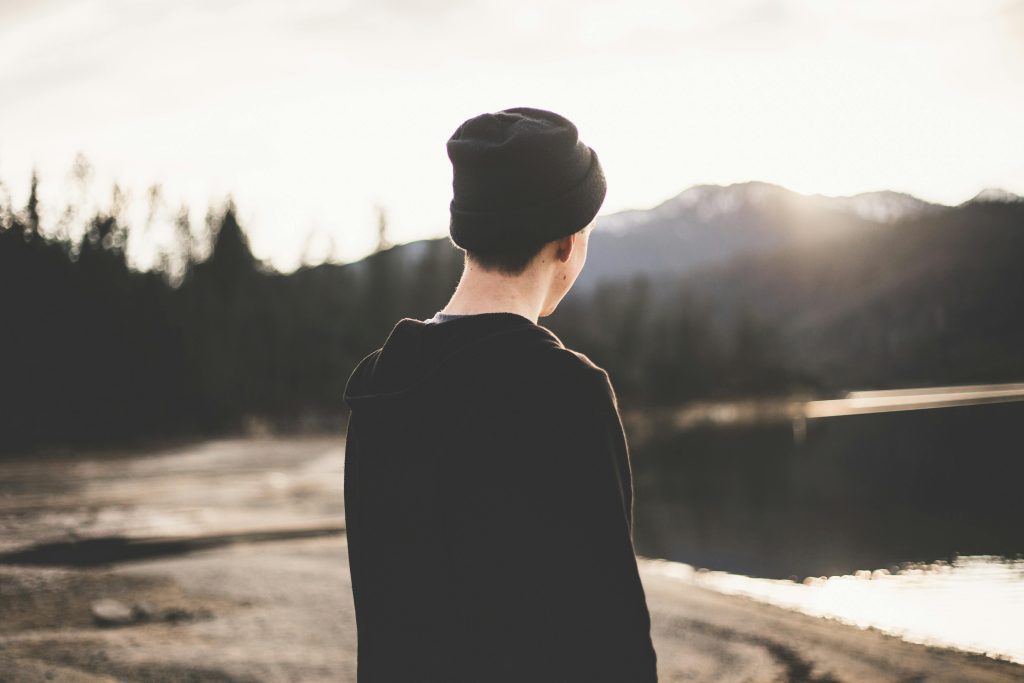
Think about the last time you spent an entire evening alone. No plans, no obligations, just you. How did you feel? Anxious? Relieved? A confusing mix of both? The truth is, how you feel when you’re alone reveals something profound about your relationship with yourself and your current mental health.
Related reading: Breaking Free: How to Stop Watching Adult Content for Good.
Picture this: You’re finally home after a chaotic week. The flat is quiet, your phone is mercifully silent, and you’ve got the next few hours to yourself. Some people practically sink into that silence with relief. Others immediately reach for the TV remote, start scrolling social media, or text someone to make plans. Neither response is wrong, but they tell very different stories about your inner world.
Let’s Bust Some Solitude Myths
Related reading: How to Actually Get Things Done When ADHD Makes Your Brain Work Against You.
Myth: Enjoying time alone means you’re antisocial
Reality: Craving solo time has nothing to do with being antisocial. Research from Oxford University shows that people who spend quality time alone often have healthier social relationships because they’re not using friendships to avoid themselves. You can be deeply social and still need regular doses of solitude to recharge.
Myth: Feeling uncomfortable when you’re alone is abnormal
Reality: Actually, many people struggle with being alone, particularly in our hyperconnected culture. A study published in the British Journal of Psychology found that 67% of participants would rather do something mildly unpleasant than sit quietly with their thoughts for 15 minutes. If solitude feels difficult, you’re in substantial company.
Myth: People who prefer being alone are lonely
Reality: Being alone and being lonely are completely different experiences. Loneliness is an emotional state of disconnection that can happen in a crowded room. Solitude is a choice, a practice, even a skill. You can feel content when you’re alone whilst simultaneously valuing deep connections with others.
The Different Faces of Alone Time
You might also enjoy: How to Make Friends as an Adult When You Work From Home.
How do you feel when you’re alone? The answer isn’t simple because solitude brings up different emotions depending on your mental state, life circumstances, and relationship with yourself.
When Alone Feels Like Freedom
Some evenings, being alone feels like slipping into perfectly worn-in jeans. There’s no performance required, no energy spent managing other people’s expectations. You can eat toast for dinner at 9pm whilst watching something nobody else would tolerate. You can think your own thoughts without interruption.
This version of solitude usually signals decent mental health. You’ve developed what psychologists call “self-sufficiency” — the ability to generate your own sense of wellbeing without constant external input. People who experience alone time this way often report lower anxiety levels and stronger emotional regulation.
The key is that this solitude feels restorative rather than isolating. You’re choosing it, not defaulting to it because connection feels too difficult.
When Alone Feels Like Punishment
Then there’s the other side. The flat is quiet, but instead of peaceful, it feels oppressive. Your thoughts get louder and less friendly. That inner critic who stays relatively quiet when you’re distracted suddenly has a megaphone. Every past mistake, every awkward interaction, every unfinished task parades through your mind.
This is when being alone stops feeling like a choice and starts feeling like a sentence you’re serving. The silence amplifies anxious thoughts rather than quieting them. You might find yourself reaching for your phone compulsively, scrolling without actually seeing anything, just trying to fill the void.
According to NHS guidance on loneliness and mental health, this discomfort with solitude can indicate underlying anxiety, depression, or unprocessed emotional material that surfaces when distractions fade.
When Alone Brings Both Relief and Guilt
Here’s what many people miss: solitude can feel genuinely wonderful and simultaneously trigger guilt. Maybe you’ve cancelled plans and feel that sweet relief wash over you, immediately followed by shame. “What’s wrong with me that I’d rather be alone?”
Nothing, actually. If you’re introverted or highly sensitive, social interaction requires significant energy expenditure. Wanting time to yourself isn’t selfish or strange. It’s biological. Research from University College London demonstrates that introverts process social information differently, requiring more recovery time after social engagement.
What Your Relationship with Solitude Reveals
How you feel when you’re alone acts as a reliable mental health barometer, but interpreting the readings requires nuance.
The Avoidance Pattern
If you consistently avoid being alone — filling every gap with plans, noise, or digital distraction — it might signal that you’re running from something uncomfortable. This isn’t necessarily pathological. Sometimes we’re avoiding legitimate pain or difficult emotions that need processing.
But chronic avoidance prevents the self-reflection necessary for growth. You can’t address what you won’t face. People who never spend time alone often report feeling “off” without being able to identify why. The constant distraction prevents them from checking in with themselves.
The Overreliance Pattern
On the flip side, if you’re always alone and avoid social connection even when opportunities arise, that’s worth examining. Solitude should be restorative, not isolating. When being alone consistently feels safer or easier than any form of connection, it might indicate social anxiety, past trauma, or depression.
The critical question: Are you choosing solitude from a place of self-care, or defaulting to it because connection feels too risky or exhausting?
The Flexible Pattern
Mental health typically thrives in flexibility. Sometimes you genuinely want companionship. Other times, you desperately need solitude. Neither feels threatening because you can access both states comfortably.
This flexibility suggests emotional maturity and self-awareness. You’ve learned to distinguish between “I need to recharge” and “I’m avoiding something difficult.” You can sit with uncomfortable feelings without immediately needing to fix or escape them.
Building a Healthier Relationship with Being Alone
If solitude feels uncomfortable or you find yourself compulsively avoiding it, you can gradually shift that relationship. This isn’t about forcing yourself to enjoy something that feels awful. It’s about making alone time less threatening and potentially more nourishing.
Start with Structured Solitude
Random alone time when you’re unprepared can spiral into anxious thought loops. Instead, create structure around it. Decide you’ll spend 20 minutes alone with a specific activity: making tea, doing a simple stretch routine, or writing three pages in something like a journal (the Morning Pages method works brilliantly for this).
Having a task prevents that panicky “what do I do with myself” feeling whilst getting you accustomed to your own company. Over time, you can let the structure fade naturally.
Notice Without Judging
When difficult feelings arise during solitude, practice observing them rather than immediately reacting. “I notice I’m feeling anxious right now” rather than “Why am I so anxious? What’s wrong with me?”
This tiny linguistic shift creates psychological distance from the emotion. You’re experiencing anxiety, not becoming it. The feeling can exist without defining your entire experience of being alone.
Mental health charity Mind emphasizes this approach in their guidance on managing anxiety, noting that observation without judgment reduces the intensity of anxious thoughts.
Create Comfort Anchors
Make your alone space genuinely pleasant. Not Instagram-perfect, but personally comfortable. Maybe it’s a specific playlist, a particular mug you use for evening tea, or a cosy jumper that signals “this is restful time.”
These sensory anchors help your nervous system associate solitude with comfort rather than threat. Your brain starts to recognize the cues: “Ah, this is safe space, not isolation.”
Your 14-Day Solitude Practice
This isn’t about becoming a hermit. It’s about making peace with your own company so that being alone stops feeling like something you need to fill or fix.
- Days 1-3: Commit to 15 minutes alone daily without screens. Make tea, sit by a window, or do gentle stretches. Notice what comes up without trying to change it.
- Days 4-6: Extend to 20 minutes and add something creative with your hands. Doodle, cook something simple, or organize a drawer. Your hands stay busy whilst your mind settles.
- Days 7-9: Increase to 30 minutes and deliberately observe your thoughts. When you notice yourself reaching for distraction, pause for ten seconds first. Then decide consciously whether to continue or engage with the discomfort.
- Days 10-12: Plan a solo activity outside your home. Walk through a park, visit a cafe alone with a book, or explore a different neighborhood. Practice being alone in public space.
- Days 13-14: Spend an entire evening alone without plans or screens for at least two hours. Cook a proper meal, take a long bath, read, stretch. See how you feel when you’re alone for an extended period.
Track your experience briefly each day. Not in detail, just a few words: “Difficult but manageable,” “Surprisingly peaceful,” “Still uncomfortable.” Patterns emerge that show you what being alone really means for you.
When Discomfort with Being Alone Signals Something Deeper
Sometimes, feeling terrible when you’re alone isn’t about needing to “get better at solitude.” It’s a signal that something requires professional attention.
Signs You Should Seek Support
Consider speaking with your GP or a mental health professional if you notice:
- Panic attacks or overwhelming anxiety specifically triggered by being alone
- Intrusive thoughts or urges to harm yourself when alone that you don’t experience around others
- Complete inability to function when alone (can’t eat, sleep, or complete basic tasks)
- Avoiding all solitude for months or years despite negative consequences
- Using alcohol, drugs, or other substances primarily to cope with being alone
These patterns suggest anxiety disorders, depression, trauma responses, or other conditions that benefit enormously from professional intervention. How you feel when you’re alone can illuminate these issues before they become crises.
The NHS provides free psychological therapies services across England that specialize in anxiety and depression. Scotland, Wales, and Northern Ireland have equivalent services through their health boards.
Mistakes People Make About Alone Time
Mistake 1: Confusing solitude with loneliness
Why it’s a problem: This confusion leads people to avoid beneficial alone time because they associate it with the pain of loneliness. They’re actually quite different. Loneliness is involuntary disconnection; solitude is chosen restoration.
What to do instead: Check your motivation. Did you choose this alone time, or does it feel forced by circumstances? Chosen solitude typically feels different in your body — more settled, less desperate.
Mistake 2: Forcing yourself to enjoy it
Why it’s a problem: If being alone feels genuinely distressing, gritting your teeth and powering through can make the association worse. You’re teaching your nervous system that solitude equals suffering.
What to do instead: Start smaller than feels necessary. Five minutes of comfortable solitude beats two miserable hours. Build gradually as your tolerance increases.
Mistake 3: Using alone time for rumination
Why it’s a problem: Solitude creates space for reflection, but that space can quickly fill with repetitive negative thoughts if you’re prone to rumination. Then being alone becomes associated with feeling worse.
What to do instead: Give your alone time some structure initially. Physical activity, creative tasks, or specific reflection practices (like journaling) prevent the spiral into unproductive thought patterns.
Mistake 4: Never being properly alone
Why it’s a problem: If you’re constantly connected digitally, you never actually experience solitude. Your brain doesn’t get the restoration that genuine alone time provides. Over time, this contributes to decision fatigue, emotional overwhelm, and burnout.
What to do instead: Schedule specific periods — even 20 minutes — where you’re genuinely alone without digital connection. No scrolling, no messaging, no background podcasts. Just you.
Mistake 5: Judging yourself for not enjoying it “correctly”
Why it’s a problem: Social media glorifies both extreme introversion and constant social connection, making it seem like you should have strong preferences. But many people exist in the middle, needing both connection and solitude in varying amounts.
What to do instead: Accept that your needs will fluctuate. Some weeks you’ll crave solitude; others you’ll want constant companionship. Both are normal responses to different circumstances and energy levels.
Your Solitude Assessment Checklist
Use this to understand your current relationship with being alone:
- Can you spend 30 minutes alone without feeling anxious or reaching for distraction?
- Do you choose solitude sometimes, not just default to it or avoid it entirely?
- Notice whether alone time generally leaves you feeling restored or depleted
- Check if you can identify why you want to be alone versus why you want company
- Observe whether being alone brings relief, discomfort, or a mixture of both
- Track how long you can sit with difficult emotions before needing to escape them
- Recognize patterns: Do you avoid solitude consistently, or seek it compulsively?
- Ask yourself honestly: Am I choosing this alone time, or hiding from connection?
Common Questions About Being Alone
How long should I be able to comfortably spend alone?
There’s no universal standard because temperament varies enormously. Some people thrive with daily multi-hour solitude; others feel best with shorter, frequent periods. The question isn’t duration but quality. Can you spend whatever time you’re alone without constant low-level anxiety or compulsive distraction? That’s the marker. If 20 comfortable minutes is your baseline, that’s perfectly adequate. You don’t need to become a solitary mystic to have good mental health.
Is it unhealthy to prefer being alone most of the time?
Not inherently, but context matters. If you prefer solitude because it genuinely energizes you and you maintain meaningful connections when you do socialize, that’s healthy introversion. If you prefer being alone because social interaction feels too anxiety-provoking or you’re avoiding vulnerability, that warrants exploration. The critical question: Are you choosing solitude from contentment or defaulting to it from fear? One supports wellbeing; the other restricts it.
Why do I feel anxious specifically when I’m alone at night?
Night-time solitude triggers anxiety for many people because darkness activates our threat-detection systems (evolutionary holdover from when night actually was dangerous), and fatigue reduces our ability to manage anxious thoughts. Additionally, the day’s distractions have ended, leaving mental space for worries to surface. Creating comforting evening routines, ensuring adequate lighting, and practicing grounding techniques specifically for evening hours can significantly reduce this pattern.
Can you actually learn to enjoy being alone if you naturally hate it?
Usually, yes, though “enjoy” might be ambitious. A more realistic goal is “tolerate comfortably.” Most people who struggle with solitude are avoiding specific internal experiences (anxiety, grief, self-criticism) rather than genuinely disliking their own company. Addressing those underlying issues through therapy, self-compassion practices, or gradual exposure typically makes solitude less threatening. You might never prefer it to companionship, and that’s fine. But you can probably reach a place where being alone doesn’t feel like punishment.
How do I know if I’m isolating versus practicing healthy solitude?
Healthy solitude is restorative and chosen; isolation is protective and compulsive. Ask yourself: Am I declining social invitations that I’d genuinely enjoy because connection feels too effortful or risky? Do I feel relief after being alone, or just temporary escape? Am I maintaining important relationships even if I don’t see people constantly? If you’re consistently avoiding connection even when you logically want it, or if your alone time feels more like hiding than resting, you’ve likely crossed into isolation territory. This is when professional support becomes valuable.
Making Peace with Your Own Company
How you feel when you’re alone tells you something important about your mental health, your self-relationship, and where you might need support. But it’s not a fixed characteristic. The person who panics after ten minutes alone can, with practice and possibly professional help, become someone who occasionally craves solitude.
The goal isn’t to transform into someone who prefers being alone if that’s not your nature. It’s to make solitude less threatening so you can access its benefits: self-reflection, restoration, and the ability to generate your own sense of okayness without constant external validation.
Some weeks, being alone will feel peaceful. Others, it’ll feel uncomfortable. Both experiences are valuable data about your current state. Listen to what they’re telling you.
Start smaller than feels necessary. Five minutes of comfortable solitude beats two miserable hours. Build gradually as your tolerance increases. How you feel when you’re alone isn’t just about personality — it’s about practice, self-compassion, and sometimes getting the right support when you need it.


