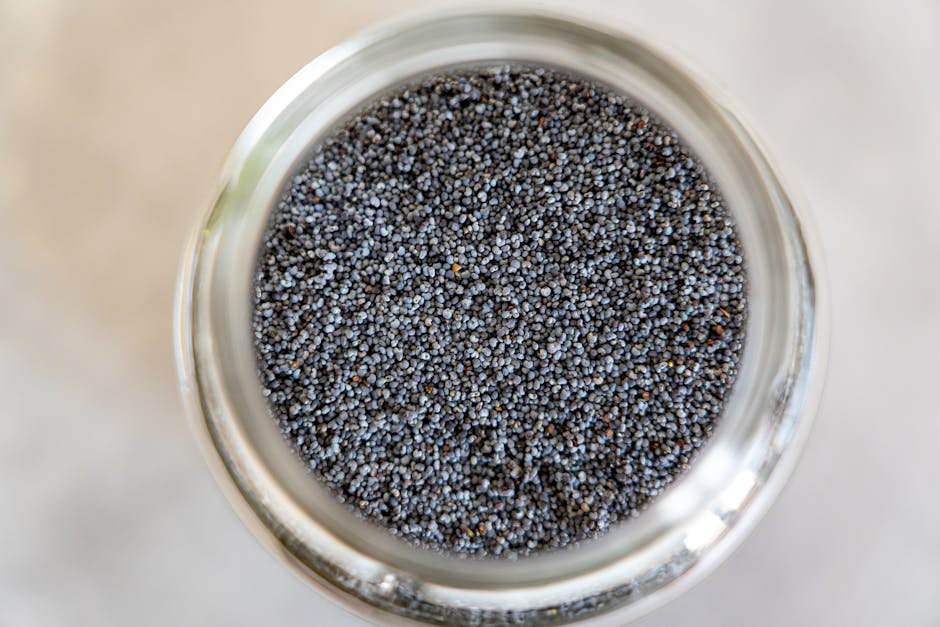
You’ve heard chia seeds are nutritional powerhouses. You’ve bought a bag. Now you’re wondering how long it’ll take before your body actually adjusts to them without the, well, less pleasant digestive surprises. Here’s the truth: how long does it take to adapt to chia seeds varies from person to person, but most people find their bodies settle down within one to two weeks of regular consumption.
Picture this: You enthusiastically sprinkle two tablespoons of chia seeds into your morning smoothie because someone on social media promised glowing skin and endless energy. By lunchtime, your stomach feels like it’s hosting a small war. Sound familiar? You’re not alone. Thousands of UK residents experience digestive discomfort when they first introduce chia seeds, not because the seeds are bad for them, but because they’ve skipped a crucial step: gradual adaptation.
Common Myths About Chia Seed Adaptation
Related reading: How Much Caffeine Are You Actually Consuming Every Day?.
Myth: Your Body Adapts Instantly to Chia Seeds
Reality: Your digestive system needs time to adjust to any significant increase in fibre. Chia seeds contain roughly 10 grams of fibre per ounce, which is about a third of your daily recommended intake in one small serving. Dumping that much fibre into a system that’s used to processed foods is asking for trouble. Most people need at least seven to ten days before their gut bacteria and digestive enzymes properly adjust to processing chia seeds efficiently.
Myth: Digestive Issues Mean You’re Allergic to Chia
Reality: True chia seed allergies are actually quite rare. What most people experience is their digestive system protesting the sudden fibre increase. According to NHS guidance on food allergies, genuine allergic reactions involve immune system responses like hives, swelling, or breathing difficulties. Bloating, gas, and stomach cramps are typically just your gut adjusting, not an allergic reaction.
Myth: Once Adapted, You Can Eat Unlimited Chia Seeds
Reality: Even after your body fully adapts, moderation matters. Nutritionists recommend sticking to one to two tablespoons daily. Going overboard can still cause digestive distress, no matter how well-adjusted your system becomes. More isn’t always better.
Understanding Your Body’s Adaptation Timeline
You might also enjoy: How to Read Food Labels to Avoid Hidden Sugar in 2025.
When you first introduce chia seeds, your digestive system goes through several phases. Understanding how long does it take to adapt to chia seeds means recognizing these stages and what’s happening inside your body at each point.
Days 1-3: The Initial Shock Phase
This is when most people notice the biggest changes. Your gut bacteria suddenly have a massive influx of soluble fibre to process. Chia seeds absorb up to 12 times their weight in water, forming that gel-like substance you’ve probably seen.
During this phase, you might experience bloating, increased gas, or changes in bowel movements. This happens because your gut microbiome is scrambling to produce the right enzymes to break down the fibre effectively. Your stomach might feel fuller than usual, which is normal. The seeds are expanding and creating bulk.
What helps: Start with just half a teaspoon in these first few days. Drink at least eight glasses of water daily. Without adequate hydration, chia seeds can actually worsen constipation rather than help it.
Days 4-7: The Adjustment Period
By this stage, your gut bacteria are starting to adapt. The beneficial bacteria that thrive on fibre begin multiplying, which actually improves your overall digestive health long-term. You might still notice some gas or mild bloating, but it should be less intense than those first few days.
Many people find their bowel movements become more regular during this phase. That’s because chia seeds contain both soluble and insoluble fibre, which work together to promote healthy digestion. Research from the British Medical Journal on dietary fibre shows that gradual increases in fibre intake lead to better tolerance and fewer side effects.
How long does it take to adapt to chia seeds at this stage? You’re roughly halfway there. Your system is learning, but it’s not quite fluent yet.
Days 8-14: The Settling Phase
This is where most people notice genuine improvement. The bloating subsides significantly. Gas decreases to normal levels. Your digestive system has figured out how to process chia seeds efficiently, and your gut bacteria population has shifted to accommodate the increased fibre.
You might actually start noticing the positive effects: more stable energy throughout the day, improved satiety after meals, and more predictable bathroom habits. These are signs your body has successfully adapted.
At this point, you can gradually increase your intake to one full tablespoon if you haven’t already. Some people take the full two weeks to comfortably reach this amount, and that’s perfectly fine.
Weeks 3-4: Full Adaptation
By week three, your body should feel completely comfortable with chia seeds. Most people can consume one to two tablespoons daily without any digestive complaints. Your gut microbiome has adjusted, your digestive enzymes are working efficiently, and the seeds feel like a normal part of your diet.
This is when you’ll experience the full benefits: sustained energy, reduced hunger between meals, improved digestive regularity, and potentially better blood sugar control. A study published in nutritional research journals found that consistent chia seed consumption over four weeks showed measurable improvements in digestive health markers.
Factors That Influence How Long Does It Take to Adapt to Chia Seeds
Everyone’s adaptation timeline varies. Several factors determine whether you’ll adjust quickly or need more time.
Your Current Fibre Intake
If your diet already includes plenty of fruits, vegetables, and whole grains, your gut is already primed to handle high-fibre foods. You might adapt to chia seeds in seven to ten days. But if you’ve been living on white bread, processed foods, and limited vegetables, your system needs more time to build up the right bacterial populations. You could need three to four weeks for full adaptation.
Hydration Levels
This cannot be overstated. Chia seeds need water to work properly. If you’re chronically dehydrated, introducing chia seeds can cause severe constipation and discomfort. People who drink adequate water throughout the day adapt faster and with fewer side effects.
Aim for at least two litres of water daily, and increase that if you’re active or it’s warm outside. Some people find it helpful to pre-soak their chia seeds in water or plant milk for 15-20 minutes before consuming them. This reduces the shock to your digestive system.
Gut Health Status
If you have existing digestive conditions like irritable bowel syndrome (IBS), inflammatory bowel disease, or chronic constipation, your adaptation period might be longer and bumpier. Some people with sensitive digestive systems take up to four weeks to fully adapt to chia seeds.
The NHS guidance on IBS management suggests introducing high-fibre foods very gradually if you have digestive sensitivities. Starting with just a quarter teaspoon of chia seeds might be more appropriate than half a teaspoon.
Age and Metabolic Rate
Younger people with faster metabolisms often adapt more quickly, typically within seven to ten days. As we age, our digestive systems naturally slow down, and our gut bacteria populations change. People over 50 might need two to three weeks for comfortable adaptation.
Your Two-Week Chia Seed Introduction Plan
Success with chia seeds comes down to patience and strategy. This gradual approach minimizes discomfort while helping you understand how long does it take to adapt to chia seeds for your specific body.
- Day 1-2: Start with just half a teaspoon mixed into yoghurt, porridge, or a smoothie. Drink at least two litres of water throughout the day. Notice how your stomach feels three to four hours after consumption.
- Day 3-4: Increase to one teaspoon if you experienced no significant discomfort. Continue monitoring your digestion. Keep a simple note on your phone about any bloating or changes in bowel movements.
- Day 5-7: Move up to one and a half teaspoons. By now, your gut bacteria should be adjusting. Mild gas is normal, but severe cramping isn’t. Scale back if needed.
- Day 8-10: Try one tablespoon (roughly 15 grams). This is a solid maintenance dose for most people. Pay attention to how full you feel after meals and your energy levels mid-afternoon.
- Day 11-14: If comfortable, you can experiment with up to two tablespoons daily, split between two meals. This gives you maximum nutritional benefit without overwhelming your system.
Something worth noting: You don’t have to reach two tablespoons if one works better for you. Listen to your body, not arbitrary targets.
What to Expect During Adaptation
Knowing what’s normal versus what’s concerning helps you navigate the adjustment period with confidence.
Normal Adaptation Symptoms
These are signs your body is adjusting, not rejecting chia seeds. Mild to moderate bloating that improves after a few hours. Increased gas, particularly in the first week. Slightly softer or more frequent bowel movements. A feeling of fullness that lasts longer than usual after eating.
These symptoms should gradually decrease as you progress through the adaptation timeline. By week two, they should be minimal or gone entirely.
Warning Signs to Watch For
Severe abdominal cramping that doesn’t improve. Persistent constipation despite increased water intake. Blood in your stool. Severe diarrhea lasting more than two days. Hives, facial swelling, or difficulty breathing (potential allergic reaction).
If you experience any of these, stop consuming chia seeds immediately and consult your GP. While rare, some people genuinely cannot tolerate chia seeds, particularly those with severe digestive conditions or specific food allergies.
Mistakes to Avoid (And How to Fix Them)
Mistake 1: Starting with Too Much Too Soon
Why it’s a problem: Jumping straight to two tablespoons daily is the fastest route to digestive misery. Your gut bacteria population needs time to shift, and overwhelming it causes bloating, cramping, and sometimes severe constipation or diarrhea. This makes people think chia seeds “don’t work for them” when actually they just needed a slower approach.
What to do instead: Follow the gradual introduction plan outlined above. Start ridiculously small. Half a teaspoon feels like nothing, but it gives your digestive system a fighting chance to adapt comfortably. How long does it take to adapt to chia seeds properly? Two weeks of gradual increases beats months of avoiding them after a bad first experience.
Mistake 2: Not Drinking Enough Water
Why it’s a problem: Chia seeds absorb liquid. Without adequate hydration, they’ll absorb moisture from your digestive tract, leading to painful constipation. This is genuinely dangerous if severe. Some people have ended up in A&E with bowel obstructions from consuming dry chia seeds without enough water.
What to do instead: Drink a large glass of water immediately after consuming chia seeds. Aim for two to three litres of total water intake daily. Pre-soaking your seeds for 15 minutes before eating them is even better. They’ll have already absorbed water, reducing the strain on your digestive system.
Mistake 3: Eating Chia Seeds Dry or in Large Quantities at Once
Why it’s a problem: Swallowing dry chia seeds lets them expand in your esophagus or stomach, which can cause choking or severe discomfort. A case report in medical literature documented someone who swallowed a tablespoon of dry chia seeds and needed medical intervention when they expanded and blocked their throat.
What to do instead: Always mix chia seeds with liquid: water, milk, yoghurt, smoothies, porridge, or plant-based alternatives. Let them sit for at least five minutes (preferably 15-20) to form that gel-like consistency before consuming. This makes them safer and easier to digest.
Mistake 4: Ignoring Your Body’s Signals
Why it’s a problem: Pushing through severe discomfort because you’ve read chia seeds are healthy doesn’t make sense. Your body might genuinely need more time to adapt, or chia seeds might not suit your particular digestive system. Forcing the issue can lead to chronic digestive problems.
What to do instead: If you experience significant discomfort, reduce your dose or take a break for a few days. When you reintroduce chia seeds, start even smaller than before. There’s no prize for suffering through the adaptation period. Some people take a full month to work up to one tablespoon, and that’s completely fine.
Maximizing the Benefits Once You’ve Adapted
After successfully answering “how long does it take to adapt to chia seeds” through your own experience, you’ll want to make the most of them.
Best Ways to Consume Chia Seeds
Chia pudding remains the gold standard. Mix three tablespoons of chia seeds with 200ml of milk or plant-based alternative. Add a touch of honey or maple syrup. Let it sit in the fridge overnight. You’ll wake up to a creamy, satisfying breakfast that keeps you full until lunch.
Smoothie additions work brilliantly. Add one tablespoon to your morning smoothie along with banana, berries, spinach, and your preferred milk. The seeds thicken the texture while adding omega-3 fatty acids and protein.
Porridge topping transforms basic oats. Sprinkle one tablespoon over your morning porridge along with fresh fruit. The combination of oat fibre and chia fibre creates exceptional satiety.
Baking incorporation boosts nutrition in muffins, bread, and energy bars. Chia seeds add texture and nutritional value without altering taste significantly. They also work as an egg replacer in vegan baking (one tablespoon of chia mixed with three tablespoons of water equals one egg).
Timing Your Consumption
Morning consumption tends to work best for most people. The sustained energy release helps prevent mid-morning crashes. The fibre keeps you satisfied until lunch, reducing snacking temptation.
Pre-workout timing (about 90 minutes before exercise) can improve hydration and endurance. Athletes sometimes use chia seeds for sustained energy during long training sessions.
Evening consumption should be approached cautiously. Some people find high-fibre foods before bed cause bloating or disrupt sleep. Others find the protein and healthy fats helpful for overnight muscle recovery. Experiment to find what works for your body.
Special Considerations for Different Groups
Adapting to Chia Seeds During Pregnancy
Pregnant women often wonder how long does it take to adapt to chia seeds while dealing with pregnancy-related digestive changes. The timeline is similar, but constipation is more common during pregnancy, so the gradual approach becomes even more critical.
Chia seeds can help with pregnancy constipation, but only if introduced slowly and accompanied by plenty of water. The calcium and omega-3 content benefits both mother and baby. Always check with your midwife or GP before adding significant amounts of any new food during pregnancy.
Older Adults and Chia Seed Adaptation
People over 60 might need three to four weeks for full adaptation. Digestive motility naturally slows with age, and gut bacteria populations change. Starting with a quarter teaspoon and increasing every four to five days works better than the standard timeline.
The benefits are worth the patience: improved bone health from calcium content, better heart health from omega-3s, and enhanced digestive regularity. Many older adults find chia seeds helpful for maintaining healthy cholesterol levels.
Athletes and Active Individuals
Athletes often adapt slightly faster due to higher metabolic rates and typically better baseline nutrition. They might reach comfortable consumption of two tablespoons within 10-12 days.
The hydration benefits of chia seeds particularly appeal to endurance athletes. The seeds’ ability to retain water helps maintain hydration during long training sessions. Some runners include chia seeds in their pre-race nutrition strategy.
Your Chia Seed Checklist
- Begin with half a teaspoon and increase gradually over two weeks to minimize digestive discomfort
- Drink at least two litres of water daily while consuming chia seeds
- Pre-soak seeds for 15-20 minutes before eating for easier digestion
- Mix with liquid always—never consume dry chia seeds
- Monitor your body’s response and adjust quantities accordingly
- Aim for one to two tablespoons daily as your maintenance dose once adapted
- Store in an airtight container in a cool, dark place to maintain freshness
- Expect full adaptation within two to three weeks for most people
Your Chia Seed Questions Answered
Can I speed up the adaptation process to chia seeds?
Not really, and you shouldn’t try. Your gut bacteria need time to adjust their populations and enzyme production. Rushing the process by taking larger amounts too quickly just causes more discomfort and potentially makes you give up entirely. The fastest successful route is actually the gradual one: starting small and being patient. Think of it like building fitness. You can’t go from couch to marathon in a week without injury, and your digestive system works similarly.
What if I still have digestive issues after two weeks?
First, assess your water intake honestly. Most people underestimate how much they actually drink. If you’re genuinely hitting two litres daily and still struggling, reduce your chia seed amount by half and maintain that for another week. Some people need a full month to adapt comfortably. If problems persist beyond four weeks despite proper hydration and gradual increases, chia seeds might not suit your digestive system. Consult your GP, especially if you have existing digestive conditions.
Do I need to adapt again if I take a break from chia seeds?
It depends on the length of your break. A few days off won’t reset your adaptation. Even a week or two probably won’t require starting completely over. But if you stop consuming chia seeds for a month or longer, your gut bacteria populations will shift back, and you might experience some adjustment symptoms when you restart. Fortunately, the second adaptation is usually quicker than the first, often taking just five to seven days rather than two full weeks.
Are white and black chia seeds different for adaptation?
Nutritionally, white and black chia seeds are virtually identical. The adaptation timeline is the same for both varieties. The color difference comes from the seed coat pigmentation, but the fibre content, omega-3 levels, and protein amounts are essentially equal. Choose based on preference or how they look in your recipes rather than worrying about nutritional differences that don’t actually exist.
Can children eat chia seeds, and do they adapt differently?
Children over five can safely consume chia seeds, but in much smaller quantities. Start with just a quarter teaspoon for young children and increase very slowly over three to four weeks. Their smaller digestive systems need more time to adapt. Most pediatric nutritionists recommend no more than one teaspoon daily for children under 10. Always introduce new foods to children gradually and watch for any allergic reactions, though these are rare with chia seeds. Consult your GP or health visitor if you’re uncertain about introducing chia seeds to young children.
Moving Forward with Confidence
Understanding how long does it take to adapt to chia seeds removes the guesswork and frustration. Most people find their digestive systems settle comfortably within two weeks when they follow a gradual introduction plan. Those two weeks might feel slow, but they’re infinitely better than giving up after a miserable first experience with too much too soon.
Your body is remarkably adaptable. Given time and the right approach, it can adjust to chia seeds and let you enjoy their considerable nutritional benefits: sustained energy, improved digestion, better satiety, and valuable omega-3 fatty acids.
The key elements never change: start small, increase gradually, drink plenty of water, and listen to your body’s signals. Some people adapt in ten days. Others need a month. Both timelines are completely normal.
Start smaller than feels necessary. Half a teaspoon seems almost pointless, but it’s the foundation of successful adaptation. Your future self, enjoying chia pudding without digestive complaints, will thank you for that patience.


