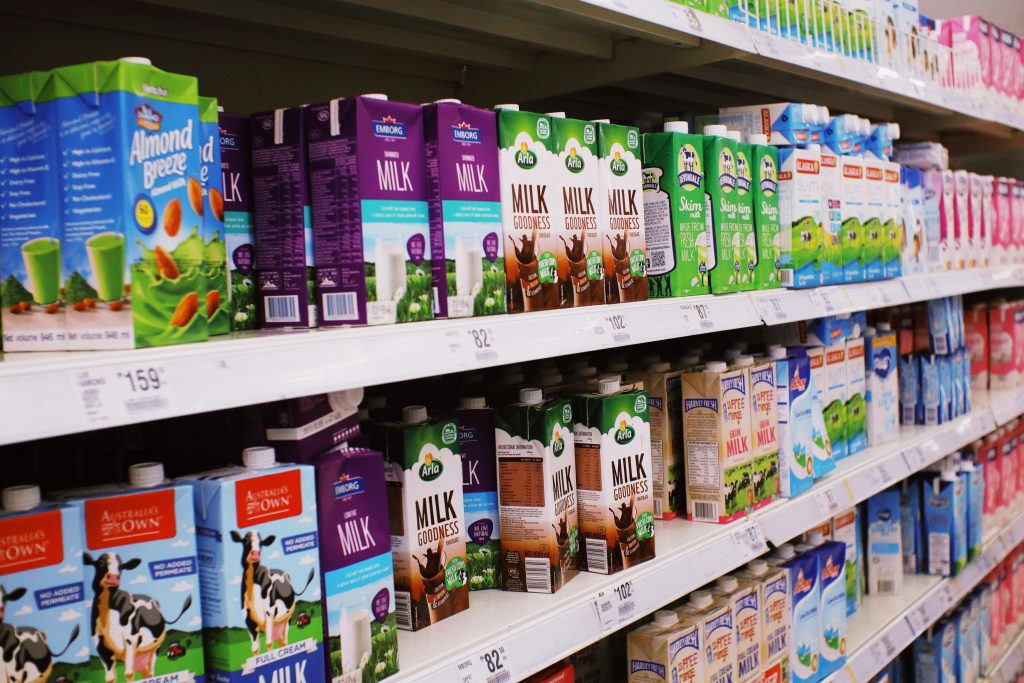
Picture this: You’re standing in the supermarket aisle, picking up what looks like a healthy cereal. The box screams “natural!” and “wholesome!” But when you flip it over to read nutrition labels, you’re met with a wall of numbers, percentages, and ingredients you can’t even pronounce. Frustrating, isn’t it?
Related reading: Feeling Like a Total Loser? Here’s Why That’s Actually a Sign You’re Doing Better Than You Think.
Here’s the reality. Most of us make food choices based on marketing claims on the front of the package, completely bypassing the actual nutrition information on the back. That colourful box promising “made with real fruit” might contain more sugar than a chocolate bar. The “low-fat” yoghurt could be packed with artificial sweeteners. And that protein bar? It might be closer to a candy bar wearing activewear.
Learning to read nutrition labels properly isn’t about becoming obsessed with every gram and calorie. It’s about making informed choices that align with your health goals. Once you understand what you’re actually looking at, those confusing labels become surprisingly straightforward.
Common Myths About Reading Nutrition Labels
Related reading: Electrolyte Drinks for Training: What Actually Works.
Myth: Lower calories always means healthier
Reality: A 100-calorie snack pack of biscuits isn’t healthier than a 200-calorie handful of almonds and an apple. Nutrition labels show more than just calories. The quality of those calories matters enormously. You want nutrients, not just low numbers. Focus on what else those calories bring: protein, fibre, vitamins, healthy fats. Empty calories from refined sugar and processed ingredients won’t satisfy you or nourish your body.
Myth: You need to understand every single ingredient
Reality: While it’s good to recognise major additives, you don’t need a chemistry degree to read nutrition labels effectively. Start with the basics: serving size, calories, sugar, protein, and fibre. Once you’re comfortable with those, you can dig deeper into specific ingredients. Most of the time, a simple rule works: if the ingredient list reads like a chemistry experiment, consider whether you really need that product.
Myth: “Natural” and “organic” labels mean you can skip reading the rest
Reality: Marketing terms on the front of packaging are designed to sell products, not necessarily inform you. Even organic biscuits can be loaded with sugar. Natural crisps are still crisps. These labels are helpful indicators, but they’re no substitute for actually reading nutrition labels on the back. According to NHS guidelines on food labels, understanding the nutritional information is crucial for making healthy choices, regardless of what the front claims.
The Five-Second Nutrition Label Assessment
You might also enjoy: High Protein Breakfast Ideas Ready in 5 Minutes.
When you read nutrition labels, five key areas tell you almost everything you need to know. Master these, and you’ll make better decisions in seconds.
Serving Size: The Foundation of Everything Else
Before you look at any other number, check the serving size. This is where food manufacturers get sneaky. That innocent-looking bottle of juice might say it contains 15g of sugar, which seems reasonable until you notice it’s for a 250ml serving and the bottle contains 500ml. Suddenly you’re looking at 30g of sugar if you drink the whole thing.
Serving sizes on nutrition labels are often unrealistically small. A serving of cereal might be listed as 30g, but when you actually pour yourself a bowl, you’re probably eating 60-80g. A serving of crisps could be 15 crisps, but who stops at 15?
Always calculate based on what you’ll actually consume. If the label says one serving but you’ll eat the whole package, multiply everything by the number of servings. Simple maths, massive difference in understanding what you’re putting in your body.
Sugar Content: The Number Most Worth Watching
Sugar hides everywhere, often under different names. When you read nutrition labels, look at total sugars first. The NHS recommends no more than 30g of free sugars per day for adults. That’s roughly seven teaspoons.
One tin of fizzy drink can contain your entire daily allowance. A “healthy” smoothie from the supermarket can pack 40-50g. Even savoury foods like pasta sauce or bread can contain surprising amounts.
What really matters? Understanding the difference between naturally occurring sugars and added sugars. The sugar in an apple comes packaged with fibre, vitamins, and water. The sugar in apple juice? That’s basically fructose water without the benefits.
Check the ingredients list alongside the sugar content. If sugar, glucose, fructose, syrup, or anything ending in “-ose” appears in the first three ingredients, you’re looking at a sugar-heavy product. Better yet, look for products where these terms don’t appear at all in the first five ingredients.
Protein and Fibre: What You Actually Want More Of
While everyone obsesses over what to avoid, nutrition labels also show you what to seek out. Protein and fibre are your allies for feeling satisfied and maintaining stable energy.
Protein keeps you full, helps build and repair tissues, and requires more energy to digest than carbs or fats. Look for at least 10-15g per meal. If a snack contains less than 5g of protein, it won’t keep you satisfied for long.
Fibre is equally crucial but often overlooked when people read nutrition labels. Adults need 30g daily, yet most Brits consume barely 18g. Fibre slows digestion, stabilises blood sugar, feeds beneficial gut bacteria, and keeps your digestive system running smoothly.
A good rule: If a product claims to be filling but contains less than 3g of fibre and protein combined, it’s lying to you. Your hunger will return within an hour, guaranteed.
Fat Content: Stop Fearing the Wrong Thing
Nutrition labels break down fats into categories, and understanding these matters more than the total fat number.
Saturated fat has been villainised for decades, but recent research shows the picture is more nuanced. The government’s Eatwell Guide suggests limiting saturated fat, but moderate amounts from whole food sources aren’t the enemy. What you really want to avoid is trans fats, often listed as “partially hydrogenated oils.” These are genuinely harmful and have no place in your diet.
Unsaturated fats, on the other hand, support brain function, hormone production, and nutrient absorption. Don’t avoid products simply because they’re higher in fat if that fat comes from sources like nuts, seeds, avocado, or olive oil.
Truth is, those low-fat products often replace fat with sugar to maintain palatability. You’re not doing yourself any favours.
Sodium: The Sneaky Blood Pressure Raiser
Adults should consume no more than 6g of salt daily (about 2,400mg of sodium). When you read nutrition labels, you’ll see sodium listed in milligrams. Multiply by 2.5 to get the salt equivalent.
Processed foods are loaded with sodium for flavour and preservation. A single ready meal can contain 3-4g of salt, half your daily limit in one sitting. Bread, cheese, tinned soups, and deli meats are particularly high offenders.
Look for products with less than 400mg sodium per serving. If it’s over 800mg, that’s high and worth reconsidering unless it’s your main meal.
Decoding the Ingredients List Like a Detective
Ingredients are listed in descending order by weight. The first three ingredients make up the bulk of what you’re eating. If sugar appears first or second, you’re essentially buying sweetened whatever-comes-next.
When you read nutrition labels and spot ingredients you wouldn’t have in your kitchen—things like sodium benzoate, tertiary butylhydroquinone, or carrageenan—ask yourself whether that product deserves space in your shopping trolley. Occasionally? Fine. As dietary staples? Probably not.
A useful benchmark: can you identify and pronounce most ingredients? Could you theoretically make this product at home if you had time? If the ingredient list reads like a pharmaceutical manual, you’re dealing with ultra-processed food.
Watch for sneaky sugar names: dextrose, maltose, fruit concentrate, cane juice, rice syrup, agave nectar. These are all sugar. Manufacturers use different names to prevent “sugar” from appearing first on the list.
Understanding Traffic Light Labels on UK Products
Many UK products feature colour-coded traffic light labels on the front, showing whether fat, saturated fat, sugar, and salt levels are low (green), medium (amber), or high (red) per serving.
These provide a quick visual reference when you read nutrition labels in a hurry. Aim for mostly green and amber. Occasional reds are fine if you’re eating the food in moderation as part of a balanced diet.
Something worth noting: traffic lights show amounts per serving, not per 100g. Always check both. A product might show green across the board for a tiny 25g serving, but you’ll eat 100g in one sitting.
The traffic light system helps at a glance, but it’s not perfect. Nuts and avocados would show red for fat content, yet they’re nutritious whole foods. Use traffic lights as one tool among several, not your only decision-maker.
Your 7-Day Nutrition Label Reading Bootcamp
Becoming confident reading nutrition labels takes practice. Here’s your weekly action plan to build the skill without feeling overwhelmed.
- Day 1: Choose three products you eat regularly—cereal, bread, yoghurt, whatever you consume often. Read nutrition labels on each, focusing only on serving size and sugar content. Write down what you discover. Most people are genuinely shocked.
- Day 2: Pick up five different protein sources at the supermarket—chicken, tinned fish, beans, eggs, tofu. Compare protein content per 100g. Notice how different foods stack up and which give you the most protein for your money.
- Day 3: Examine all the sauces, condiments, and dressings in your kitchen. Check sugar and sodium levels on the nutrition labels. Swap the highest offenders for lower alternatives next shopping trip.
- Day 4: Compare two versions of the same product—regular versus “light” or “low-fat.” Read nutrition labels on both. Often you’ll find the light version has added sugar, more sodium, or artificial ingredients to compensate for removed fat.
- Day 5: Spend ten minutes reading nutrition labels on snack foods at the shop. Don’t buy anything, just practice. Compare protein bars, nuts, crisps, biscuits. Notice which actually deliver nutrition versus empty calories dressed up in health claims.
- Day 6: Review your usual breakfast options. Calculate exactly how much sugar you’re consuming before 9am. If it’s over 15g, consider alternatives with higher protein and fibre to start your day with steady energy instead of a sugar spike.
- Day 7: Plan one meal using whole ingredients that don’t require nutrition labels—vegetables, meat, fish, eggs, rice, lentils. Notice how much simpler eating becomes when you focus on foods that don’t need ingredient lists.
Having a simple kitchen scale helps enormously when learning to read nutrition labels accurately. Weigh your typical portion of cereal, pasta, or nuts once, and you’ll understand how your real portions compare to serving sizes. This isn’t about restriction—it’s about awareness.
Mistakes to Avoid When Reading Nutrition Labels
Mistake 1: Trusting Front-of-Package Marketing Claims
Why it’s a problem: Terms like “natural,” “wholesome,” “made with real fruit,” and “multigrain” are marketing language with no strict definitions. A product can be technically “natural” while being nutritionally terrible. Multigrain just means multiple grains, not whole grains. Made with real fruit could mean 2% fruit juice concentrate in a sea of sugar.
What to do instead: Ignore the front entirely until you’ve read nutrition labels on the back. Make decisions based on actual data, not advertising copy designed to manipulate your perception.
Mistake 2: Comparing Products Per Serving Instead of Per 100g
Why it’s a problem: Manufacturers choose serving sizes strategically to make their products look healthier. Comparing a cereal with 30g servings to one with 45g servings using the per-serving numbers is comparing apples to oranges.
What to do instead: Always use the per 100g column when you read nutrition labels to compare products. It’s standardised and honest. Once you’ve decided which product is better, then check the per-serving data for your actual portion planning.
Mistake 3: Focusing Only on Calories
Why it’s a problem: Calories tell you energy content, nothing more. A 300-calorie doughnut and a 300-calorie salmon salad affect your body completely differently. The doughnut spikes blood sugar, provides minimal nutrients, and leaves you hungry within an hour. The salmon delivers protein, omega-3s, vitamins, and lasting satiety.
What to do instead: When you read nutrition labels, look at the complete nutritional profile. Ask: does this provide protein? Fibre? Vitamins? Will it satisfy me? Calories matter, but context matters more.
Mistake 4: Forgetting to Multiply by Servings Consumed
Why it’s a problem: That innocent-looking packet of biscuits might list reasonable numbers for two biscuits, but if you eat six (and let’s be honest, you probably will), you’re consuming three times the sugar, fat, and calories shown at first glance.
What to do instead: Be brutally honest about how much you’ll actually eat. If a product contains multiple servings but you’ll consume it all at once, do the maths before you buy it. Knowledge is power.
Mistake 5: Ignoring the Ingredients List Entirely
Why it’s a problem: The nutrition panel shows quantities, but the ingredients list reveals quality. A protein bar might hit impressive numbers for protein and fibre, but if it’s held together with sugar alcohols, artificial flavours, and seventeen unpronounceable chemicals, it’s hardly a health food.
What to do instead: Read nutrition labels and ingredient lists together. Numbers matter, but so does food quality. Aim for short ingredient lists with recognisable whole foods whenever possible.
Your Nutrition Label Quick Reference Guide
Save this checklist for supermarket trips or screenshot it for easy reference when you read nutrition labels:
- Always check serving size first and calculate for your actual portion
- Aim for under 5g sugar per serving in savoury foods, under 15g in sweet treats
- Look for at least 3-5g protein in snacks, 15-20g in meals
- Seek 3g or more fibre per serving for genuine satisfaction
- Choose products with under 400mg sodium per serving when possible
- Use per 100g data to compare similar products fairly
- Prioritise short ingredient lists with recognisable whole foods
- Watch for hidden sugars in the first five ingredients
Your Questions About Reading Nutrition Labels Answered
How long does it take to get quick at reading nutrition labels?
Most people feel comfortable within two to three weeks of deliberate practice. The first few shopping trips might take extra time, but soon you’ll scan nutrition labels in seconds. You’ll develop instincts for what numbers look reasonable and which products to avoid. Eventually, you’ll memorise the stats for your regular purchases and only need to check new products. It’s like learning to drive—awkward at first, then automatic.
Are expensive organic products always healthier based on nutrition labels?
Not necessarily. Organic certification relates to farming practices, not nutritional content. When you read nutrition labels on organic versus conventional versions of the same food, the macronutrient profiles are often identical. Organic biscuits still contain sugar and crisps are still crisps. Organic matters for pesticide exposure and environmental impact, but it doesn’t automatically make something nutritious. Always check the actual numbers.
What if I can’t pronounce half the ingredients on the label?
That’s your body’s way of telling you this probably isn’t food it evolved to process. Some additives are harmless—vitamin C is sometimes listed as ascorbic acid, which sounds scary but isn’t. However, if most ingredients read like a chemistry exam, that product is highly processed. The occasional ultra-processed food won’t harm you, but building your diet around them will. When you regularly read nutrition labels, you’ll notice patterns in which products rely on real ingredients versus laboratory creations.
Do I need to read nutrition labels if I’m not trying to lose weight?
Absolutely. Nutrition labels inform you about what you’re eating regardless of your goals. Even if weight isn’t a concern, you still benefit from knowing sugar content (for dental health and energy stability), sodium levels (for blood pressure), protein (for muscle maintenance), and fibre (for digestive health). According to NHS nutrition guidance, understanding food labels helps everyone make choices that support long-term health, not just those focused on weight management.
What about products without nutrition labels like fresh produce?
Whole foods without labels are generally your best choices. Fresh vegetables, fruits, meat, fish, eggs, and legumes don’t need nutrition labels because they’re inherently nutritious. If most of your trolley consists of items without labels, you’re already doing brilliantly. Save your label-reading skills for packaged foods where you need to distinguish between genuinely healthy options and clever marketing.
Making This Work in Real Life
Learning to read nutrition labels transforms how you shop, but it doesn’t mean obsessing over every number or eliminating foods you enjoy. It means making informed choices most of the time.
Start by checking the products you buy weekly. Swap the worst offenders for better alternatives. That sugary cereal for one with half the sugar and three times the fibre. The sauce loaded with sodium for one with reasonable levels. The protein bar that’s basically a chocolate bar for one that actually delivers protein.
You don’t need perfection. You need awareness. Some days you’ll choose the less healthy option because it tastes better or you’re celebrating or you simply fancy it. That’s fine. The difference is you’re making that choice consciously, not being manipulated by marketing into thinking you’re eating healthily when you’re not.
The real power of reading nutrition labels lies in recognising patterns. After a few weeks, you’ll instinctively know which brands and product types consistently deliver quality and which hide rubbish behind health claims. You’ll shop faster, eat better, and waste less money on overpriced nonsense.
Six months from now, you’ll either wish you’d started paying attention today or you’ll be glad you did. Your body is literally built from what you eat. Doesn’t it deserve to know what’s in the construction materials?


