
You’ve committed to a new training programme, made steady progress for weeks, then suddenly felt that familiar twinge in your knee during a run. Within days, you’re sidelined, watching your fitness gains evaporate whilst you ice and rest. Sound familiar? Whether you’re a runner nursing persistent shin splints, a gym-goer battling shoulder pain, or a weekend footballer dealing with recurring hamstring strains, injuries derail progress faster than any other factor. The frustrating truth is that most training-related injuries are entirely preventable with the right knowledge and approach to injury prevention.
Injury prevention isn’t about bubble-wrapping yourself or avoiding challenging activities. It’s about training intelligently, understanding your body’s signals, and implementing systematic strategies that allow you to pursue your fitness goals sustainably. Research from the University of Bath suggests that 60-70% of recreational athletes experience at least one training-related injury annually, yet studies show that structured injury prevention programmes reduce injury rates by 35-50%.
This comprehensive guide will teach you everything you need to stay injury-free whilst pursuing your fitness goals. You’ll discover evidence-based strategies for preventing common injuries, learn how to identify and address risk factors before they become problems, and receive practical protocols you can implement immediately to protect yourself during training, regardless of your chosen activity or experience level.
Who This Guide Is For
This guide is designed for UK adults aged 25-45 who want to maintain consistent training without injury setbacks. You’ll benefit from this resource if you’re experiencing recurring injuries, want to train sustainably long-term, need strategies for safe progression, or simply wish to understand how to protect your body during physical activity. Previous injury experience helpful but not required.
Understanding Injury Prevention: The Foundation of Sustainable Training
Before implementing specific strategies, you need to understand what causes injuries and how prevention differs from simply treating problems after they occur. Many athletes mistakenly believe that injuries are random occurrences or inevitable parts of training, but this passive mindset prevents them from taking control of their injury risk.
Injury prevention is the systematic application of training principles, recovery strategies, and movement practices that minimise tissue damage and overload. It’s fundamentally different from injury treatment, which addresses problems after they’ve occurred. Prevention focuses on maintaining tissue capacity above the demands you place on it, ensuring your body can handle training loads safely.
The Injury Prevention Pyramid
Research from Loughborough University identifies three levels of injury prevention that work together to keep you training consistently.
Primary prevention stops injuries before they start through proper training design, adequate recovery, and movement quality development. This foundation includes progressive overload principles, appropriate volume management, and technical skill development. Athletes who prioritise primary prevention experience 40-60% fewer injuries compared to those who focus solely on treatment.
Secondary prevention identifies early warning signs and addresses them before they become significant problems. This involves monitoring soreness patterns, recognising movement compensations, and responding to minor issues immediately. Catching problems at this stage prevents weeks or months of forced rest later.
Tertiary prevention manages existing injuries to prevent recurrence and further damage. Even if you’re currently dealing with an issue, proper management ensures it doesn’t become chronic or lead to compensatory injuries elsewhere. Studies show that athletes who complete proper rehabilitation reduce re-injury rates by 70% compared to those who return to activity prematurely.
Common Misconceptions About Injury Prevention
Many well-intentioned athletes follow advice that actually increases their injury risk. The most dangerous misconception is that pain during training is normal and should be pushed through. Whilst discomfort from effort is expected, pain signals that tissue damage is occurring. Distinguishing between productive discomfort and warning signals is crucial for injury prevention.
Another prevalent myth is that stretching before activity prevents injuries. Research from the British Journal of Sports Medicine demonstrates that static stretching before exercise provides no injury prevention benefit and may temporarily reduce strength and power. Dynamic warm-ups prove far more effective for injury prevention.
The belief that injuries only happen to people who train “too hard” also misleads athletes. Research from King’s College London found that both excessive training and inadequate preparation increase injury risk. The sweet spot lies in systematic progression with appropriate recovery, not simply reducing intensity or volume arbitrarily.
The Science of Injury Mechanisms: Why Injuries Occur

Understanding how injuries develop allows you to identify and address risk factors before they cause problems. Injuries rarely occur randomly; they result from predictable patterns of tissue overload, movement dysfunction, or inadequate recovery.
Acute vs Overuse Injuries
Acute injuries occur during a single event when forces exceed tissue capacity. These include sprains, strains, and fractures resulting from falls, collisions, or sudden movements. Whilst some acute injuries are unavoidable accidents, many result from fatigue, poor technique, or inadequate strength when demands increase suddenly.
Overuse injuries develop gradually when repetitive stress accumulates faster than tissue can repair. Tendinopathy, stress fractures, and muscle strains typically fall into this category. Research from Manchester Metropolitan University shows that overuse injuries account for 60-70% of all training-related problems in recreational athletes.
The mechanism behind overuse injuries is straightforward: training creates microscopic tissue damage that requires recovery time to repair and adapt. When you train again before complete recovery, damage accumulates. Eventually, tissue capacity degrades to the point where normal training loads cause pain and dysfunction. This explains why injuries often appear “suddenly” despite developing over weeks or months.
The Role of Load Management in Injury Prevention
Your injury risk is directly related to the relationship between training load and your current tissue capacity. When load remains within capacity, adaptation occurs and capacity increases. When load exceeds capacity persistently, tissue breakdown accelerates and injury risk skyrockets.
The “acute:chronic workload ratio” quantifies this relationship by comparing your recent training load (past week) to your average load (past 4 weeks). Ratios between 0.8-1.3 indicate appropriate progression, whilst ratios above 1.5 significantly increase injury risk. This explains why sudden increases in training volume or intensity cause problems even when the absolute load seems reasonable.
Tissue capacity develops more slowly than cardiovascular fitness. You might feel capable of running further or lifting heavier based on your breathing and energy levels, but your tendons, ligaments, and bones need more time to adapt. Following the “10% rule” (increasing weekly volume by no more than 10%) provides a safe progression rate for most athletes.
Movement Quality and Injury Prevention
Poor movement patterns increase injury risk by creating excessive stress on specific structures whilst underloading others. Your body always accomplishes movement tasks, but it might use inefficient or potentially harmful strategies to do so. These compensations work temporarily but eventually cause overload and injury.
Common movement dysfunctions include knee valgus (knees caving inward) during squatting or landing, excessive anterior pelvic tilt during running or lifting, and shoulder internal rotation during overhead movements. Each pattern redirects forces away from structures designed to handle them onto tissues ill-equipped for sustained loading.
Movement quality deteriorates with fatigue, explaining why injuries often occur late in training sessions or competitions. Maintaining technical proficiency throughout efforts requires both skill development during fresh training and adequate strength to resist fatigue-induced breakdown.
Essential Warm-Up Strategies for Injury Prevention
Proper warm-ups prepare your body for training demands, reducing injury risk whilst improving performance. Effective warm-ups are dynamic, progressive, and specific to your planned activity, not generic routines performed robotically.

The Three Phases of an Effective Warm-Up
Phase 1: General Aerobic Activity (5-7 minutes) raises core temperature and increases blood flow to working muscles. Light jogging, cycling, or rowing at conversational pace activates your cardiovascular system and begins neural preparation. Your heart rate should reach 50-60% of maximum during this phase.
Phase 2: Dynamic Mobility (5-8 minutes) takes joints through full ranges of motion with controlled movements. Leg swings, arm circles, walking lunges with rotations, and spinal movements prepare tissues for loaded ranges whilst identifying any restrictions or discomfort. This phase also activates commonly underactive muscles like glutes and mid-back.
Phase 3: Activity-Specific Preparation (5-10 minutes) rehearses movements you’ll perform during training, gradually progressing from 50% to 90% intensity. Runners perform progressive build-ups; lifters complete sets with empty bars or light weights; footballers practice change-of-direction patterns. This phase optimises neural pathways and allows technical adjustments before fatigue accumulates.
Research from the University of Edinburgh found that athletes who consistently performed structured warm-ups experienced 28% fewer acute injuries compared to those who warmed up minimally or inconsistently. The injury prevention benefit increases with warm-up specificity to your planned activity.
Sport-Specific Warm-Up Protocols
For Running: Begin with 5 minutes easy jogging, progress to dynamic stretches (leg swings, walking lunges, high knees), then perform 4-6 progressive strides at 60-90% effort over 80-100 metres. Focus on activating glutes through single-leg bridges before running.
For Strength Training: Start with 5 minutes light cardio, perform dynamic stretches emphasising movement planes you’ll train, complete two sets of each major exercise with empty bar or minimal weight, gradually increasing to working weights over 3-4 warm-up sets.
For Team Sports: Begin with light aerobic activity, progress through dynamic movement patterns (shuffles, backpedalling, changes of direction), include ball skills at progressive intensities, finish with sport-specific movements (shooting practice, passing sequences) before starting competitive activities.
Building Resilient Tissues Through Strength Training
Strength training represents perhaps the most effective injury prevention strategy available. Stronger muscles, tendons, and bones better withstand training loads, whilst improved neural control enhances movement quality and reduces compensations that cause injuries.
Why Strength Training Prevents Injuries
Research from Bath University demonstrates that strength training reduces sports injury risk by 33% and overuse injuries by 50%. These benefits occur through multiple mechanisms. Stronger muscles generate more force, reducing relative demands of activities like running or jumping, tendons tolerate higher loads before developing tendinopathy. Stronger bones resist stress fractures even with high-impact activities.
Strength training also improves intermuscular coordination, helping muscles work together efficiently rather than creating excessive strain on individual structures. This coordination proves particularly valuable during fatigue when injury risk increases. Athletes with well-developed strength maintain better movement quality for longer.
Eccentric strength (controlling lengthening muscle actions) particularly influences injury prevention. Most injuries occur during eccentric actions when tissues must control deceleration forces. Nordic hamstring curls, eccentric calf raises, and slow lowering phases during squats build eccentric capacity that protects vulnerable tissues.
Essential Exercises for Injury Prevention
Certain exercises provide exceptional injury prevention benefits across multiple sports and activities. These movements should form the foundation of your strength programme regardless of your specific goals.
Lower Body Exercises like squats, deadlifts, and single-leg variations build capacity in muscles and connective tissues that support running, jumping, and change-of-direction movements. Bulgarian split squats and step-ups address side-to-side imbalances that increase injury risk. Hip thrusts and glute bridges develop posterior chain strength, protecting against hamstring strains and anterior knee pain.
Core Stability Exercises including anti-rotation presses, dead bugs, and planks develop spinal control that prevents lower back injuries and improves force transfer between upper and lower body. Your core must resist unwanted movement during nearly all athletic activities. Weakness here forces excessive compensation elsewhere, often causing injuries far from the actual deficit.
Upper Body Pulling Exercises like rows, pull-ups, and face pulls balance pressing movements, preventing shoulder injuries common in overhead athletes and gym-goers. Shoulder problems often stem from over-developed anterior muscles without corresponding posterior strength. Pulling exercises restore balance whilst building resilience.
| Exercise Category | Key Exercises | Injury Prevention Benefits | Training Frequency |
|---|---|---|---|
| Lower Body Bilateral | Squats, Deadlifts, Hip Thrusts | Overall leg strength, bone density | 2-3x weekly |
| Lower Body Unilateral | Split Squats, Step-ups, Single-leg RDLs | Balance correction, functional strength | 2x weekly |
| Core Stability | Planks, Dead Bugs, Pallof Press | Spinal protection, force transfer | 3-4x weekly |
| Upper Pull | Rows, Pull-ups, Face Pulls | Shoulder health, postural balance | 2-3x weekly |
Sample Injury Prevention Strength Programme
This programme can be added to your existing training or performed on separate days. Adjust exercises and loads based on your experience level and sport demands.
Session 1: Lower Body Focus
- Goblet Squat: 3 sets x 10 reps
- Romanian Deadlift: 3 sets x 8 reps
- Bulgarian Split Squat: 3 sets x 8 reps per leg
- Single-leg Calf Raise: 3 sets x 12 reps per leg
- Plank: 3 sets x 30-60 seconds
Session 2: Upper Body and Core
- Dumbbell Row: 3 sets x 10 reps per arm
- Press-up (or Bench Press): 3 sets x 10 reps
- Face Pull: 3 sets x 15 reps
- Pallof Press: 3 sets x 10 reps per side
- Dead Bug: 3 sets x 10 reps per side
Perform 2-3 sessions weekly with at least one rest day between sessions. Progress by adding weight, increasing repetitions, or improving control rather than rushing through exercises.
Addressing Mobility and Movement Quality
Adequate mobility allows you to achieve proper positions during exercise and daily activities without compensation. Restrictions force your body to find alternative movement strategies, often increasing stress on tissues not designed to handle primary loads.
Key Mobility Areas for Injury Prevention
Ankle Mobility influences everything above it in the kinetic chain. Limited ankle dorsiflexion causes knees to drift inward during squatting and landing, dramatically increasing ACL injury risk. It also forces excessive pronation during running, contributing to shin splints, plantar fasciitis, and Achilles problems.
Test ankle mobility with the wall test: place your big toe 10cm from a wall and drive your knee forward whilst keeping your heel down. Your knee should touch the wall without heel lift. Less than 10cm indicates restriction requiring attention.
Hip Mobility affects lower back, knee, and hip injuries. Limited hip flexion forces lumbar spine compensation during squatting and bending. Restricted hip extension increases anterior pelvic tilt, causing lower back overload. Poor hip rotation creates excessive knee torque during change-of-direction movements.
Thoracic Spine Mobility influences both neck and lower back problems. Excessive sitting creates thoracic stiffness, forcing your neck into hyperextension and causing your lower back to overwork during bending and lifting. Overhead athletes particularly need thoracic extension and rotation for shoulder health.
Effective Mobility Work for Injury Prevention
Unlike static stretching before activity, dedicated mobility work performed regularly improves tissue quality and movement capacity. Include 10-15 minutes of mobility work 4-5 times weekly, ideally after training when tissues are warm.
For Ankles: Perform wall ankle mobilisations (10 reps per side), spending extra time on restricted ankles. Follow with calf stretches holding 60-90 seconds per side. Include some training volume in flat shoes or barefoot to strengthen intrinsic foot muscles.
For Hips: Practice 90/90 stretches (60 seconds per side), hip flexor stretches (couch stretch, 90 seconds per side), and deep squat holds (2-3 minutes accumulated time). Include hip rotations in warm-ups and between sets during training.
For Thoracic Spine: Use foam roller extensions (10-15 reps), quadruped thoracic rotations (10 reps per side), and doorway pec stretches (60 seconds per side). Set hourly reminders during desk work to perform extension stretches.
Managing Training Load for Injury Prevention
Proper load management represents the single most controllable factor in injury prevention. Regardless of your sport or activity, systematically progressing training volume and intensity whilst allowing adequate recovery prevents the majority of overuse injuries.
The 10% Rule and Progressive Overload
The “10% rule” suggests limiting weekly training volume increases to 10% or less. Whilst somewhat arbitrary, this guideline provides a safe progression rate for most athletes. Weekly running mileage, total training hours, or volume-load (sets x reps x weight) can all be tracked using this principle.
However, context matters. Athletes returning from time off should progress more conservatively (5% weekly increases), whilst experienced athletes during low-intensity periods might safely increase by 15%. The key is avoiding large spikes that exceed your current capacity.
Research from the University of Edinburgh tracking 500 runners found that those who increased weekly mileage by more than 30% experienced injury rates 3-4 times higher than those progressing gradually. The temptation to “catch up” or match others’ training volumes causes more injuries than any other single factor.
Planned Recovery and Deload Weeks
Recovery isn’t something that happens when convenient; it must be programmed systematically. Include one reduced-volume week every 3-4 weeks, cutting training volume by 40-50% whilst maintaining intensity. These “deload weeks” allow accumulated fatigue to dissipate before it develops into injury.
During deload weeks, perform your usual activities but reduce volume substantially. Run 50% of normal mileage, perform 2 sets instead of 4, or train 3 days instead of 5. This maintains technical proficiency and fitness whilst providing recovery benefits.
Athletes who implement structured deloads every 3-4 weeks show 35% fewer overuse injuries compared to those who train continuously until forced to rest by pain or fatigue. The planned rest prevents forced rest later.
Monitoring Readiness and Fatigue
Systematic monitoring helps you identify when training load exceeds recovery capacity, allowing adjustments before injuries develop. Simple daily assessments provide valuable feedback without requiring complex equipment.
Track these daily metrics upon waking:
- Resting heart rate (5+ beats above baseline indicates insufficient recovery)
- Subjective readiness (1-10 scale rating energy, motivation, muscle soreness)
- Sleep quality (hours and subjective quality)
- Lingering muscle soreness (location and intensity)
Declining trends over several days signal accumulated fatigue requiring extra recovery. A single bad day isn’t concerning, but three consecutive days of poor metrics warrant reducing training volume by 25-50% until metrics normalise.
Recognising and Responding to Warning Signs
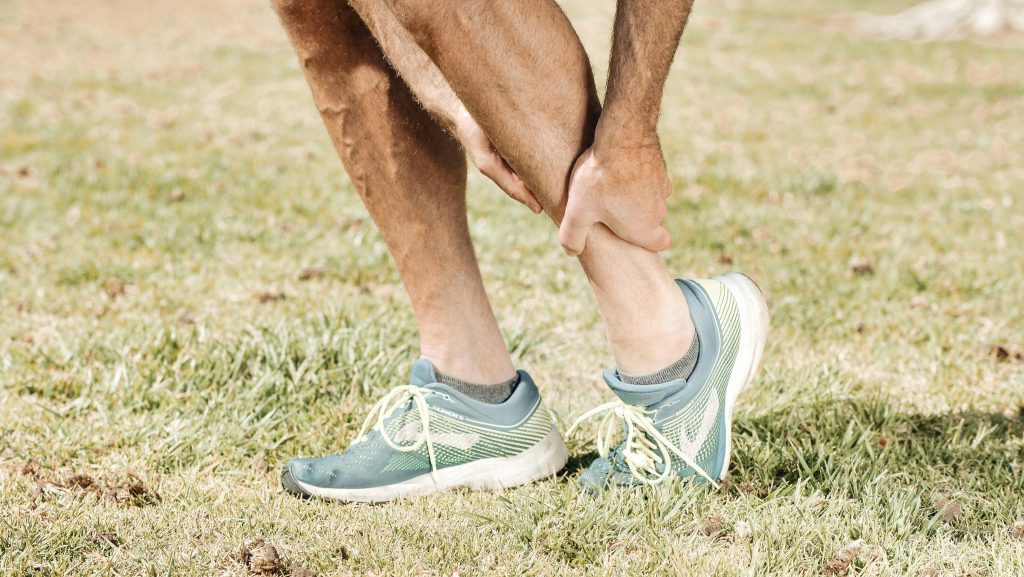
Early identification and response to injury warning signs prevents minor issues from becoming serious problems. Most significant injuries provide weeks of subtle signals before becoming debilitating, but athletes often ignore these warnings.
The Pain Scale for Injury Prevention
Not all discomfort indicates injury, but certain pain patterns require attention. Use this framework to guide your responses:
Level 1-2 Pain (mild discomfort, disappears during warm-up, no impact on technique) typically indicates normal training soreness. Continue training as planned whilst monitoring whether discomfort increases.
Level 3-4 Pain (noticeable during activity, alters technique slightly, lingers after warm-up) signals early problems requiring modification. Reduce training volume by 30-50%, avoid aggravating activities, and address any mobility or strength deficits contributing to the issue.
Level 5-7 Pain (significantly affects movement quality, persists after training, interferes with daily activities) demands immediate attention. Stop aggravating activities completely, consult healthcare professionals, and begin appropriate rehabilitation before returning to training.
Level 8-10 Pain (severe, prevents normal movement, sharp or burning) requires immediate medical evaluation. Attempting to train through this level of pain typically causes severe injury requiring months of recovery.
Common Warning Signs of Impending Injury
Certain patterns consistently precede injuries, allowing preventive action if recognised early. Morning stiffness lasting more than 30 minutes suggests accumulated tissue irritation. Pain that worsens throughout an activity rather than improving after warm-up indicates tissue overload. Persistent soreness lasting beyond 48-72 hours after training suggests inadequate recovery.
Changes in movement quality also signal problems. Your knee drifting inward during squats, increased stride asymmetry during running, or reduced range of motion in familiar exercises all indicate developing issues requiring attention before they become injuries.
Declining performance despite maintained effort often reflects accumulated fatigue and increased injury risk. If training feels harder than expected, technique deteriorates, or performance drops without obvious explanation, prioritise recovery rather than pushing through.
Sport-Specific Injury Prevention Strategies
Different activities create different injury patterns and require targeted prevention approaches. Understanding your sport’s specific risks allows focused prevention efforts.
For Runners
Running injuries typically involve lower limbs and stem from excessive impact forces, inadequate recovery, or sudden volume increases. Shin splints, plantar fasciitis, Achilles tendinopathy, and knee pain account for 60-80% of running injuries.
Implement gradual mileage increases following the 10% rule. Include at least one rest day weekly, more if you’re new to running. Perform strength training 2-3 times weekly focusing on single-leg exercises, calf strength, and core stability. Replace 20-30% of running volume with low-impact cross-training (cycling, swimming) to maintain fitness whilst reducing impact loads.
Replace running shoes every 500-800 kilometres, as cushioning degrades even when uppers appear intact. Consider gait analysis if experiencing recurring issues, as subtle biomechanical factors might require addressing through strengthening, mobility work, or appropriate footwear.
For Gym Athletes
Weightlifting injuries often involve shoulders, lower back, and elbows, typically resulting from excessive volume, poor technique, or inadequate progression. Shoulder impingement, lower back strain, and tendinopathy comprise the majority of strength training injuries.
Master movement patterns with lighter loads before progressing to challenging weights. Film yourself performing key exercises to identify technical issues before they cause problems. Balance pressing and pulling volumes (2:3 ratio favouring pulling) to maintain shoulder health. Include dedicated mobility work for shoulders and thoracic spine.
Avoid training to absolute failure regularly, as form breakdown under maximal fatigue increases injury risk. Leave 1-2 repetitions in reserve on most sets, saving true maximal efforts for testing or competition. Include deload weeks every 3-4 weeks to allow tissue recovery.
For Team Sport Athletes
Team sport injuries frequently involve ankles, knees, and hamstrings, often occurring during rapid deceleration, change of direction, or contact situations. ACL ruptures, ankle sprains, and hamstring strains create the longest absences.
Develop deceleration strength through eccentric training and plyometrics with landing emphasis. Practice change-of-direction mechanics during training at submaximal speeds before attempting them under fatigue or competitive pressure. Include Nordic hamstring curls twice weekly to reduce hamstring strain risk by 50%.
Balance sport-specific training with dedicated strength work. Team training provides skill development but often insufficient stimulus for building resilient tissues. Add 2-3 strength sessions weekly including single-leg exercises, posterior chain work, and core stability.
Recovery Strategies for Injury Prevention
Recovery allows training adaptations whilst clearing accumulated fatigue that predisposes to injury. Whilst training stress is necessary for improvement, adaptation occurs during recovery periods. Neglecting recovery eventually leads to overtraining and injury regardless of how well-designed your training programme is.
Sleep: The Foundation of Recovery
Sleep quality influences injury risk more than any other recovery factor. Research from King’s College London tracking 100 athletes over 2 years found that those averaging less than 7 hours nightly experienced injury rates 70% higher than those sleeping 8+ hours consistently.
During sleep, your body releases growth hormone, consolidates neural adaptations, and repairs damaged tissues. One night of poor sleep (less than 6 hours) reduces reaction time by 10-15% and increases injury risk for 2-3 days afterward. Chronic sleep restriction accumulates deficits that dramatically increase injury susceptibility.
Prioritise 8-9 hours in bed nightly, maintaining consistent sleep and wake times even on weekends. Create a dark, cool sleeping environment (16-18°C optimal). Limit screen time 60 minutes before bed, as blue light suppresses melatonin production. Consider sleep quality a non-negotiable component of training rather than something that happens when convenient.
Nutrition for Tissue Recovery
Adequate nutrition provides building blocks for tissue repair and supports immune function that guards against illness-related training interruptions. Protein requirements increase with training volume; aim for 1.6-2.2g per kilogram bodyweight daily, distributed across 4-5 meals.
Timing matters for recovery. Consume 20-40g protein within 2 hours post-training to optimise muscle protein synthesis. Include carbohydrates post-training (1-1.2g per kg bodyweight) to replenish glycogen stores, particularly if training again within 24 hours.
Chronic underfueling increases injury risk through multiple mechanisms. Energy deficiency impairs bone remodeling, increasing stress fracture risk. It compromises immune function, leading to illness that forces training breaks. It slows tissue repair, allowing minor issues to develop into significant injuries. Ensure your calorie intake matches training demands rather than chronically dieting during heavy training periods.
Active Recovery and Restoration
Complete rest days are necessary, but light activity on recovery days can enhance recovery through increased blood flow without adding significant training stress. Walk for 20-30 minutes, swim or cycle easily, or perform gentle mobility work.
Foam rolling and massage may provide subjective benefits, though research support for injury prevention is limited. If these practices feel beneficial and you enjoy them, include them regularly. However, don’t rely on them to compensate for inadequate sleep or excessive training loads.
Regular professional massage or physiotherapy can identify developing issues before they become symptomatic. Monthly maintenance sessions allow practitioners to assess tissue quality and movement patterns whilst providing treatment for areas showing early signs of overload.
Essential Injury Prevention Equipment and Resources
Strategic use of equipment and tools supports injury prevention efforts without requiring significant financial investment. Focus on items providing substantial benefits rather than accumulating unnecessary gear.
Essential Equipment
Foam Roller (£15-30): Addresses muscle tension and trigger points that might alter movement patterns. Use before training to prepare tissues and after training to assist recovery. Medium-density rollers balance effectiveness with comfort. Available from Decathlon, Sports Direct, or Amazon UK.
Resistance Bands (£10-25): Enable strengthening exercises anywhere, particularly useful for shoulder stability work, hip activation, and rehab exercises. Purchase a variety pack with different resistances. Loop bands and therapy bands serve different purposes; consider owning both types.
Lacrosse Ball or Massage Ball (£5-10): Targets smaller areas foam rollers can’t effectively reach, particularly feet, glutes, and upper back. Provides more specific pressure for addressing stubborn trigger points.
Useful Apps and Digital Tools
Training Load Trackers: Strava, TrainingPeaks, or Garmin Connect monitor training volume and provide warnings when acute:chronic workload ratios become concerning. Free versions offer adequate functionality for most athletes.
Movement Analysis: Coach’s Eye or Hudl Technique allow slow-motion video analysis of your technique. Film yourself performing key movements monthly to identify technique deterioration before it causes injury.
Recovery Monitoring: HRV (Heart Rate Variability) apps like Elite HRV or Welltory assess autonomic nervous system status, indicating when extra recovery is needed. Free versions provide core functionality.
Recommended Books and Resources
- “The Runner’s Body” by Ross Tucker and Jonathan Dugas: Evidence-based injury prevention for runners (£18, Waterstones)
- “Becoming a Supple Leopard” by Kelly Starrett: Comprehensive movement and mobility guide (£28, Amazon UK)
- “Science and Practice of Strength Training” by Vladimir Zatsiorsky: Understanding progressive overload for injury prevention (£35, Blackwell’s)
Frequently Asked Questions About Injury Prevention
How can I tell the difference between normal training soreness and injury?
Normal soreness (DOMS) appears 24-48 hours after training, affects broad muscle areas symmetrically, and diminishes over 3-4 days. Pain from injury typically starts during or immediately after activity, localises to specific structures, and persists or worsens over time. Injury pain often affects only one side and may alter your movement patterns or technique.
Should I train through minor pain?
Low-level discomfort (1-3 on a 10-point scale) that doesn’t alter technique or worsen during activity may be manageable with modified training. Pain reaching 4+ on the scale, affecting movement quality, or increasing during activity requires rest from aggravating movements. When in doubt, take an extra rest day rather than risk worsening a minor issue into a serious injury.
How long should I rest after injury?
Timing depends on injury severity and type. Minor muscle strains may require 3-7 days of modified activity. Significant sprains or strains often need 2-4 weeks. Tendinopathy or stress reactions can require 6-12 weeks. Never rush return based solely on pain absence; ensure you’ve regained full strength, range of motion, and can perform sport-specific movements without compensation before resuming normal training.
Can I continue training with an injury?
This depends entirely on the injury and activity. Many injuries allow training modifications that maintain fitness whilst avoiding aggravation. For example, upper body injuries rarely prevent lower body training. Seek professional guidance to identify safe modifications rather than stopping all activity unnecessarily.
How often should I do injury prevention work?
Minimum effective doses: warm up before every session (15-20 minutes), strength train 2-3 times weekly, perform mobility work 4-5 times weekly (10-15 minutes), and implement deload weeks every 3-4 weeks. These practices become more effective with consistency than intensity, so prioritise regular implementation over perfection.
Do I need special shoes or equipment?
Appropriate footwear for your activity is important, but expensive equipment isn’t necessary for injury prevention. Replace running shoes every 500-800km. Choose shoes matching your foot shape and running style rather than following trends. Most injury prevention work requires minimal equipment: resistance bands, a foam roller, and bodyweight exercises provide substantial benefits.
Will stretching prevent injuries?
Static stretching before activity doesn’t prevent injuries and may temporarily reduce performance. Dynamic warm-ups prove more effective. However, regular mobility work addressing specific restrictions can reduce injury risk by improving movement quality. Timing matters: perform static stretching after training or as separate sessions, not immediately before activity.
How do I return to training after injury?
Follow a gradual progression starting at 50% of pre-injury training volumes. Increase by no more than 10-20% weekly if remaining pain-free with good movement quality. Address any underlying factors that contributed to the initial injury before returning to full training. Consider professional guidance to ensure proper progression and prevent re-injury.
Can strength training prevent all injuries?
Whilst strength training dramatically reduces injury risk (33% for overall injuries, 50% for overuse injuries), it can’t eliminate all injuries. Accidents, collisions, and extreme forces can overwhelm even well-conditioned tissues. However, stronger tissues heal faster and better withstand forces that cause injuries in deconditioned individuals.
Related Guides: Dive Deeper Into Specific Topics
- Complete Guide to Mobility and Flexibility: Comprehensive mobility protocols for injury-resistant movement
- Strength Training Fundamentals: Building resilient tissues through progressive resistance training
- Running Injury Prevention: Specific strategies for the most common running injuries
- Recovery Strategies for Athletes: Evidence-based approaches to maximise adaptation and minimise injury risk
- Movement Quality Assessment: Identifying and correcting dysfunction before it causes injury
- Training Load Management: Systematic progression for sustainable long-term training
- Sports Nutrition Essentials: Fuelling properly to support tissue recovery and injury prevention
- Return to Training After Injury: Safe protocols for resuming activity post-injury
Conclusion: Your Roadmap to Injury-Free Training
Staying injury-free requires consistent application of evidence-based principles across training design, recovery management, and movement quality. Unlike talent or genetics, injury prevention is almost entirely within your control through systematic attention to load management, adequate recovery, and progressive strength development. The strategies outlined in this guide apply whether you’re training for competition, recreational fitness, or simply want to stay active throughout life.
Key Takeaways:
- Injury prevention works through three levels: primary prevention (stopping injuries before they start), secondary prevention (catching problems early), and tertiary prevention (managing existing issues to prevent recurrence)
- Progressive overload following the 10% rule, combined with planned deload weeks every 3-4 weeks, prevents the majority of overuse injuries
- Strength training reduces overall injury risk by 33% and overuse injuries by 50% through building tissue capacity and improving movement quality
- Adequate sleep (8+ hours nightly) influences injury risk more than any other recovery factor, with poor sleep increasing injury rates by 70%
- Early recognition and appropriate response to warning signs prevents minor issues from becoming serious injuries requiring extended rest
Your First Three Actions:
- Assess your current injury risk factors: Evaluate your training progression over the past month, identify any recent volume spikes exceeding 10-20%, and adjust your next 2-4 weeks to allow adaptation to current loads before progressing further.
- Implement a structured warm-up protocol: Dedicate 15-20 minutes before each training session to the three-phase warm-up outlined in this guide, emphasising dynamic mobility and activity-specific preparation over static stretching.
- Begin a basic strength training programme: Add two weekly strength sessions focusing on exercises outlined in this guide, particularly single-leg movements, posterior chain work, and core stability exercises that directly reduce injury risk.
Remember that injury prevention is an ongoing practice, not a one-time fix. The most successful athletes aren’t those with superior genetics or unlimited time; they’re those who train consistently over years without significant interruptions. Small investments in prevention daily compound into dramatic differences in long-term progress and enjoyment of your chosen activities.
Your injury-free future starts with decisions you make today. Implement these principles systematically, listen to your body’s signals, and watch as consistent training transforms your performance beyond what’s possible with sporadic high-intensity efforts interrupted by injury-enforced rest.


