You’ve counted calories until your eyes crossed, weighed every morsel on a kitchen scale, and spent far too much mental energy calculating percentages—yet the weight hasn’t budged. Here’s the truth: intuitive portion control methods offer a refreshingly simple alternative that works with your natural hunger signals rather than against them. Research from King’s College London found that people who learned intuitive eating approaches maintained weight loss more successfully than those following rigid calorie-counting plans.
📖 Reading time: 21 minutes
Picture this: You’re standing in your kitchen at 7pm, staring at a plate of shepherd’s pie, genuinely uncertain whether you’ve served yourself too much, too little, or just right. You’ve lost touch with what a normal portion actually looks like. Meanwhile, restaurant servings have ballooned to ridiculous proportions—a single Nando’s meal can contain more than your entire day’s calorie needs—and supermarket “single serve” packages often contain two or three actual servings. It’s no wonder 64% of UK adults struggle with their weight when our environmental cues have become so distorted.
Why Traditional Portion Control Methods Leave You Frustrated
For more on this topic, you might enjoy: 15 Antioxidant Rich Fruits That Fight Ageing (And How to Eat More of Them)
The conventional approach to portion management involves measuring cups, digital scales, and complicated calculations that turn every meal into a mathematical equation. Whilst these methods can work initially, they’re exhausting to maintain long-term. According to NHS Digital statistics, over 80% of people who lose weight through restrictive methods regain it within two years—largely because the approach simply isn’t sustainable in real life.
The problem isn’t willpower or dedication. The issue is that rigid portion control systems disconnect you from your body’s innate wisdom. You start relying on external rules rather than internal signals, which means you never develop the skills to manage portions naturally. When the diet ends, you’re left without tools to navigate normal eating situations.
What’s more, obsessive measuring can trigger anxiety around food and contribute to disordered eating patterns. A study published in the British Journal of Health Psychology found that participants who focused on external food rules experienced significantly more food-related stress than those who learned intuitive approaches.
Common Myths About Intuitive Portion Control
Related: Walking for Weight Loss: How Daily Steps Transform Your Body in 12 Weeks.
Myth: Intuitive Eating Means Eating Whatever You Want in Unlimited Quantities
Reality: Intuitive portion control methods teach you to recognise genuine hunger versus emotional cravings, and to notice satisfaction cues before reaching uncomfortable fullness. It’s not about abandoning all structure—it’s about developing internal awareness that guides appropriate portions naturally. Research from Loughborough University demonstrated that trained intuitive eaters consumed 20-25% fewer calories at buffet meals compared to dieters, simply because they stopped when satisfied rather than when the plate was empty.
Myth: You Need to Have Perfect Body Awareness Before This Works
Reality: Body awareness is a skill you develop through practice, not a prerequisite. Most people in the UK have spent years overriding hunger and fullness signals—through diet culture, busy schedules, and childhood messages about cleaning your plate. Intuitive portion control methods gradually rebuild this lost connection. Even people who initially report “no idea” when hungry or full typically develop clear signals within 3-4 weeks of mindful practice.
Myth: This Approach Only Works for People Who Don’t Have Much Weight to Lose
Reality: Studies show intuitive eating approaches benefit people across all weight ranges. A comprehensive review in the journal Appetite found that intuitive eaters at every body size showed improved metabolic markers, reduced binge eating episodes, and better psychological wellbeing compared to chronic dieters. The key difference is that weight loss, when it happens, occurs gradually and sustainably rather than through dramatic restriction.
Understanding Your Hunger and Fullness Signals
You may also find this helpful: No Gym? No Problem: Your Complete Bodyweight Strength Workout Guide.
Before you can practice intuitive portion control methods effectively, you need to reacquaint yourself with your body’s communication system. Think of hunger and fullness as existing on a scale from 1 to 10, where 1 is ravenously hungry (lightheaded, irritable, struggling to concentrate) and 10 is uncomfortably stuffed (needing to loosen your belt, feeling sluggish).
Your sweet spot for starting a meal sits around 3-4 on this scale—you’re genuinely hungry with clear physical sensations (perhaps a gentle stomach emptiness, slightly lower energy, thoughts turning toward food), but not so starving that you’ll inhale anything in sight. The ideal stopping point? Around 6-7, where you feel satisfied and energised, but could easily stand up and go for a walk without discomfort.
The challenge is that many people operate at the extremes. You skip breakfast, ignore mid-morning hunger, and by 2pm you’re at a 2 on the scale—so ravenous that you demolish a meal sized for someone twice your height. Or you eat by the clock rather than hunger, consuming lunch at noon because “it’s lunchtime” even though you’re still at a 7 from breakfast.
Start rebuilding this awareness through a simple practice: Before eating anything, pause for ten seconds and ask yourself, “Where am I on the hunger scale right now?” Don’t judge the answer—just notice. Halfway through your meal, ask again. This simple check-in, repeated consistently, forms the foundation of intuitive portion control.
The Hand Portion Method for Instant Visual Guidance
Here’s where intuitive portion control methods become beautifully practical. Your hand provides a personalised, portable measuring tool that scales appropriately to your body size. Unlike generic portion guidelines that suggest the same amounts for a 5’2″ person and a 6’4″ person, the hand method automatically adjusts.
For protein-rich foods (chicken, fish, tofu, beans), aim for a palm-sized portion—just the palm, not including fingers. This typically equals 20-30g of protein, appropriate for most meals. Your fist represents a reasonable portion of starchy carbohydrates like rice, pasta, potatoes, or bread. For healthy fats (oils, nuts, cheese, avocado), your thumb provides guidance—about one thumb-sized portion per meal. Finally, fill the rest of your plate with vegetables, aiming for at least two fist-sized portions.
The brilliance of this approach is its flexibility. A more active day or a particularly intense workout? You might genuinely need one and a half palms of protein or an extra fist of carbohydrates. A sedentary day working from home? Perhaps slightly smaller portions feel right. These intuitive portion control methods encourage you to adjust based on activity, hunger levels, and individual needs rather than following rigid rules.
Sarah, a teacher from Bristol, found this transformative: “I’d been weighing chicken breasts and measuring rice for years. When I switched to hand portions, I realised I’d been under-eating protein and over-eating carbs. Within a month of adjusting portions using my hand as a guide and checking in with my hunger, I had more energy and my clothes fit better—without any of the mental exhaustion of tracking.”
Plate Architecture: Creating Visual Balance
Another effective intuitive portion control method involves designing your plate with visual proportions that naturally support wellbeing. This approach, recommended by nutrition experts at the British Dietetic Association, eliminates the need for weighing whilst ensuring nutritional balance.
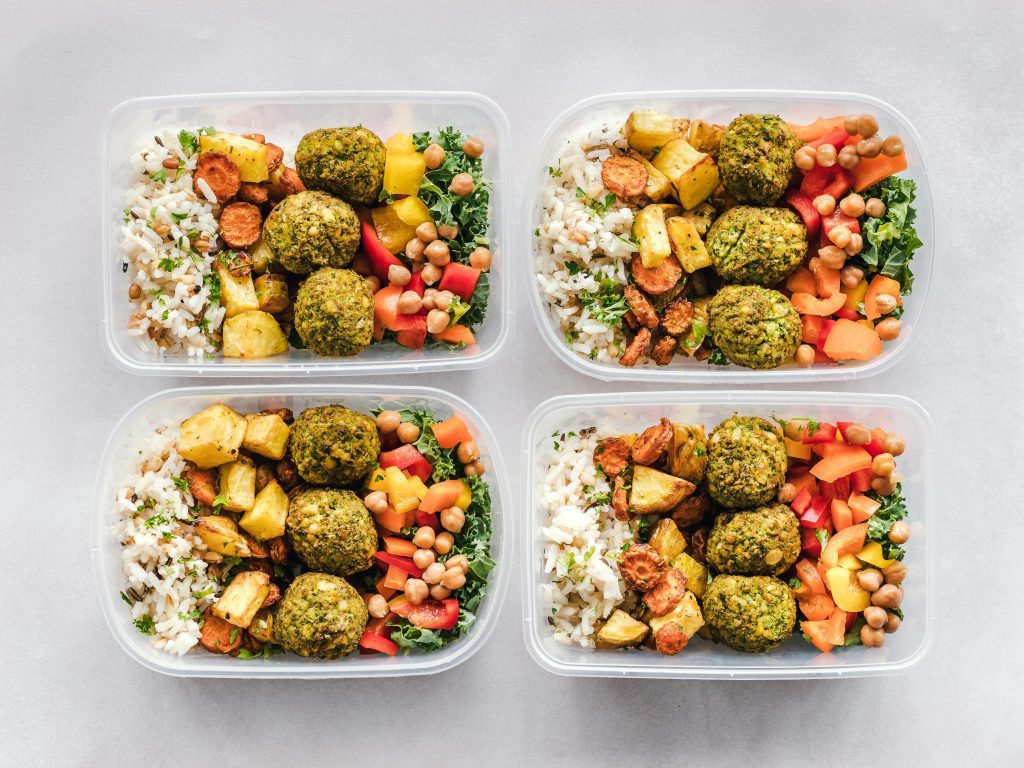
Imagine your dinner plate divided into sections. Half the plate—a full 50%—should showcase vegetables or salad. This isn’t a token side salad; it’s a generous, colourful array that provides volume, fibre, and nutrients whilst naturally limiting space for higher-calorie foods. One quarter of your plate holds your protein source, and the remaining quarter contains your starchy carbohydrate or grain.
This visual method works because it addresses energy density. Vegetables provide substantial volume with relatively few calories, meaning you can eat until satisfied without overconsumption. When you fill half your plate with roasted vegetables, fresh salad, or steamed greens, you’re practicing intuitive portion control that honours both hunger and nutrition needs.
The key is using an appropriately sized plate. Somewhere along the way, British dinner plates expanded from 24cm to 30cm or larger, and research from the University of Cambridge shows we unconsciously serve 20-25% more food on larger plates. A standard 24-26cm plate provides ample space for a satisfying meal without encouraging oversized portions. If you’re using oversized dinner plates, consider switching to smaller ones or using your current salad plates for main meals.
When plating your meals with this architecture in mind, you’re not measuring or calculating—you’re simply creating a visual template that becomes second nature. After two weeks of conscious plating, most people automatically arrange meals this way without thinking, making it a truly intuitive approach.
The Mindful Eating Advantage
Speed matters enormously when practicing intuitive portion control methods. Your stomach takes approximately 20 minutes to signal your brain that you’re satisfied. Eat too quickly, and you’ll consume far more than needed before your body catches up to register fullness.
Consider the typical rushed lunch: you grab a meal deal from Tesco, eat at your desk whilst answering emails, and finish in seven minutes flat. You’ve consumed 600-700 calories but don’t feel particularly satisfied because your brain barely registered the experience. By 4pm, you’re rummaging through the snack drawer despite having technically eaten enough.
Mindful eating transforms this pattern. It doesn’t require elaborate meditation or eating in complete silence—it simply means paying attention. Put your phone face-down. Close your laptop. Take a breath before starting. Notice the colours, textures, and aromas on your plate. Chew thoroughly—aim for 15-20 chews per mouthful rather than the typical 5-7. Put your fork down between bites occasionally.
These small actions create crucial pauses that allow fullness signals to reach your brain. According to research published in the Journal of Obesity, people who practiced mindful eating techniques consumed an average of 300 fewer calories daily compared to their usual intake, simply by slowing down and paying attention. They didn’t feel deprived—they felt more satisfied with less food because they actually experienced eating it.
This is intuitive portion control at its finest: you’re not restricting yourself or following external rules, but rather creating conditions that allow your natural appetite regulation to function properly. Your body already knows how much food it needs; mindful eating gives it the opportunity to tell you.
Adjusting Portions for Different Food Types
Not all foods require the same portion approach, and effective intuitive portion control methods account for these differences. Energy-dense foods—those packed with calories in a small volume—need more conscious portioning than high-volume, lower-calorie options.
Take nuts as an example. They’re nutritious and satisfying, but a 200g bag of almonds contains over 1,200 calories. Eating mindlessly from the bag makes overconsumption almost inevitable. A more intuitive approach? Pour a small handful (about 30g) into a bowl, put the bag away, and eat that portion mindfully. If you’re genuinely still hungry afterward, you can always have more—but you probably won’t need it.
The same principle applies to calorie-dense foods like cheese, oils, nut butters, and chocolate. With these foods, slight visual cues help: one matchbox-sized portion of cheese, a drizzle of oil you could count in tablespoons, a chocolate square or two savoured slowly rather than half a bar consumed without thinking.
Conversely, with vegetables, fruits, and broth-based soups, you have much more flexibility. These high-volume, nutrient-dense, lower-calorie foods are difficult to overeat when you’re paying attention to fullness cues. You can fill up on vegetable curry, large salads, or fruit without the same portion concerns you’d have with oils or sweets.
This isn’t about labelling foods “good” or “bad”—it’s about understanding that different foods require different levels of portion awareness. Intuitive portion control means being more conscious with energy-dense foods whilst relaxing around high-volume, nutritious options.
Environmental Design: Setting Yourself Up for Success
Your food environment profoundly influences portion sizes, often without your conscious awareness. Practicing intuitive portion control methods becomes infinitely easier when your surroundings support rather than sabotage your efforts.
Start with serving style. Research consistently shows that family-style serving—where serving dishes sit on the table—leads to 20-30% larger portions compared to plating meals in the kitchen. When food sits in front of you, you’ll unconsciously serve yourself seconds without checking whether you’re actually still hungry. Instead, plate meals at the counter or hob, then sit down to eat. If you want seconds, you’ll need to get up and consciously choose them—that brief pause allows you to check in with your hunger level.
Package sizes matter too. The larger the package, the more you’ll consume, even if you’re paying attention. If you buy sharing-size bags of crisps or family-size chocolate bars, portion them into smaller containers immediately when you get home. Alternatively, buy individually portioned versions for foods you struggle with. Yes, it’s less economical and creates more packaging—but if it prevents overconsumption, it’s worthwhile.
Consider keeping certain trigger foods out of the house entirely, at least initially while developing intuitive portion control skills. This isn’t deprivation—it’s strategic environmental design. If you consistently overeat biscuits when they’re in the cupboard, don’t keep them there. When you genuinely fancy biscuits, walk to the shop and buy exactly what you’ll enjoy in that moment. The effort creates a natural pause for checking whether you really want them.
Visibility influences consumption dramatically. A study from the University of Oxford found that people ate 70% more chocolate when it was visible on their desk compared to when stored in a drawer. Keep nutritious, lower-calorie foods visible and accessible—a fruit bowl on the counter, chopped vegetables at eye level in the fridge—and store energy-dense treats out of immediate sight.
Your Four-Week Intuitive Portion Control Action Plan
Developing intuitive portion control methods takes practice. This progressive plan builds skills gradually, allowing each to become comfortable before adding the next layer.
- Week 1: Hunger-Fullness Awareness. Your only job this week is noticing. Before eating anything, pause and rate your hunger (1-10 scale). Halfway through meals, pause and check again. After finishing, rate your fullness. Don’t change anything yet—just gather information. Keep simple notes on your phone if helpful. You’re relearning your body’s language.
- Week 2: Strategic Timing. Now that you’re noticing hunger patterns, aim to eat when you reach 3-4 on the hunger scale. If you typically wait until you’re ravenous (1-2), set a reminder to check in with yourself earlier. If you’re eating when not physically hungry, pause and ask what you actually need—perhaps it’s water, movement, a break, or addressing an emotion. Continue rating hunger-fullness at each meal.
- Week 3: Portion Practices. Introduce the hand portion method and plate architecture. Serve yourself using these visual guides, then check in with your hunger-fullness ratings as you eat. Does a palm-sized protein portion satisfy you, or do you need slightly more? Does half a plate of vegetables leave you comfortably full? Adjust based on your body’s feedback, not arbitrary rules. This week is about finding your individual portions.
- Week 4: Mindful Eating Integration. Now add eating speed and awareness. Set a timer for 20 minutes and make your meals last at least that long. Put your fork down between bites. Notice flavours, textures, and the experience of satisfaction developing. Practice stopping at 6-7 on the fullness scale, even if food remains on your plate. Save it for later—if you’re genuinely hungry in an hour, you can finish it then.
By the end of four weeks, you’ll have a robust foundation in intuitive portion control. These practices will feel less like techniques and more like natural eating habits.
Mistakes to Avoid (And How to Fix Them)
Mistake 1: Expecting Perfection From Day One
Why it’s a problem: You’ve spent years overriding hunger signals and following external diet rules. Rebuilding intuitive portion control skills takes time. Expecting immediate mastery sets you up for frustration and abandoning the approach prematurely.
What to do instead: Embrace the learning process. You’ll sometimes eat past comfortable fullness or serve portions that don’t quite match your needs. That’s valuable information, not failure. Each eating experience teaches you something about your body’s signals and preferences. Approach this with curiosity rather than judgment.
Mistake 2: Ignoring Genuine Hunger Because “It’s Not Meal Time Yet”
Why it’s a problem: Rigid meal timing disconnects you from your body’s signals, which is exactly what intuitive portion control methods aim to repair. Letting yourself get overly hungry typically leads to eating too quickly and consuming more than needed.
What to do instead: If you’re genuinely hungry (physical sensations, not boredom or emotions), eat something. This might mean having lunch at 11:30am instead of 1pm, or adding a substantial snack between meals. As you honour hunger consistently, you’ll find your appetite naturally settles into a relatively predictable pattern—but one that’s based on your body’s actual needs rather than arbitrary clock rules.
Mistake 3: Using Distractions During Meals
Why it’s a problem: Watching television, scrolling through your phone, or working whilst eating disconnects you from satiety signals. Research from the University of Birmingham found that distracted eaters consumed up to 30% more calories and felt less satisfied compared to focused eaters.
What to do instead: You don’t need to eat in meditative silence, but minimise distractions. If you typically eat lunch at your desk, try taking a proper 20-minute break. If you always watch TV during dinner, try conversation with family or simply enjoying your meal. Even one distraction-free meal daily significantly improves your ability to practice intuitive portion control.
Mistake 4: Keeping the Same Portions Regardless of Activity Level
Why it’s a problem: Your energy needs fluctuate based on activity, stress levels, sleep quality, hormonal cycles, and other factors. True intuitive portion control acknowledges this variability rather than eating identical amounts daily.
What to do instead: Check in with hunger levels, not just habits. After a long hike or intense workout, you’ll likely need more food. On a sedentary day working from home, you might need less. For women, appetite often increases in the week before menstruation—this is normal and appropriate. Let your body guide portions rather than trying to maintain perfect consistency.
Mistake 5: Abandoning Structure Completely
Why it’s a problem: Whilst intuitive portion control methods emphasise internal awareness, some structure remains helpful. Most people thrive with regular meal patterns, balanced plates, and thoughtful food choices. “Eating whatever, whenever” often leads to grazing, energy crashes, and poor nutrition.
What to do instead: Think of structure as a flexible framework, not rigid rules. Plan for three meals and 1-2 snacks if hungry, but stay flexible about timing based on appetite. Aim for balanced plates with protein, carbohydrates, fats, and plenty of vegetables, but allow for meals that don’t fit this template. The structure supports your intuitive practice rather than replacing it.
Navigating Challenging Situations
Real life presents scenarios that challenge even well-developed intuitive portion control methods. Restaurants serve enormous portions, social gatherings centre around food, and stress can override hunger-fullness signals. Here’s how to navigate these situations whilst maintaining your intuitive approach.
At restaurants, the portions you’re served often exceed reasonable amounts by 200-300%. You have several options: share a main course with your dining companion, request a half-portion if available, or plan to eat half and take the remainder home. What matters is checking in with your fullness signals rather than feeling obligated to clear the plate. According to research from the NHS, simply being aware that restaurant portions are oversized helps diners consume 15-20% less than those who assume the portion represents a standard serving.
Buffets and celebrations present particular challenges because variety and abundance override normal satiety cues—your brain signals “keep eating” when presented with multiple novel foods, even after you’re physically full. Combat this by taking a tour before plating anything, choosing your genuine favourites rather than sampling everything, and using a smaller plate if available. Check in with your hunger-fullness scale more frequently, perhaps after each plate rather than halfway through your meal.
For emotional eating—those moments when you’re drawn to food despite no physical hunger—pause and ask yourself what you actually need. Boredom might need stimulation or movement. Stress might need a walk, deep breathing, or addressing the stressor directly. Loneliness might need connection with a friend. Sometimes you’ll still choose food, and that’s fine—but make it a conscious choice rather than an automatic response. This awareness, central to intuitive portion control, helps you distinguish between different types of hunger.
Quick Reference Checklist
- Check your hunger-fullness level before eating, halfway through, and after finishing every meal
- Aim to start eating at hunger level 3-4 and stop at fullness level 6-7
- Use your palm for protein portions, fist for carbohydrates, thumb for fats, and two fists for vegetables
- Plate meals in the kitchen with half vegetables, quarter protein, quarter carbohydrates
- Take at least 20 minutes to finish meals by putting your fork down between bites
- Store energy-dense foods out of sight and keep nutritious options visible and accessible
- Adjust portions based on activity level, hunger signals, and individual needs rather than maintaining rigid consistency
- Treat learning intuitive portion control as a skill that develops through practice, not a diet with rules to follow perfectly
Frequently Asked Questions
How long does it take to develop reliable intuitive portion control skills?
Most people notice significant improvements within 3-4 weeks of consistent practice, though full confidence typically develops over 2-3 months. The timeline varies based on how disconnected you’ve become from hunger-fullness signals and how long you’ve been dieting. Research from the University of Manchester found that participants in intuitive eating programs showed measurable improvements in recognising satiety cues within one month, with continued refinement over six months. Be patient with yourself—you’re rebuilding skills that diet culture systematically dismantled.
Will I lose weight using intuitive portion control methods, and how quickly?
Many people naturally lose excess weight when they stop overeating and start honouring genuine hunger and fullness, but weight loss isn’t guaranteed or the primary goal. Studies show that those who do lose weight through intuitive approaches typically shed 1-2 pounds monthly—much slower than restrictive diets but far more sustainable. The British Dietetic Association notes that gradual weight changes accompanying improved eating patterns are more likely to be maintained long-term compared to rapid diet-induced losses. Focus on how you feel—energy levels, satisfaction with meals, reduced food stress—rather than fixating on the scale.
What if I have a medical condition that requires specific portion sizes or meal timing?
Intuitive portion control methods can absolutely work alongside medical requirements, though you may need to collaborate with a registered dietitian to adapt the approach. For example, someone with diabetes might need consistent carbohydrate portions at regular intervals to manage blood sugar, but can still learn to recognise hunger-fullness signals and adjust protein and vegetable portions intuitively. Those with digestive conditions might need smaller, more frequent meals, but the principle of eating mindfully and stopping at comfortable fullness still applies. The framework remains valuable even when some structure is medically necessary.
How do I handle portion control when cooking for a family with different needs?
The beauty of intuitive portion control is its flexibility—everyone can serve themselves appropriate amounts from the same meal. Prepare components separately where possible: grilled chicken, roasted vegetables, rice or potatoes, and let each person build their plate using hand portions as a guide. Active teenagers might serve themselves larger portions than less active adults, and that’s appropriate. Teach family members, including children, to check in with their hunger before eating and to stop when comfortably satisfied rather than when plates are empty. This models healthy eating patterns for the whole household.
What should I do if I consistently eat past comfortable fullness despite paying attention?
This often indicates you’re either arriving at meals too hungry (making it difficult to eat slowly enough to notice fullness) or you’re eating for emotional rather than physical reasons. First, ensure you’re eating substantial meals and snacks at regular intervals—every 3-4 hours for most people—so you never reach that ravenous state. Second, keep a brief journal noting what’s happening when you overeat: time of day, emotions present, stress levels, where you’re eating, and what else is happening. Patterns typically emerge—perhaps you overeat when anxious, or specifically during evening meals whilst watching television. Once you identify triggers, you can address them directly through environmental changes, stress management, or seeking support from a counsellor if emotional eating is significant.
Moving Forward With Confidence
Learning intuitive portion control methods represents a fundamental shift from external diet rules to internal body wisdom. You’re not following another restrictive plan that you’ll eventually abandon—you’re developing skills that become more refined and natural with practice. The hand portion method, plate architecture, hunger-fullness awareness, and mindful eating work synergistically, creating a sustainable approach to portions that adapts to your changing needs.
Remember that this is genuinely intuitive, meaning it honours your individual body rather than imposing generic rules. Your appropriate portions will differ from someone else’s based on your height, activity level, metabolism, age, and numerous other factors. That’s not only acceptable—it’s the entire point. You’re the expert on your own body; these methods simply help you access that expertise.
Start with one technique from this article—perhaps the hunger-fullness check-ins or the hand portion method—and practice it consistently for a week before adding another layer. Small, manageable changes compound into significant transformations when maintained over time. You’ve got everything you need right now to begin eating more intuitively. Trust the process, trust your body, and give yourself the grace to learn as you go.


