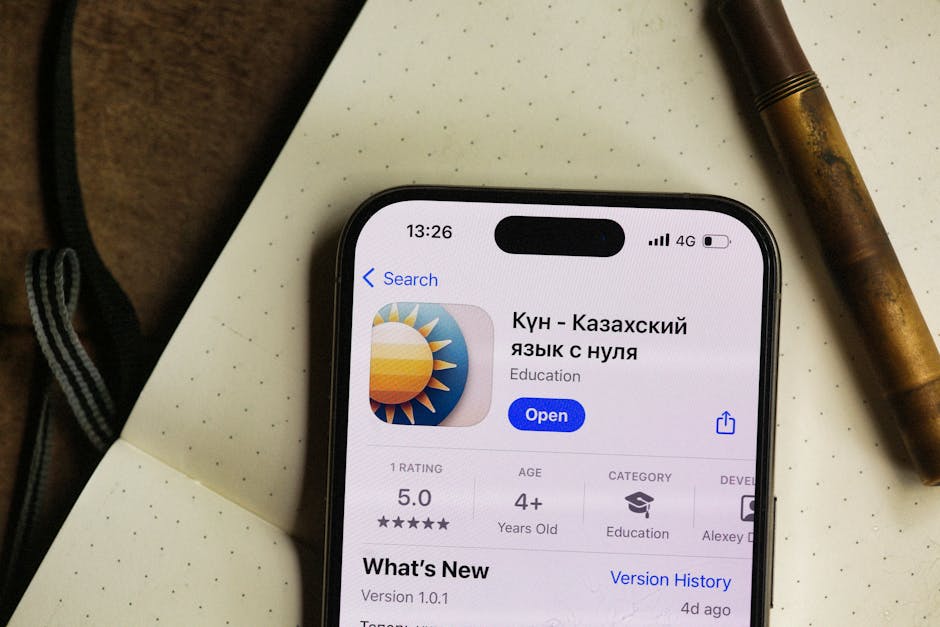
Can You Really Learn a New Language in 3 Months Using Apps?
Three months to fluency sounds brilliant, doesn’t it? You download an app, spend 15 minutes a day tapping colourful tiles, and suddenly you’re chatting away in Spanish or French. That’s the promise plastered across language learning apps everywhere. But here’s the uncomfortable truth: most people who chase this timeline end up disappointed, frustrated, and convinced they’re simply “bad at languages”.
Picture this scenario playing out across thousands of living rooms right now. Someone signs up for a language app after seeing yet another advert promising conversational fluency by summer. The first week feels exciting. Progress bars fill up. Digital confetti celebrates every correct answer. Then reality hits around week three. The grammar gets confusing. Motivation wobbles. That 137-day streak? Abandoned by day 28.
The question isn’t whether language learning apps work. They absolutely can. The real question is whether the three-month timeline is realistic, and what “learning a language” actually means when you’re relying primarily on apps.
Let’s Bust Some Language Learning Myths
Related reading: How to Teach Yourself Guitar Without Wasting Months on Bad Habits.
Myth: Three months of app practice equals fluency
Reality: Language experts categorise proficiency into distinct levels. The Common European Framework of Reference defines A1 as beginner, A2 as elementary, B1 as intermediate, B2 as upper intermediate, and C1-C2 as advanced. Three months of consistent app practice typically gets you somewhere between A1 and A2, which means basic communication about familiar topics. That’s genuinely useful, but it’s nowhere near fluency. True conversational fluency requires hundreds of hours of practice across multiple contexts.
Myth: Apps provide everything you need
Reality: Language learning apps excel at vocabulary building, pattern recognition, and grammar drills. What they struggle with? Real conversation practice, cultural context, and the messy unpredictability of actual human interaction. Someone might recognise 2,000 words on screen but freeze completely when a native speaker asks them a simple question at normal speed. Apps work brilliantly as one tool in your arsenal, but relying solely on them leaves significant gaps in your abilities.
Myth: Fifteen minutes daily is sufficient
Reality: Apps market convenience with the “just 15 minutes a day” promise. Whilst consistency matters more than marathon sessions, research from the Foreign Service Institute suggests most Romance languages require 600-750 hours of study to reach professional working proficiency. That breaks down to roughly 2-3 hours daily over three months just to reach intermediate level. Fifteen minutes gets you started, but serious progress demands more time investment.
What Actually Happens When You Learn a New Language in 3 Months with Apps
You might also enjoy: How to Calculate Your Maintenance Calories Without the Guesswork.
Setting realistic expectations transforms your entire approach. After three months of dedicated app-based learning, here’s what most people achieve.
Your vocabulary expands to around 1,000-1,500 words. That sounds modest, but it covers essential daily situations. Ordering food, asking directions, introducing yourself, discussing weather and basic preferences all become manageable. You recognise common verb conjugations and sentence structures, even if you stumble producing them under pressure.
Reading simple texts becomes possible. Children’s books, basic news articles, and social media posts start making sense. You might need to look up words, but you’re no longer staring at incomprehensible symbols. This milestone feels genuinely exciting because suddenly, media in your target language becomes accessible.
Listening comprehension improves, though inconsistently. Carefully-enunciated app audio? No problem. Real humans speaking at normal speed with regional accents? Still challenging. Your brain starts picking out familiar words from conversations, even if you can’t follow everything.
Speaking remains the trickiest skill. Apps provide limited speaking practice, and what they offer lacks the pressure of real-time conversation. You might speak slowly and make grammatical errors, but you can express basic ideas. That’s significant progress, even if it doesn’t match the “fluent in 90 days” marketing.
The Apps That Actually Deliver Results
Not all language learning apps approach teaching the same way. Understanding their different philosophies helps you choose effectively.
Gamified apps build habits through daily streaks, points systems, and bite-sized lessons. They make learning feel low-pressure and accessible. The downside? The game mechanics sometimes prioritise engagement over effective pedagogy. You might focus more on maintaining your streak than actually learning deeply.
Immersion-focused apps throw you into the language immediately, teaching through context rather than translation. This mirrors how children acquire language naturally. The learning curve feels steeper initially, but many users report better long-term retention and more natural speech patterns.
Conversation-based apps connect you with native speakers for practice. These bridge the gap between app learning and real communication. The value here is enormous because you get immediate feedback on pronunciation, word choice, and cultural appropriateness.
Comprehensive platforms combine multiple approaches with structured courses, grammar explanations, vocabulary drills, and community features. They require more time investment but provide more thorough language education.
Most successful learners don’t stick to just one app. They might use a gamified app for daily vocabulary practice, supplement with a conversation app twice weekly, and consume media in their target language regularly. This varied approach develops all four language skills: reading, writing, listening, and speaking.
Your 90-Day Language Learning Action Plan
Treating three months as your foundation phase, rather than your finish line, changes everything. Here’s how to maximise results during that crucial first quarter.
Weeks 1-2: Building Your Foundation
- Choose your primary learning app based on your learning style and target language. Spend your first session exploring all features rather than rushing through lessons.
- Establish a consistent daily time slot. Morning commutes work brilliantly for many people. Consistency matters more than duration at this stage.
- Focus on pronunciation from day one. Many learners rush past this, creating habits that become harder to correct later. Repeat audio examples until your pronunciation closely matches.
- Learn the 100 most common words in your target language. These high-frequency words appear everywhere and provide immediate practical value.
- Set realistic weekly goals. “Complete 30 minutes daily” works better than vague intentions like “practise more Spanish”.
Weeks 3-4: Expanding Your Skills
- Increase your daily practice to 30-45 minutes, split across two sessions if needed. Morning and evening sessions often work better than one long session.
- Add passive learning through music, podcasts, or children’s shows in your target language. Your brain absorbs patterns even when you’re not actively studying.
- Start a simple vocabulary journal. Writing words by hand strengthens memory more effectively than typing.
- Join online communities or forums for your target language. Reading how other learners discuss concepts reinforces your own understanding.
- Experiment with changing your phone’s language settings for 24 hours. This immersion technique forces practical vocabulary learning.
Weeks 5-8: Developing Conversational Skills
- Introduce speaking practice at least three times weekly. Many apps offer speaking exercises, but recording yourself reading simple texts also helps tremendously.
- Watch content in your target language with subtitles in that same language (not English). This trains your ear whilst reinforcing spelling and grammar.
- Attempt writing short journal entries or social media posts in your new language. Making mistakes in writing feels less intimidating than speaking errors.
- Review previously learned material regularly. Spaced repetition prevents the frustrating experience of forgetting basics whilst learning advanced concepts.
- Identify your weak areas honestly. Struggling with verb conjugations? Dedicate extra time there rather than avoiding difficult topics.
Weeks 9-12: Building Confidence
- Seek actual conversation practice, even if it terrifies you. Language exchange apps, local meetups, or online tutors provide real communication experience.
- Challenge yourself with slightly difficult content. If you understand 70-80% of something, it’s perfect for learning. Too easy provides no growth.
- Create situations requiring your new language. Order from restaurants in your target language area, follow social media accounts, or change your streaming service preferences.
- Celebrate specific milestones: understanding a complete news article, having a five-minute conversation, watching a show without subtitles.
- Plan your next three months. What level do you want to reach? What resources will you add? How will you maintain momentum?
Common Language Learning Mistakes (And How to Avoid Them)
Mistake 1: Obsessing over streak maintenance instead of actual learning
Why it’s a problem: Gamification features motivate initially but can become counterproductive. People rush through lessons just to tick boxes, absorbing little information. A 365-day streak means nothing if you can’t hold a basic conversation.
What to do instead: Focus on mastery rather than completion. If a lesson confuses you, repeat it before moving forward. Missing one day won’t derail your progress, but consistently racing through material without understanding absolutely will.
Mistake 2: Neglecting speaking practice because it feels awkward
Why it’s a problem: Speaking activates different neural pathways than reading or listening. You might recognise hundreds of words but struggle to recall them mid-conversation. This gap between passive and active vocabulary frustrates many learners who feel they “know” more than they can demonstrate.
What to do instead: Talk to yourself in your target language whilst cooking, driving, or walking. Narrate your actions like a sports commentator. Record yourself and listen back. Join language exchange sessions even when you feel unprepared. Awkwardness fades faster than you imagine.
Mistake 3: Translating everything word-for-word in your head
Why it’s a problem: Mental translation slows communication dramatically and leads to unnatural phrasing. Languages structure ideas differently. Literal translation from English often produces grammatically correct but culturally strange sentences.
What to do instead: Learn phrases as complete units rather than translating individual words. When you encounter “¿Qué tal?” in Spanish, think “How are you?” as one concept, not “What such?” as separate words. Immersion-style apps help break the translation habit by teaching through context.
Mistake 4: Studying only through apps without broader exposure
Why it’s a problem: Apps present sanitised, simplified language. Real communication includes slang, regional variations, cultural references, and the messy reality of how people actually speak. Someone who only studies through apps often struggles with authentic content.
What to do instead: Supplement app learning with YouTube videos, podcasts, films, music, and social media in your target language. Even if you understand just 30% initially, this exposure trains your ear and introduces cultural context that apps rarely provide.
Mistake 5: Comparing your progress to others
Why it’s a problem: Language learning speed varies wildly based on your native language, previous language experience, available study time, natural aptitude, and motivation. Someone learning Spanish as an English speaker progresses faster than someone learning Mandarin due to linguistic similarities. Comparing yourself to others breeds unnecessary discouragement.
What to do instead: Track your personal progress markers. Record yourself speaking in week one, then again in week twelve. The improvement will astonish you. Measure against your past self, never against others.
Maximising App Effectiveness Beyond the Basics
Smart learners understand that how you use language learning apps matters as much as which apps you choose. Strategic approaches multiply your results.
Active recall beats passive recognition every time. When an app shows you a word, pause before revealing the answer. Force your brain to retrieve the information rather than simply recognising it. This strengthens neural pathways more effectively than clicking through rapidly.
Interleaving different topics during practice sessions improves long-term retention. Rather than drilling one grammar concept for 30 minutes, mix vocabulary, grammar, listening, and speaking practice. Your brain works harder to differentiate between concepts, leading to better consolidation.
Something like a simple notebook becomes invaluable for tracking patterns you notice. When you spot that Spanish verbs ending in -ar follow predictable patterns, writing that observation cements it better than passive exposure. This metacognitive awareness accelerates learning significantly.
Personalising your practice to your interests maintains motivation. If you love cooking, focus vocabulary on food terms and watch cooking shows in your target language. If football excites you, follow foreign teams and read match reports. Emotional engagement with content dramatically improves memory retention.
Scheduled review sessions prevent the forgetting curve from erasing your progress. Apps often handle this through spaced repetition algorithms, but manually reviewing difficult concepts weekly provides additional reinforcement.
The Reality Check: What You Actually Need Beyond Apps
Language learning apps provide structure, vocabulary, and grammar foundations. What they can’t fully replace is human interaction and cultural immersion.
Real conversation practice remains irreplaceable. Apps simulate this, but nothing matches the pressure, speed, and unpredictability of speaking with actual humans. Even five minutes weekly with a native speaker accelerates progress more than hours of app exercises alone.
Cultural understanding deepens language comprehension. Why do French speakers use “tu” versus “vous”? When is German “Sie” appropriate? What makes certain Spanish phrases polite or rude? Apps mention these concepts but rarely provide the nuanced cultural context that guides appropriate usage.
Grammar explanations in apps serve as helpful references but sometimes oversimplify complex rules. Complementing app learning with a good grammar book or online resources provides deeper understanding for learners who want to know the “why” behind patterns.
Accountability partnerships transform isolated study into shared commitment. Finding a learning partner, even online, creates external motivation when your internal drive falters. Sharing progress, discussing challenges, and celebrating milestones together makes the journey more enjoyable.
The British Council’s research on language learning emphasises that technology works best when combined with human interaction and cultural exposure. Apps provide convenient daily practice, but surrounding yourself with the language through multiple channels accelerates progress exponentially.
Your Language Learning Essentials Checklist
- Download a primary language learning app that matches your learning style and commit to consistent daily use
- Supplement with native content like podcasts, YouTube channels, or streaming shows in your target language
- Practice speaking aloud daily, even if just narrating your activities to yourself at home
- Set specific, measurable goals for each month rather than vague aspirations about fluency
- Track vocabulary and grammar patterns in a notebook to reinforce learning through writing
- Seek conversation practice with native speakers at least once weekly through exchange apps or tutors
- Review previously learned material regularly to prevent forgetting basic concepts as you advance
- Immerse yourself in the culture through music, films, social media, and authentic materials
Your Language Learning Questions Answered
Can you actually become fluent using only apps in three months?
True fluency requires years of practice and immersion, not months. However, three months of dedicated app use can absolutely get you to basic conversational ability where you handle everyday situations, understand simple conversations, and express your needs. Think of it as building a solid foundation rather than reaching the summit. That foundation proves incredibly valuable and motivates continued learning.
How much time daily do you really need for meaningful progress?
Fifteen minutes maintains what you’ve learned and provides minimal progress. Thirty to forty-five minutes daily produces noticeable improvement within three months. If you’re serious about conversational ability, aim for an hour split between app practice and supplementary exposure to native content. Quality matters more than quantity, but both contribute to success.
Which languages are easiest for English speakers to learn through apps?
Romance languages like Spanish, French, Italian, and Portuguese share vocabulary and grammatical structures with English, making them more accessible. Germanic languages like Dutch, German, and Swedish also prove relatively straightforward. The Foreign Service Institute categorises these as Category I languages, requiring approximately 600-750 hours to reach proficiency. Languages like Arabic, Mandarin, Japanese, and Korean demand significantly more time due to completely different writing systems and grammatical structures.
Do free language apps work as well as paid subscriptions?
Free versions provide legitimate value for beginners building basic vocabulary and grammar understanding. Paid subscriptions typically offer more comprehensive lessons, offline access, detailed explanations, and fewer interruptions. For serious learners committing to three months of intensive study, the investment usually pays dividends through better structure and more complete content. That said, combining free apps with other free resources like YouTube, podcasts, and language exchange communities produces excellent results without spending money.
What should you do when you hit a frustrating plateau?
Plateaus happen to everyone and usually signal your brain consolidating information before the next growth spurt. Change your routine by adding new types of content, focusing on your weakest skill area, or taking a few days off to prevent burnout. Sometimes switching to more challenging material jumpstarts progress. Other times, reviewing basics reveals gaps in your foundation. Plateaus feel discouraging but they’re actually signs of progress, not failure.
The Honest Truth About Three-Month Language Learning
Learning a new language in three months with apps won’t make you fluent. It won’t prepare you to debate philosophy or understand rapid-fire regional dialects. It won’t qualify you for translation work or give you the depth of a university language degree.
What it absolutely will do is open doors previously locked. After three months of dedicated practice using language learning apps, you’ll order confidently in restaurants, navigate foreign cities more independently, and connect with millions more people. You’ll watch shows without subtitles catching most of the plot. You’ll read articles and books that were incomprehensible before. You’ll think differently as your brain adapts to new grammatical structures and cultural concepts.
The three-month mark isn’t your destination. Consider it your launchpad. By then, you’ll have built enough momentum that continuing feels natural rather than forced. Your investment of time starts paying dividends as media, travel, and relationships become accessible in ways they weren’t before.
Start today. Download an app. Complete one lesson. That’s genuinely all you need to begin. Three months from now, you’ll either wish you’d started today or you’ll be grateful you did. The choice sitting in front of you right now determines which reality you’ll experience.


