Picture this: It’s Friday evening and you’re scrolling through exotic holiday destinations you can’t afford. Sound familiar? What if the best microadventure ideas were sitting right under your nose, waiting within an hour’s drive of your front door?
Most people associate adventure with international flights, expensive hotels, and two-week itineraries. They miss what explorer Alastair Humphreys has been preaching for years: proper adventure doesn’t require a passport or a trust fund. It requires curiosity and a willingness to see your own backyard differently.
Common Myths About Weekend Adventures
Related reading: Best UK City Breaks: 12 Weekend Trips from London.
Myth: Real adventures require exotic destinations
Reality: Some of the most memorable experiences happen within 50 miles of home. That local woodland you’ve never explored? The canal path you’ve always driven past? The hill you can see from your window but have never climbed? These hold genuine adventure potential. Research from the UK Outdoor Recreation Survey shows that 78% of people who regularly engage in local outdoor activities report higher life satisfaction than those who only take annual holidays abroad.
Myth: Microadventures need expensive gear
Reality: Your current wardrobe probably covers most microadventure ideas already. Walking boots, a waterproof jacket, and a rucksack will handle 90% of local adventures. The outdoor industry wants you believing otherwise, but the hills don’t check your gear list before letting you in.
Myth: You need perfect weather and whole weekends free
Reality: Some of the best microadventure ideas work precisely because the weather’s rubbish and you’ve only got Saturday morning. Rain makes forests smell incredible. Early mornings mean empty trails. Constraints force creativity, which is where the magic lives.
Microadventure Ideas That Cost Nearly Nothing
You might also enjoy: Solo Travel Tips for First Time Travellers: Your UK Guide to Going It Alone
The beauty of microadventure ideas lies in their accessibility. These aren’t bucket-list dreams requiring years of planning. They’re weekend realities that start with a simple decision on Friday night.
Wild Camping Under the Stars
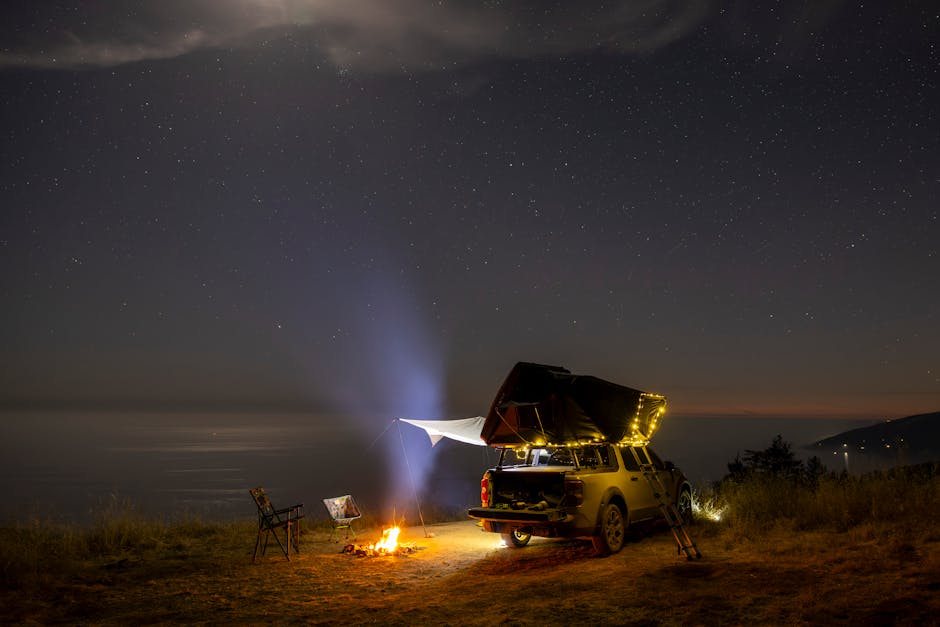
England’s wild camping laws are tricky, but Scotland operates under different rules. The Scottish Outdoor Access Code gives you the right to camp almost anywhere, as long as you’re responsible. Pack a lightweight tent, sleeping bag, and basic supplies. Leave Friday after work, drive two hours north, and wake up to a view that costs hotel guests £200 per night.
For those in England and Wales, many landowners welcome wild campers who ask permission. That field you pass on country walks? The farmer might say yes if you knock on the door politely. Worst case, they decline and you’ve lost five minutes.
Sunrise Summit Missions
Choose a local hill or peak within an hour’s drive. Set your alarm for an ungodly hour. Drive in darkness, climb by torchlight, reach the summit as dawn breaks. This particular variety of microadventure ideas transforms familiar landscapes into something extraordinary. The same hill you’ve seen a hundred times becomes cathedral-like when you’re the only person standing on it at 5:47am.
The Malvern Hills, Brecon Beacons, Peak District, Yorkshire Dales, and Lake District all offer accessible peaks perfect for sunrise missions. Even smaller elevations deliver when you time them right.
24-Hour Exploration Circles
Draw a circle 25 miles from your home. Now find something within that circle you’ve never visited. A nature reserve. A historic ruin. A section of canal. A woodland path. Britain is dense with interesting places that locals ignore because they’re “just there.”
Visit on Saturday. Explore properly, not as a tourist ticking boxes, but as someone genuinely curious about what exists in your own postcode. Bring a packed lunch. Walk slowly. Notice things. This simple framework creates endless microadventure ideas without requiring novelty from distant places.
Water-Based Weekend Escapes
Britain is an island surrounded by coastline and riddled with rivers, lakes, and canals. Water-based microadventure ideas offer a completely different perspective on familiar territory.
Wild Swimming in Local Rivers and Lakes
Cold water immersion has gone from niche activity to mainstream wellness trend, but wild swimming offers more than health benefits. It’s the visceral shock of being properly, completely present in your environment. Research from Portsmouth University found that outdoor swimming significantly reduces stress and anxiety levels, with effects lasting well beyond the swim itself.
Find your nearest natural swimming spot using resources like the Wild Swimming Map. Check water quality, understand currents and tides, never swim alone. If you’re new to cold water, start in summer months when temperatures are friendliest. A basic wetsuit extends your season considerably, though purists argue you’re missing the point.
Kayaking Dawn Patrols
Many outdoor centres rent kayaks by the hour. Book an early morning slot, paddle local waterways before the world wakes up. Rivers and canals reveal wildlife at dawn that stays hidden during busy daytime hours. Herons fishing. Kingfishers darting. Otters, if you’re exceptionally lucky and quiet.
Canals offer particularly accessible microadventure ideas for beginners. Flat water, no currents, clearly defined routes. The Grand Union Canal, Kennet and Avon Canal, and Leeds-Liverpool Canal all provide stunning stretches within easy reach of major cities.
Coasteering Explorations
Coasteering combines swimming, climbing, and cliff jumping along coastal edges. It sounds extreme but starts at beginner-friendly levels. Many UK coastal areas offer guided coasteering sessions, or you can DIY on gentler coastlines where rock scrambling and shallow-water swimming let you explore sea caves and tidal pools normally missed by beach walkers.
The Pembrokeshire Coast, Cornwall, and the Scottish Highlands offer world-class coasteering. But even modest coastlines hide adventure for those willing to get wet and scramble over rocks.
Your First Microadventure: A Weekend Blueprint
The gap between reading microadventure ideas and actually doing them is where most people stall. Here’s how to bridge that gap with minimal faff.
- Friday Evening: Check weather for Saturday and Sunday. Pick one microadventure idea that suits conditions. Rain forecast? Forest walk and wild camping. Clear skies? Sunrise summit. Don’t overthink this step.
- Friday Night: Gather essentials. Walking boots, waterproof jacket, water bottle, snacks, phone charger, basic first aid. Pack a small rucksack. Set your alarm. Aim to leave by 6am Saturday.
- Saturday Dawn: Drive to your chosen location. Navigation apps work fine, but an OS map adds to the adventure (and works when your phone dies). Start moving before you’re fully awake.
- During: Put your phone on airplane mode. Take photos if you want, but don’t perform for social media. Experience this for yourself, not for documentation. Notice small details: how dew catches on spiderwebs, the specific shade of morning light, how your breathing changes on inclines.
- Return: Get home by lunchtime. Shower. Nap if needed. Feel disproportionately proud of yourself for the rest of the weekend. This feeling is the entire point.
Urban Microadventure Ideas for City Dwellers
Living in Manchester, Birmingham, or London doesn’t exclude you from microadventure ideas. Cities hide their own adventures for those creative enough to find them.
Architectural Exploration Missions
Choose a neighbourhood you’ve never properly explored. Walk every street. Look up, not at your phone. Notice architectural details, hidden courtyards, blue plaques, ancient pubs tucked between modern buildings. London alone contains over 20,000 historically significant buildings that most residents never notice.
Night Photography Walks
Cities transform after midnight. Familiar streets become film sets. Take your camera (phone cameras work brilliantly now) and walk routes you normally drive. Experiment with long exposures, light trails, reflections in puddles. This requires no special equipment beyond curiosity and willingness to see your city differently.
The Tube/Metro Challenge
Get off at a random stop you’ve never used. Explore the surrounding area for an hour. Find coffee, talk to shopkeepers, discover parks or markets or community spaces you didn’t know existed. Return home with a completely new mental map of your city.
Mistakes to Avoid (And How to Fix Them)
Mistake 1: Waiting for perfect conditions
Why it’s a problem: Perfect weather, perfect timing, and perfect energy levels rarely align. Waiting for ideal conditions means waiting forever. Meanwhile, weekends pass unused and your appetite for adventure atrophies from lack of practice.
What to do instead: Embrace imperfect conditions as part of the story. Rain makes forests smell better. Wind makes hilltops feel earned. Cold water forces presence. The “imperfect” adventures often become the memorable ones.
Mistake 2: Overplanning and overcomplicating
Why it’s a problem: Researching microadventure ideas for hours, creating detailed itineraries, obsessing over gear lists. This planning phase feels productive but becomes procrastination wearing a responsible disguise. Analysis paralysis kills more adventures than bad weather ever will.
What to do instead: Pick a direction and go. Microadventures thrive on spontaneity and mild uncertainty. Those unplanned detours and unexpected discoveries create the moments you’ll actually remember. Trust your ability to problem-solve in real-time.
Mistake 3: Comparing your adventures to social media highlights
Why it’s a problem: Instagram shows you perfectly lit tent pitches and flawless sunrise summits. It doesn’t show the midges, the wrong turns, the slightly damp sleeping bag. Comparing your real experience to someone else’s curated highlight reel makes your actual adventure feel inadequate.
What to do instead: Leave your phone in your pocket. Experience this for yourself, not for content. The best microadventure ideas work precisely because they’re personal, not performative. Your modest hill walk matters more than someone else’s Himalayan expedition if you’re actually present for yours.
Mistake 4: Going alone when you’d rather have company
Why it’s a problem: Solo microadventures offer solitude and self-reliance, which some people love. Others find them lonely and slightly anxious. Forcing yourself into solo adventures when you’re naturally social diminishes the experience.
What to do instead: Text friends Friday evening: “Sunrise hill walk tomorrow, leaving 6am, back by lunch. You in?” Someone will say yes. Shared adventures create different magic: companionship, shared problem-solving, conversations that only happen when walking side-by-side.
Seasonal Microadventure Ideas Throughout the Year
Different seasons unlock different microadventure ideas. Rather than hibernating October through March, adapt your adventures to what each season offers uniquely.
Spring: Dawn Chorus Camping
April and May bring peak birdsong. Camp overnight specifically to wake at 4:30am when dawn chorus reaches its crescendo. This costs nothing, requires minimal gear, and delivers an experience most people haven’t encountered since childhood camping trips.
Summer: Twilight to Dawn Challenges
Britain’s summer solstice around June 21st offers barely four hours of proper darkness. Start walking at sunset, continue through twilight, watch sunrise from a new location. Navigate by map and compass (phones allowed for emergencies only). Feel genuinely accomplished when you return home Sunday morning.
Autumn: Foraging Expeditions
September through November offers blackberries, sloes, chestnuts, mushrooms (if you know what you’re doing; stick to obvious species or bring an expert). Combine foraging with hiking for microadventure ideas that feed both adventure appetite and literal appetite. Return home with ingredients for sloe gin or blackberry crumble.
Winter: Snow Missions
British snow is unpredictable but spectacular when it arrives. Monitor forecasts obsessively. When snow hits highland areas, drop everything and drive north. Walk familiar hills transformed into winter wonderlands. Crampons and ice axes needed for serious winter mountaineering, but lower-level snow walks require just warm layers and waterproofs.
Making Microadventures Stick: Building Consistency
One-off microadventure ideas provide temporary highs. Regular microadventures genuinely change how you relate to weekends, weather, and your local environment. Here’s how to build consistency without forcing it.
Commit to one microadventure monthly. Put it in your calendar like a doctor’s appointment. Doesn’t matter if it’s ambitious (wild camping) or modest (exploring a new forest). Consistency matters more than intensity. Twelve microadventures across a year accumulate into genuine lifestyle change.
Create a “go bag” that lives packed and ready. Basic supplies: water bottle, snacks, first aid kit, torch, emergency layers, OS map of your region. When inspiration strikes Friday evening, you’re ready to leave Saturday morning without Sunday-level faff.
Join local hiking, wild swimming, or outdoor groups. They organize regular activities, provide safety through numbers, and hold you accountable when motivation dips. Search Facebook for “[Your Area] Hiking Group” or check Meetup.com for outdoor activity communities.
Document adventures simply. Not for social media, but for yourself. A basic journal noting date, location, weather, and one memorable moment creates a record you’ll treasure. On grey February Tuesdays, flipping through summer wild swimming entries reminds you why weekends matter.
Quick Reference: Your Microadventure Starter Pack
- Identify three locations within 90 minutes’ drive that you’ve never explored properly
- Pack a basic adventure bag tonight with essentials (water, snacks, first aid, torch, map)
- Set one alarm for early Saturday morning, even if you don’t have firm plans yet
- Download OS Maps app for navigation backup when phone signal fails
- Check wild camping regulations for your region before pitching tent anywhere
- Tell someone your plans and expected return time (boring but necessary safety)
- Bring layers rather than one heavy coat (temperature changes with elevation and activity)
- Start smaller than feels impressive (two hours beats staying home every single time)
Frequently Asked Questions
How much do microadventures typically cost?
Most microadventure ideas cost between £5-20 total: petrol to reach your destination, maybe a car park fee, and packed food from home. Wild camping is free in Scotland, sunrise walks cost nothing, local swimming spots charge nothing. Compare this to weekend city breaks (£200+) or foreign holidays (£500+) and the value becomes obvious. Initial gear investment might run £50-100 if you’re starting completely from scratch, but charity shops and borrowing from friends cut even that.
Do I need to be fit to try microadventures?
Not remotely. Microadventure ideas scale to any fitness level because you control the intensity. Walking two miles along a canal requires basic mobility, nothing more. As fitness improves, adventures naturally expand. Start with flat walks under two hours. Build from there. The point is novelty and presence, not athletic performance. Thousands of people with various fitness levels successfully incorporate microadventures into regular life.
Is it safe to wild camp alone as a woman?
Wild camping solo does present different considerations for women, though thousands do it safely and regularly. Start by camping in popular areas where other campers are visible but not intrusive. Tell friends your exact location and check-in times. Many women find that dawn and dusk camping (arriving late, leaving early) provides privacy while minimizing isolation concerns. Joining women’s outdoor groups provides both safety and community. Trust your instincts completely: if a location feels wrong, leave and find another spot.
What if I have limited mobility or accessibility needs?
Many microadventure ideas adapt beautifully for various accessibility needs. Accessible trails exist throughout Britain’s national parks, clearly marked on OS maps and park websites. Adapted kayaks, hand cycles, and all-terrain wheelchairs expand possibilities further. Organizations like Disabled Ramblers UK specialize in finding accessible routes for different mobility needs. The definition of adventure is personal: what feels adventurous and novel to you matters more than matching someone else’s version.
How do I convince friends who think I’m mad?
Don’t convince anyone. Invite them once casually: “Heading to [location] Saturday morning, back by lunch, fancy it?” If they decline, go anyway. Return with stories and a clear improvement in mood. The best advertisement for microadventure ideas is your own enthusiasm after experiencing them. Some friends will eventually ask to join. Others won’t, and that’s fine. Adventure compatibility doesn’t necessarily match general friendship compatibility.
What about midweek microadventures when weekends are busy?
Midweek microadventures work brilliantly, often better than weekends because locations are quieter. An early morning wild swim before work transforms Tuesday. Evening bike rides extend summer daylight hours into mini-adventures. The “weekend escape” framing is convenient but arbitrary. Microadventure ideas work whenever you carve out three hours and basic willingness. Many people discover that Wednesday evening adventures provide better reset value than traditional weekend plans.
Your Next 48 Hours Start Now
You’ve got a list of microadventure ideas. Weather forecast is three clicks away. Your weekend contains 48 hours, and you’ll spend most of them on familiar activities that blur together in memory.
Pick one microadventure from this article. Not the most impressive one or the most Instagram-worthy one. The one that sparked genuine curiosity when you read it. Block out four hours Saturday morning. Pack tonight. Set your alarm.
Will something go slightly wrong? Probably. Will you take a wrong turn or encounter unexpected weather or feel a bit awkward at first? Almost certainly. Will you return home feeling more alive than you have in months? Absolutely.
This isn’t about becoming an outdoor athlete or wilderness expert. It’s about reclaiming weekends from passive consumption and replacing them with active participation in your own life. Start smaller than feels impressive. Two hours exploring local woodlands beats grand plans that never happen.
Close this tab. Open a map. Find somewhere within an hour that you’ve never been. Go there Saturday. That’s it.


