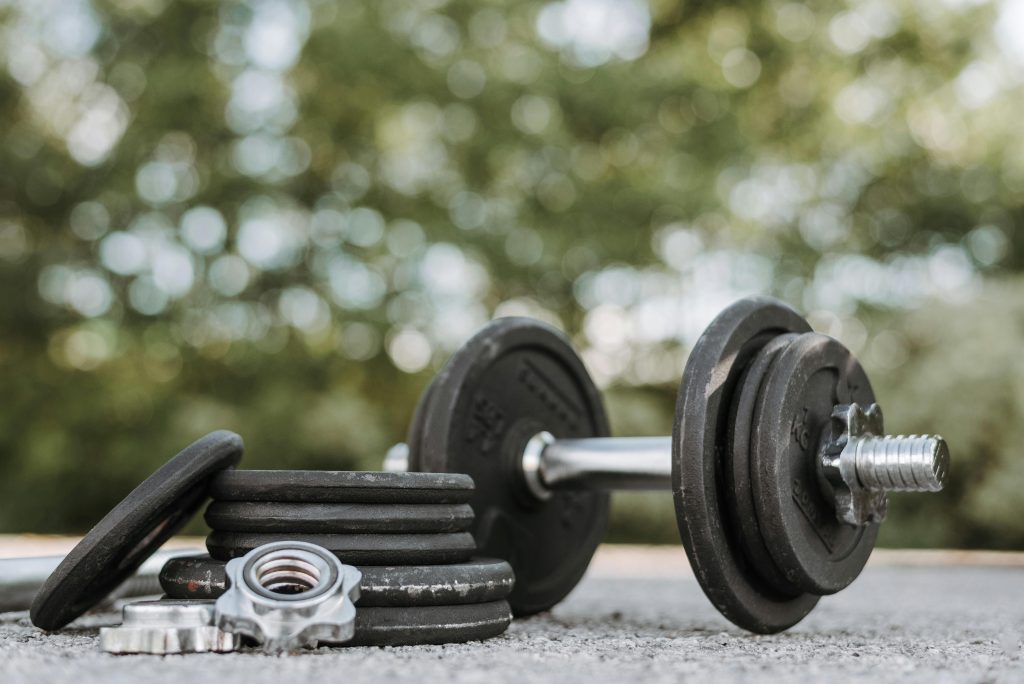
You’ve been lifting the same weights for months now, following the same routine, wondering why your arms aren’t growing and your squat hasn’t budged. The culprit? You’ve forgotten the golden rule that separates people who transform their bodies from those who spin their wheels: progressive overload. Without it, you’re essentially asking your muscles to do something they’ve already mastered, and muscles don’t grow from comfort.
Related reading: Deload Weeks: When Recovery Becomes Your Secret Weapon.
Picture this: You’re three months into your training programme, showing up consistently, eating well, sleeping enough. But when you look in the mirror or test your strength, nothing’s changed. Sound familiar? Most gym-goers hit this frustrating plateau because they’re missing the fundamental principle that drives every physical adaptation. Your body is brilliant at efficiency. Give it the same stimulus repeatedly, and it adapts just enough to handle that workload, then stops. Progressive overload is how you keep nudging it forward.
Common Myths About Progressive Overload
Related reading: Progressive Overload: The Complete Science-Backed Guide to Building Strength
Myth: Progressive overload means adding weight every single session
Reality: Adding load is just one method of progressive overload, and it’s not sustainable long-term. Your nervous system and connective tissues need time to adapt. Research from Loughborough University shows that strength gains come from varied progression methods, not just piling on plates. Trying to add weight every workout is a fast track to injury and burnout.
Myth: More weight equals better results automatically
Reality: Progressive overload works through multiple variables, weight being only one. Volume, tempo, rest periods, exercise complexity, and range of motion all create progressive stimulus. A systematic review published in Sports Medicine found that training volume (sets × reps × load) was a stronger predictor of muscle growth than load alone. Sometimes doing 12 reps with 25kg builds more muscle than struggling through 6 reps with 35kg using awful form.
Myth: Beginners don’t need to worry about progressive overload
Reality: Beginners benefit most dramatically from structured progressive overload because their adaptation window is widest. The NHS recommends strength training twice weekly, and without progression, even newcomers stagnate within 8-12 weeks. Starting with progressive overload principles creates sustainable habits rather than requiring a complete strategy overhaul later.
Understanding Different Methods of Progressive Overload
You might also enjoy: Advanced Training: Master Programming for Peak Performance
Progressive overload isn’t a single technique but a philosophy applied through various methods. Knowing when and how to use each approach transforms your training from random effort into strategic development.
Volume Progression: The Most Reliable Path
Adding sets or reps is the safest and most accessible form of progressive overload. Starting with 3 sets of 8 reps and building to 3 sets of 12, then eventually 4 sets of 12, creates a gradual increase in total work. Your muscles experience more time under tension without the joint stress of heavier loads. This method suits everyone from beginners establishing movement patterns to advanced lifters managing fatigue.
Research from Birmingham University demonstrated that volume progression produced comparable hypertrophy to load progression over 12 weeks, with significantly fewer reported injuries. When you can comfortably complete your target reps with good form across all sets, add one rep to each set. Once you reach the upper range (typically 12-15 reps for hypertrophy), increase the weight by 5-10% and drop back to your lower rep range.
Load Progression: The Classic Approach
Increasing the weight you lift remains the most intuitive form of progressive overload. When your target rep range becomes manageable, adding weight challenges your muscles differently. The key is patience. Jumping too quickly creates form breakdown and injury risk. For upper body exercises, increment by 1-2kg. Lower body movements can handle 2.5-5kg increases due to larger muscle groups and greater mechanical advantage.
Progressive overload through load works brilliantly when combined with other methods rather than used exclusively. Alternating between volume and load phases prevents adaptation and manages joint stress. Something like adjustable dumbbells makes this progression straightforward at home, allowing precise jumps without needing a full weight set cluttering your living room.
Tempo Manipulation: The Hidden Intensity Booster
Slowing down your repetitions increases time under tension without additional weight. A typical rep takes 2-3 seconds total. Extending the eccentric (lowering) phase to 4 seconds, pausing for 2 seconds at the bottom, then lifting for 2 seconds dramatically increases difficulty. This method is particularly valuable when equipment is limited or joints need respite from heavy loading.
Research published in the Journal of Physiology found that eccentric-focused training produced significant strength and size gains while requiring lighter loads than traditional lifting. Your muscles can handle approximately 20-30% more weight during the lowering phase, making controlled eccentrics a powerful progressive overload tool. Apply tempo changes to movements you’ve mastered technically.
Rest Period Reduction: Metabolic Stress Generator
Shortening rest intervals between sets increases metabolic stress, one of three primary mechanisms for muscle growth alongside mechanical tension and muscle damage. Starting with 90-second rests and gradually reducing to 60 seconds (or 45 seconds for smaller muscle groups) forces your cardiovascular and metabolic systems to adapt while maintaining the same weight and reps.
This approach to progressive overload shines during muscle-building phases when hypertrophy is the goal. It’s less suitable for pure strength work, which requires fuller recovery between sets. The British Journal of Sports Medicine notes that rest periods between 30-90 seconds optimize hormonal responses for muscle growth while maintaining sufficient recovery for quality reps.
Range of Motion Progression: Depth and Control
Increasing your range of motion creates a more challenging movement pattern. Half squats become parallel squats, then deep squats. Push-ups progress from knees to toes, then elevating feet. Each range extension demands greater strength through additional joint angles and muscle lengths. This method naturally complements mobility work and builds more complete strength.
According to research from Liverpool John Moores University, full range of motion exercises produced significantly greater muscle activation and growth compared to partial range movements. Progressive overload through range expansion also reduces injury risk by strengthening muscles through complete movement patterns rather than creating strong-in-short-ranges-but-weak-everywhere-else imbalances.
Exercise Complexity: Skill-Based Progression
Moving from simpler to more complex variations provides progressive overload without changing weight. Goblet squats progress to front squats, then back squats. Press-ups advance to decline press-ups, then handstand press-ups against a wall. Each complexity increase requires greater coordination, stability, and strength, creating fresh adaptation stimulus.
This approach works exceptionally well for bodyweight training where adding external load isn’t straightforward. Gymnastic progressions demonstrate this principle perfectly. The NHS recommends this method for older adults and beginners because it builds comprehensive movement competency alongside strength, reducing injury risk while creating measurable progress markers.
Your 12-Week Progressive Overload Strategy
Structured implementation beats random effort every time. This timeline gives your body adequate stimulus while managing recovery and preventing burnout. Track your workouts in a simple notebook or phone app to ensure genuine progression rather than guesswork.
Weeks 1-4: Establishing Baseline Volume
- Week 1: Perform 3 sets of 8 reps for each main exercise at a weight that feels challenging but manageable with perfect form. Focus entirely on technique and movement quality. Rest 90 seconds between sets.
- Week 2: Maintain the same weight and sets, but attempt 9 reps per set. If you can complete all sets with 9 reps, you’re ready to progress. Rest remains at 90 seconds.
- Week 3: Push for 10 reps across all 3 sets with your established weight. The final set should feel genuinely difficult. Technique remains non-negotiable even as reps increase.
- Week 4: Achieve 12 reps per set with your starting weight. This completes your volume progression phase. Rest drops to 75 seconds to increase metabolic demand slightly.
Weeks 5-8: Load and Tempo Integration
- Week 5: Increase weight by 5-10% and return to 8 reps per set. The increased load creates fresh stimulus. Rest periods return to 90 seconds to accommodate heavier weights.
- Week 6: Build back to 10 reps with your new weight. Add a 3-second eccentric (lowering) phase to one exercise per workout, creating time under tension without additional weight.
- Week 7: Reach 12 reps with the heavier weight. Apply tempo manipulation (4-second lowering, 1-second pause, 2-second lift) to two exercises per session.
- Week 8: Deload week. Reduce volume by 30-40% using lighter weights and fewer sets. Your body needs this recovery to adapt fully and prepare for the next progression block.
Weeks 9-12: Advanced Progressive Overload Methods
- Week 9: Add a fourth set to your main exercises, returning to 8 reps per set. This volume jump provides significant stimulus. Rest periods stay at 75 seconds.
- Week 10: Progress to 10 reps across 4 sets. Introduce range of motion increases where possible (deeper squats, fuller press-up depth). Track these improvements specifically.
- Week 11: Achieve 12 reps for 4 sets. Reduce rest to 60 seconds between sets, maximizing metabolic stress. This combination of volume, load, and reduced rest creates peak stimulus.
- Week 12: Test week. Increase weight by 5-10% again and establish your new baseline at 3 sets of 8 reps. Compare this weight to your Week 1 starting point to quantify strength gains.
Mistakes to Avoid (And How to Fix Them)
Mistake 1: Progressing Too Quickly
Why it’s a problem: Adding weight every session seems productive but outpaces your connective tissues’ adaptation rate. Tendons and ligaments strengthen slower than muscles, creating injury vulnerability. Form deteriorates under excessive load, reinforcing poor movement patterns and limiting long-term progress.
What to do instead: Use the “two-session rule.” Only increase difficulty (weight, reps, sets, or intensity) after successfully completing your target across two consecutive workouts with excellent form. This patience prevents overreaching and builds sustainable strength. Progressive overload works over months and years, not days.
Mistake 2: Changing Multiple Variables Simultaneously
Why it’s a problem: Increasing weight, reps, and sets in the same session creates excessive fatigue and makes tracking actual progress impossible. You won’t know which variable drove results or caused problems. Recovery suffers, and injury risk spikes when accumulated stress becomes unmanageable.
What to do instead: Progress one variable at a time within a 4-6 week block. Focus exclusively on volume progression for a month, then switch to load progression, then integrate tempo work. This systematic approach provides clear feedback and manageable increases in training stress. Your training log should show obvious patterns.
Mistake 3: Ignoring Deload Weeks
Why it’s a problem: Continuous progressive overload without strategic recovery leads to accumulated fatigue, performance plateaus, and overtraining symptoms. Research from St Mary’s University shows that planned deloads every 4-6 weeks optimize long-term strength gains by allowing full supercompensation and reducing injury risk.
What to do instead: Schedule a deload week after every 3-4 weeks of progressive training. Reduce volume by 40%, use 70% of your working weights, or cut frequency to two sessions weekly. Active recovery through walking, swimming, or yoga maintains movement quality without taxing your nervous system. Progressive overload only works when you’re fresh enough to apply progressive stimulus.
Mistake 4: Sacrificing Form for Progression
Why it’s a problem: Cheating reps to hit target numbers or lift heavier weights creates compensation patterns, reduces targeted muscle activation, and dramatically increases injury likelihood. You’re progressing the wrong movement pattern, not the intended exercise. The NHS warns that poor form in strength training accounts for significant preventable injuries.
What to do instead: Film yourself regularly or work with a qualified trainer. If form breaks down before completing your reps, you’ve found your current limit. Reduce weight by 5-10% or decrease reps until you can maintain perfect technique. Progressive overload through excellent form at slightly lighter weights outperforms heavy weights with terrible execution every time.
Mistake 5: Neglecting Nutrition and Recovery
Why it’s a problem: Progressive overload places increasing demands on your recovery capacity. Without adequate protein (1.6-2.2g per kg bodyweight according to British Nutrition Foundation guidelines), sleep (7-9 hours), and calories, your body cannot adapt to progressive stimulus. You’re creating breakdown without providing building materials.
What to do instead: Match your recovery strategies to your training intensity. As progressive overload increases training stress, simultaneously increase protein intake, prioritize sleep quality, and ensure slight caloric surplus during muscle-building phases. Track recovery markers like sleep quality, morning heart rate, and subjective energy levels. Poor recovery indicates the need to adjust progression pace or enhance recovery practices.
Tracking Your Progressive Overload Effectively
What gets measured gets managed. Detailed tracking transforms vague effort into concrete data, revealing patterns, identifying plateaus, and validating your progressive overload strategy.
Essential Tracking Metrics
Record these details for every workout: date, exercises performed, sets completed, reps achieved per set, weight used, rest intervals, and subjective difficulty rating (1-10 scale). This comprehensive data shows exactly where progression occurs and which methods work best for your physiology. Simple spreadsheets or fitness apps work perfectly.
Calculate total volume per session (sets × reps × weight) to quantify workload objectively. Progressive overload should show consistent volume increases over 4-8 week periods, even when individual variables fluctuate. Tracking volume reveals whether you’re genuinely progressing or just shuffling variables randomly.
Body Measurement and Performance Testing
Beyond workout data, measure circumferences (chest, arms, thighs, waist) monthly and test maximum reps at specific weights every 6-8 weeks. Progress photos in consistent lighting reveal changes that daily mirror checks miss. Combining subjective and objective measures provides complete feedback on whether your progressive overload approach is working.
Strength testing doesn’t require maximum single rep attempts, which carry injury risk. Testing 5-rep maxes or time to complete 20 bodyweight squats provides safe, reliable performance markers. Progressive overload should produce measurable improvements in these tests every 8-12 weeks, validating your training strategy.
Progressive Overload for Different Training Goals
The principle applies universally, but implementation varies based on objectives. Hypertrophy, strength, and endurance each require specific progressive overload applications.
Building Muscle (Hypertrophy Focus)
Muscle growth responds best to volume progression combined with moderate loads (60-80% of one-rep max, roughly 8-15 rep range). Progressive overload here means increasing total weekly sets for each muscle group from 10 sets initially to 15-20 sets over several months. Shorter rest periods (45-90 seconds) and tempo manipulation enhance metabolic stress, a key hypertrophy driver.
According to research published in the Journal of Sports Sciences, training volume is the strongest predictor of muscle growth. Focus progressive overload on completing more total sets per week rather than constantly chasing heavier weights. When you can complete 4 sets of 12 reps with excellent form, increase weight by 5% and return to 4 sets of 8 reps.
Maximizing Strength (Neurological Adaptation)
Pure strength development requires progressive overload through heavier loads (80-95% one-rep max, roughly 1-6 rep range) with longer rest periods (3-5 minutes). Volume increases happen through additional sets rather than reps. Focus on perfecting technique under progressively heavier loads while maintaining explosive intent on each lift.
Strength progression often uses linear periodization: adding 2.5-5kg weekly until plateauing, then deloading and starting a new cycle with a higher baseline. Patience matters here. Rushing load increases compromises the neurological adaptations that produce maximum force. Progressive overload for strength means lifting heavier weights with pristine form, not grinding through ugly reps.
Enhancing Endurance (Work Capacity)
Muscular endurance benefits from progressive overload through increased reps (15-30+ range), reduced rest periods, and extended time under tension. Circuit training with decreasing rest intervals provides excellent endurance-focused progressive overload. Volume accumulation matters more than load progression in endurance training.
Progressive overload for endurance might involve completing 3 rounds of a circuit in 20 minutes initially, then gradually reducing time to 15 minutes while maintaining quality. Alternatively, add rounds while keeping rest constant. The NHS recommends this approach for general fitness and cardiovascular health, making it ideal for overall wellbeing alongside aesthetic or strength goals.
Save This: Progressive Overload Essentials
- Track every workout with specific numbers for sets, reps, weight, and rest periods
- Progress only one variable at a time over 4-6 week training blocks
- Increase weight by 5-10% only after achieving target reps across all sets for two consecutive sessions
- Schedule deload weeks every 4-6 weeks, reducing volume by 40%
- Prioritize perfect form over progression speed to prevent injury and ensure quality adaptations
- Match recovery efforts to training intensity with adequate protein, sleep, and calories
- Calculate total weekly volume to verify genuine progressive overload beyond single-variable changes
- Apply different progression strategies based on specific goals: volume for hypertrophy, load for strength, capacity for endurance
Your Progressive Overload Questions Answered
How long should I stay at the same weight before progressing?
Progress when you can complete your target reps across all sets with excellent form for two consecutive workouts. This typically takes 2-4 weeks depending on training frequency and recovery quality. Rushing progression creates form breakdown and injury risk, while staying too long wastes adaptation potential. Use the two-session rule as your reliable guideline, ensuring technique remains perfect before advancing.
Can I apply progressive overload with only bodyweight exercises?
Absolutely. Bodyweight training offers numerous progressive overload methods: increasing reps, adding sets, reducing rest periods, slowing tempo, expanding range of motion, and progressing to more complex variations. Push-ups advance to decline push-ups, then archer push-ups, then one-arm push-ups. Squats progress to pistol squats. Each progression demands greater strength without external weights, providing years of advancement potential.
What if I can’t complete my target reps after increasing weight?
That’s normal and indicates you’ve found your current limit. Reduce the weight by 5-10% to a load where you can complete your target reps with proper form. Build volume at this weight for 2-3 weeks, then attempt the higher weight again. Progressive overload isn’t linear. Sometimes you step back slightly to move forward sustainably. Focus on total monthly volume increases rather than session-to-session progression.
How do I know if I’m overtraining versus just working hard?
Progressive overload should feel challenging but manageable. Warning signs of overtraining include persistent fatigue, declining performance despite rest, elevated resting heart rate, poor sleep quality, frequent illness, and loss of motivation. Track these markers weekly. If multiple symptoms appear, reduce training volume by 30-40% for one week and enhance recovery practices. Hard training produces temporary tiredness that recovers within 24-48 hours. Overtraining creates persistent exhaustion.
Should I use progressive overload during fat loss phases?
Yes, but adjust expectations. During caloric deficits, maintaining strength and muscle mass becomes the priority rather than significant gains. Apply progressive overload by focusing on maintaining your current weights and volumes rather than aggressive progression. Even holding your performance while losing body fat represents successful progressive overload in a deficit. Once you return to maintenance or surplus calories, resume more aggressive progression strategies.
Making Progressive Overload Work Long-Term
The difference between people who transform their bodies and those who plateau after three months comes down to systematic progressive overload applied consistently over months and years. Your muscles adapt to stimulus remarkably quickly. Without deliberate progression, you’re simply maintaining current capacity rather than building new capabilities.
Start by choosing one progression method from this article and committing to it for six weeks. Track your workouts meticulously, noting specific numbers rather than vague effort descriptions. Progressive overload reveals itself in concrete data showing higher total volume, increased load with maintained form, or improved performance markers. When progress stalls, switch progression methods rather than abandoning the principle entirely.
This isn’t a quick fix. Building significant strength and muscle takes months of consistent progressive overload, proper nutrition, and adequate recovery. But compound those small weekly improvements over a year, and you’ll barely recognize your capabilities. The person who adds 2.5kg to their squat every month transforms more dramatically than the person who loads the bar recklessly and injures themselves after six weeks.
Your body wants to adapt. Progressive overload is simply the language you use to communicate what adaptations you’re requesting. Speak clearly through deliberate, tracked progression, and you’ll be amazed at what your body builds in response.


