Let’s cut through the noise about protein nutrition. You’ve seen conflicting advice everywhere: bodybuilders swearing by five protein shakes daily, influencers claiming you need 200 grams minimum, and wellness bloggers suggesting you’re eating too much. Meanwhile, you’re left wondering how much protein you actually need, when to eat it, and whether your current intake is helping or hindering your goals.
Here’s what matters: protein nutrition isn’t about following rigid rules or copying what works for elite athletes. Getting your protein nutrition right means understanding how protein functions in your body, matching your intake to your actual needs, and timing it strategically around your activity levels. Whether you’re trying to build muscle, lose weight whilst preserving lean mass, or simply maintain good health as you age, getting protein right makes everything else easier.
This guide gives you the complete picture of protein nutrition. You’ll learn the science behind protein requirements, discover which sources provide the best nutritional value, and get practical strategies for hitting your targets without obsessing over every gram. We’ll cover everything from calculating your personal needs to timing protein around workouts, choosing between plant and animal sources, and troubleshooting common problems like poor appetite or digestive issues.
Who This Guide Is For:
This comprehensive resource is designed for UK adults aged 25-45 who want evidence-based information without the marketing hype. Whether you’re new to tracking protein nutrition or looking to optimise your current approach, you’ll find actionable strategies that fit your lifestyle. Gym-goers will learn how to support their training, busy professionals will discover efficient meal planning strategies, and anyone interested in healthy ageing will understand why protein becomes increasingly important over time.
Understanding Protein Nutrition: The Foundation of Human Physiology
Protein stands apart from other macronutrients because your body can’t store it the way it stores carbohydrates (as glycogen) or fat (in adipose tissue). Understanding protein nutrition starts with recognising that your body breaks down and rebuilds approximately 250-300 grams of protein daily from your muscles, organs, enzymes, hormones, and immune cells. This constant turnover means you need regular protein intake to maintain these structures and functions.
What Protein Actually Does in Your Body
Think of protein as the building material for virtually everything that makes you function. Muscle tissue is the obvious example, but protein forms the structural foundation for your skin, hair, nails, bones, cartilage, blood vessels, and internal organs. Beyond structure, proteins serve as enzymes that catalyse chemical reactions, hormones that regulate your metabolism, antibodies that fight infections, and transport molecules that carry oxygen and nutrients throughout your body.
When you eat protein, your digestive system breaks it down into amino acids. Your body then reassembles these amino acids into the specific proteins it needs at that moment. Nine of these amino acids are “essential” because your body cannot manufacture them—you must obtain them from food. The remaining eleven are “non-essential,” not because they’re unimportant, but because your body can synthesise them from other compounds.
How Your Body Processes Protein
Protein digestion begins in your stomach, where hydrochloric acid denatures the protein structure and the enzyme pepsin starts breaking peptide bonds. The partially digested protein then moves to your small intestine, where pancreatic enzymes (trypsin, chymotrypsin, carboxypeptidase) continue the breakdown into individual amino acids and small peptide chains.
Your small intestine absorbs these amino acids directly into your bloodstream. They travel to your liver first, which acts as a distribution centre, sending amino acids wherever your body needs them most. During the hours following a protein-rich meal, your body prioritises using these amino acids for protein synthesis—building and repairing tissues. Any excess amino acids that aren’t immediately needed get converted into glucose for energy or, less commonly, stored as fat.
This process typically takes 3-5 hours for most protein sources. Faster-digesting proteins like whey can be absorbed within 1-2 hours, whilst slower options like casein or meat may take 6-7 hours. This variation becomes important when we discuss meal timing and protein distribution throughout the day.
Common Misconceptions About Protein Nutrition
Several persistent myths continue to confuse people about protein intake. First, the idea that high protein intake damages healthy kidneys has been thoroughly debunked. Research tracking people consuming 2-3 grams per kilogram of body weight shows no adverse effects on kidney function in individuals without pre-existing kidney disease.
Second, you don’t need to combine specific plant proteins at the same meal to form “complete proteins.” As long as you eat a variety of plant protein sources throughout the day, your body can pool amino acids and create the proteins it needs. Your body maintains amino acid pools that last several hours, making meal-by-meal combining unnecessary.
Third, more protein doesn’t automatically mean more muscle. Once you’ve provided enough amino acids to maximise protein synthesis (typically 1.6-2.2 grams per kilogram for active individuals), additional protein provides minimal extra benefit for muscle building. However, higher protein intake can still be valuable for satiety and weight management.
Calculating Your Daily Protein Nutrition Requirements
Your protein nutrition needs depend on several factors: your body weight, activity level, training goals, age, and current energy balance (whether you’re eating to maintain, lose, or gain weight). Rather than following generic recommendations, you can calculate a personalised target that matches your specific circumstances.
Basic Protein Requirements by Activity Level
For sedentary adults maintaining body weight, the UK government recommends 0.75 grams of protein per kilogram of body weight daily. This covers basic physiological functions but leaves little room for tissue repair or muscle maintenance. A 75-kilogram person would need just 56 grams daily—achievable but barely optimal.
Recreational exercisers who train 3-4 times weekly benefit from 1.2-1.6 grams per kilogram. This range supports recovery from training whilst maintaining lean muscle mass. Active individuals typically find they feel better, recover faster, and maintain strength more easily at the higher end of this range.
Serious strength athletes and bodybuilders during muscle-building phases should target 1.6-2.2 grams per kilogram. Research from Loughborough University found that protein synthesis rates plateau around 1.6 g/kg, but higher intakes (up to 2.2 g/kg) can help preserve muscle during intense training blocks or when reducing body fat.
Adjusting Protein Nutrition for Fat Loss
When you’re eating in a calorie deficit to lose body fat, your protein requirements increase significantly. Your body becomes more likely to break down muscle tissue for energy when calories are restricted, so you need extra protein to counteract this muscle-sparing effect.
During fat loss phases, aim for 2.0-2.4 grams per kilogram of body weight. A study at McMaster University showed that resistance-trained individuals eating 2.4 g/kg whilst in a 40% calorie deficit lost more fat and preserved more lean mass compared to those eating 1.2 g/kg on the same deficit.
Higher protein also helps manage hunger. Protein triggers greater satiety than carbohydrates or fat, reducing overall calorie intake. You’ll find it easier to stick to your deficit when protein makes up 30-35% of your daily calories during a cut.
Age-Related Protein Considerations
After age 40, your body becomes less efficient at using dietary protein to build and maintain muscle—a phenomenon called “anabolic resistance.” Adjusting your protein nutrition becomes crucial as older adults need more protein per meal to trigger the same muscle protein synthesis response that younger people achieve with less.
Research from the University of Nottingham suggests adults over 40 should aim for 1.2-1.6 grams per kilogram as a baseline, increasing to 1.6-2.0 g/kg if training regularly. Each meal should contain at least 30-40 grams of protein to overcome this reduced sensitivity.
This becomes particularly important for maintaining independence and mobility as you age. Sarcopenia (age-related muscle loss) can be significantly slowed or prevented through adequate protein intake combined with resistance training. Preventing muscle loss now means better quality of life in your 60s, 70s, and beyond.
Calculating Your Target: Practical Examples
Let’s work through some examples to make this concrete. A 70-kilogram woman who runs three times weekly and does two strength sessions should target approximately 84-112 grams daily (1.2-1.6 g/kg). Spread across four meals, that’s 21-28 grams per meal—easily achievable with whole foods.
An 85-kilogram man cutting body fat whilst maintaining his strength training should aim for 170-204 grams daily (2.0-2.4 g/kg). This might seem high, but distributed across five eating occasions (three meals, two snacks), it works out to 34-41 grams per feeding—manageable with strategic planning.
A 60-kilogram woman in her mid-40s doing yoga and walking should target 72-96 grams daily (1.2-1.6 g/kg). Even at the higher end, three meals of 25-32 grams each covers her needs entirely through whole food sources.
Essential Protein Sources: Quality and Bioavailability
Not all protein sources provide equal nutritional value. Optimising your protein nutrition means understanding that protein quality depends on its amino acid profile (particularly essential amino acids) and how efficiently your body can digest and absorb it. Understanding these differences helps you make informed choices about which protein sources deserve priority in your diet.
Complete Versus Incomplete Proteins
Complete proteins contain all nine essential amino acids in adequate amounts to support human health. When planning your protein nutrition, understanding this distinction helps you make informed choices. Animal sources (meat, fish, eggs, dairy) are all complete proteins. Among plant sources, soy, quinoa, buckwheat, and hemp seeds provide complete amino acid profiles, though often in different proportions than animal sources.
Incomplete proteins lack sufficient quantities of one or more essential amino acids. Most plant proteins fall into this category—beans and lentils are low in methionine, whilst grains tend to be low in lysine. However, this distinction matters less than previously thought because your body can combine amino acids from different meals throughout the day.
What matters more is leucine content. This branched-chain amino acid serves as the primary trigger for muscle protein synthesis. Sources high in leucine (2-3 grams per serving) stimulate greater muscle building than sources with lower leucine content, even when total protein intake is matched.
Animal Protein Sources
Poultry and Meat
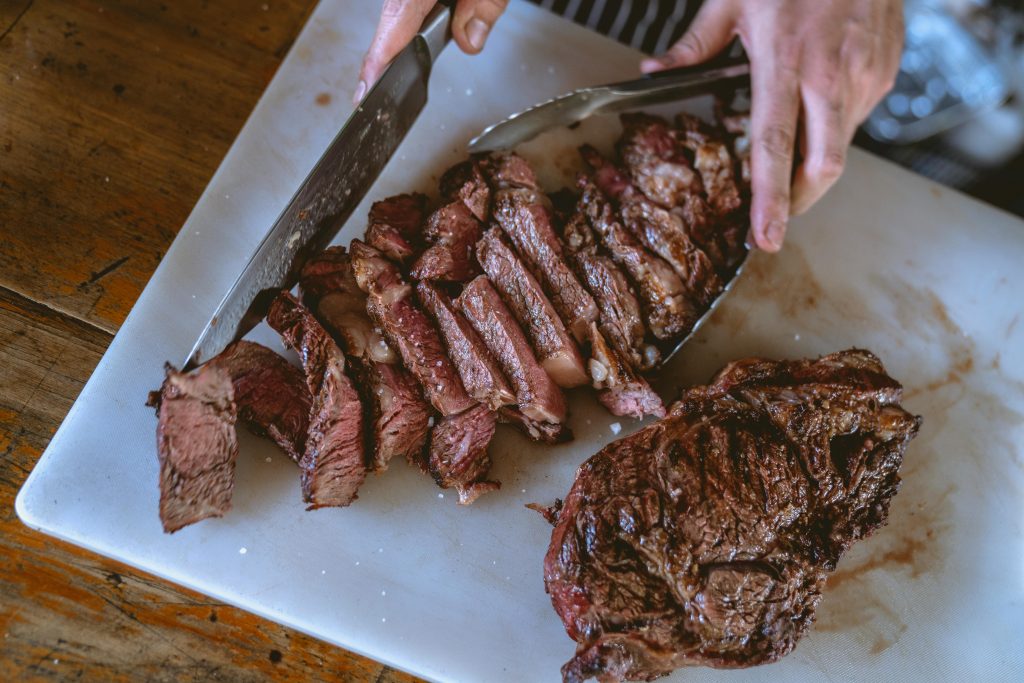
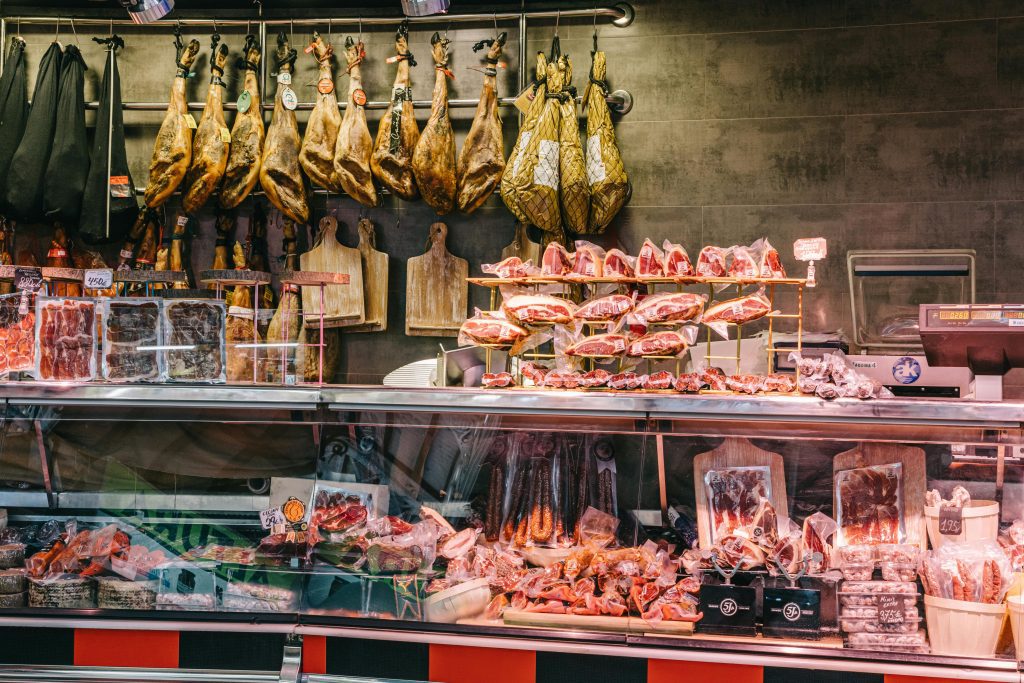
Chicken breast provides approximately 31 grams of protein per 100 grams, making it one of the most protein-dense foods available. Turkey offers similar numbers with slightly less fat. Both digest efficiently and contain complete amino acid profiles. Red meat (beef, lamb, pork) provides 20-26 grams per 100 grams depending on the cut, with the added benefit of highly bioavailable iron and vitamin B12.
Game meats like venison offer lean protein with interesting flavour profiles. Whilst more expensive and less convenient than chicken, they provide nutritional variety and can be sourced from British farms practicing regenerative agriculture.
Fish and Seafood
Oily fish (salmon, mackerel, sardines) deliver 20-25 grams of protein per 100 grams alongside omega-3 fatty acids that support heart health and reduce inflammation. White fish (cod, haddock, plaice) provide slightly more protein (22-24 grams per 100g) with less fat, making them excellent choices during fat loss phases.
Tinned tuna offers convenience and affordability at around £1-2 per tin, providing 25-30 grams of protein. Just limit consumption to 2-4 portions weekly due to mercury content. Prawns and other shellfish deliver similar protein density with different micronutrient profiles.
Eggs and Dairy
One large egg contains approximately 6-7 grams of protein with perfect amino acid scoring. The yolk houses half the protein plus valuable nutrients like choline and vitamin D. Despite outdated cholesterol fears, most people can safely eat 2-3 eggs daily.
Greek yoghurt provides 10 grams of protein per 100 grams—double that of regular yoghurt. Choose full-fat versions for satiety or fat-free for maximum protein density when calories are limited. Cottage cheese offers similar protein content and works brilliantly as a savoury or sweet base.
Milk contains both fast-digesting whey and slow-digesting casein, providing steady amino acid release. Semi-skimmed milk gives you 3.5 grams per 100ml—decent for adding to porridge or protein shakes. Cheese concentrates milk’s protein, with cheddar providing 25 grams per 100 grams, though it’s calorie-dense and easy to overeat.
Plant-Based Protein Sources
Legumes and Pulses
Lentils lead the plant protein category with 9 grams per 100 grams cooked weight, plus substantial fibre and iron. Red lentils cook quickly (15-20 minutes) and work in curries, stews, or Bolognese substitutes. Green and Puy lentils hold their shape better for salads.
Chickpeas provide 8 grams per 100 grams cooked, forming the foundation for hummus, curries, or roasted as crispy snacks. Black beans, kidney beans, and cannellini beans all offer 8-9 grams per 100 grams with different flavours and textures to prevent monotony.
Edamame (young soybeans) delivers 11 grams per 100 grams with a complete amino acid profile. Buy frozen bags from Asian supermarkets for convenience—just steam for 4-5 minutes and season with sea salt.
Soy Products
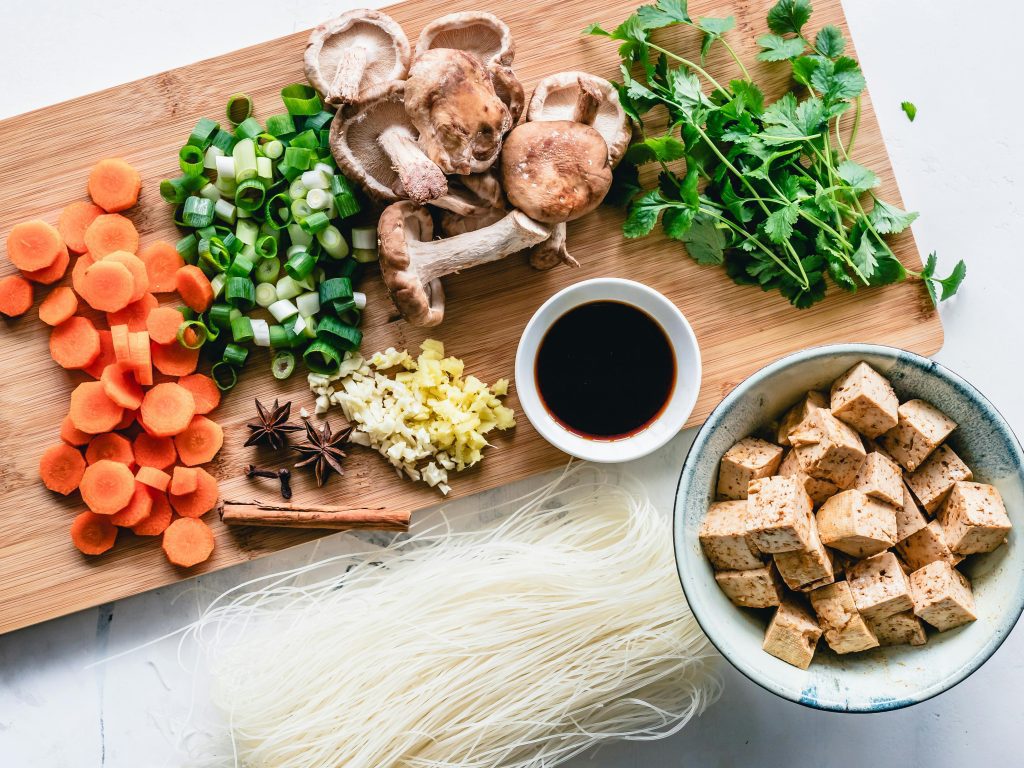
Tofu provides 8-15 grams per 100 grams depending on firmness (extra-firm packs more protein). Press it thoroughly to remove excess water, then marinate and pan-fry, bake, or air-fry for texture. The neutral flavour absorbs seasonings brilliantly.
Tempeh offers 19 grams per 100 grams with a firmer texture and nuttier flavour than tofu. Its fermentation process improves digestibility and adds beneficial probiotics. Slice thinly and fry until crispy for sandwiches or salads.
Grains and Pseudo-Grains
Quinoa provides 4 grams per 100 grams cooked—not particularly high, but it’s a complete protein. Use it as a rice alternative or breakfast porridge base. Rinse thoroughly before cooking to remove bitter saponins.
Oats deliver 13 grams per 100 grams raw weight (about 3 grams per typical 30-gram serving). They’re incomplete proteins low in lysine, but combining porridge with milk or Greek yoghurt creates a complete amino acid profile.
Nuts, Seeds, and Nut Butters
Almonds provide 21 grams per 100 grams, though a typical 30-gram serving gives you just 6 grams. They’re better viewed as healthy fat sources that happen to contain some protein. Peanuts (technically legumes) offer slightly more protein and cost less.
Hemp seeds deliver 9 grams per 30 grams with a complete amino acid profile. Sprinkle them over salads, porridge, or smoothie bowls. Pumpkin seeds provide similar protein content with more zinc.
Peanut butter gives you 25 grams per 100 grams, though most people eat just 15-30 grams at a time. Choose natural versions with just peanuts and salt—avoid added sugar and palm oil.
Protein Powders and Supplements
Whey Protein
Whey remains the gold standard for protein supplementation. It digests rapidly, contains high leucine levels (2-3 grams per serving), and mixes easily. Whey concentrate (70-80% protein) costs less and retains more nutrients. Whey isolate (90%+ protein) contains less lactose and fat, making it suitable for those with mild lactose intolerance.
Quality matters significantly. Look for brands that third-party test their products (Informed Sport certification indicates testing for banned substances). Expect to pay £15-25 per kilogram for decent quality. Cheaper options often use inferior filtration methods or add fillers.
Plant-Based Protein Powders
Pea protein isolate provides 20-25 grams per serving with surprisingly good amino acid profiles, though it’s lower in methionine. Blend it with rice protein (high in methionine, low in lysine) to create a complete profile matching whey’s amino acid balance.
Soy protein isolate offers complete amino acids but some people dislike its slightly chalky texture. Hemp protein retains more fibre and omega-3s but provides less protein per serving (12-15 grams) and tastes earthier. Experiment to find what works for your palate.
Understanding Protein Quality Metrics
Scientists use several scales to measure protein quality. The PDCAAS (Protein Digestibility Corrected Amino Acid Score) rates how well your body can digest and utilise a protein source. Eggs, milk, and whey all score 1.0 (perfect). Most animal proteins score 0.9-1.0, whilst plant proteins typically range from 0.5-0.8.
The newer DIAAS (Digestible Indispensable Amino Acid Score) provides more accurate measurements of protein quality, particularly for plant sources. Under this system, beef scores 112, chicken 108, and eggs 113. Soy isolate scores 91, pea protein 82, and whole wheat just 40. These numbers help explain why you need larger servings of plant proteins to match the muscle-building effects of animal proteins.
Optimising Protein Intake: Timing and Distribution

When you eat protein matters almost as much as how much you consume. Effective protein nutrition requires distributing intake evenly throughout the day rather than loading it into one or two large meals. Understanding the science of protein timing helps you maximise muscle protein synthesis and improve recovery from training.
The Muscle Protein Synthesis Window
Each time you eat protein, you trigger a 3-5 hour window of elevated muscle protein synthesis. Understanding this timing aspect of protein nutrition helps you maximise results. The magnitude of this response depends on the amount of leucine in your meal, the total protein content, and your training status. For most people, 20-40 grams of quality protein maximises this anabolic response.
Consuming more than 40 grams in a single meal doesn’t necessarily waste protein—your body will still use it for other functions—but it doesn’t further enhance muscle building either. The extra protein gets oxidised for energy or converted to glucose. From a muscle-building perspective, you’re better off spreading that protein across multiple meals to create additional synthesis windows.
Optimal Meal Frequency and Portion Sizes
Evidence from the University of Stirling suggests eating protein every 3-5 hours optimises total daily protein synthesis. For most people, this translates to 3-5 protein-containing meals or snacks daily. Aim for 25-40 grams per feeding, adjusting based on your total daily target and meal frequency preferences.
A 75-kilogram person targeting 150 grams daily could eat five meals of 30 grams each, four meals of 37 grams, or three meals of 50 grams. The five-meal approach likely produces slightly better results for muscle building, but the three-meal pattern works fine for maintenance and proves easier to implement for busy schedules.
Pre-Workout Protein Consumption Considerations
Eating protein 1-3 hours before training provides amino acids in your bloodstream during your workout, potentially reducing muscle protein breakdown. A meal containing 20-30 grams of protein alongside carbohydrates gives you energy for training whilst priming your muscles for growth.
If you train first thing in the morning or can’t eat beforehand, don’t stress excessively. Your body maintains amino acid pools from previous meals, and the post-workout window extends longer than previously thought. Having protein within 2-3 hours after training matters more than precise pre-workout timing.
Post-Workout Protein: Separating Fact from Fiction
The “anabolic window” exists but isn’t as narrow as supplement marketing suggests. Your muscles remain sensitised to protein for 24-48 hours after resistance training, with the highest sensitivity in the first few hours. Consuming 20-40 grams of protein within 2-3 hours post-workout optimises recovery, but missing this window by an hour or two won’t derail your progress.
What matters more is your total daily intake and training status. If you ate a protein-rich meal 2-3 hours before training, you likely have elevated amino acids already circulating. In this case, waiting 1-2 hours after training is perfectly fine. If you trained fasted or it’s been 5+ hours since your last protein intake, prioritise getting protein relatively soon after finishing.
Fast-digesting proteins (whey, egg whites) work well post-workout because they rapidly elevate amino acid levels. However, whole food sources like chicken, fish, or eggs work equally well if you’re eating within an hour of training. Save expensive supplements for situations where convenience matters—after early morning sessions or when you can’t prepare real food.
Evening Dietary Protein for Overnight Recovery
Your body continues repairing muscle tissue overnight, but muscle protein synthesis rates decline as you extend the fasting period. Consuming 30-40 grams of slow-digesting protein before bed maintains elevated amino acid levels throughout the night.
Cottage cheese, Greek yoghurt, or casein protein powder digest slowly over 6-8 hours, providing sustained amino acid release. Research from Maastricht University showed that participants consuming 40 grams of casein before sleep experienced greater overnight muscle protein synthesis compared to those who didn’t.
This strategy particularly benefits people training late in the day, older adults (who experience faster overnight muscle breakdown), or anyone struggling to reach their daily protein target. If you’re already hitting your protein goals through regular meals, adding bedtime protein provides minimal extra benefit.
Building Practical Protein Nutrition Meal Plans
Knowing your protein target is one thing. Actually hitting it consistently requires planning, preparation, and smart food choices. This section provides concrete protein nutrition strategies for different eating patterns, budgets, and dietary preferences.
Simple High-Protein Meal Templates
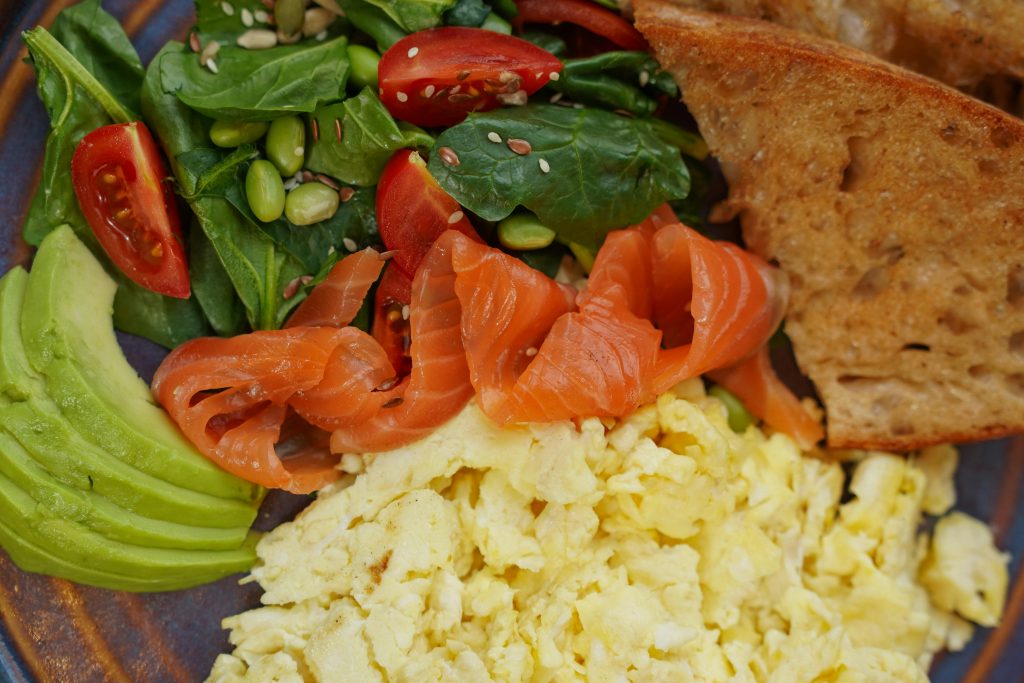
Start your day with high-protein breakfasts to kickstart muscle protein synthesis after the overnight fast. Greek yoghurt (200g = 20g protein) topped with granola and berries takes three minutes to prepare. Scrambled eggs (3 large = 21g protein) with smoked salmon (50g = 10g protein) on sourdough delivers 30+ grams in under 10 minutes.
Porridge made with milk instead of water doubles the protein content. Add a scoop of protein powder (25g) to oat-based porridge for a substantial 35-40 gram breakfast. Protein pancakes using eggs, banana, and oats provide variety whilst maintaining high protein density.
Lunch should carry you through the afternoon. Chicken breast (150g = 45g protein) with roasted vegetables and quinoa covers 50+ grams. Tinned tuna (one can = 25g) mixed with white beans (100g cooked = 7g) and salad leaves creates a simple, protein-dense meal. Leftovers from dinner work brilliantly—prepare double portions to eliminate lunchtime decision fatigue.
Evening meals build around substantial protein portions. Salmon fillet (180g = 35g protein) with broccoli and sweet potato. Beef mince (150g = 35g protein) in a tomato-based Bolognese over pasta. Turkey (150g = 40g protein) in a stir-fry with mixed vegetables and rice. Lentil dahl (250g cooked lentils = 22g protein) with naan bread for plant-based options.
Budget-Friendly High-Protein Shopping
Protein doesn’t require premium prices. Optimising your protein nutrition on a budget is absolutely achievable. Eggs remain the most affordable complete protein at roughly 15-20p per egg. A box of 15 large eggs from Tesco costs about £2.50, providing 100+ grams of protein for approximately £2.50—far cheaper than premium chicken breasts.
Chicken thighs cost 30-40% less than breasts whilst providing similar protein content with more flavour. Buy whole chickens (£5-7) and roast them for multiple meals. Mince (beef, turkey, chicken) offers versatility and value. Aldi’s 5% fat beef mince costs roughly £5 for 500g, delivering 100+ grams of protein.
Tinned fish provides incredible value. Aldi and Lidl sell tuna for 60-80p per tin (23-26g protein). Tinned sardines, mackerel, and salmon cost £1-1.50 and include bones for extra calcium. Stock your cupboard with these for quick, protein-dense meals.
Frozen fish fillets (cod, haddock, salmon) cost less than fresh whilst maintaining nutritional quality. A bag of frozen chicken breasts from Farmfoods or Iceland costs £5-6 for 1kg—excellent value at roughly 300g of protein total. Frozen prawns work brilliantly in curries, stir-fries, or pasta dishes.
For plant-based protein, dried lentils and beans cost pennies per 100 grams. A 500g bag of red lentils (approximately 120g protein total) costs less than £1 at most supermarkets. Tinned chickpeas, black beans, and kidney beans cost 30-50p per tin. Tofu blocks (200-300g providing 20-35g protein) cost £1.50-2 and feed two people easily.
Meal Prep Strategies for Consistent Protein Intake
Dedicate 2-3 hours on Sunday to prepare protein sources for the week. Grill or bake 4-6 chicken breasts seasoned with different spice blends (Mexican, Mediterranean, Asian-inspired). Roast a whole chicken and strip the meat for salads and sandwiches. Cook 500g of mince with onions and tinned tomatoes as a versatile base for various meals.
Batch cook hard-boiled eggs (12-18 at once) for quick snacks and breakfast additions. Prepare overnight oats in jars—combine oats, milk, protein powder, and your preferred toppings. Just grab one each morning. Cook large batches of grains (quinoa, rice, pasta) and proteins (chicken, beef, lentils) in separate containers to mix and match throughout the week.
Portion everything into clear containers so you can see what’s available. Label with dates and protein content for easy tracking. Most cooked proteins last 3-4 days refrigerated. Freeze portions if you’ve made more than you’ll eat in that timeframe.
Quick Protein Fixes for Busy Days
Keep emergency protein options available for hectic days. Protein bars with 15-20g protein work in a pinch (Grenade Carb Killa, PhD Smart Bar, or Barebells all taste decent). Pre-made protein shakes from supermarkets (Muscle Moose, Yazoo Protein) provide 15-25g in seconds.
Deli meat like turkey, chicken, or roast beef contains 15-20g protein per 100g. Not ideal for daily consumption due to sodium content, but useful occasionally. Rotisserie chicken from the supermarket gives you instant protein—shred it for sandwiches, salads, or wraps.
Protein powder isn’t just for shakes. Mix it into porridge, pancake batter, muffin recipes, or yoghurt bowls. Add a scoop to coffee with milk for a protein-enriched latte (tastes better than expected with vanilla or caramel flavoured powder).
Eating Out While Hitting Dietary Protein Targets
Restaurant meals typically provide more fat and carbohydrates than protein. Request double protein portions when ordering salads, grain bowls, or pasta dishes—most places accommodate this for an extra £2-4. Choose grilled options over fried to keep calories reasonable whilst maximising protein.
Chain restaurants often publish nutritional information online. Pre-plan your order to find high-protein options. Nando’s chicken (whole chicken = 120g+ protein), Wagamama’s teriyaki beef donburi (45g protein), or Pret’s protein pots (15-20g) all work well. Skip the bread basket and appetisers to save calories for protein-dense mains.
Pub meals can surprise you. Grilled steaks with vegetables deliver 40-50g protein. Sunday roasts provide decent protein from the meat, though the Yorkshire pudding and roast potatoes add calories quickly. Fish and chips offers 30-35g protein from the fish alone—just remove most of the batter if you’re watching calories.
Common Protein Nutrition Challenges and Solutions
Even with knowledge and planning, you’ll encounter obstacles to consistent protein nutrition. Understanding these common challenges and having ready solutions keeps you on track when life gets complicated.
Challenge 1: Poor Appetite in the Morning
Some people wake with zero hunger and force-feeding breakfast feels impossible. Your body’s circadian rhythm influences appetite throughout the day—for some people, that means minimal morning hunger.
Start small with easily digestible options. Drink a protein shake with fruit if solid food feels unappealing. Greek yoghurt smoothies go down easier than solid meals. Gradually increase portions as your body adapts to morning eating.
Alternatively, embrace your natural eating pattern through time-restricted feeding. If you’re genuinely not hungry until 11am, there’s no magical reason breakfast must happen at 7am. Push your first protein intake to midday and distribute your daily target across fewer, larger meals. Studies show meal timing matters less than total daily intake for most people.
Challenge 2: Hitting Protein Nutrition Targets on Plant-Based Diets
Plant proteins generally contain less protein per serving than animal sources, making it genuinely harder to reach high protein targets (2.0+ g/kg) without careful planning of your protein nutrition strategy. You’ll need to eat larger volumes and prioritise protein-dense plant foods at every meal.
Build meals around legumes and soy products rather than treating them as side dishes. A chickpea and lentil curry with tofu provides 30-40g protein per serving. Tempeh stir-fries with edamame deliver similar numbers. Use protein powder to bridge gaps—add it to smoothies, porridge, or baked goods.
Combine complementary plant proteins throughout the day. Beans with rice, hummus with pitta, peanut butter with oats. Your body will pool amino acids from different sources to create complete proteins, so perfectionism isn’t necessary at every meal.
Challenge 3: Digestive Discomfort from High Protein Intake
Suddenly increasing protein intake from 50g to 150g daily can cause bloating, gas, or upset stomach whilst your digestive system adapts. Your body needs time to produce adequate enzymes and adjust to different gut bacteria populations.
Increase gradually over 2-3 weeks rather than jumping immediately to your target. Add 10-15g weekly until you reach your goal. This gives your digestive system time to adapt. Drink more water—protein metabolism creates urea that your kidneys must filter, requiring adequate hydration.
If specific proteins cause issues, identify and swap them. Whey protein bothers some people due to lactose; switch to whey isolate (less lactose) or plant-based alternatives. Beans cause gas? Cook them with kombu seaweed, which contains enzymes that break down oligosaccharides responsible for gas production.
Challenge 4: Maintaining Protein Nutrition During Travel
Hotel breakfast buffets rarely provide adequate protein unless you make deliberate choices. Load your plate with eggs, Greek yoghurt, smoked salmon, or ham. Skip the pastries and juice—they’re calorie traps with minimal nutritional value.
Pack emergency protein supplies: individual protein powder sachets, protein bars, tinned fish, or pouches of tuna. Supermarkets exist everywhere—stop for pre-made salads with chicken, protein pots, hard-boiled eggs, or rotisserie chicken. Travel doesn’t mandate eating restaurant meals for every single meal.
Choose accommodations with refrigerators and microwaves when possible. Buy simple ingredients and prepare basic meals. Microwave scrambled eggs work surprisingly well in a coffee mug. Add pre-cooked chicken from the supermarket to instant rice packets for quick, protein-dense meals.
Challenge 5: Managing Protein Nutrition Costs on Tight Budgets
Quality protein doesn’t require premium spending. Effective protein nutrition strategies prioritise the most affordable sources: eggs (15-20p per 7g protein), frozen chicken thighs (£5-6/kg), tinned fish (60-80p per 25g protein), and dried legumes (less than £1 for 500g).
Reduce waste by using everything. Roast chicken carcasses make excellent stock for soups containing shredded meat. Leftover cooked grains and proteins combine into fried rice. Vegetables approaching their expiry date work perfectly in curries or stews alongside cheap protein sources.
Shopping at discount supermarkets (Aldi, Lidl) can cut protein costs by 30-40% compared to premium chains. Their meat quality matches more expensive stores for significantly less money. Use price comparison apps to find the best deals on staples like eggs, chicken, and tinned fish.
Challenge 6: Adapting Protein Nutrition with Food Allergies or Intolerances
Dairy intolerance eliminates convenient protein sources like Greek yoghurt, cottage cheese, and whey protein. Switch to lactose-free versions, plant-based alternatives, or focus on meat, fish, and eggs. Soy, oat, and almond milk contain some protein, though less than dairy milk.
Egg allergies require more creativity. Build meals around poultry, fish, and legumes. Use egg replacers in baking. Hemp protein powder and pea protein powder provide allergen-friendly supplementation. Chickpea flour works as an egg substitute in savoury dishes.
Nut allergies complicate plant-based eating. Focus on seeds (sunflower, pumpkin, hemp), legumes, and soy products. Read labels carefully—many protein bars and processed foods contain nuts or are processed in facilities handling nuts.
Challenge 7: Appetite Suppression When Dieting
High protein intake during calorie deficits improves satiety, but sometimes it works too well—you feel full constantly and struggle to eat your protein target. Paradoxically, you need more protein during cuts, yet you’re less hungry.
Liquid calories bypass some satiety signals. Protein shakes deliver 20-40g without filling you up like solid food. Add them between meals rather than replacing meals. Smoothies with protein powder, fruit, and milk provide substantial protein without feeling heavy.
Choose more palatable protein sources. Plain chicken breast becomes tedious quickly. Rotate between different proteins, seasonings, and cooking methods. Marinate meat overnight. Try new recipes. Eating shouldn’t feel like a chore—find flavours and textures you genuinely enjoy.
Challenge 8: Social Eating Situations
Friends and family may comment on your protein-focused eating, especially if they’re accustomed to seeing you eat differently. Some people feel self-conscious ordering extra protein at restaurants or declining dessert to save room for their protein target.
You don’t owe anyone explanations about your nutritional choices. Simple responses work: “This is what makes me feel best” or “I’m focusing on my training goals right now.” Most people lose interest quickly if you don’t engage in lengthy justifications.
Contribute protein-rich dishes to social gatherings. Grilled meat skewers, buffalo chicken dip, Greek meatballs, or bean salads ensure you have options whilst sharing with others. You can enjoy social events without derailing your nutrition plan.
Sample High-Protein Meal Plans
These templates provide practical frameworks for hitting protein targets whilst maintaining nutritional balance. Adjust portions and specific foods based on your preferences, budget, and dietary requirements.
Plan 1: 150g Daily Protein Target (Omnivore)
Breakfast (35g protein)
- 3 scrambled eggs (21g)
- 2 slices smoked salmon (12g)
- 1 slice sourdough toast
- Cherry tomatoes
Lunch (40g protein)
- Chicken breast (150g, 45g)
- Mixed salad with olive oil dressing
- 100g cooked quinoa
Afternoon Snack (20g protein)
- Greek yoghurt (150g, 15g)
- 30g granola
- Handful of berries
Dinner (40g protein)
- Beef mince Bolognese (150g mince = 35g)
- Whole wheat pasta
- Parmesan cheese (10g = 4g)
- Side salad
Evening Snack (15g protein)
- Cottage cheese (100g, 12g)
- Rice cakes with peanut butter
Daily Total: 150g protein | Approximately £8-10
Plan 2: 150g Daily Protein Target (Plant-Based)
Breakfast (30g protein)
- Porridge made with soy milk (300ml = 10g)
- Scoop of pea protein powder (25g)
- 2 tablespoons peanut butter (8g)
- Sliced banana
Lunch (35g protein)
- Chickpea and lentil curry (200g combined = 18g)
- 100g firm tofu cubes (15g)
- Brown rice
Afternoon Snack (20g protein)
- Protein smoothie: soy milk, protein powder, banana, oats
Dinner (40g protein)
- Tempeh stir-fry (150g tempeh = 28g)
- Edamame (100g = 11g)
- Noodles and vegetables
Evening Snack (25g protein)
- Protein shake with soy milk
Daily Total: 150g protein | Approximately £7-9
Plan 3: 200g Daily Protein Target (Fat Loss Phase)
Breakfast (45g protein)
- 4 egg whites + 2 whole eggs (30g)
- Protein pancakes using 30g whey powder (25g)
- Sugar-free syrup
- Berries
Mid-Morning (25g protein)
- Protein shake (30g powder)
Lunch (50g protein)
- Turkey breast (200g, 50g)
- Large mixed salad
- Balsamic vinegar dressing
Afternoon Snack (30g protein)
- Tin of tuna (25g)
- Rice cakes
- Cherry tomatoes
Dinner (40g protein)
- Cod fillet (180g, 40g)
- Steamed broccoli and green beans
- Small portion new potatoes
Evening (10g protein)
- Casein protein shake or cottage cheese
Daily Total: 200g protein | Approximately £10-12
Plan 4: 120g Daily Protein Target (Budget Option)
Breakfast (25g protein)
- Porridge (40g oats) made with milk
- Scoop protein powder mixed in
- Banana
Lunch (35g protein)
- Tin of mackerel (25g)
- Jacket potato
- Baked beans (100g = 5g)
- Side salad
Snack (15g protein)
- 2 hard-boiled eggs (14g)
- Apple
Dinner (35g protein)
- Chicken thighs (150g, 30g)
- Roasted vegetables
- White rice
Evening (10g protein)
- Greek yoghurt (100g) with honey
Daily Total: 120g protein | Approximately £4-6
Tracking Progress and Adjusting Your Protein Nutrition

Numbers on the scale don’t tell the complete story when optimising protein nutrition. You need multiple metrics to understand whether your current protein intake supports your goals effectively.
Key Metrics to Monitor Weekly
Weigh yourself 3-5 times weekly under identical conditions—same time of day (preferably morning after toilet, before eating), same clothing, same scale. Calculate weekly averages rather than reacting to daily fluctuations. Weight varies 0.5-1.5kg day-to-day due to water retention, digestion, and hormonal factors.
Track strength in the gym consistently. Are your weights increasing, maintaining, or decreasing? Progressive overload (gradually increasing weight, reps, or sets) indicates adequate protein supporting muscle recovery and growth. Stalling or losing strength suggests either insufficient calories or protein for your training demands.
Take measurements monthly—chest, waist, hips, thighs, arms. Muscle gain and fat loss can occur simultaneously, making scale weight misleading. You might maintain identical weight whilst losing 2cm from your waist and gaining 1cm on your arms—clear evidence of positive body composition changes.
Photos every 4-6 weeks provide visual feedback that daily mirror checks miss. Wear the same clothing, use the same lighting, take photos from identical angles (front, side, back). Progress happens gradually—comparing month-to-month shows changes you’ll miss week-to-week.
Signs Your Protein Nutrition Needs Adjustment
Persistent hunger despite adequate calories suggests insufficient protein nutrition. If you’re eating your calorie target but constantly fighting cravings, increase protein by 20-30g daily for two weeks and reassess. Protein’s high satiety often eliminates the need for constant willpower.
Poor recovery from training manifests as excessive soreness lasting 4-5 days, declining performance, or feeling run down. If you’re training hard but not recovering adequately, insufficient protein could be limiting repair processes. Increase intake to 2.0-2.2 g/kg for several weeks and monitor recovery quality.
Losing strength whilst dieting probably means losing lean mass along with fat. Increase protein to 2.2-2.5 g/kg, ensure you’re resistance training at least twice weekly, and moderate your calorie deficit to no more than 20-25% below maintenance.
Digestive distress (bloating, gas, constipation) might indicate protein intake exceeding what your system can comfortably process. Reduce by 20-30g daily, increase gradually over time, or switch protein sources to find better-tolerated options.
When to Increase Your Protein Nutrition
Starting a new training programme increases protein nutrition requirements temporarily. Your body adapts to new stimuli through increased protein synthesis, demanding extra amino acids. Bump protein by 0.2-0.4 g/kg for 4-6 weeks during adaptation phases.
Cutting body fat requires higher protein to preserve muscle mass. Shift from maintenance levels (1.6 g/kg) to fat-loss levels (2.2-2.4 g/kg) when entering a calorie deficit. The more aggressive your deficit, the more protein you need for muscle protection.
After age 40, gradually increase baseline protein requirements to overcome anabolic resistance. Move from 1.2-1.4 g/kg in your 20s-30s toward 1.6-2.0 g/kg in your 40s-50s. This supports muscle maintenance and healthy ageing.
High-stress periods (demanding work projects, relationship difficulties, poor sleep) elevate cortisol, which increases protein breakdown. Temporarily increasing protein by 15-20% during stressful periods helps minimise muscle loss and supports immune function.
When to Decrease Your Protein Nutrition
If you’ve been eating 2.5+ g/kg for months without specific need (not cutting, not training intensely), you’re probably overdoing it. Excessive protein provides no additional benefits and costs money better spent elsewhere. Scale back to 1.8-2.0 g/kg for maintenance phases.
Digestive issues persisting despite trying different sources suggest your total intake exceeds your body’s processing capacity. Reduce by 0.3-0.5 g/kg and increase gradually only if needed. Some people simply function better on moderate protein intakes.
Financial constraints might necessitate reducing protein temporarily. Rather than abandoning your goals entirely, calculate the minimum effective dose for your situation (probably 1.4-1.6 g/kg) and focus on affordable sources like eggs, legumes, and chicken thighs.
Creating Sustainable Long-Term Habits
Perfection isn’t required. Hitting your protein target within ±10% counts as success. If you’re aiming for 150g and you eat 135-165g, that’s absolutely fine. Obsessing over exact numbers creates unnecessary stress and usually proves unsustainable.
Build flexibility into your approach. One low-protein day won’t ruin your progress. If you eat 100g on Tuesday, just aim for slightly higher intake on Wednesday and Thursday. Your body averages things over several days, not hour-by-hour.
Find protein sources you genuinely enjoy eating. Forcing down food you hate guarantees eventual abandonment of your nutrition plan. Experiment with different preparations, cuisines, and recipes until you discover options you actually look forward to eating.
Frequently Asked Questions About Protein Nutrition
Can I eat too much protein?
For healthy adults with normal kidney function, consuming high protein (2.0-3.0 g/kg) poses no health risks. Your body will simply use excess protein for energy or convert it to glucose. The “kidney damage” myth stems from confusing causation with correlation—people with existing kidney disease must limit protein, but protein doesn’t cause kidney problems in healthy individuals.
Extremely high intakes (4-5+ g/kg) provide no additional benefits and displace other nutrients. You might struggle to eat enough vegetables, healthy fats, or fibre if protein dominates your diet. Aim for balanced nutrition rather than obsessing over maximising protein beyond what’s beneficial.
Does protein nutrition timing matter for fat loss?
Meal timing plays a minor role in fat loss compared to total daily calories and protein intake. Distributing your protein nutrition across 3-4 meals probably optimises muscle preservation during calorie deficits, but getting your total daily protein matters more than precise timing.
That said, protein’s high satiety means timing strategically around your hungriest periods makes adherence easier. If you’re ravenous in the evenings, skew more protein toward dinner. Struggling with morning hunger on a diet? Have a larger protein-rich breakfast. Use timing to support adherence rather than chasing marginal physiological benefits.
Can I build muscle on a plant-based diet?
Absolutely. You’ll need to be more intentional about protein sources and total intake, but plenty of vegan athletes build impressive physiques. Focus on protein-dense plant foods (tempeh, tofu, seitan, legumes), consider supplementing with pea or rice protein powder, and aim for the higher end of protein recommendations (2.0-2.2 g/kg when building muscle).
Ensure you’re eating enough total calories—many people struggle to build muscle on plant-based diets not because of protein quality issues, but because plants are less calorie-dense than animal products. Track your intake for a few weeks to ensure you’re eating enough food overall.
What’s the best protein powder?
The “best” protein depends on your dietary restrictions, budget, and taste preferences. Whey protein isolate offers excellent amino acid profiles, rapid digestion, and reasonable pricing (£15-25/kg). It’s the default recommendation for most people.
For plant-based options, blended formulas (pea + rice protein) provide complete amino acid profiles rivalling whey. They cost slightly more (£20-30/kg) and sometimes have grittier textures, but quality brands like Bulk Powders, MyProtein, or Form Nutrition taste decent.
Look for third-party testing certifications (Informed Sport, NSF Certified for Sport) if you compete in tested sports. Otherwise, read reviews, try sample sizes before buying bulk quantities, and don’t fall for expensive “premium” formulas—protein is protein.
How much protein nutrition do older adults need?
After 40, your muscles become less responsive to protein, requiring larger doses per meal to trigger the same growth response younger people achieve with less. Aim for 1.2-1.6 g/kg as a baseline, increasing to 1.8-2.0 g/kg if training regularly.
Each meal should contain 30-40 grams of protein to overcome anabolic resistance. Spreading your total intake across three meals of 35-40 grams works better than four meals of 25 grams for older adults. Combine adequate protein with resistance training at least twice weekly to maintain muscle mass and strength as you age.
Does protein before bed help muscle growth?
Consuming 30-40 grams of slow-digesting protein (casein, cottage cheese, Greek yoghurt) before sleep provides amino acids throughout the night, maintaining elevated muscle protein synthesis. Research shows modest benefits for muscle building and recovery, particularly for people training late in the day.
If you’re already hitting your daily protein target through regular meals, bedtime protein adds minimal extra benefit. It’s a useful strategy for people struggling to reach their protein goals or those who enjoy evening snacks. Don’t stress about it if you’re not hungry before bed—total daily intake matters most.
Can I substitute protein powder for whole foods?
Protein powder offers convenience, but whole foods provide fibre, vitamins, minerals, and phytonutrients that isolated protein lacks. Use powder strategically—post-workout shakes, quick breakfasts, or between meals when cooking isn’t practical—rather than replacing whole food meals entirely.
Aim for 60-80% of your daily protein from whole foods, with supplements filling gaps. Two scoops of powder daily (50g protein) alongside 100g from actual meals creates a balanced approach. You’ll feel more satisfied and get better overall nutrition compared to relying primarily on shakes.
How do I calculate protein in mixed dishes?
Most whole foods have stable protein contents you can memorise: chicken breast (30g per 100g), eggs (7g each), Greek yoghurt (10g per 100g), lentils (9g per 100g cooked). For mixed dishes, estimate individual components rather than the completed recipe.
Bolognese with 150g mince (35g) and 50g parmesan (20g) contains approximately 55g protein. Curry with 200g chicken (60g) and 100g chickpeas (8g) provides roughly 68g. You don’t need laboratory precision—estimates within 10% work perfectly fine for progress.
Apps like MyFitnessPal, Cronometer, or Nutritionix allow you to scan barcodes or search foods quickly. After tracking for a few weeks, you’ll develop intuition for portion sizes and protein contents, reducing the need for constant measuring.
Is protein powder necessary for muscle building?
No. People built muscle for millennia before protein powder existed. Whole foods provide everything needed for muscle growth. Supplements offer convenience, but they’re called supplements for a reason—they supplement a whole foods diet, they don’t replace it.
That said, many people find protein powder helpful for reaching daily targets efficiently. A post-workout shake takes 60 seconds to prepare and digest easily when you’re not particularly hungry. If your schedule makes regular meals difficult, quality protein powder smoothes out the bumps. Just don’t convince yourself it’s mandatory—it’s purely optional convenience.
Does protein nutrition help with weight loss?
High-protein nutrition enhances fat loss through multiple mechanisms. Protein increases satiety more than carbohydrates or fats, reducing overall calorie intake naturally. It has a higher thermic effect (your body burns 20-30% of protein calories during digestion, compared to 5-10% for carbs and 0-3% for fats). Most importantly, adequate protein preserves lean mass during calorie deficits, ensuring weight loss comes from fat rather than muscle.
Aim for 2.0-2.4 g/kg whilst cutting body fat. Combined with resistance training and a moderate calorie deficit, this approach optimises body composition changes—you’ll lose fat whilst maintaining muscle, creating the “toned” appearance most people actually want.
Can eating too much protein cause kidney stones?
High protein intake increases urinary calcium excretion, theoretically raising kidney stone risk. However, research shows mixed results. People with previous kidney stones might need to moderate protein intake, but healthy adults show no increased stone formation from high-protein diets.
Stay well-hydrated (2-3 litres daily) to dilute urine and prevent mineral concentration. Eat plenty of vegetables alongside your protein—the potassium in vegetables helps balance calcium excretion. If you have a history of kidney stones, discuss protein intake with your doctor before dramatically increasing consumption.
How quickly does protein digest?
Digestion rates vary significantly between protein sources. Whey protein appears in your bloodstream within 60-90 minutes, making it ideal post-workout. Chicken breast takes 2-3 hours. Red meat requires 3-4 hours. Casein from dairy products digests over 6-8 hours, which explains why cottage cheese works well before bed.
These differences matter for strategic timing but not daily totals. Mix fast and slow proteins throughout the day to maintain steady amino acid availability. Your body is quite good at managing protein from different sources eaten at the same meal—the combination naturally creates extended amino acid release.
Should I eat differently on rest days?
Your body continues repairing muscle tissue on rest days, so protein requirements don’t drop dramatically. Maintain similar protein intake (within 10-15%) even when not training. You might reduce overall calories slightly by eating fewer carbohydrates since you’re not fuelling workouts, but keep protein consistent.
Some evidence suggests your muscles remain sensitised to protein for 24-48 hours after resistance training. The day after a hard leg session, your legs are rebuilding—that’s when they need protein most. Don’t fall into the trap of eating less protein on recovery days when that’s exactly when your body is doing the majority of muscle repair work.
Key Takeaways and Next Steps
Getting protein nutrition right transforms everything: energy levels stabilise, recovery improves, training results compound, body composition shifts favourably, and hunger becomes manageable even during calorie deficits.
Essential Points to Remember:
- Calculate your personal protein nutrition target based on body weight, activity level, and goals (1.6-2.2 g/kg for most active individuals)
- Distribute protein across 3-5 meals daily, aiming for 25-40 grams per feeding to optimise muscle protein synthesis
- Choose mostly whole food sources, using supplements strategically for convenience rather than as primary protein sources
- Prioritise leucine-rich proteins (animal sources, soy products) to maximise muscle-building response
- Increase protein nutrition to 2.2-2.4 g/kg during fat loss phases to preserve lean mass
- Track progress through multiple metrics—scale weight, strength levels, measurements, and photos—rather than fixating on any single number
- Adjust your protein nutrition approach based on how you feel, perform, and recover rather than blindly following recommendations
Your First Three Actions:
Start by calculating your specific protein target using the formulas provided earlier. Write it down somewhere you’ll see daily. Break it into 4-5 meals to determine how much protein each feeding should contain.
Next, audit your current intake for 3-4 days without changing anything. Most people discover they’re eating 30-50% less protein than they thought. Track everything honestly—underestimating portions is incredibly common. This baseline tells you the gap between current habits and your target.
Finally, identify your three easiest wins—small changes producing significant protein increases without major lifestyle disruption. Perhaps you swap regular yoghurt for Greek yoghurt, add an extra egg at breakfast, or keep tinned tuna in your desk drawer. Stack these changes one at a time over several weeks rather than overhauling everything simultaneously.
Protein nutrition doesn’t require perfection, expensive supplements, or complicated tracking systems. Focus on consistency over optimisation. Hitting 85% of your target daily beats perfect adherence for three days followed by complete abandonment. Build sustainable protein nutrition habits, adjust based on your results, and watch your body respond to adequate protein supporting your goals.


