Scientists tracking 10,000 adults discovered something that revolutionises how we think about health: poor sleep quality predicts mortality risk more accurately than smoking, obesity, or physical inactivity combined. Yet most people treat sleep optimisation as an afterthought, something to “catch up on” at weekends whilst prioritising everything else.
Related reading: Evening Sleep Hygiene: The Bedtime Ritual That Actually Works.
Related reading: Morning Workout Motivation: The Science of Actually Showing Up.
Here’s what makes this particularly relevant for you: every system in your body—from immune function to emotional regulation, from muscle recovery to cognitive performance—depends entirely on quality sleep. When you optimise your sleep, you’re not just feeling more rested. You’re fundamentally upgrading your biology.
This guide provides everything you need to transform your sleep from adequate to exceptional. You’ll discover evidence-based strategies that work in the real world, understand the science behind why certain approaches succeed whilst others fail, and walk away with practical systems you can implement tonight.
Who This Guide Is For
Whether you’re a shift worker struggling with irregular schedules, a parent dealing with disrupted nights, or simply someone who wants to wake feeling genuinely refreshed, this comprehensive resource meets you where you are. We’ll cover fundamentals for beginners alongside advanced optimisation techniques for those already practising good sleep hygiene.
Understanding Sleep Architecture: The Foundation of Quality Rest
Before implementing any sleep optimisation strategies, you need to understand what actually happens when you sleep. Your brain doesn’t simply “switch off” for eight hours. Instead, it progresses through distinct stages, each serving crucial biological functions.
The Four Stages of Sleep
Sleep cycles through four stages approximately every 90 minutes throughout the night. Stage 1 represents light sleep, that drowsy transition between wakefulness and proper sleep lasting just 5-10 minutes. Most people don’t even realise they’ve been asleep if woken during this stage.
Stage 2 comprises about 50% of your total sleep time. Your heart rate slows, body temperature drops, and your brain begins processing the day’s information. This stage prepares your body for the deeper, more restorative sleep to come.
Stages 3 and 4 constitute deep sleep, sometimes called slow-wave sleep due to the distinctive brain wave patterns that emerge. Deep sleep handles physical restoration—repairing tissues, building bone and muscle, strengthening immunity. Growth hormone release peaks during these stages.
REM (Rapid Eye Movement) sleep is where dreams occur. Your brain becomes nearly as active as during waking hours, processing emotions, consolidating memories, and integrating new learning with existing knowledge. REM sleep is brilliant for creative problem-solving and emotional regulation.
Why Sleep Cycles Matter for Optimisation
Understanding these cycles changes how you approach sleep optimisation. Waking during deep sleep leaves you feeling groggy and disoriented (sleep inertia), whilst waking during light sleep or between cycles feels natural and refreshing.
This explains why you might feel worse after nine hours than after 7.5 hours. You’re not sleeping too long—you’re simply waking mid-cycle instead of between cycles. Most adults complete 4-6 full cycles per night, with each cycle lasting roughly 90 minutes.
Your sleep architecture also shifts throughout the night. Early cycles contain more deep sleep (physical restoration), whilst later cycles contain more REM sleep (mental and emotional processing). Both are essential. Skip the first few hours and you compromise physical recovery. Cut the last few hours and you undermine cognitive function and emotional resilience.
The Science of Circadian Rhythms
Your body operates on an internal 24-hour clock called the circadian rhythm, controlled primarily by the suprachiasmatic nucleus in your brain’s hypothalamus. This biological timekeeper regulates sleep-wake cycles, hormone release, body temperature, and countless other processes.
How Light Controls Your Sleep-Wake Cycle
Light serves as the primary signal synchronising your circadian rhythm with the external environment. When light enters your eyes, it sends signals directly to the suprachiasmatic nucleus, which then orchestrates appropriate responses throughout your body.
Morning sunlight triggers cortisol release, increasing alertness and body temperature whilst suppressing melatonin production. A 2023 study at University College London found that exposure to bright light within 30 minutes of waking advanced circadian phase by an average of 1.2 hours, making it easier to fall asleep at a consistent time.
Conversely, darkness signals your brain to release melatonin, the hormone that promotes sleepiness. Melatonin typically begins rising 2-3 hours before your natural bedtime, peaks during the night, and drops sharply upon morning light exposure.
The problem? Modern life completely disrupts this elegant system. Artificial lighting extends “daytime” well into evening hours, whilst smartphone screens deliver blue light directly into your eyes right before bed. According to sleep researchers at King’s College London, evening blue light exposure can delay melatonin onset by up to three hours.
Temperature’s Role in Sleep Optimisation
Body temperature follows a predictable circadian pattern, dropping 1-2 degrees Celsius during the night and reaching its lowest point around 4-5 AM. This temperature decrease is not just correlated with sleep—it’s actually necessary for initiating and maintaining quality sleep.
Your body needs to shed heat to fall asleep efficiently. This is why hot baths work paradoxically well for sleep: the rapid cooling that occurs after you exit the bath mimics and amplifies your body’s natural temperature drop, signalling that sleep time has arrived.
Data from the University of Cambridge shows that people sleeping in rooms between 16-19°C (60-66°F) experience longer deep sleep phases compared to warmer or cooler temperatures. The optimal temperature varies individually, but most people sleep best when their bedroom feels slightly cool.
Essential Sleep Optimisation Principles
Now that you understand the biological foundation, let’s examine the core principles that transform sleep quality. These fundamentals apply regardless of your current sleep situation or specific challenges.
Consistency Trumps Everything
The single most powerful sleep optimisation strategy isn’t exotic supplements or expensive mattresses. It’s going to bed and waking up at the same time every day. Yes, including weekends.
Research tracking 800 university students revealed that consistent sleep schedules improved sleep quality more than any other single factor, including total sleep duration. Students with variable schedules (sleeping late on weekends to “catch up”) showed worse cognitive performance, higher anxiety levels, and greater daytime fatigue despite averaging the same total sleep hours.
Your circadian rhythm thrives on predictability. When you maintain consistent timing, your body learns exactly when to release alerting hormones and when to promote sleepiness. Sleep onset becomes easier, sleep quality improves, and morning waking occurs naturally without harsh alarms.
But what about social commitments and weekend plans? Start by reducing variability rather than demanding perfection. If you normally wake at 7 AM on weekdays, aim for 8 AM on weekends rather than 11 AM. Even a one-hour shift maintains most of the benefits whilst allowing some flexibility.
The 3-2-1 Rule for Evening Routines
This straightforward framework structures your evening for optimal sleep:
Three hours before bed: Finish eating. Late meals elevate body temperature, increase digestive activity, and can trigger acid reflux when lying down. Eating also raises blood glucose and insulin levels, which interfere with growth hormone release during deep sleep. Your last substantial meal should end by 7 PM if you sleep at 10 PM.
Two hours before bed: Finish work and mentally demanding activities. Your brain needs time to downregulate from the day’s stress and stimulation. This is when you shift into relaxation mode—reading for pleasure, light conversation, gentle stretching, or calm hobbies.
One hour before bed: Finish screen time. Electronic devices emit blue light that suppresses melatonin and stimulates alertness. Use this final hour for activities requiring no screens: preparing tomorrow’s clothes, journaling, meditation, or simple tidying. This hour becomes your wind-down ritual, signalling to your body that sleep approaches.
Following this pattern creates a gradual descent into sleep readiness rather than expecting your body to transition instantly from mental stimulation to rest.
Light Exposure Optimisation
Strategic light exposure might be the most underutilised sleep optimisation tool available. Most people get it completely backwards—insufficient bright light during the day and excessive bright light at night.
Morning light exposure within 30-60 minutes of waking provides the strongest signal to your circadian rhythm. Step outside for 10-15 minutes if possible. Even on overcast days, outdoor light intensity reaches 10,000+ lux, vastly exceeding indoor lighting (typically 300-500 lux).
No time for a morning walk? Eat breakfast near a window or have your morning coffee outside. The key is getting natural light on your retinas early in your waking period.
Throughout the day, maximise bright light exposure, particularly between 10 AM and 3 PM. Work near windows when possible. Take short outdoor breaks. This builds your “light pressure” that helps consolidate your circadian rhythm.
As evening approaches, progressively reduce lighting intensity. Dim overhead lights after 7 PM. Use lamps and low-level lighting instead. Install warm-toned bulbs (2700K or lower) in evening spaces. Consider blue-light filtering glasses if you must use screens.
The goal is creating clear contrast: bright mornings and days, progressively dimmer evenings. Your circadian system responds to this pattern by producing alerting hormones early and sleep hormones late.
Sleep Environment Optimisation
Your bedroom environment directly impacts sleep quality through multiple pathways. Small changes in temperature, darkness, and noise levels can produce dramatic improvements.
Creating Complete Darkness
Light penetrating your eyelids during sleep suppresses melatonin production and fragments sleep architecture. Even small amounts of light exposure during the night can reduce sleep quality measurably.
Blackout curtains or blinds should be your first investment. These block external light pollution from streetlamps, passing cars, and early sunrise. Properly installed blackout curtains can reduce room light levels by 99%.
Address internal light sources next. Electronic devices with LED indicators emit surprising amounts of light. Cover these with blackout tape or simply remove devices from your bedroom. Digital alarm clocks should face away from you or use red/amber displays that minimally impact melatonin.
An eye mask serves as a portable darkness solution, particularly useful for travel or if you share sleeping space with someone on a different schedule. Choose masks with contoured eye cups that don’t press on your eyelids.
Your bedroom should be dark enough that you cannot see your hand in front of your face. This level of darkness maximises melatonin production and deep sleep phases.
Temperature Control Strategies
Remember that falling core body temperature signals sleep initiation. Helping your body achieve this temperature drop accelerates sleep onset and improves sleep depth.
Set your bedroom thermostat between 16-19°C (60-66°F). This feels uncomfortably cool initially but becomes comfortable once you’re under covers. Your body can regulate temperature more easily in a cool room than in a warm one.
Consider these additional temperature optimisation techniques:
Take a hot bath or shower 90 minutes before bedtime. The subsequent rapid cooling mimics your body’s natural temperature drop. Bath temperature should be around 40-43°C (104-109°F) for maximum effect. A 2019 study at the University of Cambridge found this practice reduced sleep onset time by an average of 10 minutes.
Use breathable bedding materials. Cotton, linen, or bamboo sheets allow better heat dissipation than synthetic materials. Your duvet should be season-appropriate—heavy for winter, light for summer. Many people sleep better with lighter bedding in a cooler room than with heavy bedding in a warmer room.
Keep extremities warm. Whilst your core needs cooling, cold hands and feet constrict blood vessels and prevent the heat dissipation necessary for sleep. Wear light socks if your feet tend to get cold.
Managing Noise Disruption
Noise fragments sleep even when it doesn’t fully wake you. Each sound disruption shifts you toward lighter sleep stages, reducing deep sleep accumulation and REM sleep quality.
Continuous white noise or pink noise masks disruptive sounds by providing consistent audio input that your brain learns to ignore. White noise contains all frequencies at equal intensity, whilst pink noise emphasises lower frequencies (many find this more soothing). Fans, dedicated white noise machines, or smartphone apps all work effectively.
If you prefer silence, high-quality earplugs can reduce ambient noise by 20-30 decibels. Foam earplugs offer maximum noise reduction but some people find them uncomfortable. Silicone or wax earplugs provide less noise reduction but greater comfort for side sleepers.
Address specific noise sources when possible. Weather stripping on doors and windows reduces external noise. Carpets or rugs dampen sound transmission between floors. Heavy curtains provide both light blocking and sound dampening.
If your partner snores, address the root cause (often sleep apnoea or poor sleep position) rather than simply tolerating disrupted sleep. Both people deserve quality sleep.
Advanced Sleep Optimisation Techniques
Once you’ve mastered the fundamentals, these advanced strategies can push your sleep quality even higher.
Chronotype Optimisation
Chronotype refers to your natural preference for sleep-wake timing. About 15% of people are morning larks (naturally waking early and feeling alert immediately), 15% are night owls (naturally staying up late and preferring late mornings), whilst 70% fall somewhere in between.
Research from the University of Cambridge suggests that forcing misalignment between your chronotype and schedule reduces sleep quality, increases health risks, and impairs cognitive function. If you’re a natural night owl working a 9-5 job, you’re fighting your biology every single day.
Whilst you can’t completely change your chronotype, you can gradually shift it 1-2 hours through consistent light exposure, meal timing, and exercise scheduling. Morning light exposure and early exercise help shift night owls earlier. Evening light exposure and later workouts can shift morning larks slightly later.
The more important strategy: work with your chronotype rather than against it when possible. Night owls should schedule demanding cognitive work for afternoon and evening. Morning larks should tackle complex tasks before noon. Respect your biological preferences within the constraints of your life circumstances.
Napping Strategy
Strategic naps can enhance alertness, cognitive performance, and mood without undermining night-time sleep. The key word is strategic—poorly timed or excessively long naps absolutely disrupt nocturnal sleep.
Power naps of 10-20 minutes provide immediate alertness benefits without causing sleep inertia. Set an alarm because even an extra 5-10 minutes can push you into deeper sleep stages that leave you groggy. Research from King’s College London found that 15-minute afternoon naps improved alertness for 1-3 hours without affecting night sleep.
Longer naps of 90 minutes allow completion of a full sleep cycle, including both deep and REM sleep. These work well for night shift workers or anyone severely sleep deprived. However, 90-minute naps can reduce sleep pressure for the following night, so avoid them if you have insomnia or difficulty falling asleep.
Never nap after 3 PM. Late afternoon or evening naps reduce the sleep pressure that builds throughout the day, making bedtime sleep onset more difficult. If you feel extremely tired after 3 PM, take a brief walk outside instead—the light exposure and movement provide alertness without affecting night sleep.
Sleep Supplements: Evidence-Based Approaches
Supplements should complement good sleep hygiene, not replace it. No supplement can compensate for poor light exposure, inconsistent timing, or a suboptimal sleep environment.
Magnesium supports sleep through multiple mechanisms: GABA activation (promoting relaxation), regulation of melatonin, and reduction of cortisol. Typical effective doses range from 200-400mg magnesium glycinate or magnesium threonate taken 1-2 hours before bed. Avoid magnesium oxide, which absorbs poorly and primarily causes digestive issues.
Glycine, an amino acid, lowers core body temperature and improves subjective sleep quality. Studies using 3 grams before bed showed reduced sleep onset time and increased feelings of refreshment upon waking. Glycine appears in collagen supplements and bone broth, or you can take it as a standalone powder.
Apigenin, a compound found in chamomile, binds to GABA receptors and promotes relaxation. Effective doses range from 50-100mg. Drinking chamomile tea provides much lower doses but many people find the ritual itself calming.
Melatonin receives excessive attention relative to its actual effectiveness. Lower doses (0.3-1mg) work better than high doses (5-10mg) for most people. Melatonin timing matters more than dosage—take it 3-4 hours before your desired bedtime to shift your circadian rhythm earlier, or 30 minutes before bed if you simply want mild sedation.
L-theanine, found naturally in tea, promotes relaxation without sedation. Doses of 100-200mg taken in the evening reduce anxiety and improve sleep onset for some individuals.
Always introduce one supplement at a time so you can assess its individual impact. What works brilliantly for one person might do nothing for another.
Nutrition and Sleep Optimisation
The relationship between diet and sleep operates bidirectionally: poor sleep drives unhealthy food choices, whilst poor nutrition undermines sleep quality. Breaking this cycle requires attention to both what and when you eat.
Foods That Support Sleep Quality
Certain foods contain compounds that directly support sleep mechanisms. Tart cherries contain natural melatonin and have been shown in multiple studies to improve sleep duration and quality. Research from Northumbria University found that drinking tart cherry juice twice daily increased sleep time by an average of 84 minutes.
Kiwi fruit, particularly when eaten 1-2 hours before bed, improves sleep onset and duration. Scientists believe this effect comes from kiwi’s high serotonin content and antioxidant properties. Two kiwis before bed might sound like an odd sleep aid, but the research supporting it is surprisingly robust.
Foods rich in tryptophan support serotonin and melatonin production. Turkey, chicken, eggs, cheese, nuts, and seeds all contain substantial tryptophan. However, tryptophan works best when consumed with carbohydrates, which facilitate its transport across the blood-brain barrier.
Magnesium-rich foods including leafy greens, pumpkin seeds, almonds, and dark chocolate support the production of GABA, your brain’s primary calming neurotransmitter. Many people are marginally deficient in magnesium, so increasing dietary intake often produces noticeable sleep improvements.
Timing Your Evening Nutrition
When you eat matters as much as what you eat. Large meals within 3 hours of bedtime elevate core body temperature, increase digestive activity, and can trigger acid reflux when lying horizontal. Your final substantial meal should occur at least 3 hours before sleep.
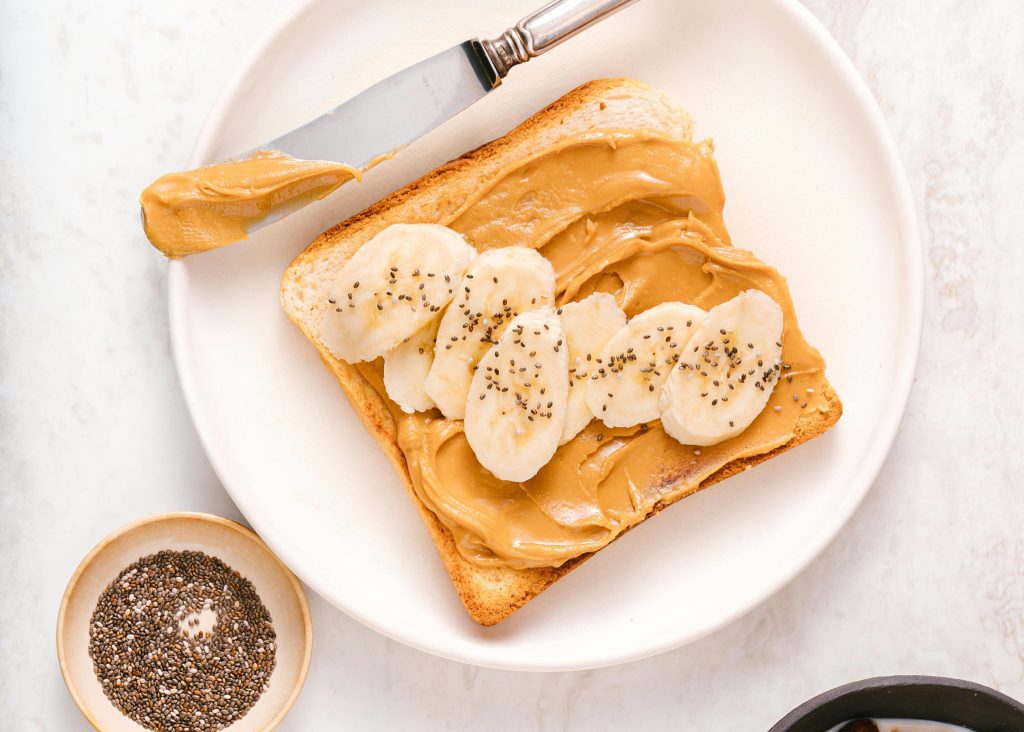
If you need an evening snack, choose foods combining complex carbohydrates with small amounts of protein or fat. A banana with almond butter, whole grain crackers with cheese, or Greek yoghurt with berries all provide sustained energy without causing blood sugar spikes.
Avoid these within 3-4 hours of bedtime:
Spicy foods that can trigger reflux and raise body temperature. Heavy, fatty meals that slow digestion and cause discomfort. High-sugar foods that spike blood glucose and insulin. Excessive liquids that increase nighttime bathroom visits.
Your pre-bed snack should contain fewer than 200 calories if needed at all. Many people sleep better completely finishing eating 3-4 hours before bed.
Caffeine and Alcohol Management
Caffeine blocks adenosine receptors in your brain. Adenosine accumulates throughout the day, building “sleep pressure” that makes you feel increasingly tired. Caffeine prevents you from sensing this tiredness by occupying the receptors adenosine would normally bind to.
Caffeine’s half-life averages 5-6 hours, meaning that if you consume 200mg at 4 PM, 100mg remains active at 10 PM. However, quarter-life matters more for sleep—the time it takes to eliminate 75% of caffeine. This extends to 10-12 hours for many people.
Set a personal caffeine curfew based on your bedtime. If you sleep at 10 PM, consume your last caffeine by 2 PM at the latest. For better sleep optimisation, consider stopping by noon.
Alcohol presents a particularly deceptive problem. Yes, it helps you fall asleep faster by acting as a sedative. But alcohol severely disrupts sleep architecture, reducing deep sleep and fragmenting REM sleep. You might spend 8 hours in bed but wake feeling unrested.
Research tracking sleep with polysomnography found that even moderate alcohol consumption (2-3 drinks) reduced sleep quality by 24% and decreased REM sleep by up to 35%. Alcohol also increases bathroom visits and worsens sleep apnoea symptoms.
If you choose to drink, finish your final beverage at least 3-4 hours before bed, allowing time for metabolism before sleep. Your sleep quality will thank you.
Exercise and Sleep Interaction

Physical activity represents one of the most powerful sleep optimisation tools available. Regular exercisers fall asleep faster, accumulate more deep sleep, and wake feeling more refreshed than sedentary individuals.
How Exercise Improves Sleep Quality
Exercise enhances sleep through multiple complementary mechanisms. Physical activity increases adenosine accumulation (building sleep pressure), raises core body temperature during the workout (leading to greater cooling at night), reduces anxiety and stress hormones, and causes physical fatigue that makes sleep more compelling.
A 2022 study at the University of Oxford tracking 30,000 individuals found that those exercising 150+ minutes weekly experienced 65% better sleep quality compared to inactive participants. The relationship held across all exercise types—resistance training, cardio, sports, even regular walking.
Moderate-intensity aerobic exercise produces the most consistent sleep benefits. Activities like brisk walking, cycling, swimming, or jogging for 30-60 minutes help most people sleep better. You don’t need exhausting workouts—in fact, excessive training intensity can impair sleep by elevating stress hormones.
Resistance training also improves sleep, particularly deep sleep phases. Lifting weights 2-3 times weekly provides both sleep and muscle-building benefits. The combination of cardiovascular and resistance training produces optimal results.
Timing Exercise for Sleep Optimisation
Morning exercise offers several sleep-supporting benefits beyond the workout itself. Early activity provides bright light exposure, establishes a consistent wake time, and creates clear separation between active and rest periods. Many people find morning workouts energising without affecting evening sleepiness.
Afternoon exercise (2-6 PM) might be optimal for sleep quality. Your body temperature and muscle strength peak during this window, allowing better workout performance. The subsequent temperature decline aligns well with evening sleep preparation.
Evening exercise requires individual testing. Traditional advice warned against late workouts due to elevated temperature and adrenaline. However, research from the University of Cambridge found that moderate exercise finishing 1-2 hours before bed actually improved sleep for most people.
The exception: high-intensity interval training or competitive sports close to bedtime can disrupt sleep in sensitive individuals due to significant adrenaline and cortisol elevation. If you exercise intensely in the evening, monitor your sleep quality carefully.
Consistency matters more than specific timing. Better to maintain a sustainable evening exercise schedule than skip workouts because you can’t manage morning sessions.
Technology and Sleep Optimisation Tools
Modern technology creates both sleep problems and solutions. Understanding which tools genuinely help versus which merely provide expensive placebo effects guides smarter choices.
Sleep Tracking Devices
Wearable sleep trackers from Fitbit, Oura, WHOOP, Apple Watch, and others use movement patterns and heart rate variability to estimate sleep stages. These devices can identify trends in sleep duration, consistency, and quality over time.
However, consumer sleep trackers cannot match the accuracy of polysomnography (medical sleep studies). They misclassify sleep stages 20-30% of the time and sometimes register wakefulness as light sleep or vice versa. Use them for trend analysis rather than obsessing over individual night metrics.
The most valuable metrics from sleep trackers include: total sleep time, sleep consistency (how much your sleep schedule varies), resting heart rate trends (elevated RHR often indicates inadequate recovery), and sleep onset time (how long falling asleep takes).
Avoid “orthosomnia”—the obsessive pursuit of perfect sleep metrics that ironically worsens sleep through anxiety. If checking your sleep data stresses you out or makes you feel worse about your sleep, stop tracking. Subjective sleep quality (“Do I feel rested?”) matters more than any device metric.
Apps and Digital Tools
Several apps provide evidence-based sleep improvement tools. Cognitive behavioural therapy for insomnia (CBT-I) apps like Sleepio deliver structured programmes proven to help chronic insomnia. These typically cost £40-80 for full programmes but offer better long-term results than sleep medications.
Meditation and breathing apps including Calm, Headspace, and Insight Timer provide guided relaxation exercises specifically designed for sleep. Ten minutes of guided meditation before bed helps many people transition into sleep more easily.
White noise and soundscape apps offer customisable audio environments. Experiment with different sounds—rain, ocean waves, brown noise, pink noise—to discover what works best for you. Many are free with acceptable quality.
Blue light filtering apps (f.lux, Night Shift) automatically adjust screen colour temperature based on time of day. These reduce blue light exposure from devices but don’t eliminate it completely. Better still: stop using screens 1-2 hours before bed.
Smart Home Integration
Programmable thermostats allow automated temperature scheduling. Set your bedroom to cool 1-2 hours before bedtime, maintain coolness overnight, and gradually warm before your wake time. This automation removes the friction of manual adjustments.
Smart lighting systems can gradually dim throughout the evening, mimicking sunset. Philips Hue, LIFX, and similar systems offer circadian rhythm programming that adjusts both brightness and colour temperature. Morning gradual brightening mimics sunrise, easing you awake naturally.
Smart plugs can automatically disable bedroom electronics at a set time, eliminating standby lights and removing temptation to use devices. Set bedroom electronics to power off at 9:30 PM if your bedtime is 10 PM.
These technologies work best when integrated into consistent routines rather than constantly adjusted. Set optimal parameters and let automation handle the execution.
Common Sleep Challenges and Solutions
Even with solid fundamentals, specific challenges arise that require targeted solutions. Here are the most frequent obstacles and evidence-based approaches for overcoming them.
Challenge 1: Racing Thoughts and Inability to “Switch Off”
Why it happens: Your brain remains in problem-solving mode, cycling through worries, tasks, and unresolved issues. Stress hormones remain elevated, preventing the relaxation necessary for sleep onset.
Solutions: Implement a “worry dump” 1-2 hours before bed. Spend 10 minutes writing down everything on your mind—tasks, concerns, ideas, anything circulating mentally. This externalises the thoughts, signalling to your brain that they’re captured and don’t need active rehearsal.
Practice the 4-7-8 breathing technique developed by Dr. Andrew Weil: breathe in through your nose for 4 counts, hold for 7 counts, exhale through your mouth for 8 counts. Repeat 4 cycles. This activates your parasympathetic nervous system, promoting relaxation.
If you’re still awake after 20 minutes in bed, leave the bedroom and do something genuinely boring in dim light (read a dull book, fold laundry). Return to bed only when you feel sleepy. This prevents your brain from associating your bed with wakefulness and frustration.
Challenge 2: Waking During the Night and Struggling to Return to Sleep
Why it happens: Everyone wakes briefly 4-6 times per night between sleep cycles. Most people immediately return to sleep without remembering these awakenings. Problems occur when you become fully alert during these transitions.
Solutions: Keep your bedroom completely dark (even digital clock displays can trigger alertness). If you wake, resist checking the time—time anxiety prevents sleep return. Simply close your eyes and focus on slow, rhythmic breathing.
Body scanning meditation works brilliantly for middle-of-night awakenings. Starting at your toes, progressively relax each body part, moving slowly upward. Most people fall back asleep before completing the scan.
Avoid these when waking at night: checking your phone (the light and potential stress triggers create alertness), turning on bright lights (use dim red nightlights for bathroom visits if needed), engaging in problem-solving or planning (save it for morning).
Challenge 3: Early Morning Awakening
Why it happens: Blood sugar drops, cortisol rises naturally around 4-5 AM, or your sleep pressure was insufficient due to daytime napping or inconsistent schedules.
Solutions: Ensure adequate carbohydrate intake at dinner to maintain stable overnight blood sugar. A small bedtime snack combining protein and complex carbohydrates helps some people (cheese and crackers, Greek yoghurt with berries).
Increase your sleep pressure by eliminating naps and maintaining vigorous physical activity during the day. Building strong sleepiness signals helps maintain sleep through early morning hours.
If early waking persists despite good sleep hygiene, consult your GP. This pattern sometimes indicates depression, anxiety disorders, or sleep apnoea, all requiring professional treatment.
Challenge 4: Shift Work and Irregular Schedules
Why it happens: Your circadian rhythm cannot fully adapt to frequently changing sleep schedules. Rotating shifts particularly disrupt sleep biology.
Solutions: Use bright light strategically. Night shift workers should expose themselves to bright light during their “day” (working hours) and wear blue-blocking glasses during their commute home. Create complete darkness during sleep periods using blackout curtains and eye masks.
Take melatonin 30 minutes before your desired sleep time (which might be 9 AM after a night shift). This helps signal sleep initiation despite external light exposure.
Maintain as much schedule consistency as possible. If working nights, try to keep the same sleep schedule on days off rather than switching back to day schedule. Frequent switching prevents any circadian adaptation.
Challenge 5: Partner Sleep Incompatibility
Why it happens: Different chronotypes, snoring, restless movement, or temperature preferences create conflicts between sleeping partners.
Solutions: Separate duvets immediately solve temperature preference differences and reduce disturbance from partner movement. Many UK couples sleep better with individual duvets rather than sharing.
If snoring is the issue, address the underlying cause. Side sleeping reduces snoring for many people (sew a tennis ball into the back of their pyjama top to prevent back-sleeping). Persistent, loud snoring suggests sleep apnoea—encourage your partner to discuss this with their GP.
Different chronotypes might require different bedtime routines. The night owl can read or listen to podcasts with headphones whilst the morning lark sleeps. Use separate alarm systems (vibrating wristbands work well for one partner whilst the other sleeps undisturbed).
When all else fails, separate bedrooms isn’t failure—it’s prioritising both partners’ health. Many happy couples sleep separately and maintain healthy relationships.
Challenge 6: Travel and Jet Lag
Why it happens: Crossing time zones forces misalignment between your internal circadian rhythm and external time cues.
Solutions: Start adjusting before travelling. For eastward travel (advancing your clock), wake 30 minutes earlier each day for 3-4 days before departure. For westward travel (delaying your clock), stay up 30 minutes later.
Upon arrival, immediately adopt local meal and sleep times regardless of how you feel. Exposure to bright morning light in your new time zone accelerates adjustment. Spend time outdoors during local morning hours.
Melatonin (0.5-1mg) taken at your destination’s bedtime helps shift your rhythm. Avoid afternoon naps longer than 20 minutes, which reduce sleep pressure and slow adjustment.
Challenge 7: Age-Related Sleep Changes
Why it happens: Ageing naturally reduces deep sleep, advances circadian phase (becoming more of a morning person), and often introduces medical conditions affecting sleep.
Solutions: Accept that sleep architecture changes with age—you might need 7 hours instead of 8, and that’s perfectly fine. Focus on sleep quality and daytime functioning rather than arbitrary duration targets.
Earlier sleep timing often works better for older adults. If you naturally feel sleepy at 9 PM, embrace it rather than forcing yourself to stay up until 11 PM to match social norms.
Address age-related medical issues affecting sleep: prostate enlargement causing frequent urination, chronic pain, medication side effects. Work with your GP to manage these contributors.
Challenge 8: Anxiety and Stress-Related Insomnia
Why it happens: Chronic stress keeps your hypothalamic-pituitary-adrenal axis activated, maintaining elevated cortisol and adrenaline that prevent sleep initiation and maintenance.
Solutions: Progressive muscle relaxation systematically tenses and releases each muscle group, reducing physical tension that accompanies anxiety. Many free guided audio recordings walk through the process.
Cognitive behavioural therapy for insomnia (CBT-I) addresses the thought patterns and behaviours perpetuating insomnia. This structured approach works better than sleep medications for chronic insomnia with effects lasting long after treatment ends.
If anxiety persists despite sleep hygiene improvements, consult your GP. Anxiety disorders require proper treatment—attempting to fix sleep alone whilst underlying anxiety goes unaddressed rarely succeeds.
Sample Sleep Optimisation Programmes
Transforming your sleep requires systematic implementation rather than random experimentation. These progressive plans provide structured approaches for different starting points.
Beginner Programme: Sleep Foundation (Weeks 1-4)
1: Establish Consistency
- Choose a wake time you can maintain daily (including weekends)
- Set a bedtime allowing 8 hours of sleep opportunity
- Use an alarm for both bedtime reminder and wake time
- Track your actual sleep time to establish baseline
2: Environmental Optimisation
- Install blackout curtains or obtain an eye mask
- Set bedroom temperature to 16-18°C
- Remove or cover all light-emitting devices
- Introduce white noise if noise disrupts sleep
3: Light Exposure Management
- Get 10-15 minutes outdoor light within 1 hour of waking
- Dim household lights after 8 PM
- Stop screen use 1 hour before bedtime
- Use warm lighting (below 2700K) in evening spaces
4: Evening Routine Development
- Implement the 3-2-1 rule (last meal 3 hours before bed, work 2 hours before, screens 1 hour before)
- Develop a 30-minute wind-down routine (reading, stretching, journaling)
- Practice 4-7-8 breathing before sleep
- Assess improvements and identify remaining challenges
Expected Outcomes: Reduced sleep onset time, increased sleep consistency, improved morning alertness. Most people add 30-45 minutes of actual sleep time through improved efficiency.
Intermediate Programme: Sleep Refinement (Weeks 5-8)
Assuming you’ve established basic sleep hygiene, now optimise specific elements.
5: Chronotype Alignment
- Identify your natural chronotype through sleep diary tracking
- Adjust sleep timing by 15-30 minutes to better match natural preferences
- Schedule demanding tasks during your optimal alertness periods
- Refine light exposure timing to support your target schedule
6: Physical Activity Integration
- Establish regular exercise 4-5 days weekly
- Experiment with different exercise timing to find what works best
- Ensure at least 150 minutes total weekly moderate activity
- Monitor how exercise affects same-night sleep quality
7: Nutrition Optimisation
- Implement caffeine curfew (no caffeine after 2 PM)
- Complete evening meals 3+ hours before bedtime
- Experiment with sleep-supporting foods (tart cherry juice, kiwi)
- Address any alcohol consumption patterns affecting sleep
8: Advanced Environment Tweaking
- Assess mattress and pillow quality (replace if older than 7-8 years)
- Optimise bedding materials for temperature regulation
- Consider sleep tracking for objective data
- Fine-tune temperature, darkness, and sound based on detailed observations
Expected Outcomes: Higher sleep efficiency (>85%), consistent 7-8 hours nightly, reduced night waking, enhanced subjective sleep quality.
Advanced Programme: Sleep Mastery (Weeks 9-12)
For those seeking elite-level optimisation after mastering fundamentals.
9: Supplement Experimentation
- Begin magnesium glycinate (200-400mg) 1-2 hours before bed
- Add glycine (3g) if needed for sleep onset
- Test apigenin (50-100mg) for its calming effects
- Track each supplement individually before combining
10: Recovery Enhancement
- Implement post-dinner walks to support digestion
- Add morning sunlight exposure to strengthen circadian signals
- Introduce strategic napping if schedule allows (power naps only)
- Optimise sleep position for spinal alignment and breathing
11: Technology Integration
- Install smart lighting with circadian rhythm programming
- Use programmable thermostat for automated temperature cycling
- Implement blue light filtering on all evening devices
- Consider wearable sleep tracker for trend analysis
12: Stress Management Integration
- Develop evening worry dump practice
- Learn progressive muscle relaxation
- Practice cognitive defusion techniques for racing thoughts
- Build morning mindfulness routine to set daily tone
Expected Outcomes: Sleep efficiency exceeding 90%, minimal sleep onset time (under 15 minutes), rare night waking, consistently high subjective sleep quality, optimised daytime performance.
Tools, Resources and Recommendations
Investing strategically in sleep optimisation provides exceptional return on investment given how profoundly quality sleep affects every aspect of life.
Essential Equipment
Blackout Solutions: Blockout curtains from Dunelm, Argos, or Amazon UK range from £30-80 per window depending on size and quality. Alternatively, blackout blinds like those from Bloc Blinds (£60-120) mount inside window frames. Budget option: blackout fabric from fabric shops (£10-15/metre) attached with Velcro.
Temperature Control: Programmable thermostats (Hive, Nest, Tado) cost £120-200 and quickly pay for themselves through both improved sleep and energy savings. Cheaper option: simple mechanical timer switches (£10-15) can control bedroom heaters or fans on a schedule.
White Noise Machines: Dedicated devices like LectroFan (£50-70) or Yogasleep Dohm (£40-50) provide consistent audio without the battery drain and notification temptation of smartphones. Budget alternative: a simple desk fan (£15-25) provides similar masking effects.
Quality Bedding: Breathable cotton or bamboo sheets (£30-60 for a set) regulate temperature better than synthetic materials. Memory foam or latex pillows (£40-80) maintain support longer than traditional pillows. Replace pillows every 1-2 years, mattresses every 7-10 years.
Sleep Tracking Technology
Budget Options: Most modern smartphones include basic sleep tracking through built-in health apps (Apple Health, Google Fit). These use movement sensing to estimate sleep duration and provide free baseline tracking.
Mid-Range: Fitbit devices (£80-200) offer dedicated sleep tracking with heart rate monitoring, sleep stage estimation, and sleep score calculations. Good for trend analysis without overwhelming data.
Premium Options: Oura Ring (£300+) and WHOOP Strap (£216/year) provide detailed recovery metrics, heart rate variability analysis, and personalised recommendations. Best for serious athletes or those seeking comprehensive health tracking.
Note: Don’t obsess over device metrics. If tracking increases anxiety about sleep, stop tracking and focus on how you actually feel.
Recommended Apps
Free Options:
- Insight Timer: 45,000+ free guided meditations including sleep-specific content
- f.lux (desktop) or Twilight (Android): Automated blue light filtering
- White Noise Lite: Basic sound generation for free
- Sleep Cycle: Free version provides sleep tracking and smart alarm
Paid Options (typically £5-10/month or £40-80 annually):
- Sleepio: Clinically proven CBT-I programme
- Calm or Headspace: Comprehensive meditation libraries with sleep sections
- Pzizz: Algorithmically generated soundscapes for sleep
- Sleep Reset: Personalised sleep coaching combining CBT-I with ongoing support
Books and Further Learning
Essential Reading:
- “Why We Sleep” by Matthew Walker: Comprehensive overview of sleep science and importance
- “The Sleep Solution” by Chris Winter: Practical guide from a clinical sleep specialist
- “Sleep Smarter” by Shawn Stevenson: Accessible strategies for better sleep
Websites and Podcasts:
- Sleep Foundation (sleepfoundation.org): Evidence-based articles on all sleep topics
- Huberman Lab Podcast: Episodes on sleep optimisation by Andrew Huberman
- NHS Sleep Advice: Reliable UK-specific guidance (nhs.uk/live-well/sleep)
Success Metrics and Progress Tracking
Measuring sleep improvement requires both objective data and subjective assessment. Use these metrics to evaluate your progress and identify remaining opportunities.
What to Track
Essential Metrics:
- Sleep onset time: How long falling asleep takes (aim for under 20 minutes)
- Wake time consistency: Daily variation in wake times (aim for under 30 minutes)
- Sleep efficiency: Time asleep divided by time in bed (aim for above 85%)
- Morning alertness rating: 1-10 scale assessing how you feel upon waking
Supplementary Metrics:
- Night-time awakenings: Frequency and duration of remembered wake episodes
- Daytime energy: 1-10 scale assessed at afternoon low point
- Caffeine dependency: Cups/servings needed to function normally
- Weekend sleep need: Extra sleep required on days off (should be minimal with good sleep)
Assessment Frequency
Track essential metrics daily for the first month to establish baseline patterns. After initial optimisation, weekly averages provide sufficient data without becoming obsessive.
Review comprehensive metrics monthly. Look for trends rather than individual night variations. One poor sleep night means nothing; consistently poor metrics indicate needed adjustments.
Schedule quarterly deep assessments examining overall life impact: work performance, relationship quality, physical health markers, and mental wellbeing. Sleep improvements should manifest in all these areas.
Realistic Timelines
Week 1-2:
Initial improvements in sleep onset time and morning alertness as basic hygiene is established.
Week 3-6:
Sleep consistency stabilises, night waking reduces, sleep efficiency improves measurably.
Week 7-12:
Deep optimisation produces peak subjective quality, reduced caffeine dependency, improved daytime functioning across all domains.
Month 4+:
Sleep becomes automatic, requiring minimal conscious effort. Benefits compound across physical health, cognitive performance, and emotional regulation.
Patience matters. Your body requires 2-3 weeks to fully adapt to any sleep schedule change. Give new strategies adequate time before concluding they don’t work.
Comprehensive FAQ
How much sleep do I actually need?
Individual sleep needs vary, but most adults function optimally on 7-9 hours nightly. About 5% of people carry genetic variations allowing them to function well on 6 hours (true short sleepers), whilst another 5% require 9+ hours. The crucial test: do you wake naturally without alarms feeling refreshed and maintain stable energy throughout the day? If yes, you’re getting adequate sleep regardless of duration.
Can I “catch up” on lost sleep during weekends?
Partially, yes. One night of extended sleep can restore some cognitive function after short-term sleep deprivation. However, chronic sleep debt accumulated over weeks or months cannot be fully repaid with weekend lie-ins. Additionally, sleeping significantly later on weekends disrupts your circadian rhythm, making Monday morning more difficult. Better approach: maintain consistent timing and address the root causes preventing adequate weeknight sleep.
Do sleep medications help or harm long-term sleep quality?
Most sleep medications (benzodiazepines, Z-drugs like zopiclone) produce sedation rather than natural sleep. They alter sleep architecture, reducing deep sleep and REM sleep whilst creating dependency that makes stopping difficult. Research consistently shows CBT-I produces better long-term outcomes without side effects. Occasionally using sleep medication during acute stress or travel is reasonable, but nightly use should be avoided. If you currently take sleep medication regularly, work with your GP on gradual tapering whilst implementing behavioural strategies.
Why do I sleep poorly before important events?
Anticipatory anxiety activates your stress response system, elevating cortisol and adrenaline levels that directly oppose sleep initiation. Your brain perceives the upcoming event as a threat requiring vigilance. Ironically, worrying about poor sleep worsens the problem by creating additional anxiety. The solution: accept that slightly reduced sleep before big events is normal and won’t significantly impair performance. Focus on relaxation rather than forcing sleep. Most people perform adequately on one night of poor sleep due to adrenaline compensating for tiredness.
Is napping good or bad for night-time sleep?
Context dependent. Brief power naps (10-20 minutes) taken before 3 PM provide alertness without affecting night sleep for most people. Longer naps or late afternoon naps reduce sleep pressure, making bedtime sleep onset more difficult. If you have insomnia or struggle falling asleep at night, eliminate all napping to build stronger sleep pressure. If you sleep well generally, strategic napping can enhance daily performance without negative consequences.
How does alcohol really affect my sleep?
Alcohol acts as a sedative that speeds sleep onset but significantly disrupts sleep quality. It suppresses REM sleep during the first half of the night, then causes REM rebound with increased dreaming, night waking, and lighter sleep during the second half. Alcohol also relaxes throat muscles (worsening sleep apnoea and snoring), increases bathroom trips, and impairs thermoregulation. Research shows even moderate drinking (2-3 drinks) reduces sleep quality by 24%. If you drink, finish at least 3-4 hours before bedtime to allow metabolism.
What should I do if I can’t sleep after 20 minutes?
Leave your bedroom and do something genuinely boring in dim light—read a dull book, fold laundry, listen to a podcast. Return to bed only when you feel sleepy. This prevents your brain from associating bed with frustration and wakefulness. Never check the time obsessively or engage with stimulating content. The goal is boring relaxation, not productive activity. Repeat as needed throughout the night without stress or self-judgment.
Does room temperature really matter that much?
Absolutely. Your core body temperature must drop 1-2°C to initiate and maintain quality sleep. Sleeping in a cool room (16-19°C) facilitates this temperature drop, whilst warm rooms prevent it. Research consistently shows people sleeping in optimal temperatures experience longer deep sleep phases and reduced night waking. Individual preferences vary slightly, but most people sleep measurably better in cooler environments than they realize. Experiment systematically rather than relying on what feels comfortable initially.
How do I stop waking up at 3 AM every night?
This pattern often indicates blood sugar fluctuations, elevated cortisol, or incomplete sleep cycles. Solutions: ensure adequate carbohydrates at dinner, consider a small bedtime snack combining protein and complex carbs, address daytime stress through meditation or therapy, eliminate afternoon caffeine completely, and increase daytime physical activity to build stronger sleep pressure. If the pattern persists despite optimisation, consult your GP—this sometimes indicates depression, anxiety disorders, or sleep apnoea requiring professional treatment.
Should I keep my bedroom completely device-free?
Ideally, yes. Phones, tablets, and laptops emit blue light, provide constant temptation for “quick checks,” and associate your bedroom with work and stimulation rather than rest. Charging devices outside your bedroom removes temptation and reduces EMF exposure (though EMF effects on sleep remain scientifically unclear). If you must keep your phone for emergencies or as an alarm, place it across the room, face down, and use greyscale mode with all notifications disabled. Better solution: buy an actual alarm clock (£10-20).
Does sleep position affect quality?
Moderately. Back sleeping with appropriate neck support allows neutral spinal alignment but increases snoring and sleep apnoea risk. Side sleeping (particularly left side) reduces reflux risk and improves breathing for most people. Stomach sleeping often strains neck and lower back. Your natural position during sleep matters more than forced positioning—your body will shift as needed. Focus on mattress and pillow quality providing proper support rather than obsessing over position.
How long does it take to see improvements?
Basic interventions (consistent timing, improved darkness, temperature optimisation) often produce noticeable changes within 3-7 days. Complete circadian rhythm adaptation to new schedules requires 2-3 weeks. Full sleep optimisation with integrated lifestyle changes shows maximum benefit after 6-12 weeks of consistent implementation. Individual responses vary—some people experience dramatic improvement immediately whilst others show gradual, cumulative gains. Patience and consistency outperform aggressive but unsustainable changes.
Can I train myself to need less sleep?
No. Sleep requirements are primarily genetically determined. Whilst you can adapt somewhat to suboptimal sleep, chronic restriction accumulates cognitive deficits, health risks, and emotional dysregulation that you may not consciously recognize. People who claim to function well on 4-5 hours typically show objective impairments in reaction time, decision-making, and emotional control despite subjectively feeling fine. The rare true short sleepers (requiring only 5-6 hours) carry specific genetic variations—you cannot develop this through training.
What about blue light blocking glasses?
Blue light blocking glasses worn in the evening reduce blue light exposure from screens and artificial lighting, theoretically supporting melatonin production. Research shows mixed results—some studies demonstrate improved sleep onset, others show minimal effect. They’re more effective than doing nothing but less effective than simply avoiding screens entirely. If you must use screens in the evening, blue blockers are a reasonable compromise. Choose glasses blocking 90%+ of blue light (amber or red-tinted lenses) rather than marketing gimmicks with clear lenses blocking minimal blue light.
Should I worry about sleep trackers showing poor deep sleep?
Consumer sleep trackers cannot accurately measure sleep stages—they estimate based on movement and heart rate patterns. Medical-grade polysomnography requires EEG monitoring. Your tracker’s sleep stage estimates might be completely inaccurate. More importantly, obsessing over metrics often worsens sleep through anxiety. If you feel rested and function well during the day, your sleep is probably fine regardless of tracker data. If you genuinely feel unrested despite adequate opportunity for sleep, consult your GP rather than trying to self-diagnose from tracker data.
Conclusion
Sleep optimisation transforms every aspect of your life—physical health, cognitive performance, emotional resilience, and overall wellbeing all depend fundamentally on quality sleep. Yet modern life systematically disrupts the biological processes supporting healthy sleep through artificial lighting, inconsistent schedules, excessive stimulation, and chronic stress.
The good news? You possess complete control over most factors affecting your sleep quality.
Key Takeaways:
- Consistency in sleep-wake timing outweighs virtually every other intervention
- Strategic light exposure (bright mornings, dim evenings) powerfully regulates your circadian rhythm
- Environmental optimisation (darkness, coolness, quietness) provides the foundation for quality sleep
- The 3-2-1 rule (meals 3 hours before, work 2 hours before, screens 1 hour before) structures evenings effectively
- Exercise, nutrition timing, and caffeine management significantly impact sleep quality
- Most sleep supplements offer modest benefits at best—fix fundamentals first
Three Actions to Take Today:
- Choose a consistent wake time you can maintain seven days weekly and set both bedtime and wake alarms
- Get 10-15 minutes of outdoor light exposure within one hour of waking tomorrow morning
- Remove or cover all light-emitting devices from your bedroom tonight
Sleep optimisation isn’t complicated, but it does require consistency and systematic implementation. Start with the fundamentals, assess your progress honestly, and refine based on your individual response. The investment pays remarkable dividends across every domain of your life.
Your transformation begins tonight.


