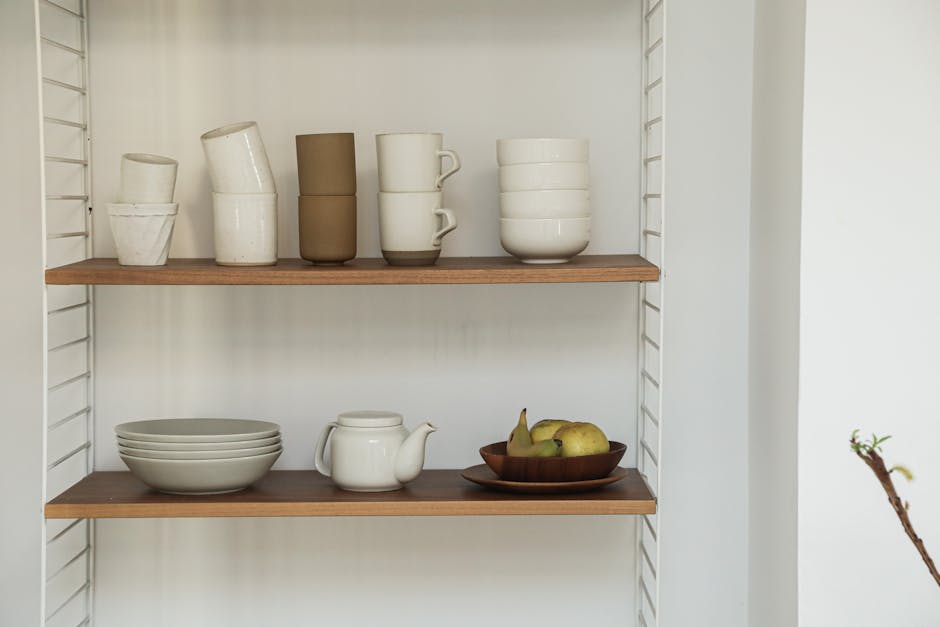
Small kitchen organization ideas can transform even the tiniest cooking space from chaotic to calm. Picture this: you’re trying to make dinner, but you can’t find the colander, your spices are scattered across three different cupboards, and there’s zero counter space to actually chop anything. Sound familiar?
Related reading: Small Kitchen Organization Ideas That Double Your Storage Space.
Most kitchens in UK homes aren’t designed for serious cooking. They’re compact, oddly shaped, and lacking in storage. Yet somehow, you’re expected to fit pots, pans, appliances, food, dishes, and everything else into what feels like a glorified cupboard. The good news? Smart organization can genuinely double or triple your usable space without knocking down walls or spending a fortune.
Common Myths About Kitchen Organization
Related reading: Complete Gluten Free Diet Guide for Beginners with Meal Ideas.
Myth: You need expensive custom storage solutions
Reality: Most effective small kitchen organization ideas cost under £20 to implement. Simple tension rods, stackable containers, and basic drawer dividers solve 80% of storage problems. Custom solutions look impressive in magazines, but they’re rarely necessary for functional storage. Focus on smart use of existing space first.
Myth: Small kitchens can’t handle serious cooking
Reality: Professional chefs often prefer compact work triangles because everything stays within reach. The limitation isn’t space itself but how you organize it. With proper small kitchen organization ideas, you can prep elaborate meals more efficiently than in a sprawling kitchen where you’re constantly walking back and forth.
Myth: You have to see everything to stay organized
Reality: Open shelving looks trendy but creates visual clutter and dust problems. Strategic hidden storage actually makes small kitchens feel larger and more peaceful. Keep counters clear and store items near where you’ll use them, whether they’re visible or not.
Vertical Space: Your Secret Weapon for Kitchen Storage
You might also enjoy: Building a Home Gym: Create Your Perfect Training Space.
Look up. Seriously. That empty wall space between your counter and ceiling is prime real estate you’re probably wasting.
Install hooks underneath wall-mounted cupboards to hang mugs, measuring cups, or cooking utensils. This simple trick clears drawer space whilst keeping daily-use items accessible. Magnetic knife strips mounted on walls free up counter space and knife blocks. They work for metal spice tins too, creating an attractive, functional display.
Tension rods placed vertically inside deep cupboards transform them into dividers for baking trays and cutting boards. No more avalanche when you pull one item out. These small kitchen organization ideas cost pennies but solve massive frustration points.
Wall-mounted rail systems with S-hooks provide flexible storage that adapts as your needs change. Hang pots, pans, colanders, and whisks within arm’s reach of your hob. According to research on kitchen efficiency, keeping frequently used items within a 90cm radius of your primary work area reduces cooking time by up to 25%.
Ceiling-mounted pot racks work brilliantly in kitchens with high ceilings, though they’re less practical in standard UK new builds with their 2.4-metre heights. Consider pegboard instead. Mount a section on an empty wall and arrange hooks to hold everything from wooden spoons to tea towels. Reconfigure whenever needed.
Corner Solutions That Actually Make Sense
Corner cupboards are where kitchen items go to die. You shove something in there, and it vanishes into the void until you move house.
Lazy Susans revolutionize corner storage. Place one on a deep corner shelf, and suddenly those awkward spaces become prime storage for oils, vinegars, and condiments. Spin to find what you need without excavating the entire cupboard. Use a second lazy Susan for spices near your cooking area.
Tiered corner organizers maximize vertical space within cupboards. These stepped shelves let you see everything at once rather than stacking items where only the top layer stays visible. Perfect for tins, jars, and packets.
Pull-out corner drawers are worth considering if you’re doing any renovation work. They’re pricier than other small kitchen organization ideas but transform dead corner space into fully accessible storage. Some systems reveal up to 40% more usable space compared to standard corner cupboards.
The diagonal approach
Position dish racks or storage containers diagonally in corner cupboards rather than squared up against the back wall. This simple angle change makes items easier to reach and prevents that frustrating corner-cupboard tunnel vision.
Drawer Organization That Prevents Chaos
Random utensils rattling around loose drawers create daily frustration. Sort it once, and you’ll save time every single day.
Expandable drawer dividers fit any drawer size and create designated homes for utensils, gadgets, and tools. Group items by function: baking tools together, everyday cutlery together, serving pieces together. When everything has a specific spot, putting things away becomes automatic.
Deep drawer organizers with adjustable pegs work brilliantly for pots, pans, and lids. Stand items vertically rather than stacking them, so you can lift one out without disturbing the rest. These small kitchen organization ideas particularly help with those awkward pot lid situations where you’re juggling three lids to find the right one.
Bamboo organizers look smart and naturally resist moisture and bacteria. They’re particularly good choices for cutlery drawers. Something like an expandable bamboo tray gives you flexibility as your utensil collection changes over time.
Create a junk drawer system using small containers or ice cube trays. Batteries, twist ties, rubber bands, and takeaway menus need homes too. Corral them in specific compartments so your junk drawer becomes an organized catchall rather than a chaotic mess.
The spice drawer solution
Spices stored in a drawer (rather than a cupboard) stay more organized and easier to scan. Use stepped organizers or simply arrange jars on their sides with labels facing up. You’ll see every spice instantly rather than pawing through three rows searching for paprika.
Cabinet Door Opportunities Most People Miss
Cabinet doors offer surprisingly useful storage space that typically sits empty.
Over-door organizers with shallow baskets hold cleaning supplies, sandwich bags, or cling film. These work inside cupboard doors under the sink or on pantry doors. Command hooks mounted inside cupboard doors create hanging space for measuring spoons, oven gloves, or tea towels without requiring permanent fixtures.
Adhesive spice racks stuck to the inside of cupboard doors keep seasonings organized and hidden. This approach works particularly well if you’ve got matching spice jars. The visual cohesion makes scanning for the right spice quicker.
Wire racks designed for cabinet doors can hold pot lids, plastic container lids, or cutting boards vertically. These small kitchen organization ideas prevent the frustrating situation where you need one lid and the entire stack comes crashing down.
Tension rods placed inside deep cupboards create hanging space for spray bottles, giving you easier access to cleaning products. Mount them horizontally near the top of under-sink cupboards.
Pantry and Food Storage Strategies
Even without a proper pantry, smart food storage dramatically increases usable kitchen space.
Clear, airtight containers transform chaotic packet collections into tidy, stackable storage. Decant cereals, pasta, rice, flour, and sugar into matching containers. You’ll save space, keep food fresher longer, and actually see what you have before buying duplicates. Square or rectangular containers utilize shelf space more efficiently than round ones.
Can organizers that stack tins on an angle make it easy to see labels whilst doubling storage capacity. These work in cupboards or pantries and prevent the classic “tin graveyard” situation where expired goods hide at the back for years.
Door-mounted pantry organizers add multiple shelves of storage without taking floor or counter space. Perfect for smaller items like stock cubes, spice packets, or snack bars that get lost on deep shelves.
According to NHS guidelines on food safety, proper food storage not only saves space but also reduces waste and helps maintain nutritional value. Seeing what you have prevents duplicate purchases and food going off unused.
The “first in, first out” system
Arrange pantry items with newest purchases at the back and older items at the front. This rotation system means you actually use things before they expire. It sounds obvious, but implementing this simple method dramatically reduces food waste.
Appliance Storage for Infrequently Used Items
Small kitchen organization ideas must address the appliance problem. Toasters, kettles, blenders, food processors, and slow cookers all compete for limited counter and cupboard space.
Appliance garages or dedicated cupboards with plug sockets inside keep counters clear whilst maintaining easy access. Pull out the mixer when needed, then tuck it away after. If built-in solutions aren’t possible, create a coffee or breakfast station on a wheeled cart that rolls into a corner when not in use.
Store bulky appliances you use less frequently elsewhere entirely. That bread maker you use monthly doesn’t need prime kitchen real estate. Move it to a garage, utility room, or even under stairs storage. Keep only daily-use appliances readily accessible.
Vertical appliance storage racks create compact homes for multiple items. Slide toasters, blenders, or mixers onto separate shelves, stacked vertically rather than spreading horizontally across your counter. These racks fit in cupboards or corners and can triple your appliance storage capacity.
The one-in-one-out rule
Before buying any new kitchen appliance or gadget, donate or discard something you already own. This simple rule prevents kitchen storage from steadily degrading as stuff accumulates. Be ruthless about things you haven’t used in six months.
Under-Sink Organization That Maximizes Awkward Space
Under-sink cupboards feature weird pipes and limited height, making them notoriously difficult to organize. But they offer valuable storage if you work with the space constraints rather than against them.
Pull-out sliding drawers designed for under-sink areas navigate around pipes whilst providing easy access to cleaning supplies. These small kitchen organization ideas transform the most awkward cupboard in your kitchen into functional storage.
Tension rods placed horizontally create hanging storage for spray bottles and dish brushes. Use the vertical space around pipes rather than trying to squeeze storage around them. Stackable bins or baskets corral sponges, cloths, and rubbish bags into defined categories.
Over-the-cabinet-door organizers add extra shelves without taking interior space. Perfect for items you grab frequently, like washing-up liquid or hand soap refills.
Safety reminder
Store harsh cleaning chemicals in locked or child-proof containers if you’ve got young children. The Royal Society for the Prevention of Accidents reports that under-sink storage is where most accidental poisoning incidents originate in UK homes.
Refrigerator and Freezer Organization
Small kitchen organization ideas extend inside appliances too. Poor fridge and freezer organization wastes space and money through forgotten food that spoils.
Clear bins inside refrigerators group similar items together. Create zones for dairy, vegetables, condiments, and leftovers. You’ll spot what needs using before it goes off, and you won’t buy duplicate items because you couldn’t see what you already had.
Lazy Susans work inside fridges too, especially for condiments and jars. Spin to see everything rather than digging through multiple rows. Turntables are particularly useful on deep shelves where items naturally migrate to the back and get forgotten.
Label and date leftovers using removable stickers or masking tape. This simple habit prevents mystery containers from lingering for weeks whilst you try to remember what’s inside and whether it’s still safe.
Freezer drawer dividers separate different food categories, making meal planning simpler. Group proteins together, vegetables together, and prepared meals together. You’ll stop forgetting about that bag of peas buried under three months of accumulated frozen goods.
The shelf liner trick
Washable shelf liners make cleaning refrigerator spills infinitely easier. Pull them out, rinse them off, and replace them. This small step saves significant cleaning time and keeps your fridge more hygienic.
Counter Space Creation When You Have None
Limited counter space is the defining challenge of small kitchens. These small kitchen organization ideas create work surfaces where none existed.
Over-the-sink cutting boards extend your counter space right where you need it most for food prep. Choose one that fits securely over your sink dimensions. After chopping vegetables, sweep scraps directly into the sink or compost bin below.
Rolling kitchen carts provide portable counter space and storage. Look for ones with butcher block tops that double as cutting surfaces. Roll them where needed during cooking, then tuck them away afterwards. The bottom shelves offer homes for appliances or ingredients.
Wall-mounted folding tables create instant counter space when needed and fold flat against the wall afterwards. These work particularly well for compact kitchens where permanent counter additions aren’t possible. Some designs include built-in storage shelves.
Invest in nesting bowls, collapsible colanders, and stackable storage containers that minimize cabinet space requirements. When items pack smaller, you free up room for things that can’t collapse.
Your 30-Day Kitchen Organization Action Plan
Tackling everything at once feels overwhelming. Break it down into manageable steps over a month.
- Week 1: Clear and sort everything from cupboards. Donate or discard items you haven’t used in a year. Be honest about that spiralizer you’ve used once.
- Week 2: Implement drawer organization solutions. Install dividers, arrange utensils by function, and create the junk drawer system with small containers.
- Week 3: Add vertical storage solutions. Mount hooks, install magnetic strips, and hang items on walls to free counter and drawer space.
- Week 4: Organize food storage areas. Decant dry goods into clear containers, install can organizers, and implement the first-in-first-out system for your pantry.
Each week builds on the previous one, gradually transforming your kitchen without requiring marathon organization sessions.
Mistakes to Avoid (And How to Fix Them)
Mistake 1: Buying organization products before decluttering
Why it’s a problem: You’ll purchase the wrong sizes and amounts, wasting money on solutions that don’t fit your actual needs. Half the items you’re trying to organize probably don’t deserve space in your kitchen anyway.
What to do instead: Sort through everything first. Ruthlessly eliminate unused items. Then measure your spaces and assess what organization tools you genuinely need. You’ll likely need far fewer products than anticipated.
Mistake 2: Storing items where they look good rather than where you use them
Why it’s a problem: Pretty organization that’s inconvenient won’t last. If you constantly walk across the kitchen for items you need, you’ll eventually abandon the system.
What to do instead: Prioritize function over aesthetics. Store items within arm’s reach of where you’ll use them. Keep pots near the hob, dishes near the dishwasher, and breakfast items near the kettle and toaster.
Mistake 3: Creating systems too complicated to maintain
Why it’s a problem: Elaborate organization schemes with 47 specific categories might work for a week, but they’re not sustainable for real life when you’re tired after work.
What to do instead: Keep systems simple enough that anyone in your household can follow them without thinking. Broad categories and obvious homes for items mean the system maintains itself.
Mistake 4: Filling every available space
Why it’s a problem: Maxing out storage capacity leaves no room for new items or seasonal variations. You’ll struggle to access things packed tightly together.
What to do instead: Aim to fill storage spaces about 80% full. This buffer makes retrieval easier and accommodates the natural ebb and flow of kitchen items throughout the year.
Your Small Kitchen Organization Checklist
- Install hooks under wall cupboards to hang mugs and frequently used tools
- Place lazy Susans in corner cupboards and refrigerator for easy access to items
- Use drawer dividers to create designated homes for every utensil and gadget
- Mount cabinet door organizers for additional hidden storage space
- Decant dry goods into clear, stackable containers to maximize shelf space
- Store appliances you use infrequently outside the kitchen entirely
- Keep counter surfaces mostly clear by storing items vertically on walls
- Label and date leftovers to prevent food waste and mystery containers
Frequently Asked Questions
How much does it cost to properly organize a small kitchen?
Most effective small kitchen organization ideas cost between £30-£80 total. Basic drawer dividers run about £8-£15, a set of clear food storage containers costs £15-£25, and tension rods or hooks add another £5-£15. Start with the cheapest solutions like decluttering and rearranging before investing in products. Many people achieve dramatic improvements spending under £50.
How long does it take to completely organize a small kitchen?
Expect to invest 8-12 hours total over several sessions. Decluttering typically takes 3-4 hours, installing organization solutions requires another 2-3 hours, and arranging everything into final positions adds 2-3 hours more. Spreading the work over a month makes it manageable whilst allowing you to assess what’s working before continuing. Rush jobs rarely create sustainable systems.
Do small kitchen organization ideas work in rental properties?
Absolutely. Focus on removable solutions that don’t require permanent fixtures. Command hooks, tension rods, over-door organizers, and freestanding shelving units transform rental kitchens without risking your deposit. Avoid drilling holes or adhesive solutions that might damage paint. Most landlords appreciate organizational improvements that don’t alter the property permanently.
What should I do first when organizing a tiny kitchen?
Start by removing everything you don’t use regularly. This single step typically frees 30-40% of your kitchen storage immediately. Be ruthless about duplicate items, single-purpose gadgets you rarely use, and chipped or damaged cookware. Once you’ve eliminated the excess, organizing what remains becomes straightforward. Don’t buy organization products until after this decluttering phase.
How can I organize a kitchen with absolutely no counter space?
Over-the-sink cutting boards provide immediate work surfaces for food prep. Rolling carts offer portable counter space that stores away when not needed. Wall-mounted folding tables create temporary surfaces for specific tasks. Additionally, clear your counters completely of appliances and decorative items. Store them in cupboards and retrieve only when actively using them. You need work space more than display space.
Transform Your Kitchen, Transform Your Cooking Experience
Small kitchen organization ideas aren’t about creating magazine-perfect spaces. They’re about making your actual daily cooking experience less frustrating and more efficient.
Start with one area today. Sort that chaotic utensil drawer. Install those hooks under the cupboard. Clear your counters completely. Small changes compound into significant improvements.
Your kitchen might always be compact, but it doesn’t have to feel chaotic. Work with the space you have rather than wishing for more. That shift in perspective makes all the difference.


