# What Staying in a Psych Ward is Really Like: An Honest Account
When someone mentions staying in a psych ward, most people picture scenes from films or TV dramas. The reality? It’s far more ordinary than you’d expect. Staying in a psych ward involves structured routines, therapeutic support, and genuine care from trained staff, though it’s understandably daunting if you’ve never been. For many people experiencing mental health crises in the UK, these units become temporary sanctuaries where recovery can actually begin.
You’re exhausted. Perhaps you’ve been battling intrusive thoughts for months, or your anxiety has reached a point where functioning feels impossible. Your GP has suggested inpatient care, and suddenly you’re facing questions you never imagined asking: What happens when you walk through those doors? Will they take your phone? Can anyone visit? Most importantly, will it actually help?
Let’s Bust Some Myths About Psychiatric Units
Myth: It’s Like Prison
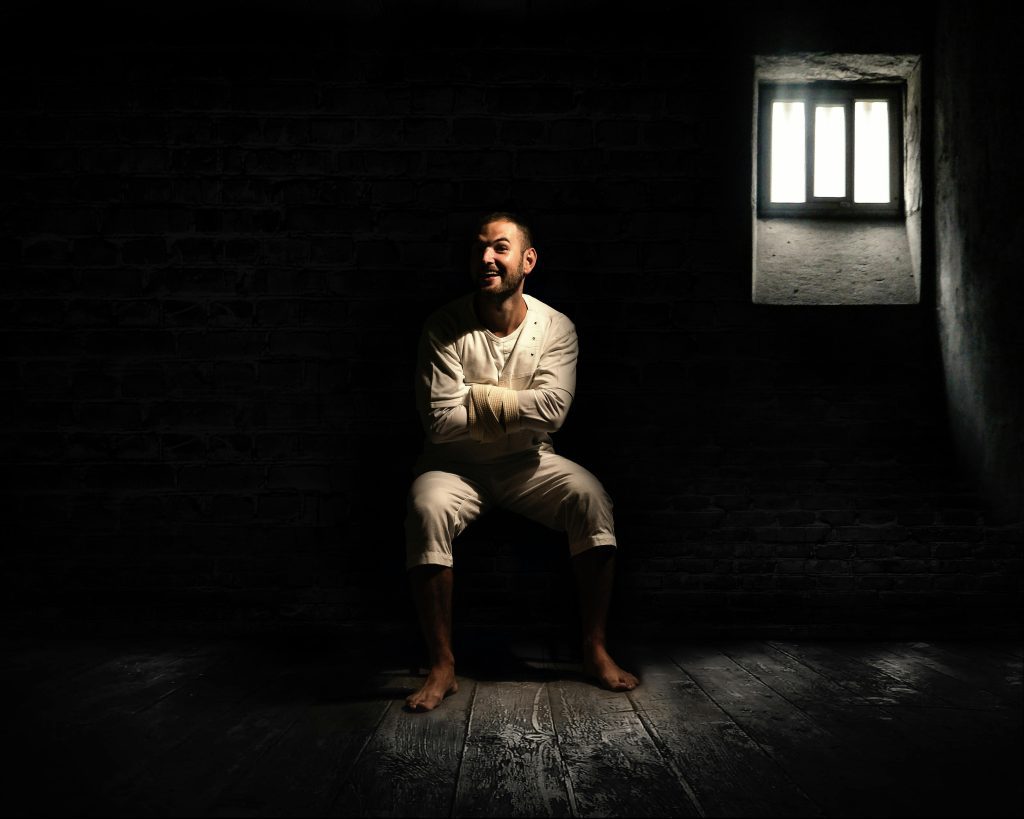
Reality: Psychiatric wards prioritise therapeutic environments, not punishment. Yes, there are safety protocols and secure doors, but you’ll find comfortable common areas, private bedrooms (usually), and staff who genuinely want to support your recovery. According to NHS guidelines, the focus remains on creating healing spaces that respect dignity while ensuring safety. You’re a patient receiving treatment, not a prisoner serving time.
Myth: They’ll Keep You Forever Against Your Will
Reality: Most people stay voluntarily and typically for 7-14 days, though this varies based on individual needs. Being sectioned under the Mental Health Act does involve legal procedures, but even then, your rights are protected with regular reviews. When you’re staying in a psych ward voluntarily, you can technically leave, though doctors will strongly advise against it if they believe you’re at risk. The average stay focuses on stabilisation, not indefinite detention.
Myth: You Won’t Have Any Privacy or Personal Belongings
Reality: You can bring clothing, toiletries, books, and often your phone (though some units restrict certain features for safety). Most modern psychiatric wards in the UK provide single rooms with lockable storage. Staff conduct safety checks on admission, removing items that could cause harm, but you’ll keep most personal effects. The part nobody mentions? Those checks, whilst thorough, happen respectfully and with clear explanations.
Walking Through the Door: Your First 24 Hours
The admission process feels clinical because it needs to be thorough. When you arrive at a psychiatric unit, a nurse conducts an initial assessment covering your physical health, current medications, risk factors, and immediate needs. This typically takes 60-90 minutes. They’ll check your vital signs, ask detailed questions about why you’re there, and complete a physical examination.
Your belongings get checked carefully. Sharp objects, medications, belts, shoelaces with metal tips, aerosols, and anything containing alcohol are removed for safety. This isn’t about distrust but about creating an environment where staying in a psych ward means everyone remains safe. You’ll receive a list of what’s been stored, and you can request items back when appropriate.
That first night often feels surreal. The unfamiliar sounds, the regular checks (nurses typically observe every 15-30 minutes initially), and the weight of finally admitting you need this level of help. Many people describe feeling simultaneously relieved and terrified. Both reactions are completely normal.
Meeting Your Care Team
Within your first day, you’ll meet multiple professionals: a consultant psychiatrist, ward nurses, potentially an occupational therapist, and a social worker. Each person plays a specific role in your recovery. The psychiatrist reviews your medication and overall treatment plan. Nurses manage day-to-day care and crisis support. Understanding who does what makes staying in a psych ward feel less overwhelming.
You’ll develop a care plan together outlining treatment goals, therapy sessions, medication regimes, and what success looks like for you. This document evolves as you progress, and you have significant input. The therapeutic relationship you build with your primary nurse often becomes crucial to recovery.
What Your Days Actually Look Like
Structure defines psychiatric ward routines. Wake-up calls typically happen around 7am, with medication rounds shortly after. Breakfast arrives at set times, and then the day unfolds in predictable patterns. This consistency helps when your mind feels chaotic.
Morning activities might include group therapy sessions focusing on specific skills like managing anxiety, understanding depression, or developing coping strategies. These sessions run for 45-60 minutes and attendance is strongly encouraged but rarely mandatory. You’ll also have individual therapy with assigned professionals, usually 2-3 times weekly.
The reality is that staying in a psych ward involves considerable downtime. Between scheduled activities, you’re in communal areas, your room, or occasionally outside in secure gardens. Some people read, watch TV in common rooms, or chat with other patients. Others sleep, journal, or simply sit. Staff encourage engaging with available activities but respect when you need space.
Mealtimes and Medication
Meals happen at regular intervals, typically served in a communal dining area. The food? Hospital standard, which means nutritious but rarely exciting. Most units accommodate dietary requirements, and you can usually request alternatives if something doesn’t suit you. Eating together creates unexpected community, and many people describe mealtimes as surprisingly normal moments.
Medication rounds punctuate the day at prescribed times. A nurse watches you take medication and checks you’ve swallowed it. This feels infantilising initially, but it ensures correct dosing and prevents stockpiling. When you’re staying in a psych ward, medication compliance remains a key safety concern.
Therapeutic Activities and Occupational Therapy
Beyond talking therapy, most units offer occupational therapy sessions involving art, music, cooking, or gentle exercise. These activities provide structure whilst building skills and confidence. A study from King’s College London found that engagement with occupational therapy during psychiatric admission significantly improved recovery outcomes and reduced readmission rates.
Something like a simple colouring book or puzzle can make difficult moments more manageable. Many units provide these materials in common areas, and using them doesn’t require joining formal sessions. The goal is finding activities that ground you when thoughts feel overwhelming.
The People You’ll Meet
Other patients become an unexpected source of support. You’re surrounded by people who genuinely understand what mental health crises feel like. Some will be further along in recovery, others just admitted. These connections often feel more authentic than relationships outside because pretence drops away when everyone’s struggling.
Staff working on psychiatric wards choose this speciality because they care deeply about mental health. Yes, they’re busy and occasionally rushed, but most demonstrate remarkable compassion. Your primary nurse checks on you multiple times daily, notices subtle changes in your presentation, and advocates for your needs during team meetings.
What many people miss is how normalised vulnerability becomes when staying in a psych ward. Crying in common areas, having panic attacks, expressing suicidal thoughts—these experiences happen openly, and nobody judges because everyone’s been there. This environment can feel liberating after years of masking struggles.
Visitors and Contact with the Outside World
Visiting hours vary by unit but typically allow guests for 2-3 hours daily, often split between afternoon and evening slots. Some wards restrict the number of visitors at once. Your loved ones might struggle seeing you in this environment, but visits provide crucial emotional support and connection to life beyond the ward.
Phone access depends on the specific unit. Many allow mobile phones with certain restrictions (no camera access in communal areas, limited social media use). You can make calls from ward phones if personal devices aren’t permitted. Staying connected matters, though many people find they need breaks from external demands whilst focusing on recovery.
Your 14-Day Recovery Framework
Whilst everyone’s timeline differs, here’s what a typical admission trajectory looks like when staying in a psych ward:
- Days 1-3: Assessment and stabilisation dominate. Medication adjustments begin, and you’re adjusting to the environment. Sleep might be difficult, and emotions often feel heightened. Staff conduct frequent observations whilst you settle.
- Days 4-7: Therapeutic work intensifies. You attend group sessions, engage with individual therapy, and medication starts showing effects. Physical symptoms of crisis begin easing, allowing mental space for deeper work.
- Days 8-10: Progress becomes noticeable. You’re participating more actively in activities, sleeping better, and perhaps experiencing moments of hope. Discharge planning discussions start, focusing on what support you’ll need after leaving.
- Days 11-14: Preparation for transition takes priority. Weekend leave might be arranged to test coping strategies in real-world settings. Your care team finalises outpatient support, medication regimes, and crisis plans.
Some people need longer admissions, particularly if experiencing severe episodes or awaiting appropriate community support. Others stabilise quicker and leave sooner. The surprising part? Time moves strangely when staying in a psych ward—days drag yet weeks disappear.
Challenges You Might Face (And How to Navigate Them)
Challenge 1: Loss of Autonomy
Why it’s difficult: Suddenly, others control aspects of your daily life. Doors lock, staff conduct checks, and you follow prescribed routines. This loss of independence can trigger frustration or shame, especially if you’re used to managing everything independently.
What helps: Remind yourself this situation is temporary and accepting support demonstrates strength, not weakness. Communicate openly with staff about what autonomy matters most to you. Small choices—when to shower, which activity to attend—restore some control. Focus on what you can influence rather than what you cannot.
Challenge 2: Boredom and Monotony
Why it’s difficult: Between scheduled activities lies substantial empty time. Without usual distractions—work, responsibilities, unlimited internet access—you’re left with your thoughts, which might be precisely what you’ve been avoiding.
What helps: Bring books, notebooks, or craft materials if permitted. Engage with occupational therapy activities even when motivation is low. Consider this downtime an opportunity to rest properly, something you’ve probably neglected. Ask staff about available resources; many wards have libraries or puzzles tucked away.
Challenge 3: Stigma and Shame
Why it’s difficult: Admitting you’re staying in a psych ward carries societal weight. You might worry about judgment from employers, family, or friends. Internal shame about needing this level of intervention can be crushing.
What helps: Remember that approximately 1 in 4 UK adults experience mental health problems annually, and many require hospital support. You’re receiving medical treatment for a health condition, nothing more shameful than being admitted for a broken leg. Choose carefully who you tell, but don’t isolate yourself completely. Connection supports recovery.
Challenge 4: Difficult Ward Dynamics
Why it’s difficult: Psychiatric wards house people experiencing various conditions and crisis levels. Sometimes other patients display behaviour that feels frightening, disruptive, or triggering. Staff divide attention between multiple people with complex needs.
What helps: Communicate concerns to nursing staff immediately. They can adjust your care plan, offer reassurance, or intervene if situations become unsafe. Spend time in your room when communal areas feel overwhelming. Recognise that everyone there is struggling; behaviours reflect illness, not personal attacks.
Challenge 5: Transition Anxiety
Why it’s difficult: As discharge approaches, anxiety about managing independently resurfaces. The structured ward environment feels safe; leaving means facing triggers and stressors that contributed to your crisis.
What helps: Actively participate in discharge planning. Ensure you understand your medication regime, have crisis contacts programmed into your phone, and know your follow-up appointments. Phased leave helps test coping strategies before full discharge. Request written crisis plans detailing warning signs and specific actions.
What to Pack When Admission is Planned
If you have time to prepare before staying in a psych ward, these items make the experience more comfortable:
- Comfortable, loose-fitting clothing without drawstrings or cords (typically 7-10 days’ worth)
- Slip-on shoes or trainers with elastic laces if required
- Essential toiletries in small quantities, remembering most aerosols aren’t permitted
- Books, magazines, or crossword puzzles for quiet time
- Photos of loved ones or small comforting objects without sharp edges
- Notepad and pen for journaling or noting therapy insights
- Charger for approved devices if phones are allowed on your specific ward
- Prescribed glasses or contact lenses with solution
Leave valuables, jewellery, excessive cash, and irreplaceable items at home. Most units provide basic toiletries if you arrive in crisis without belongings.
Life After Discharge: Building on What You’ve Learned
Leaving the ward isn’t the end of treatment but a transition to different support. Your discharge plan should detail community mental health team contact information, follow-up appointments (typically within 7 days), medication instructions, and crisis resources.
The first week home often feels overwhelming. You’re managing symptoms without constant professional support whilst reintegrating into daily responsibilities. Following through with outpatient appointments becomes critical. Research from the University of Manchester indicates that attendance at first post-discharge appointments significantly predicts long-term recovery outcomes.
What really matters is maintaining strategies learned when staying in a psych ward. Whether that’s meditation techniques, thought-challenging exercises, or simply recognising your warning signs earlier. The skills acquired during admission only help if you practice them consistently.
Building Your Support Network
Recovery rarely happens in isolation. Connecting with community resources like Mind, Rethink Mental Illness, or local peer support groups extends the work begun during admission. These organisations offer practical support, reduce isolation, and connect you with others who understand psychiatric experiences.
Be honest with trusted friends or family about what helps. Specific requests work better than vague asks: “Can you check on me Tuesday evenings?” or “Would you come to my first outpatient appointment?” gives people concrete ways to support you.
Frequently Asked Questions
How long does staying in a psych ward typically last?
Most voluntary admissions last between 7-14 days, though this varies significantly based on individual circumstances. Some people stabilise within a few days, whilst others require several weeks for medication adjustments and safety planning. Your care team regularly reviews progress and discusses discharge timing with you. The goal is always the shortest effective admission, but rushing discharge before you’re ready increases readmission risk.
Can I leave if I’ve been admitted voluntarily?
Technically yes, though it’s strongly discouraged if your care team believes you remain at risk. Voluntary patients can request discharge, but staff will thoroughly discuss concerns and potential consequences. If they believe leaving poses serious danger to yourself or others, they can initiate Mental Health Act assessments. Most people find that discussing concerns about staying leads to solutions rather than needing to leave prematurely.
Will staying in a psych ward affect my employment or insurance?
Medical information remains confidential unless you choose to disclose it. Employers cannot access your health records without permission. That said, if you’re admitted for an extended period, you’ll likely need sick leave, which requires some explanation. Many people find honest communication with supportive employers works well, though you’re entitled to privacy. For travel or life insurance, pre-existing mental health conditions might affect premiums, but psychiatric admission alone doesn’t automatically disqualify you.
What if I don’t connect with my assigned therapist or psychiatrist?
Therapeutic relationships significantly impact recovery outcomes, so this concern matters. Speak with ward staff about your difficulties connecting with specific professionals. Whilst you might not have unlimited choice during short admissions, teams try accommodating reasonable requests. Sometimes adjusting expectations helps; the psychiatrist focuses on medication management rather than deep therapeutic work, which continues with community services post-discharge. Give relationships time to develop whilst advocating for your needs.
Can children visit me on a psychiatric ward?
Policies vary between units, but many allow child visitors with appropriate supervision and preparation. Staff might suggest specific visiting times when the ward environment is calmer. Consider your child’s age and sensitivity when deciding whether visits help or distress them. Some parents find regular phone contact works better than ward visits. Discuss concerns with your care team, who can advise based on your specific situation and the ward environment.
What happens if I experience a crisis after discharge?
Your discharge plan should include specific crisis contacts and steps to take if you’re struggling. This typically involves contacting your community mental health team during office hours or crisis resolution teams outside these times. For immediate safety concerns, call 999 or attend A&E. Many areas now offer NHS 111 mental health crisis lines providing 24/7 support. When you’re staying in a psych ward, staff ensure you understand these pathways thoroughly before leaving, often providing written information and emergency numbers.
Your Questions Answered: Additional Insights
Does staying in a psych ward actually help long-term recovery?
Evidence shows that quality psychiatric inpatient care, combined with robust community follow-up, improves outcomes for people experiencing severe mental health crises. The admission itself provides stabilisation, medication optimisation, and intensive support during vulnerable periods. However, long-term success depends heavily on engaging with outpatient services afterwards. Think of ward stays as crisis intervention and foundation-building rather than complete treatment. The NHS Long Term Plan emphasises improving both inpatient experiences and transition support, recognising that staying in a psych ward works best as part of comprehensive care pathways.
Moving Forward with What You’ve Learned
Understanding what staying in a psych ward involves removes some mystery and fear from a situation nobody plans to face. These units exist because sometimes mental health crises require intensive professional support in safe environments. That’s not failure; that’s accessing appropriate healthcare for serious conditions.
If you’re currently considering admission, know that countless people have walked this path and found it genuinely helpful despite initial fears. The structured environment, medication management, and therapeutic support provided when staying in a psych ward can create crucial turning points in recovery journeys. It won’t be easy, and you’ll face uncomfortable moments, but healing rarely comes without challenge.
For those supporting someone through psychiatric admission, patience and non-judgmental presence matter immensely. Visit when possible, maintain contact, and educate yourself about their specific condition. Your loved one is receiving treatment for a health problem, and your support during this vulnerable time makes recovery more achievable.
This isn’t about pretending psychiatric wards are perfect—they face funding pressures, staffing challenges, and infrastructure limitations across the UK. But they’re staffed by dedicated professionals trying to help people during their darkest moments. That matters profoundly when you’re the person walking through those doors.
Will staying in a psych ward solve everything? No. Will it provide breathing space, professional support, and strategies for managing what feels unmanageable? For many people, absolutely. That’s precisely why these services exist, and there’s no shame in needing them.


