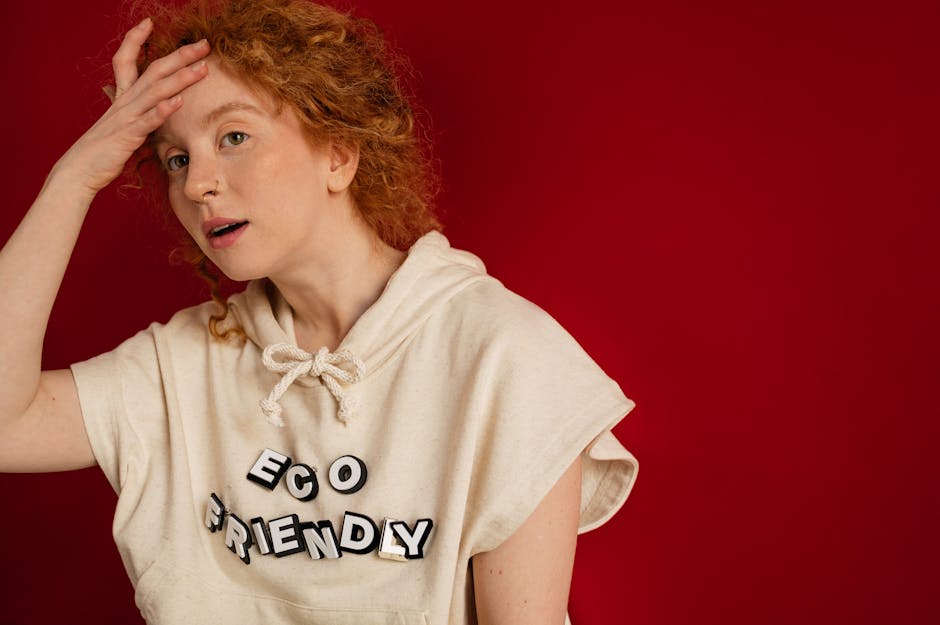
Your wardrobe shouldn’t come with a side of guilt. Yet every time you hear about sustainable fashion or ethical clothing brands, you might feel overwhelmed by where to start, worried about the cost, or confused about what makes fashion truly ethical. The good news? Building a sustainable wardrobe is simpler and more affordable than you think.
Related reading: How to Set Boundaries with Toxic Family Members and Friends.
📖 Reading time: 17 minutes
Picture this: You’re standing in your bedroom, staring at a wardrobe full of clothes, yet feeling like you have nothing to wear. Half those garments were cheap impulse buys that fell apart after three washes. You’ve seen the documentaries about fast fashion’s environmental impact and worker exploitation, and you want to do better—but sustainable fashion seems reserved for people with unlimited budgets and perfect Instagram aesthetics. Sound familiar? Thousands of UK shoppers face this exact dilemma, caught between wanting to make ethical choices and feeling constrained by practical realities like budget, style preferences, and simply not knowing where to begin.
Common Myths About Sustainable Fashion
Before diving into practical steps, let’s clear up some misconceptions that might be holding you back from embracing ethical clothing brands and sustainable fashion choices.
Myth: Sustainable Fashion Is Always Expensive
Reality: While some ethical clothing brands do carry premium price tags, sustainable fashion isn’t inherently costly. The key is understanding that you’re paying for quality and longevity rather than quantity. A £60 organic cotton jumper that lasts five years costs less per wear than five £15 fast fashion jumpers that pill and stretch after one season. Moreover, charity shops, clothing swaps, and second-hand platforms offer sustainable fashion options at bargain prices. According to research from WRAP UK, extending the life of clothing by just nine months reduces carbon, water, and waste footprints by around 20-30%.
Myth: Ethical Fashion Means Boring, Shapeless Clothes
Reality: This outdated stereotype couldn’t be further from the truth. Today’s ethical clothing brands span every aesthetic imaginable—from minimalist Scandinavian designs to bold prints and streetwear styles. Sustainable fashion has evolved dramatically, with designers proving that environmental responsibility and fashion-forward thinking go hand in hand. UK brands like Birdsong, THTC, and Rapanui offer contemporary styles that rival any high street shop.
Myth: You Need to Replace Your Entire Wardrobe Immediately
Reality: The most sustainable garment is the one already in your wardrobe. Throwing away your existing clothes to buy new “sustainable” ones defeats the purpose entirely. This guide to sustainable fashion encourages gradual change—wearing what you own, repairing when possible, and replacing items with ethical alternatives only when necessary. It’s about shifting your mindset and habits, not creating unnecessary waste.
Understanding What Makes Fashion Sustainable and Ethical
Before you can make informed choices about ethical clothing brands, you need to understand what these terms actually mean. Sustainable fashion considers environmental impact—using organic or recycled materials, minimising water consumption, reducing carbon emissions, and avoiding toxic dyes. A study by the Ellen MacArthur Foundation found that the fashion industry produces 10% of global carbon emissions and is the second-largest consumer of water worldwide.
Ethical fashion focuses on the human element—fair wages, safe working conditions, and transparency throughout the supply chain. After the 2013 Rana Plaza disaster in Bangladesh, which killed over 1,100 garment workers, awareness of fashion ethics surged. Many ethical clothing brands now provide detailed information about where and how their garments are made.
When evaluating sustainable fashion options, look for certifications that verify claims. The Global Organic Textile Standard (GOTS) ensures organic fibres and ethical production. Fair Trade certification guarantees fair wages and working conditions. B Corp certification demonstrates overall social and environmental performance. These aren’t just marketing buzzwords—they’re verified standards that hold brands accountable.
The most sustainable approach combines both environmental and ethical considerations. A jumper made from organic cotton (environmental) by workers earning living wages (ethical) in a solar-powered factory (environmental) represents genuine sustainable fashion. Be wary of “greenwashing”—when companies make misleading environmental claims. If a brand’s sustainability page is vague or lacks specifics, that’s a red flag.
Starting Your Sustainable Fashion Journey: The Foundation Steps
Your sustainable fashion transformation begins not with shopping, but with understanding what you already own. Set aside an afternoon to audit your wardrobe completely. Take everything out and sort items into categories: regularly worn, occasionally worn, and never worn. This exercise reveals your true style preferences and highlights wasteful purchasing patterns.
As you sort, ask yourself why certain pieces remain unworn. Is it poor fit? Uncomfortable fabric? Wrong colour? These insights prevent future purchasing mistakes, whether you’re buying from ethical clothing brands or anywhere else. Research from Barnardo’s suggests the average UK wardrobe contains £1,000 worth of unworn clothing—a staggering waste of resources and money.
Next, identify gaps in your wardrobe—not wants, but genuine needs. Perhaps you lack a versatile jacket for unpredictable British weather, or your work trousers are worn through. Create a list of these essential items. This targeted approach to sustainable fashion prevents impulse purchases and ensures that when you do invest in ethical clothing brands, you’re buying pieces you’ll actually use.
Learn basic clothing care and repair skills. Knowing how to sew a button, darn a hole, or remove a stain extends garment lifespan significantly. YouTube offers countless tutorials on clothing repair—bookmark a few for reference. Something like a simple sewing kit with needles, thread in neutral colours, and basic scissors becomes invaluable for these quick fixes.
Consider the cost-per-wear principle when evaluating purchases. A £100 coat worn 200 times costs 50p per wear. A £20 top worn three times before falling apart costs £6.67 per wear. This mindset shift transforms how you approach sustainable fashion, prioritising quality and versatility over quantity and trends.
Essential Sustainable Fashion Practices for Everyday Life
Making your existing wardrobe more sustainable starts with how you care for your clothes. Washing less frequently preserves fabrics and reduces water consumption—most garments don’t need washing after every wear. Air out items between uses, spot-clean minor marks, and reserve full washes for when genuinely necessary. When you do wash, use cold water (30 degrees or less) to save energy and prevent colour fading.
Air-drying instead of tumble-drying extends garment lifespan and cuts energy use. British weather doesn’t always cooperate, but indoor drying racks work brilliantly year-round. According to the Energy Saving Trust, tumble dryers are among the most expensive household appliances to run, costing around £100 annually if used regularly.
Explore second-hand shopping as your first port of call. Charity shops across the UK offer treasure troves of pre-loved clothing at fraction-of-retail prices. Oxfam, British Heart Foundation, and Cancer Research UK shops stock everything from everyday basics to designer pieces. Online platforms like Depop, Vinted, and eBay have revolutionised second-hand sustainable fashion, making it accessible from your sofa.
Clothing swaps with friends or community groups combine social activity with sustainable fashion practices. Gather friends, bring unwanted items in good condition, and swap freely. What doesn’t suit your style anymore might be exactly what someone else needs. Many UK cities host regular swap events—check local community boards or social media groups.
When purchasing new items becomes necessary, research ethical clothing brands thoroughly. Read about their supply chains, materials, and labour practices. Many sustainable fashion brands maintain transparency reports on their websites, detailing factory locations, worker wages, and environmental initiatives. This information empowers informed choices aligned with your values.
UK Ethical Clothing Brands Worth Knowing
The UK boasts numerous ethical clothing brands spanning various price points and styles. Understanding your options makes building a sustainable fashion wardrobe far more achievable than you might imagine.
For affordable basics, People Tree pioneered Fair Trade fashion and offers organic cotton essentials from around £20-£40. Their transparent supply chain and commitment to empowering artisan communities set industry standards. Rapanui, based on the Isle of Wight, creates on-demand clothing to eliminate waste, using organic cotton and renewable energy throughout production.
Lucy & Yak specialises in comfortable dungarees and colourful separates, manufactured in fair-wage factories with organic and recycled materials. Their pieces typically range from £35-£75 and cater to diverse body types. Thought Clothing focuses on natural, sustainable fabrics like bamboo, hemp, and organic cotton, offering timeless designs that transcend seasonal trends.
For activewear, BAM uses bamboo fabric to create breathable, sustainable athletic clothing. Finisterre, originally focused on sustainable surfwear, now offers outdoor clothing using recycled materials and ethical production. Their gear suits Britain’s unpredictable climate beautifully.
At higher price points, Birdsong partners with women’s charities and community groups for manufacturing, ensuring every garment supports vulnerable women. Beaumont Organic offers elegant, minimalist pieces made from organic and natural fibres. These ethical clothing brands prove that sustainable fashion doesn’t require sacrificing style or quality.
Remember, even these ethical clothing brands shouldn’t encourage overconsumption. Buy only what you genuinely need and will wear repeatedly. The most sustainable purchase is often the one you don’t make, choosing instead to wear what you already own or exploring second-hand options first.
Materials Matter: Understanding Sustainable Fabrics
Not all fabrics impact the environment equally, and understanding materials transforms your approach to sustainable fashion. Conventional cotton, whilst natural, requires enormous water quantities and pesticide use. Organic cotton eliminates pesticides and typically uses less water, making it a far better choice when buying from ethical clothing brands.
Linen, derived from flax plants, requires minimal water and pesticides, naturally biodegrades, and suits British summers perfectly. Hemp grows rapidly without pesticides, enriches soil, and creates durable fabric—though its rougher texture suits certain garments better than others.
Tencel (also called Lyocell) comes from sustainably harvested wood pulp processed in a closed-loop system that recycles water and solvents. It feels soft, drapes beautifully, and biodegrades completely. Bamboo fabric can be sustainable if processed mechanically rather than chemically—look for certifications confirming eco-friendly processing.
Recycled polyester transforms plastic bottles into wearable fabric, reducing landfill waste and petroleum use. Whilst still synthetic and non-biodegradable, it represents significant improvement over virgin polyester. Many ethical clothing brands now incorporate recycled synthetics into sustainable fashion collections, particularly for activewear and outerwear requiring technical properties.
Avoid virgin synthetics like polyester, nylon, and acrylic when possible. These petroleum-based fabrics shed microplastics during washing, polluting waterways and oceans. Research from Plymouth University found that a single synthetic garment can release over 700,000 microplastic fibres per wash. If you must buy synthetics, something like a Guppyfriend washing bag captures microplastics before they enter water systems.
Wool can be sustainable when sourced responsibly. Look for certifications like Responsible Wool Standard, which ensures animal welfare and environmental stewardship. British wool particularly deserves recognition—it’s local, renewable, biodegradable, and supports UK farmers, making it an excellent sustainable fashion choice.
Your First Month Action Plan for Sustainable Fashion
Transitioning to sustainable fashion works best as gradual, manageable steps rather than overwhelming overhaul. This month-by-month approach builds lasting habits.
- Week 1: Assessment and Education. Complete your wardrobe audit as described earlier. Identify pieces you genuinely love and wear, items needing repair, and things to donate. Spend 30 minutes researching three ethical clothing brands that align with your style and budget. Bookmark their websites and sign up for newsletters to learn about their sustainable fashion practices.
- Week 2: Care and Repair. Gather items needing minor repairs—missing buttons, small tears, loose hems. Set aside an evening to make these repairs or take them to a local alterations service (supporting local businesses adds another ethical dimension). Reassess your laundry routine: switch to cold water washing, reduce washing frequency, and start air-drying when possible.
- Week 3: Explore Second-Hand Options. Visit three different charity shops in your area, approaching them with your needs list from Week 1. Browse Depop or Vinted for 20 minutes, searching specifically for items you need. Join a local clothing swap group on Facebook or sign up for an upcoming swap event. You’re not obligated to buy anything—this week is about discovering what’s available.
- Week 4: Make One Intentional Purchase. If you have a genuine wardrobe gap identified in Week 1, research ethical clothing brands offering that item. Read reviews, check sizing information, and verify the brand’s sustainability credentials. Make one thoughtful purchase from a sustainable fashion brand, or find a second-hand alternative. Document the cost-per-wear you anticipate to reinforce mindful purchasing habits.
Continue this pattern monthly. Some months you might not purchase anything new. Other months might involve exploring rental services for special occasions or learning a new repair skill. Sustainable fashion becomes easier as these practices become automatic rather than conscious effort.
Mistakes to Avoid (And How to Fix Them)
Even with good intentions, people commonly stumble when transitioning to sustainable fashion. Recognising these pitfalls helps you navigate more smoothly.
Mistake 1: Discarding Everything to Start “Fresh”
Why it’s a problem: Creating massive waste to embrace sustainability contradicts the entire philosophy. Manufacturing new items—even from ethical clothing brands—consumes resources and energy. The greenest garment is the one already made.
What to do instead: Commit to wearing what you own until items naturally reach end-of-life. When something genuinely cannot be repaired or repurposed, then replace it thoughtfully with a sustainable fashion choice. This approach respects resources already invested in your existing wardrobe.
Mistake 2: Falling for “Eco-Collections” from Fast Fashion Giants
Why it’s a problem: Major fast fashion chains increasingly release small “conscious” or “eco” collections whilst their core business model remains unchanged. These collections often represent greenwashing—marketing sustainability without fundamental change. Their business still relies on encouraging overconsumption at unsustainable scale.
What to do instead: Support brands built on sustainable fashion principles from the ground up, where ethics are woven throughout the business model rather than isolated to one collection. Research which ethical clothing brands genuinely prioritise people and planet, using resources like Good On You’s brand ratings or the Ethical Consumer website.
Mistake 3: Buying “Sustainable” Items You Don’t Actually Need
Why it’s a problem: Purchasing organic cotton t-shirts you’ll rarely wear, simply because they’re from ethical clothing brands, still contributes to overconsumption. Sustainable fashion isn’t about accumulating eco-friendly items—it’s about reducing consumption overall whilst making better choices when purchasing is necessary.
What to do instead: Implement a waiting period before purchases. Add items to a wishlist and revisit after two weeks. If you still need and want it, the purchase is likely justified. If you’ve forgotten about it, you’ve saved money and resources by not buying.
Mistake 4: Ignoring the Importance of Versatility
Why it’s a problem: Buying statement pieces that only work with one outfit reduces wearability and increases the temptation to buy more items. This undermines sustainable fashion goals of creating a functional, long-lasting wardrobe.
What to do instead: Prioritise versatile pieces that work across multiple outfits and occasions. Before purchasing from ethical clothing brands, mentally style the item at least three different ways. If you can’t, reconsider whether it deserves space in your wardrobe.
Mistake 5: Letting Perfection Paralyse Progress
Why it’s a problem: No brand is 100% perfect. Waiting to find the most ethical, most sustainable, most affordable, most stylish option can lead to decision paralysis or reverting to convenient fast fashion. Research from the University of Cambridge shows that perfectionist tendencies often prevent people from adopting more sustainable behaviours.
What to do instead: Embrace “better than before” as your standard. Choosing a garment made from organic cotton instead of conventional cotton represents progress, even if the brand isn’t perfect in every area. Your sustainable fashion journey is about continuous improvement, not immediate perfection.
Quick Reference Checklist
Keep these sustainable fashion principles handy as you build your ethical wardrobe:
- Wear what you already own until items genuinely need replacing
- Calculate cost-per-wear before purchasing to prioritise quality over quantity
- Check charity shops and online second-hand platforms before buying new
- Research ethical clothing brands thoroughly, looking for specific certifications and transparency
- Choose natural, organic, or recycled materials whenever possible
- Learn basic repair skills to extend garment lifespan significantly
- Wash clothes less frequently in cold water and air-dry to preserve fabrics
- Buy versatile pieces that work across multiple outfits and seasons
Frequently Asked Questions
How much more expensive is sustainable fashion compared to fast fashion?
Initial price tags for ethical clothing brands typically run 30-100% higher than fast fashion equivalents, but cost-per-wear often works out cheaper. A £60 organic cotton shirt lasting five years costs £12 annually and around 30p per wear if worn weekly. Three £20 fast fashion shirts replaced yearly cost £60 annually with lower quality. Factor in second-hand sustainable fashion options, and the price difference narrows considerably. Many UK shoppers find their overall clothing expenditure decreases after switching to sustainable fashion because they buy far less frequently.
Can I really make a difference as just one person changing my fashion habits?
Absolutely. Your individual choices ripple outward in multiple ways. Every purchase from ethical clothing brands supports fair wages and environmental responsibility. According to WRAP, if everyone in the UK extended clothing lifespan by just nine months, it would save £5 billion and reduce carbon footprints by 8%. Beyond personal impact, your visible choices influence friends, family, and social networks. Research published in Nature Climate Change found that sustainable behaviours spread through social networks, meaning your sustainable fashion choices may inspire others to follow suit.
What should I do with clothes I no longer want but are still wearable?
Prioritise keeping clothes in circulation rather than sending them to landfill. Donate to charity shops, which fund important causes whilst providing affordable clothing options. List items on Depop, Vinted, or eBay if you’re comfortable with online selling. Organise or join clothing swaps with friends or community groups. Some ethical clothing brands offer take-back schemes, recycling old garments into new materials. H&M and Zara accept clothing for recycling regardless of brand or condition, though supporting dedicated sustainable fashion retailers or charities generally proves more impactful.
How do I know if a brand is genuinely sustainable or just greenwashing?
Look for specific, verifiable information rather than vague claims. Genuine ethical clothing brands typically provide detailed transparency reports showing factory locations, worker wages, and environmental initiatives. Check for recognised certifications like GOTS, Fair Trade, B Corp, or Oeko-Tex. The Good On You app rates brands across environmental and ethical criteria, providing independent assessments. Read beyond marketing copy—if a brand’s sustainability page lacks concrete data or focuses on future goals rather than current practices, approach with scepticism. True sustainable fashion leaders openly share both achievements and challenges.
How long does it typically take to build a completely sustainable wardrobe?
There’s no fixed timeline because sustainable fashion isn’t about replacing everything at once—that would contradict the entire philosophy. Most people transition gradually over 2-5 years, replacing items only when they naturally wear out. Your timeline depends on your current wardrobe’s condition, budget, and how quickly items need replacing. Focus on building sustainable habits immediately—caring for clothes properly, choosing quality over quantity, exploring second-hand options—whilst slowly introducing purchases from ethical clothing brands as genuine needs arise. Remember, the goal isn’t speed but creating lasting change that sticks.
Moving Forward with Confidence
Building a sustainable fashion wardrobe represents one of the most tangible ways you can align daily choices with environmental and ethical values. You’ve learned that sustainable fashion doesn’t require unlimited budgets or sacrificing personal style—it demands thoughtfulness, patience, and gradual shifts in consumption patterns.
The most important takeaways from this sustainable fashion guide are simple: wear what you own, repair when possible, explore second-hand options first, and when buying new becomes necessary, research ethical clothing brands thoroughly. These principles, applied consistently, transform your relationship with clothing from disposable to meaningful.
Remember that nobody builds a perfect sustainable fashion wardrobe overnight. Progress matters more than perfection. Every garment you wear longer, every second-hand find, every thoughtful purchase from ethical clothing brands contributes to positive change. The fashion industry won’t transform until enough individuals like you demonstrate that another way is possible—and preferable.
You now have the knowledge and tools to make confident sustainable fashion choices. Start small, perhaps with that wardrobe audit this weekend or a visit to your local charity shop. Trust that each small decision compounds over time, creating not just a more ethical wardrobe, but a more intentional approach to consumption that extends beyond clothing. Your future self—and the planet—will thank you for starting today.


