=
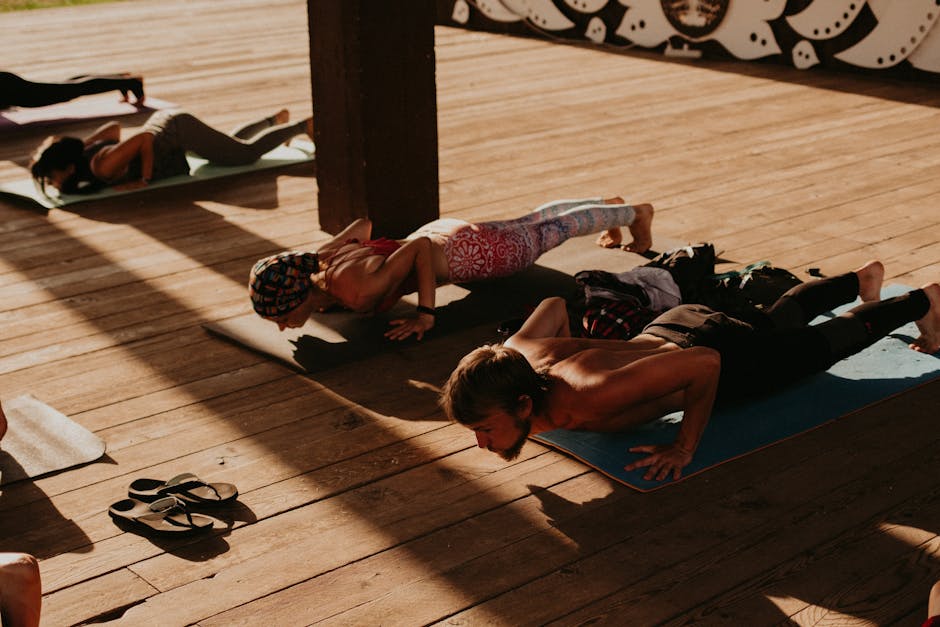
Let’s be honest – finding time to exercise can feel impossible. Between work, family, and trying to maintain some semblance of a social life, an hour at the gym often feels like a luxury. That’s where Tabata training comes in. This high-intensity interval workout promises serious results in just four minutes, and before you roll your eyes, there’s actually solid science behind it. Whether you’re a complete beginner or a seasoned fitness enthusiast looking to shake things up, a Tabata workout routine might be exactly what you need to finally stick to your fitness goals.
Related reading: 10 Minute Workouts: Quick Fitness Wins for Busy Lives.
What Exactly Is a Tabata Workout Routine?
For more on this topic, you might enjoy: Transform Your Body: 10 Essential Home Workout Routines That Require Zero Equipment (Results in 30 Days!).
Tabata training is a specific type of high-intensity interval training (HIIT) developed by Japanese scientist Dr. Izumi Tabata in the 1990s. The structure is beautifully simple: you perform an exercise at maximum intensity for 20 seconds, rest for 10 seconds, then repeat this cycle eight times. That’s it – four minutes of pure, concentrated effort.
The beauty of a Tabata workout routine is that it’s based on actual research, not just fitness industry hype. Dr. Tabata’s original study, conducted with Olympic speed skaters, showed that this specific timing protocol improved both aerobic and anaerobic capacity more effectively than moderate-intensity continuous training. According to NHS guidelines, adults should aim for at least 150 minutes of moderate activity or 75 minutes of vigorous activity per week – and Tabata definitely falls into the vigorous category.
What makes Tabata training particularly appealing is its flexibility. You can apply this protocol to almost any exercise: burpees, squats, press-ups, mountain climbers, or even cycling. The key is maintaining that maximum effort during those 20-second work intervals.
Why Your Tabata Workout Routine Delivers Results
Related: 7 Game-Changing Gym Workout Splits That Will Transform Your 2025 Fitness Journey.
So why does this Tabata workout routine format work so well? It all comes down to something called excess post-exercise oxygen consumption, or EPOC. When you push your body to its limits during those intense intervals, your metabolism stays elevated long after you’ve finished exercising. Essentially, you continue burning calories whilst watching Netflix later that evening.
The Science Behind the Sweat
Research published in the BBC’s health section has highlighted how HIIT workouts like Tabata can be particularly effective for improving cardiovascular health and metabolic function. Your heart rate skyrockets during those 20-second bursts, training your cardiovascular system to work more efficiently. Meanwhile, the brief rest periods keep your body in a state of metabolic flux, never quite allowing it to fully recover before the next round begins.
Additionally, Tabata training helps improve your VO2 max – basically, how efficiently your body uses oxygen. A higher VO2 max means better endurance, improved athletic performance, and overall cardiovascular health. Not bad for four minutes of work, right?
Building Your Perfect Tabata Workout Routine
You may also find this helpful: 7 Essential Weight Lifting Moves Every Woman Should Master (Complete Beginner’s Safety Guide).
Ready to give it a go? Here’s how to structure an effective Tabata workout routine that actually fits into your life:
For Beginners
If you’re new to intense exercise, start with one Tabata round (four minutes) using bodyweight exercises. Try this sequence:
- Round 1: Squats (20 seconds on, 10 seconds off, repeated 8 times)
- Rest for 1-2 minutes
- Round 2: Modified press-ups on your knees
- Rest for 1-2 minutes
- Round 3: High knees or marching in place
That’s three Tabata rounds with adequate rest between them. As you build fitness, you can reduce the rest periods or add more rounds to your Tabata workout routine.
For Intermediate to Advanced
Once you’ve built up your fitness foundation, try rotating through different exercises within a single four-minute Tabata:
- Interval 1-2: Burpees
- Interval 3-4: Mountain climbers
- Interval 5-6: Jump squats
- Interval 7-8: Press-ups
You can complete 3-5 of these four-minute rounds for a comprehensive 12-20 minute workout. Just remember to warm up properly beforehand – jumping straight into maximum intensity is a recipe for injury.
Essential Tips for Tabata Training Success
Getting the most from your Tabata workout routine requires more than just setting a timer. Here’s what you need to know:
Proper Form Trumps Speed
Yes, Tabata is about maximum effort, but that doesn’t mean sacrificing form for speed. It’s better to do 10 perfect squats than 20 sloppy ones that might injure your knees. Quality always beats quantity, even in high-intensity training.
Actually Go Hard During Work Intervals
The research behind Tabata training assumes you’re genuinely working at maximum capacity during those 20 seconds. If you’re holding back, you won’t get the same results. It should feel uncomfortable – that’s the point. By the last few intervals, you should be seriously questioning your life choices (in a good way).
Use a Proper Timer
Trying to watch a clock whilst doing burpees is impossible. Download a Tabata timer app or use one of the many Tabata timer videos on YouTube that include motivating music and clear interval signals. This simple tool makes following your Tabata workout routine infinitely easier.
Don’t Do It Every Day
Because Tabata training is so intense, your body needs proper recovery time. Three to four sessions per week is plenty. On other days, focus on lower-intensity movement, stretching, or complete rest. Recovery is when your fitness actually improves, not during the workout itself.
Common Mistakes to Avoid
Even with the best intentions, it’s easy to get a Tabata workout routine wrong. Here are the pitfalls to watch out for:
Starting too intense: If you’re new to exercise or returning after a long break, jumping straight into maximum-intensity Tabata can lead to injury or burnout. Build up gradually, even if it feels easy at first.
Skipping the warm-up: Five to ten minutes of light cardio and dynamic stretching prepares your muscles and cardiovascular system for the intense work ahead. Don’t skip this step.
Choosing inappropriate exercises: Complex movements requiring significant coordination aren’t ideal for Tabata. Stick with exercises you can perform safely even when fatigued.
Forgetting to breathe: It sounds obvious, but many people hold their breath during intense efforts. Keep breathing throughout – it actually helps with performance and recovery.
Ignoring pain signals: There’s a difference between the burn of intense exercise and actual pain. Sharp pains, joint discomfort, or anything that feels “wrong” means you should stop immediately.
Making Tabata Work for Your Lifestyle
The real magic of a Tabata workout routine isn’t just the physiological benefits – it’s how easily it fits into real life. Got four minutes before your morning shower? Tabata. Lunch break at work? Tabata. Kids finally occupied for five minutes? You guessed it.
You don’t need fancy equipment or a gym membership. A small space in your living room, a timer on your phone, and your own bodyweight are enough to get started. As you progress, you might add dumbbells, resistance bands, or kettlebells, but they’re absolutely not necessary for an effective Tabata workout routine.
The format also keeps boredom at bay. With countless exercise combinations possible, you can do a different Tabata workout routine every session for months without repeating. This variety not only keeps things interesting but also challenges your body in different ways, leading to better overall fitness.
Conclusion
If you’ve been searching for a time-efficient workout that delivers real results, a Tabata workout routine deserves a place in your fitness arsenal. It’s backed by science, requires minimal equipment, and can be modified for virtually any fitness level. Those four minutes might feel brutally long whilst you’re doing them, but the benefits – improved cardiovascular fitness, increased calorie burn, and better metabolic health – are well worth the temporary discomfort. Start with just one or two rounds, focus on maintaining proper form, and gradually build up as your fitness improves. Your future self will thank you for those four minutes of effort.
Frequently Asked Questions
Can I do Tabata training if I’m a complete beginner?
Yes, but start carefully. Begin with lower-impact exercises like squats, marching in place, or modified press-ups rather than jumping movements. Do one Tabata round at first, with longer rest periods between rounds. As your fitness improves over several weeks, you can gradually increase intensity and reduce rest times. Listen to your body and progress at your own pace.
How many calories does a Tabata workout burn?
A single four-minute Tabata round typically burns 50-70 calories during the workout itself, but the real benefit comes from the afterburn effect. Your elevated metabolism can continue burning additional calories for hours afterwards. The exact amount varies based on your weight, fitness level, exercise selection, and how hard you push during work intervals.
What’s the difference between Tabata and regular HIIT?
Tabata is a specific type of HIIT with a precise timing protocol: 20 seconds work, 10 seconds rest, for eight rounds. Regular HIIT is a broader category that includes various interval ratios like 30:30, 40:20, or 45:15. Tabata’s specific timing has been scientifically studied and shown to effectively improve both aerobic and anaerobic fitness when performed at maximum intensity.
Key Takeaway
A Tabata workout routine offers a scientifically proven, time-efficient way to improve your fitness in just four minutes per round. By alternating 20 seconds of maximum-effort exercise with 10-second rest periods, repeated eight times, you can boost cardiovascular health, increase calorie burn, and improve overall fitness without needing a gym membership or expensive equipment. Start with exercises that match your current fitness level, focus on maintaining proper form even when fatigued, and allow adequate recovery between sessions. Whether you’re squeezing in a quick workout before work or adding intensity to your existing fitness routine, Tabata training delivers impressive results for minimal time investment.


