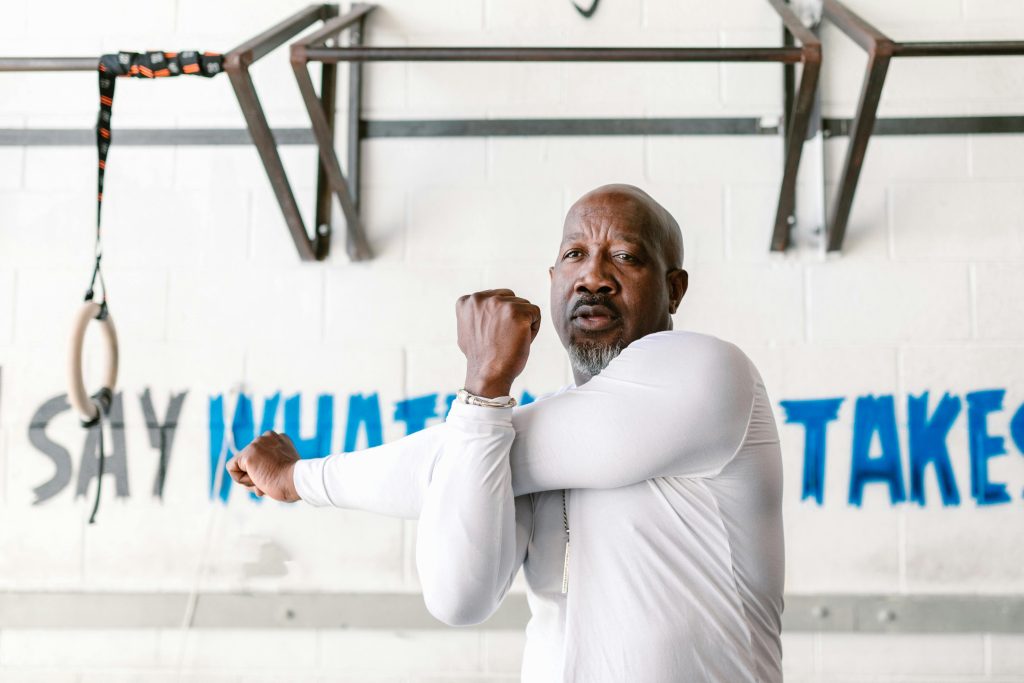
You’ve noticed recovery takes longer than it used to. Perhaps that weekend football match leaves you sore for three days instead of one, or your usual routine suddenly feels more challenging. Maybe you’ve heard friends complain about declining fitness, accepting reduced capability as inevitable, and you’re wondering if the same fate awaits you. The reality contradicts popular belief: training after 40 doesn’t mean accepting decline. Research from Loughborough University demonstrates that individuals who train consistently maintain 85-90% of their peak physical capacity well into their 60s, whilst sedentary peers lose 30-40% of muscle mass and aerobic capacity during the same period.
Most people approach training after 40 with either excessive caution (avoiding challenging workouts that drive adaptation) or reckless disregard for changing recovery needs (training like they’re 25 and suffering injuries). Both extremes prevent optimal progress. Effective training after 40 requires strategic programming that acknowledges physiological changes whilst leveraging the experience and consistency that mature athletes possess.
This comprehensive guide will teach you everything you need for successful training after 40. You’ll discover how your body changes with age, learn science-backed strategies for building strength and fitness, and receive practical frameworks for designing sustainable programmes. Whether you’re returning to exercise after years away or maintaining lifelong habits, you’ll gain actionable knowledge to thrive physically for decades.
Who This Guide Is For
This guide is designed for UK adults aged 40-65 who want to train intelligently. You’ll benefit if you’re experiencing slower recovery, concerned about injury risk, returning to exercise after a break, or wanting to optimise training for your current life stage. Suitable for all experience levels from complete beginners to experienced athletes.
Understanding Physical Changes After 40
Before diving into specific strategies for training after 40, you need to understand how your body changes. These physiological shifts aren’t failures; they’re adaptations requiring modified approaches.
Muscle mass naturally declines approximately 3-8% per decade after age 30, accelerating after 60 without intervention. This sarcopenia results from reduced protein synthesis and declining hormone levels. However, resistance training dramatically slows this decline. Studies from the University of Birmingham show that individuals who strength train regularly maintain muscle mass comparable to sedentary people 20 years younger.
Connective tissue becomes less elastic with age, affecting tendons, ligaments, and joint capsules. This reduced elasticity increases injury risk from sudden movements or inadequate warm-ups. Collagen production decreases, slowing tissue repair and requiring longer recovery periods. Your bones also lose density gradually, particularly concerning for women post-menopause, making weight-bearing exercise essential.
Cardiovascular capacity declines approximately 5-10% per decade after age 30 in sedentary individuals. Maximum heart rate decreases, though this matters less than most people assume. More significantly, stroke volume and oxygen utilisation efficiency decline without consistent aerobic training. However, masters athletes who train consistently maintain fitness levels rivalling inactive people half their age.
Hormonal Changes and Training Implications
Testosterone levels decline approximately 1-2% annually after age 30 in men, affecting muscle building, recovery, and motivation. Women experience more dramatic hormonal shifts during perimenopause and menopause, impacting body composition and energy levels. These changes don’t prevent progress in training after 40 but do require acknowledgment in programme design.
Lower testosterone means muscle building occurs more slowly when training after 40, requiring patient, consistent effort rather than rapid bulk phases. Recovery capacity decreases, necessitating more attention to sleep, nutrition, and stress management. Training frequency or volume may need reduction compared to younger years, whilst intensity remains important for driving adaptation.
The Good News: Experience and Consistency
Whilst physiological changes present challenges for training after 40, you possess distinct advantages. Decades of life experience inform better decisions about training, nutrition, and recovery. Consistency becomes easier as impulsive behaviour decreases and discipline increases. You’re less likely to skip sessions due to social pressures or let ego drive dangerous choices.
Mental resilience developed over decades helps you persist through plateaus that might discourage younger trainees. You understand delayed gratification, accepting that progress occurs over months and years. This psychological maturity often produces better long-term results than the physical advantages of youth.
Essential Principles for Training After 40
Effective training after 40 rests on several key principles that differ from approaches suitable for younger athletes. Understanding these foundations dramatically improves results whilst reducing injury risk.
Progressive Overload with Patience
Progressive overload remains fundamental for training after 40: you must gradually increase demands to drive adaptation. However, the rate of progression differs. Younger athletes might add 2.5-5kg weekly to major lifts; mature athletes should expect monthly progression, particularly as they advance beyond beginner levels.
Patience becomes your greatest asset in training after 40. Accept that building strength, muscle, or endurance occurs more slowly than in your 20s. Focus on consistent training over months and years rather than rapid gains. This mindset prevents the frustration that causes many people to abandon training when they don’t see immediate results.
Track progress across multiple metrics beyond just weight lifted or distance run when training after 40. Monitor recovery quality, movement quality, injury-free training days, and subjective energy levels. These indicators often improve steadily even when performance plateaus temporarily, providing motivation to continue.
Prioritising Recovery and Adaptation
Recovery becomes increasingly important for training after 40, requiring dedicated attention rather than assuming your body will bounce back automatically. Sleep needs don’t decrease with age; aim for 7-9 hours nightly, with quality becoming even more critical.
Nutrition timing matters more as protein synthesis becomes less efficient when training after 40. Consume 1.6-2.2g protein per kilogram bodyweight daily, distributed across 3-4 meals rather than concentrated in one sitting. Eating protein within 2 hours post-training supports recovery, though total daily intake matters most.
Active recovery and deload weeks prevent accumulated fatigue sabotaging progress in training after 40. Include at least one complete rest day weekly, with additional active recovery days featuring light movement. Every 4-6 weeks, implement a deload reducing training volume by 40-50% whilst maintaining intensity.
Mobility and Movement Quality
Maintaining mobility and movement quality prevents the stiffness many people accept as inevitable aging. Daily mobility work (10-15 minutes) addresses restriction in hips, thoracic spine, shoulders, and ankles when training after 40. This investment pays dividends in injury prevention and performance.
Prioritise movement quality over load or volume, especially when learning new exercises while training after 40. Perfect your squat pattern with bodyweight before adding external load. Master proper hinge mechanics before attempting heavy deadlifts. This approach might seem slow initially but prevents injuries that could sideline you for months.
Include dynamic warm-ups before training (10-15 minutes) preparing your nervous system, joints, and muscles for work. Static stretching works better post-training when muscles are warm. Consider adding yoga, Pilates, or dedicated mobility classes to your weekly routine.
Strength Training After 40: Building and Maintaining Muscle
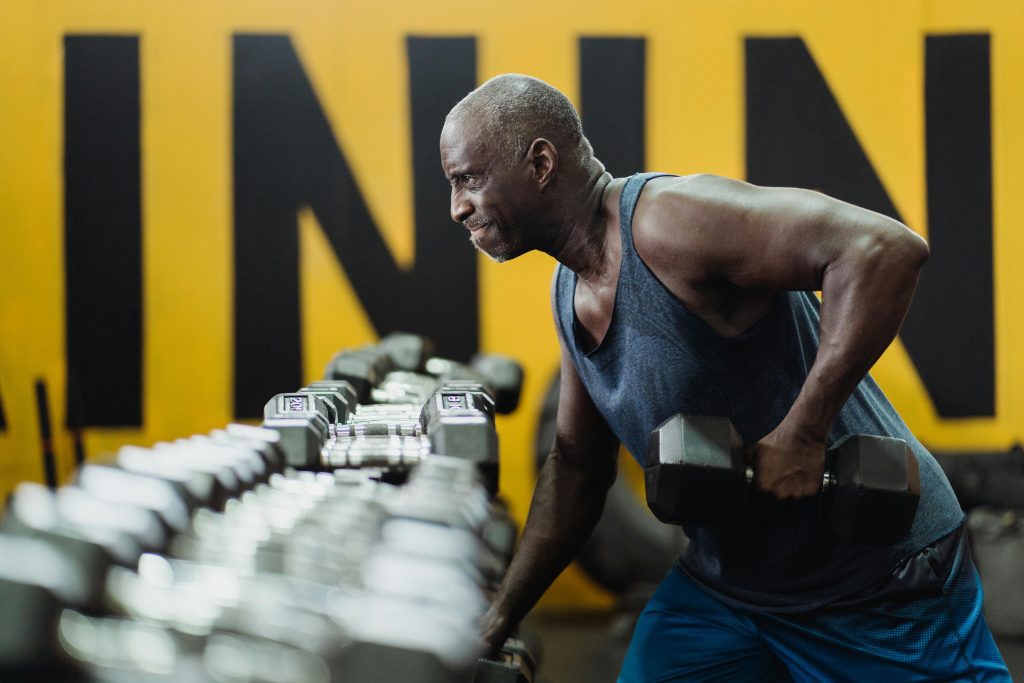
Resistance training becomes increasingly important for training after 40, combating muscle loss, maintaining bone density, and supporting metabolic health. Strategic strength training produces remarkable results regardless of starting point.
Essential Movement Patterns
Focus on compound movements training multiple muscle groups simultaneously when training after 40. These exercises provide maximum return on investment, building functional strength efficiently. The essential patterns include squat, hinge, push, pull, and carry variations.
Squat Variations: Goblet squats, front squats, or back squats build lower body strength whilst supporting bone density. Start with bodyweight or goblet squats before progressing to barbell variations. Depth should reach parallel or slightly below without discomfort.
Hinge Patterns: Deadlifts, Romanian deadlifts, and hip thrusts develop posterior chain strength essential for daily activities when training after 40. These movements particularly benefit people who sit extensively. Master the hip hinge pattern with lighter loads before attempting heavy deadlifts.
Pushing Movements: Press-ups, dumbbell presses, and overhead pressing build upper body strength. Dumbbell variations often prove more shoulder-friendly than barbells. Include both horizontal (bench press) and vertical (overhead press) pressing movements in training after 40.
Pulling Movements: Rows, pull-ups, and lat pulldowns develop back strength crucial for posture and shoulder health. Pulling volume should equal or exceed pushing volume, preventing rounded shoulder posture common in desk workers training after 40.
Training Frequency and Programme Structure
Two to four strength training sessions weekly provide excellent results for most people over 40. Beginners might start with 2 full-body sessions, whilst experienced lifters might use 3-4 sessions with upper/lower or push/pull/legs splits for training after 40.
Full-body training works exceptionally well, training each major pattern 2-3 times weekly with adequate recovery between sessions. A typical week includes Monday, Wednesday, and Friday training, allowing rest days between. Each session includes one squat variation, one hinge, one push, and one pull for training after 40.
Upper/lower splits separate upper body and lower body training, enabling 4 weekly sessions whilst maintaining recovery. Monday and Thursday train lower body; Tuesday and Friday train upper body. This approach suits people who enjoy more frequent training without compromising recovery when training after 40.
Rep Ranges and Loading Strategies
Moderate rep ranges (6-12 repetitions per set) work best for building muscle and strength when training after 40. This range provides adequate intensity for adaptation whilst limiting joint stress from very heavy weights or excessive fatigue from very high repetitions.
Start each programme with weights allowing 8-10 repetitions with good form and 2-3 reps left “in reserve” when training after 40. As you adapt, add weight when you can complete 12 repetitions comfortably. This progression builds strength gradually without injury risk.
Incorporate occasional higher rep sets (12-20 reps) for variety and joint health, particularly on isolation exercises. These lighter sessions provide training stimulus whilst giving joints relative relief from heavy loading during training after 40.
| Training Split | Weekly Sessions | Best For | Recovery Demands | Time Per Session |
|---|---|---|---|---|
| Full-Body | 2-3 | Beginners | Moderate | 45-60 min |
| Upper/Lower | 4 | Intermediate | Moderate-High | 45-60 min |
| Push/Pull/Legs | 3-6 | Experienced | High | 60-75 min |
Cardiovascular Training After 40
Cardiovascular fitness protects heart health, supports metabolic function, and enhances quality of life. Strategic aerobic training maintains and improves endurance when training after 40.
Balancing Intensity and Volume
Training after 40 benefits from an 80/20 approach: 80% of weekly volume at easy, conversational pace; 20% at high intensity. This distribution builds aerobic base whilst providing stimulus for maintaining speed and power without excessive joint stress or recovery demands.
Easy aerobic training occurs at 60-70% of maximum heart rate, where you can hold conversations comfortably. This intensity builds mitochondrial density and develops cardiovascular efficiency without significant fatigue when training after 40. Most of your weekly aerobic work should occur here.
High-intensity intervals (85-95% maximum heart rate) for brief periods maintain cardiovascular capacity and muscle power. One to two interval sessions weekly suffice for most people, providing adequate stimulus without overtaxing recovery capacity during training after 40.
Low-Impact Options for Joint Health
Impact activities like running create 2-3 times bodyweight force through joints with each foot strike. Whilst running provides excellent cardiovascular training, too much volume can strain knees, hips, and ankles when training after 40. Mix running with low-impact alternatives.
Swimming provides excellent cardiovascular training with zero impact, working your entire body. Cycling (road or stationary) develops leg strength alongside cardiovascular fitness with minimal impact. Rowing offers full-body cardiovascular training with low impact. Walking, particularly uphill or with weight vest, provides accessible aerobic training for training after 40.
Sample Weekly Cardiovascular Programme
This intermediate programme includes three cardiovascular sessions weekly, complementing strength training on alternate days for training after 40.
Monday: Easy run, cycle, or swim – 30-40 minutes at conversational pace (60-70% max heart rate). This session builds your aerobic base without creating significant fatigue that would interfere with strength training on Tuesday. Choose activities you enjoy and can sustain comfortably whilst holding a conversation. If you’re new to cardio, start with 20 minutes and gradually increase duration by 5 minutes weekly until you reach 40 minutes.
Wednesday: Interval training – 5 minute warm-up at easy pace, then 6-8 intervals of 1-2 minutes hard effort (85-90% max HR) with 2-3 minutes easy recovery between intervals, followed by 5 minute cool-down. Total session: 30-40 minutes. These intervals maintain cardiovascular capacity and power output. Start with 6 shorter intervals (1 minute hard) if new to interval training, progressing to 8 longer intervals (2 minutes hard) as fitness improves. The hard efforts should feel challenging but sustainable for the full interval duration.
Saturday: Longer easy session – 45-60 minutes at conversational pace using any preferred low-impact activity. This extended duration session builds aerobic endurance and fat oxidation capacity. Saturday works well for longer sessions as recovery time exists before Monday’s next training session. Consider varying your activity weekly (swimming one week, cycling the next, hiking a third) to maintain interest and work different movement patterns.
This schedule provides approximately 2-2.5 hours weekly cardiovascular training, adequate for health and fitness without compromising recovery from strength work when training after 40. Adjust duration based on your fitness level and recovery capacity. Beginners might reduce each session by 25-30% initially, whilst more advanced individuals could extend Saturday’s session to 75-90 minutes if recovery allows.
Mobility, Flexibility, and Injury Prevention
Maintaining movement quality becomes increasingly important during training after 40, preventing the stiffness and dysfunction that limits many older adults.
Daily Mobility Routine
Invest 10-15 minutes daily in mobility work when training after 40, ideally in the morning to reduce stiffness. This routine addresses common restriction areas affecting training and daily life.
Hip Mobility (3-4 minutes): Hip circles, leg swings, 90/90 position holds, and deep squat holds maintain hip mobility essential for squatting, deadlifting, and daily movements.
Thoracic Spine Mobility (3-4 minutes): Thoracic rotations, cat-cow stretches, and thread-the-needle movements address the upper back stiffness common in desk workers training after 40.
Ankle Mobility (2-3 minutes): Ankle circles, calf stretches, and dorsiflexion drills maintain ankle range crucial for proper squat patterns.
Shoulder Mobility (2-3 minutes): Arm circles, wall slides, and band pull-aparts maintain shoulder health essential for pressing and pulling movements during training after 40.
Injury Prevention Strategies
Smart training prevents injuries more effectively than treating them after they occur when training after 40. Warm up thoroughly before every training session. Begin with 5 minutes light aerobic activity elevating heart rate and increasing blood flow to muscles. Follow with dynamic stretching targeting the specific movements you’ll perform in your session, then complete movement-specific warm-up sets at lighter loads before working weights.
Progress loading gradually, following the “10% rule”: increase volume or intensity by no more than 10% weekly when training after 40. This guideline prevents the excessive progression that almost guarantees injury in mature athletes. Patience protects long-term consistency more effectively than aggressive progression that leads to setbacks.
Listen to your body carefully, distinguishing between productive discomfort (muscle fatigue, manageable soreness that improves with movement) and warning signs (sharp pain, joint discomfort, persistent inflammation that worsens with activity) during training after 40. Productive discomfort dissipates with proper warm-up or resolves within 48 hours of rest. Warning signs persist, worsen, or limit your movement quality. Address warning signs immediately through rest, exercise modification, or professional consultation rather than pushing through and risking serious injury.

Nutrition Strategies for Training After 40
Nutrition supports training adaptation, recovery, and overall health. Strategic eating becomes more important during training after 40 as metabolic efficiency changes with age.
Protein Requirements and Timing
Protein needs increase slightly when training after 40 to overcome reduced protein synthesis efficiency. Aim for 1.6-2.2g protein per kilogram bodyweight daily. A 75kg person should consume 120-165g protein daily spread across multiple meals.
Distribute protein intake across the day rather than concentrating in one or two meals for optimal results when training after 40. Each meal should include 25-40g protein. Leucine-rich protein sources (animal proteins, dairy, soy) particularly support muscle protein synthesis.
Managing Body Composition
Metabolic rate typically decreases approximately 2-3% per decade after age 30, making weight management more challenging without dietary adjustments when training after 40. This doesn’t mean accepting weight gain; it means acknowledging reality and planning accordingly.
Track calories at least periodically, ensuring intake matches your goals during training after 40. Maintenance calories approximate 14-16 calories per pound of bodyweight for moderately active individuals. For fat loss, create a 300-500 calorie daily deficit. For muscle gain, create a 200-300 calorie surplus.
Key Supplements for Training After 40
After 40, several supplements deserve specific attention. Vitamin D (2,000-4,000 IU daily) supports bone health and immune function. Omega-3 fatty acids (1-2g EPA/DHA daily) support joint health and reduce inflammation. Magnesium (300-400mg daily) affects sleep quality and recovery. Creatine (5g daily) supports strength and muscle mass when training after 40.
Common Challenges When Training After 40
Understanding obstacles that typically arise helps you prepare solutions proactively during training after 40.
Recovery Takes Longer
Perhaps the most common frustration when training after 40: workouts that previously required 24 hours recovery now need 48-72 hours. This isn’t weakness; it’s physiology requiring acknowledgment and adaptation.
Reduce training frequency or volume rather than intensity for training after 40. Two well-executed full-body sessions weekly with adequate recovery often produce better results than four poorly-recovered sessions. Prioritise sleep above almost everything else. Seven to nine hours nightly enables optimal recovery.
Motivation Fluctuates More
Life’s responsibilities often peak during your 40s and 50s: career demands, family obligations, financial pressures. These competing priorities can undermine consistency in training after 40.
Schedule training sessions like important meetings, blocking calendar time and treating them as non-negotiable. Early morning training often works best for training after 40, completing exercise before daily demands interfere. Find training you genuinely enjoy rather than suffering through activities you hate.
Injuries Occur More Easily
Connective tissue loses elasticity, recovery slows, and accumulated wear makes injuries more likely when training after 40. Never skip warm-ups, regardless of time constraints. Address minor issues immediately rather than training through discomfort. Include prehabilitation exercises targeting common injury areas during training after 40.
Frequently Asked Questions About Training After 40
Is it too late to start training at 40 or older?
Absolutely not. Studies consistently show that people beginning training at 40, 50, or even 60+ see significant improvements in strength, fitness, and body composition. You won’t reach the same peak as someone training since their 20s, but you’ll vastly exceed sedentary peers. The best time to start was 20 years ago; the second best time is today for training after 40.
How often should I train after 40?
Most people thrive on 3-5 training sessions weekly, mixing strength and cardiovascular work when training after 40. Beginners might start with 2-3 sessions whilst experienced athletes might handle 5-6. Quality and consistency matter more than frequency. Listen to your body, ensuring adequate recovery between sessions.
Can I build muscle after 40?
Yes, absolutely. Muscle protein synthesis continues functioning, though less efficiently than in youth during training after 40. You’ll build muscle more slowly than a 25-year-old but can still achieve significant gains. Expect 0.25-0.5kg muscle gain monthly with structured resistance training and adequate protein. This slower rate still produces impressive results over 6-12 months.
Metabolic rate decreases approximately 2-3% per decade, requiring either reduced caloric intake or increased activity when training after 40. Resistance training preserves muscle mass, supporting metabolic rate. Protein intake becomes increasingly important. Track calories periodically, ensuring intake matches expenditure during training after 40.
Should I take supplements?
Focus on nutrition first, using supplements strategically when training after 40. Vitamin D, omega-3s, and creatine offer well-researched benefits. Protein powder provides convenient high-quality protein when whole foods aren’t practical. Consult healthcare providers before starting supplementation, particularly if you take medications.
Can I train for competitions?
Absolutely. Many age-group record holders set their personal bests after 40. Masters athletics provides competitive opportunities. Your training might require more recovery time than younger competitors, but age-group competition accounts for physiological changes when training after 40.
How important is flexibility and mobility work?
Extremely important for training after 40. Mobility work prevents dysfunction, reduces injury risk, and maintains movement quality. Dedicate 10-15 minutes daily, viewing it as essential as strength or cardiovascular training. This investment pays dividends in training longevity and quality of life.
What if I have existing injuries or health conditions?
Consult healthcare providers and work with qualified professionals designing programmes accommodating your specific situation when training after 40. Most conditions benefit from appropriate exercise, though modifications prove necessary. Many people with health issues train successfully; they simply require individualised approaches.
Related Guides: Dive Deeper Into Specific Topics
- Strength Training for Beginners: Master fundamental movement patterns
- Cardiovascular Training Guide: Build endurance and heart health
- Mobility and Flexibility: Maintain movement quality for life
- Nutrition for Muscle Building: Support training with strategic eating
- Recovery Strategies: Optimise adaptation between sessions
- Injury Prevention: Train consistently by avoiding common problems
- Home Gym Setup: Create effective training space
- Training Consistency: Build sustainable exercise habits
Conclusion: Embracing Your Strongest Decade
Training after 40 doesn’t mean accepting decline or training timidly. It means acknowledging physiological changes whilst leveraging experience, discipline, and consistency that mature athletes possess. The difference between thriving physically versus accepting deterioration comes down to intelligent, consistent training.
Key Takeaways:
- Physiological changes require modified approaches for training after 40, not reduced ambitions
- Recovery becomes increasingly important; adequate rest enables adaptation
- Strength training combats muscle loss whilst supporting bone density and metabolic health
- Moderate rep ranges (6-12) and patient progression produce excellent results
- Cardiovascular training maintains heart health through mixed intensity approaches
- Mobility work prevents dysfunction and keeps you moving well for decades
- Nutrition strategies emphasizing protein support training goals after 40
- Consistency over months and years produces remarkable results
Your First Three Actions:
- Schedule a health check-up: Consult your GP before beginning or modifying training, ensuring no underlying health issues require accommodation.
- Start with two full-body sessions weekly: Begin conservatively with exercises you can perform safely, focusing on establishing consistency.
- Commit to daily mobility work: Invest 10-15 minutes each morning in mobility exercises addressing key areas.
Remember that training after 40 isn’t about competing with your younger self. It’s about being the strongest, fittest, healthiest version of your current self. Many people achieve their best fitness and physical capability through intelligent training after 40 and consistent effort.


