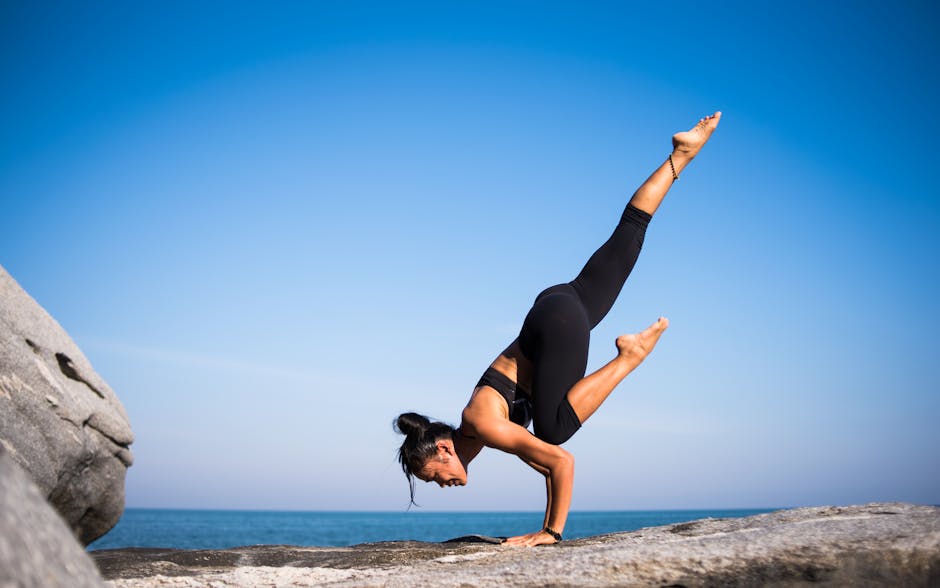
So, you’ve decided to give yoga a go. Brilliant! Whether you’re after better flexibility, stress relief, or just a gentle way to move your body, yoga for beginners is more accessible than you might think. Forget the Instagram-perfect poses and intimidating studio vibes—this ancient practice is genuinely for everyone, regardless of your fitness level, age, or flexibility. Let’s dive into everything you need to know to start your yoga journey with confidence, shall we?
Related reading: 28 UK Festivals That Will Actually Make You Happier (And How to Choose Your Perfect One).
Why Yoga for Beginners Is Perfect for Getting Started
For more on this topic, you might enjoy: Game-Changing Steps to Transform Your Body: The Ultimate Home Fitness Journey for Complete Beginners (No Gym Required!).
Here’s the thing: yoga isn’t about twisting yourself into a pretzel or achieving perfect form on day one. It’s about connecting your breath with movement, building strength gradually, and finding a bit of calm in our chaotic world. According to NHS guidelines, activities that improve muscle strength—like yoga—should be done at least twice a week, making it a fantastic addition to your fitness routine.
When you’re just starting out with yoga for beginners, you’ll discover it’s remarkably forgiving. Unlike high-impact workouts that might leave you exhausted or injured, yoga meets you where you are. Feeling stiff? That’s exactly why you should start. Can’t touch your toes? Join the club—most of us can’t when we begin.
The beauty of beginner yoga is that modifications exist for practically every pose. Using props like blocks, straps, or even a cushion from your sofa isn’t “cheating”—it’s smart practice. You’ll build strength, improve balance, and yes, gradually become more flexible, all whilst reducing stress and anxiety.
Essential Equipment You’ll Actually Need
Good news: starting yoga for beginners won’t break the bank. You don’t need fancy gear or expensive memberships to begin your practice at home.
The Basics
- A yoga mat: Invest in a decent non-slip mat (£15-30 will do nicely). It provides cushioning and grip, which matters more than you’d think.
- Comfortable clothing: Whatever allows you to move freely. No need for expensive yoga brands—leggings and a fitted top work perfectly.
- A water bottle: Stay hydrated, especially if you’re trying more active styles.
Helpful Extras
- Yoga blocks: These foam or cork blocks help bring the floor closer to you in certain poses.
- A strap: Useful for stretches when your flexibility is still developing.
- A blanket or cushion: For seated poses and added comfort.
Remember, you can start your yoga for beginners practice with literally just a mat and your own body. Everything else is optional.
Best Yoga Styles for Complete Beginners
You may also find this helpful: Physical Fitness 101: Life-Changing Secrets Every Beginner Must Know Before Starting Their Journey.
Not all yoga is created equal, and choosing the right style makes a massive difference when you’re starting out. Here are the most beginner-friendly options:
Hatha Yoga
This is your classic, slow-paced introduction to basic poses and breathing techniques. Hatha yoga for beginners is ideal because teachers typically hold poses longer, giving you time to understand alignment and build strength gradually.
Yin Yoga
If you fancy something meditative and gentle, Yin yoga involves holding passive stretches for several minutes. It’s wonderfully relaxing and perfect for improving flexibility without pushing too hard.
Vinyasa Yoga
Once you’ve grasped the basics, Vinyasa offers a more flowing, dynamic practice. It links breath with movement in a dance-like sequence. Start with beginner-specific Vinyasa classes to avoid feeling overwhelmed.
According to research published in the International Journal of Yoga, regular yoga practice can significantly improve both physical and mental health outcomes, regardless of which style you choose.
Five Simple Poses to Start Your Practice
Let’s get practical. These foundational poses form the backbone of most yoga for beginners sequences. Master these, and you’ll feel confident in any beginner class.
Mountain Pose (Tadasana)
It looks simple—just standing, right? But this pose teaches proper posture and body awareness. Stand with feet hip-width apart, distribute weight evenly, engage your thighs, and reach the crown of your head toward the ceiling. It’s the foundation for all standing poses.
Downward-Facing Dog (Adho Mukha Svanasana)
This iconic pose strengthens your arms and shoulders whilst stretching your hamstrings and calves. Don’t worry if your heels don’t touch the floor—they probably won’t at first. Bend your knees slightly if needed.
Child’s Pose (Balasana)
Your rest pose whenever you need it. Kneel on your mat, sit back on your heels, and fold forward with arms extended. It’s restorative, calming, and always available during your practice.
Cat-Cow Stretch (Marjaryasana-Bitilasana)
On hands and knees, alternate between arching your back (cow) and rounding it (cat). This gentle flow warms up your spine and connects breath with movement beautifully.
Warrior I (Virabhadrasana I)
A powerful standing pose that builds strength in your legs and core. Step one foot back, bend your front knee, and raise your arms overhead. Feel strong? You should—you’re literally in warrior pose.
For visual guidance on these poses, check out beginner yoga tutorials on YouTube, where you’ll find countless free demonstrations.
Creating Your Home Practice Routine
Starting yoga for beginners at home offers flexibility and privacy whilst you build confidence. Here’s how to establish a sustainable routine:
Start small: Begin with just 10-15 minutes, three times a week. Consistency matters more than duration. You’re building a habit, not training for a competition.
Choose a specific time and space: Whether it’s morning stretches before breakfast or evening wind-down routines, having a regular time helps cement the habit. Claim a corner of your bedroom or living room as your yoga space.
Use guided videos initially: YouTube channels, apps like Down Dog, or online classes provide structure when you’re learning. Follow along until you feel comfortable creating your own sequences.
Listen to your body: Some discomfort as you stretch is normal, but sharp pain isn’t. Respect your limits—they’ll expand with practice.
Focus on breath: When in doubt, return to your breath. If you’re holding your breath in a pose, you’re probably pushing too hard. Smooth, steady breathing is your guide.
Common Mistakes (and How to Avoid Them)
Every beginner makes these missteps. Here’s how to sidestep them on your yoga for beginners journey:
Comparing yourself to others: Your flexibility, strength, and progress are uniquely yours. Someone else’s practice has zero bearing on your own. Focus inward.
Skipping the warm-up: Those first few gentle stretches aren’t optional—they prepare your body and prevent injury. Don’t rush straight into complex poses.
Forgetting to breathe: It sounds obvious, but beginners often hold their breath during challenging poses. Breath is the foundation of yoga; keep it flowing.
Pushing too hard, too fast: Flexibility and strength develop gradually. Forcing yourself into advanced poses before you’re ready risks injury and discouragement.
Ignoring alignment: Proper alignment protects your joints and maximises benefits. Better to do a modified version correctly than push into the “full” pose with poor form.
Conclusion: Just Start Where You Are
The most important thing about yoga for beginners is simply beginning. You don’t need to be flexible, fit, or “zen” to start. You just need a willingness to show up, breathe, and move your body with intention. Whether you practice at home in your pyjamas or eventually join a local class, yoga adapts to fit your life, your body, and your goals. The journey of a thousand poses begins with a single breath—so take yours, and let’s get started.
Frequently Asked Questions
How often should I practice yoga as a beginner?
Aim for 2-3 times per week initially, even if just for 15-20 minutes. This frequency allows your body to adapt whilst building a sustainable habit. As you progress with yoga for beginners, you can increase duration and frequency based on how you feel. Consistency trumps intensity every time.
Do I need to be flexible to start yoga?
Absolutely not! This is the biggest myth about yoga for beginners. You start yoga to become more flexible, not because you already are. Most beginners are stiff—that’s completely normal and expected. Modifications and props exist precisely for this reason, so don’t let limited flexibility stop you from starting.
Can I learn yoga effectively from online videos?
Yes, particularly as you’re beginning your practice. Many people successfully learn yoga for beginners through quality online resources. Choose reputable instructors who provide clear explanations and modifications. Eventually, you might want in-person instruction for detailed feedback on alignment, but online videos are brilliant for building confidence and establishing a home practice.
Key Takeaway
Starting your yoga for beginners journey doesn’t require special abilities, expensive equipment, or perfect flexibility. All you need is a mat, comfortable clothes, and the willingness to begin. Focus on basic poses, breathe steadily, listen to your body, and practice regularly—even just 15 minutes makes a difference. Yoga meets you exactly where you are, so stop overthinking and simply start. Your future, more flexible, stronger, calmer self will thank you for taking that first step today.


