Related reading: Build Real Strength in Your Living Room: The No-Equipment Workout That Actually Works.
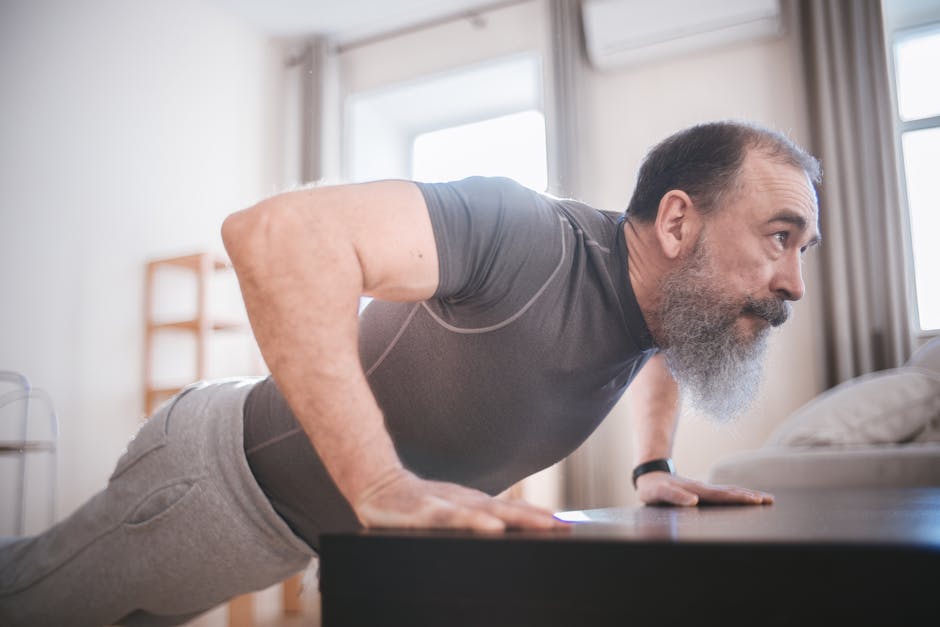
Looking to build strength without fancy equipment or an expensive gym membership? A bodyweight strength workout might be exactly what you need. Training at home using just your own body resistance is not only incredibly effective, but it’s also flexible, free, and perfect for busy schedules. Whether you’re just starting your fitness journey or looking to switch things up, bodyweight exercises can help you develop muscle, improve endurance, and boost your overall health. Let’s dive into how you can create a powerful bodyweight strength workout routine from the comfort of your living room.
Related reading: Core Strengthening Exercises: Your Complete Guide to Building a Stronger Middle.
Why Bodyweight Strength Workouts Actually Work
For more on this topic, you might enjoy: Build Serious Strength Without Weights: Your Complete Bodyweight Training Guide.
You might wonder if training without weights can truly build strength. The answer is absolutely yes. When you perform a bodyweight strength workout, you’re using progressive resistance—the weight of your own body—to challenge your muscles. This approach has been used for centuries, from ancient Greek athletes to modern military training programmes.
According to NHS guidelines, adults should aim for muscle-strengthening activities on at least two days per week, and bodyweight exercises absolutely count. The beauty of this training style is that it engages multiple muscle groups simultaneously, improving not just strength but also balance, coordination, and functional fitness—the kind that helps you in everyday life.
Plus, bodyweight training is incredibly safe when done with proper form. You’re moving naturally through ranges of motion your body is designed for, which reduces injury risk compared to lifting heavy weights incorrectly.
Essential Exercises for Your Bodyweight Strength Workout
Building an effective bodyweight strength workout doesn’t require dozens of complicated movements. Focus on these fundamental exercises that target all major muscle groups:
Upper Body Exercises
- Press-ups (Push-ups): The classic chest, shoulder, and triceps builder. Start on your knees if needed, then progress to full press-ups and eventually more challenging variations.
- Dips: Use a sturdy chair or sofa edge to work your triceps and chest from a different angle.
- Plank variations: While primarily a core exercise, planks also engage your shoulders and arms significantly.
Lower Body Exercises
- Squats: The king of lower body movements. Work your quads, glutes, and hamstrings with this essential exercise.
- Lunges: Forward, reverse, or walking—lunges build leg strength and improve balance.
- Glute bridges: Perfect for targeting your posterior chain and protecting your lower back.
- Single-leg exercises: Progress to pistol squats or single-leg deadlifts for advanced strength development.
Core Exercises
- Planks: Front, side, and variations keep your core solid and stable.
- Dead bugs: Excellent for building core control and coordination.
- Mountain climbers: Combine core strength with cardio benefits.
Research published in Harvard Health confirms that these fundamental movements effectively build strength when performed consistently with progressive overload.
Creating Your Bodyweight Strength Workout Routine
You may also find this helpful: Your Ultimate HIIT Treadmill Workout: Transform Your Fitness in Less Time.
Now that you know the exercises, let’s structure them into an effective routine. The key to success with any bodyweight strength workout is consistency and progressive challenge.
Beginner Routine (3 days per week)
Start with this foundation and focus on learning proper form:
- Press-ups (on knees if needed): 3 sets of 8-12 reps
- Bodyweight squats: 3 sets of 15-20 reps
- Plank: 3 sets of 20-30 seconds
- Lunges: 3 sets of 10 reps per leg
- Glute bridges: 3 sets of 15 reps
Rest 60-90 seconds between sets. Complete the entire circuit, rest 2-3 minutes, then repeat.
Intermediate Routine (4 days per week)
Once you’ve built a foundation, increase the challenge:
- Full press-ups: 4 sets of 12-15 reps
- Bulgarian split squats: 4 sets of 10 reps per leg
- Pike press-ups: 3 sets of 8-10 reps
- Single-leg glute bridges: 3 sets of 12 reps per leg
- Plank to down-dog: 3 sets of 10 reps
- Mountain climbers: 3 sets of 20 reps
Advanced Routine (5 days per week)
Push your limits with challenging variations in your bodyweight strength workout:
- Diamond press-ups or decline press-ups: 4 sets of 10-15 reps
- Pistol squats (assisted if needed): 4 sets of 5-8 reps per leg
- Handstand press-ups (against wall): 3 sets of 5-8 reps
- Single-leg deadlifts: 4 sets of 10 reps per leg
- L-sit holds: 3 sets of 15-30 seconds
- Burpees: 3 sets of 15 reps
Progression Strategies for Bodyweight Training
The secret to continuous improvement in your bodyweight strength workout is progressive overload. Since you can’t simply add more weight plates, you’ll need to get creative:
Increase repetitions: The simplest method—once you can comfortably complete your target reps, add 2-3 more each session until you reach 20-25 reps, then move to a harder variation.
Slow down the tempo: Perform exercises more slowly, especially the lowering (eccentric) phase. A 3-second descent dramatically increases difficulty.
Reduce rest periods: Shorten rest between sets from 90 seconds to 60 seconds, then 45 seconds, increasing workout intensity.
Add pause reps: Pause at the most challenging point of an exercise (bottom of a squat, halfway down a press-up) for 2-3 seconds.
Progress to harder variations: Move from regular press-ups to decline press-ups, then to one-arm press-ups. Each exercise has a natural progression path.
Increase time under tension: For exercises like planks or wall sits, gradually extend your hold time.
Common Mistakes to Avoid
Even the best bodyweight strength workout won’t deliver results if you’re making these common errors:
Sacrificing form for reps: Quality always beats quantity. A properly executed press-up with full range of motion beats rushed, partial reps every time. Poor form not only reduces effectiveness but increases injury risk.
Skipping warm-ups: Your muscles need preparation. Spend 5-10 minutes doing dynamic stretches, arm circles, leg swings, and light movements before diving into your workout.
Training the same way every session: Your body adapts quickly. Vary your exercises, rep ranges, and rest periods to continue seeing progress.
Neglecting recovery: Muscles grow during rest, not during workouts. Ensure you’re getting adequate sleep and allowing at least 48 hours between training the same muscle groups intensively.
Ignoring nutrition: You can’t out-train a poor diet. Eating a balanced diet with adequate protein supports your bodyweight strength workout results.
Tips for Staying Motivated at Home
Training at home presents unique challenges, especially when your sofa is calling. Here’s how to stay consistent:
Create a dedicated space: Even if it’s just a yoga mat in the corner, having a designated workout area helps establish the right mindset.
Schedule your sessions: Treat your bodyweight strength workout like any important appointment. Put it in your calendar and honour that commitment.
Track your progress: Keep a simple notebook recording reps, sets, and how you felt. Seeing your numbers increase is incredibly motivating.
Find a workout buddy: Even virtually, having someone to check in with increases accountability. Video call a friend and work out together.
Mix up your routine: Boredom kills motivation. Try new exercise variations, create different workout formats, or follow along with online videos for inspiration.
Celebrate small wins: Did your first proper press-up? Held a plank 10 seconds longer? These victories matter—acknowledge them!
Conclusion
A bodyweight strength workout offers everything you need to build impressive strength, improve your physique, and boost your health—all without leaving home or spending a penny on equipment. By mastering fundamental movements, progressively challenging yourself, and staying consistent, you’ll achieve results that rival any expensive gym programme. The best part? You can start right now, exactly where you are. Your body is the only tool you need, and your living room is the perfect gym. So roll out that mat, set aside those excuses, and begin your bodyweight strength workout journey today. Your stronger, fitter self is waiting just a few press-ups away.
Frequently Asked Questions
Can you really build muscle with just bodyweight exercises?
Absolutely! As long as you progressively challenge your muscles through increased reps, harder variations, or slower tempos, your bodyweight strength workout will stimulate muscle growth. Gymnasts are prime examples of incredible physiques built primarily through bodyweight training. The key is consistent progressive overload and adequate protein intake.
How long should a bodyweight workout take?
An effective bodyweight strength workout typically takes 30-45 minutes, including warm-up and cool-down. If you’re short on time, even 20 minutes of focused training beats skipping the session entirely. Quality and consistency matter more than duration.
How many times per week should I do bodyweight training?
For optimal results, aim for 3-5 sessions weekly, depending on your fitness level. Beginners should start with 3 days, allowing recovery days between sessions. More advanced trainees can train 5-6 days by splitting muscle groups across different sessions. Always include at least one full rest day per week.
Key Takeaway
Building strength at home through bodyweight training is not only possible—it’s highly effective and accessible to everyone. By focusing on fundamental exercises like press-ups, squats, and planks, progressively challenging yourself, and maintaining consistency, you can develop impressive strength and fitness without any equipment. The secret lies in proper form, strategic progression, and treating your bodyweight


