Related reading: 7 Home Office Gadgets That Actually Make Working From Home Easier (According to Remote Workers).
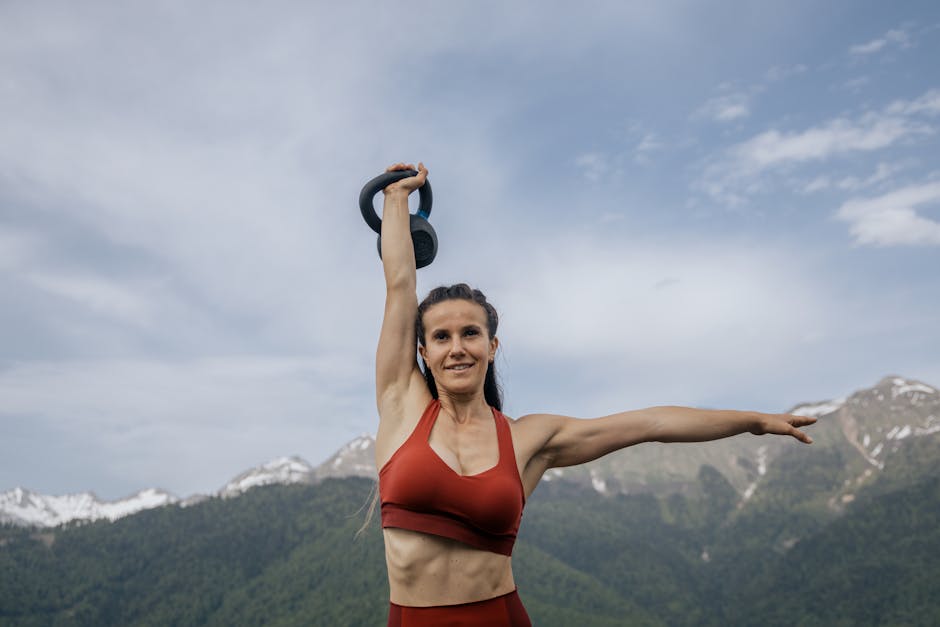
Looking for a simple, effective way to build strength without cluttering your home with gym equipment? A kettlebell full body workout might be exactly what you need. This cast-iron wonder offers everything you need for a proper strength session – from cardio to muscle building – all in one compact package. Whether you’re completely new to resistance training or looking to switch up your routine, kettlebells deliver results that’ll have you wondering why you didn’t start sooner. Let’s dive into how you can create a brilliant full body routine with just one piece of kit.
Why Kettlebells Are Perfect for Full Body Training
For more on this topic, you might enjoy: Transform Your Body: 10 Essential Home Workout Routines That Require Zero Equipment (Results in 30 Days!).
Kettlebells aren’t just another fitness fad – they’ve been around for centuries, and there’s a reason they’ve stood the test of time. Unlike dumbbells or barbells, the unique shape of a kettlebell places the weight below your hand, creating an unstable load that forces your entire body to work together. This means you’re not just isolating individual muscles; you’re building functional strength that translates to real-world movements.
According to NHS guidelines, adults should aim for at least 150 minutes of moderate-intensity activity weekly, and strength training twice a week. A kettlebell full body workout ticks both boxes efficiently. You’ll improve your cardiovascular fitness whilst simultaneously building muscle and burning calories – often in sessions lasting just 20-30 minutes.
Better yet, kettlebells are remarkably space-efficient. If you live in a flat or have limited space, you can store a kettlebell in a cupboard and still get gym-quality workouts. No monthly membership fees, no commute, and no waiting for equipment. Just you, your kettlebell, and a bit of floor space.
Essential Kettlebell Exercises for Your Full Body Routine
Now, let’s look at the fundamental movements that form the backbone of any effective kettlebell full body workout. These exercises work multiple muscle groups simultaneously, giving you maximum results in minimum time.
The Kettlebell Swing
This is the granddaddy of kettlebell movements. The swing targets your glutes, hamstrings, core, and shoulders whilst getting your heart pumping. Start with your feet shoulder-width apart, hinge at the hips, and swing the kettlebell between your legs before driving through your hips to propel it forward to chest height. Think of it as a hip thrust, not an arm lift. Research published in the Journal of Strength and Conditioning Research found that kettlebell swings significantly improve strength and power development.
Goblet Squats
Hold the kettlebell close to your chest with both hands, squat down keeping your chest proud, then drive back up. This exercise hammers your quads, glutes, and core whilst teaching proper squat form. The front-loaded position naturally encourages an upright torso, making it harder to lean forward incorrectly.
Kettlebell Press
Whether you perform this standing or kneeling, the kettlebell press builds shoulder strength and stability. Clean the kettlebell to your shoulder, then press it overhead until your arm is fully extended. Your core works overtime to keep you stable throughout the movement.
Turkish Get-Up
This looks complicated at first, but it’s worth learning. The Turkish get-up takes you from lying down to standing whilst holding a kettlebell overhead. It’s a full body exercise that improves mobility, stability, and coordination all at once. Start light and master the movement pattern before increasing weight.
Kettlebell Rows
Don’t neglect your back! Place one hand on a bench or chair for support, hinge forward, and row the kettlebell towards your hip. This strengthens your lats, rhomboids, and biceps whilst balancing out all that pressing work.
Building Your Kettlebell Full Body Routine
You may also find this helpful: Essential Nutrients Your Body Desperately Craves Every Day (You’re Probably Missing Half!).
Right, you’ve got the exercises – now let’s structure them into a proper workout. For beginners, I’d recommend starting with two to three sessions weekly, allowing at least one rest day between workouts. Your muscles need time to recover and grow stronger.
Here’s a straightforward kettlebell full body workout structure:
- Warm-up: 5 minutes of light cardio (jogging in place, jumping jacks) plus some dynamic stretches
- Kettlebell swings: 3 sets of 15 repetitions
- Goblet squats: 3 sets of 10 repetitions
- Kettlebell press (each arm): 3 sets of 8 repetitions
- Kettlebell rows (each arm): 3 sets of 10 repetitions
- Turkish get-ups (each side): 2 sets of 3 repetitions
- Cool-down: 5 minutes of stretching
Rest for 60-90 seconds between sets initially. As you become fitter, you can reduce rest periods or perform exercises as circuits for a more cardiovascular challenge. The beauty of this kettlebell full body workout is its scalability – adjust the weight, reps, or rest periods based on how you’re feeling.
Choosing the Right Kettlebell Weight
This is crucial. Too light, and you won’t see progress; too heavy, and you risk injury or poor form. For women new to strength training, I’d suggest starting with an 8kg kettlebell. Men typically start around 12-16kg. If you’ve got some training experience, women might begin with 12kg and men with 16-20kg.
Your kettlebell full body workout should feel challenging but manageable. You should complete your sets with proper form whilst feeling genuinely worked by the final repetitions. If you’re sailing through easily, it’s time to go heavier. Conversely, if you can’t maintain good technique, drop down in weight.
Investing in two kettlebells of different weights gives you flexibility. Use the lighter one for overhead work and the heavier one for swings and squats. Most sporting goods retailers stock quality kettlebells, and you can often find excellent second-hand options online.
Common Mistakes to Avoid
Even with straightforward exercises, there are pitfalls to watch for. First, never sacrifice form for speed or heavier weight. Poor technique not only reduces effectiveness but increases injury risk. Film yourself occasionally or work with a qualified trainer initially to ensure you’re moving correctly.
Another common error is holding your breath during exercises. Breathing properly – exhaling during the exertion phase – helps stabilise your core and prevents dizziness. With swings, breathe out forcefully as you drive your hips forward.
Don’t rush your kettlebell full body routine either. Controlled, deliberate movements build strength more effectively than fast, sloppy reps. Focus on the quality of each repetition rather than racing through your sets.
Finally, progressive overload matters. Your body adapts to stress, so you need to gradually increase the challenge. This might mean adding reps, reducing rest periods, or increasing weight. Keep a simple training log to track your progress over weeks and months.
Conclusion: Getting Started With Your Kettlebell Journey
A kettlebell full body workout offers a practical, efficient way to build strength, improve fitness, and boost your overall health without requiring a gym membership or loads of equipment. By mastering just a handful of fundamental movements, you can create effective routines that fit into even the busiest schedules. Start with appropriate weights, focus on proper form, and be consistent with your training. Whether you’re working out in your living room, garden, or local park, your kettlebell travels with you, making it easier than ever to stick with your fitness goals. Remember, the best workout routine is the one you’ll actually do – and kettlebell training makes that commitment far more manageable. So grab that kettlebell, start swinging, and watch your strength and confidence grow.
Frequently Asked Questions
How often should I do a kettlebell full body workout?
Two to three times weekly is ideal for most people, allowing at least one rest day between sessions. This gives your muscles adequate recovery time whilst providing enough training stimulus for progress. As you advance, you might train four times weekly by splitting upper and lower body focus days.
Can kettlebells help me lose weight?
Absolutely! Kettlebell training burns significant calories whilst building muscle, which increases your metabolic rate. Combined with sensible nutrition, regular kettlebell full body workouts can definitely support weight loss goals. The high-intensity nature of movements like swings particularly boosts calorie burn.
Do I need multiple kettlebells or will one do?
You can start with just one kettlebell and get excellent results. However, having two different weights (one lighter, one heavier) offers more flexibility as different exercises suit different loads. Many people build a small collection over time as they progress and want varied training options.
Key Takeaway
Kettlebell training provides an efficient, space-saving solution for building total-body strength and fitness. By incorporating fundamental movements like swings, squats, presses, and rows into a structured routine, you’ll develop functional strength that improves everyday life. Start with appropriate weights, prioritise proper form over speed, and train consistently two to three times weekly. With minimal equipment and time investment, a kettlebell full body workout delivers impressive results that make the effort absolutely worthwhile. Your journey to greater strength starts with that first swing – so why not begin today?
—


