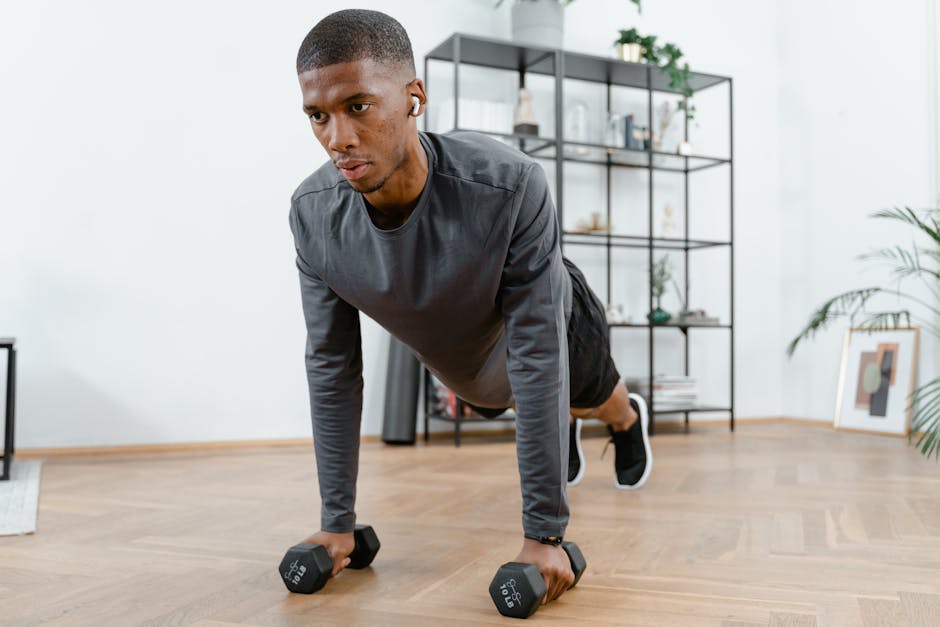
If you’ve been scrolling through fitness Instagram or chatting with mates at the gym, you’ve probably heard people raving about HIIT. High intensity interval training has become one of the most popular workout methods for good reason—it’s efficient, effective, and you don’t need fancy equipment or hours of spare time. But if you’re new to exercise or just getting back into fitness, the idea of “high intensity” anything might sound a bit intimidating. The good news? HIIT for beginners is absolutely achievable, and this guide will show you exactly how to get started safely and build up your fitness without feeling overwhelmed.
Related reading: 28 UK Festivals That Will Actually Make You Happier (And How to Choose Your Perfect One).
What Exactly Is HIIT for Beginners?
For more on this topic, you might enjoy: Yoga for Beginners: Your No-Nonsense Guide to Getting Started.
Let’s break down what high intensity interval training actually means. At its core, HIIT involves alternating between short bursts of intense exercise and periods of rest or lower-intensity movement. Think of it as working really hard for 20-30 seconds, then recovering for 30-60 seconds, and repeating that pattern.
When we talk about HIIT for beginners, we’re looking at a gentler approach to this training style. You’re not expected to sprint like Usain Bolt or do burpees until you collapse. Instead, you’ll work at your maximum effort—which might be a brisk walk or modified exercises—followed by adequate rest periods. According to the NHS guidelines for physical activity, adults should aim for 150 minutes of moderate activity weekly, and HIIT can help you achieve this efficiently.
The beauty of high intensity interval training is its flexibility. Whether you’re at home in your living room, at a local park, or in a gym, you can create an effective HIIT session that works for your current fitness level.
Why Beginners Should Consider High Intensity Interval Training
You might wonder why HIIT for beginners has gained such a following. The benefits are pretty compelling, especially if you’re juggling work, family, and trying to maintain some semblance of a social life.
Time-Efficient Workouts
One of the biggest advantages of high intensity interval training is that you can get an effective workout in 15-20 minutes. For beginners who feel intimidated by the thought of spending an hour at the gym, this is brilliant news. Research published in the British Journal of Sports Medicine shows that even short HIIT sessions can provide significant health benefits.
Boosts Your Metabolism
High intensity interval training creates something called the “afterburn effect,” where your body continues burning calories for hours after you’ve finished exercising. This makes HIIT particularly effective for those looking to manage their weight alongside other healthy habits.
Improves Cardiovascular Health
Regular HIIT sessions strengthen your heart and improve your overall cardiovascular fitness. As a beginner, you’ll notice improvements quickly—climbing stairs becomes easier, you’re less out of breath during daily activities, and your energy levels increase.
Getting Started: Your First HIIT for Beginners Workout
You may also find this helpful: Essential Marathon Training Secrets Every Runner Must Know in 2025.
Right, let’s get practical. Before you dive into high intensity interval training, here’s what you need to know about structuring your first session.
The Warm-Up Is Non-Negotiable
Never skip your warm-up. Spend 5-10 minutes getting your body ready with light cardio like marching in place, gentle jogging, or dynamic stretches. This reduces injury risk and prepares your muscles for the work ahead.
Choose Simple Exercises
For HIIT for beginners, stick with movements you’re comfortable with. Here are some excellent options:
- Marching or jogging in place – simple and effective for elevating your heart rate
- Modified squats – use a chair for support if needed
- Step-touches – side to side movement that’s low-impact
- Knee raises – controlled and easy to modify
- Wall push-ups – builds upper body strength without floor work
The Beginner-Friendly Ratio
Start with a work-to-rest ratio that favours recovery. Try 20 seconds of exercise followed by 40 seconds of rest. As you build fitness over several weeks, you can gradually increase the work periods or decrease the rest periods. A typical HIIT for beginners session might look like this:
- 5-minute warm-up
- 20 seconds work / 40 seconds rest × 8 rounds (8 minutes total)
- 5-minute cool-down
That’s an 18-minute workout that fits into anyone’s schedule.
Common Mistakes to Avoid with High Intensity Interval Training
Even with the best intentions, beginners often make these mistakes when starting HIIT. Let’s help you avoid them.
Going Too Hard, Too Soon
The biggest mistake with HIIT for beginners is trying to match the intensity of experienced exercisers. This leads to burnout, injury, or simply giving up because it feels impossible. Remember, “high intensity” is relative to your fitness level. If you’re gasping for breath and feel dizzy, you’ve overdone it.
Skipping Rest Days
High intensity interval training puts stress on your body—that’s partly how it works. But your body needs time to recover and adapt. Aim for 2-3 HIIT sessions per week maximum as a beginner, with rest days or gentle activities like walking in between.
Neglecting Form
When you’re tired and pushing hard, your form often suffers. Poor form not only reduces the effectiveness of exercises but increases injury risk. If you can’t maintain proper form, it’s time to rest or reduce intensity.
Progressing Beyond Beginner HIIT
After 4-6 weeks of consistent high intensity interval training, you’ll likely notice improvements in your fitness. You’ll recover faster, exercises feel easier, and you’ll be ready to progress. Here’s how to take your HIIT practice to the next level.
First, adjust your work-to-rest ratios. Move from 20:40 to 30:30, then eventually to 40:20 as you build endurance. You might also add more challenging exercises like jumping jacks, mountain climbers, or regular push-ups instead of wall versions.
Another progression strategy for HIIT for beginners is increasing the total workout time. Instead of 8 rounds, try 10 or 12 rounds. You could also add resistance by holding light dumbbells or wearing a weighted vest.
Consider following along with structured programmes. YouTube channels like Fitness Blender offer excellent free HIIT workouts specifically designed for different fitness levels, with clear demonstrations and modifications.
Safety First: Listening to Your Body
High intensity interval training is generally safe for most people, but it’s important to listen to your body, especially as a beginner. If you have any pre-existing health conditions, joint problems, or haven’t exercised regularly for a while, have a chat with your GP before starting.
During workouts, feeling challenged and slightly uncomfortable is normal—that’s how you improve. However, sharp pain, dizziness, or extreme breathlessness are signals to stop immediately. Learn the difference between pushing yourself and pushing too far.
Stay hydrated before, during, and after your HIIT sessions. Keep a water bottle handy and take sips during rest periods. Also, pay attention to how you feel in the hours and days after training. Some muscle soreness is expected, but if you’re so sore you can barely move, you’ve likely overdone it and should ease back next time.
Conclusion: Your HIIT Journey Starts Now
Starting high intensity interval training as a beginner doesn’t have to be daunting. With the right approach—starting slowly, choosing appropriate exercises, respecting rest periods, and listening to your body—HIIT can become an enjoyable and effective part of your fitness routine. The key is consistency over intensity, especially in these early weeks. Remember, everyone starts somewhere, and even elite athletes were once beginners figuring out their first workout. Your HIIT for beginners journey is personal to you, so focus on your own progress rather than comparing yourself to others. In just a few weeks, you’ll be amazed at how much stronger, fitter, and more energised you feel. So grab your trainers, clear some space in your living room, and give it a go—your future self will thank you.
Frequently Asked Questions
How often should beginners do HIIT workouts?
Start with 2-3 sessions per week, allowing at least one rest day between workouts. This gives your body adequate recovery time and prevents overtraining. As you build fitness over several months, you might increase frequency, but even experienced exercisers rarely do HIIT more than 4-5 times weekly.
Do I need equipment for HIIT for beginners?
Not at all! Bodyweight exercises are perfect for beginner high intensity interval training. Your own body provides plenty of resistance. As you progress, you might add dumbbells, resistance bands, or a jump rope, but these aren’t necessary to start. A yoga mat for comfort and a timer are the only essentials.
Can I do HIIT if I’m higher than average weight or out of shape?
Absolutely. HIIT for beginners is scalable to any fitness level. Choose low-impact modifications like marching instead of jogging, or step-touches instead of jumping jacks. The interval structure works regardless of which specific exercises you perform. Focus on moving at your maximum effort, whatever that looks like for you right now.
Key Takeaway
High intensity interval training is one of the most efficient and effective workout methods available, and it’s completely accessible to beginners when approached sensibly. Start with simple bodyweight exercises, use generous rest periods, and focus on gradual progression rather than trying to do too much too soon. With just 15-20 minutes, 2-3 times per week, you can build cardiovascular fitness, boost your metabolism, and feel stronger in your daily life. The beauty of HIIT for beginners is that it meets you where you are—your “high intensity” is personal to your current fitness level, and that’s perfectly okay. Stay consistent, listen to your body, and celebrate the small improvements. In a matter of weeks, you’ll notice real changes in your energy, strength, and confidence.


