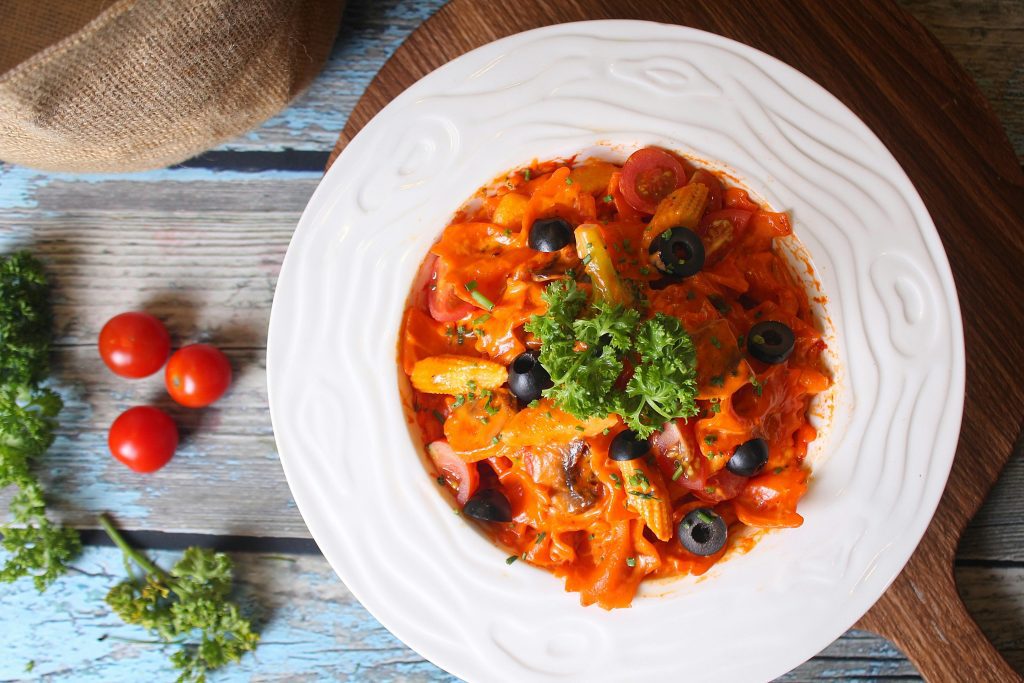
Learning how to buy healthy food on a tight budget isn’t about eating bland chicken and rice every day or surviving on tins of beans. It’s about making smart choices that nourish your body without emptying your wallet. When you’re watching every pound, the idea that healthy eating is expensive can feel like an insurmountable barrier between you and the vitality you deserve.
📖 Reading time: 20 minutes
Picture this: You’re standing in the supermarket aisle, basket in hand, doing mental arithmetic as you try to balance nutrition with your weekly food budget. The organic vegetables look appealing, but they’re twice the price of the standard ones. The lean chicken breast costs more than the value mince. You feel defeated before you’ve even started. Sound familiar? Thousands of UK families face this exact dilemma every single week, convinced that healthy eating is a luxury they simply can’t afford.
Here’s what most people don’t realize: the relationship between cost and nutrition isn’t as straightforward as supermarkets would have you believe. According to research from the British Nutrition Foundation, eating healthily can actually cost less than the typical UK diet when you know what to look for. The key isn’t spending more—it’s spending smarter.
Common Myths About Buying Healthy Food on a Budget
Before we dive into the practical strategies, let’s clear up some misconceptions that might be holding you back from making better food choices.
Myth: Organic food is necessary for healthy eating
Reality: While organic produce has its merits, standard fresh fruits and vegetables offer virtually identical nutritional benefits at a fraction of the cost. The most important factor for health is eating more plants, full stop. A conventional apple eaten is infinitely better than an organic apple you couldn’t afford to buy. Focus your limited budget on quantity and variety of produce rather than organic certification.
Myth: Fresh is always better than frozen
Reality: Frozen vegetables and fruits are often more nutritious than their fresh counterparts because they’re frozen at peak ripeness, locking in vitamins and minerals. Fresh produce can lose nutrients during transport and storage. Frozen options are typically cheaper, last longer, eliminate waste, and make it easier to buy healthy food on a tight budget year-round. The NHS specifically recommends frozen vegetables as a cost-effective way to meet your five-a-day.
Myth: You need expensive superfoods to be healthy
Reality: Goji berries, spirulina, and acai powder might sound impressive, but humble UK staples like porridge oats, carrots, and tinned sardines offer exceptional nutritional value for pennies. The “superfood” marketing phenomenon has convinced many that exotic equals healthy, but traditional, affordable foods provide all the nutrients your body needs. A 500g bag of porridge oats costs around £1 and provides more genuine health benefits than most trendy powders costing twenty times as much.
Strategic Shopping: The Foundation of Buying Healthy Food on a Tight Budget
Related: Anti Inflammatory Foods That Actually Work to Reduce Chronic Inflammation.
Your shopping strategy matters more than you might think. The difference between aimlessly browsing the aisles and shopping with intention can save you £20-30 per week—that’s over £1,200 annually.
Start by planning your meals for the week before you step foot in a shop. This doesn’t need to be complicated. Write down seven dinners, consider what you’ll eat for lunch (often leftovers from dinner), and list the ingredients you need. Check your cupboards first to avoid buying duplicates. This simple act of planning is one of the most effective ways to buy healthy food on a tight budget because it eliminates impulse purchases and reduces waste.
Shop with a list and stick to it religiously. Research from the University of Cambridge found that shoppers who deviate from their lists spend an average of 23% more than planned, mostly on processed foods and snacks. Keep your list on your phone or a piece of paper, and tick items off as you go. If something isn’t on your list, it doesn’t go in your basket.
Timing matters significantly. Shopping late in the evening, typically after 7pm, can yield substantial savings on fresh items approaching their sell-by dates. Many supermarkets reduce perishables by 50-75% in the final hours before closing. These “yellow sticker” items are perfectly safe to eat that day or can be frozen immediately for future meals. One savvy shopper from Birmingham reports saving £40-50 weekly by timing her shop for 8:30pm at her local Tesco.
Compare prices across different shops, but be strategic about it. You don’t need to visit five different stores. Instead, use price comparison websites or apps to identify which shops offer the best value for your most frequently purchased items. Generally, Aldi and Lidl offer the lowest prices for fresh produce and staples, whilst Asda and Tesco can be competitive for own-brand products. Many people find shopping primarily at discount supermarkets and occasionally supplementing from others works best when trying to buy healthy food on a tight budget.
The Power Players: Most Nutritious Foods for Your Money
You may also find this helpful: Foods to Improve Gut Health Naturally: Transform Your Digestion in Just 14 Days.
Not all healthy foods are created equal when it comes to cost-effectiveness. These nutritional powerhouses deliver maximum health benefits for minimum spend, forming the backbone of budget-friendly healthy eating.
Porridge oats
At around £1 per kilogram for standard oats, this breakfast staple provides filling fibre, protein, and essential minerals. A 40g serving costs roughly 4p and keeps you satisfied for hours, preventing expensive mid-morning snack purchases. Dress it up with frozen berries, a drizzle of honey, or a spoonful of peanut butter for variety.
Eggs
A dozen medium eggs costs approximately £2-2.50, working out to about 20p per egg. Each egg delivers 6g of complete protein plus vitamins D, B12, and choline. Eggs are incredibly versatile—scrambled for breakfast, hard-boiled for snacks, or baked into a frittata with leftover vegetables for dinner. They’re genuinely one of the most economical ways to buy healthy food on a tight budget.
Dried pulses and tinned beans
Dried lentils, chickpeas, and kidney beans cost around £1-2 per 500g bag and expand to three times their dried volume when cooked. Tinned varieties offer convenience for just 30-40p per tin. Pulses are protein-rich, high in fibre, and incredibly filling. They stretch expensive meat in dishes like chilli or bolognese, or replace it entirely in curries, soups, and salads.
Frozen vegetables
A kilogram of frozen mixed vegetables costs roughly £1, compared to £3-4 for the same amount of fresh vegetables. Frozen spinach, peas, broccoli, and cauliflower retain their nutrients beautifully and can be added to virtually any meal. Keep several bags in your freezer for instant nutrition without the pressure of using them before they spoil.
Root vegetables
Carrots, potatoes, onions, and sweet potatoes are remarkably cheap, especially when bought loose rather than pre-packaged. A kilogram of carrots costs around 40-50p, whilst potatoes are even cheaper. These vegetables store well for weeks, provide essential vitamins and minerals, and form the satisfying base of countless meals. Roasting them brings out natural sweetness without adding cost.
Tinned fish
Sardines, mackerel, and tinned tuna offer omega-3 fatty acids and protein for £1-1.50 per tin. Whilst fresh fish is expensive, tinned varieties provide comparable nutritional benefits. Mash sardines with lemon juice on toast, mix tuna through pasta, or have mackerel with salad for a protein-rich meal that supports your goal to buy healthy food on a tight budget.
Seasonal fresh fruit
Rather than buying whatever fruit appeals, focus on what’s in season in the UK. Apples in autumn and winter, berries in summer, and citrus fruits in winter months offer the best prices and flavour. A kilogram of seasonal apples costs around £1.50-2, providing numerous servings. Bananas are affordable year-round at roughly £1 per kilogram and never require refrigeration.
Meal Planning Magic: Making Your Budget Stretch Further
The way you plan and prepare meals dramatically impacts both cost and nutrition. These strategies help you buy healthy food on a tight budget whilst actually enjoying what you eat.
Build your meals around inexpensive protein sources extended with vegetables and wholegrains. Instead of serving a large chicken breast per person, use one breast to serve three people by slicing it into a stir-fry loaded with frozen vegetables and served over rice. Your protein goes three times as far whilst everyone gets more vegetables and fibre.
Embrace “ingredient overlap” when planning your week. If a Monday recipe uses half a tin of tomatoes, plan a Thursday meal that uses tomatoes too. When you buy a head of cabbage, use some in a stir-fry, some in a soup, and some in coleslaw. This approach minimizes waste and reduces the number of different ingredients you need to buy. According to WRAP UK, the average family throws away £470 worth of food annually—money that could transform your ability to buy healthy food on a tight budget.
Batch cooking is your secret weapon. Dedicate two hours on a Sunday to preparing large quantities of two or three different meals. Soups, stews, curries, and casseroles all freeze beautifully and improve in flavour over time. Portion them into individual containers for grab-and-go lunches or quick weeknight dinners. This prevents those expensive takeaway temptations when you’re too tired to cook.
Something like good-quality food storage containers makes batch cooking more practical—look for stackable, microwave-safe options that seal properly to prevent freezer burn. This small investment pays for itself quickly when it helps you use every bit of food you purchase.
Make friends with “bits and pieces” meals once or twice weekly. These are meals created from whatever needs using up—odds and ends of vegetables, small amounts of leftover protein, that half-tin of chickpeas in the fridge. Frittatas, fried rice, soup, and pasta dishes work brilliantly for this. These meals cost virtually nothing because you’re using food you already bought, and they’re often surprisingly delicious.
Shopping Tactics That Slash Your Food Bill
Beyond what you buy, how you buy makes an enormous difference to your bottom line when learning to buy healthy food on a tight budget.
Own-brand and value-range products often come from the same suppliers as premium brands. The main differences are packaging and marketing costs passed on to you. Blind taste tests repeatedly show that most people cannot distinguish between budget and branded versions of staples like tinned tomatoes, pasta, rice, flour, and frozen vegetables. Switching to own-brand versions of your ten most-purchased items could save £15-25 weekly.
Buy loose produce rather than pre-packaged whenever possible. Supermarkets charge a premium for the convenience of bagged items. Loose carrots, onions, potatoes, and apples are typically 20-40% cheaper than their packaged equivalents. You’ll also buy exactly the amount you need, reducing waste. Bring your own bags to avoid the carrier bag charge.
Understand unit pricing to make genuine comparisons. The large bold price might look appealing, but the small print showing cost per 100g or per kilogram tells the real story. Sometimes smaller packages offer better value, particularly for perishables you might not use quickly enough. Most UK supermarkets display unit prices on shelf labels, making comparison straightforward.
Join supermarket loyalty schemes—they’re free and genuinely save money. Tesco Clubcard, Nectar, and others offer personalized discounts based on your shopping habits. You’ll receive vouchers for items you actually buy, plus collect points toward future shopping. Some schemes offer exclusive prices on hundreds of items, with savings of 20-50% for members.
Consider local markets for certain items. Whilst not always cheaper, street markets and greengrocers often sell fresh produce at lower prices than supermarkets, especially toward closing time. The quality can be excellent, supporting local businesses whilst helping you buy healthy food on a tight budget. One kilogram of tomatoes might cost £3 at Sainsbury’s but £1.50 at your local market.
Waste Not, Want Not: Extending Food Life
Reducing waste is functionally identical to reducing costs. Every bit of food you throw away is money in the bin. These strategies ensure you use everything you purchase.
Store food properly to maximize shelf life. Leafy greens last longer wrapped in damp kitchen paper inside a sealed container. Cheese stays fresher wrapped in beeswax wrap or proper cheese paper rather than plastic. Bread freezes beautifully—slice it first so you can remove individual slices as needed. Overripe bananas can be peeled and frozen for smoothies or banana bread.
Learn to distinguish “best before” from “use by” dates. “Best before” indicates peak quality but the food remains safe to eat afterward. Trust your senses—if it looks, smells, and tastes fine, it probably is. “Use by” dates on meat, fish, and dairy should be respected for safety. This knowledge prevents premature disposal of perfectly good food and supports your efforts to buy healthy food on a tight budget.
Revive vegetables that have lost their crispness. Limp carrots, celery, and herbs can be refreshed by soaking in ice-cold water for 30-60 minutes. They’ll firm up beautifully and become perfectly usable again. Slightly soft vegetables work wonderfully in soups and stews where texture matters less.
Keep a “use it up” shelf in your fridge where you place items that need eating soon. Check this shelf first when planning meals or looking for snacks. Making these items visible prevents them from being forgotten at the back of the fridge until they’re spoiled.
Embrace preservation techniques. Freeze excess fresh herbs in ice cube trays with olive oil. Make vegetable stock from peelings and scraps. Pickle vegetables that are past their prime for fresh eating. Our grandparents knew these techniques because they had to buy healthy food on tight budgets—their wisdom remains valuable today.
Your First Month Action Plan
Transforming your shopping habits doesn’t happen overnight. This progressive plan helps you implement changes gradually, building confidence and competence week by week.
- Week 1: Audit and plan. Spend thirty minutes reviewing what you currently buy and eat. Write down your ten most-purchased items and check if own-brand versions would save money. Plan four simple, healthy meals for next week using ingredients from the “power players” list above. Write a detailed shopping list and commit to sticking to it. Notice how much you spend this week—this is your baseline for comparison.
- Week 2: Strategic shopping. Visit a discount supermarket you don’t normally use, even if it’s slightly less convenient. Compare prices to your usual shop. Try buying at least three frozen vegetable varieties and two tinned fish products. Experiment with shopping at a different time of day, particularly late evening, to spot reduced items. Buy healthy food on a tight budget by implementing one new cost-saving strategy from this article.
- Week 3: Meal prep foundation. Choose a day to batch cook two simple dishes—perhaps a large pot of vegetable soup and a bean chilli. Freeze portions in individual containers. Use these for quick lunches or tired weeknight dinners. Notice how having pre-prepared healthy food available changes your eating patterns and reduces expensive convenience food purchases.
- Week 4: Waste reduction focus. Set up your “use it up” shelf in the fridge. Before planning this week’s meals, check what needs eating and incorporate those ingredients. Challenge yourself to throw away nothing this week. Get creative with bits and pieces meals. Track everything you would have thrown away but found a use for instead—you’ll be amazed at the savings.
By the end of this month, you should notice a tangible reduction in your food spending whilst eating more nutritiously. Many people report savings of £30-50 monthly from implementing just half of these strategies.
Mistakes to Avoid (And How to Fix Them)
Even with the best intentions, certain pitfalls can derail your attempts to buy healthy food on a tight budget. Recognizing these common mistakes helps you avoid them.
Mistake 1: Shopping when hungry
Why it’s a problem: Research consistently shows that hungry shoppers spend significantly more, particularly on high-calorie, processed foods that offer poor nutritional value per pound spent. Your hunger hijacks rational decision-making, making everything look appealing.
What to do instead: Always shop after eating a meal or substantial snack. Keep a banana or small bag of nuts in your car or bag for emergencies. If you find yourself unexpectedly food shopping whilst hungry, buy only items from your list and return another day for anything else.
Mistake 2: Buying too much fresh produce
Why it’s a problem: Fresh vegetables and fruit are healthy and often reasonably priced, but they spoil quickly if you overestimate what you’ll realistically use. That bag of salad leaves or bunch of asparagus seems affordable until it liquefies in your fridge unused, representing both wasted money and wasted nutrition.
What to do instead: Buy fresh strategically based on honest assessment of your cooking habits. If you only cook fresh vegetables twice weekly, don’t buy enough for seven days. Supplement with frozen vegetables that wait patiently in your freezer without deteriorating. Buy smaller amounts more frequently if needed, or choose vegetables that store well like carrots, cabbage, and root vegetables.
Mistake 3: Avoiding cheaper cuts of meat
Why it’s a problem: Many people assume cheap cuts are inferior, paying premium prices for chicken breasts, steak, and pork chops whilst dismissing thighs, shin, and shoulder. In reality, these affordable cuts often offer superior flavour and nutrition—they simply require different cooking methods.
What to do instead: Learn to cook inexpensive cuts properly. Chicken thighs cost half the price of breasts but contain more flavour and stay moist during cooking. Beef shin becomes meltingly tender in a slow cooker and costs a fraction of premium cuts. Shoulder of pork makes exceptional pulled pork. These cuts help you buy healthy food on a tight budget whilst actually improving your meals.
Mistake 4: Falling for “healthy” marketing
Why it’s a problem: Foods labeled “superfood,” “detox,” “clean,” or “wellness” typically carry inflated prices based on marketing rather than nutritional superiority. That “ancient grain” pasta costs three times more than standard wholemeal pasta despite offering negligible nutritional differences.
What to do instead: Ignore marketing buzzwords and focus on actual ingredients and nutritional information. Compare cost per serving and nutritional content per pound spent. Usually, simple whole foods without fancy packaging offer better value. A bag of porridge oats labeled “natural energy boost” isn’t fundamentally different from standard porridge oats—but it costs considerably more.
Mistake 5: Not utilizing your freezer properly
Why it’s a problem: Many people use their freezer only for ice cream and frozen chips, missing the massive potential for preserving reduced-price fresh foods, batch-cooked meals, and preventing waste. This oversight costs hundreds of pounds annually in spoiled food and missed bargains.
What to do instead: Treat your freezer as a money-saving tool. Freeze bread, grated cheese, chopped herbs, overripe bananas, and reduced-price meat immediately. Portion and freeze batch-cooked meals. Label everything with contents and date. Regularly rotate items to use older ones first. A well-organized freezer makes it dramatically easier to buy healthy food on a tight budget by preserving both planned purchases and unexpected bargains.
Quick Reference Checklist
Print or save this checklist as your go-to guide for budget-friendly healthy shopping:
- Plan your weekly meals before shopping and create a detailed list of only what you need
- Shop primarily at discount supermarkets like Aldi and Lidl for maximum savings on fresh produce and staples
- Buy frozen vegetables and fruits for better value, longer storage, and zero waste
- Choose own-brand versions of staples—they’re typically identical quality at 30-50% lower cost
- Focus on nutrient-dense budget foods: oats, eggs, pulses, root vegetables, tinned fish, and seasonal fruit
- Batch cook two to three meals weekly and freeze portions for convenient healthy eating
- Shop late evening for yellow-sticker reductions on fresh items and freeze them immediately
- Store a “use it up” shelf in your fridge and check it before planning meals or shopping
Frequently Asked Questions
How much should I realistically budget per person for healthy eating?
Most people can eat healthily on £25-35 per person weekly in the UK using the strategies outlined here. This includes three meals daily plus snacks, focusing on whole foods and home cooking. If your current spending is significantly higher, you can likely reduce it whilst improving nutrition. If you’re spending less than £20 per person weekly, you may struggle to meet all nutritional needs without very careful planning and excellent cooking skills.
Is it cheaper to buy healthy food online or in physical shops?
Physical shops generally offer better opportunities to buy healthy food on a tight budget because you can spot reduced items, compare unit prices easily, and buy loose produce in exact amounts needed. Online shopping adds delivery fees (typically £3-6) and makes you miss yellow-sticker bargains. However, if online shopping prevents impulse purchases and you’re disciplined with a list, it might work out cheaper overall depending on your shopping habits. Try both and track spending to see what works for your situation.
What if I don’t have time to cook from scratch every day?
You don’t need to cook daily to eat healthily on a budget. Batch cooking once or twice weekly provides ready-made meals requiring only reheating. Simple meals like baked potatoes with beans, scrambled eggs on toast, or pasta with tinned tomatoes and vegetables take under fifteen minutes. Use your slow cooker or pressure cooker if you have one—add ingredients in the morning and return to a ready meal. Focus on building a repertoire of five genuinely quick, healthy meals you can make without thinking, supplemented by batch-cooked options.
Are meal kit delivery services worth it for budget-conscious healthy eating?
Meal kit services like Gousto or HelloFresh typically cost £4-7 per portion, which is more expensive than shopping and cooking yourself using these strategies. Whilst they eliminate planning and reduce waste, you’ll struggle to buy healthy food on a tight budget using them regularly. They might work as an occasional convenience or learning tool for cooking techniques, but they’re not the most economical choice for everyday eating. You’ll save significantly by planning your own meals and shopping strategically.
How long before I notice genuine savings from changing my shopping habits?
Most people see noticeable savings within the first two to three shops—typically within two weeks. Initial savings come from avoiding impulse purchases, buying own-brand products, and reducing waste. Deeper savings develop over four to six weeks as you build batch-cooking habits, learn which shops offer best value for your most-purchased items, and become skilled at incorporating reduced items into meal plans. Track your spending for at least one month to see the full impact. Many families report saving £120-200 monthly once new habits are established, making it well worth the adjustment period.
Your Path Forward
Learning how to buy healthy food on a tight budget isn’t about deprivation or eating boring meals. It’s about understanding that whole, simple foods offer better nutrition and value than heavily marketed processed alternatives. Shopping strategically, planning realistically, and wasting nothing. It’s about recognizing that expensive doesn’t mean healthy, and affordable doesn’t mean nutritionally poor.
The strategies in this article have helped countless UK families eat better whilst spending less. They’re not complicated or time-consuming once they become habit. Start with just two or three changes this week—perhaps planning your meals, switching to a discount supermarket, and buying some frozen vegetables. Notice the difference in your shopping bill and how you feel eating more nutritious food.
The most important step is simply beginning. Your health matters regardless of your budget, and with these tools, you can nourish yourself properly without financial stress. Pick one section from this article, implement it this week, and build from there. Every small change compounds over time into significant transformation—both for your wellbeing and your bank balance. You’ve got everything you need to start right now.


